1
Villages · Ain
Pérouges
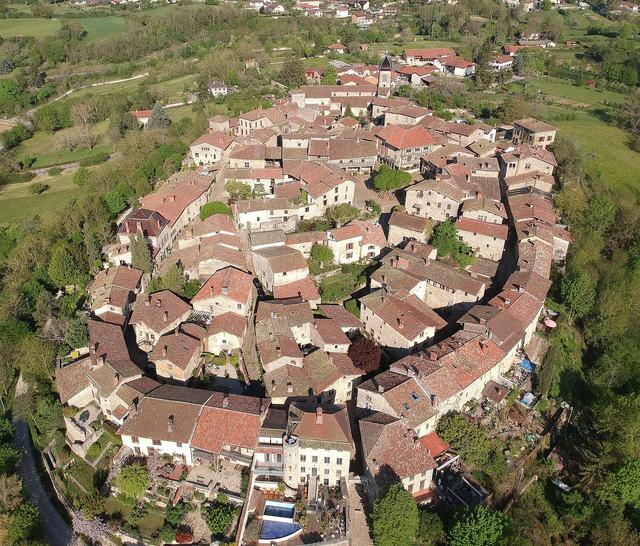
To cross Pérouges is to go from the Porte d'En Haut to the Porte d'En Bas. The village has indeed kept its medieval ramparts.
View full page →France has around 180 villages that are members of the association Les Plus Beaux Villages de France, a label created in 1982 that distinguishes small rural communes with remarkable architectural and scenic heritage. This selection brings together the labelled villages already in our catalogue, from the Alps to Brittany, from Corsica to the Basque Country, to compose lovely itineraries.
You will find bastides, hilltop villages, fortified towns, winegrowers' villages, fishing villages and mountain hamlets. Each remains human in scale, with its lanes, stone houses and church, and is visited on foot in one to two hours.
A few tips: favour the morning or late afternoon to avoid the summer crowds, park at the entrance to villages and respect the residents' lives. Many villages are neighbours: it is easy to combine several stops on the same day.
To cross Pérouges is to go from the Porte d'En Haut to the Porte d'En Bas. The village has indeed kept its medieval ramparts.
View full page →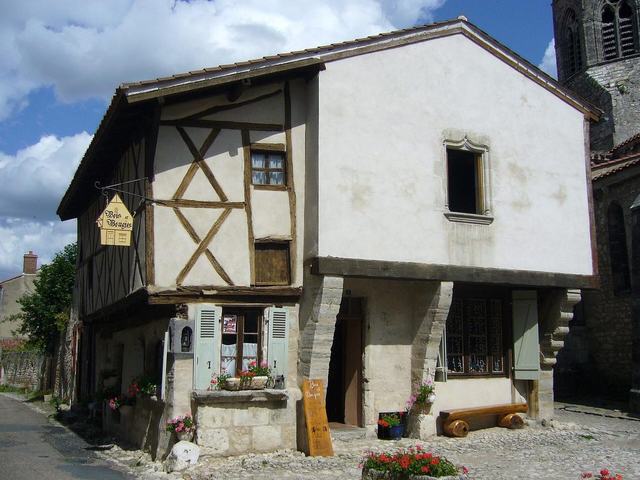
A bastion of the Bourbonnais, the town was once protected by a double rampart. The outer wall has disappeared; of the inner wall only the Porte de l'Horloge, the Porte d'Orient, two towers and sixty metres of wall remain.
View full page →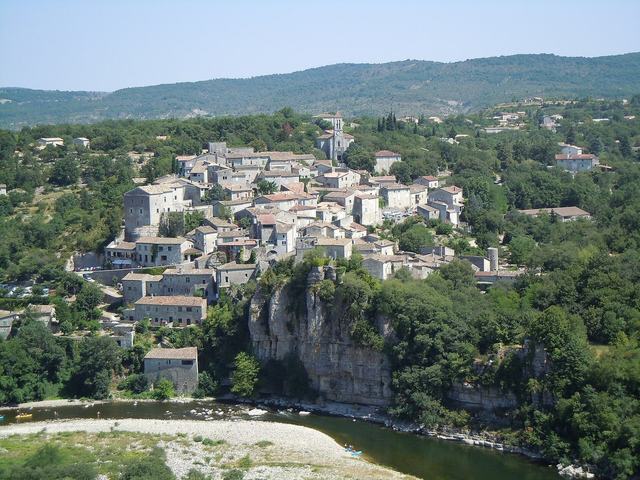
You have to get to the opposite bank of the Ardèche to have enough distance to see this superb village as a whole.
View full page →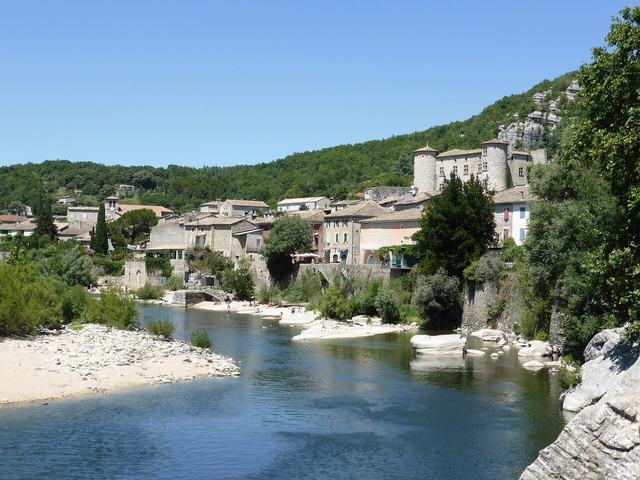
Vogüé is a tourist village on the banks of the Ardèche. The village is ranked among the most beautiful villages of France. The castle of the Lords of Vogüé and its four round towers overlook this southern town.
View full page →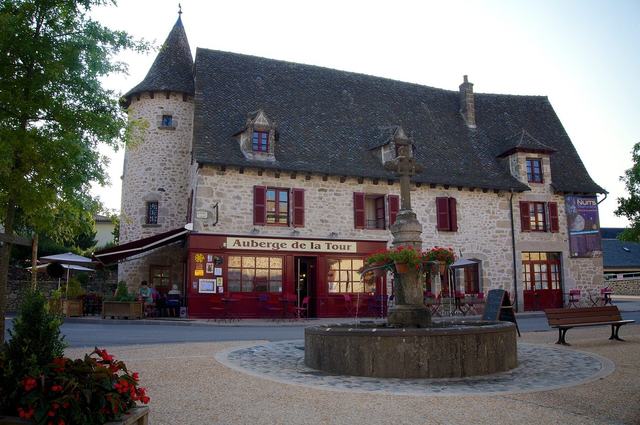
A medieval town of the Cantal Châtaigneraie, ranked among the Most Beautiful Villages of France and a Petite Cité de Caractère.
View full page →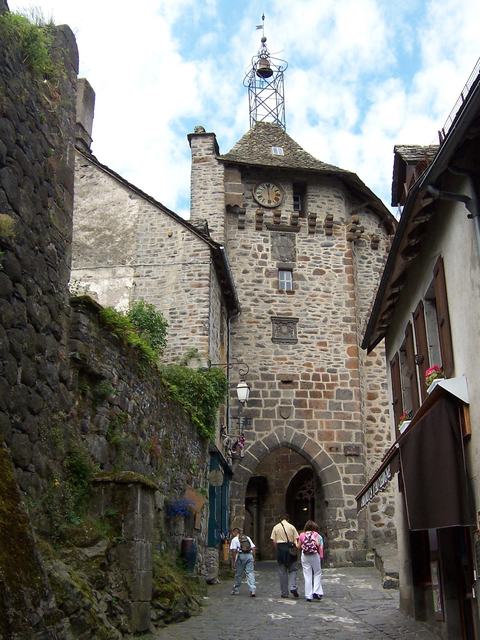
It was around the castle of the barons of Salers that the town grew up, and it was in the fifteenth century that the ramparts were built to protect against the English.
View full page →
Formerly, the rival houses of Tournemire and Anjony disputed supremacy by iron and blood.
View full page →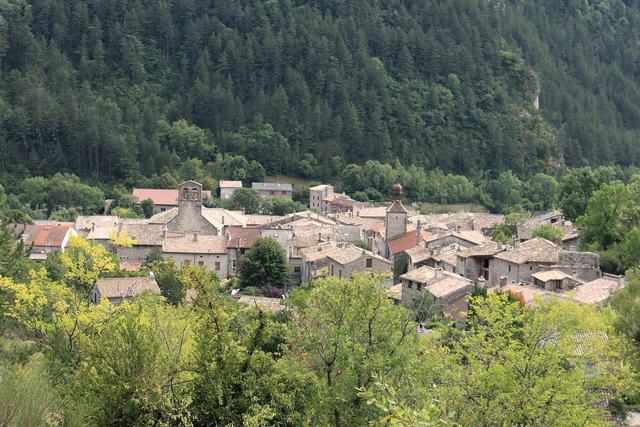
A stone village of the Diois, nestled at the foot of limestone cliffs, ranked among the Most Beautiful Villages of France.
View full page →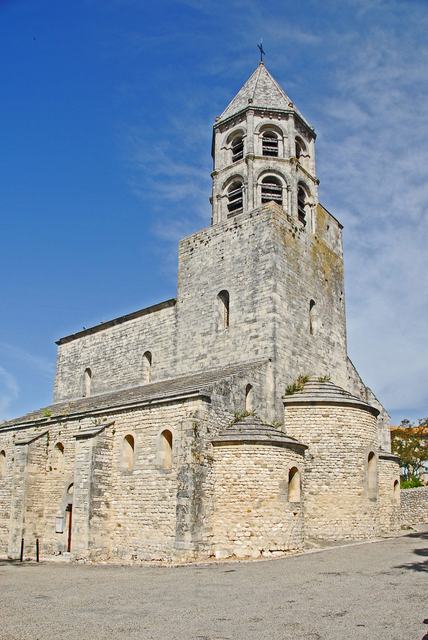
Perched on a hill overlooking the Donzère-Mondragon canal and the Pierrelatte plain, this former medieval stronghold lies on the left bank of the Rhône.
View full page →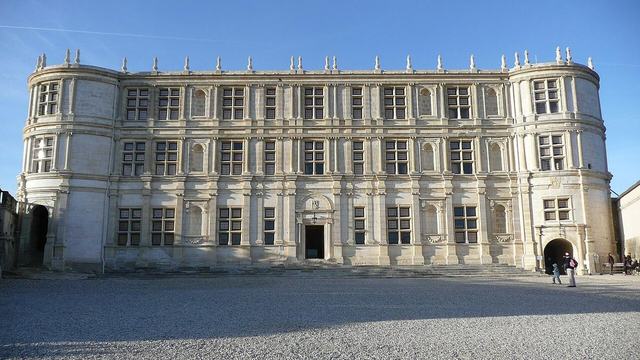
The château de Grignan, whose origin goes back to the twelfth century, was built on a rocky peak overlooking Grignan; it was turned into a fortress in the thirteenth century by the Adhémar family: in the seventeenth century François Adhémar de Monteil made it a luxurious residence. Reduced to…
View full page →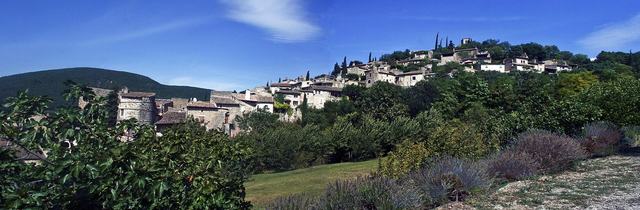
As you approach the town, your gaze stops on the imposing ramparts built in the fifth century.
View full page →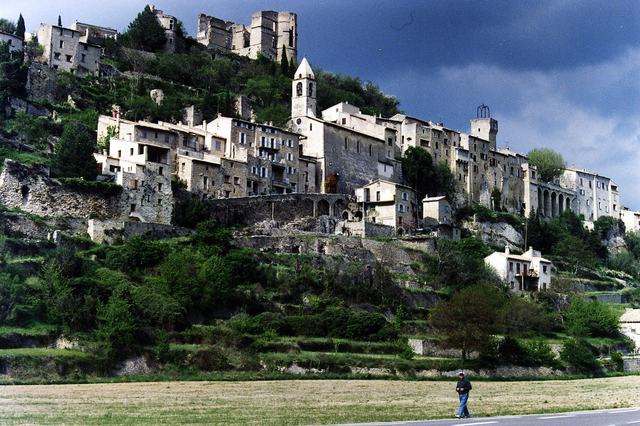
Packed against each other, the old stone houses have gained in height the space they did not have on the ground.
View full page →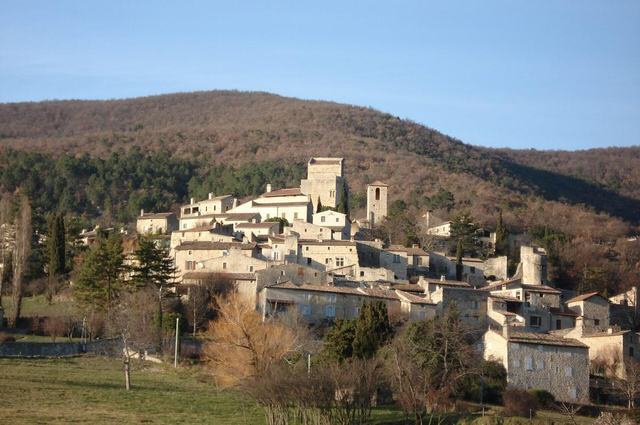
On a steep site in the Jabron valley, this medieval village with a triangular plan sits in a superb panorama of wooded foothills.
View full page →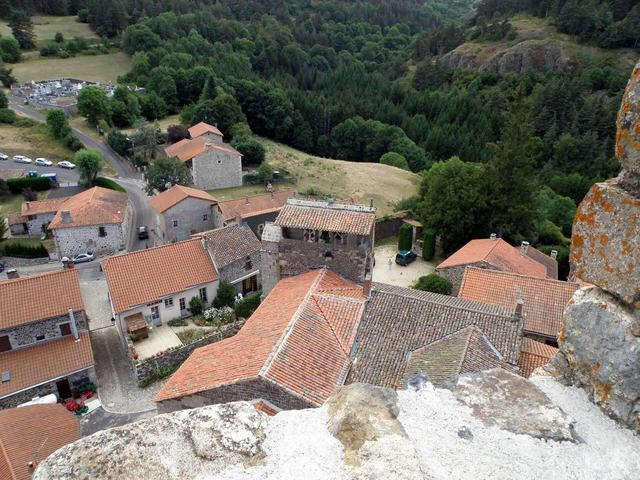
This little village occupies an astonishing site on a rocky spur overlooking the wild gorges of the Loire, where it curves and carves its bed towards Le Puy-en-Velay.
View full page →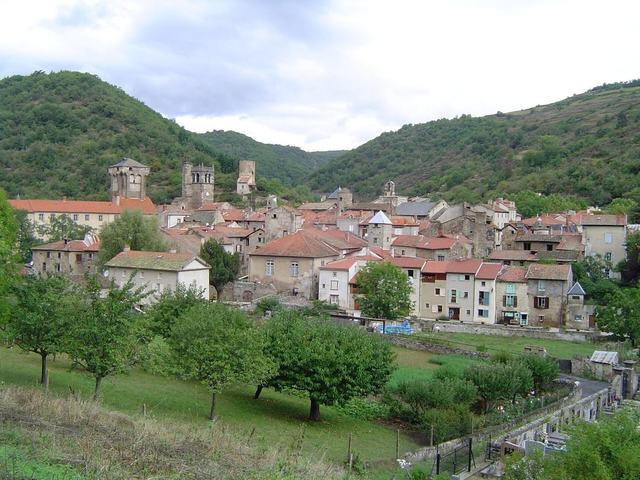
The existence and development of the village depended until the Revolution on a Benedictine nuns' abbey, founded around the middle of the ninth century.
View full page →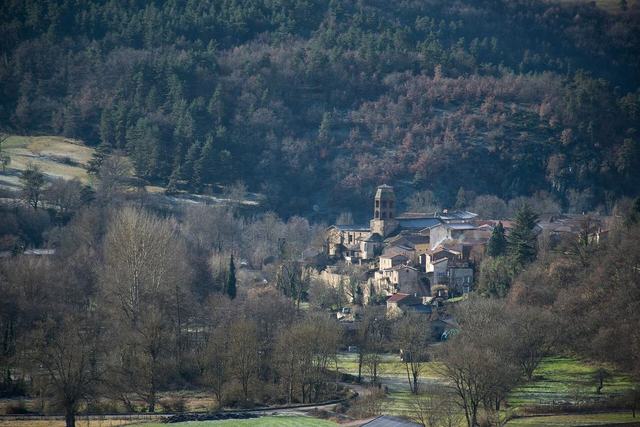
Lavaudieu (the valley of God) has much to offer the lover of Romanesque architecture. This village was indeed the site of a Benedictine abbey founded in the eleventh century.
View full page →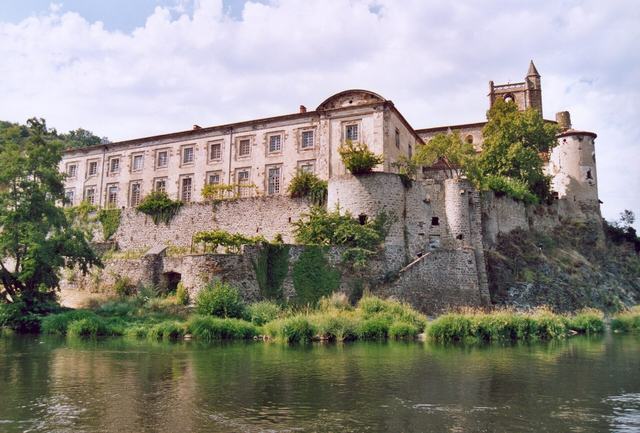
A village of the Allier gorges, grouped around its old priory in a bend of the river, among the Most Beautiful Villages of France.
View full page →
The fortress, since the tenth century, was the cradle of the greatest family of the Velay, the Polignac family, one of the most illustrious in French history.
View full page →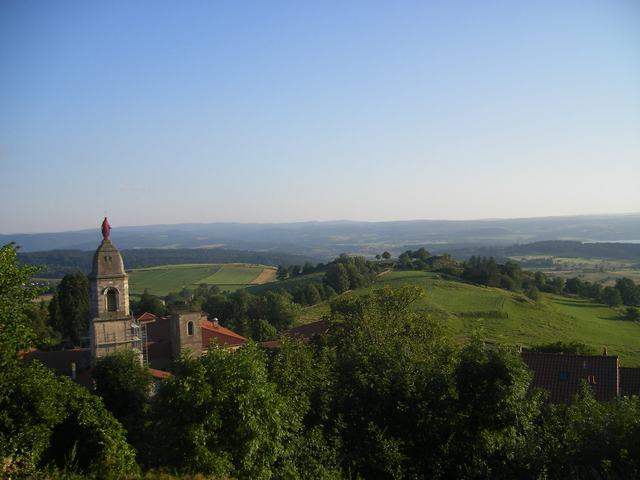
A pilgrims' road to Saint-Gilles-du-Gard and a transhumance drove road between Languedoc and the summits of the Massif Central, the Regordane way made Pradelles a crossroads where salt, oil and wine were traded, and even munitions during the Wars of Religion.
View full page →
The position of Yvoire, on the only promontory of Lake Geneva, aroused the interest of the counts of Savoy, "the doorkeepers of the Alps".
View full page →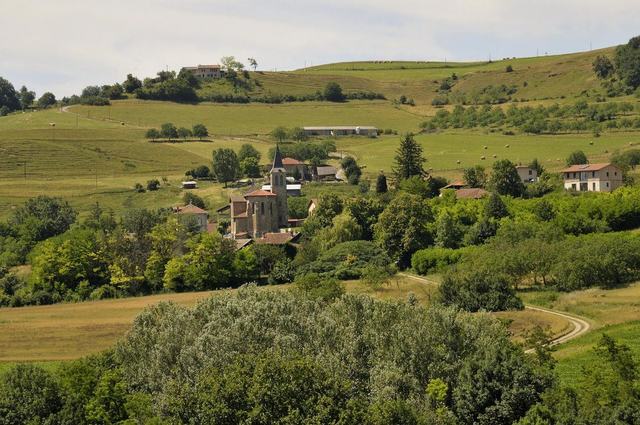
Set in the Isère département, at the gates of the Drôme, halfway between Grenoble and Valence, the medieval village of Saint-Antoine-l'Abbaye, ranked among the Most Beautiful Villages of France, is considered one of the unmissable jewels of Rhône-Alpes heritage.
View full page →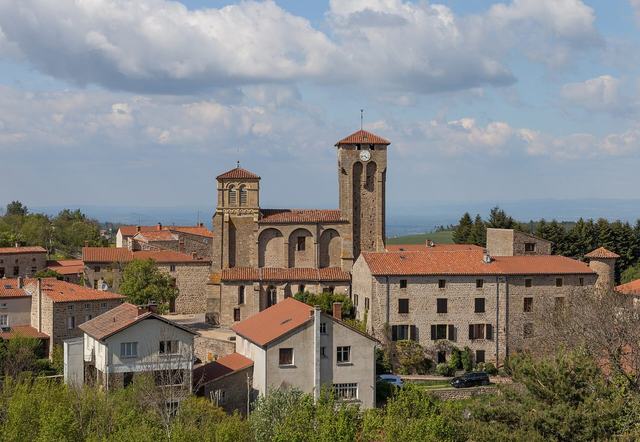
A perched village of the Forez mountains, grouped around its Romanesque church and stone houses, among the Most Beautiful Villages of France.
View full page →
It was Béatrice de Roussillon who founded the Sainte-Croix charterhouse in 1280, in the hollow of a rolling landscape.
View full page →
Montpeyroux, that is "stony mount", is not built of lava stone but of local arkose stone, which gives it a surprising coppery luminosity.
View full page →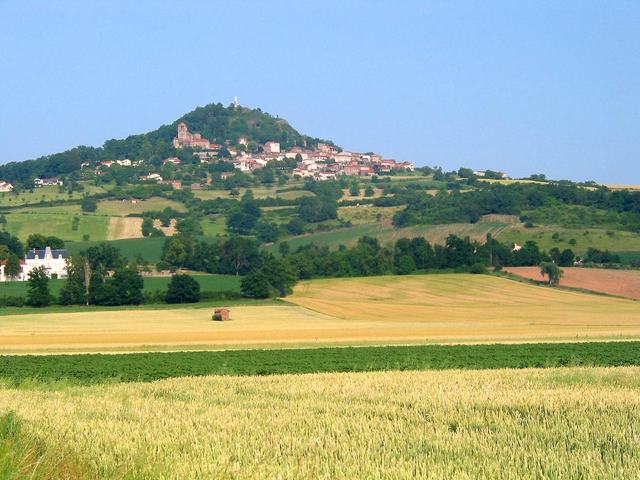
In this village, whose origins are said to go back to Celtic times, stands the most important fortress of Basse Auvergne.
View full page →
Oingt is a magnificent medieval village, listed and restored, perched on a spur overlooking the Azergues valley where the "Route Fleurie" passes, linking the most beautiful villages of the Pays des Pierres Dorées.
View full page →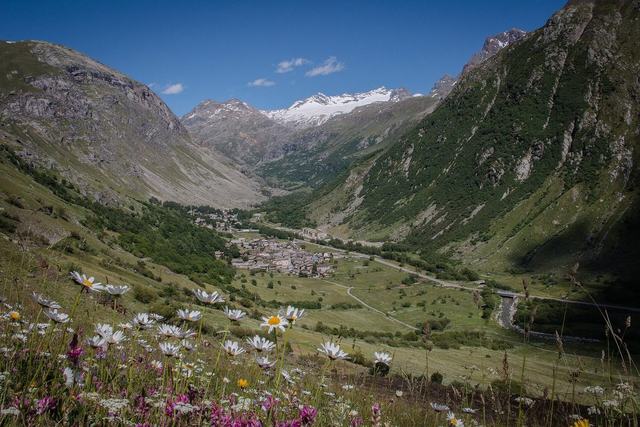
At 1,835 metres' altitude in one of the most beautiful glacial ensembles of the French Alps, Bonneval is the highest commune in Maurienne.
View full page →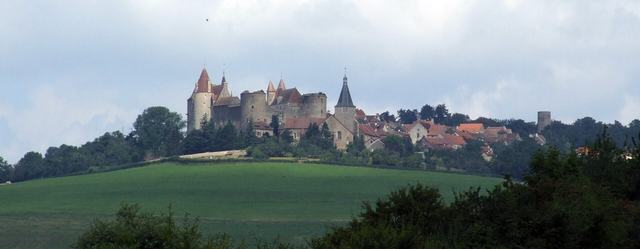
Intended to command the old road from Dijon to Autun, the fortress was built in the late twelfth century by Jean de Chaudenay.
View full page →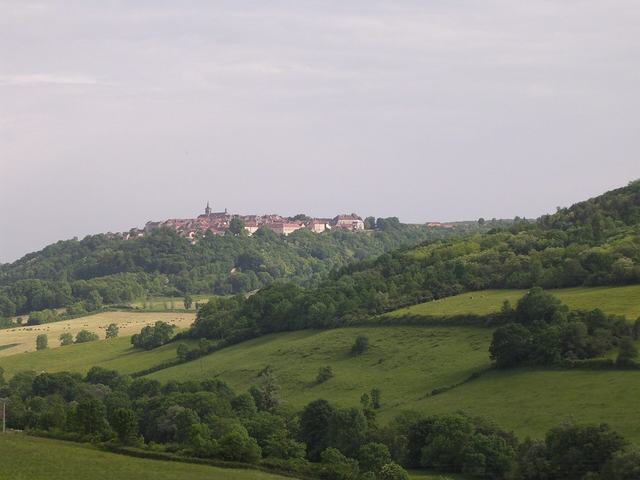
The silhouette of this perched village is punctuated by the imposing volumes of its religious buildings.
View full page →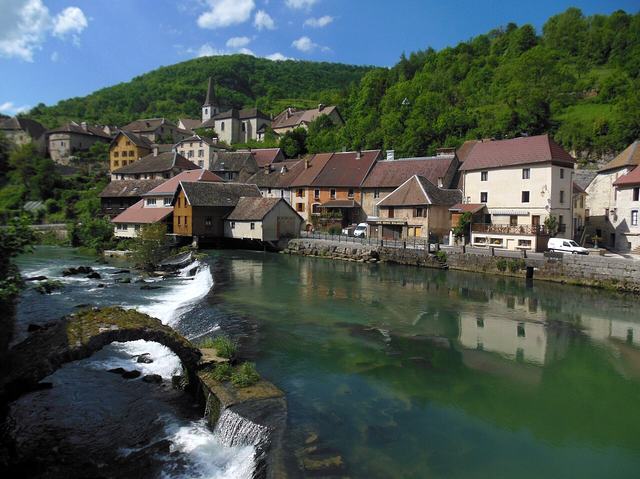
Crossed from one end to the other by the pretty river Loue that gushes out a few kilometres away, the town is a former village of winegrowers and blacksmiths.
View full page →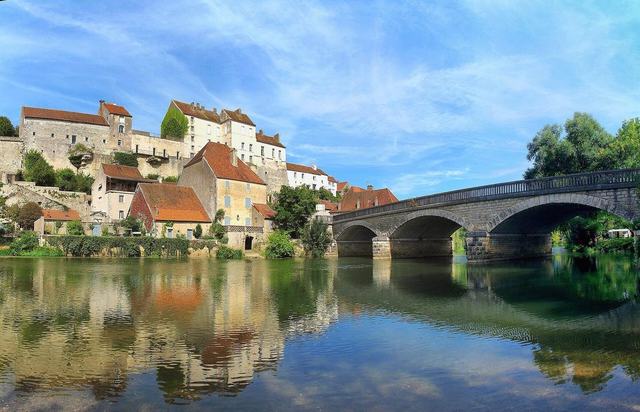
Perched above the Ognon valley, this picturesque little town has kept all its charm despite a tumultuous past.
View full page →
One of the French people's favourite villages lies in the typical reculées of the Jura foothills and in the heart of an exceptional site classified Natura 2000 and 3 stars.
View full page →
Famous for its former abbey and its wines, this small village perched on top of a rocky spur has kept the ruins of a fortress built in the Middle Ages to protect a Benedictine nuns' abbey founded on the spot as early as the sixth century.
View full page →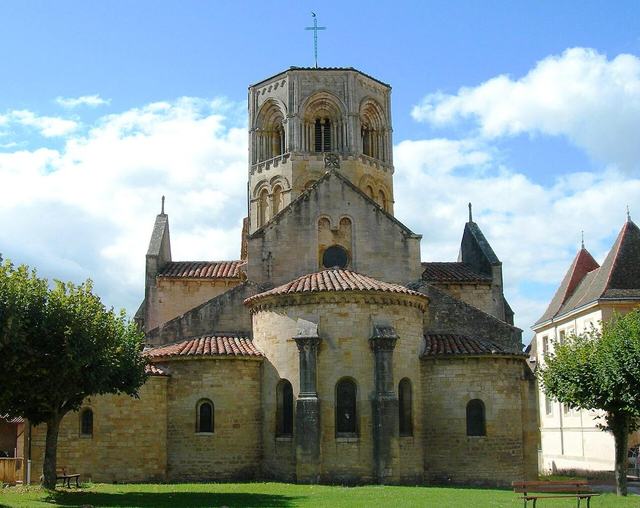
Semur-en-Brionnais is the birthplace of Saint Hugh of Cluny, abbot of Cluny from 1049 to 1109, reformer of the Church and much-heeded adviser of kings and Pope Gregory VII.
View full page →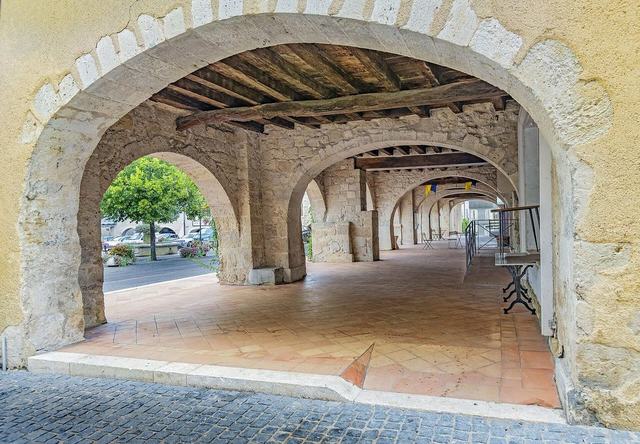
In 1255 Alphonse of Poitiers built on a rocky spur skirted by the Auzoue one of the first Gascon bastides.
View full page →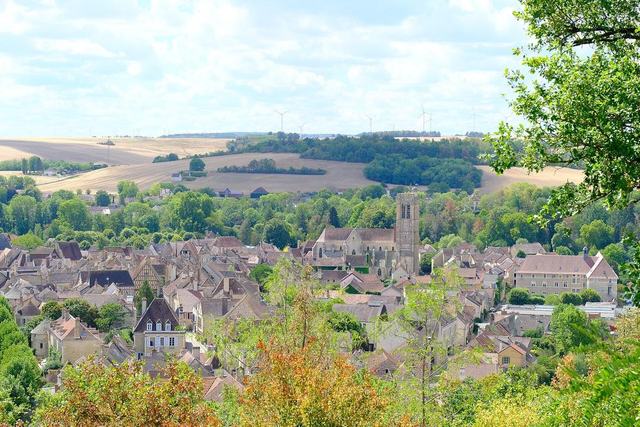
Encircled by a loop of the Serein, ringed with ramparts and towers, Noyers offers the visitor pleasant cobbled streets, small squares, a fifteenth-century church and attractive houses.
View full page →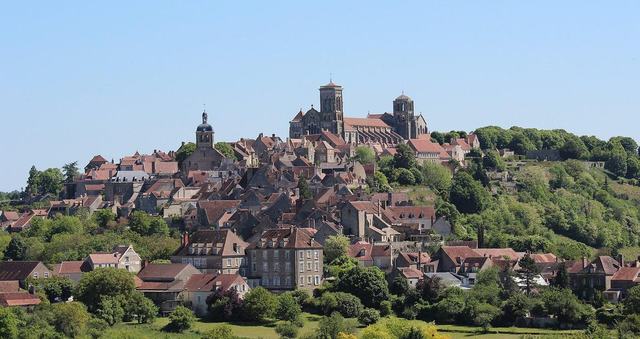
A high place of pilgrimage since the twelfth century, the basilica of Sainte-Marie-Madeleine at Vézelay stands on top of a high hill overlooking the Cure, on the edge of the Morvan regional park.
View full page →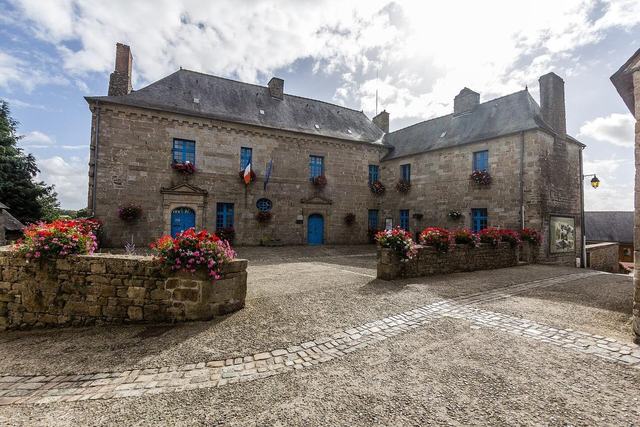
A small town of character in the very heart of the Côtes-d'Armor, between two valleys, Moncontour is a medieval village ringed by ramparts and perched on a rocky promontory.
View full page →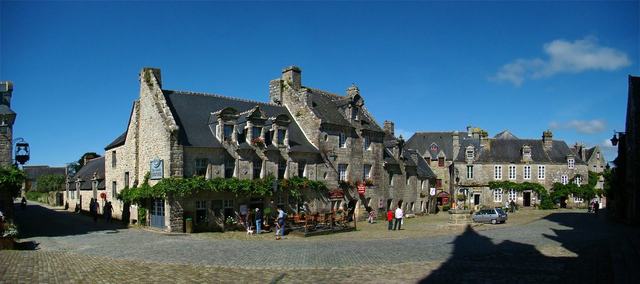
A small town that became prosperous in the sixteenth and seventeenth centuries thanks to the sailcloth industry, wonderfully preserved Locronan has kept from its rich past very fine Renaissance granite houses.
View full page →
Set in the centre of a tangle of narrow lanes, lined with fishermen's houses or granite walls enclosing gardens, the church of Saint-Suliac overlooks with its imposing bell tower an old cemetery with which it forms a parish close, rare in Upper Brittany.
View full page →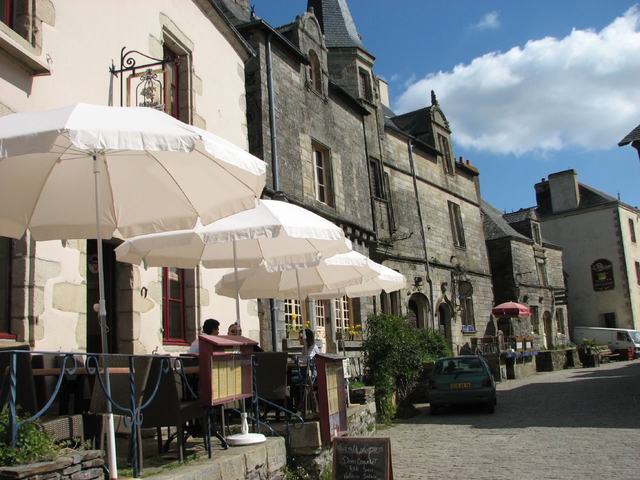
Rochefort-en-Terre is a very pretty Town of Character built in a superb site, the Gueuzon valley, a landscape of granite rocks, woods and meadows.
View full page →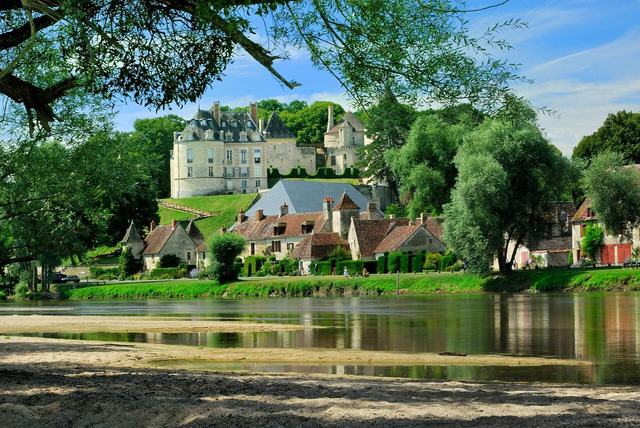
The little village of Apremont lies on the banks of the Allier, on the border of Burgundy and Berry: it is overlooked by a very fine castle.
View full page →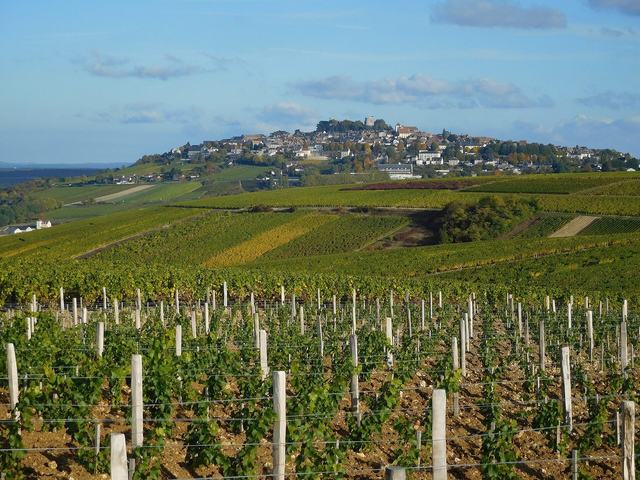
Village perched on top of a hill overlooking the Loire, capital of a vineyard renowned for its dry white wines made from sauvignon.
View full page →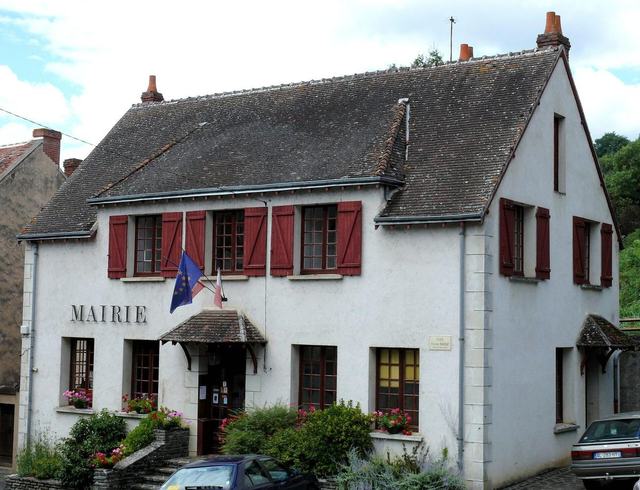
Gargilesse nestles in the green and peaceful Creuse valley. The village forms a harmonious ensemble, with its simple, flowered old houses, its castle rebuilt in the eighteenth century and its Romanesque church.
View full page →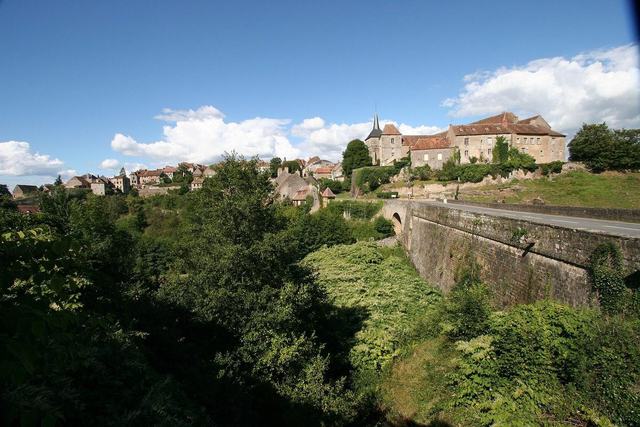
Enclosed by a double belt of ramparts, partly intact, Saint-Benoît has kept from its medieval past a fortified gate, a fourteenth-century belfry and an old wall-walk.
View full page →
In Gaulish "candate" means confluence, and it is at the meeting place of the Vienne and the Loire that the village settled.
View full page →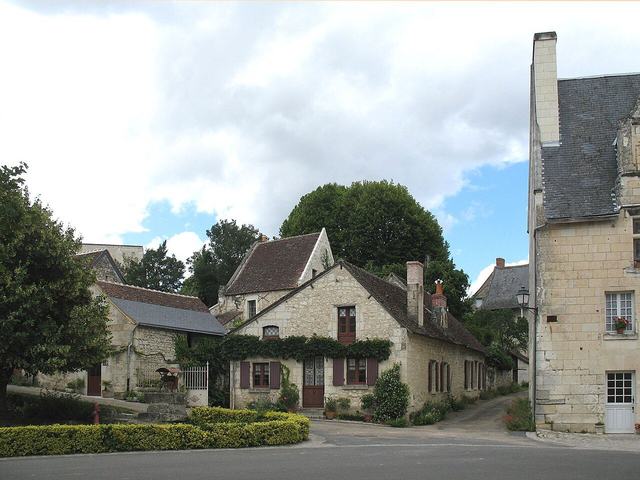
Located in the heart of Touraine, in the picturesque Manse valley, the village of Crissay is full of charm.
View full page →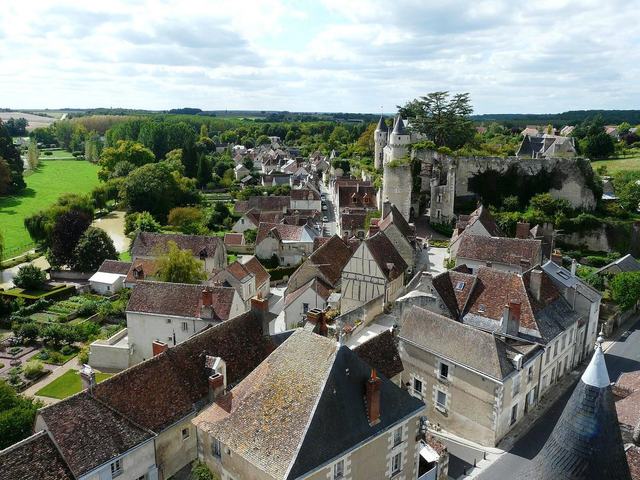
Standing on the banks of the Indrois, Montrésor seems to have stayed apart from all modernisation.
View full page →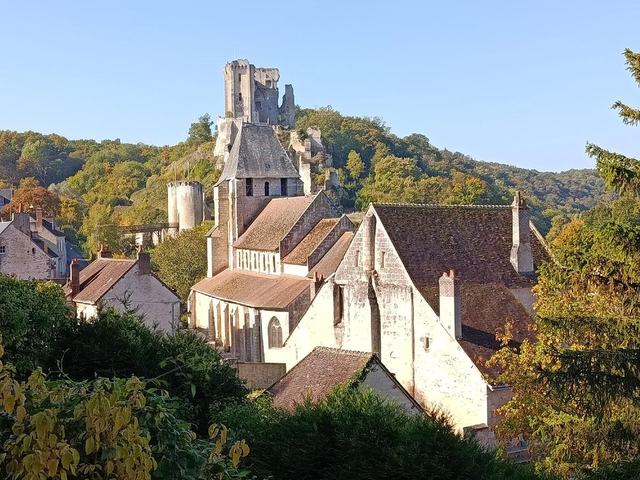
Buried in greenery on the banks of the Loir, Lavardin nestles at the foot of the impressive ruins of its castle.
View full page →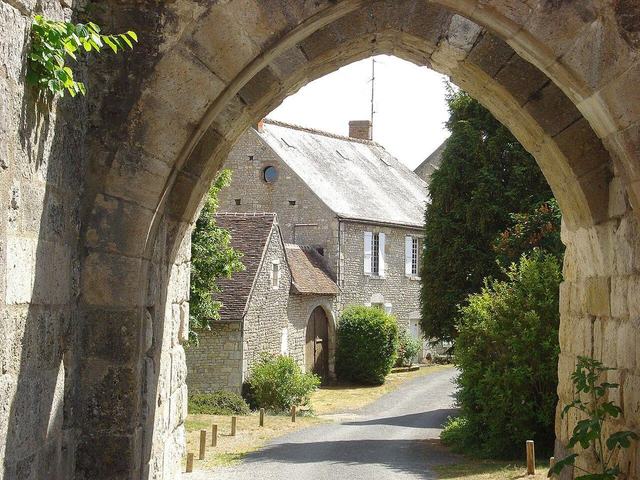
Set on a spur, on the boundary of the former bishoprics of Orléans and Sens, whose frontier was marked by the Essonne and the Rimarde, Yèvre-le-Châtel was fortified very early.
View full page →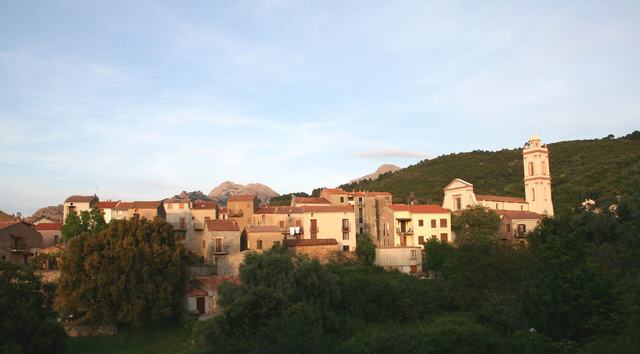
The village of Piana overlooks the Gulf of Porto, close to an exceptional place: the calanques of sumptuous beauty marrying the blue of the sea with all the pink and red tones of the granite cliffs.
View full page →
The village's origin is said to go back to the ninth century, according to the legend of Ugo Colonna and his companions.
View full page →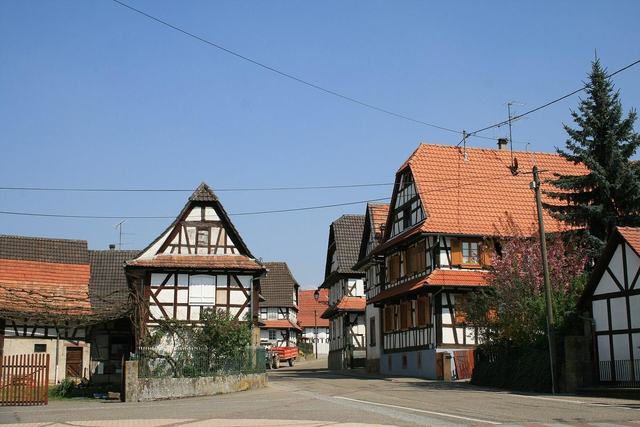
In the heart of the Outre-Forêt, the former imperial village of Hunspach became in 1504 the property of the Deux-Ponts-Palatinate family, which kept it until the Revolution.
View full page →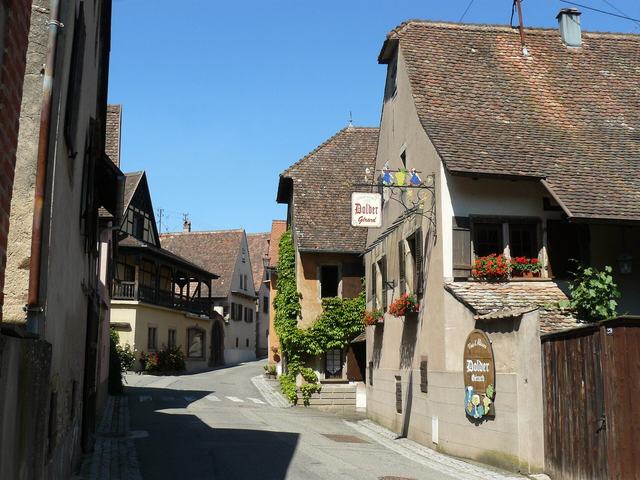
Mittelbergheim stretches over the vine-covered hills of the Rippellsholz. The village, whose name is mentioned as early as 741, was successively the property of several abbeys.
View full page →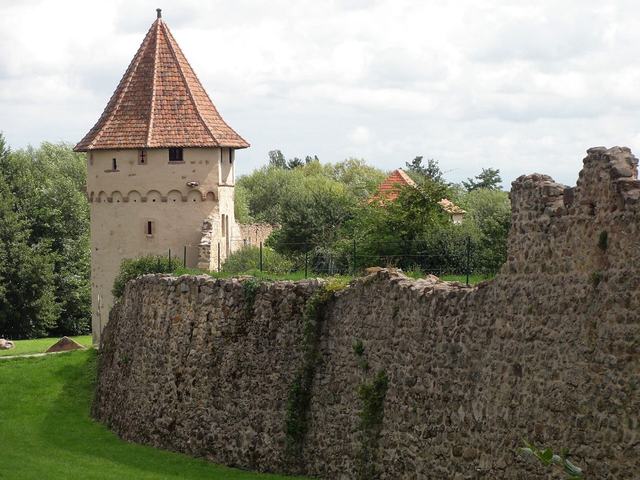
Alsatian wine village enclosed by ramparts and towers, ranked among the Most Beautiful Villages of France.
View full page →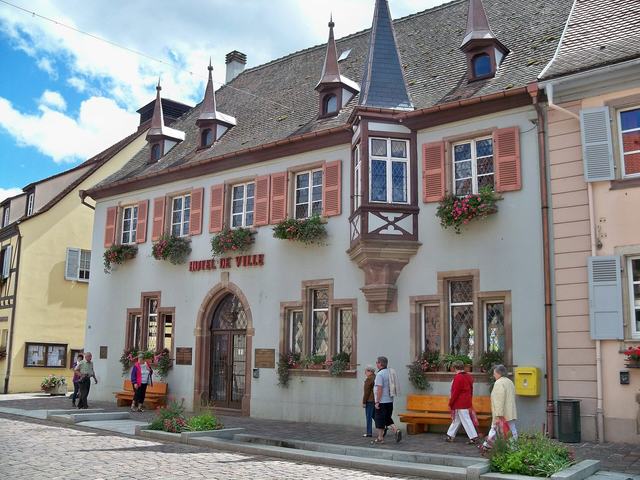
Ranked among the Most Beautiful Villages of France since 2003, national flower prize since 1989, gold medal of the European Entente Florale competition in 2006...
View full page →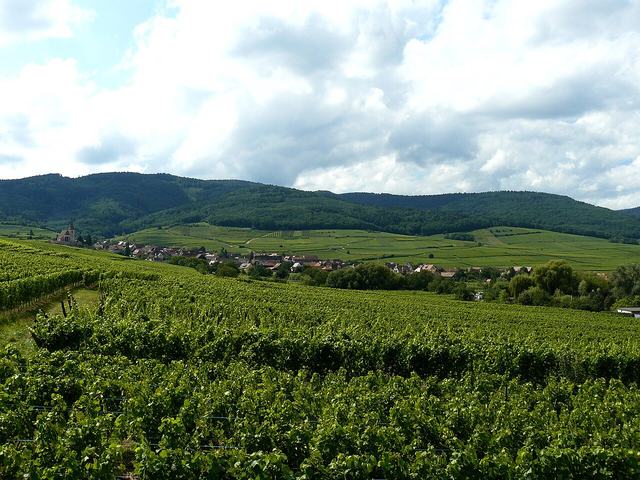
The village lies half-way up the slopes at the confluence of two watercourses. Surrounded by its little fortified cemetery, the fifteenth-century church emerges among vines that stretch to infinity.
View full page →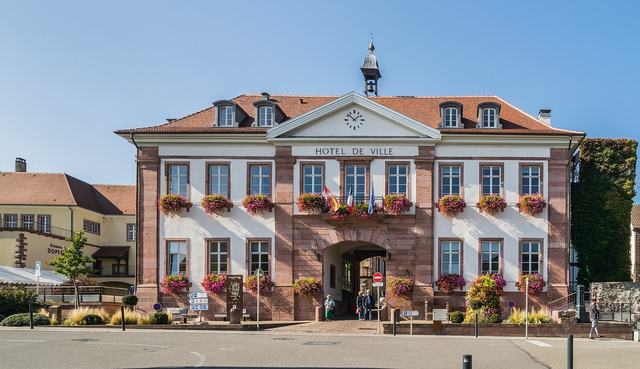
A charming little Alsatian town producing one of the best wines of Alsace, the village, whose wealth stirred the covetousness of the powerful, gave itself ramparts and a fortress that did not always prevent pillaging.
View full page →
The medieval village was once the domain of the abbey of Fulda in the ninth century, then a lordly domain in the twelfth century.
View full page →
On the heights, an archaeological site has uncovered important Gallo-Roman remains of the 1st, 2nd and 3rd centuries, witnesses of the ancient culture of the summits.
View full page →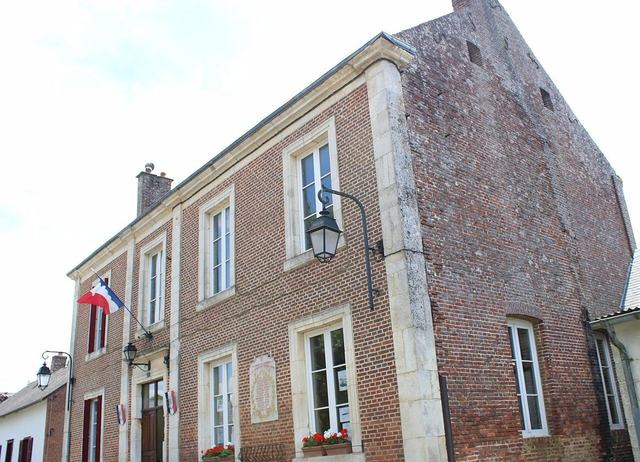
This hamlet of fewer than 200 inhabitants clinging to the banks of a river valley is a typical Thiérache village.
View full page →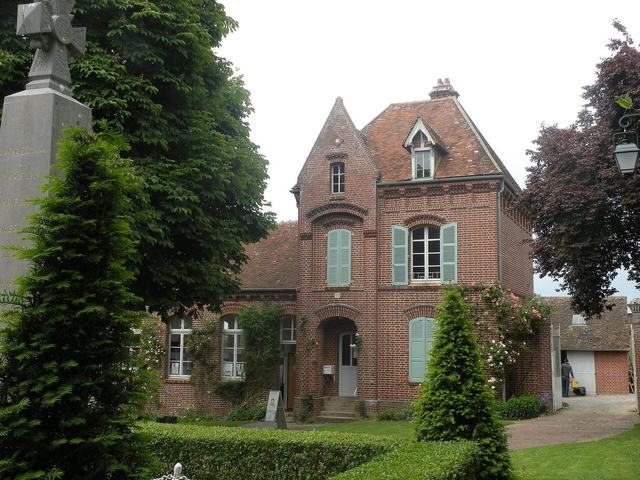
Perched on a hill in the Pays de Bray, Gerberoy is the land of roses, but also wisteria, clematis and daisies that spill over old walls, invade the lanes and occupy the cobbles.
View full page →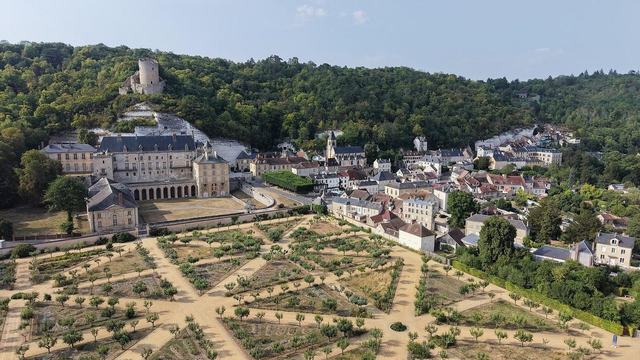
Nestled at the foot of the ruins of a twelfth-century fortress built on top of a chalk cliff, the town has stood guard over the Seine valley for more than ten centuries.
View full page →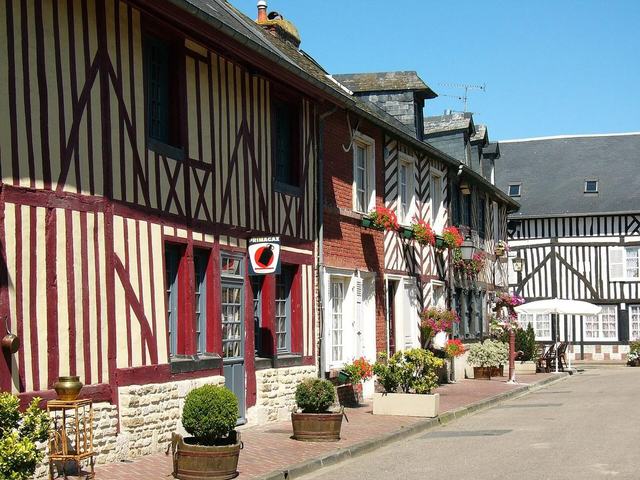
A little jewel of Norman architecture, dominated by half-timbering, Beuvron-en-Auge is classified as a "most beautiful village of France".
View full page →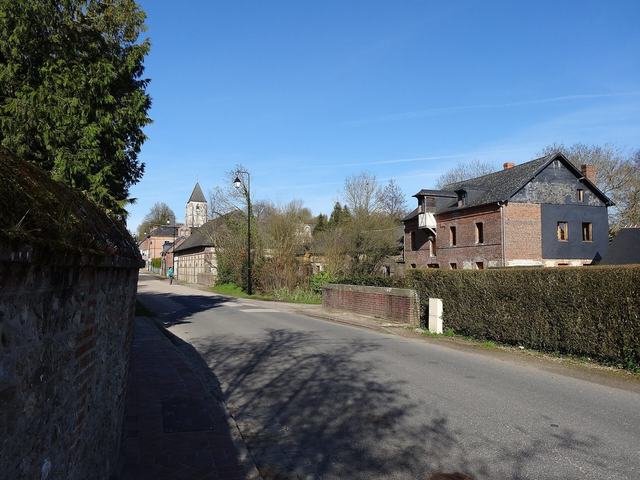
A village of the Pays d'Auge, in the heart of a Norman bocage, ranked among the Most Beautiful Villages of France.
View full page →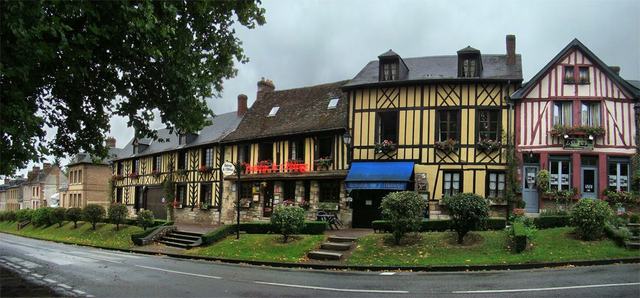
A village nestled in the hollow of the Bec valley near the famous abbey of Notre-Dame du Bec founded in 1034 by Herluin, abundantly flowered, its quiet, shaded streets are embroidered with many half-timbered houses.
View full page →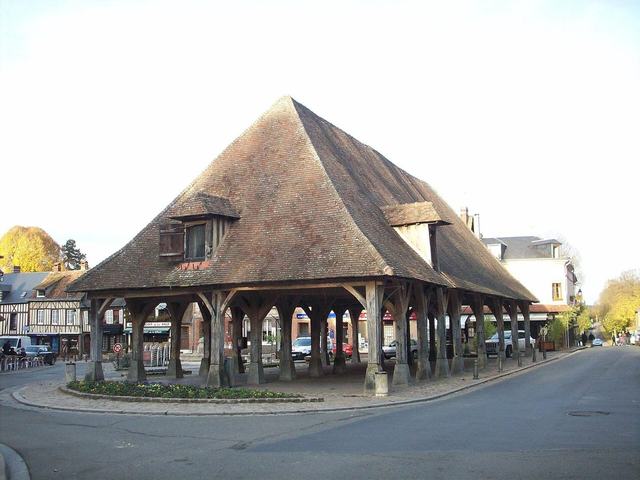
This peaceful village, which owes its name to the Gaulish god Lug, is nestled in the heart of the Lyons state forest, held to be one of the most beautiful beech forests in France and in the Middle Ages the favourite hunting ground of the dukes of Normandy.
View full page →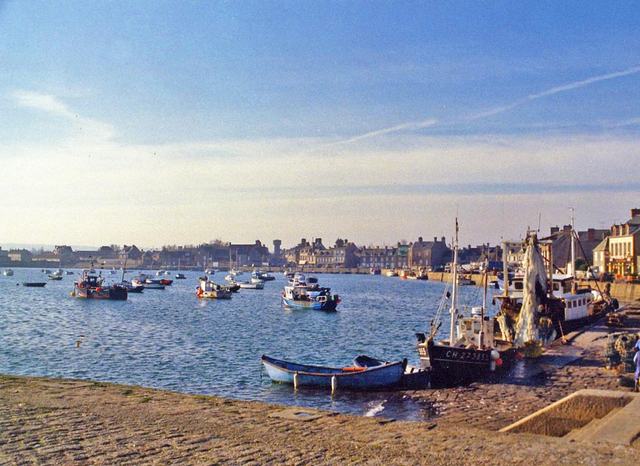
A former Roman-Viking port, Barfleur had nine thousand inhabitants in the time of Norman power and remained the leading port of the Cotentin in the Middle Ages.
View full page →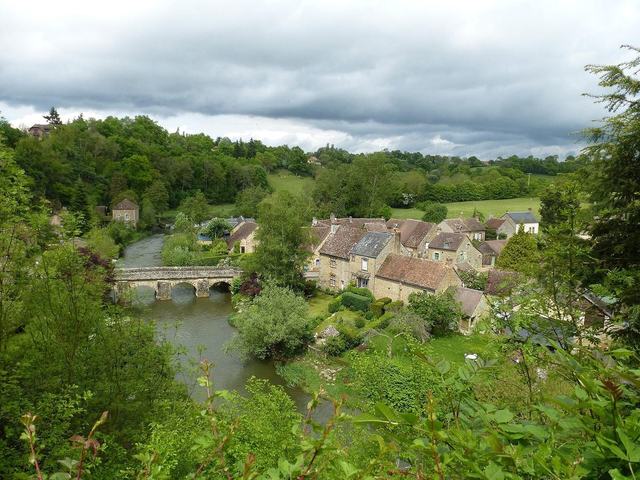
Nestled on the banks of the river, the ochre stone houses with their steep tile roofs have attracted many artists.
View full page →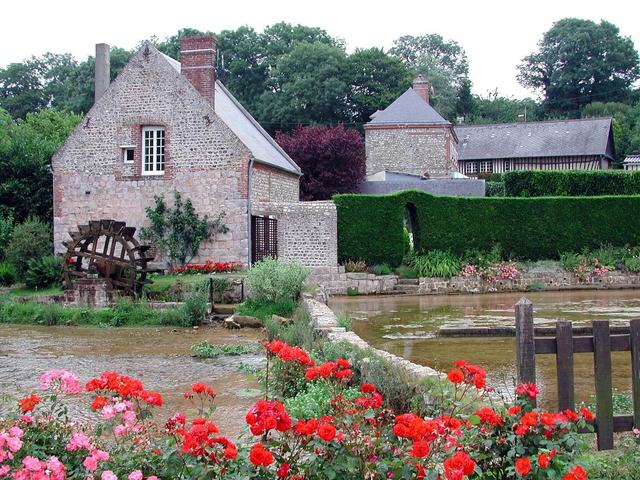
Veules-les-Roses is a little jewel of the Alabaster Coast. This small seaside resort enchants with superb Norman thatched cottages, gardens overflowing with roses and hydrangeas, and mills of the past.
View full page →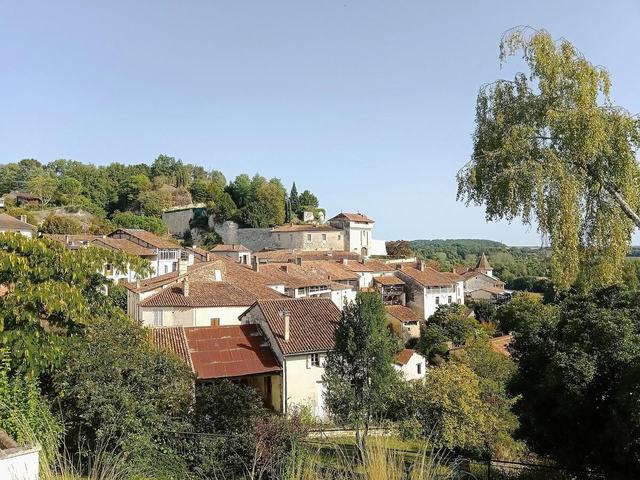
You discover an old village with its sloping lanes, paved with pebbles, dotted with flowered gardens.
View full page →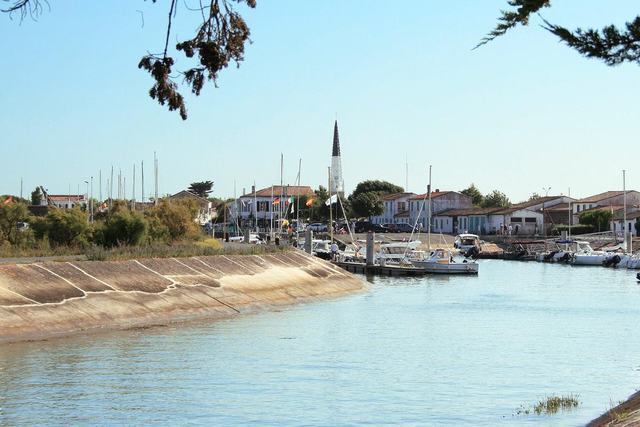
In the western part of the Île de Ré, just after the narrow isthmus sometimes submerged by the great equinox tides, Ars-en-Ré lies near the salt marshes of the Fier d'Ars.
View full page →
Brouage was founded in 1555 by Jacques de Pons, for the salt trade, and quickly became one of the very great ports of the Atlantic coast.
View full page →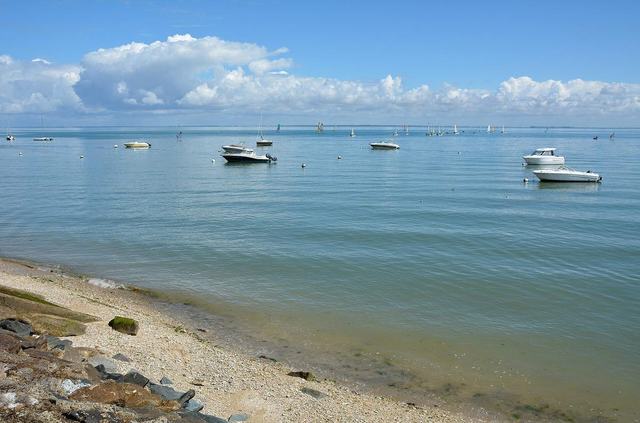
A fishing community since Antiquity, the village developed in the eleventh century around the castle of the Mauléon family.
View full page →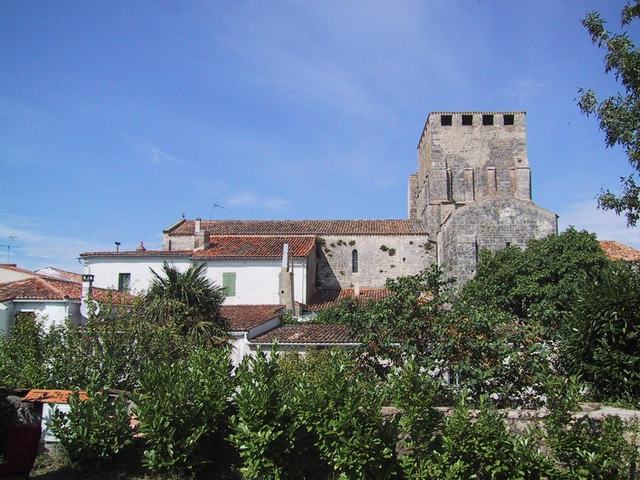
The Seudre is a small coastal river of 70 km whose estuary is part of the Marennes oyster basin.
View full page →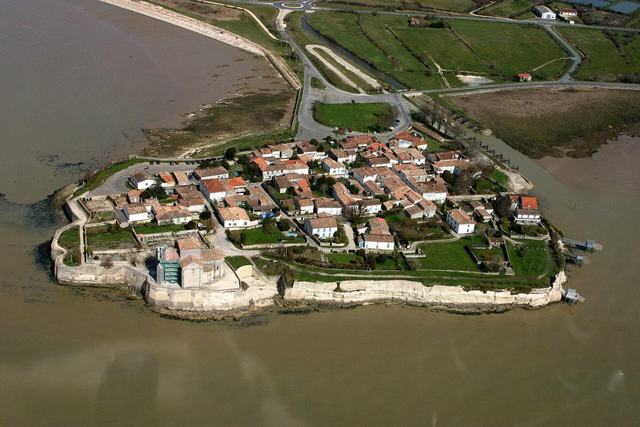
Built on a small rocky promontory jutting out over the north bank of the Gironde, the tiny village of Talmont gives off a refreshing impression of serenity with its narrow lanes flowered with hollyhocks and lined with pretty little white houses enhanced by shutters in pastel tints.
View full page →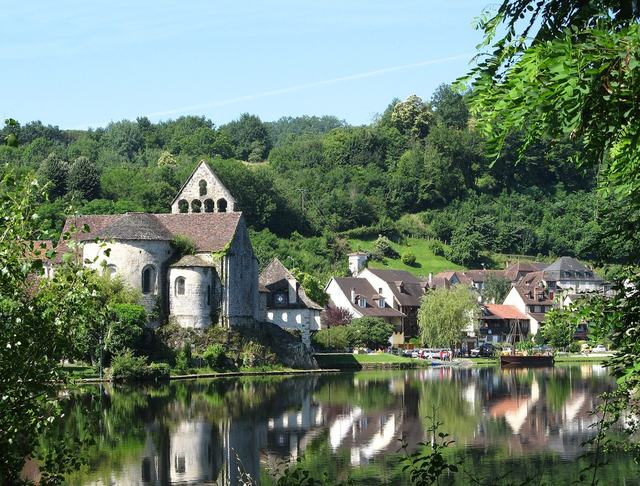
A Corrèze town on the Dordogne, around a Romanesque abbey church with a fine tympanum and a chapel on the river.
View full page →
What an extraordinary medieval vision: all red and pink, Collonges is first of all a walled town.
View full page →
The village was built on a long sandstone spur. From the top of the town, its medieval architecture astonishes.
View full page →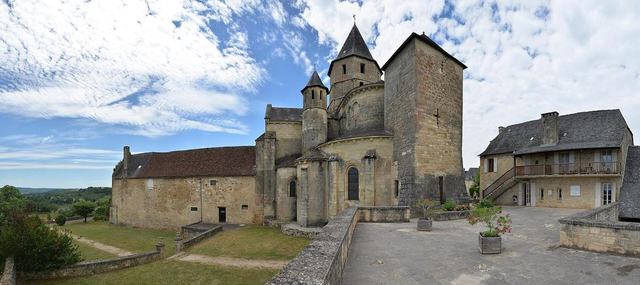
The village stands on the site of an old Merovingian town. On the Saint-Robert plateau, a few remains of an enclosure surrounding the monastery of its Romanesque abbey church.
View full page →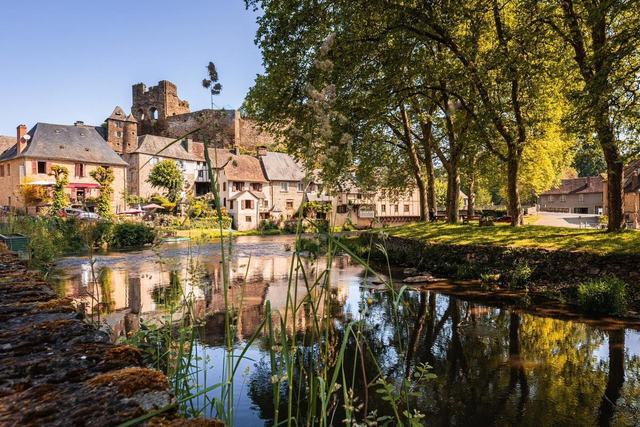
On its rocky spur surrounded by hills that barred access to it, encircled by castles that played the role of outposts, medieval Ségur could proudly await the enemy.
View full page →
The name of this locality was that of a viscounty that formed for centuries a veritable small sovereign state.
View full page →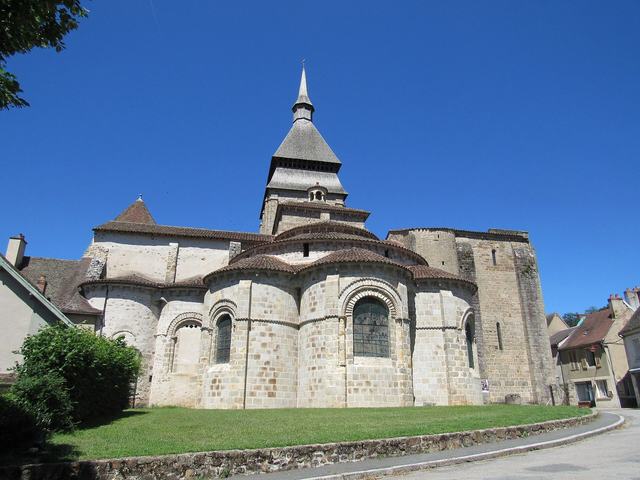
A Creuse town overlooked by its Romanesque abbey church of Sainte-Valérie, among the Most Beautiful Villages of France.
View full page →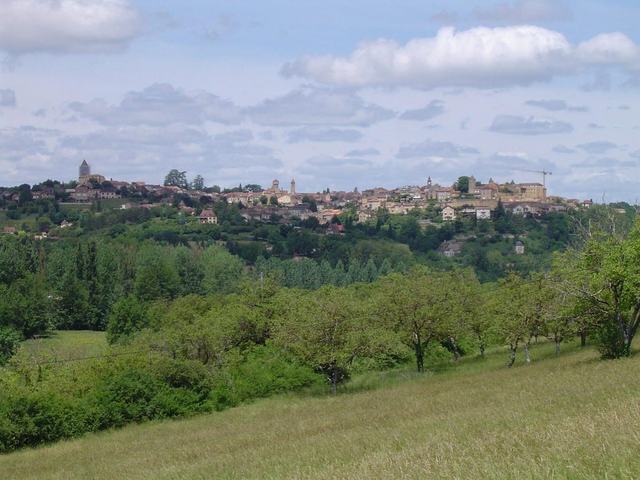
Fortified in the Middle Ages because of its strategic position and nicknamed "the Pope's town" under the protection of Pope Clement V, Belvès keeps the remains of a tormented past: ramparts, Auditeur tower, bell belfry, town hall tower, former bell tower of the Dominican friars' convent, Hospital tower…
View full page →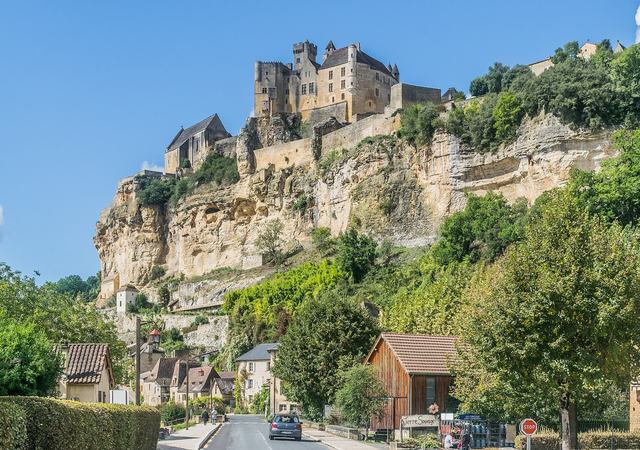
Seat in the Middle Ages of one of the four baronies of the Périgord, the castle withstood every assault and was taken only by Richard the Lionheart and Simon de Montfort.
View full page →
Castelnaud-la-Chapelle, ranked among the "Most Beautiful Villages of France", overlooking the confluence of the Dordogne and the Céou, characterised by its terraced layout climbed along little steep lanes, is a village of exceptional heritage richness.
View full page →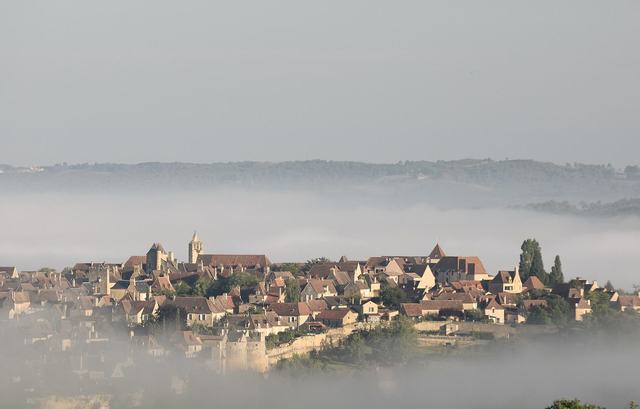
Ringed by ramparts, the thirteenth-century bastide tells a tumultuous past illustrated by its fortified gates and towers that served as prisons.
View full page →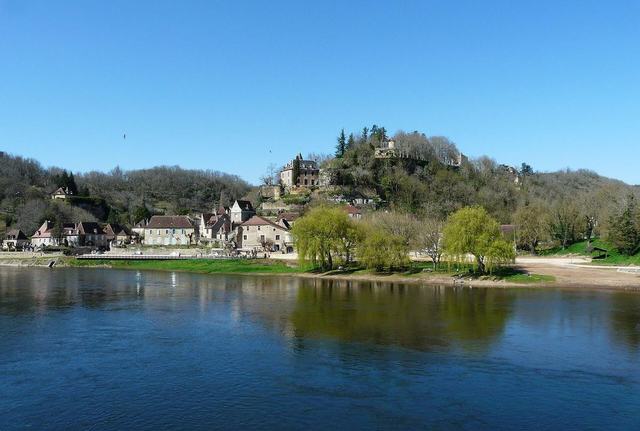
Formerly, the village occupied a strategic site on the border between English-held Guyenne and the kingdom of France.
View full page →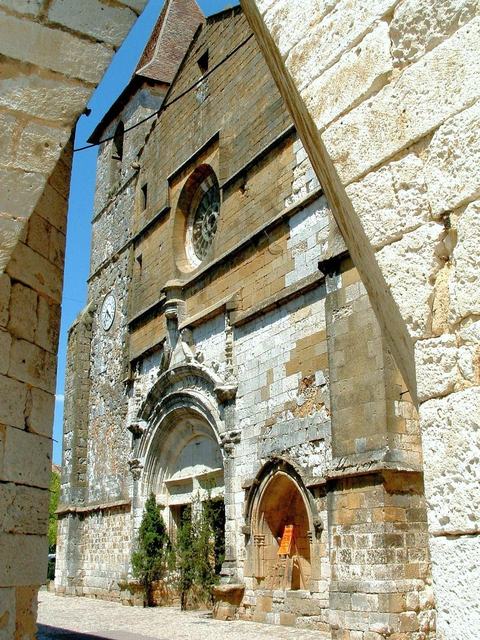
This thirteenth-century fortified town founded by Edward I of England has seen some thirty of its buildings listed as historic monuments.
View full page →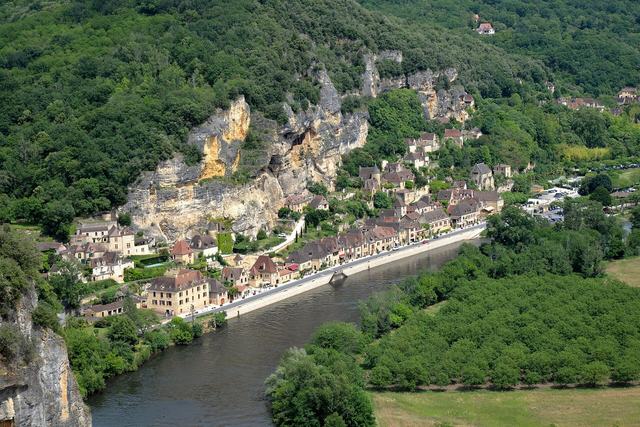
In the Middle Ages, La Roque-Gageac had 1,500 souls. At that time, the Dordogne supported the fishermen and gabariers of the port.
View full page →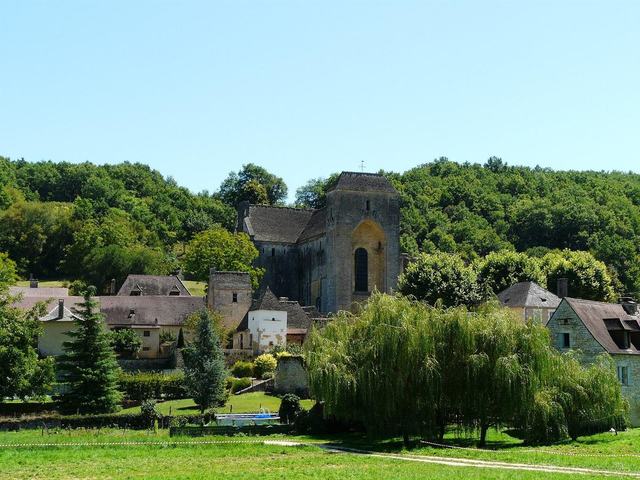
About twenty kilometres from Sarlat and a few steps from Lascaux, Saint-Amand-de-Coly has comfortably settled between two wooded valleys.
View full page →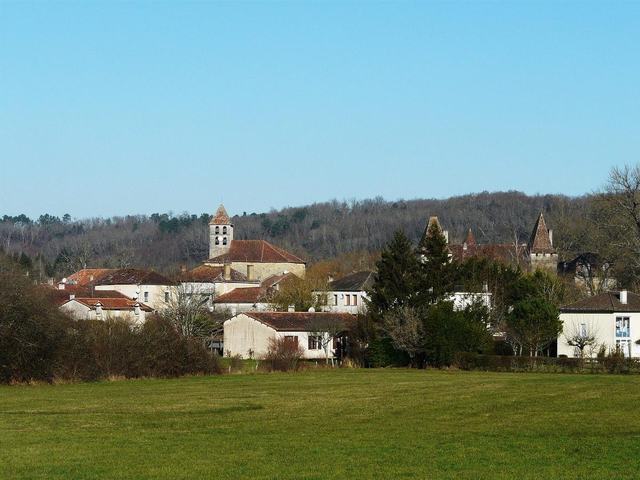
Overlooking the village square, the château de Marthonie combines in its two wings sharing a magnificent straight-flight staircase the elegance of the Renaissance with the rigour of the classical period.
View full page →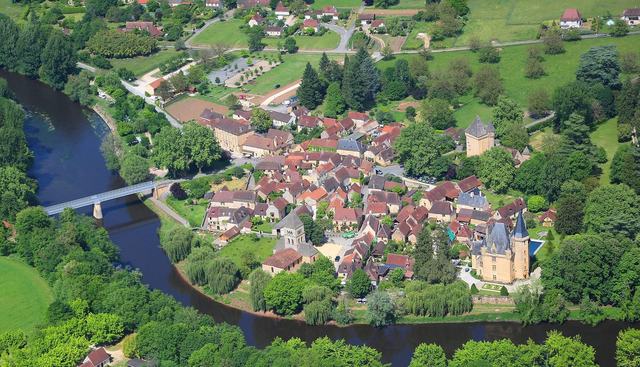
Inhabited since the dawn of time, the caves and caverns formed perfect natural shelters for our ancestors, the Cro-Magnon people.
View full page →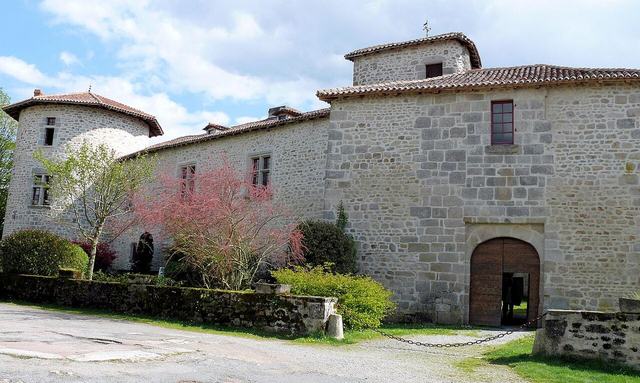
Visiting Mortemart is leafing through a history book. The old castle built in 955 tells of the tenth century.
View full page →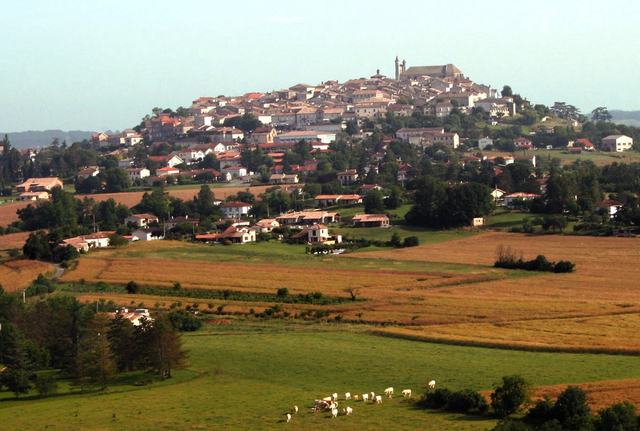
Founded in the thirteenth century by Alphonse of Poitiers, this bastide perched on its mountain resisted many English attacks.
View full page →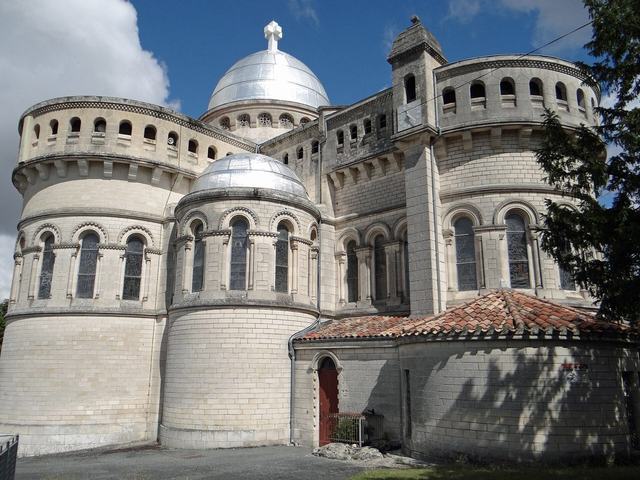
A bastide perched above the Lot, crowned by the neo-Byzantine basilica of Notre-Dame de Peyragude.
View full page →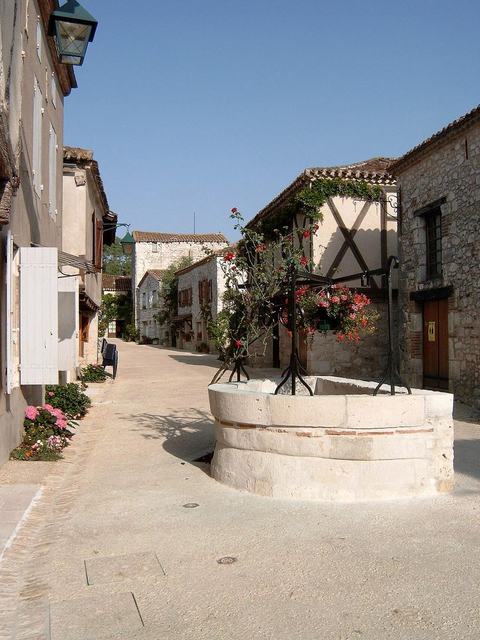
An important stronghold and fief of heretics, destroyed during the Albigensian war then rebuilt, Pujols has crossed the troubles of history, from the Hundred Years' War to the Revolution, safeguarding a large part of its thirteenth-century architectural heritage.
View full page →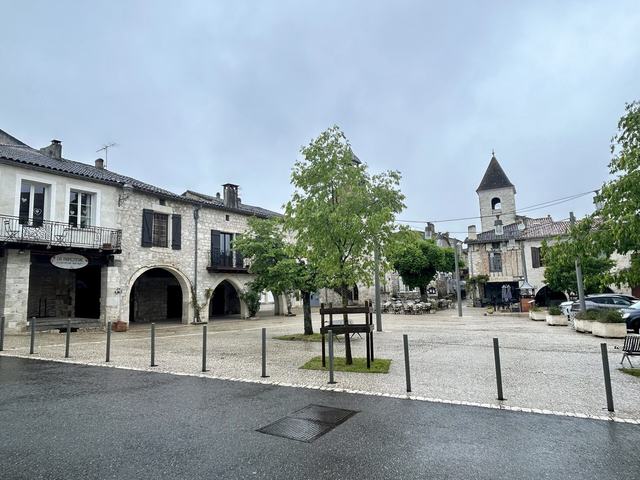
A perched bastide of the Lot-et-Garonne, with its arcaded square and medieval lanes.
View full page →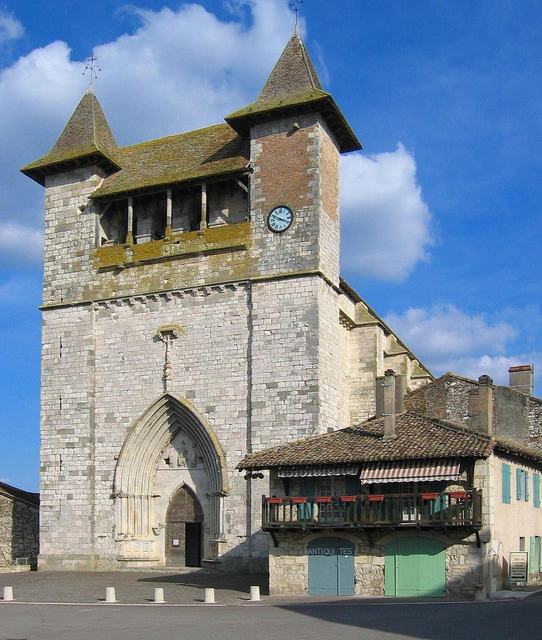
Villeréal is in the south-west of France, in the south of the Dordogne, between Bergerac and Agen.
View full page →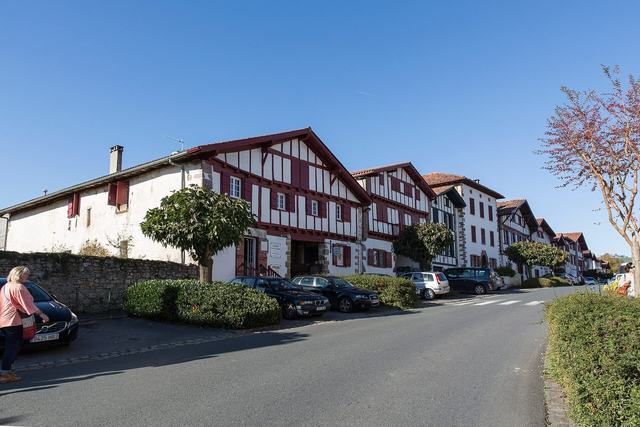
It is one of the most typical villages of the Basque Country.
View full page →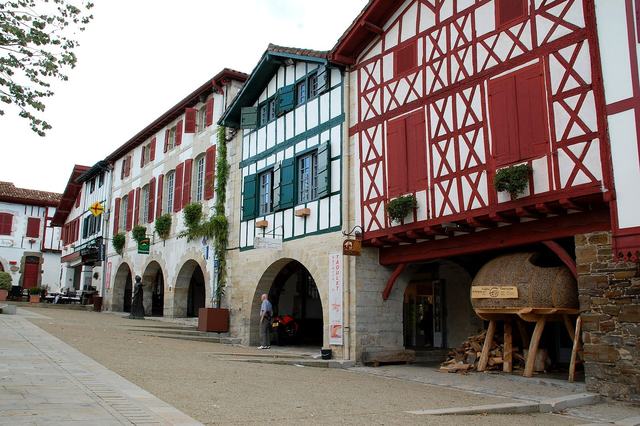
The village was founded in 1283 with the building of a fortified house on the banks of the Joyeuse, a river that flows to join the Adour.
View full page →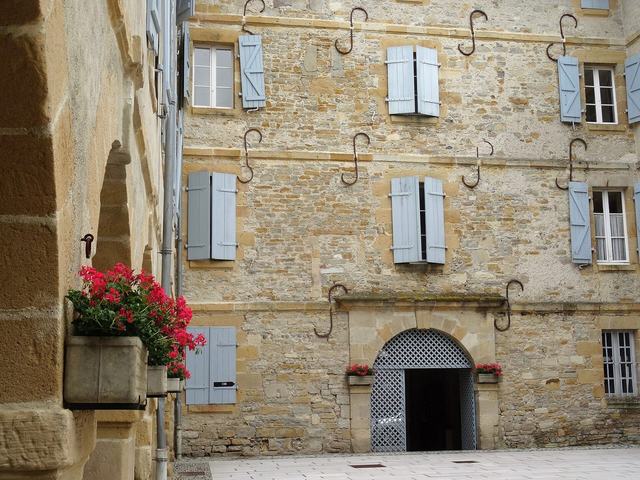
Navarrenx, the first bastioned town in France, raises its centuries-old ramparts that inspired Vauban in the heart of the Pays d'Art et d'Histoire of the Béarn des Gaves.
View full page →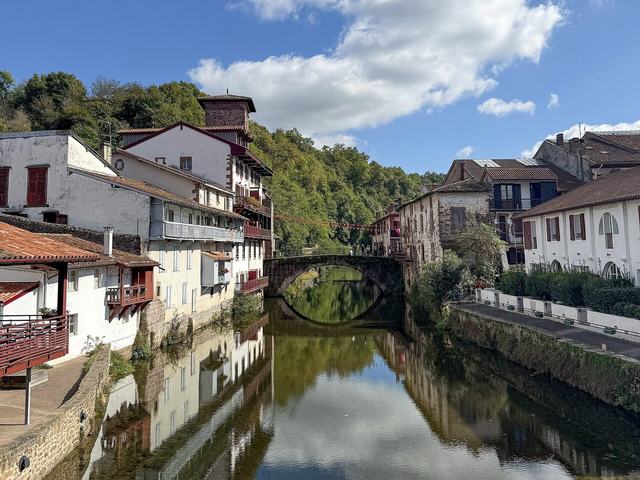
In the foothills of the Pyrenean piedmont, between the Basque Coast and the Spanish border, Saint-Jean-Pied-de-Port is an unmissable destination in the Basque Country.
View full page →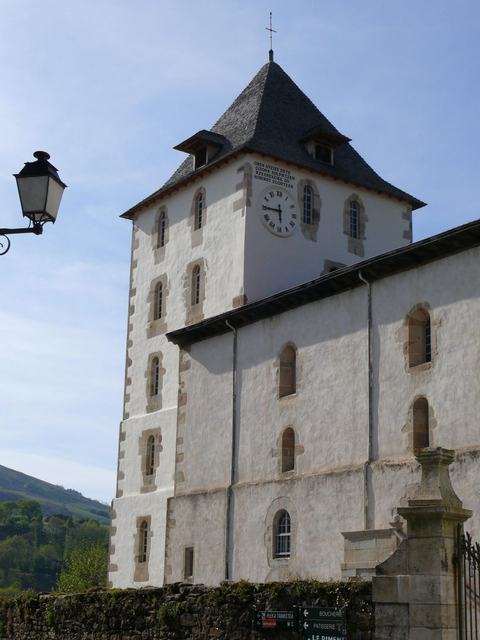
A high place of wood-pigeon hunting, Sare cherishes the country's traditions and cross-border life.
View full page →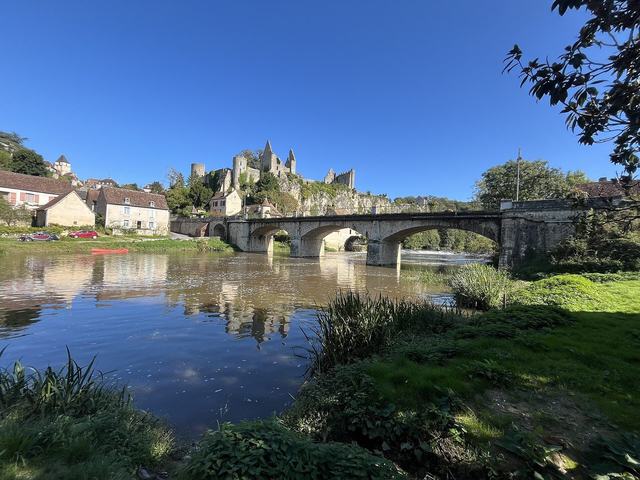
Angles-sur-l'Anglin, ranked among the "Most Beautiful Villages of France", is in Poitou, on the borders of Berry and Touraine.
View full page →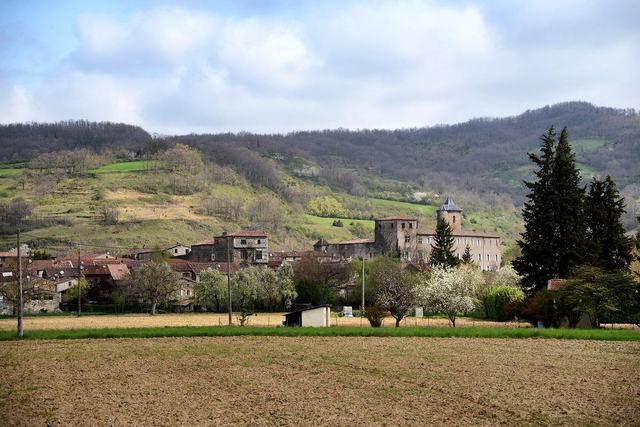
In the Middle Ages, the site was chosen by a Benedictine community to set up an abbey, which became a priory in the early eleventh century.
View full page →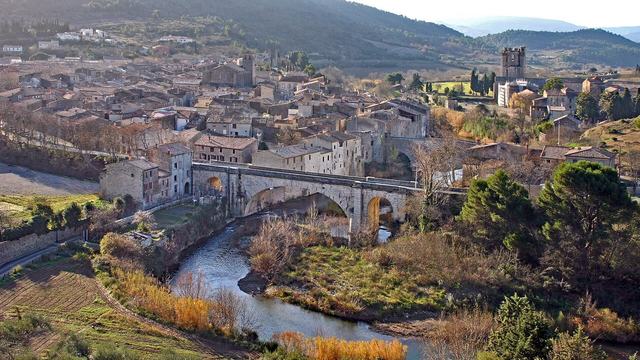
The abbey of Lagrasse was founded in the eighth century in the Orbieu valley and, located on the Spanish marches of the Carolingian kingdom, played a particularly important role.
View full page →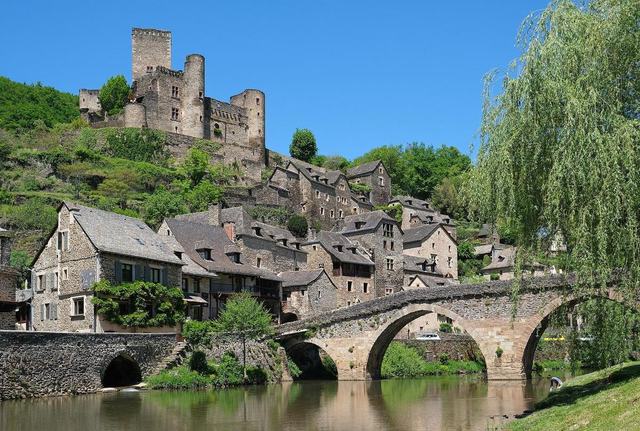
Protected by the wooded slopes of the valley, the town's houses huddle at the foot of the castle following the curve of the river.
View full page →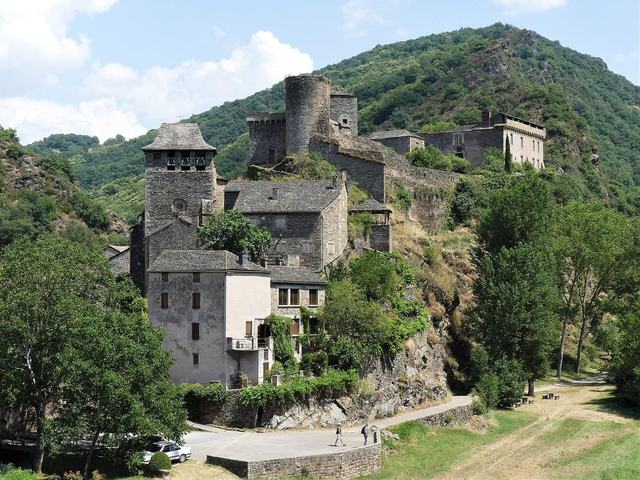
First mentioned in 935, Brousse castle was then no doubt only a modest fort watching over the Tarn.
View full page →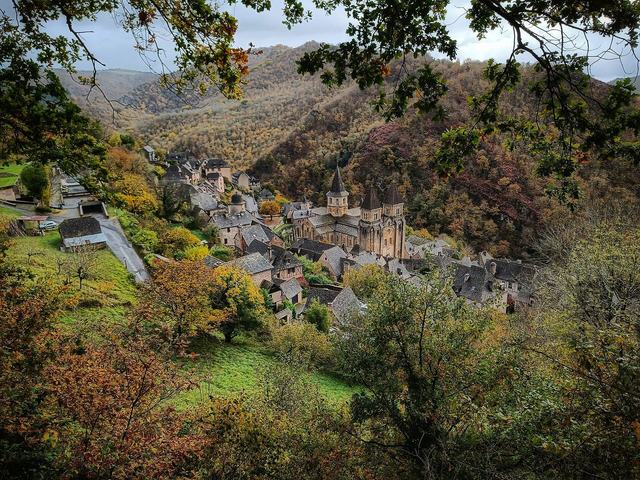
The great period of Conques, in the eleventh and twelfth centuries, coincides with the building of the Romanesque abbey church and the creation of the finest pieces of goldwork in its treasure, including the golden Majesty of Saint Foy.
View full page →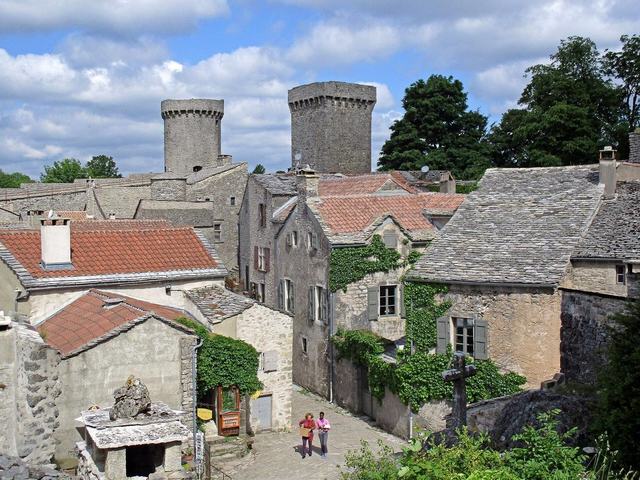
With authorisation from Raymond Berenguer, count of Barcelona and prince of the kingdom of Aragon, the Templars spread strongholds in the twelfth century: La Couvertoirade became the flagship of the triad of Larzac commanderies.
View full page →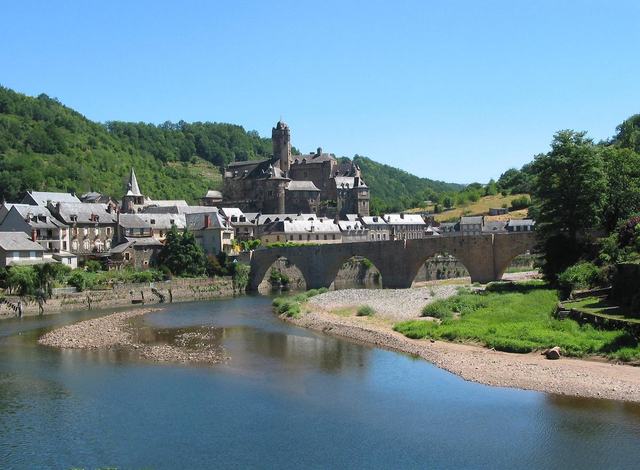
From the year 1000 to the Revolution, the lords of Estaing did not only mark the history of their village.
View full page →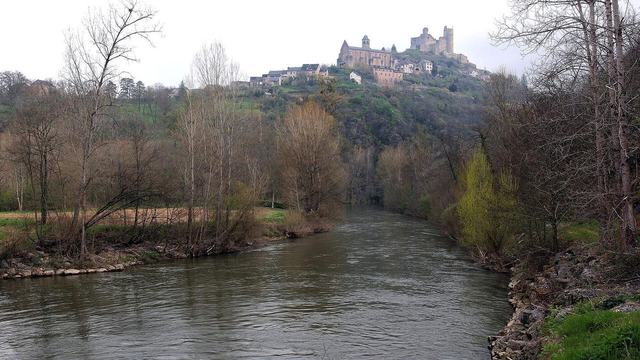
A simple square tower in the twelfth century, the castle of Najac became a fortress in the thirteenth century, by order of King Saint Louis.
View full page →
7 km downstream from Millau, the cave village of Peyre is remarkable in many respects, notably for its tufa houses, its calades (stone lanes) and its troglodyte church.
View full page →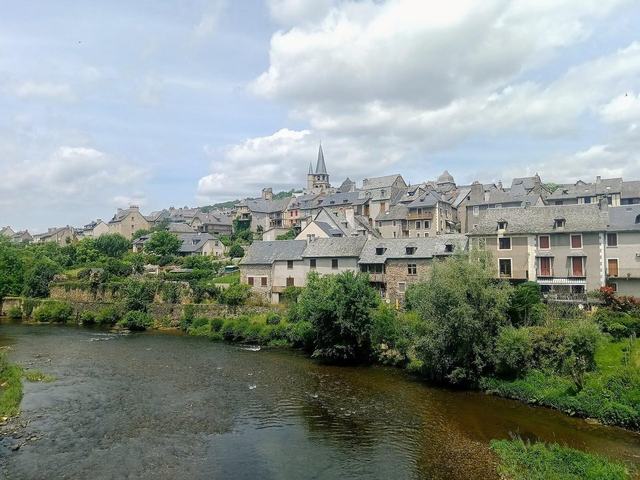
The village was built over time inside the moats of the old medieval town, of which three fortified gates remain.
View full page →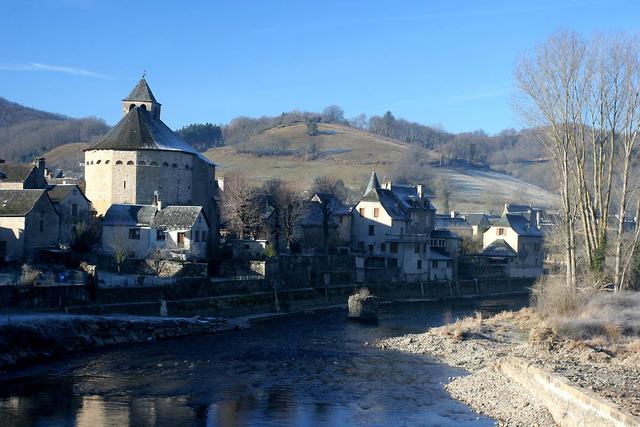
The town, of medieval structure, is organised around the church square in a succession of lanes and little squares.
View full page →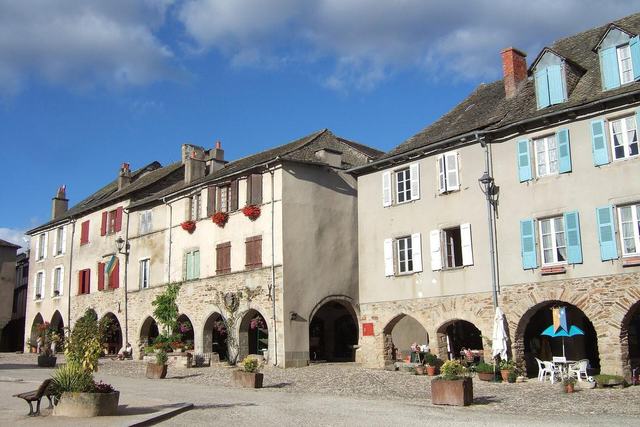
From the time of the knights, the medieval town has kept its fortified gates of Saint-Christophe and Saint-Vital, its towers and moats.
View full page →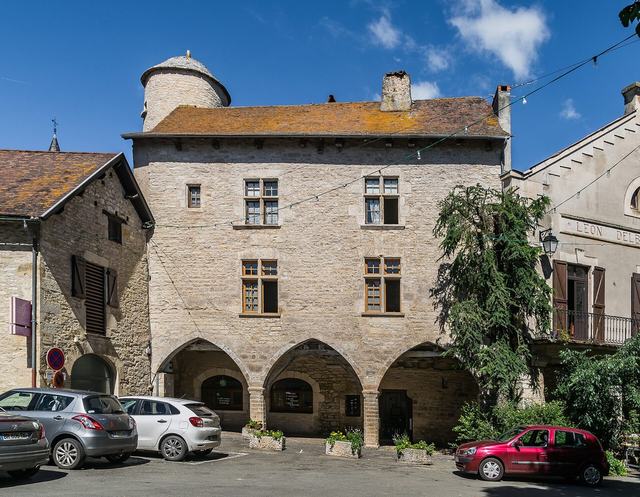
A thirteenth-century bastide with arcades and stone houses, among the Most Beautiful Villages of France.
View full page →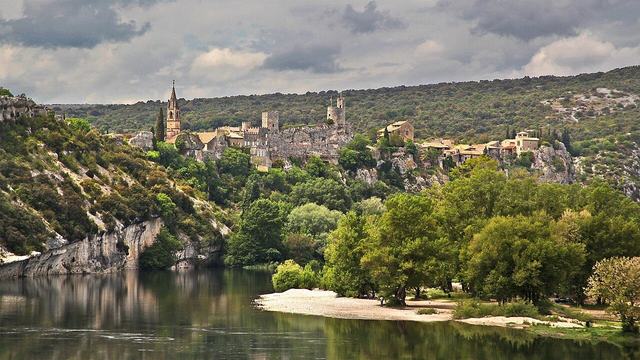
Aiguèze is a small medieval village that overlooks from its cliff the exit of the Ardèche Gorges, one side perched on a cliff above the Ardèche gorges, the other facing the Côtes du Rhône vineyards.
View full page →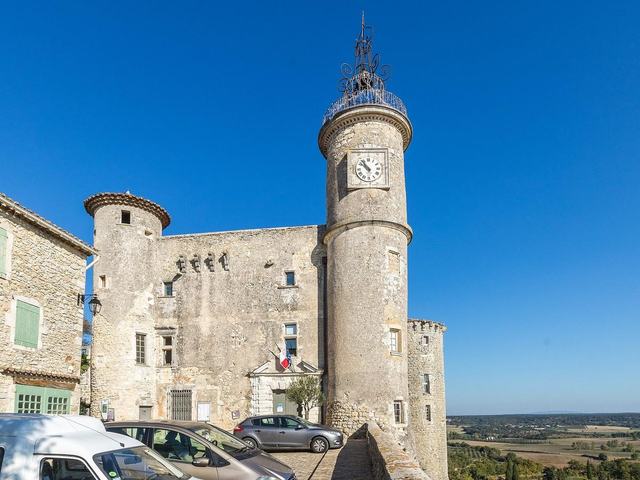
Perched on a rocky peak, Lussan overlooks the valley with its castle. You stroll there with pleasure, among its typical and pleasant houses in shimmering colours.
View full page →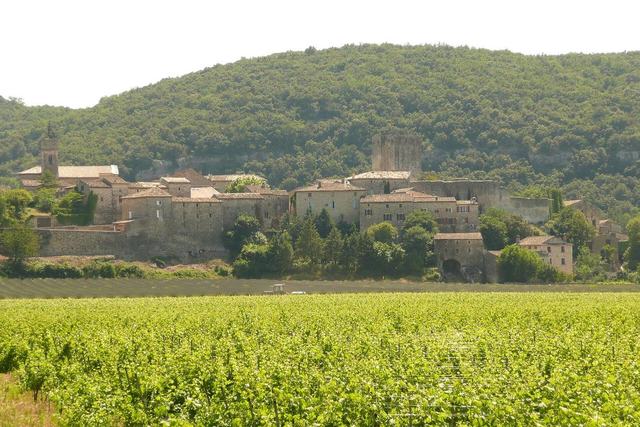
The village of Montclus lies in the north-east of the Gard département on a meander of the river Cèze.
View full page →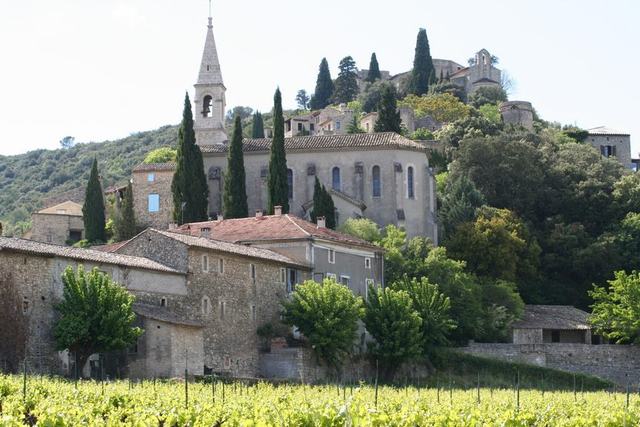
This little medieval village is built on a rocky peak and offers a splendid view of the Sautadet Falls, a site classified as a natural area.
View full page →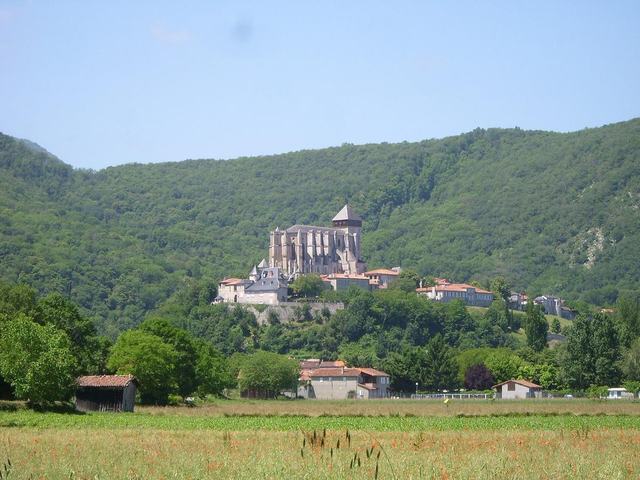
Standing on its rocky pedestal, the block of the cathedral and the town stands out against the backdrop of the nearby Pyrenees.
View full page →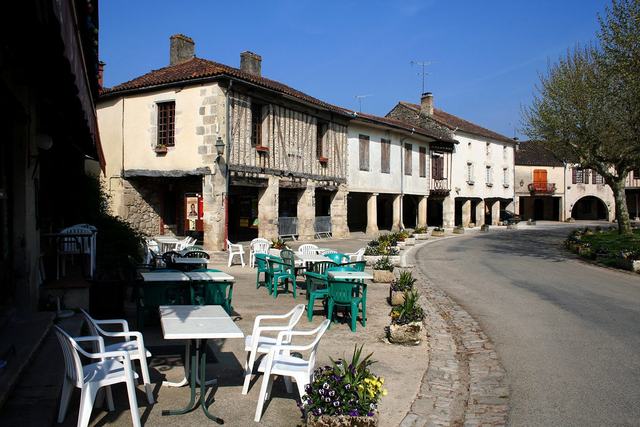
Located in the Auzoue valley, the village was first built around a castle with a wooden keep.
View full page →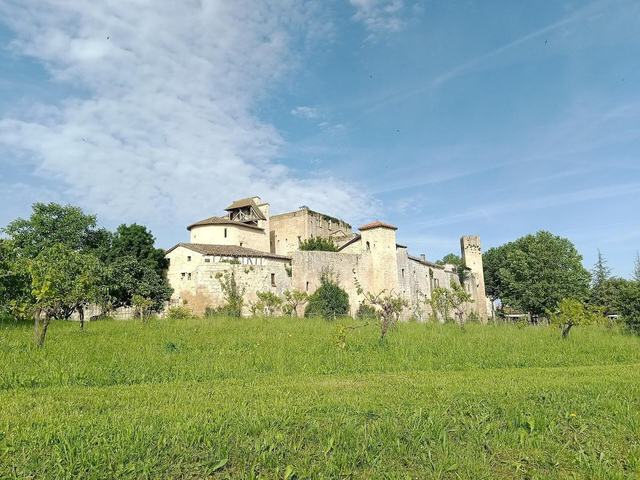
The village of Larressingle lies west of Condom on the line of plateaus that separates the Osse and Baïse valleys.
View full page →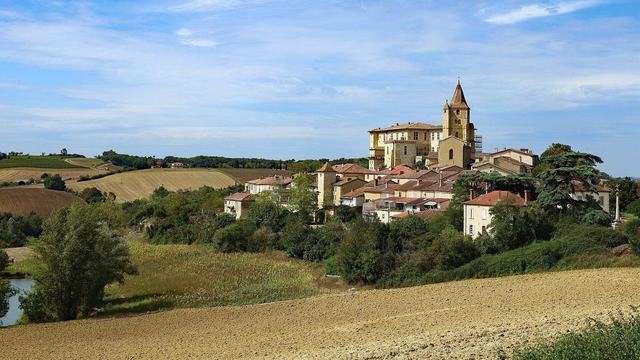
Set at the top of a rocky spur, in the heart of Gascony, the village of Lavardens is built around its feudal castle and church.
View full page →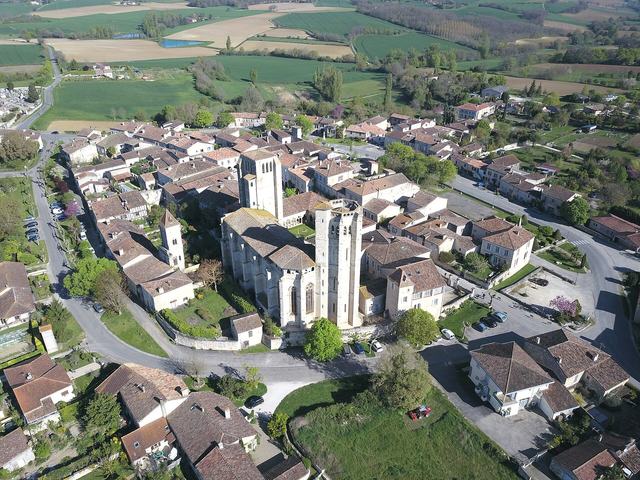
Discover the village of La Romieu, at the crossroads of the Ways of Saint James of Compostela, its collegiate church of Saint-Pierre listed as UNESCO World Heritage, its gardens.
View full page →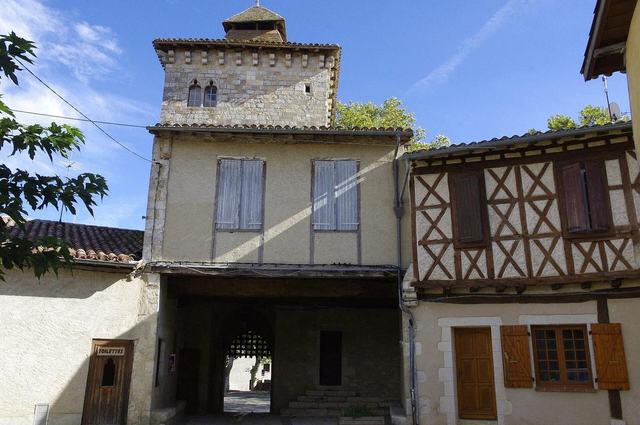
Separated from the sober chapel of Notre-Dame de la Pitié and its cemetery by a wide boulevard shaded by plane trees, the village has as its main entrance a fourteenth-century vaulted gate pierced in a massive square tower, witness of the old walls protecting Sarrant.
View full page →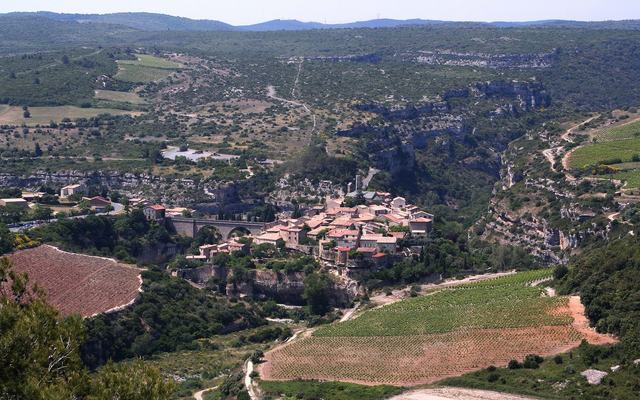
At the exit of the gorges of La Cesse and the Briant, where the waters of the two rivers meet, Minerve appears at the end of a limestone plateau bordered by steep cliffs in a fantastic mineral and tormented landscape.
View full page →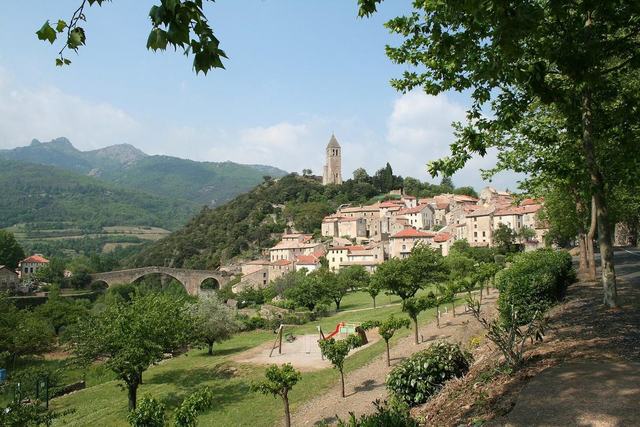
The site of Olargues was occupied as early as Roman times.
View full page →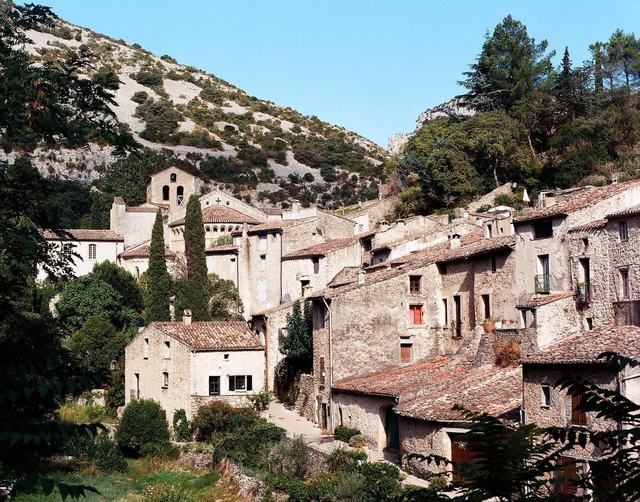
At the confluence of the Verdus and the Hérault, this village grew around an abbey founded in 804 by Saint Guilhem to house a piece of the Cross offered by Charlemagne.
View full page →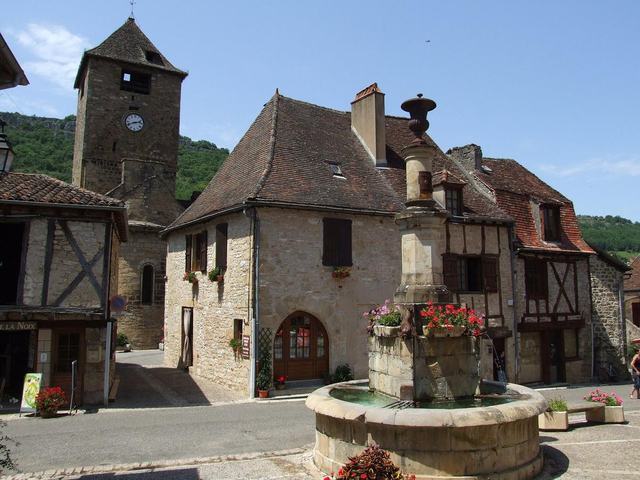
At random in the lanes taken, you discover, dazzled, a fountain surrounded by half-timbered houses; further on, the overhangs of old white dwellings with brown tile roofs; elsewhere, one, two, three manor houses, each prettier than the last, all smart and flanked by turrets…
View full page →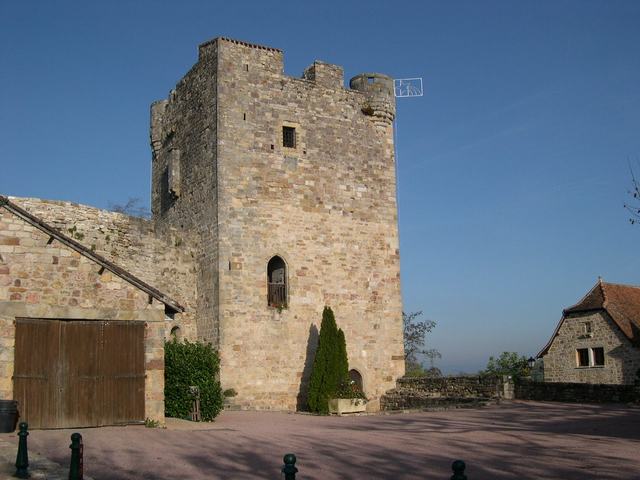
Perched on a peninsula-shaped rock overlooking the meander of the Lot, the village has over time adorned itself with an exceptional architectural heritage.
View full page →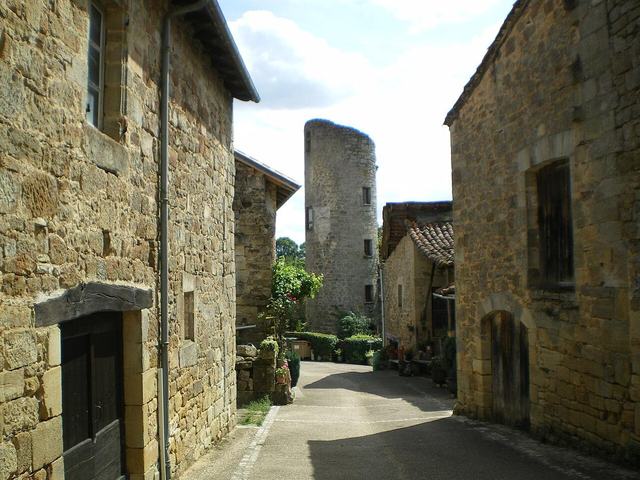
The village is firmly anchored on its rocky spur in Haut-Quercy. The name Cardaillac rings clear, a little Gascon.
View full page →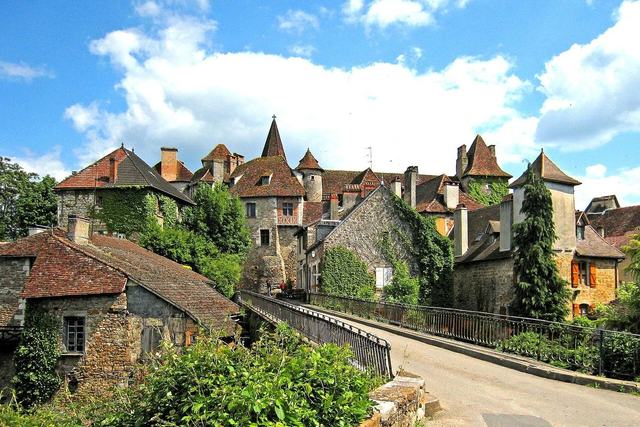
The town of Carennac has a very picturesque charm with its blond-stone houses, its brown and russet tile roofs adorned with turrets or tall chimneys, its delightful wooden balconies, its fine carved windows and its Renaissance ogives.
View full page →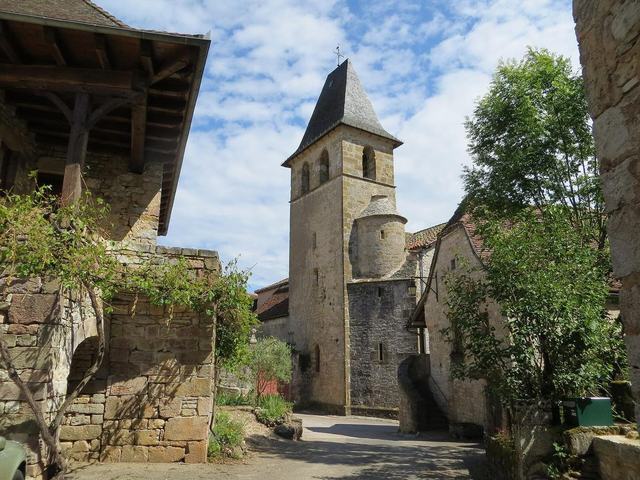
The flowered lanes of Loubressac converge on a shaded square where the church of the twelfth and sixteenth centuries rises.
View full page →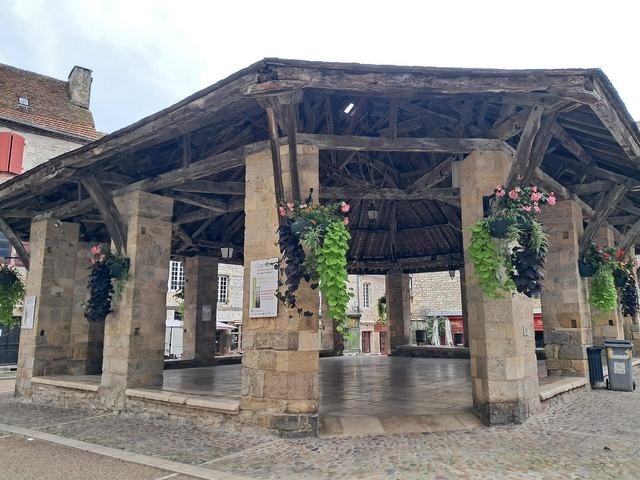
A medieval town of Quercy nicknamed "the town of seven towers", with its covered market and stone mansions.
View full page →
In the heart of Haut-Quercy, as if clinging to a mighty cliff rising 150 metres above the deep Alzou valley, this small Marian town has been a renowned place of pilgrimage since the twelfth century.
View full page →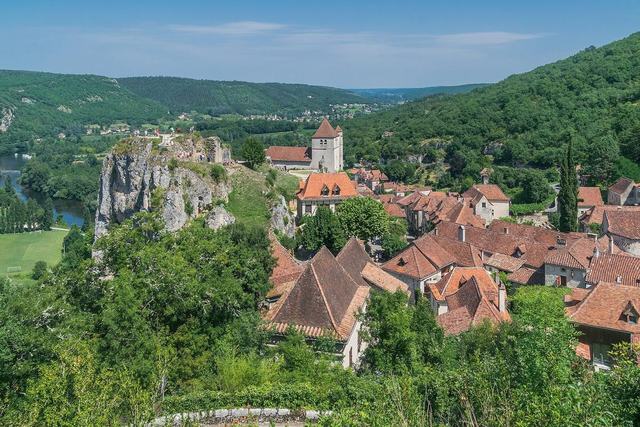
This village is largely classified as a historic monument. It stretches along a main street cut by picturesque, very flowery little lanes, carriérous or stairs linking houses.
View full page →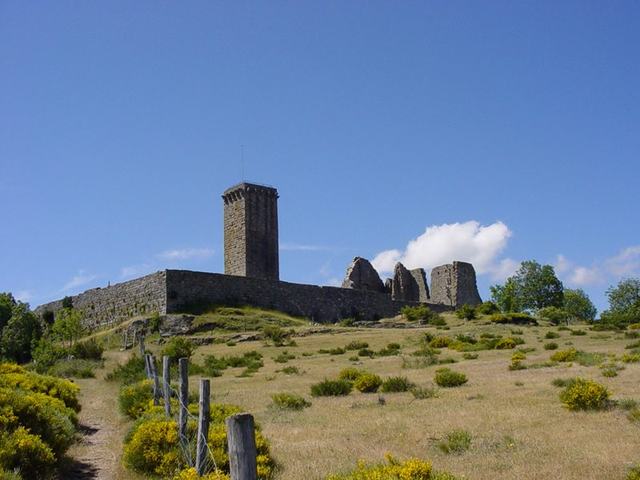
This old fortified village was founded in the tenth century to ensure security at this spot on the Lozère plateau where many brigands raged.
View full page →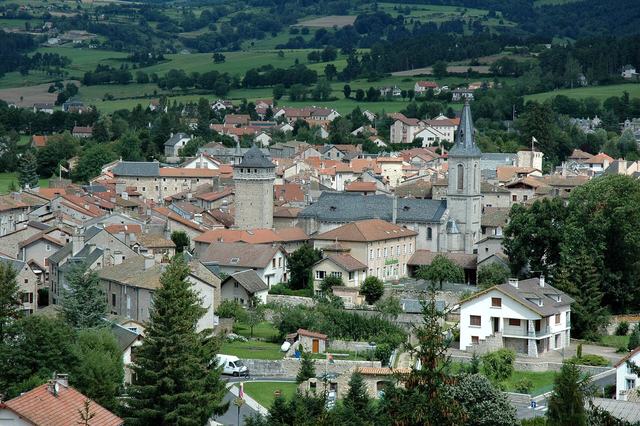
A medieval town of the Lozère with ramparts and fortified gates, on the Truyère.
View full page →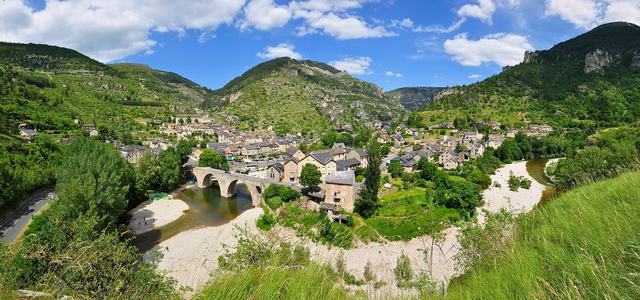
Of the monastery raised to an abbey in the fourteenth century, the Romanesque chapter house and the Sainte-Madeleine chapel survive.
View full page →
In the Roussillon plain, south-west of Perpignan, this old fortified village nestles at the foot of a former feudal castle remodelled in the last century.
View full page →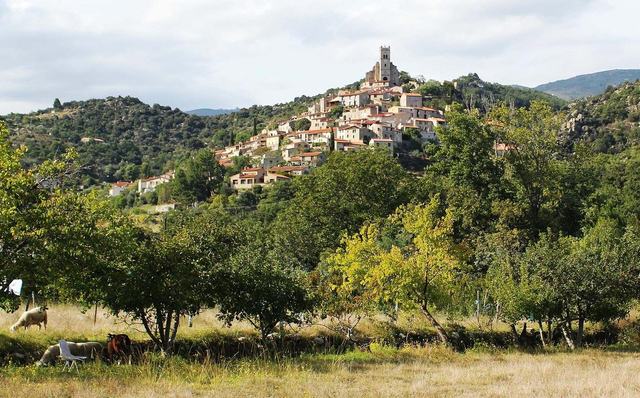
Designed for defence, Eus repelled the French in 1598 and in 1793 the Spanish army that then dominated the Conflent.
View full page →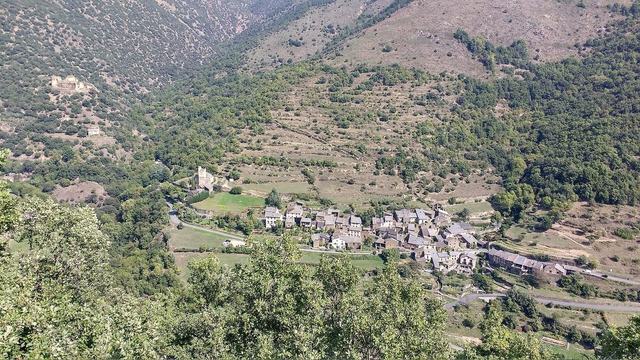
Évol is two kilometres north-west of the town of Olette. It is a typical village that has kept its heritage and architecture.
View full page →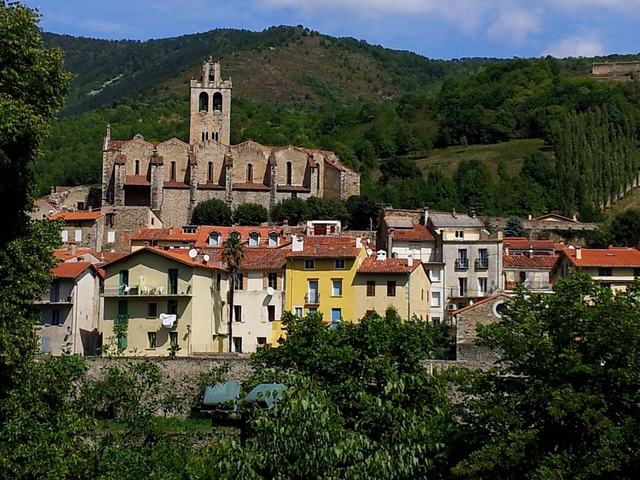
A fortified village of the Haut Vallespir, dominated by Fort Lagarde built by Vauban.
View full page →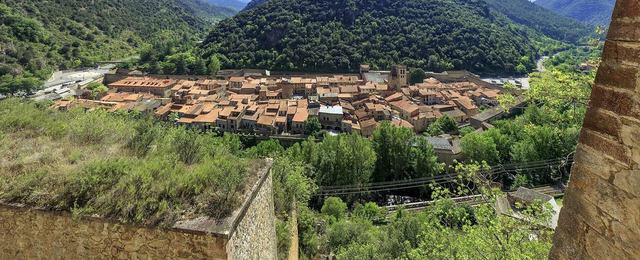
In the eleventh century, the powerful count of Cerdanya, opposed to the count of Roussillon, found in Villefranche a strategic site, the village being deeply set at the confluence of two rivers.
View full page →
As its name indicates, the village is one of the "castelnaux", settlements built by lords in the dependence of their castle; it was built around 1222.
View full page →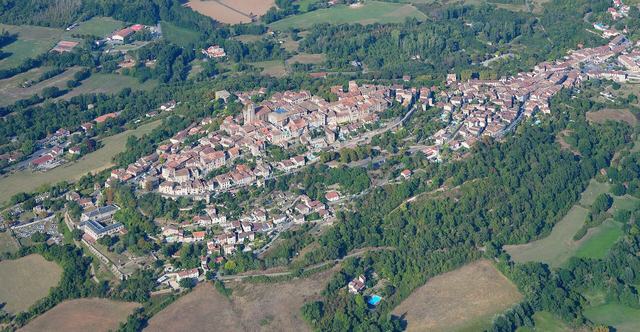
25 km from Albi, in the Tarn, let yourself be charmed by the enchanting face of Cordes-sur-Ciel.
View full page →
Lautrec welcomes you in the picturesque setting of one of the Most Beautiful Villages of France. A former viscounty, it is the cradle of the Toulouse-Lautrec family of which the poster painter is the illustrious descendant.
View full page →
It was once the chief town of the barony of the archbishops of Albi who enriched the Saint-Jacques chapel (11th and 16th centuries) with fine eighteenth-century statues, a magnificent fifteenth-century pietà and an exceptional "Entombment" made of eleven polychrome limestone figures…
View full page →
The village remains nestled within its 800 m of ramparts, flanked by towers and pierced by fortified gates, miraculously preserved after so many sieges, those of Simon de Montfort's crusaders or, later, the Huguenots.
View full page →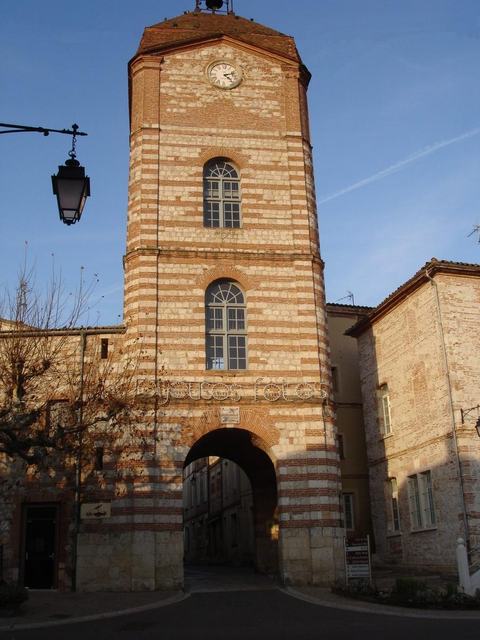
Auvillar "Alta Vista" was born in Gallo-Roman times; long an important river-boating centre, the village has kept below a chapel dedicated to Saint Catherine near the port.
View full page →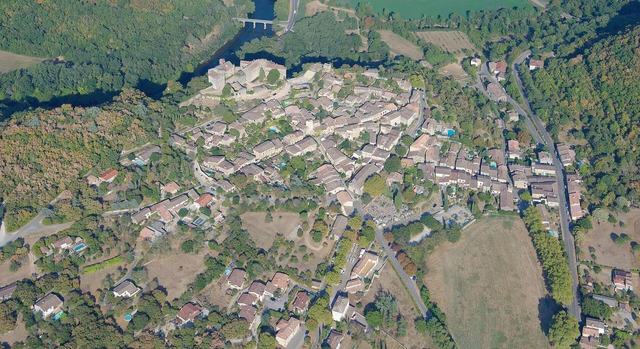
To discover Bruniquel is to follow flowered paths, pass through old gates opened in the ramparts or listen to the belfry clock.
View full page →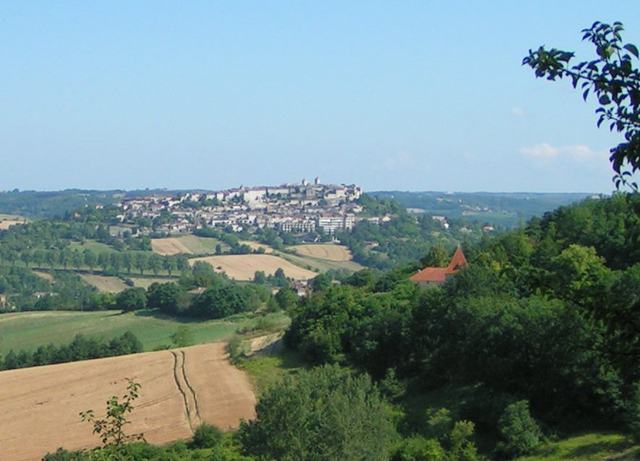
Lauzerte, a medieval bastide in Quercy Blanc, a stop on the Way of Saint James of Compostela, is one of the Most Beautiful Villages of France.
View full page →
Founded in 1101 by Robert d'Arbrissel, heir to a prestigious past, the Royal Abbey of Fontevraud became in 1975, through the combined impetus of the Pays de la Loire Region and the Ministry of Culture, a Cultural Meeting Centre entrusted with heritage management.
View full page →
Very near a royal abbey, Montsoreau is built around its fifteenth-century castle, between Loire and hillside.
View full page →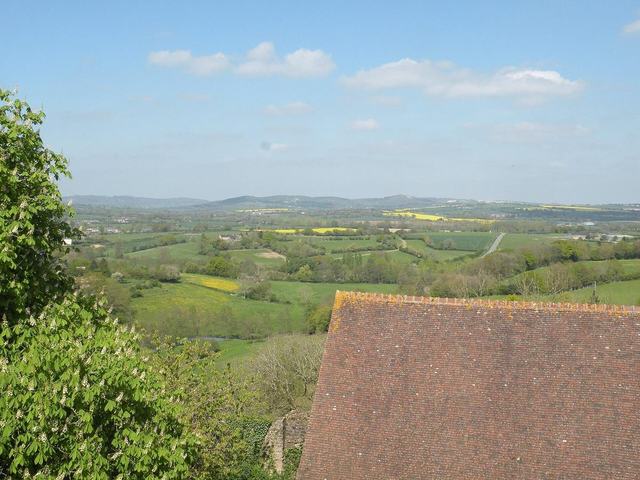
This medieval town is perched on a rock overlooking the Erve valley from its ramparts.
View full page →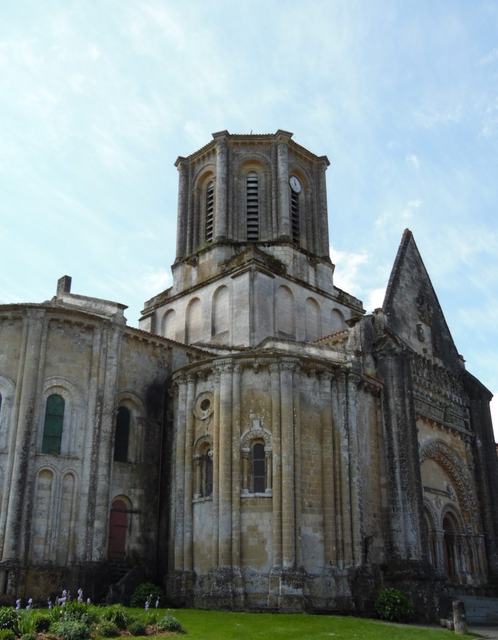
Standing on a promontory overlooking a meander of the Mère, about twenty kilometres north of Fontenay-le-Comte, this peaceful Vendée town keeps part of its old ramparts.
View full page →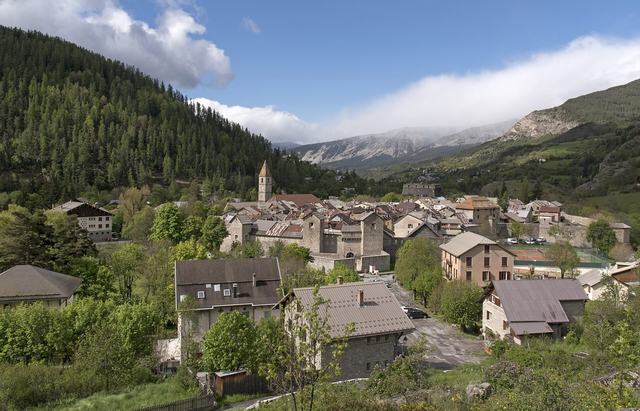
A fortified village of the Haut-Verdon, surrounded by ramparts and two Vauban forts, among the Most Beautiful Villages of France.
View full page →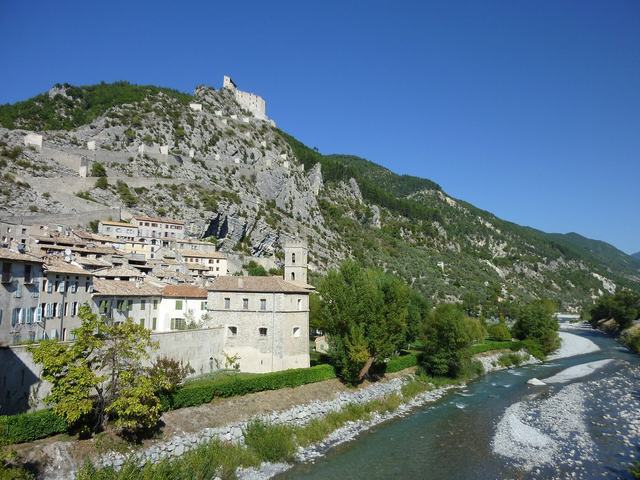
A town fortified by Vauban, dominated by its perched citadel and linked to the town by a drawbridge.
View full page →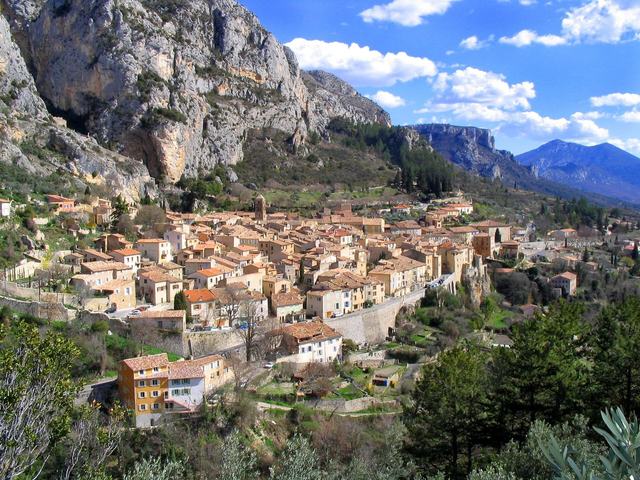
Clinging to the foot of cliffs, in the hollow of a fault where a torrent flows and olive trees have grown, with fields of lavender, lavandin, thyme and cork oaks on the horizon, this village at the edge of the Verdon gorges and near the artificial Lake Sainte-Croix is one of the wonders of Provence.
View full page →
Amid olive trees, the cobbled lanes of Coaraze lead to the thirteenth-century church, adorned in the seventeenth century, under Italian Baroque influence, with 118 cherubs in a polychrome setting.
View full page →
In the twelfth century, Gourdon was a military site providing protection against frequent Saracen raids.
View full page →
You reach this village by the hairpins of a narrow road crossing a terraced landscape planted with olive trees and mimosas.
View full page →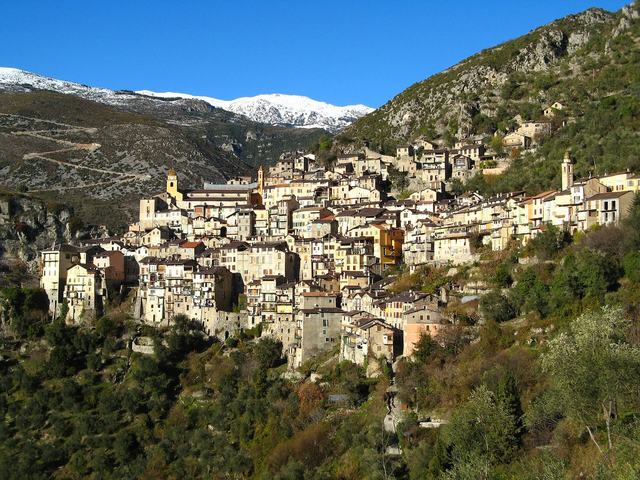
Saorge, at 550 m altitude, impressively overlooks the Roya valley, with a concentration of houses huddled against each other, several storeys high, and tiered on several levels.
View full page →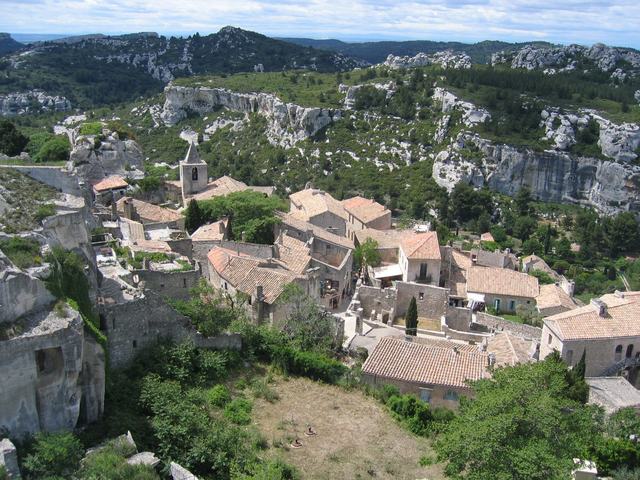
Between a dizzying precipice and the impressive ruins of its long-impregnable fortress, the most visited village in France sits on a rocky spur of the Alpilles, between the Vallon de la Fontaine and the Val d'Enfer.
View full page →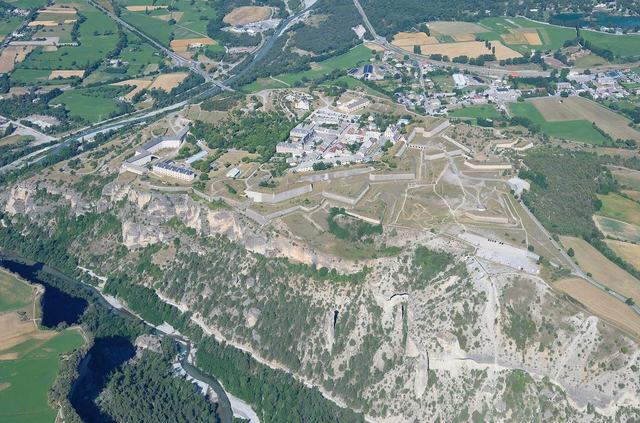
The stronghold of Mont-Dauphin, built by Vauban from 1693, is one of the 12 major Vauban sites inscribed in 2008 as UNESCO World Heritage.
View full page →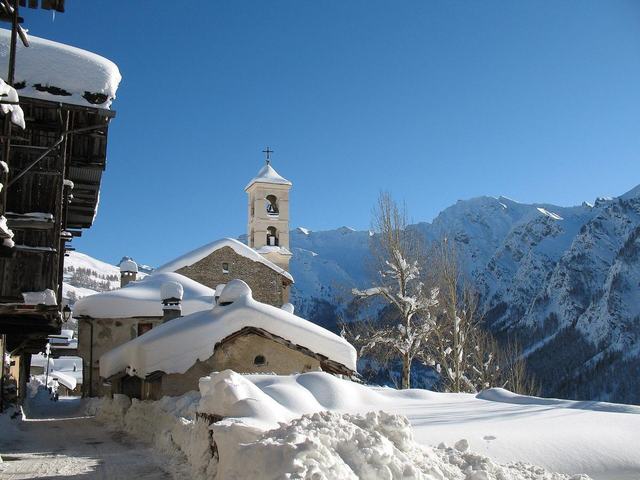
Reachable by road for barely more than a century, you enter the town made up of several quarters by the road below, and discover the oldest buildings, wooden chalets, fine galleries of hayloft barns, a well, a bread oven.
View full page →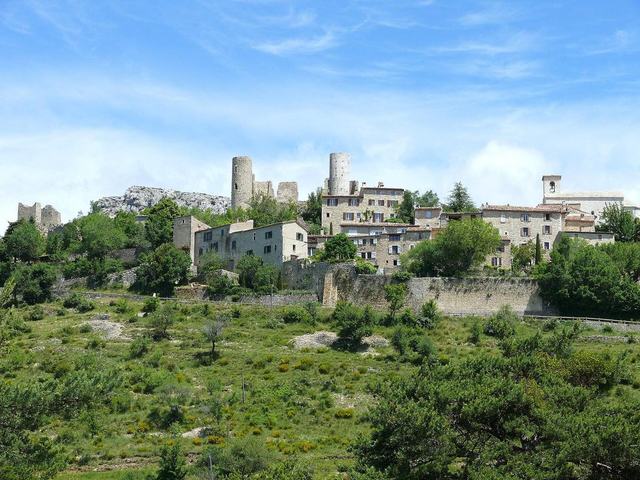
You enter the town by the Porte de Garde that opens in the ramparts, then you discover the little old streets, the vaults, the lanes lined with often flowered houses.
View full page →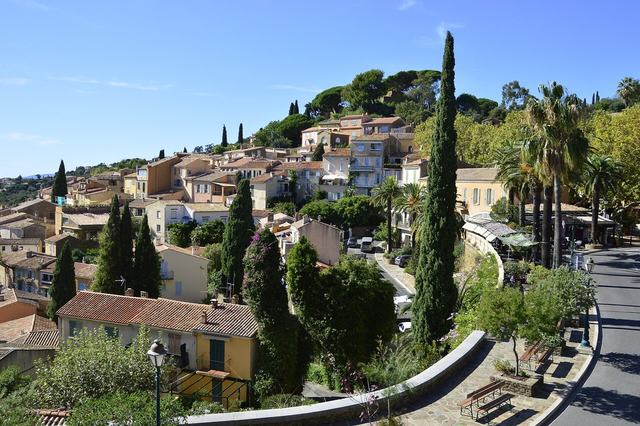
A perched village of the Var between the Maures massif and the Mediterranean, famous for its mimosas and the Fort de Brégançon.
View full page →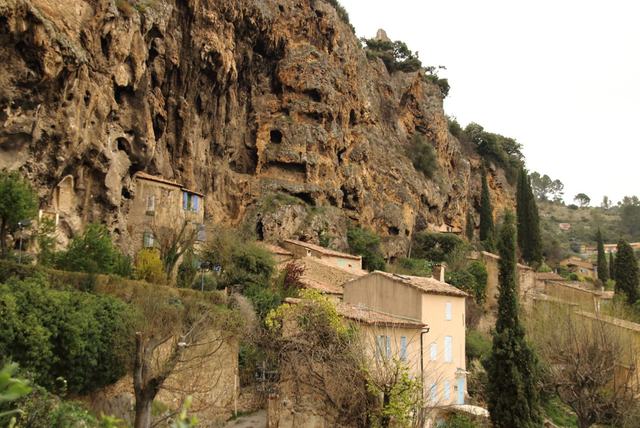
A village of the Provence Verte backed against a tufa cliff, among the Most Beautiful Villages of France.
View full page →
Built on the top of a hill more than two hundred metres high, Gassin is a delightful village that has kept all its charm and tranquillity, a few kilometres from the Var coast.
View full page →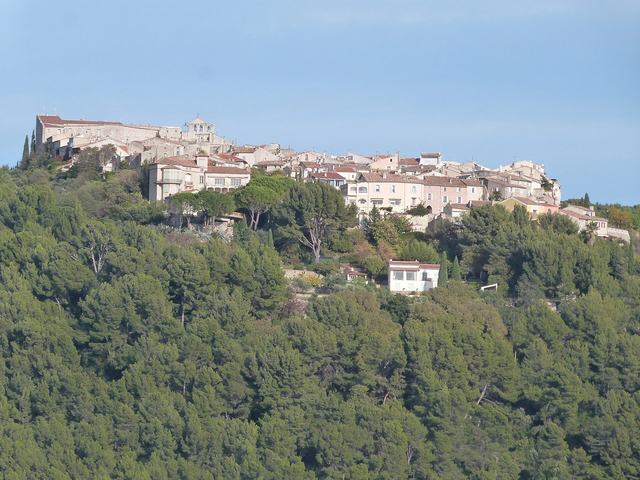
A medieval perched village of the Var, surrounded by ramparts, in the heart of the Bandol vineyard.
View full page →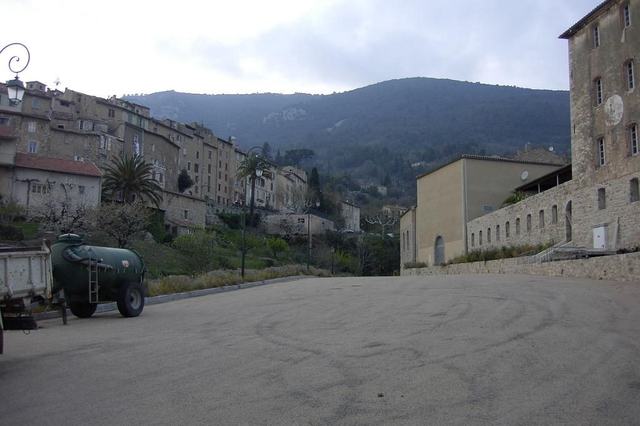
Tightly graded around the campanile and the tower of the twelfth-century church, as well as the medieval castle, the ochre houses draw a mysterious labyrinth of cobbled, sloping lanes, marked by the steps of horses.
View full page →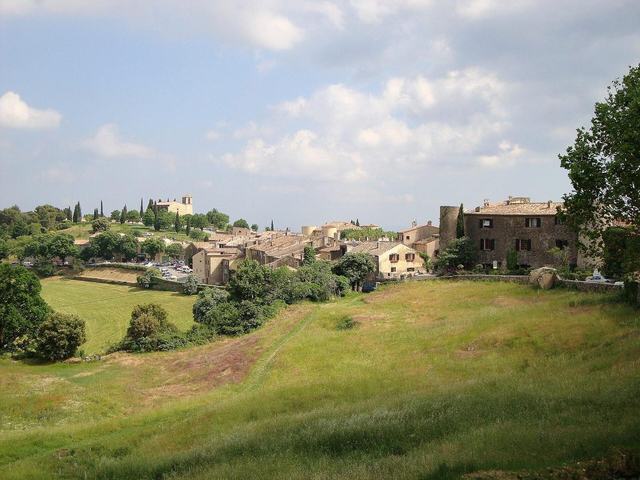
In Tourtour, the narrow streets are lined with stone houses capped with round tiles.
View full page →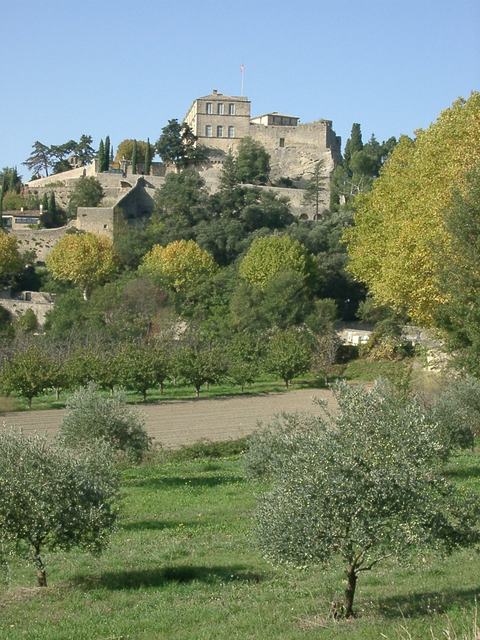
In the Middle Ages, Ansouis occupied an ideal position to control the road between Aix-en-Provence and Apt.
View full page →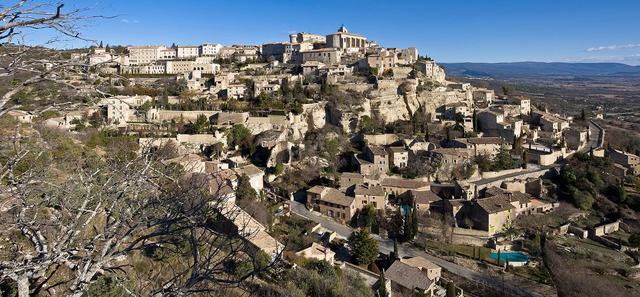
This village perched on a promontory seems to stand guard over the Apt valley and the Cavaillon plain.
View full page →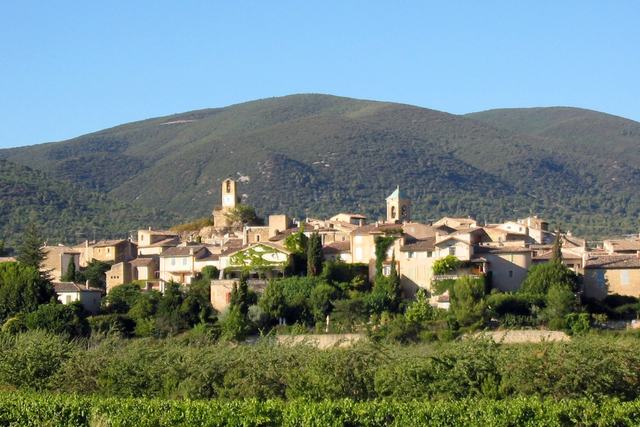
It was in the sixteenth century that the inhabitants of the Protestant village were massacred by Maynier d'Oppède.
View full page →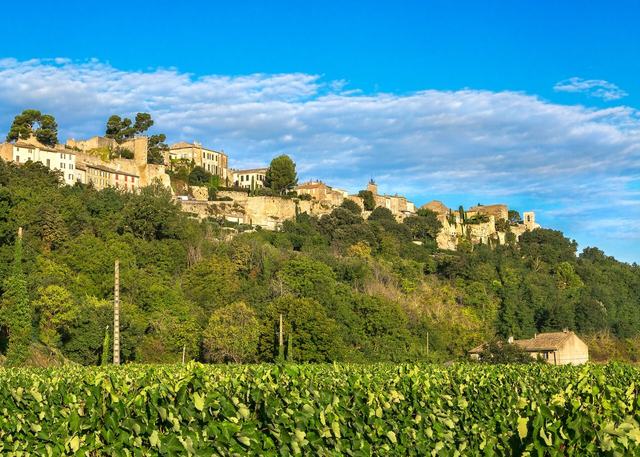
It was in the Middle Ages that Ménerbes acquired part of its heritage, such as Saint-Hilaire abbey, a former priory where Saint Louis stopped on his return from the Crusades.
View full page →
This village is world-famous for the 18 shades of red ochre of its Fairies' valley and the tormented relief of its old quarries, cliffs that erosion and the mistral continue to gully.
View full page →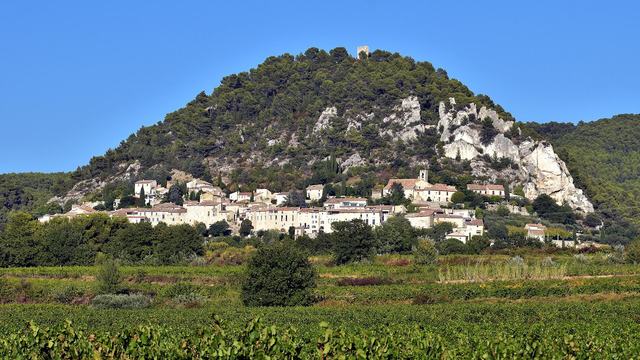
Foremost among Séguret's charms shine the Clock Tower topped by a caged bell, the fine Reynier gate, the fifteenth-century belfry, the twelfth- and thirteenth-century Romanesque church of Saint-Denis, the chapel of Notre-Dame-des-Grâces and the seventeenth-century Mascarons fountain, in Baroque style.
View full page →
The delightful village stands on a rocky spur overlooking the Carpentras plain.
View full page →