Photo : Nitot / Wikimedia Commons (CC BY-SA 3.0)
Saint-Benoît-du-Sault
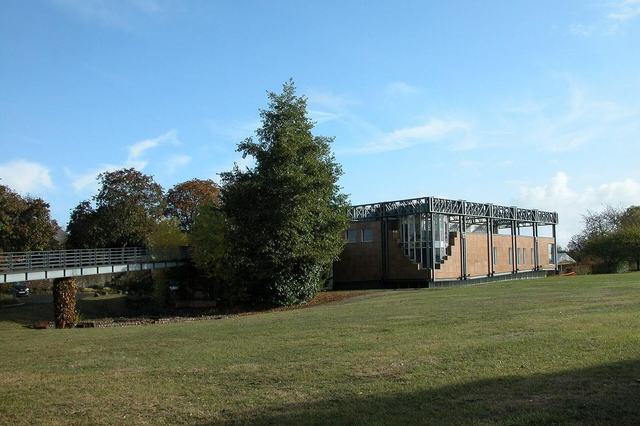
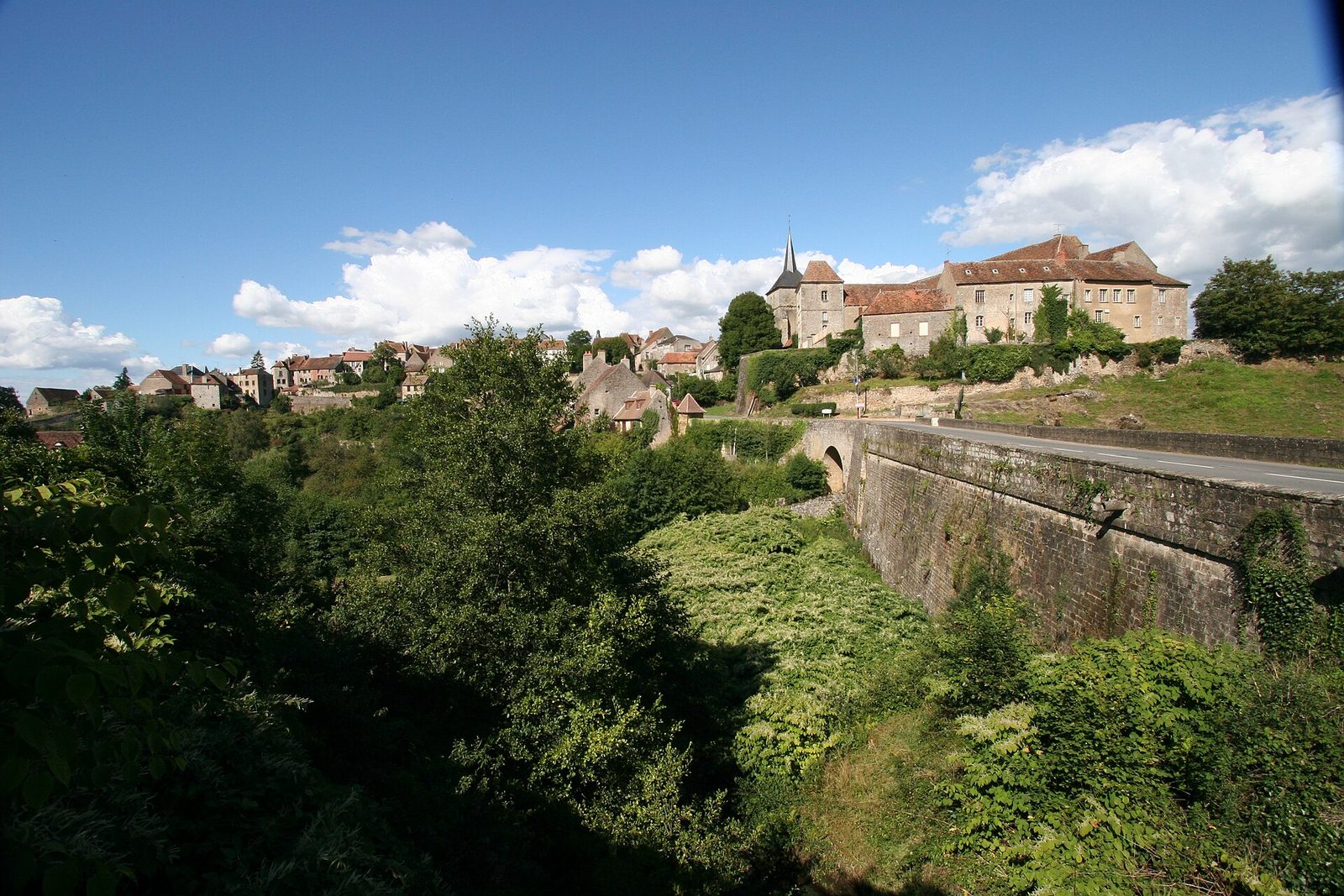
Enclosed by a double belt of ramparts, partly intact, Saint-Benoît has kept from its medieval past a fortified gate, a fourteenth-century belfry and an old wall-walk. At the end of the promontory, a Benedictine priory offers the view over the valley. The early-Romanesque three-nave church holds capitals and an eleventh-century baptismal font. In the heart of the village, fifteenth- and sixteenth-century houses line the narrow, often steeply sloping streets: the Governor's lodging and the Argentier's house, with its carved lintel, are the most remarkable. Around the old village, the contemporary buildings and the Fontbraux gardens were designed by renowned architects and landscape designers, who managed to reconcile heritage and modernity.