Photo : David Broad / Wikimedia Commons (CC BY 3.0)
Barfleur
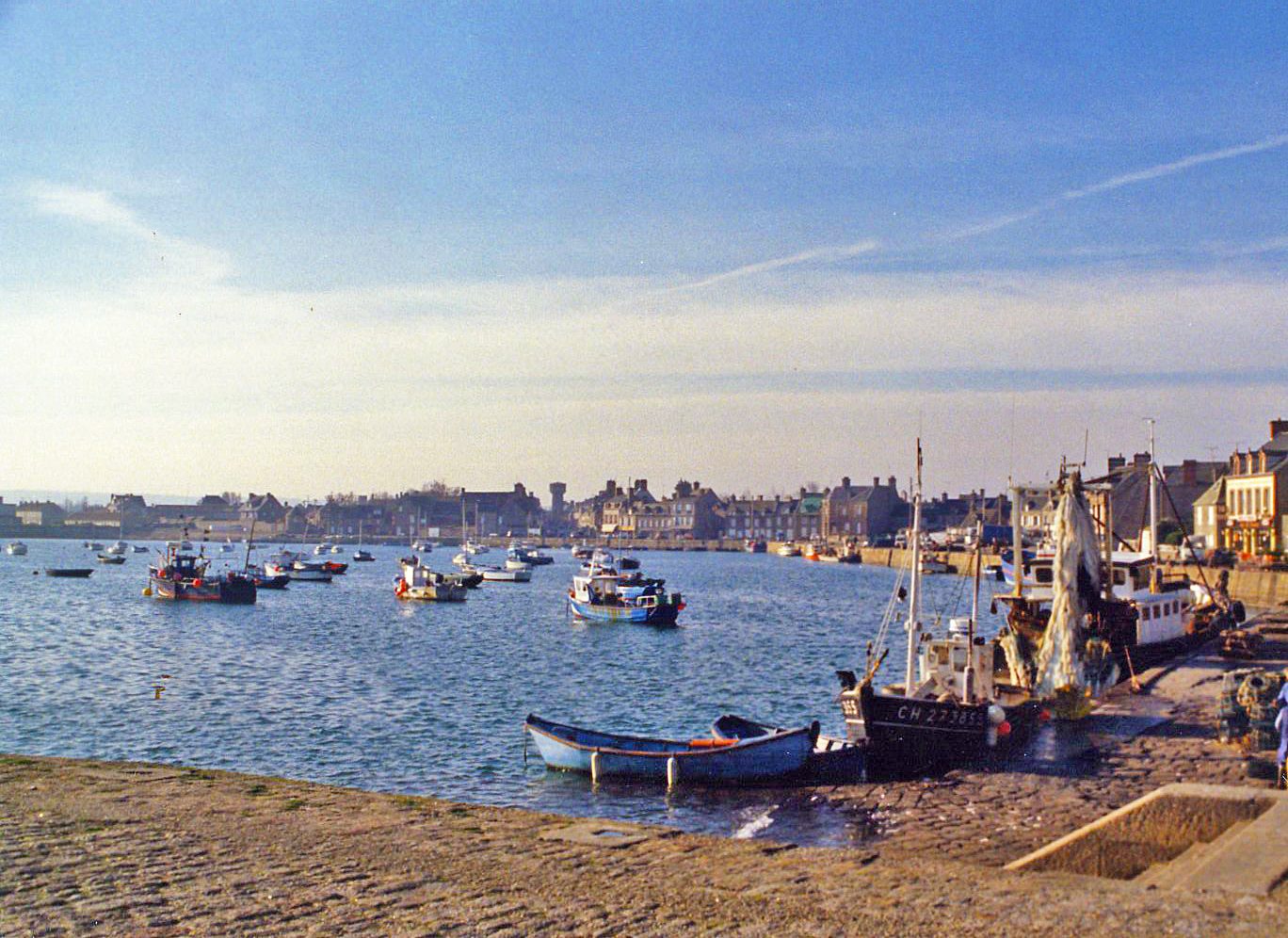
A former Roman-Viking port, Barfleur had nine thousand inhabitants in the time of Norman power and remained the leading port of the Cotentin in the Middle Ages. Once encircled by ramparts of which nothing remains, the town was burned by Edward III of England in 1348, then set on fire several times in the fifteenth and sixteenth centuries. It regained some prosperity after this troubled period, thanks to fishing and the trade carried on through its little port.
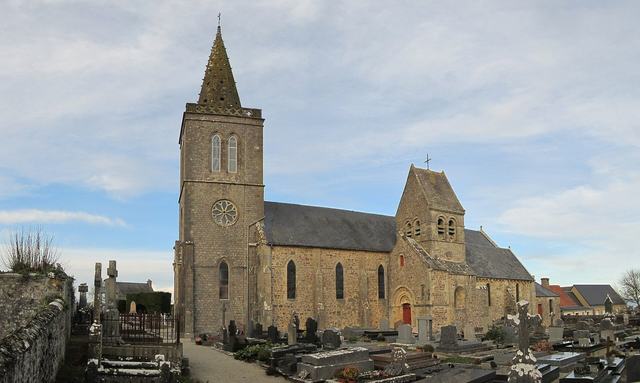
Most of the houses in the lanes of old Barfleur and along the quay date from the seventeenth and eighteenth centuries. They are sturdy bourgeois dwellings, whose grey local granite façades form a fine line. They were originally thatched, but this material, abundant in this livestock country, was replaced by slate. The town also has more modest dwellings capped with blue schist, also local, from which a large side chimney rises. The massive church of Saint-Nicolas overlooks the sea on a spur. Like the houses of the town, it is a sober granite building.