Discovering the Grand Est: a practical guide
The Grand Est brings together Alsace, Lorraine, Champagne-Ardenne and their varied landscapes: vineyards, half-timbered villages, hilltop castles, great historic cities, forests and the Vosges mountains. The region is also the land of Christmas festivities and beer.
This practical guide helps you choose your stops and organise your trip. Underlined site names link to their detailed pages.
Understanding the region in a few minutes
The region has ten départements. Alsace, with Bas-Rhin and Haut-Rhin, is famous for its wine route, its villages such as Hunspach, Mittelbergheim, Hunawihr and Kaysersberg, and its cities of Strasbourg and Colmar. Lorraine, with Nancy and Metz, is the land of royal squares and forests. Champagne, with Reims, Épernay and Troyes, is that of vineyards and cathedrals. The Ardennes are wooded and hilly.
In the middle, the Vosges form a rounded massif, covered with forests and lakes. In the east, the Rhine marks the border with Germany. This crossroads position gave the region a rich heritage, but also a sometimes painful history.
Distances are short within each area, but the region is large: allow about three hours' drive between Strasbourg and Reims.
- For a first trip, concentrate on one area: Alsace, Lorraine or Champagne.
- Trains link Strasbourg, Metz, Nancy and Reims well.
- Alsatian villages are explored on foot: park at the entrance.
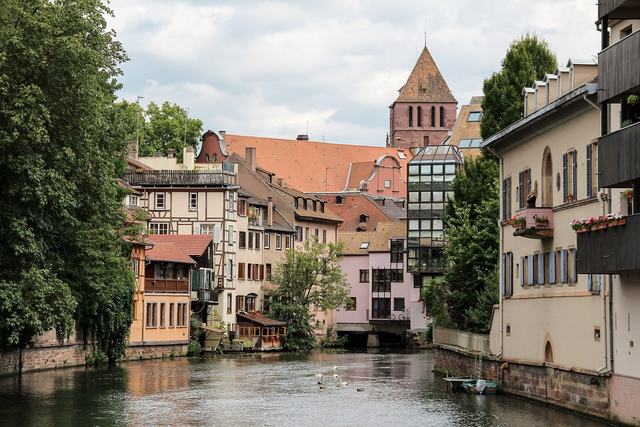
Strasbourg
European and Alsatian capital, whose Petite France district, crossed by canals and lined with half-timbered houses, embodies Franco-German charm.
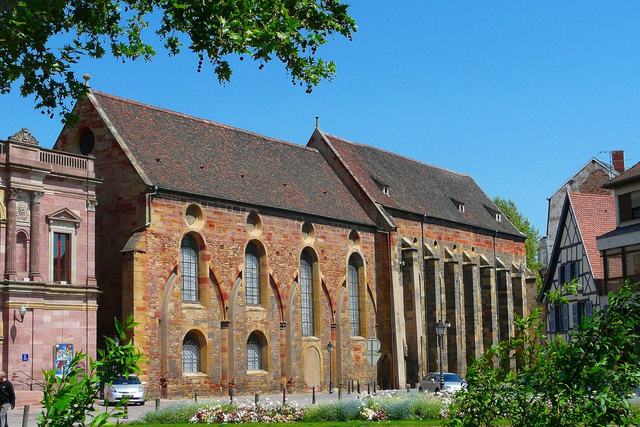
Colmar
Located in the centre of Alsace, between the two other major industrial centres of Strasbourg and Mulhouse, Colmar is an essential stop.

Nancy
Former capital of the Dukes of Lorraine, between the UNESCO-listed Place Stanislas and the Porte de la Craffe, the monumental fortified entrance of the old town.

Reims
City of the coronation of the kings of France beyond its famous cathedral, enlivened by Place Drouet-d'Erlon and its monumental gilded Subé fountain.
Culture, history and heritage
The heritage is very rich. Alsatian hilltop castles, such as the Château du Haut-Koenigsbourg, the Château de Saverne, the Château du Hohenbourg and the Château du Girsberg, dominate the plain. The Cathédrale Notre-Dame de Strasbourg, the Palais Rohan and the Musée de la Cour d'Or in Metz illustrate the diversity of the cities.
Lorraine keeps the memory of Stanislas in Nancy, of the École de Nancy and of Art Nouveau. The cathedrals of Reims and Strasbourg are Gothic masterpieces. The fortified city of Langres and the Citadelle de Bitche recall the military past.
Museums are varied: Musée Camille-Claudel, Musée des beaux-arts de Nancy, Musée Saint-Remi de Reims, Musée de la Reddition, Musée du Fort de la Pompelle. The memorial sites of Verdun, such as the Citadelle souterraine de Verdun, evoke the First World War.
- For Alsatian hilltop castles, expect some walking and wear good shoes.
- Memorial sites call for time and reflection.
- Book museums in Strasbourg and Nancy in advance.

Château du Haut-Koenigsbourg
The Haut-Koenigsbourg site, probably one of the most visited of French medieval castles, may put off the lover of unrestored architecture.

Cathédrale Notre-Dame de Strasbourg
Strasbourg's Notre-Dame cathedral is a Roman Catholic cathedral built in Strasbourg, representative of Gothic architecture.
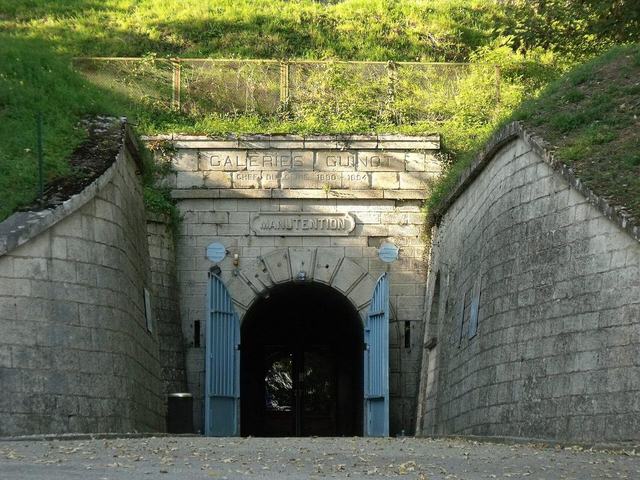
Citadelle souterraine de Verdun
The Verdun citadel, built around 1624 and not, contrary to what is generally thought, remodelled by Vauban, but by one of his disciples, 50 years later, is a seven-bastion citadel.
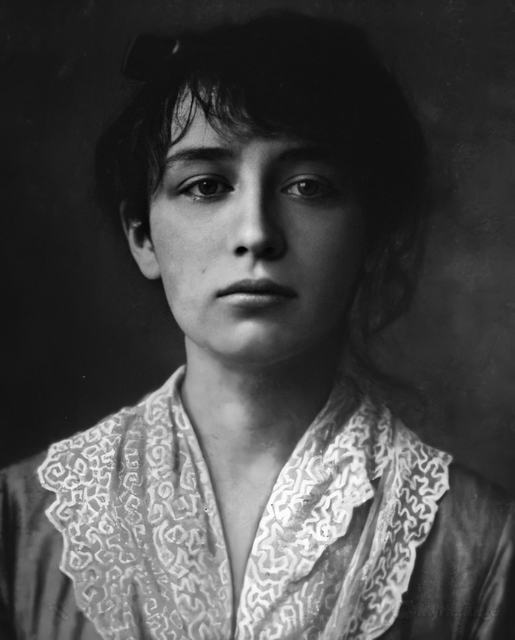
Musée Camille-Claudel
This sculpture museum is devoted not only to the work of Camille Claudel but also to nineteenth-century French sculpture, and in particular to the work of artists who lived and worked in Nogent-sur-Seine and/or were closely or distantly linked to Camille Claudel.
Food and local produce
The Alsatian table is known for choucroute, baeckeoffe, flammekueche, Munster cheese and the white wines of the wine route: Riesling, Gewürztraminer, Pinot Gris. Beer also has a great tradition, as the Musée de la Bière recalls.
Lorraine offers quiche lorraine, pâté lorrain, mirabelle plums, Commercy madeleines and Verdun sugared almonds. Champagne is famous for its sparkling wine, produced around Reims and Épernay, and for specialities such as Troyes andouillettes and Chaource cheese.
Christmas markets, very famous in Strasbourg, Colmar and Metz, are an old tradition. Vineyards offer visits and tastings all year.
- Book in advance in December for the Christmas markets.
- For vineyards, nominate a driver.
- Taste the specialities in Alsatian winstubs.

Épernay
World capital of champagne, whose Avenue de Champagne lines up the prestigious headquarters of the great houses above kilometres of cellars carved in chalk.
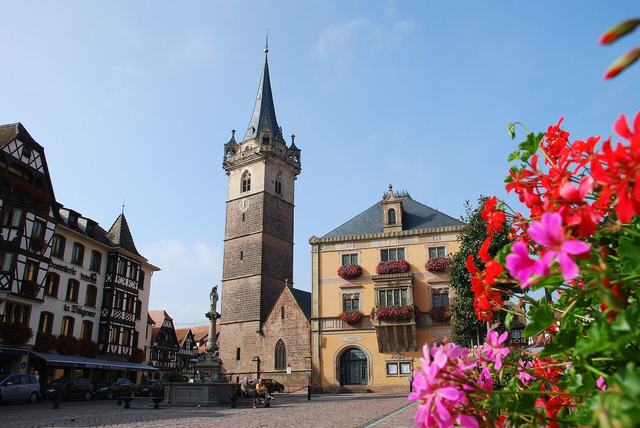
Obernai
A medieval town on the Alsace wine route, whose Gothic Chapel tower overlooks a market square surrounded by half-timbered houses in flower.
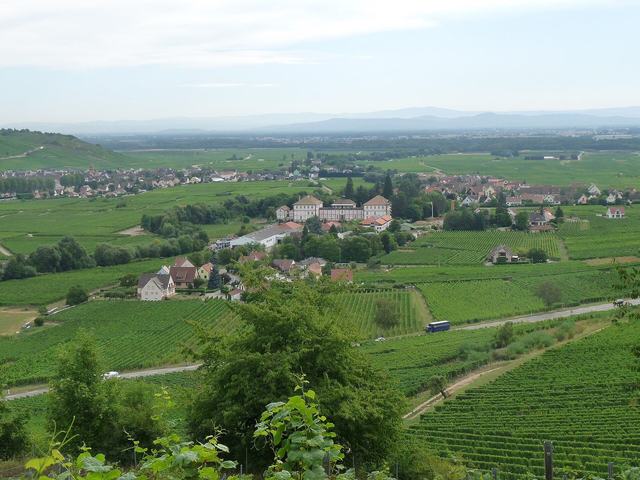
Kaysersberg
Kaysersberg, with its many half-timbered houses, fine historic centre and ruined imperial castle (Kaysersberg means the Emperor's mountain) overlooking the town, has tremendous charm.
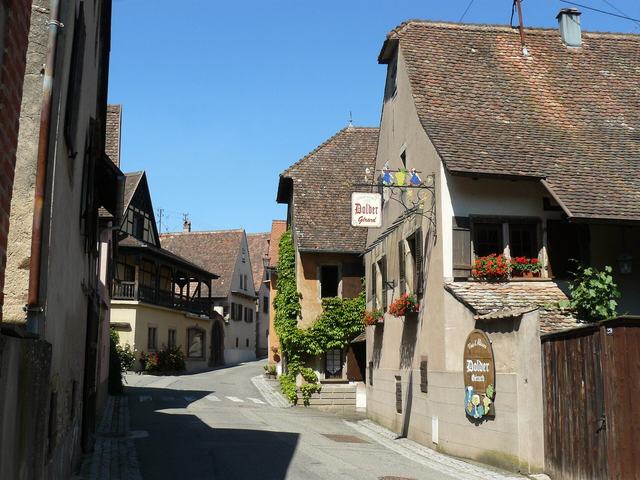
Mittelbergheim
Mittelbergheim stretches over the vine-covered hills of the Rippellsholz. The village, whose name is mentioned as early as 741, was successively the property of several abbeys.
Nature and wide open spaces
The region offers lovely landscapes. The Vosges have waterfalls, such as the Cascade de Nideck, the Saut des Cuves, the Cascade du Bockloch and the Cascade du Heidenbad, and lakes such as the Le Lac de Fischboedlé and the Lac de Lispach et Tourbieres. The Les Faux de Verzy, twisted beech trees, are a curiosity.
Rocks and arches, such as the l'Arche d'Erbsenfelsen and the Le Grand Steinberg, are discovered on hikes. The Sources de la Moselle and the La butte de Montsec are other sites to visit. The lakes of Champagne, such as Lac du Der, are known for birds.
For children, several parks are accessible: Parc Zoologique et Botanique de Mulhouse, La Montagne des Singes, Zoo d' Amnéville, Aquarium d'Amnéville. Gardens such as the Parc de Wesserling and the Jardin de Berchigranges are lovely stops.
- For waterfalls, choose spring or snowmelt.
- In the Vosges, the weather changes quickly: pack warm clothes.
- Stay on the paths in protected areas.
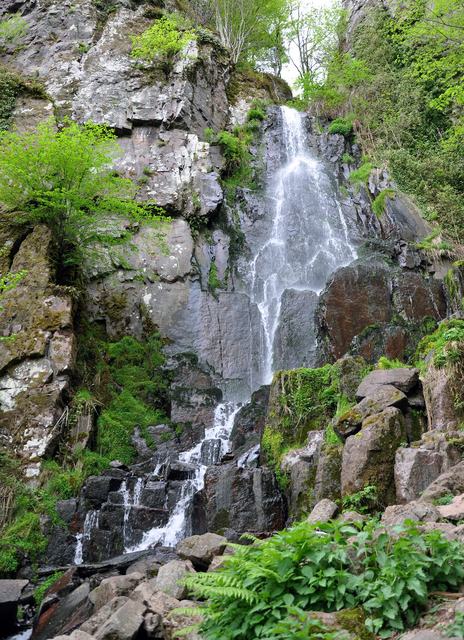
Cascade de Nideck
Nideck waterfall (Oberhaslach): south of the Nideck castle, the cliff forms a sheer drop of about 25 m.

Les Faux de Verzy
The Faux de Verzy, or twisted beeches (Fagus sylvatica var. tortuosa), are trees found in the Verzy forest, between Reims and Épernay.

La Montagne des Singes
Come and escape in our park for a surprising walk among 280 Barbary macaques living in freedom in a 24-ha forest.
Parc de Wesserling
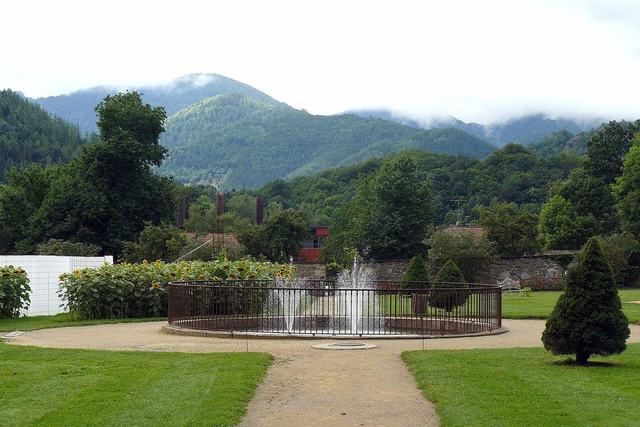
At the Wesserling Park, you can discover a French-style garden, an English-style park, Italian-style terraces and a vegetable garden!
When to go and how to plan
Spring and autumn are the most pleasant, especially for the vineyards. Summer is ideal for the Vosges and the lakes. Winter is the season of the Christmas markets, in December, but the cold is sometimes sharp and the sites very busy.
A car is useful for exploring villages and vineyards. Strasbourg, Colmar, Nancy, Metz, Reims and Troyes are explored on foot and are well served by train. Vosges mountain roads are slower.
A five-day trip can combine three areas: Strasbourg and the wine route, Nancy and Metz, Reims and Champagne. Each of these areas also deserves a trip of its own.
- Avoid combining too many towns in one day.
- Book in advance in high season and in December.
- Pack warm clothes, even in spring.
Troyes
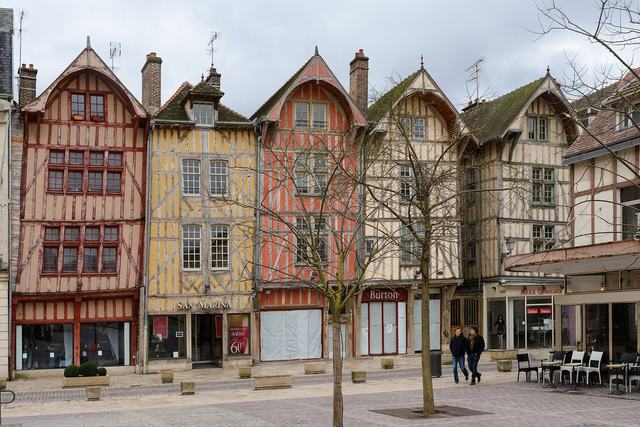
Historic capital of Champagne, famous for its colourful half-timbered houses and its old centre shaped like a champagne cork.
Metz
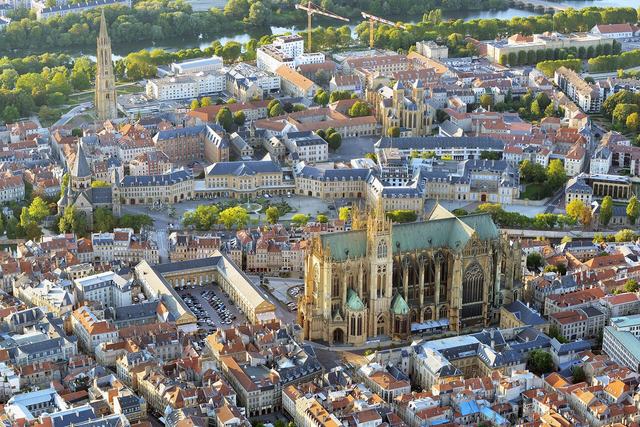
Prefecture of the Moselle built in golden Jaumont stone, at the confluence of the Moselle and the Seille, dominated by the cathedral of Saint-Étienne.
Château de Saverne
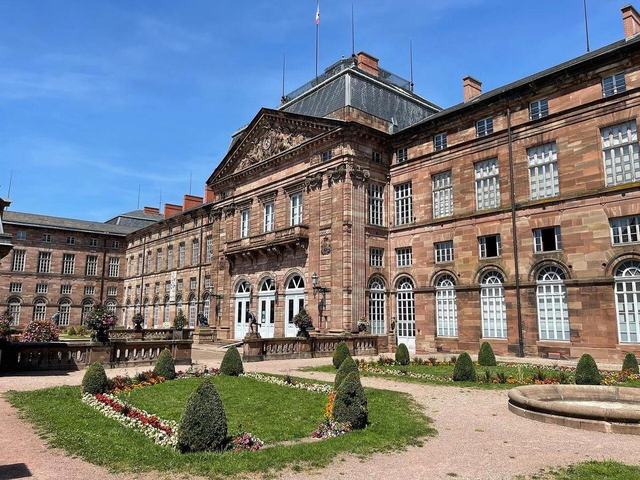
Palace of the prince-bishops of Strasbourg, the château de Saverne was rebuilt in the eighteenth century and today shows off its immense pink sandstone façade.
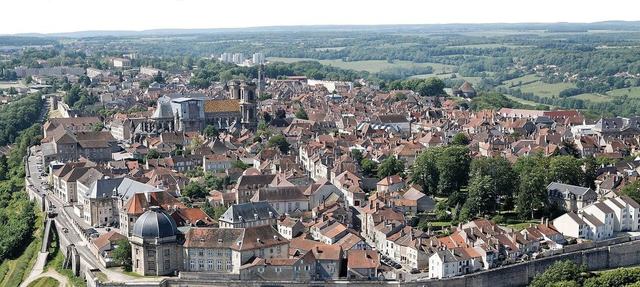
La Cité Fortifiée de Langres
Langres is ranked among the 50 most beautiful towns in France.
Going further
Find all the sites of the region on the page Grand Est, or explore a département: