Villages · Obernai
1 Obernai
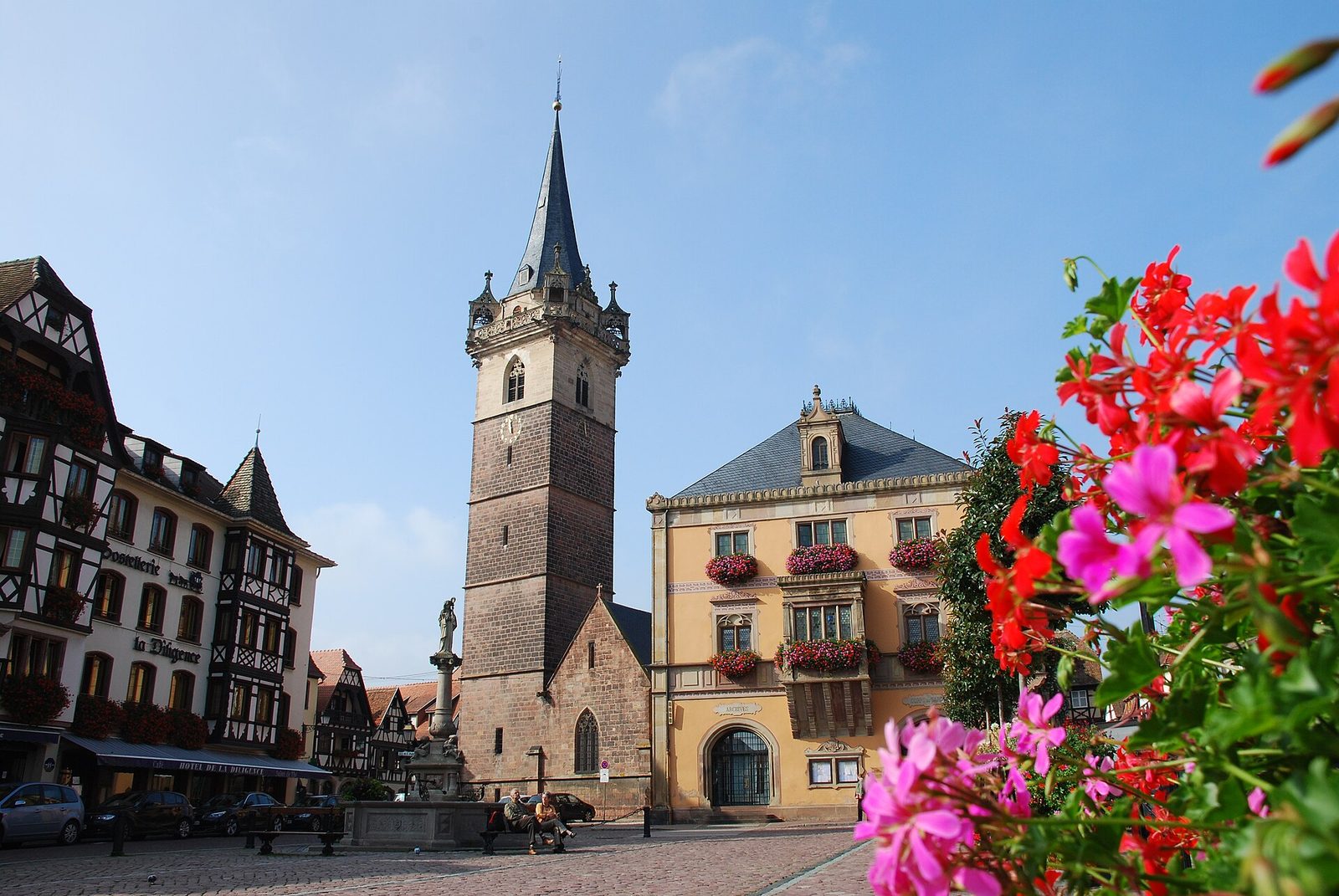
A medieval town on the Alsace wine route, whose Gothic Chapel tower overlooks a market square surrounded by half-timbered houses in flower.
View full page →Alsace brings together half-timbered villages, vineyards along the wine route, hilltop castles overlooking the plain and towns rich in history. The region, stretched between the Rhine and the Vosges, is easy to explore by car.
This itinerary groups the best-rated sites in the catalogue into three geographically coherent days. Allow time for the villages and for wine tastings, which are also part of the charm of the trip.
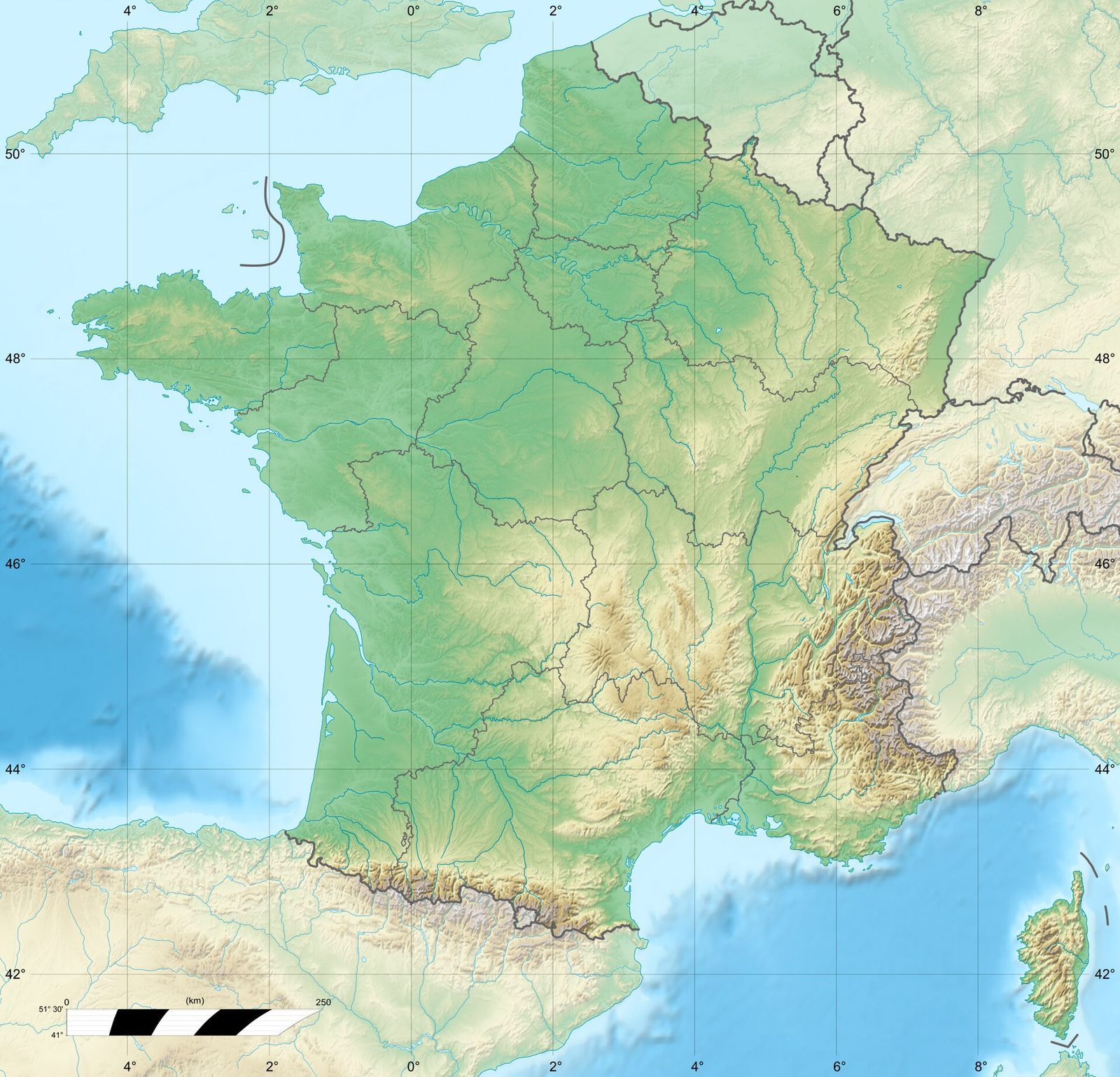
The map shows the numbered stops in visiting order, with one colour per day. The line follows the roads where available; otherwise it joins the stops as the crow flies. Distances and times are approximate (by car, without traffic).
This day brings together 3 sites close to each other: villages and towns and cities. It passes through Obernai and Strasbourg. Allow half an hour to an hour and a half per site, plus travel time.
A medieval town on the Alsace wine route, whose Gothic Chapel tower overlooks a market square surrounded by half-timbered houses in flower.
View full page →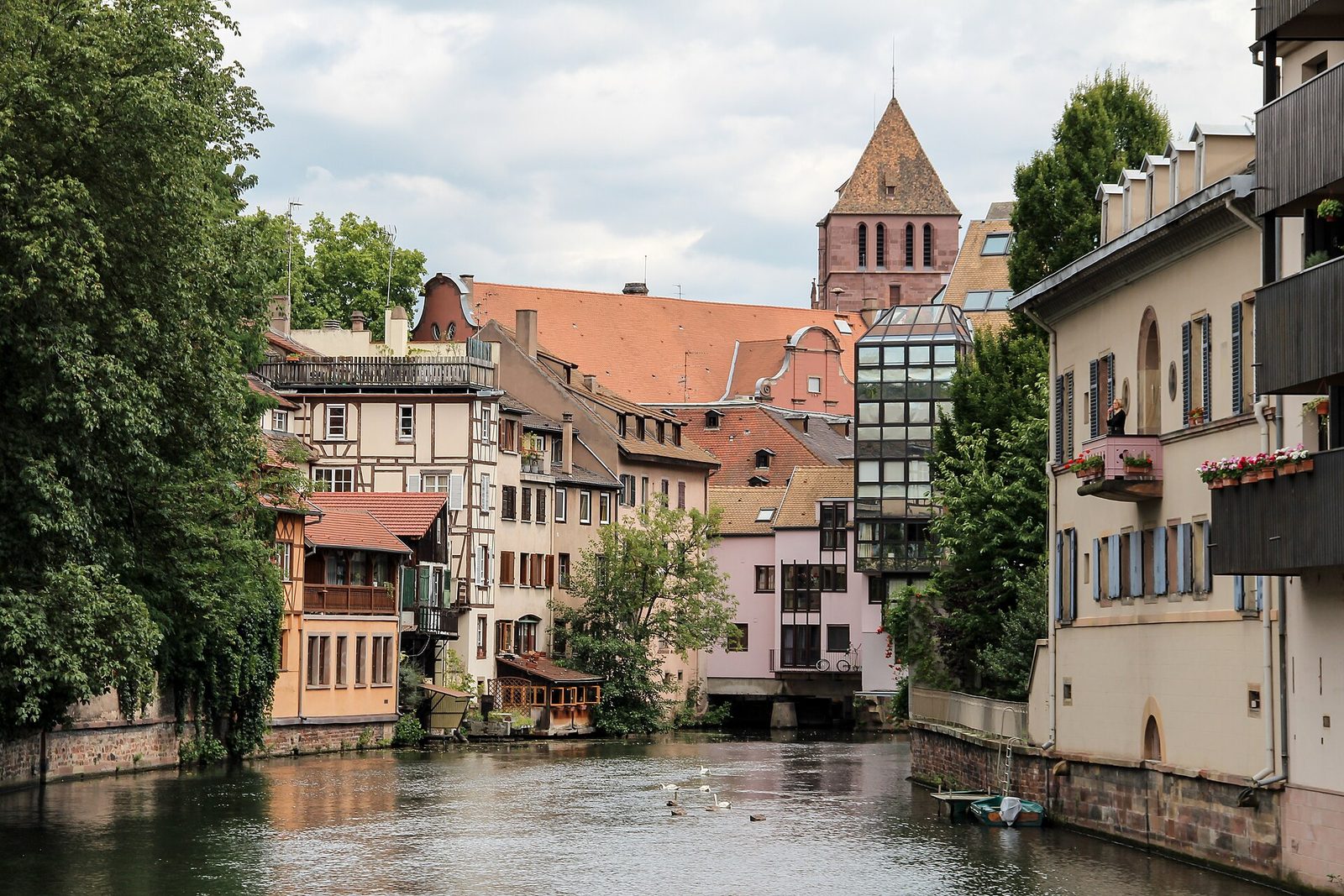
European and Alsatian capital, whose Petite France district, crossed by canals and lined with half-timbered houses, embodies Franco-German charm.
View full page →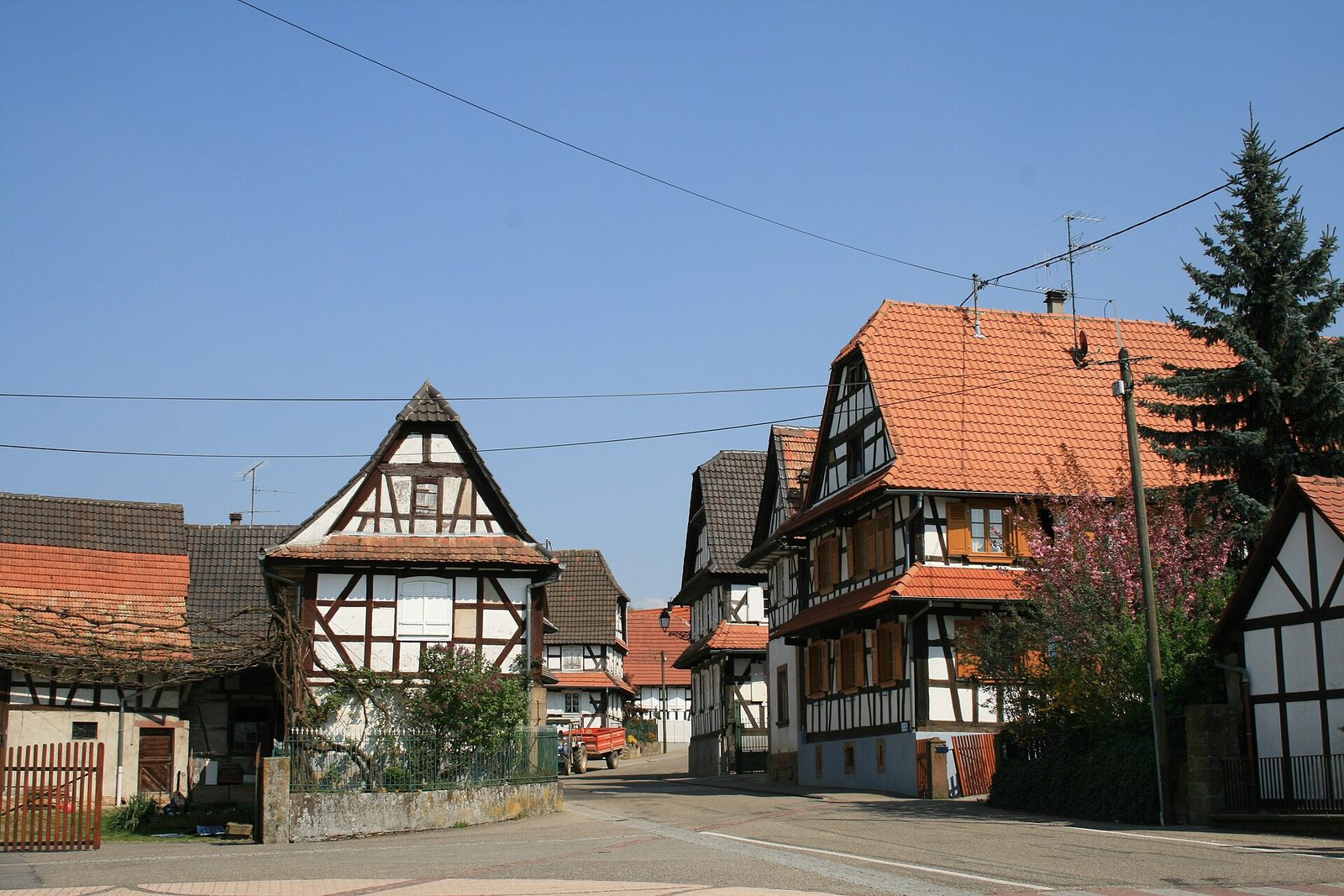
In the heart of the Outre-Forêt, the former imperial village of Hunspach became in 1504 the property of the Deux-Ponts-Palatinate family, which kept it until the Revolution.
View full page →This day brings together 4 sites close to each other: waterfalls, villages and castles. Allow half an hour to an hour and a half per site, plus travel time.
The Serva waterfall nestles in the Vosges massif, in the commune of Neuviller-la-Roche in the Bas-Rhin, reached from the hamlet of La Haute Goutte at Natzwiller following the yellow triangle waymarks.
View full page →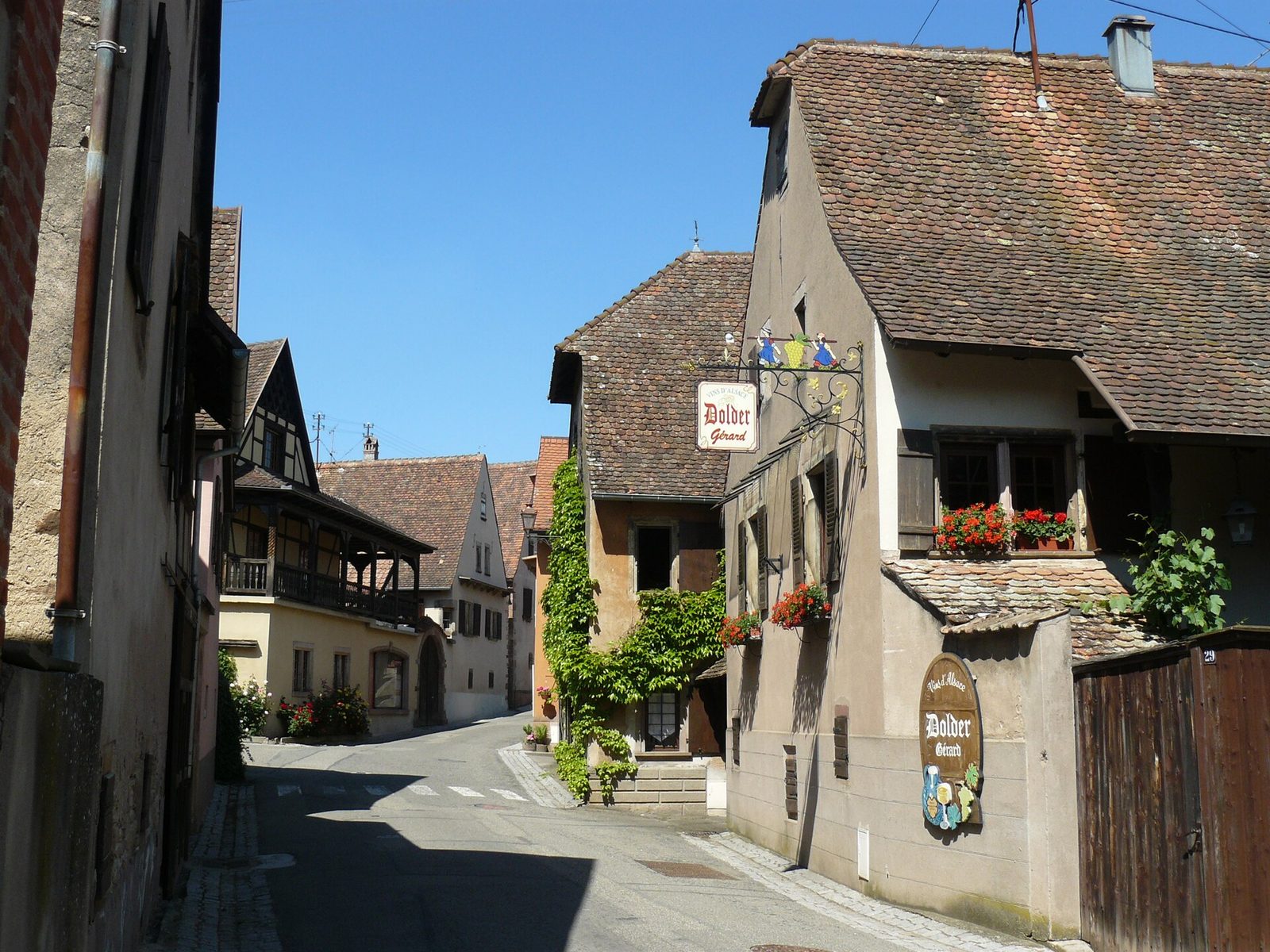
Mittelbergheim stretches over the vine-covered hills of the Rippellsholz. The village, whose name is mentioned as early as 741, was successively the property of several abbeys.
View full page →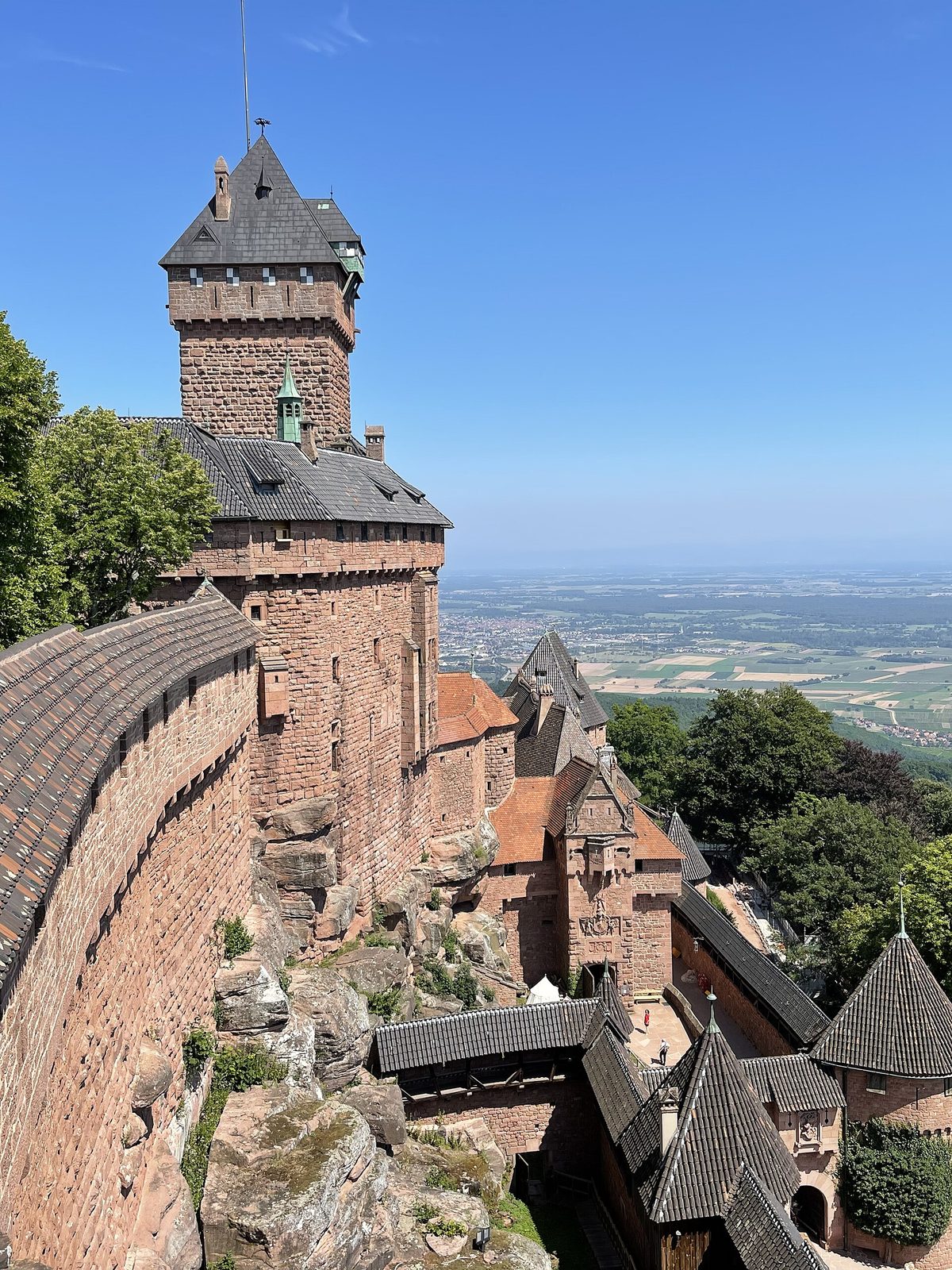
The Haut-Koenigsbourg site, probably one of the most visited of French medieval castles, may put off the lover of unrestored architecture.
View full page →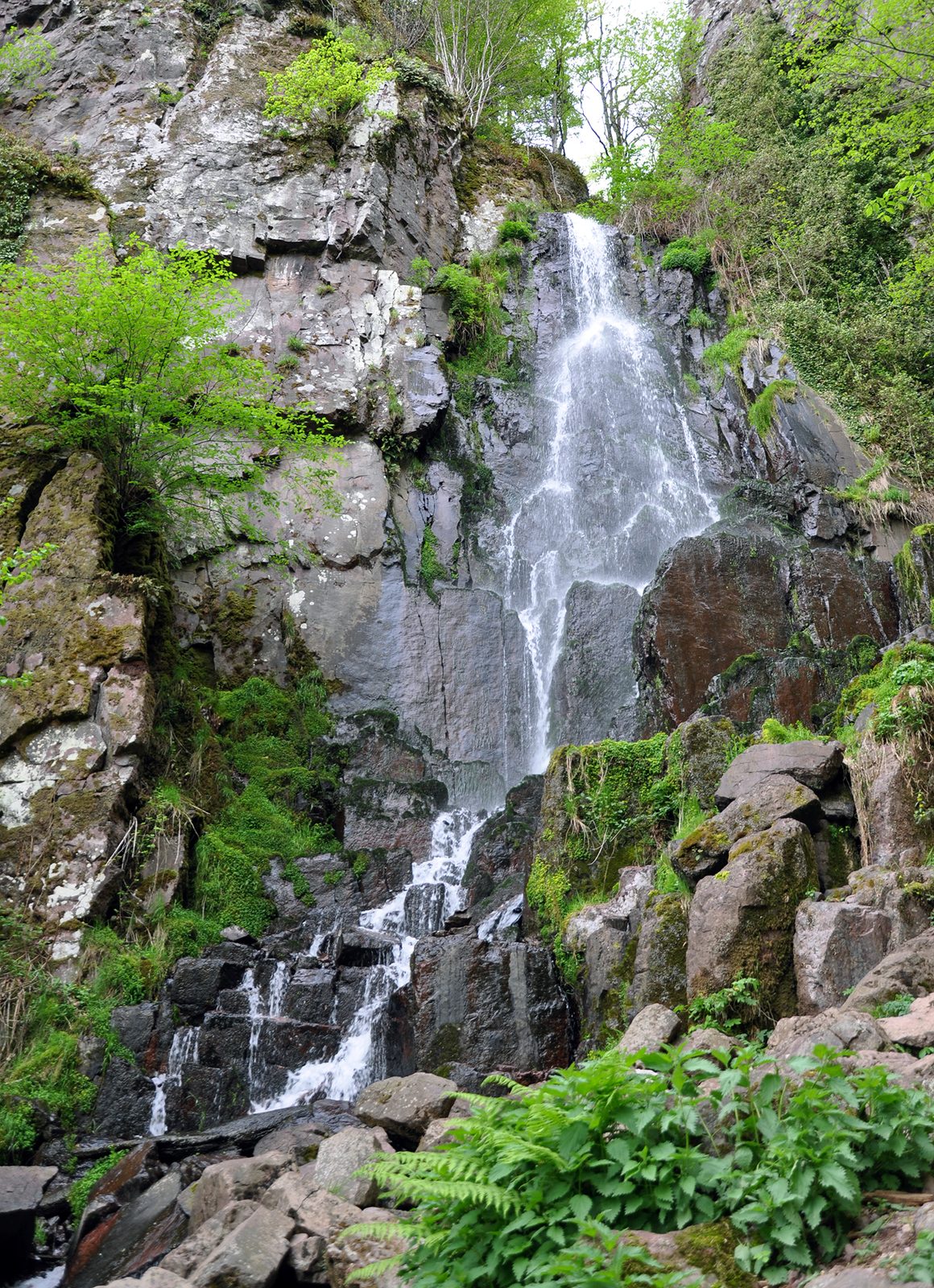
Nideck waterfall (Oberhaslach): south of the Nideck castle, the cliff forms a sheer drop of about 25 m.
View full page →This day brings together 5 sites close to each other: waterfalls, lakes and villages. Allow half an hour to an hour and a half per site, plus travel time.
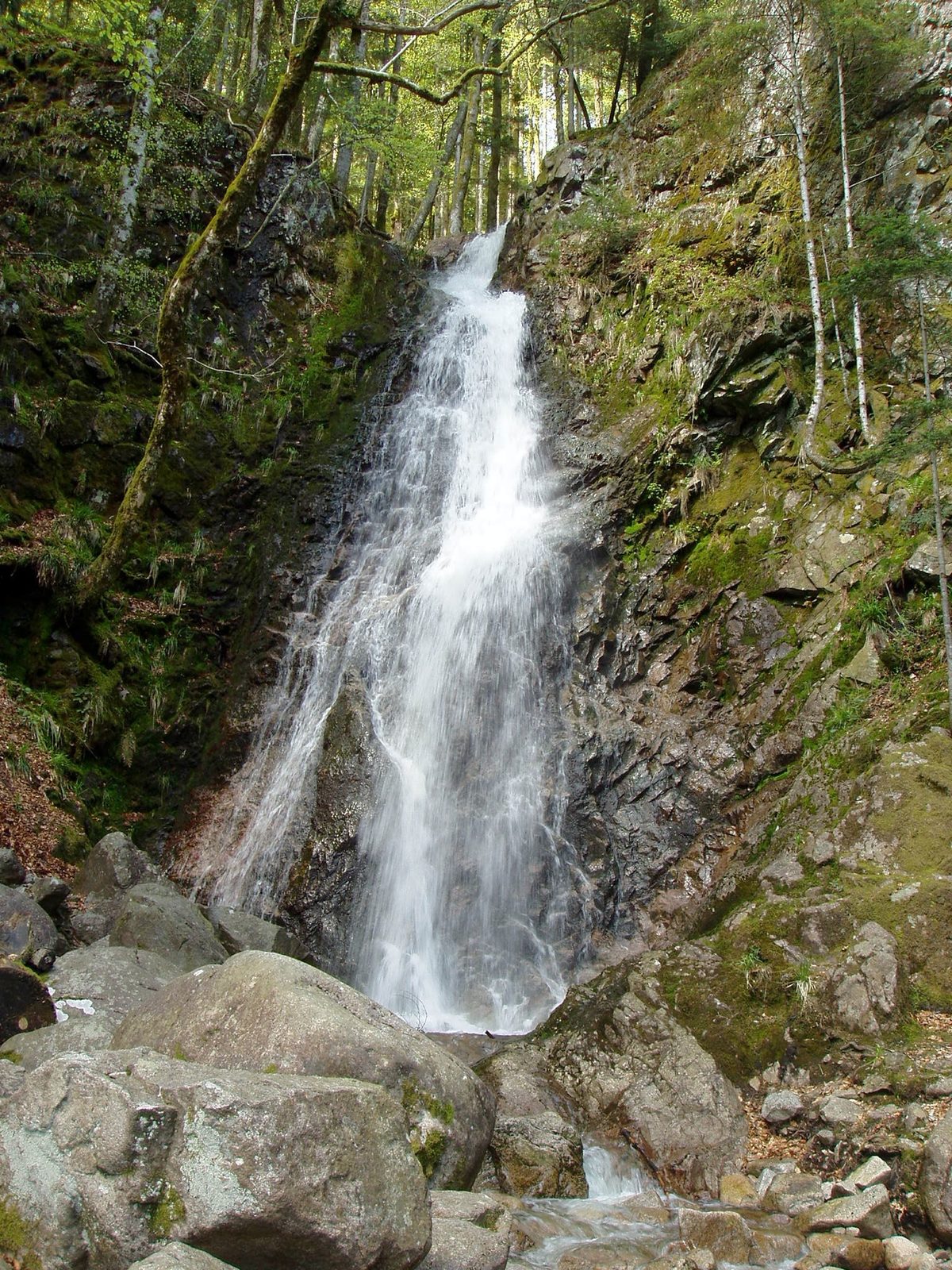
On the right bank of Lac de Kruth-Wildenstein, the Bockloch torrent rushes down the slope from the Col du Bockloch.
View full page →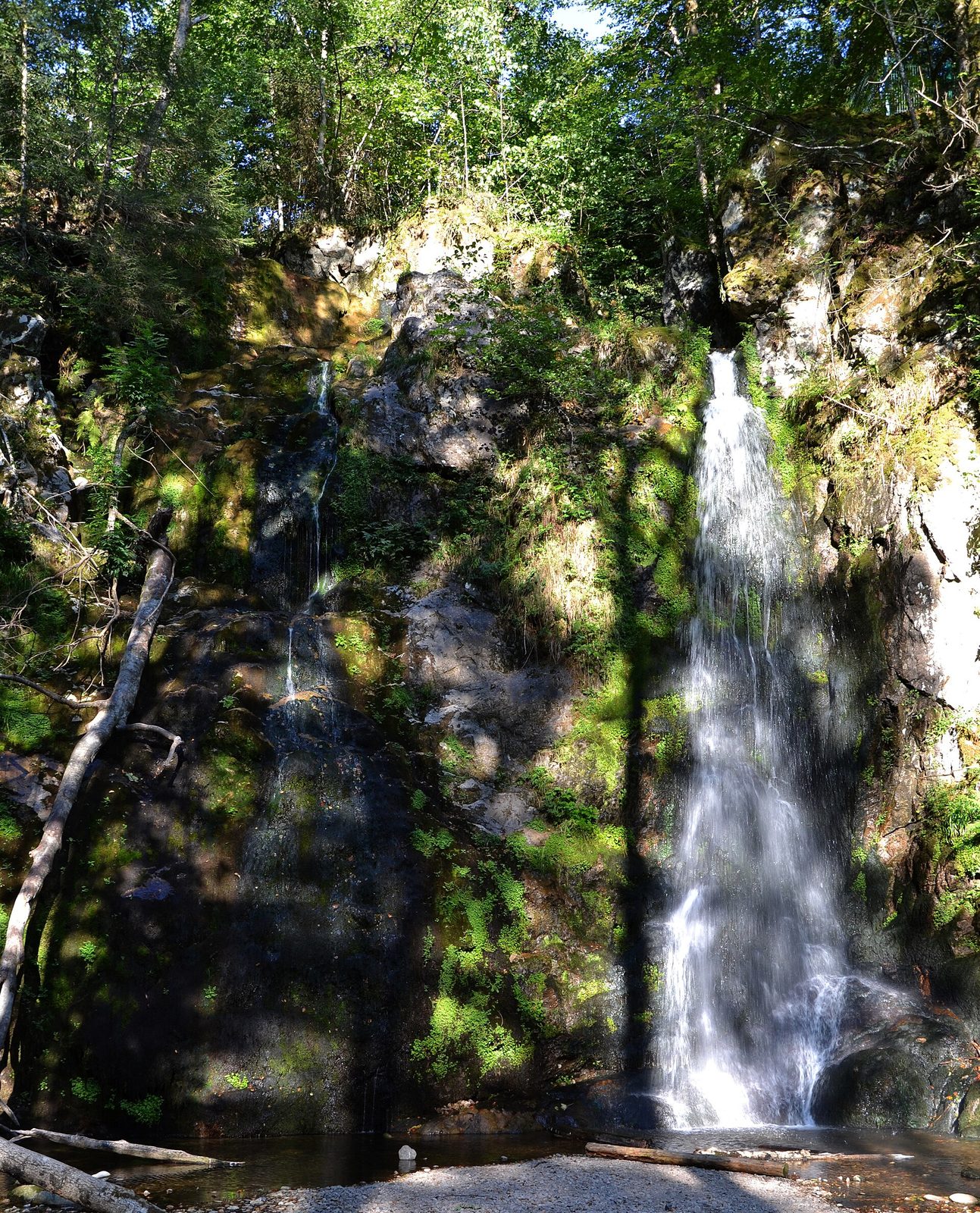
At the Heidenbad waterfall, the Thur throws itself from the top of one of these rocks. There, it makes a fall of twenty-four metres into the void.
View full page →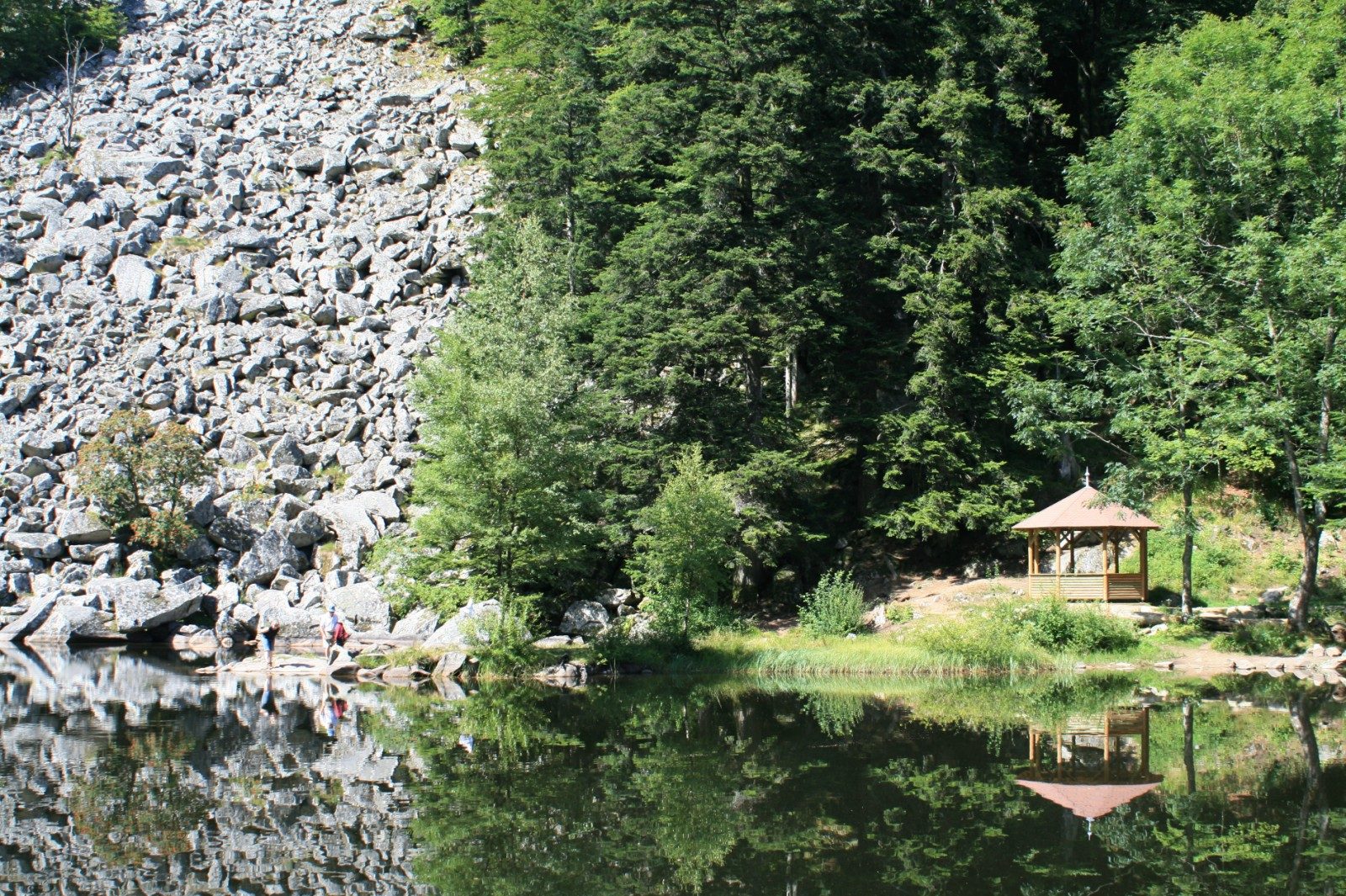
This small lake is one of the most beautiful lakes of the Vosges.
View full page →
Located in the centre of Alsace, between the two other major industrial centres of Strasbourg and Mulhouse, Colmar is an essential stop.
View full page →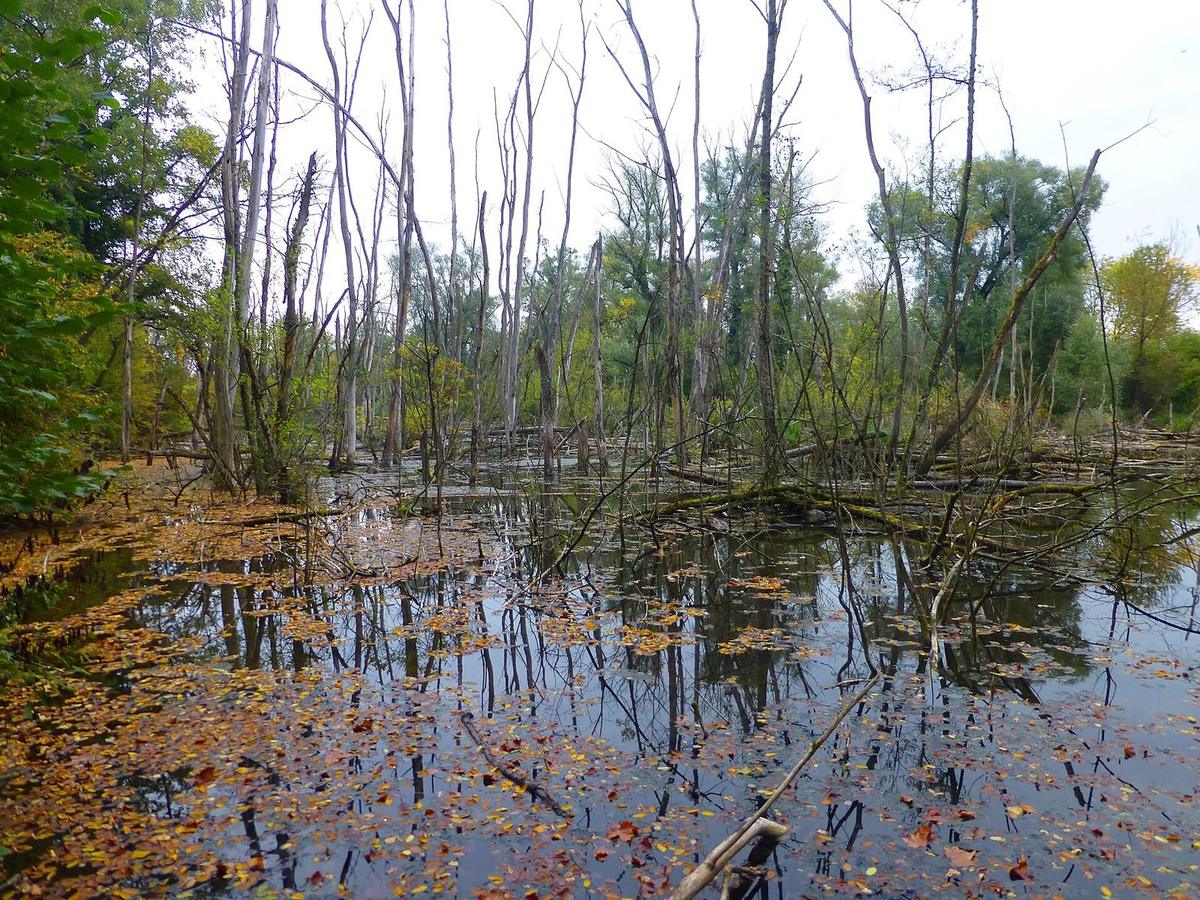
This marsh, relic and witness of the Rhine jungle, was classified by a Conseil d'État decree, to become the first protected nature reserve of Alsace.
View full page →Spring and autumn suit well: the vines are colourful, the villages in flower or golden, and the sites are calmer. Summer is lively, with many visitors in the best-known villages. December is famous for its Christmas markets, but towns and villages are then very busy.
A car is practical for driving the wine route and reaching the castles of the Vosges, but the big towns are explored on foot and are well served by public transport. The wine villages are close to each other: you can visit several on the same day. Mountain roads are slower than those on the plain.
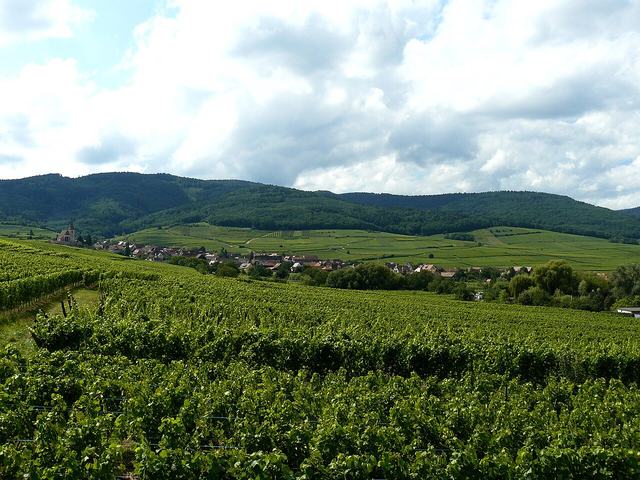
The village lies half-way up the slopes at the confluence of two watercourses. Surrounded by its little fortified cemetery, the fifteenth-century church emerges among vines that stretch to infinity.
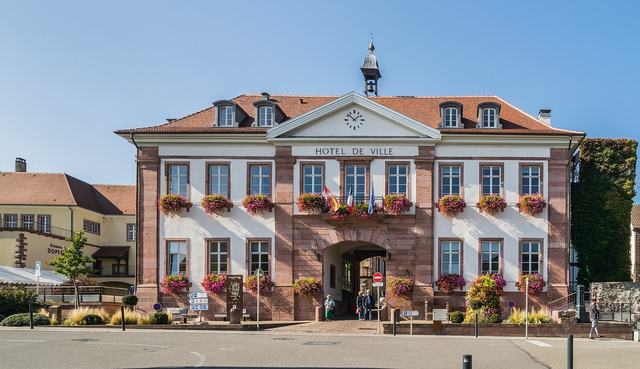
A charming little Alsatian town producing one of the best wines of Alsace, the village, whose wealth stirred the covetousness of the powerful, gave itself ramparts and a fortress that did not always prevent pillaging.
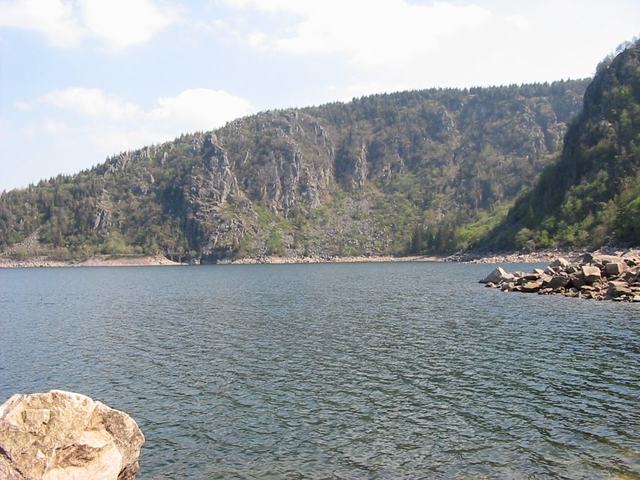
After the retreat and melting of glaciers, moraines form natural dams in the valleys.
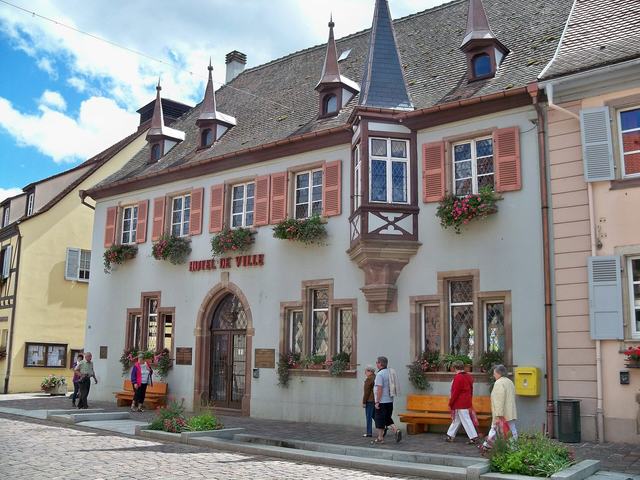
Ranked among the Most Beautiful Villages of France since 2003, national flower prize since 1989, gold medal of the European Entente Florale competition in 2006...
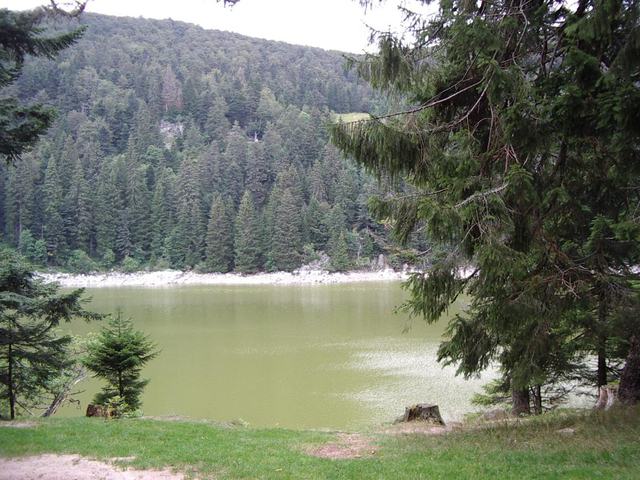
About 5 km from the Col de la Schlucht, a forest path leads to Lac Vert, also called Lac de Soultzeren, nestled at 1,044 m altitude on the Alsace side of the Vosges.

The garden of discoveries. In a remarkable natural site of 25 ha, 1,300 animals, the rarest of which are preserved within an international network of collaborations, and magnificent flower displays from spring to autumn.