Towns & cities · Clermont-Ferrand
1 Clermont-Ferrand
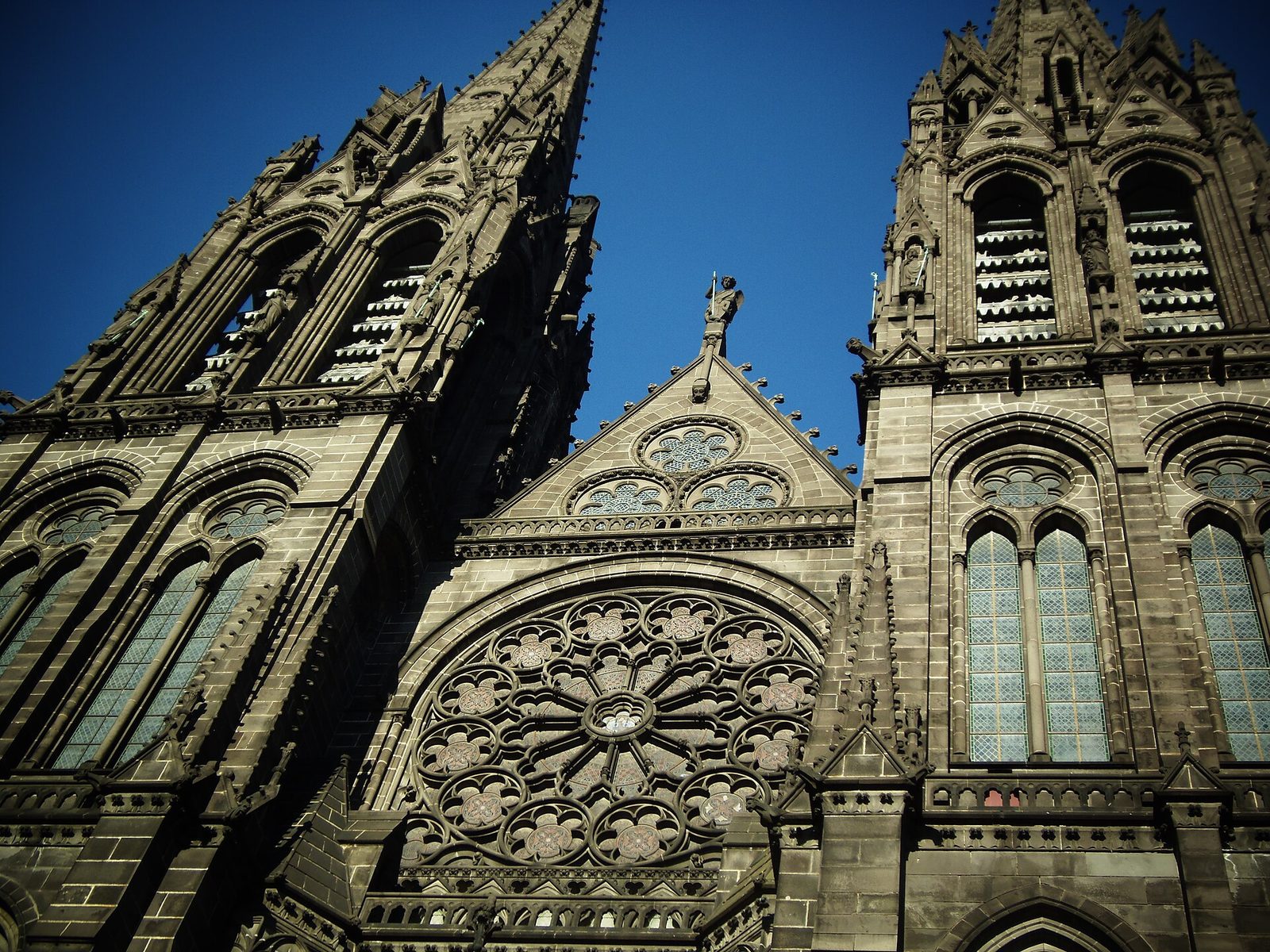
Historic capital of Auvergne, whose Gothic cathedral in black Volvic stone dominates the city born from the merger of two rival towns.
View full page →The Puy-de-Dôme is the département of the Auvergne volcanoes: the Chaîne des Puys, crater lakes, waterfalls, Romanesque churches and hilltop castles. It is a middle-mountain area, pleasant in every season.
This itinerary spreads the best-rated sites in the catalogue over three geographically coherent days. Conditions can change quickly at altitude: pack warm clothes even in summer.
The map shows the numbered stops in visiting order, with one colour per day. The line follows the roads where available; otherwise it joins the stops as the crow flies. Distances and times are approximate (by car, without traffic).
This day brings together 3 sites close to each other: towns and cities, villages and waterfalls. It passes through Clermont-Ferrand. Allow half an hour to an hour and a half per site, plus travel time.
Historic capital of Auvergne, whose Gothic cathedral in black Volvic stone dominates the city born from the merger of two rival towns.
View full page →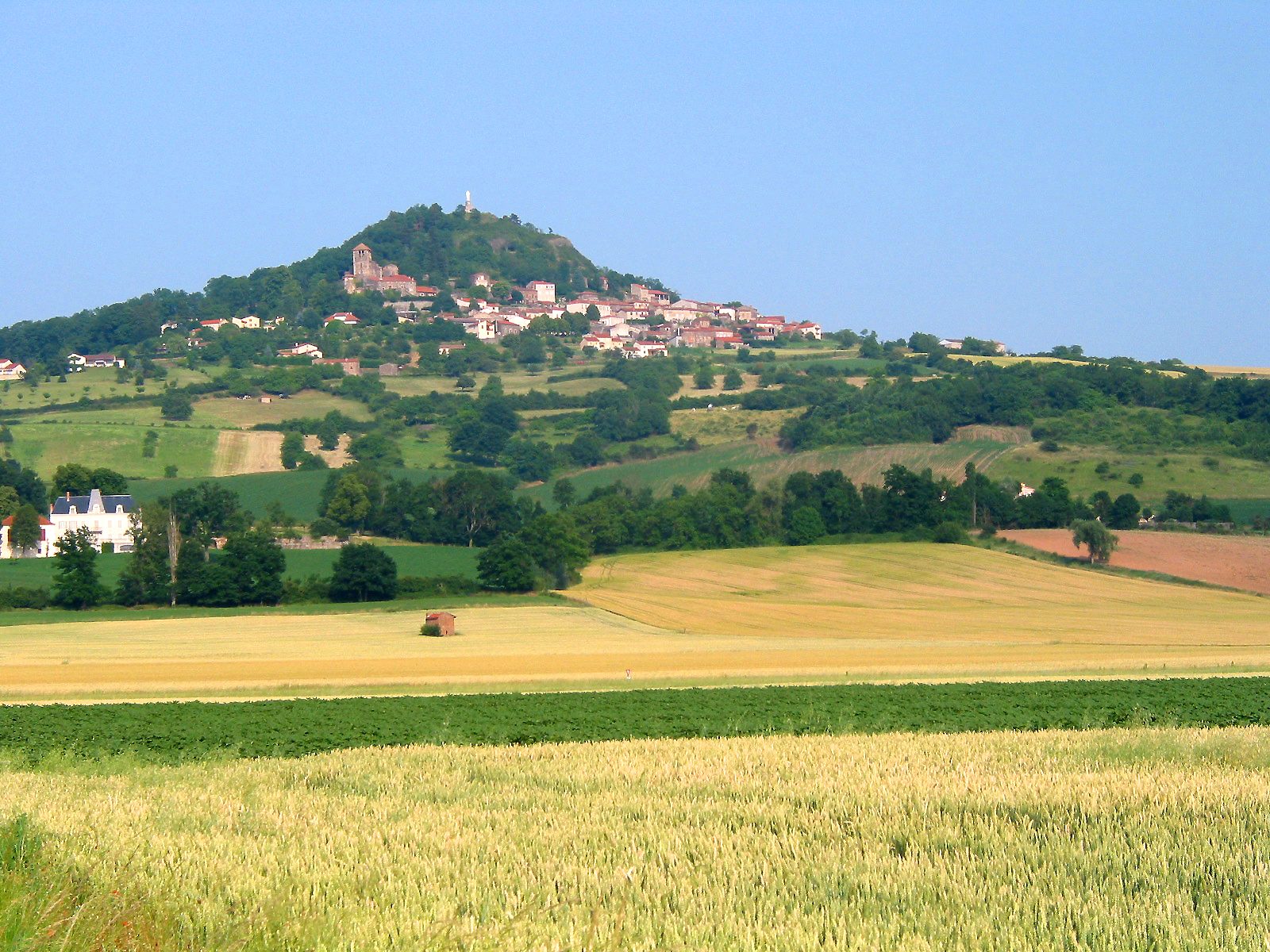
In this village, whose origins are said to go back to Celtic times, stands the most important fortress of Basse Auvergne.
View full page →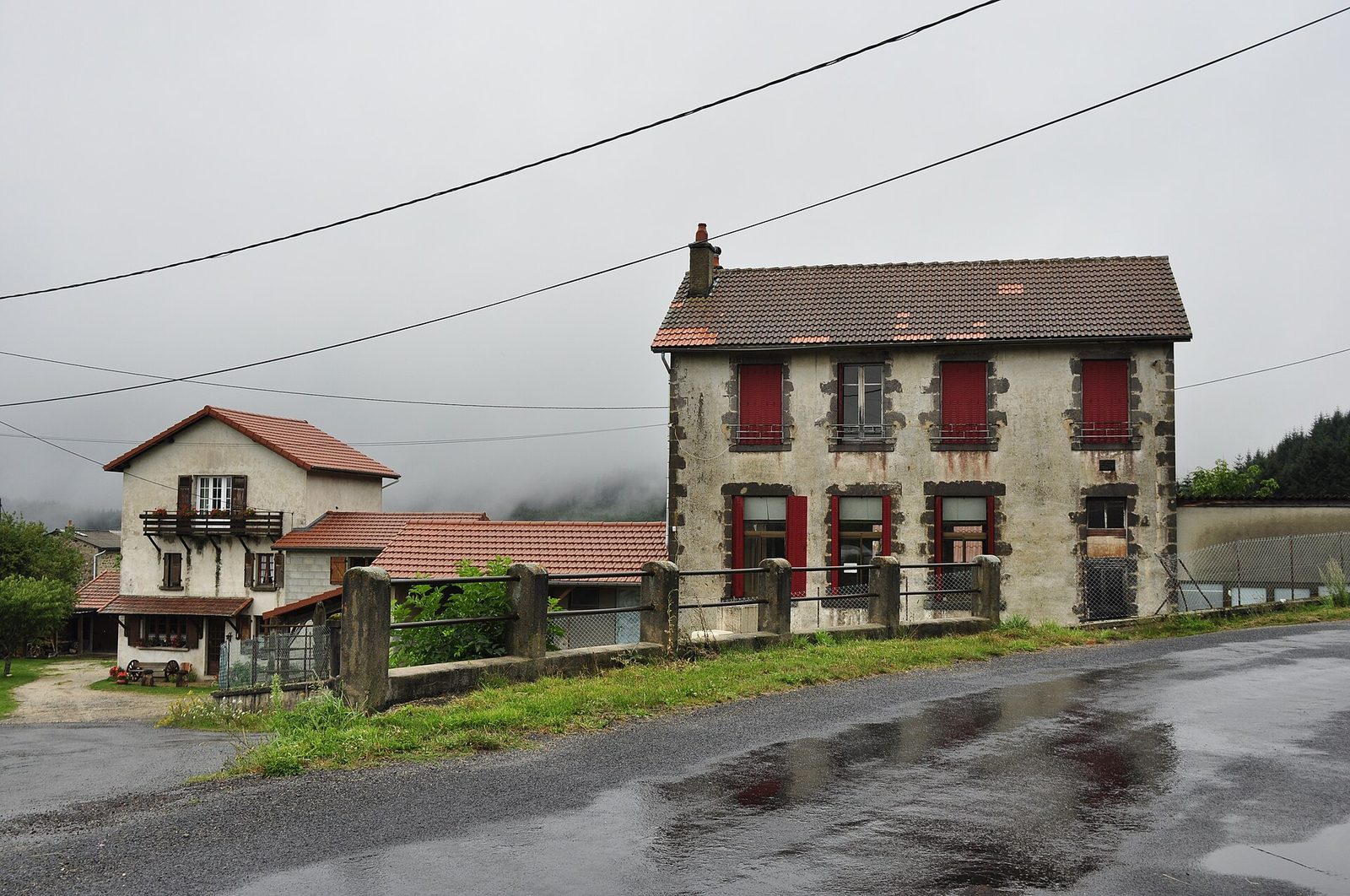
The Creux Saillant waterfall is in the pretty Credogne valley (wild, enclosed valley, ravine forests, oak coppices on the slopes, beeches on the valley floor).
View full page →This day brings together 4 sites close to each other: natural wonders and waterfalls. Allow half an hour to an hour and a half per site, plus travel time.
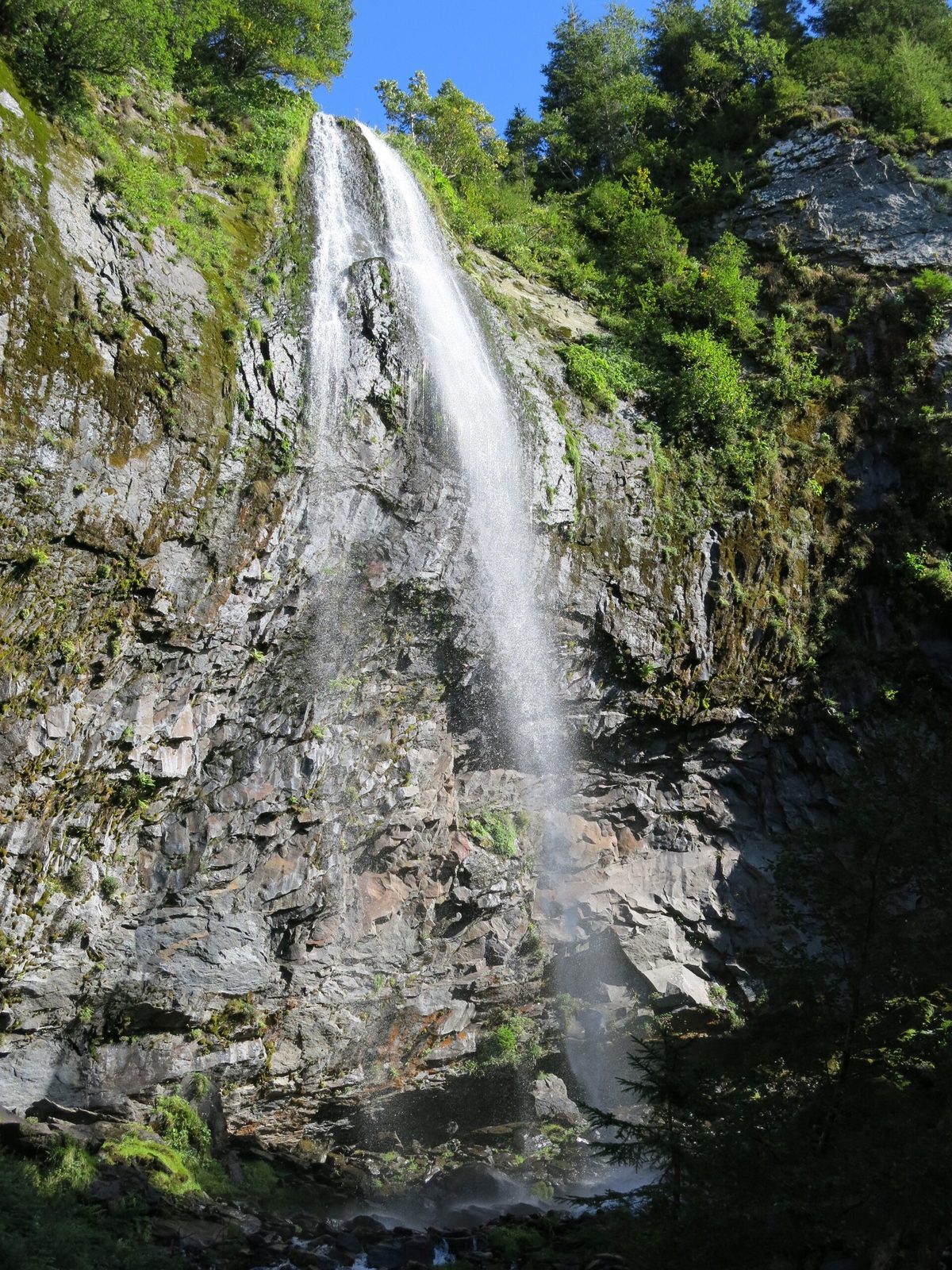
A few minutes from Queureuilh, a suburb north of Le Mont-Dore: a waterfall over basalt organ pipes.
View full page →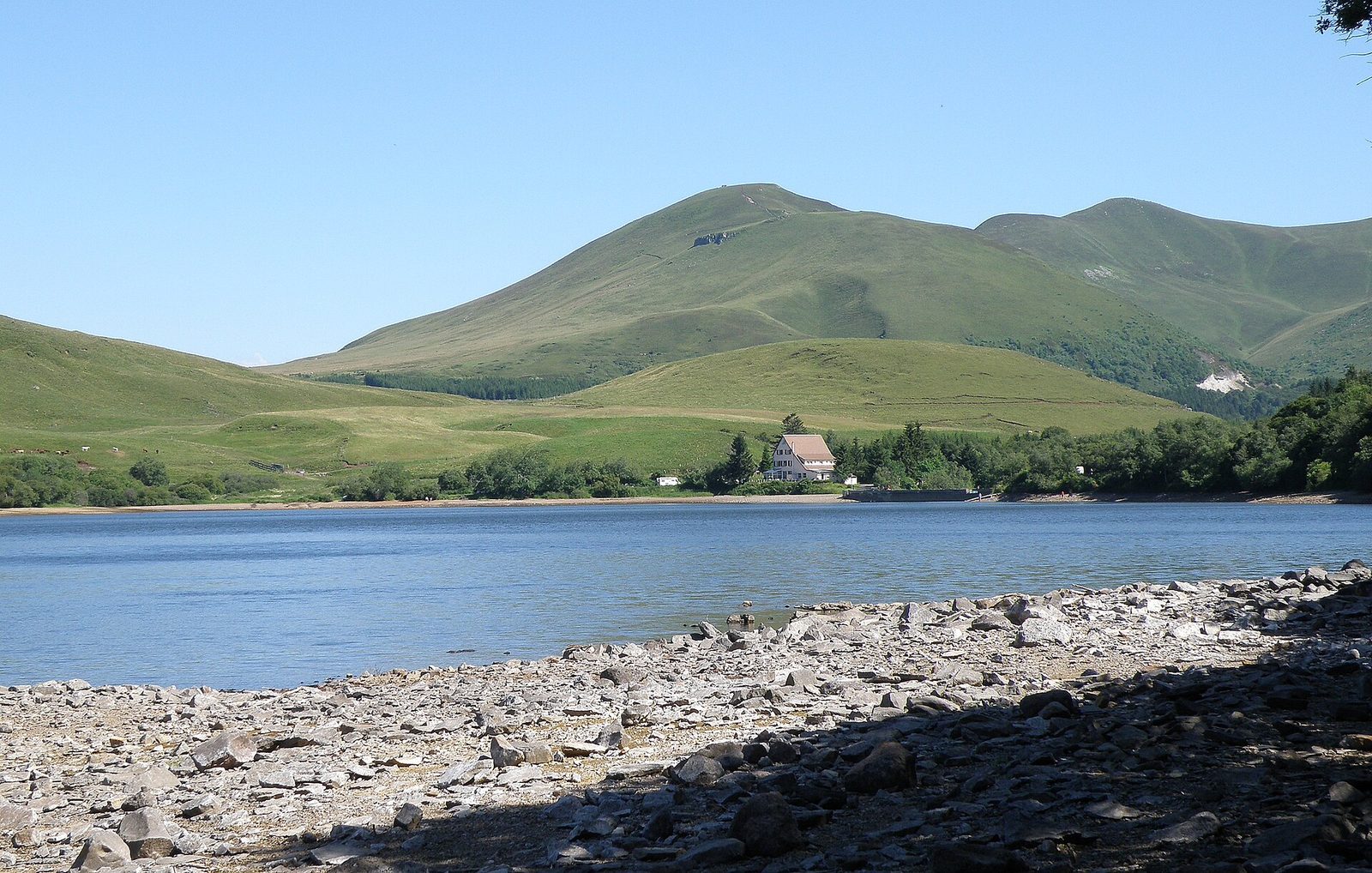
In the deep, wooded cirque of the Chausse, two great monoliths spring up, the Tuilière and Sanadoire rocks.
View full page →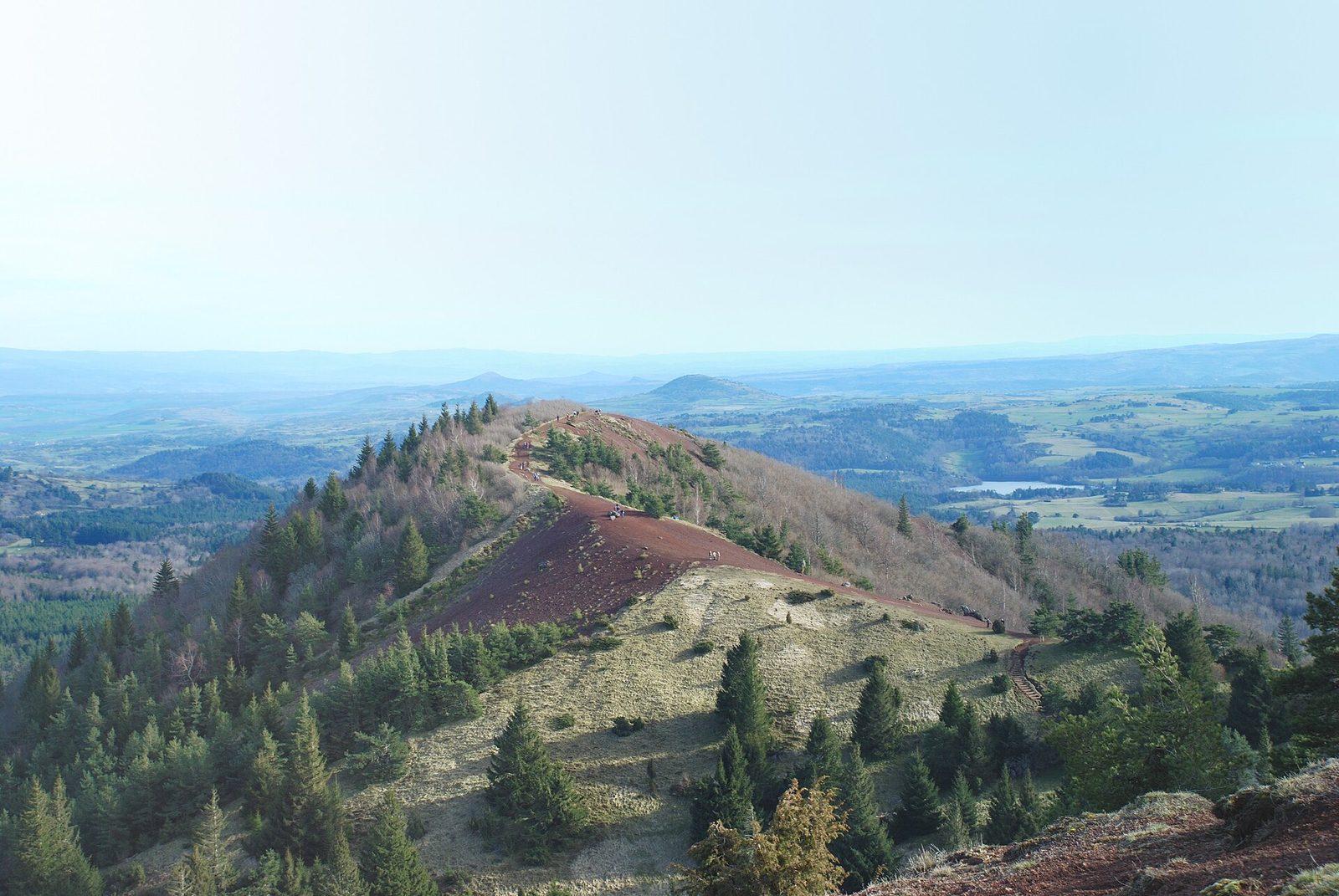
The Puy de la Vache and Lassolas are two twin volcanoes with breached craters. Fluid lava flows carried away half of the craters.
View full page →
The Puy de Dôme is a dormant volcano of the Chaîne des Puys, in the Massif Central. It is about fifteen kilometres from Clermont-Ferrand and gave its name to the Puy-de-Dôme département.
View full page →This day brings together 5 sites close to each other: waterfalls, lakes and natural wonders. Allow half an hour to an hour and a half per site, plus travel time.

The Barthe waterfall, ideal for cooling off, originated in erosion. The Neuffonds stream tumbles in a cascade over the front of the lava flow eroded by time.
View full page →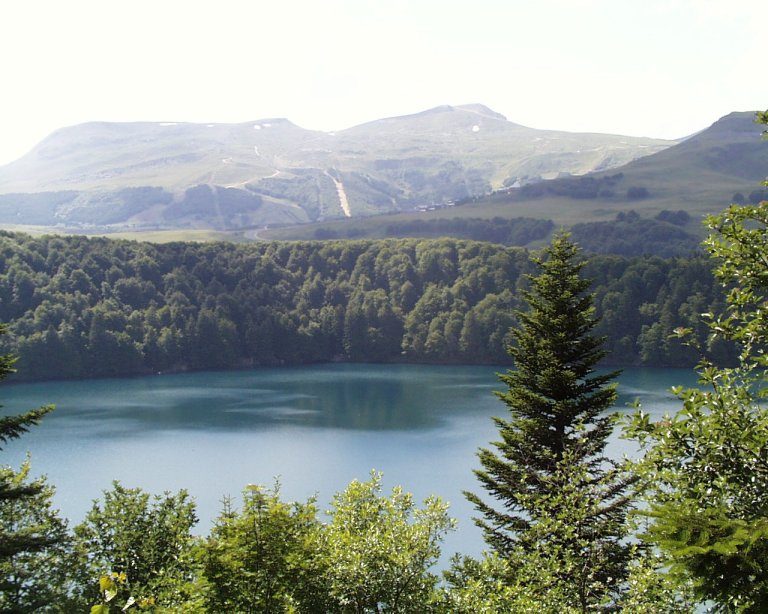
Due to a powerful volcanic explosion, Lac Pavin is a crater lake carved on the north flank of the Puy de Montchal (1,411 m).
View full page →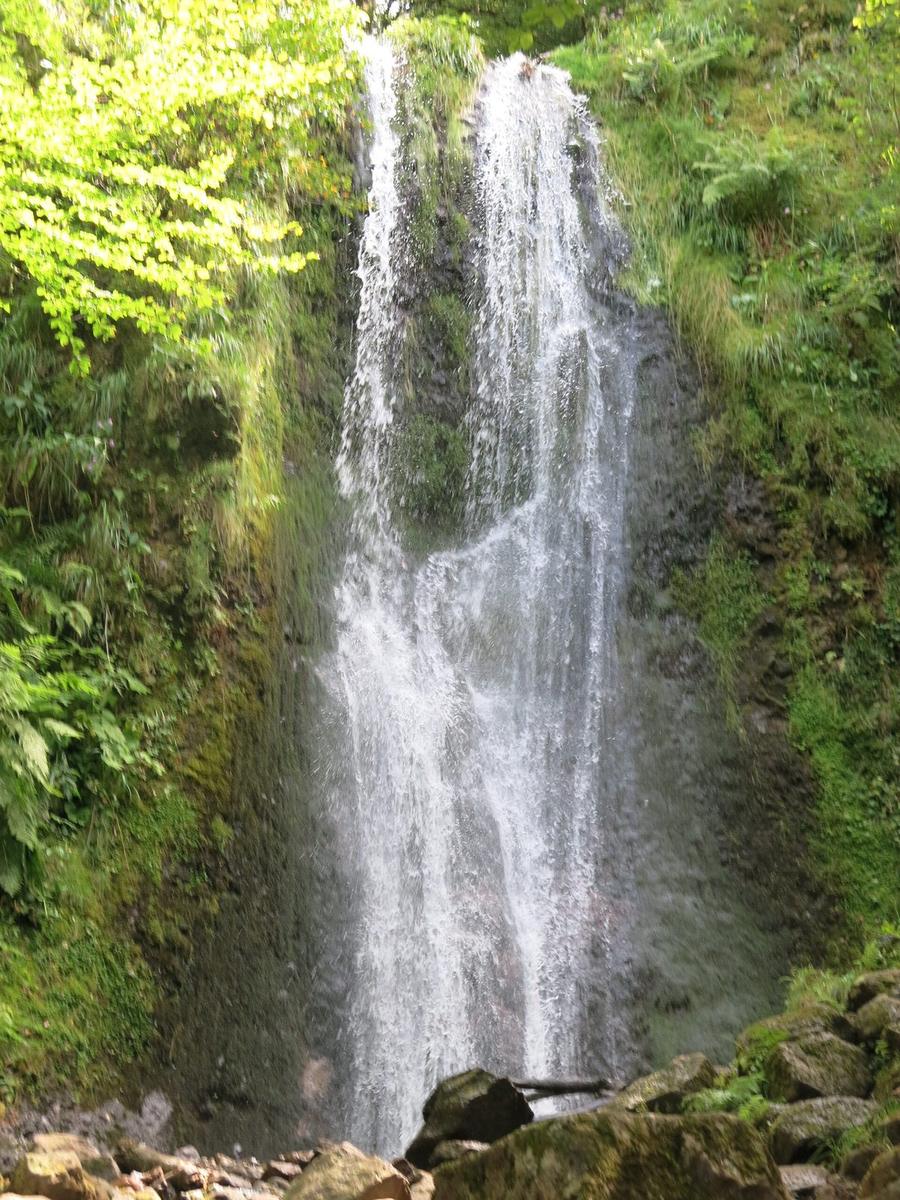
In the nature reserve of the Chaudefour valley, the Pérouse waterfall attracts many hikers and park visitors.
View full page →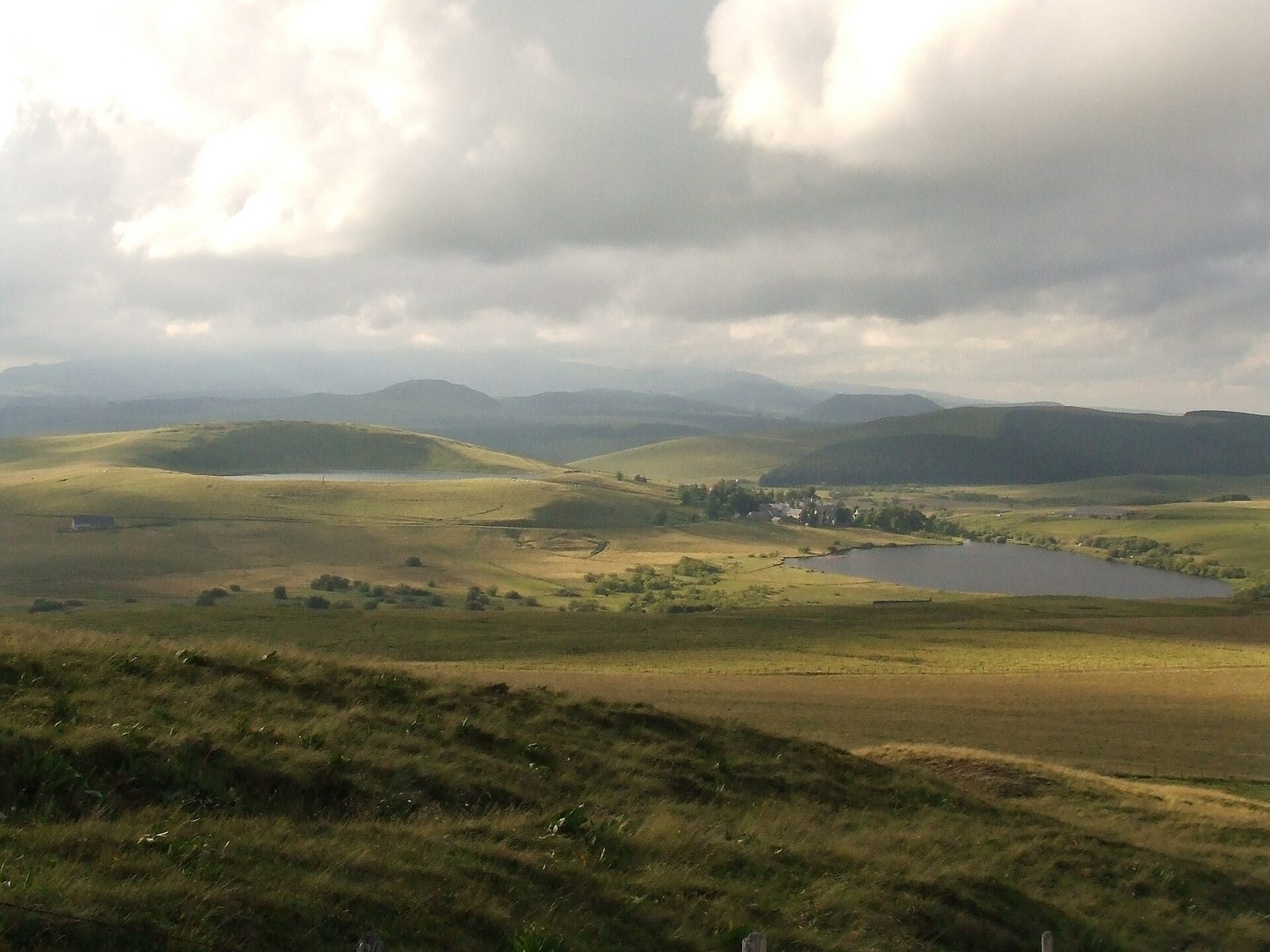
At the place called La Godivelle (Lac d'en Bas). A discovery trail lets you discover the fauna and flora of one of the most interesting peat bogs in Auvergne.
View full page →
The Valley of the Saints, an Auvergne mini-Colorado, owes its name to its great penitents (10 to 30 m high!) that emerge from the vegetation – the clash of materials and colours is striking.
View full page →Spring, summer and autumn all suit exploring the volcanoes, lakes and waterfalls. Summer is the best time for mountain sites, but a storm can spoil a hike. In winter, snow is frequent at altitude and some access roads are closed.
A car is the most practical way to reach the sites, which are often far from each other. Mountain roads are slower than those on the plain. Some visits, such as the Puy de Dôme, have specific access methods: find out before you go.
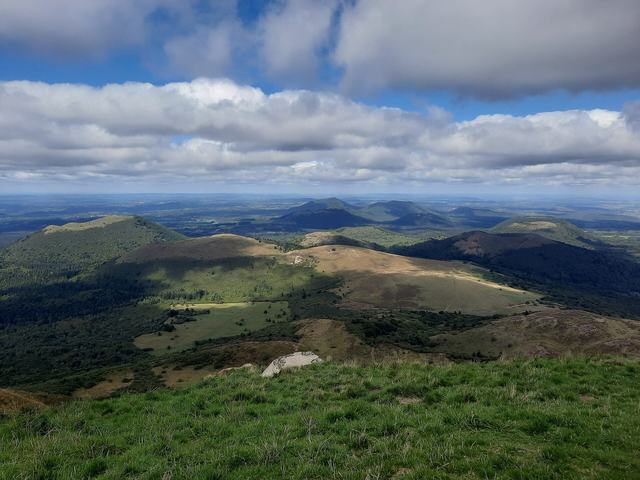
About forty kilometres of volcanic alignment gather a hundred cones and domes inherited from intense eruptive activity. Inscribed as UNESCO World Heritage since 2018, the Chaîne des Puys forms one of the most singular landscapes of the Massif Central.
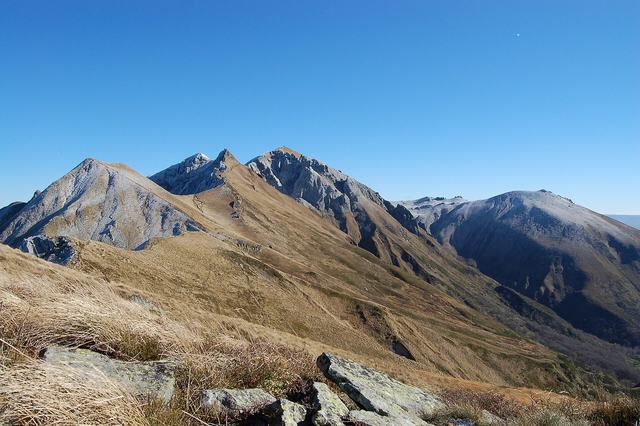
Highest point of the Massif Central at 1,885 metres, the Puy de Sancy overlooks the Monts Dore with its volcanic silhouette. Reached by gondola from Le Mont-Dore, it offers one of the widest panoramas in Auvergne.
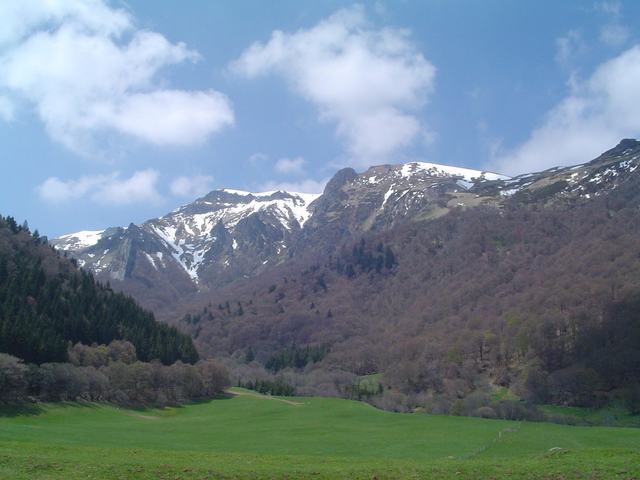
This glacial valley, protected since 1991, holds rare flora and discreet fauna, including chamois, at the foot of the Puy de Sancy. Its spectacular relief, bristling with volcanic pinnacles, makes it one of the most popular nature reserves in Auvergne.
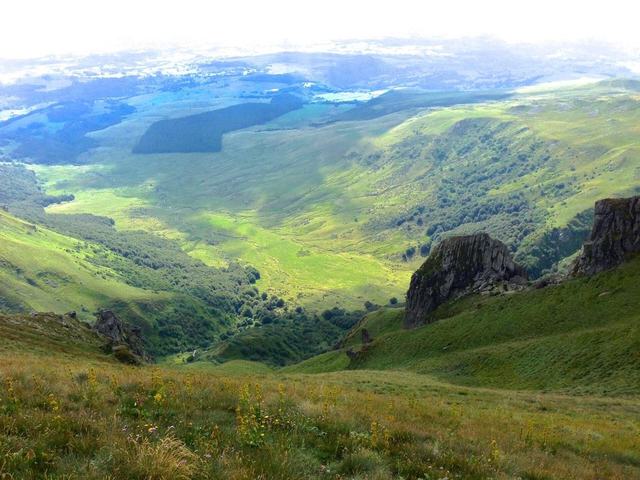
The Volcans d'Auvergne park is a French regional nature park, created on 25 October 1977 in the Auvergne region, in the heart of the Massif Central.
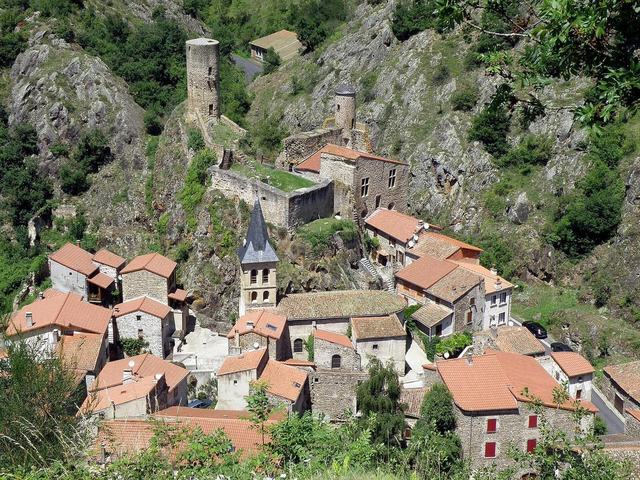
The charming houses of this village press against one another on the banks of the Couze de Pavin, precisely where the valley of the same name is narrowest, in a place riddled with gorges and granite escarpments.

Built on a lava flow in the green Veyre valley, this village once belonged to the Auvergne family of La Tour, to whom we owe its imposing castle of the fourteenth and fifteenth centuries.