Castles · Finistère
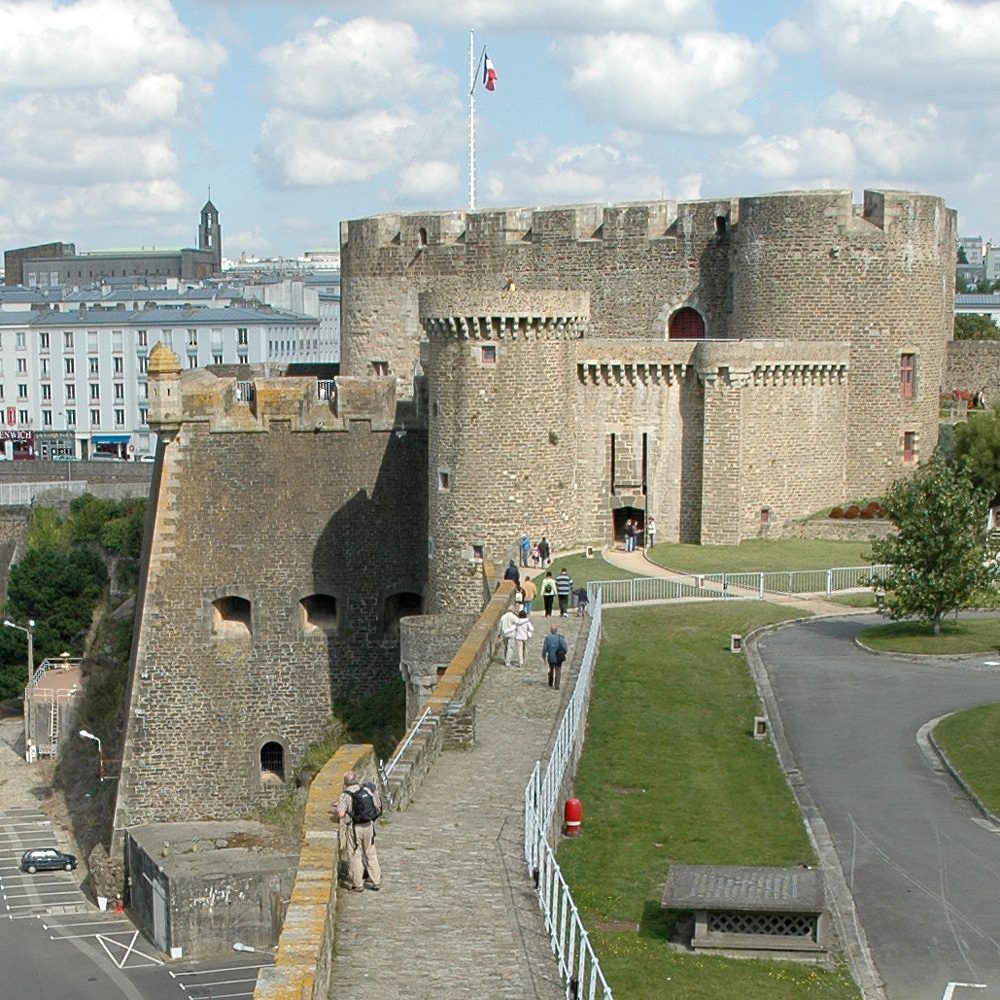
1 Château de Brest
Set on a Gallo-Roman base of the third century, Brest castle was completed by Vauban in the seventeenth century.
View full page →Finistère is the end of Brittany: indented coasts, wind-battered headlands, islands, lighthouses, parish closes and big beaches. The climate is changeable, which is part of the landscape.
This itinerary spreads the best-rated sites in the catalogue over three days. Stay flexible depending on the weather: a seaside site can be spectacular in rough weather, but some visits are best kept for clear days.
The map shows the numbered stops in visiting order, with one colour per day. The line follows the roads where available; otherwise it joins the stops as the crow flies. Distances and times are approximate (by car, without traffic).
This day brings together 4 sites close to each other: natural wonders, castles and aquariums. Allow half an hour to an hour and a half per site, plus travel time.
Driving for the day: about 117.3 km, or 2 h 08 behind the wheel in total (excluding visits).
Set on a Gallo-Roman base of the third century, Brest castle was completed by Vauban in the seventeenth century.
View full page →↓ 5.3 km · about 9 min by car to the next stop
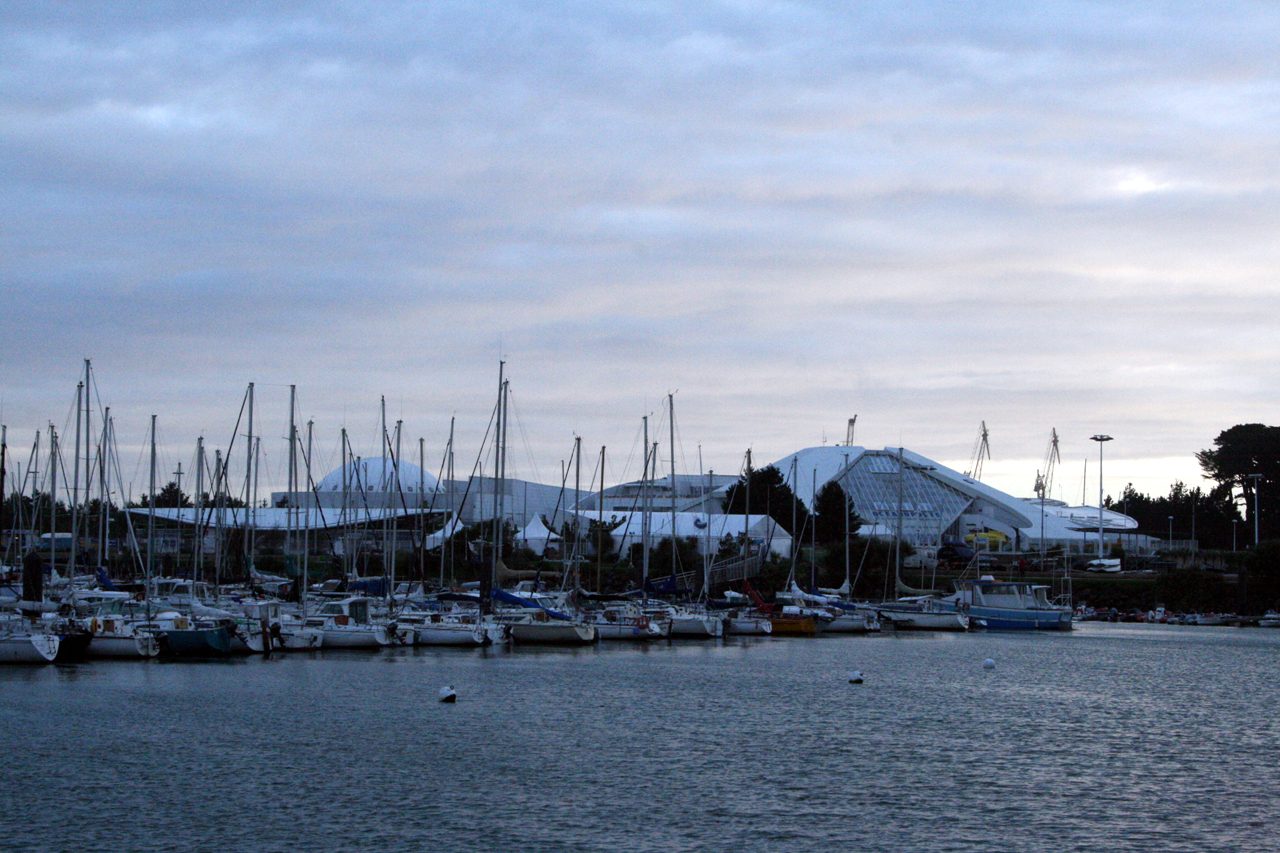
"Océanopolis Brest": the ocean discovery park. Everything you need for an unforgettable day!
View full page →↓ 44.5 km · about 47 min by car to the next stop
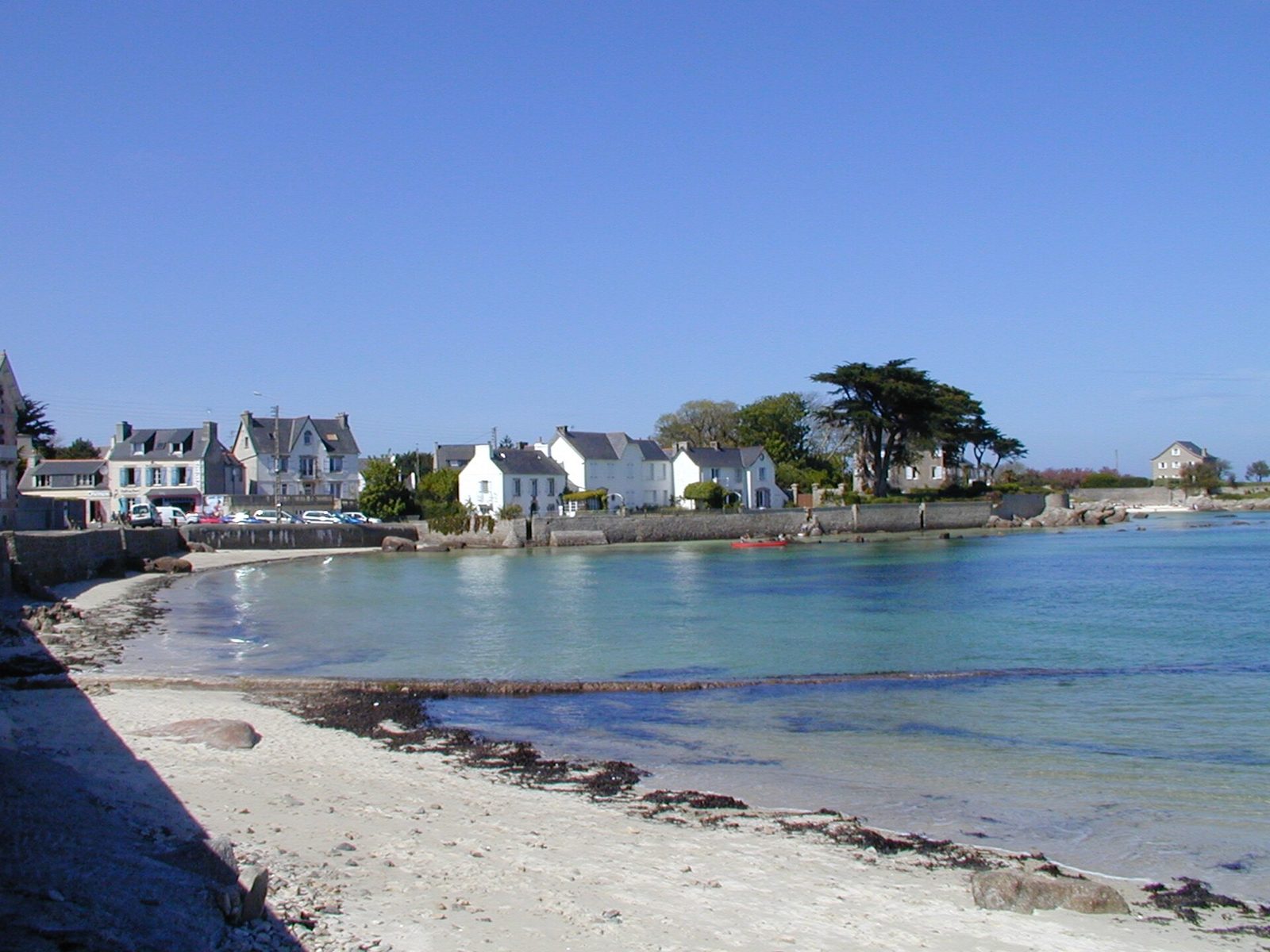
Brignogan lies on the Côte des Légendes. The landscape looks like a postcard of the islands.
View full page →↓ 67.5 km · about 1 h 12 by car to the next stop
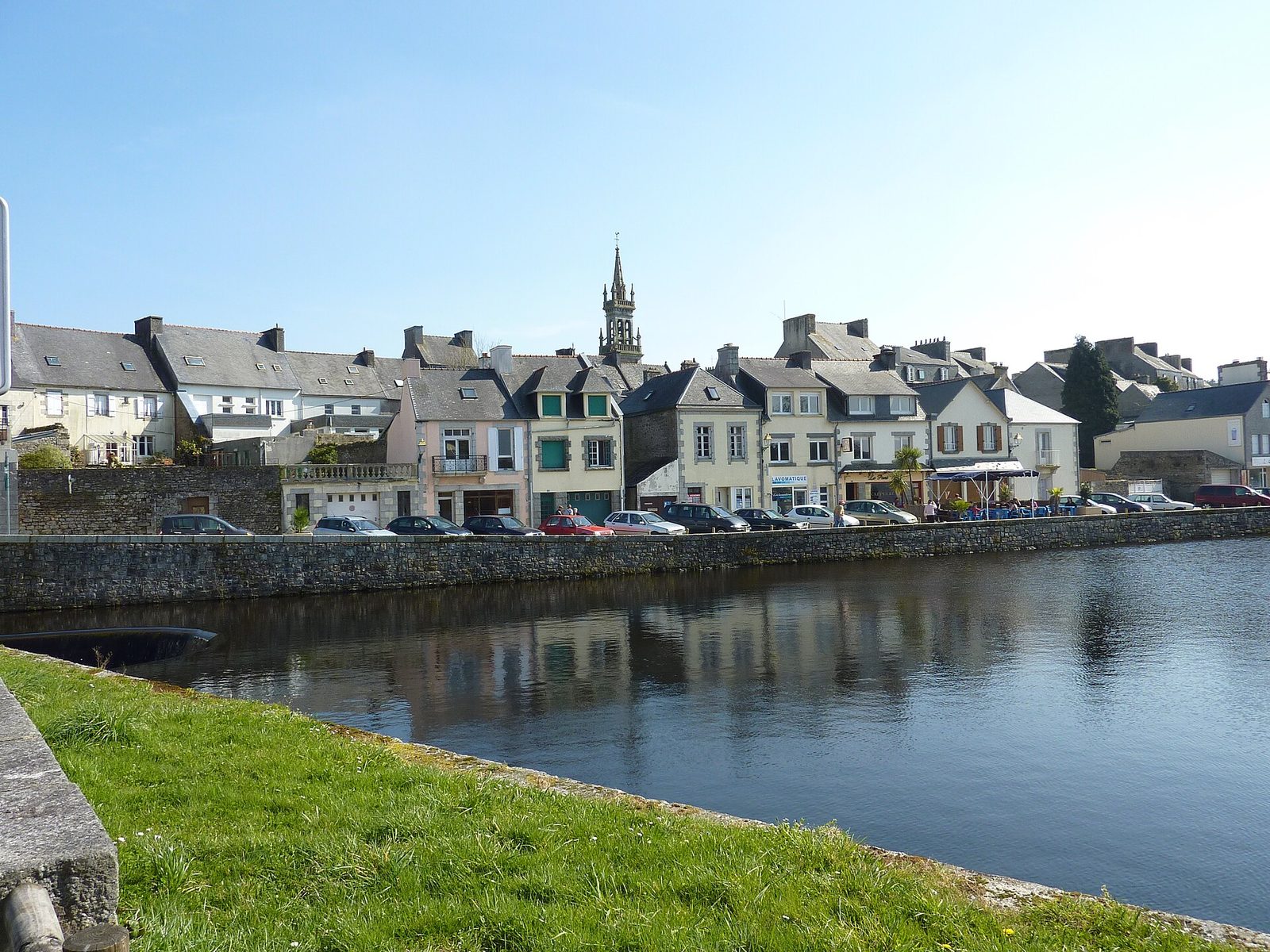
Huelgoat is nestled in the heart of a forest massif of more than 2,000 ha (state and private forests). Set beside a small lake that flows into the Rivière d'Argent before tumbling in a cascade into a ravine strewn with a chaos of enormous granite blocks. The land is covered with woods...
View full page →This day brings together 5 sites close to each other: natural wonders, lighthouses and caves. It passes through Crozon. Allow half an hour to an hour and a half per site, plus travel time.
Driving for the day: about 186.1 km, or 3 h 41 behind the wheel in total (excluding visits).

Surrounded by the ruins of a sixteenth-century abbey, this lighthouse dates from 1835. It has 167 steps and a height of 37 metres, its range is 29 miles.
View full page →↓ 96.4 km · about 1 h 42 by car to the next stop

The Pointe de Dinan, also called the Château de Dinan (with its drawbridge!), is a site not well known to tourists, and yet, what beauty!
View full page →↓ 9.2 km · about 17 min by car to the next stop
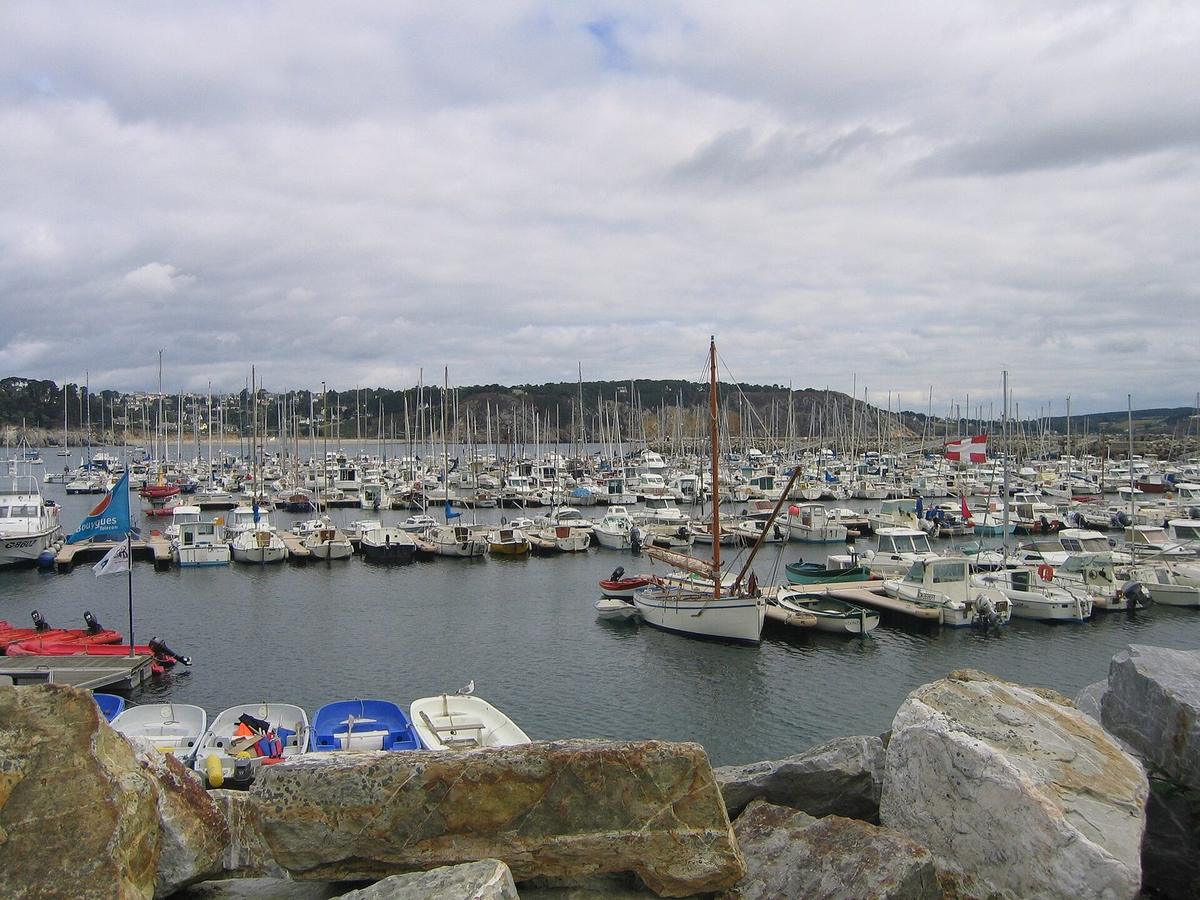
In the secret of our cliffs, the coast hides deep CAVES with astonishingly coloured walls...
View full page →↓ 5.1 km · about 12 min by car to the next stop
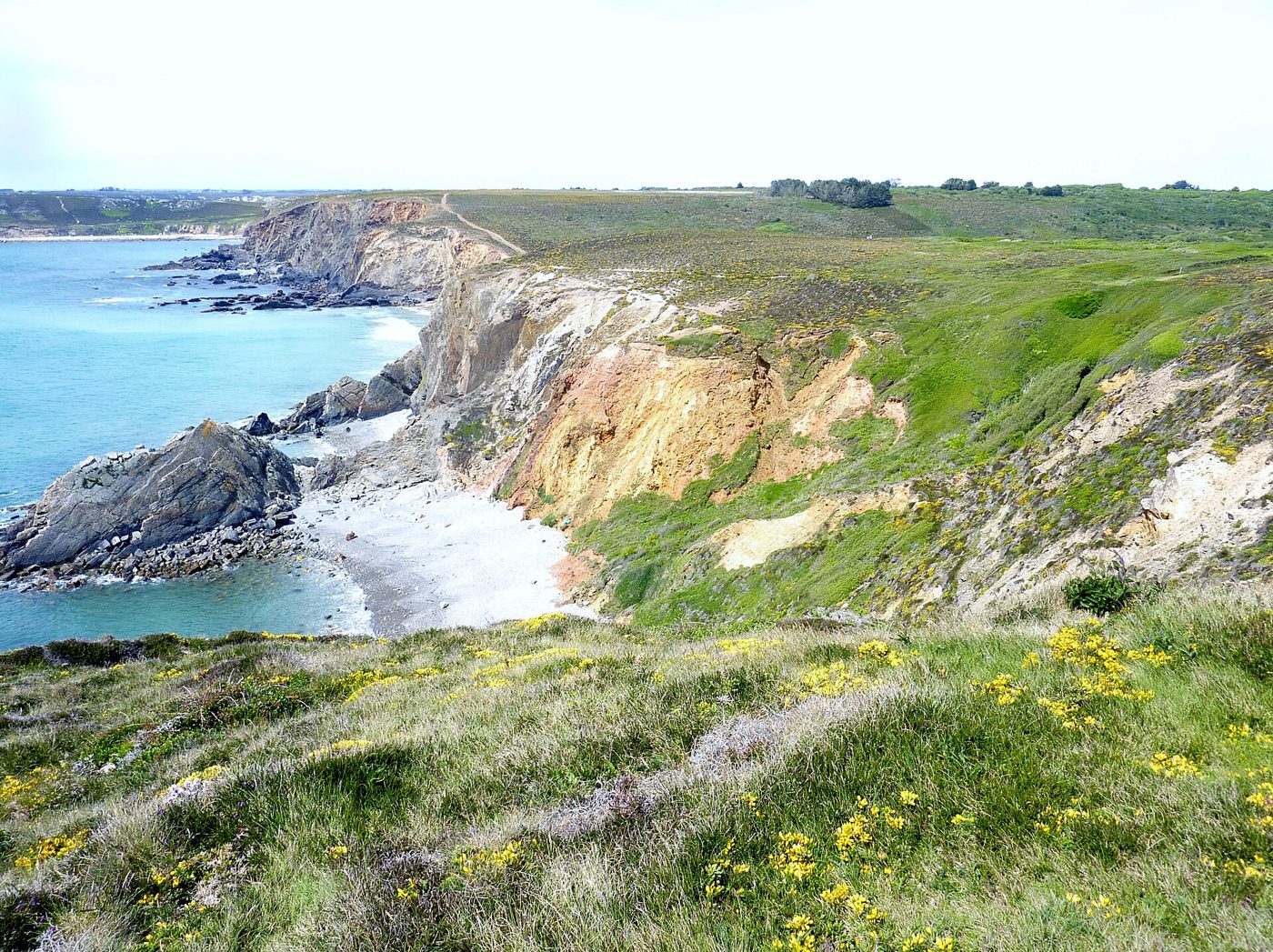
Wild beach on the Crozon peninsula, between dunes, cliffs and the remains of an Iron Age fort.
View full page →↓ 75.5 km · about 1 h 29 by car to the next stop
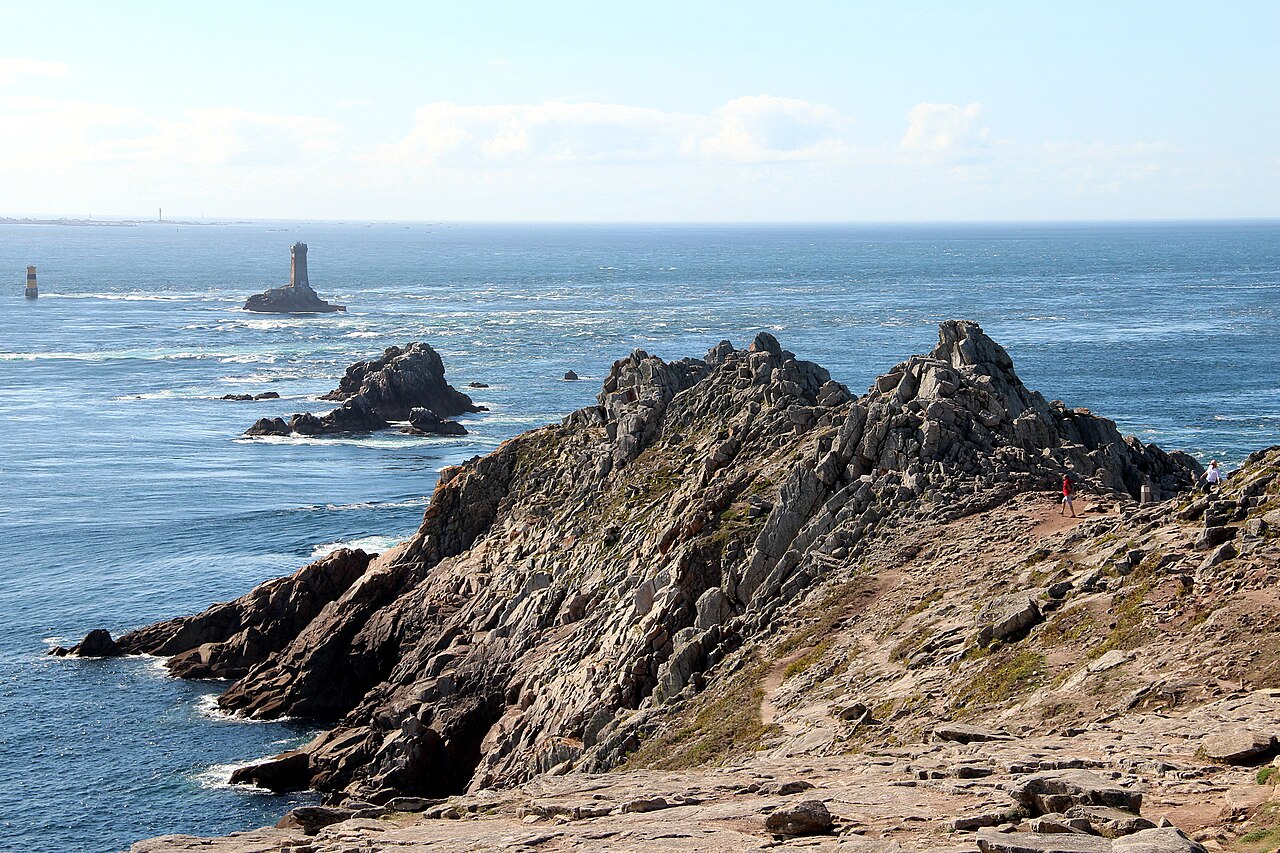
Located at the prow of Brittany in the Cap Sizun country, the Pointe du Raz is one of the most striking sites of the Atlantic coast.
View full page →This day brings together 3 sites close to each other: towns and cities, villages and beaches. It passes through Quimper and Concarneau. Allow half an hour to an hour and a half per site, plus travel time.
Driving for the day: about 40.9 km, or 45 min behind the wheel in total (excluding visits).
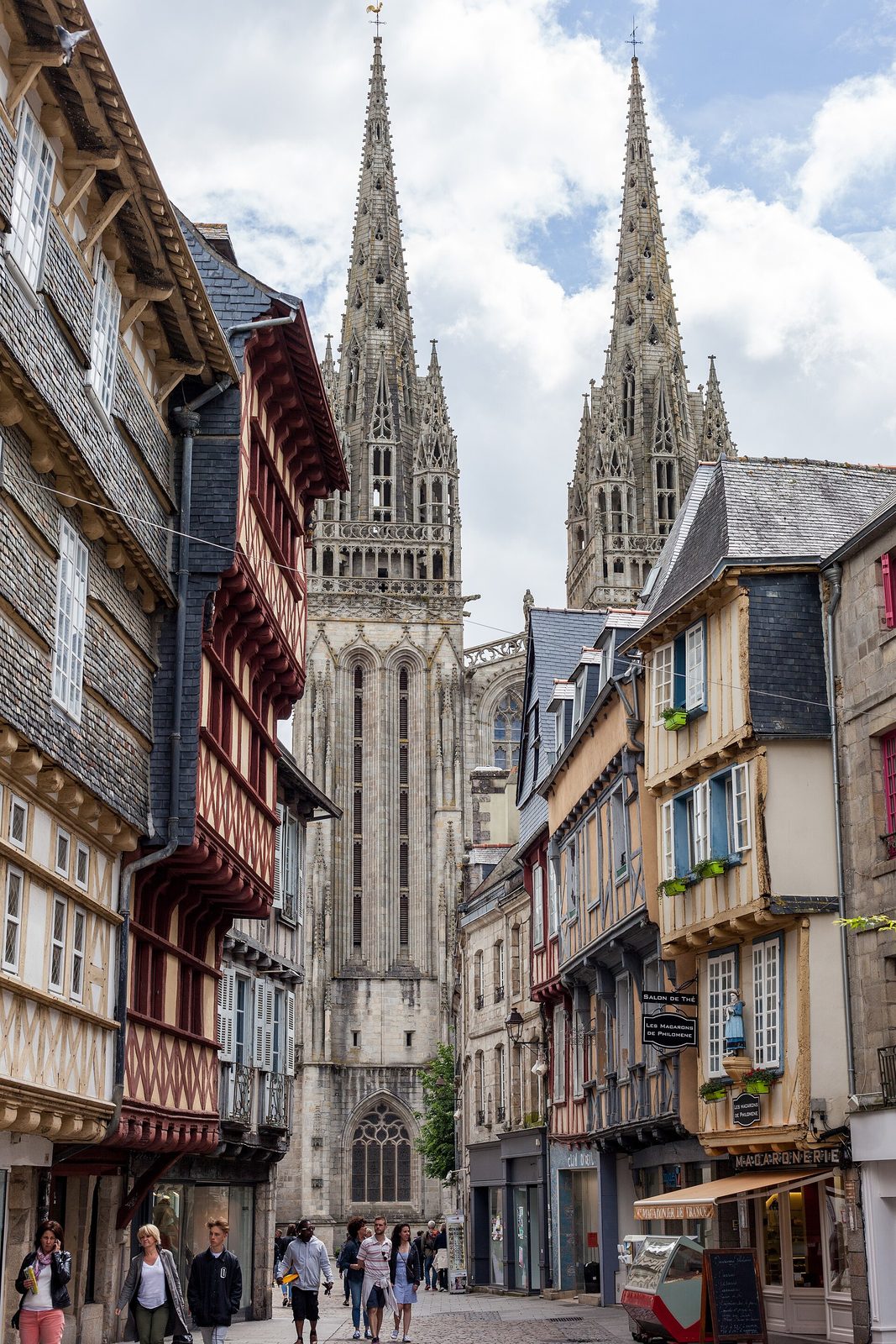
Prefecture of the Finistère and traditional capital of Cornouaille, where the twin spires of Saint-Corentin cathedral overlook a half-timbered centre.
View full page →↓ 26.1 km · about 25 min by car to the next stop
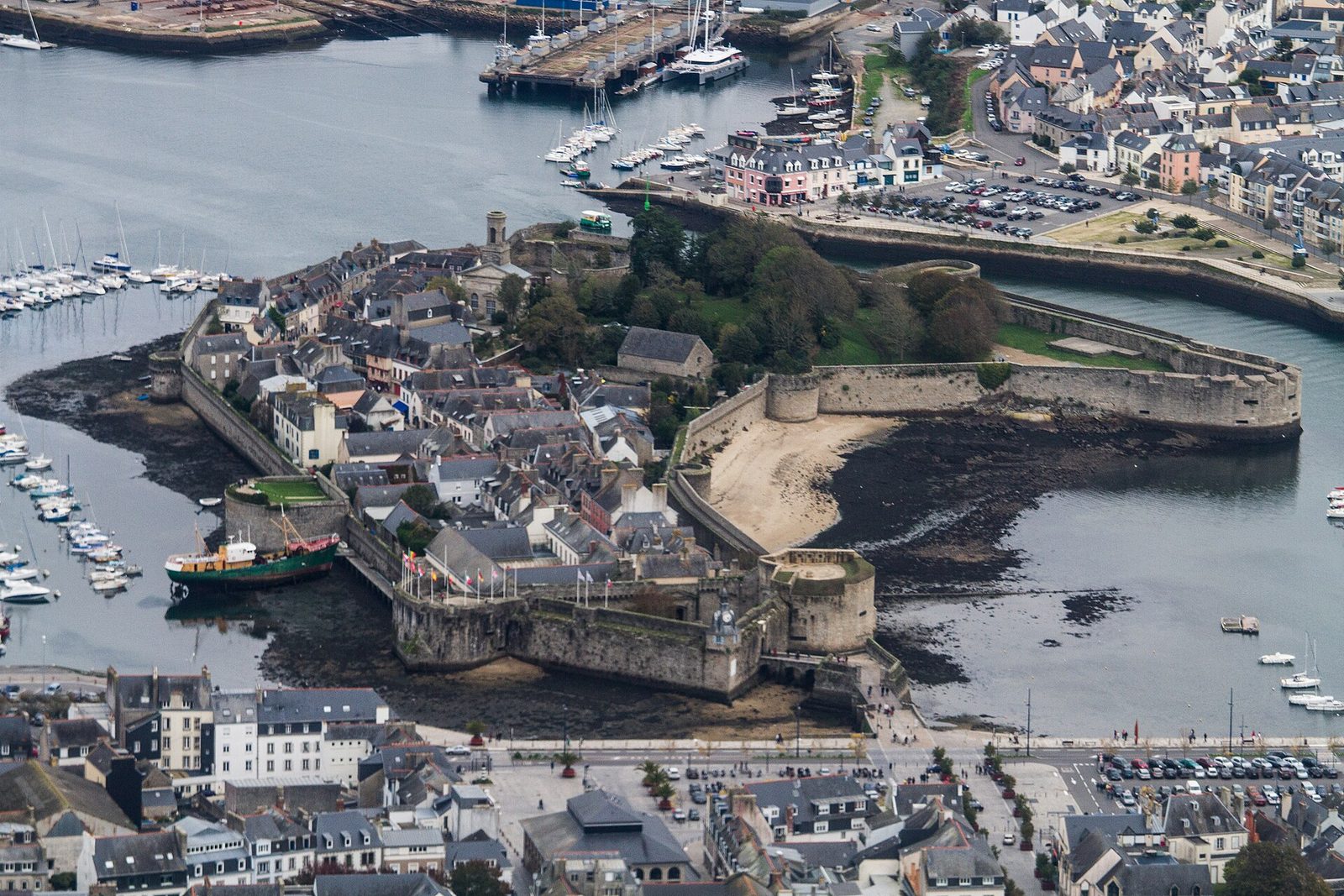
A Breton fishing port known for its Ville Close, a fortified town built on a rocky islet linked to the land by two bridges in the heart of the port.
View full page →↓ 14.8 km · about 20 min by car to the next stop
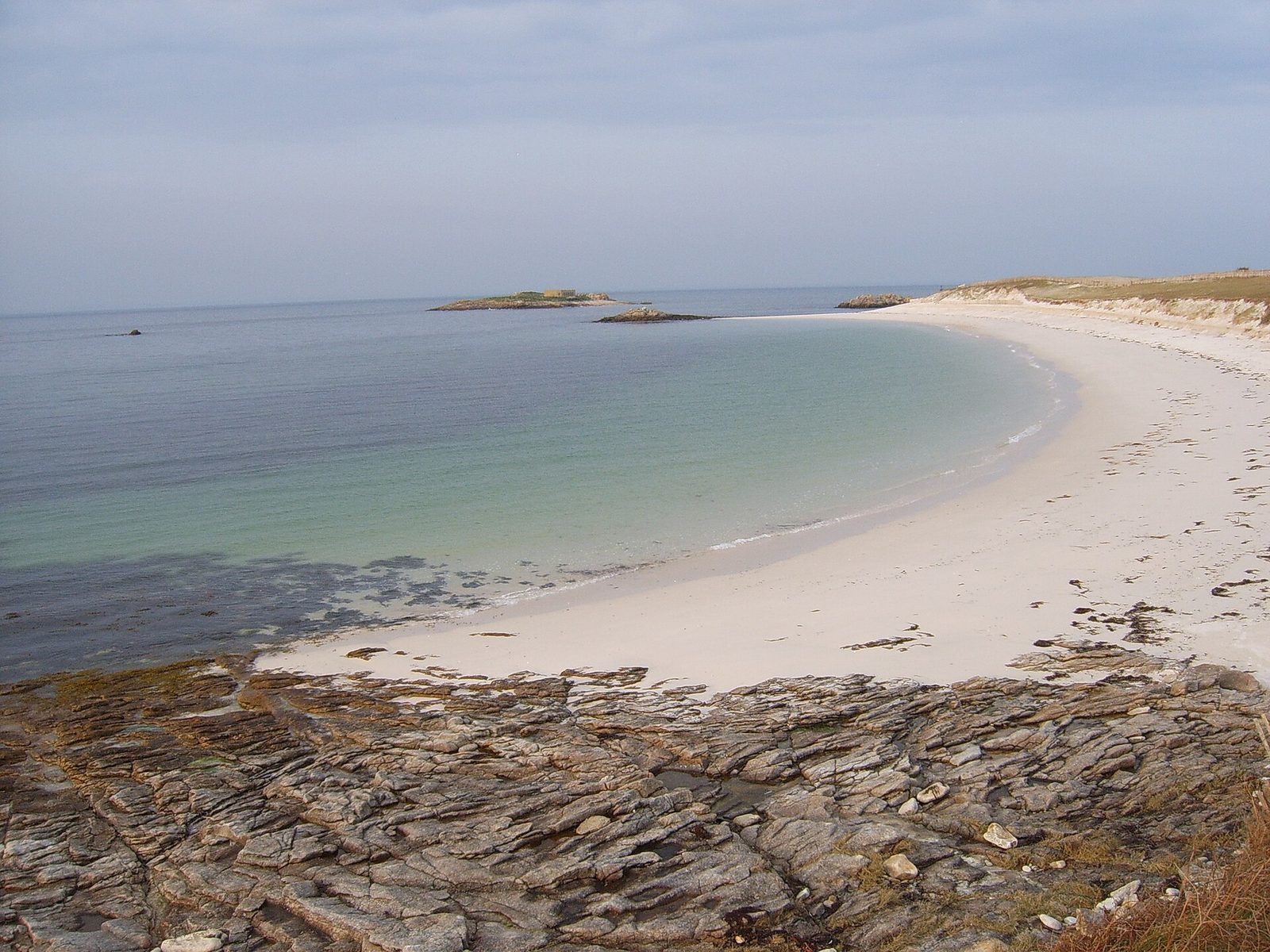
Only eight nautical miles from the south coast of Brittany, the Glénan archipelago has the bewitching charm of a wild atoll on the edge of the immensity of the Ocean.
View full page →From May to September the days are long and conditions more favourable. The weather can change quickly all year round: always pack a windproof jacket. Summer is busy at the best-known sites, such as the headlands and beaches. In spring and autumn, the light is beautiful and the paths calmer.
A car lets you link the headlands, parish closes and towns, but distances are fairly long between the east and west of the département. For the islands, you need to take a boat, with timetables depending on the season and the tide. Coastal paths are very pleasant on foot.
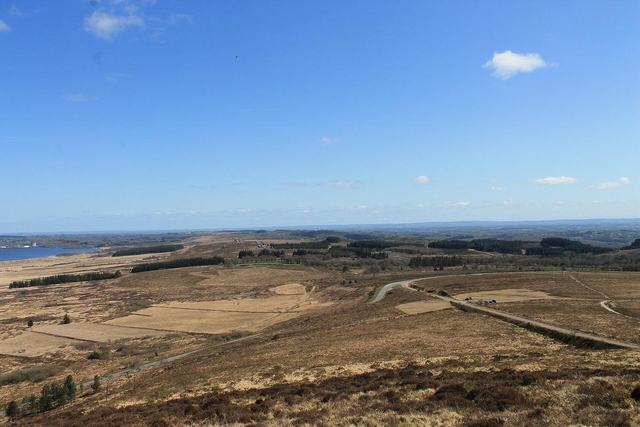
Within the Armorique Regional Nature Park (which also includes the Ponant islands and the Crozon peninsula), the Monts d'Arrée are the highest region of Brittany.

Shaped like a cross set facing the Iroise sea, the Crozon peninsula multiplies rocky points and wild coves. Entirely within the Armorique regional nature park, it offers some of the finest panoramas of the Finistère.
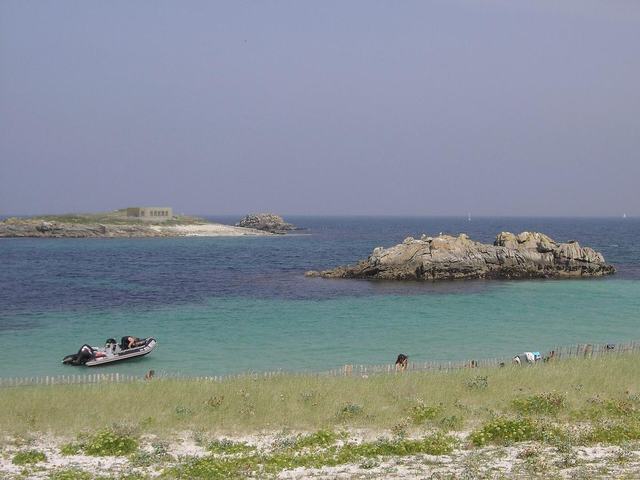
Off Fouesnant, a string of islets surrounds a turquoise lagoon often compared to the Caribbean. Renowned for its pioneering sailing school, the Glénan archipelago remains a protected natural site of great richness.
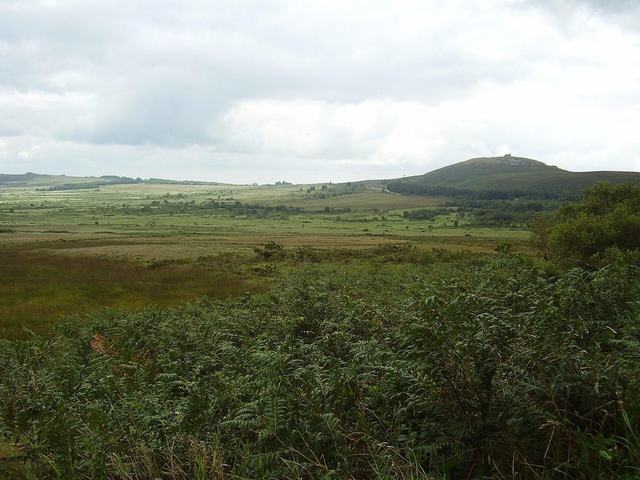
The Yeun Elez, the hole of hell. The Yeun Elez is a vast peat bog, occupying a gigantic basin in the heart of the Monts d'Arrée.
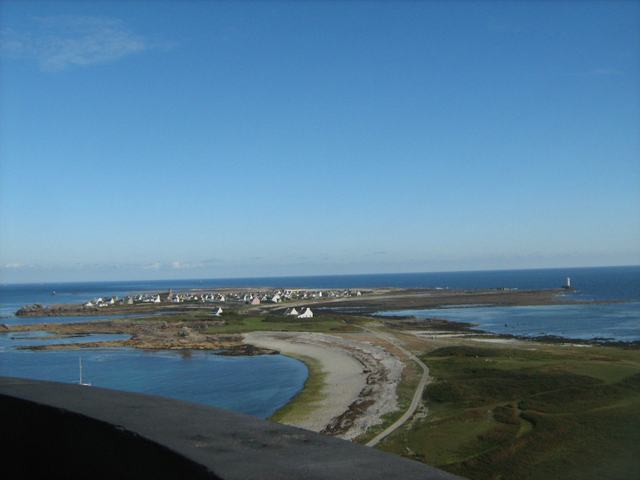
A former megalithic site then druidic retreat, the island of "Sena" was described by a Roman geographer as early as the year 43 of our era.
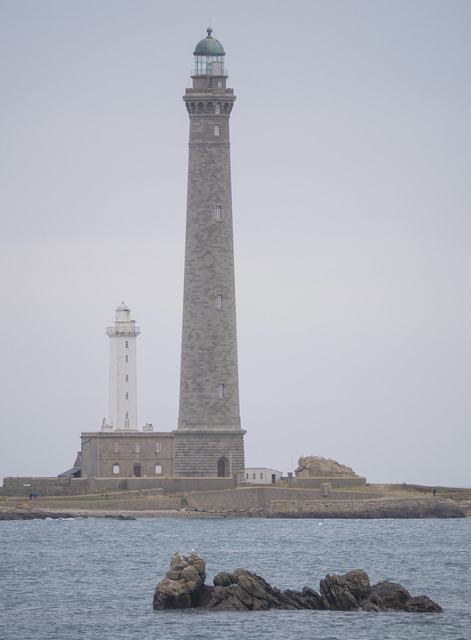
Overlooking the Aber Wrac'h, it is the tallest in Europe, measuring 82.50 metres. A granite tower, lined with opaline inside, it has 392 steps and a range of 27 miles.