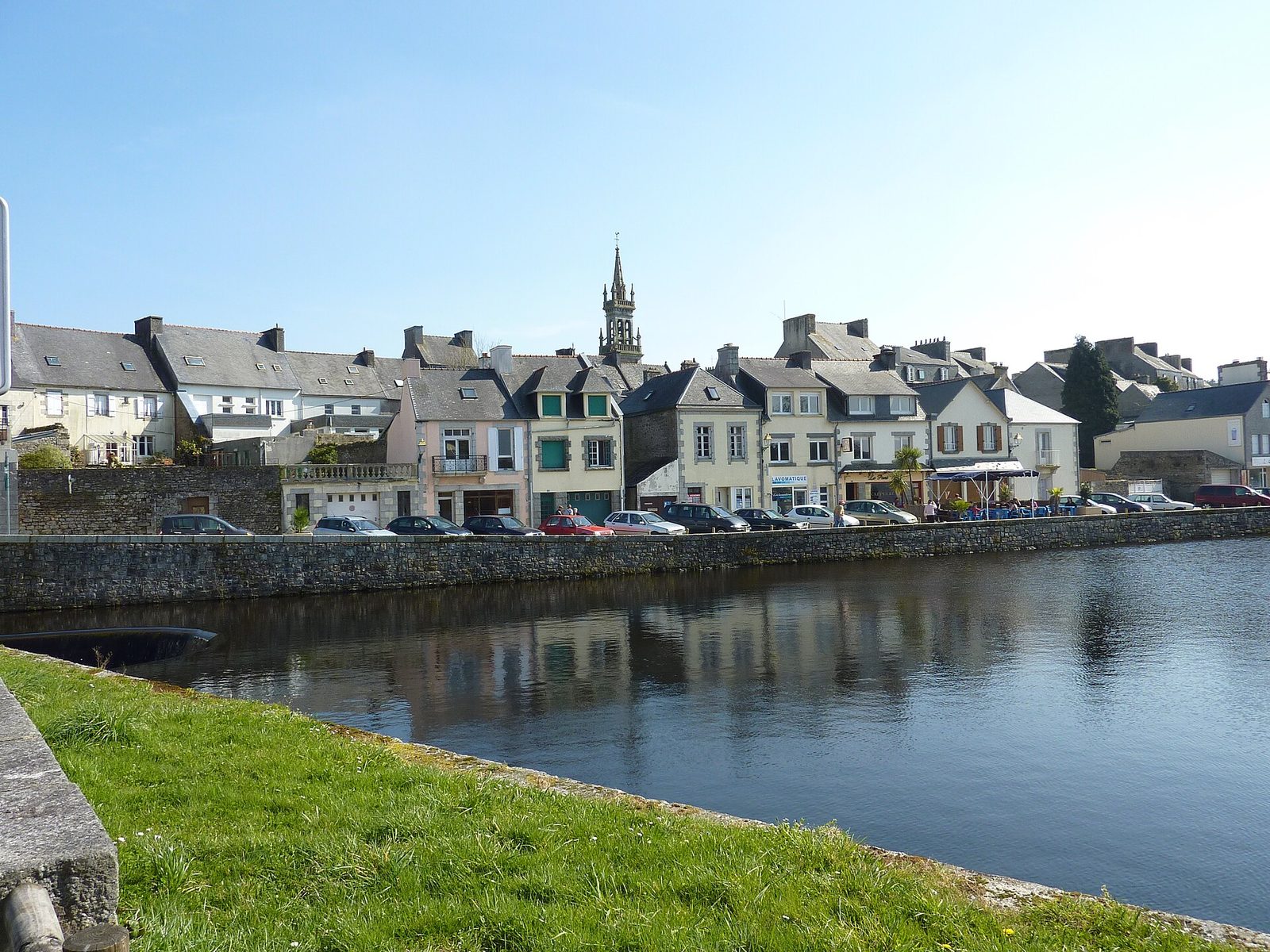
Photo : GaMip / Wikimedia Commons (CC BY-SA 3.0) — remplacée : l'ancienne photo montrait le bourg et l'étang de Huelgoat, pas le chaos rocheux décrit
Le Chaos de Huelgoat
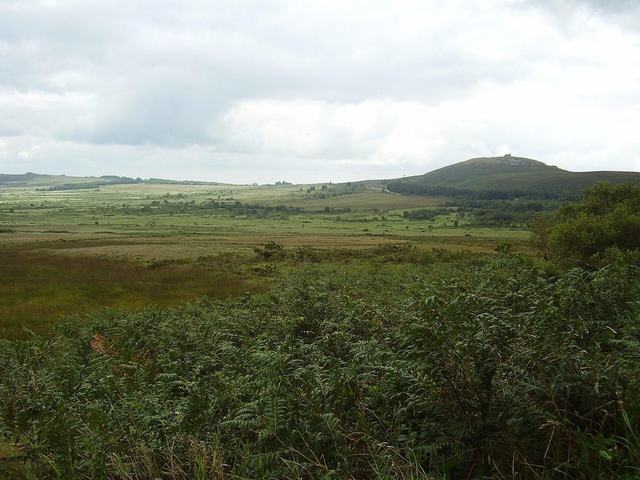
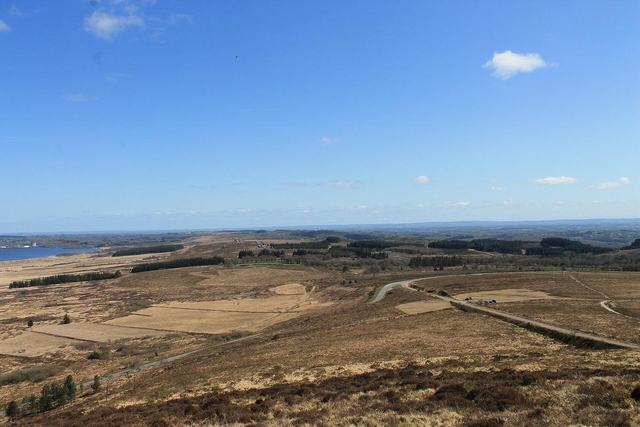
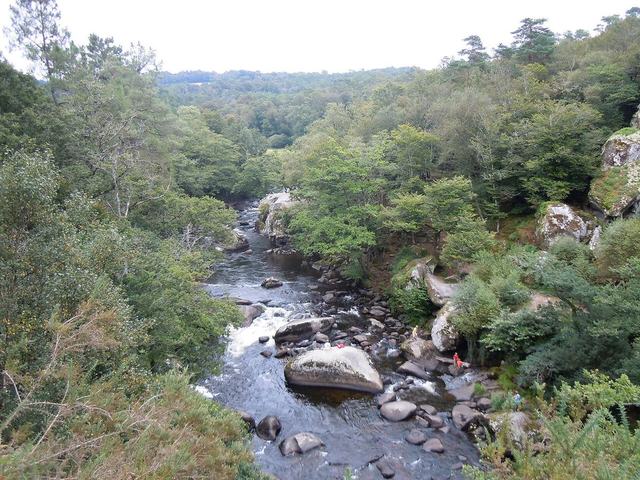
Huelgoat, in Finistère, takes its name from Breton, meaning a high wood. The town stretches along a lake of about 15 hectares, in the heart of a forest massif. The Rivière d'Argent crosses a chaos of granite blocks, including the famous Roche Tremblante, a 137-tonne block that sways when pushed.
The place also has an industrial past: silver and lead mines operated there from the fifteenth century, with a peak at the end of the eighteenth century and about 800 workers. They closed in 1868, giving way to granite quarries. Two minerals, plumbogummite and laumontite, were first identified at Huelgoat. In the early twentieth century, the commune, nicknamed the Breton Fontainebleau, attracted artists and wealthy visitors. Today, its forest paths and legends continue to draw walkers.