Discovering Finistère: a practical guide
Finistère is the end of Brittany: rugged coastline, lighthouses, islands, white-sand beaches and the moors of the Monts d'Arrée. The weather changes quickly, but the landscapes are remarkably varied.
This practical guide helps you choose your stops and organise your trip. Underlined site names link to their detailed pages.
Understanding Finistère in a few minutes
The département divides into major areas: the south-western tip, with La Pointe du Raz, Pointe de Dinan and the Bay of Douarnenez; the Pays Bigouden and Cornouaille, around Quimper and Concarneau; the Crozon peninsula and the Brest roadstead; the Monts d'Arrée in the centre; and the Léon in the north, with its beaches and islands.
Distances are reasonable, but coastal roads are slow. Choose two bases, for example Quimper and Brest, rather than changing every night.
- Always pack a waterproof jacket.
- Check tide times before heading to the beach.
- Do not try to see everything in three days.
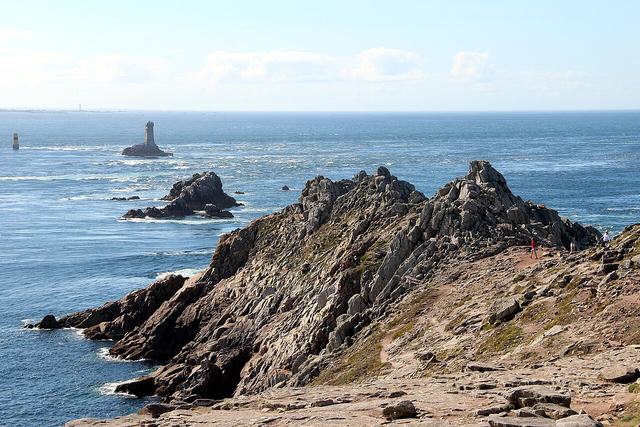
La Pointe du Raz
Located at the prow of Brittany in the Cap Sizun country, the Pointe du Raz is one of the most striking sites of the Atlantic coast.

Quimper
Prefecture of the Finistère and traditional capital of Cornouaille, where the twin spires of Saint-Corentin cathedral overlook a half-timbered centre.
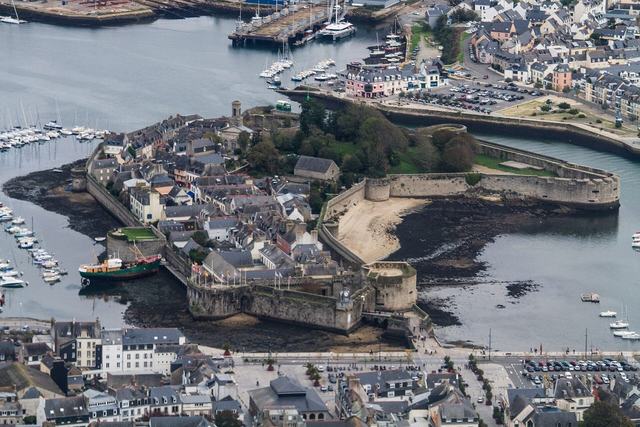
Concarneau
A Breton fishing port known for its Ville Close, a fortified town built on a rocky islet linked to the land by two bridges in the heart of the port.

Pointe de Dinan
The Pointe de Dinan, also called the Château de Dinan (with its drawbridge!), is a site not well known to tourists, and yet, what beauty!
Culture, history and heritage
Breton heritage is everywhere. Locronan is a very well-preserved granite village, Quimper a city of art with half-timbered houses, and the Musée Départemental Breton explains local identity. Château de Brest overlooks the roadstead, and the Château du Taureau guards the entrance to the Bay of Morlaix.
Manors and castles such as Château de Kerjean, Château de Trévarez, Manoir de Kerazan, Château de Kériolet and Château de Kergroadès offer varied visits. The Tour Vauban de Camaret-sur-Mer recalls military history, as does the Fort de Bertheaume. The Port-musée de Douarnenez is devoted to the sea and fishing.
- Some castles are only open in season.
- Quimper's museums often close one day a week.
- In Locronan, visit early in the morning to avoid the crowds.
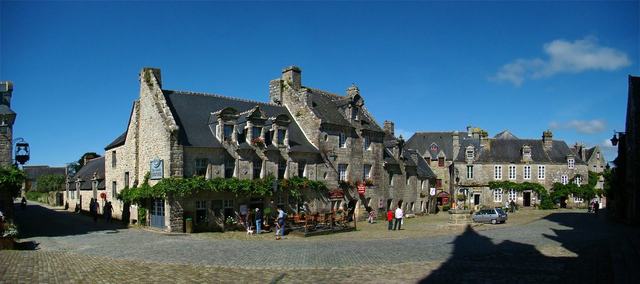
Locronan
A small town that became prosperous in the sixteenth and seventeenth centuries thanks to the sailcloth industry, wonderfully preserved Locronan has kept from its rich past very fine Renaissance granite houses.
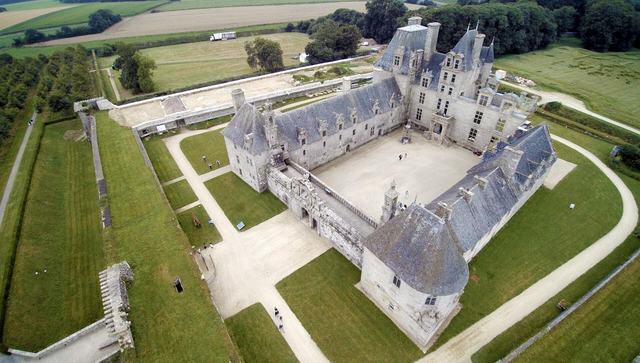
Château de Kerjean
The château de Kerjean dates from the second half of the sixteenth century, it is in the commune of Saint-Vougay in the Finistère. A true green setting, a 20-hectare park surrounds the castle and invites the visitor to stroll...

Château de Brest
Set on a Gallo-Roman base of the third century, Brest castle was completed by Vauban in the seventeenth century.
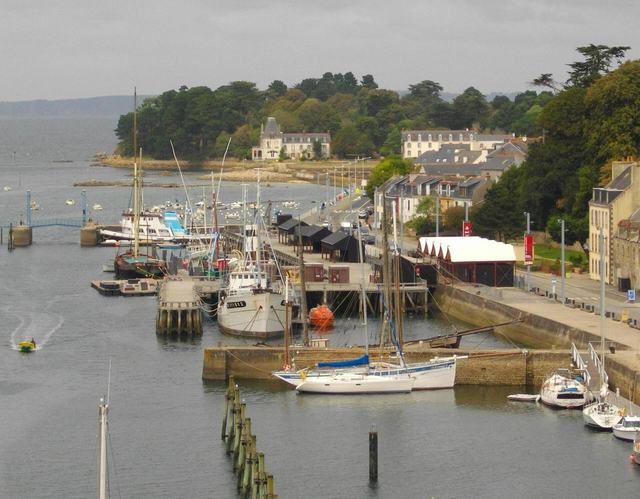
Port-musée de Douarnenez
A museum like no other, devoted to boats and men, of Brittany and elsewhere...
Food and local produce
Finistère cooking is based on sea and land: seafood, fish, crêpes and galettes, far breton, kouign-amann, cider, and artichokes and cauliflowers from the Léon. Fishing ports and fish markets are good places to taste.
In Concarneau, Douarnenez or Roscoff, harbourside restaurants serve simple dishes. A traditional crêperie is a must: ask for the galette of the day. The markets of Quimper and Brest are good moments to taste local produce.
- Book in advance in summer.
- For seafood, ask for the catch of the day.
- Try the local cider with your galettes.
Concarneau
A Breton fishing port known for its Ville Close, a fortified town built on a rocky islet linked to the land by two bridges in the heart of the port.
Quimper
Prefecture of the Finistère and traditional capital of Cornouaille, where the twin spires of Saint-Corentin cathedral overlook a half-timbered centre.
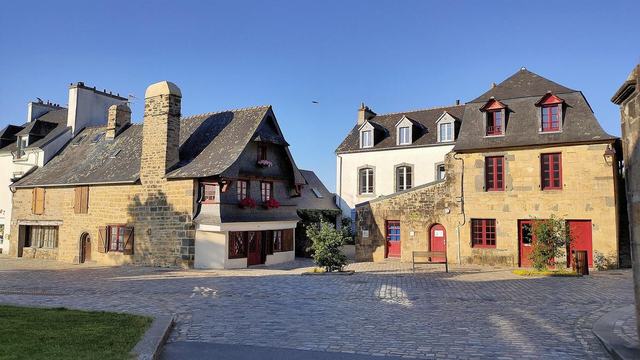
Le Faou
It is not at first glance that you discover the true charm of Le Faou.
Nature and wide open spaces
The coastline is spectacular: La Pointe du Raz, Plage de Lostmarc'h, Plage de la Palue, Rochers de Brignogan, Plage de Saint-Nicolas (Les Glénan). Lighthouses are one of the département's signatures: Phare d'Eckmühl, Phare Saint-Mathieu, Phare du Créac'h, Phare du Stiff, Phare de Trézien, Phare de "l'île Vierge", Phare de l'Ile de Batz and Phare de Roscoff.
Inland, Le Chaos de Huelgoat, Les Monts d'Arrée and the Tourbière de Yeun-Elez offer very different landscapes. Ile de Sein is reached by boat. For children, Océanopolis, Marinarium, Aquashow and the Zoo de la Pommeraie - Parc Animalier are good outings on rainy days.
- On the headlands the wind is strong: bring a windproof jacket.
- Respect cliff areas: stay on the paths.
- Check swimming conditions before going into the water.
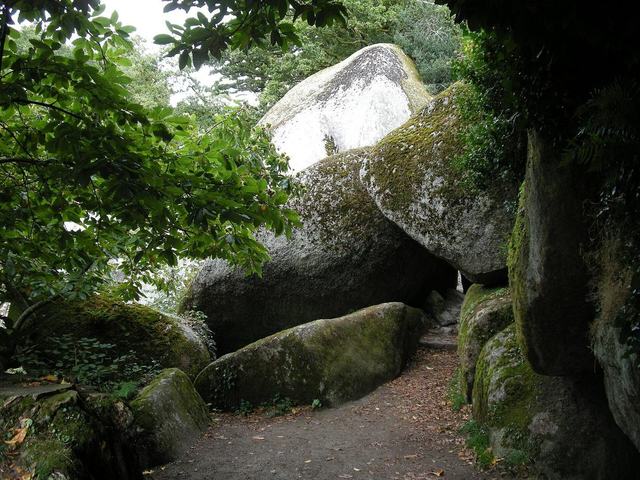
Le Chaos de Huelgoat
Huelgoat is nestled in the heart of a forest massif of more than 2,000 ha (state and private forests). Set beside a small lake that flows into the Rivière d'Argent before tumbling in a cascade into a ravine strewn with a chaos of enormous granite blocks. The land is covered with woods...
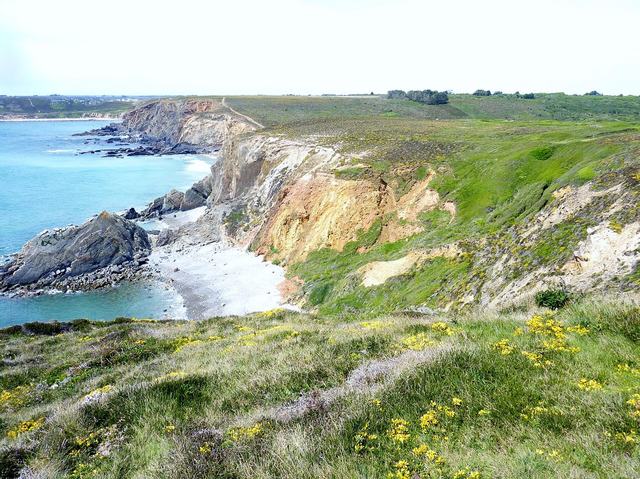
Plage de Lostmarc'h
Wild beach on the Crozon peninsula, between dunes, cliffs and the remains of an Iron Age fort.
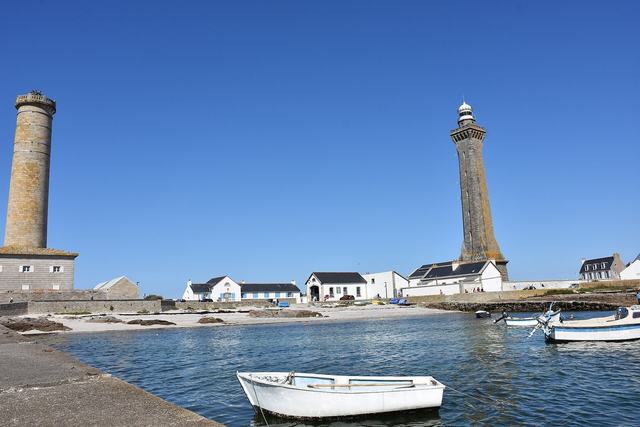
Phare d'Eckmühl
Inaugurated in 1897, it is due to the generosity of the family of the "Prince d'Eckmühl".

Océanopolis
"Océanopolis Brest": the ocean discovery park. Everything you need for an unforgettable day!
When to go and how to plan
From May to September the weather is better, but it stays changeable. July and August are the busiest. Spring is lovely, with gorse in flower. Autumn and winter are quieter, with spectacular storms on the coast.
A car is useful for most sites. Quimper and Brest are well connected by train. A four- to five-day trip can combine the Pointe du Raz and Cornouaille, the Crozon peninsula and Brest, then the Monts d'Arrée and the Léon.
- Book accommodation in advance in summer.
- Pack walking shoes for the coast.
- Keep a spare day for the weather.
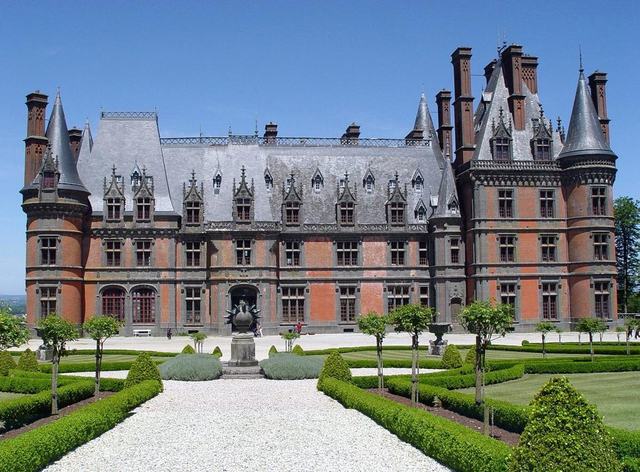
Château de Trévarez
A Belle Époque estate, Trévarez overlooks the Aulne valley. Trévarez extends over 85 hectares.
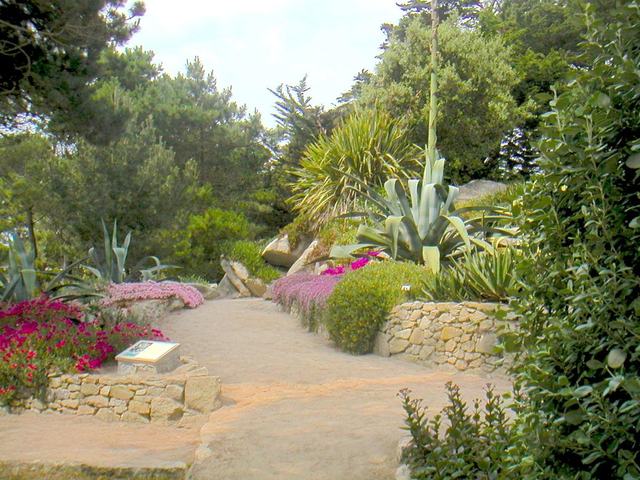
Jardin Georges Delaselle
The Georges Delaselle garden is on the island of Batz, at the place called Pen Baz. A magnificent exotic garden with nearly 2,500 species from all continents!

Vedettes de l'Odet
Les Vedettes de l'Odet offer crossings to the Glénan islands. Let yourself be tempted, you won't regret it.
Going further
Explore the départements of this area: