Villages · Haute-Savoie
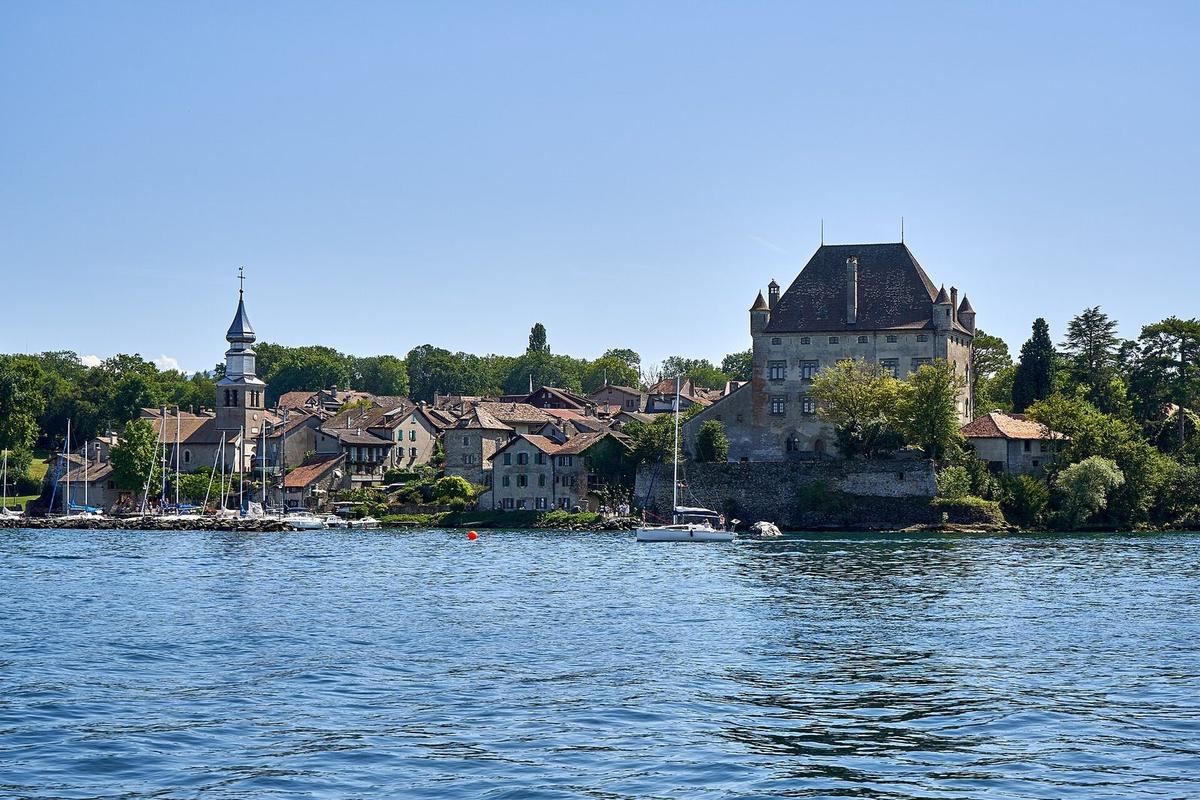
1 Yvoire
The position of Yvoire, on the only promontory of Lake Geneva, aroused the interest of the counts of Savoy, "the doorkeepers of the Alps".
View full page →Haute-Savoie combines the lakes of Annecy and Geneva, spa towns, castles, gorges and the Mont Blanc massif. The variety is great, and the mountains are never far from the lakes.
This itinerary spreads the best-rated sites in the catalogue over three days. In high season, traffic can be heavy around Lake Annecy and the Chamonix valley: allow some slack.
The map shows the numbered stops in visiting order, with one colour per day. The line follows the roads where available; otherwise it joins the stops as the crow flies. Distances and times are approximate (by car, without traffic).
This day brings together 3 sites close to each other: villages and waterfalls. Allow half an hour to an hour and a half per site, plus travel time.
The position of Yvoire, on the only promontory of Lake Geneva, aroused the interest of the counts of Savoy, "the doorkeepers of the Alps".
View full page →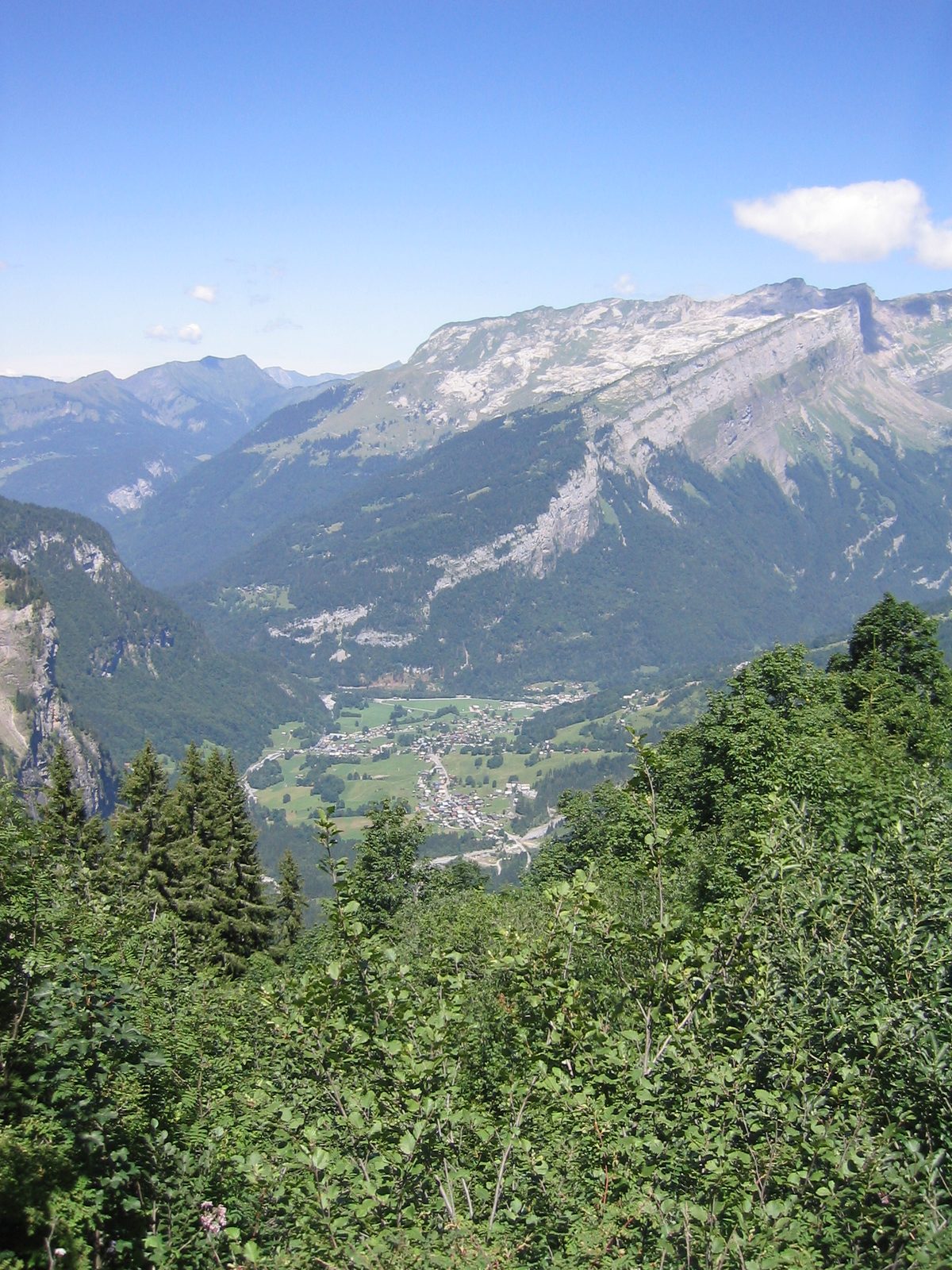
The village surrounds an old abbey whose buildings visible today date from the seventeenth century, but which was founded in 1144 by the Augustinian monks of Abondance, one of the most important religious communities of the northern Alps in the Middle Ages.
View full page →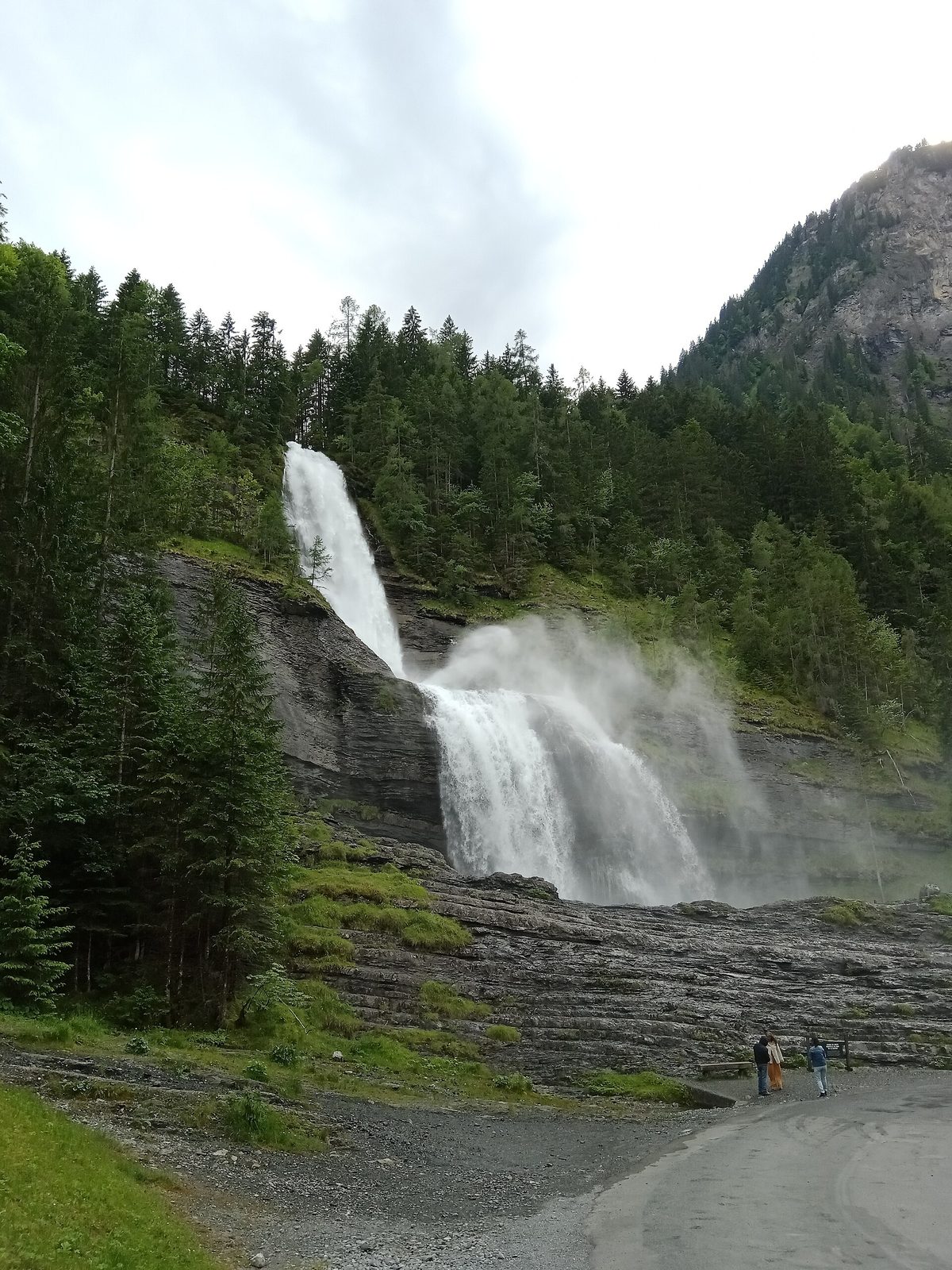
The Cascade du Rouget is in the Cirque du Fer à Cheval, in the commune of Sixt-Fer-à-Cheval, in Haute-Savoie.
View full page →This day brings together 6 sites close to each other: lakes, waterfalls and natural wonders. It passes through Chamonix-Mont-Blanc. Allow half an hour to an hour and a half per site, plus travel time.
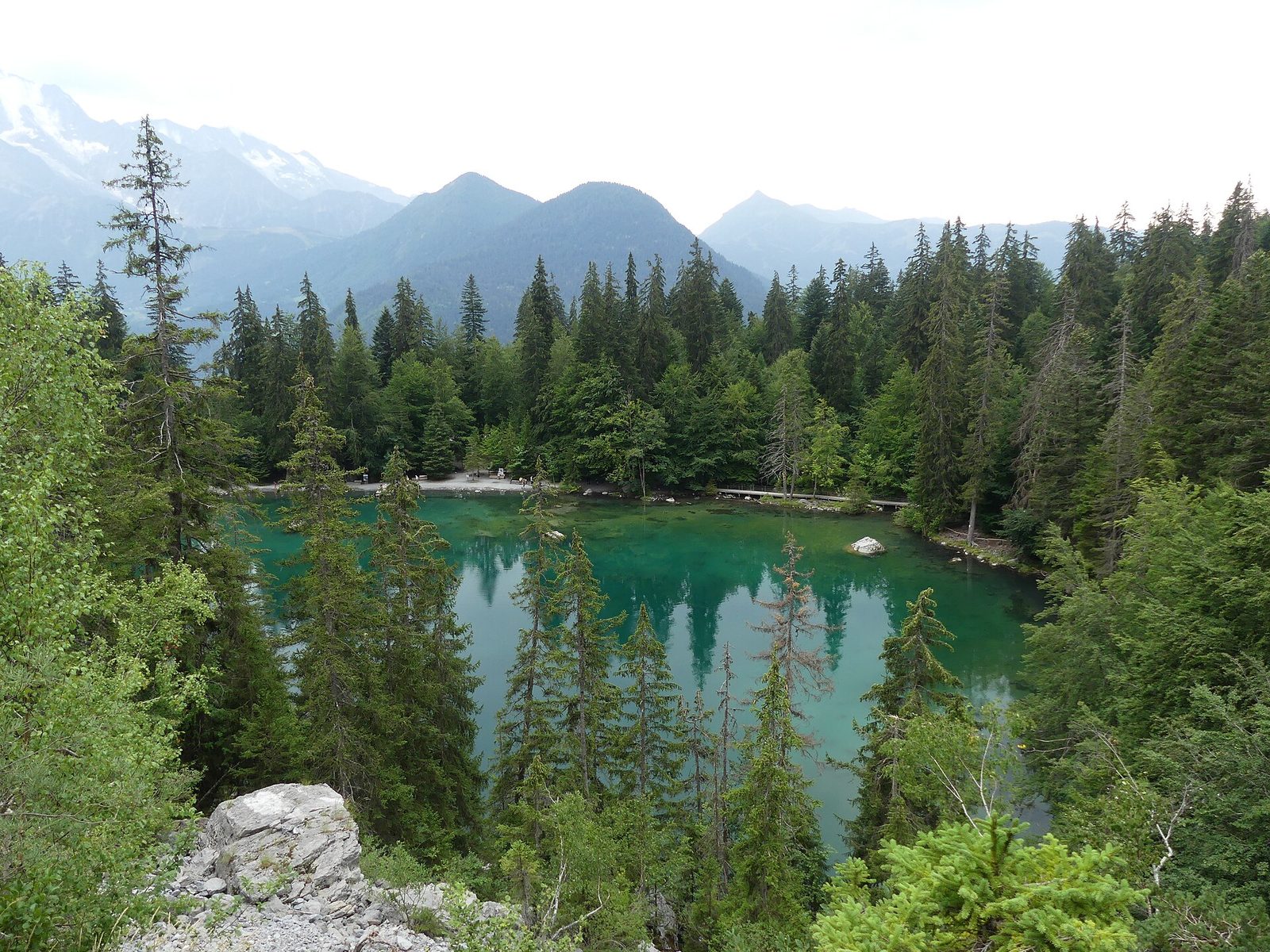
Lac Vert, in the commune of Passy in Haute-Savoie, is a natural lake of exceptional colour.
View full page →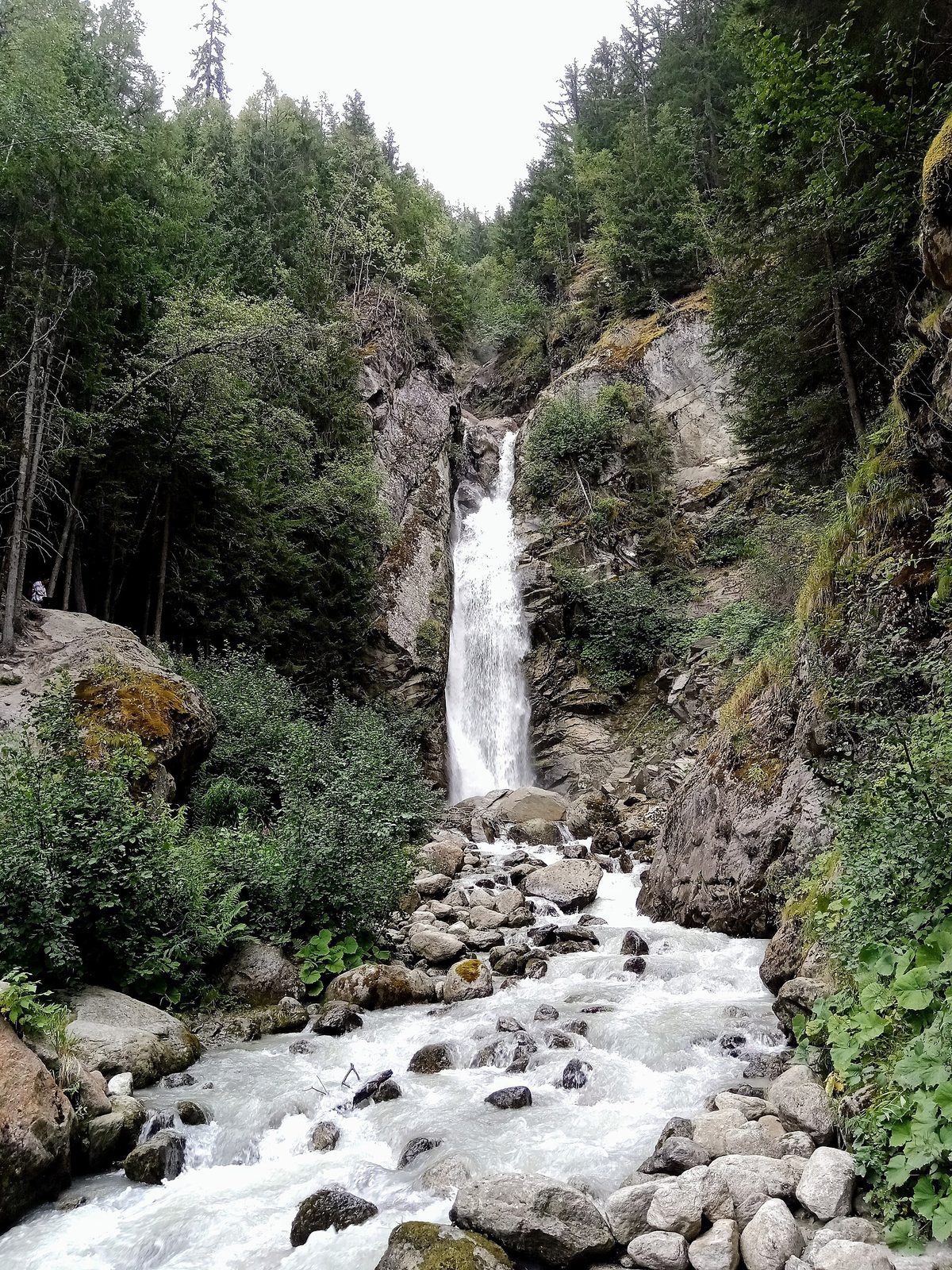
The Dard waterfall gushes above Chamonix, fed by meltwater from the glaciers of the Aiguilles Rouges.
View full page →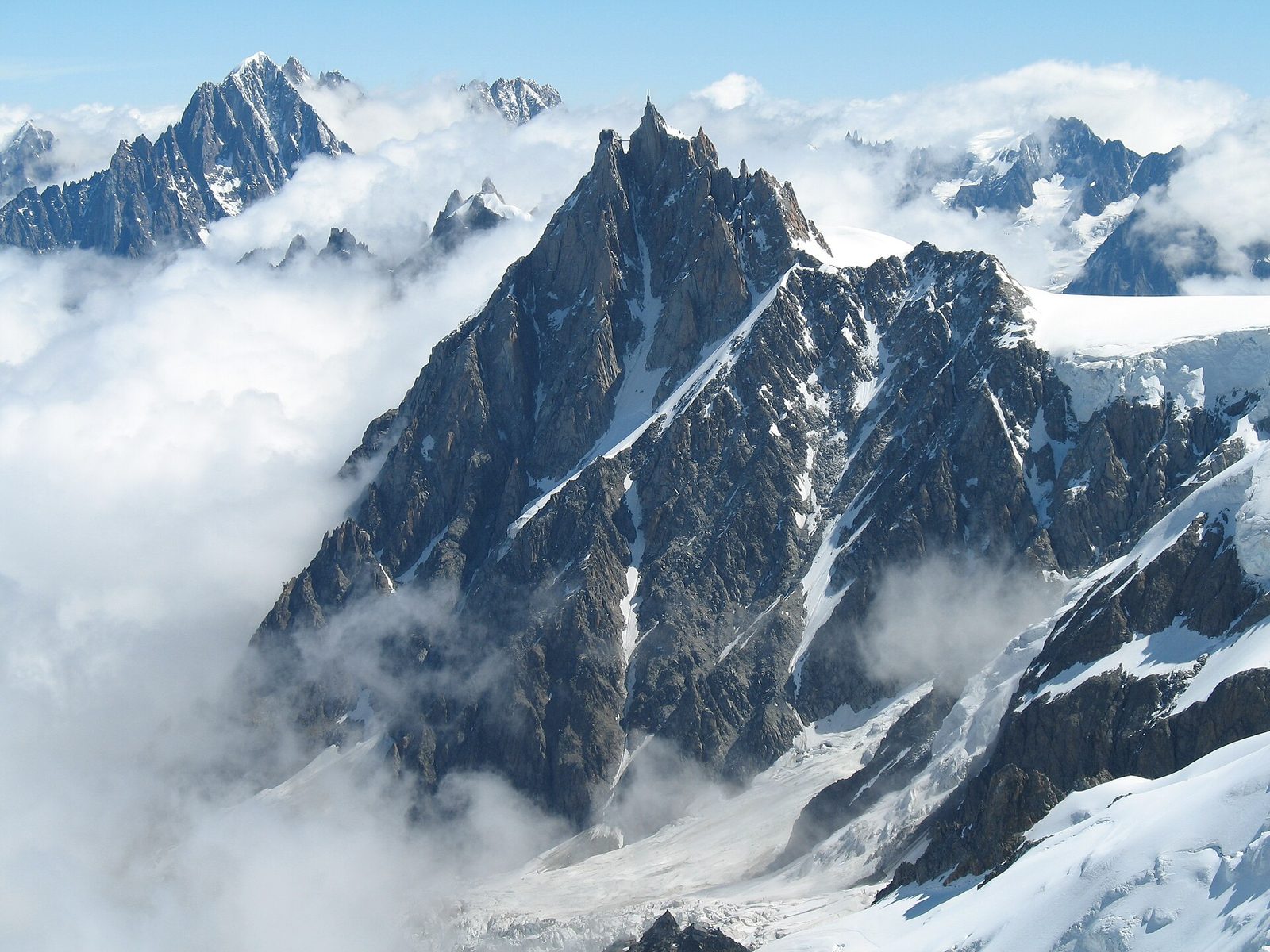
At 3,842 m, in the heart of the massif, you rub shoulders with Mont Blanc. An exceptional viewing area, partly carved into the rock, the product of an insane technological feat.
View full page →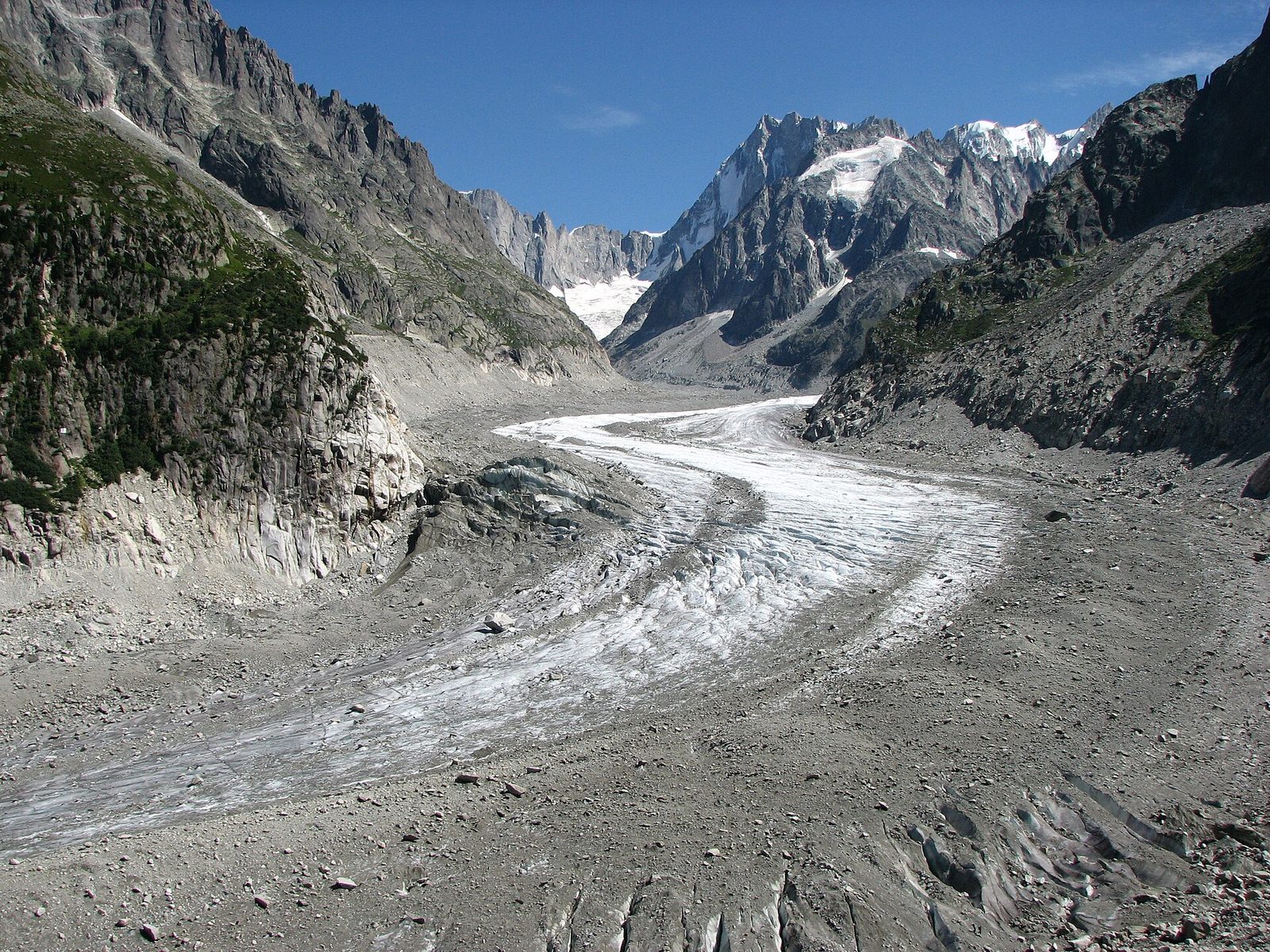
The largest glacier in France unrolls its tongue of ice over seven kilometres at the foot of the Mont Blanc massif. From Chamonix, the little Montenvers rack railway leads to the edge of this polar landscape, now upset by the rapid retreat of the ice.
View full page →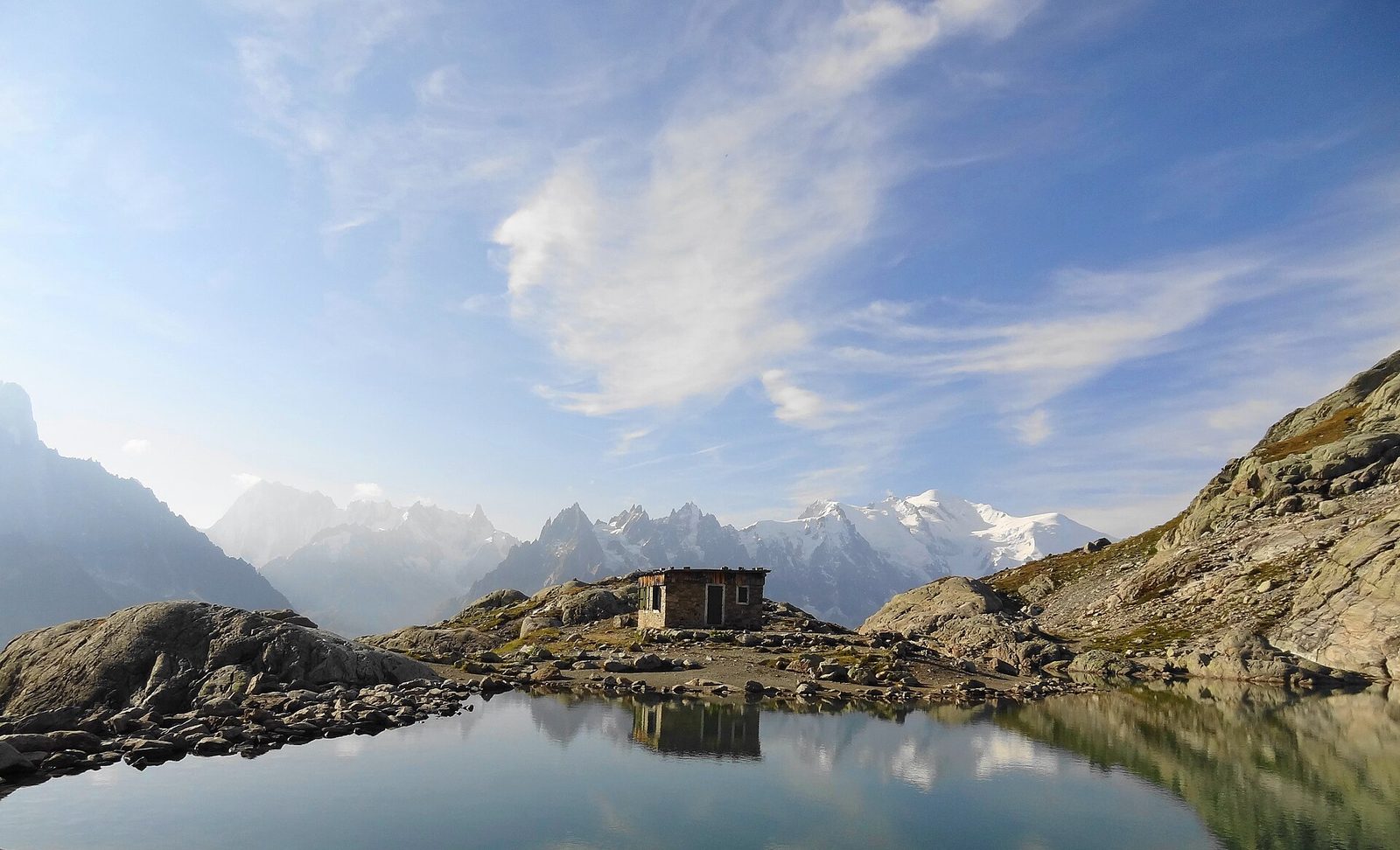
Perched at 2,352 metres in the Aiguilles Rouges massif, Lac Blanc offers one of the most emblematic panoramas of the Alps, facing the Mont Blanc massif.
View full page →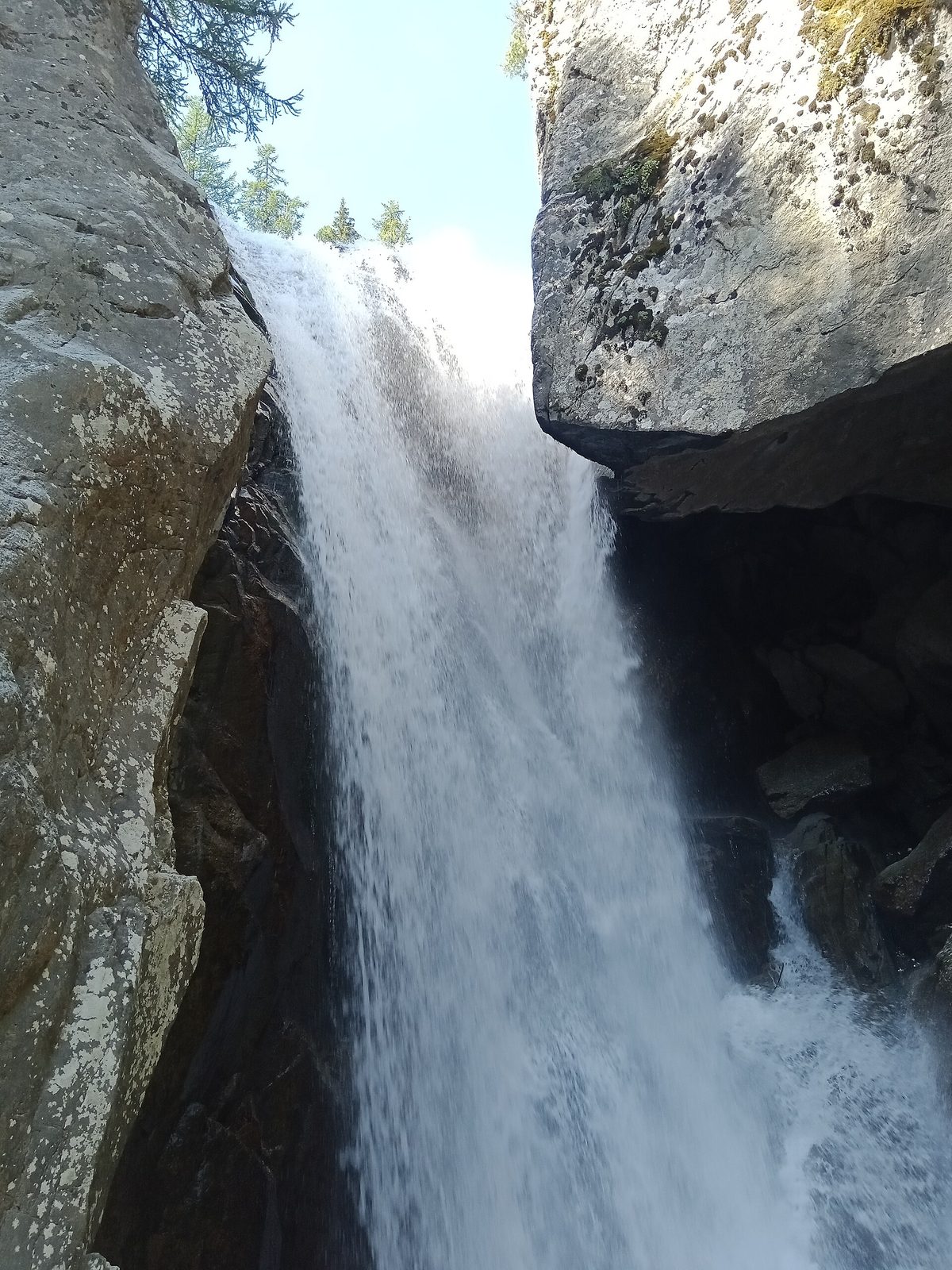
At Vallorcine, a woodland path leads in under half an hour to the Bérard waterfall, in the Aiguilles Rouges reserve.
View full page →This day brings together 3 sites close to each other: waterfalls, castles and towns and cities. It passes through Annecy. Allow half an hour to an hour and a half per site, plus travel time.
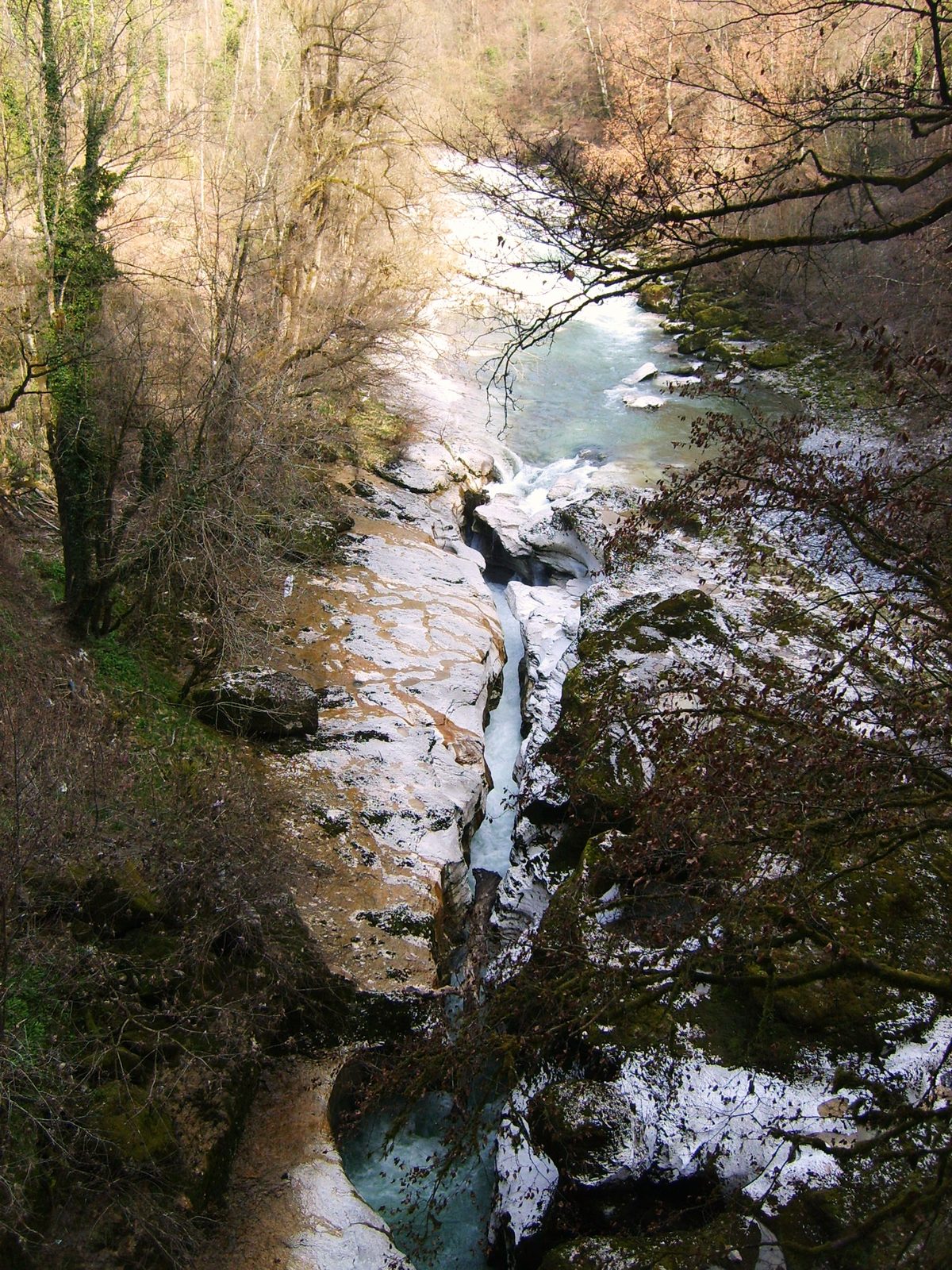
The Lovagny region, with its famous Gorges du Fier, offers tourists attractions that contrast strangely with the luminous splendours of the shores of Lake Annecy.
View full page →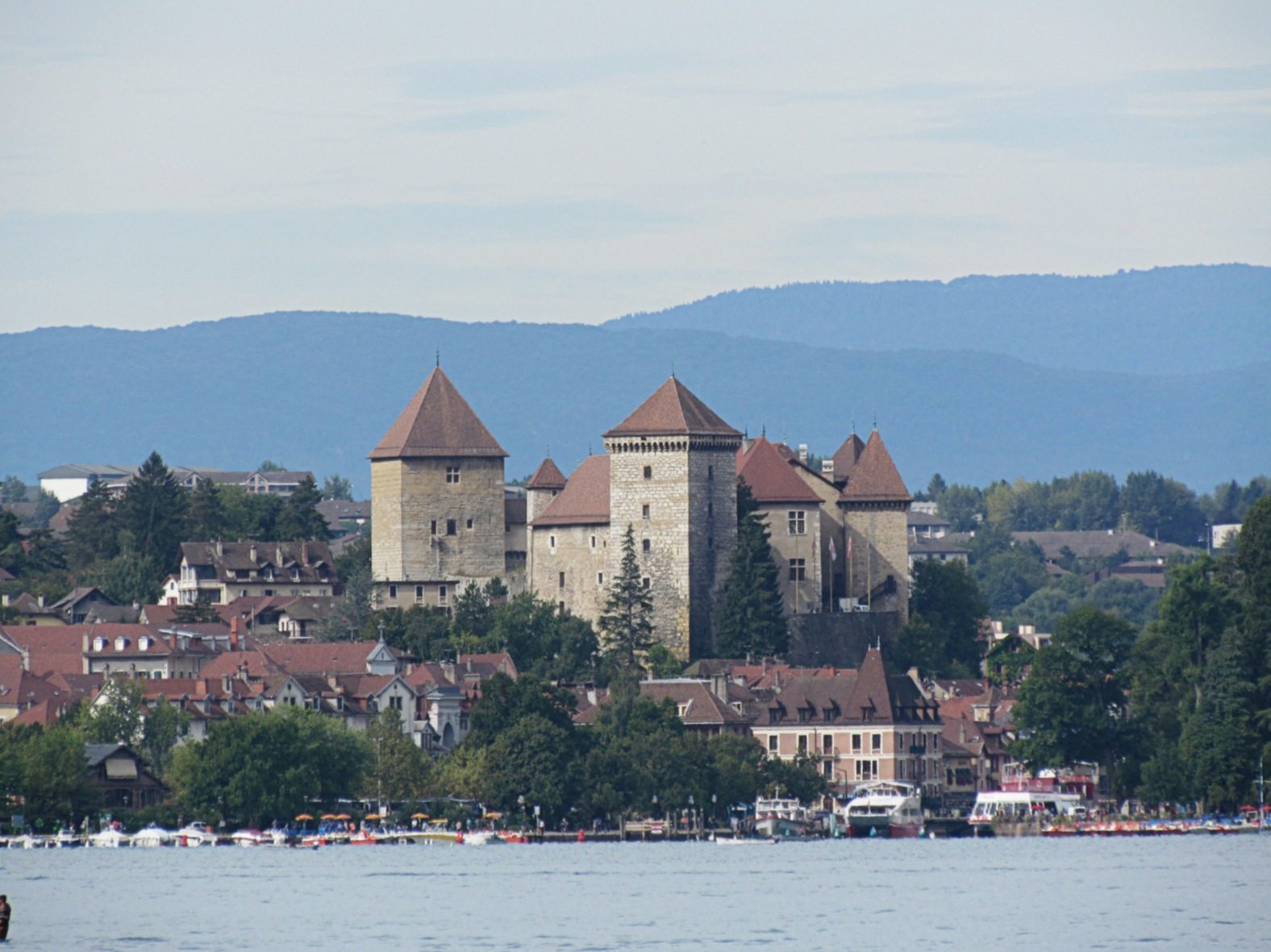
It was built in successive stages from the twelfth to the end of the sixteenth century, then left to decay in the seventeenth and served as barracks until 1947.
View full page →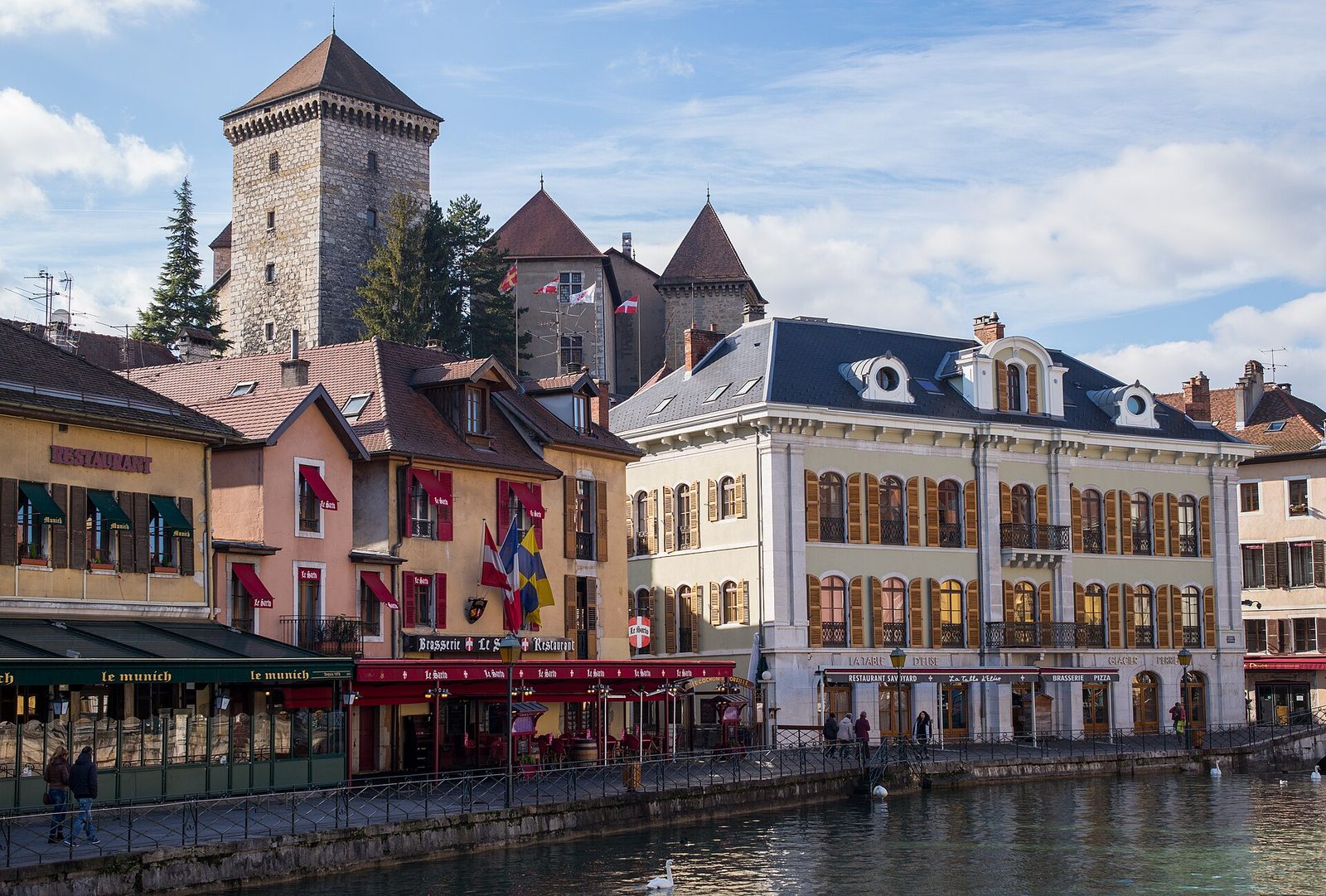
Nicknamed the 'Venice of the Alps' for its canals lined with colourful houses, this Savoyard prefecture overlooks the clear waters of its lake.
View full page →Summer is ideal for lakes, hikes and high-mountain sites, but there are many people. Spring and autumn are calmer, with beautiful light. In winter, the region becomes a large winter-sports area, and some mountain roads and sites are closed.
A car is practical, but traffic can be heavy around Lake Annecy and in the Chamonix valley in high season. Trains and buses serve the big towns and some valleys. Cable cars give access to several high-altitude sites.

The largest icefall in Europe.
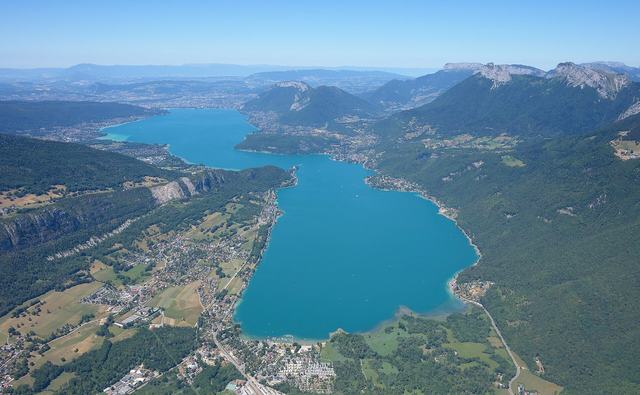
Lake Annecy, sometimes nicknamed the "blue lake", is a lake in France located in the Alps, in Haute-Savoie.

The historic capital of the Chablais on Lake Geneva, whose marina and hanging gardens overlook the water towards Switzerland.
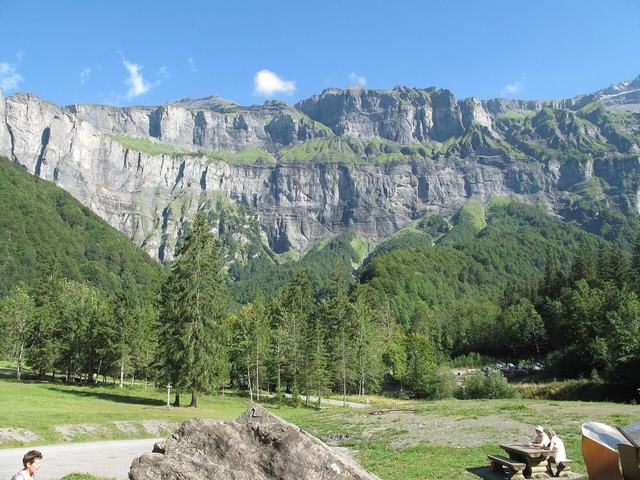
A huge glacial cirque of the Giffre valley, ringed by cliffs over 500 metres high streaked with waterfalls.

Visited since 1893, developed to be accessible to as many people as possible, the Gorges du Pont du Diable offer a striking image of the power of erosion.

Lived in by the de Sales family since 1602, the Château de Thorens keeps mementoes of Saint Francis de Sales and Cavour.