Caves · Dordogne
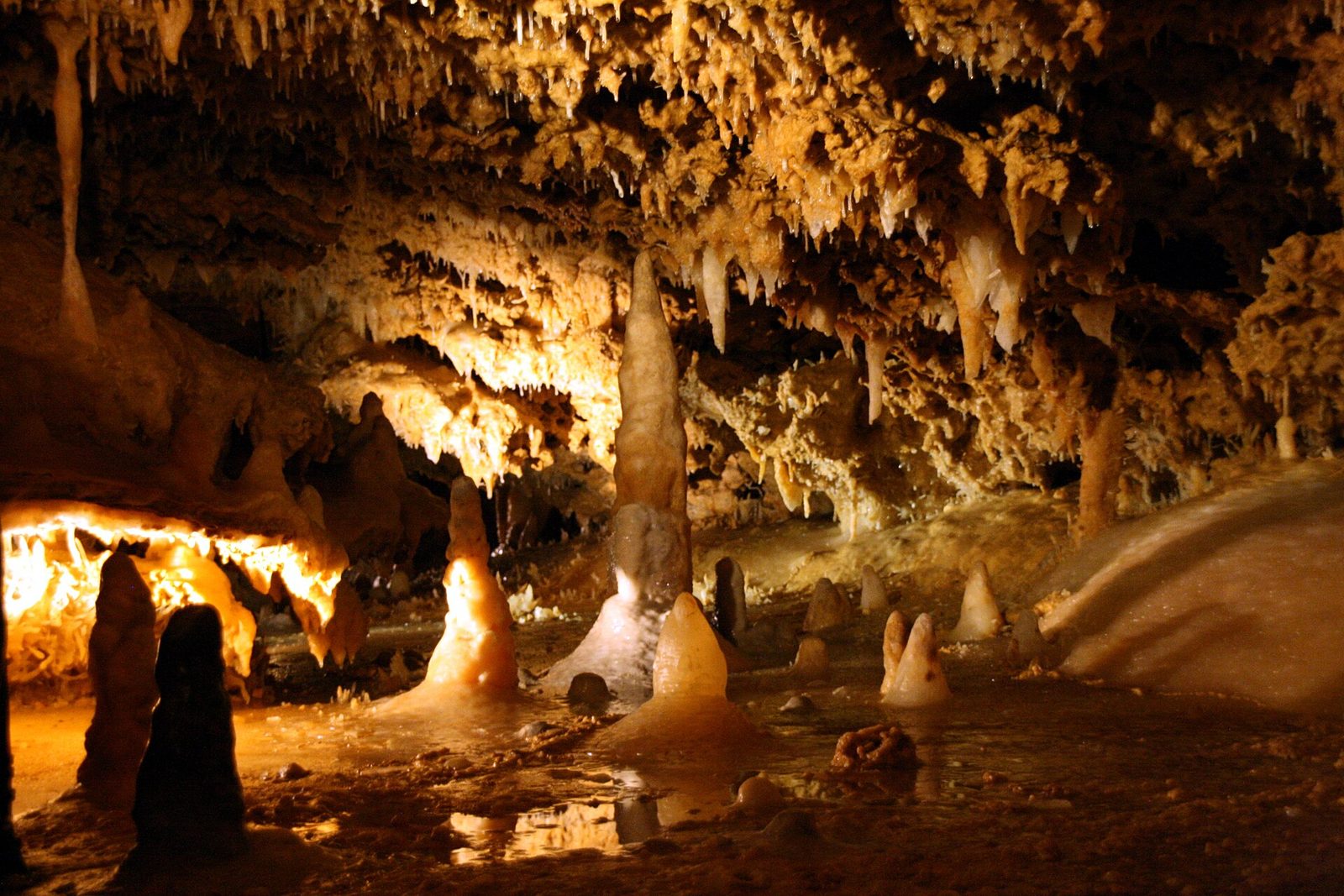
1 La Grotte du Grand Roc
Set into a magnificent cliff overlooking the Vézère, the Grand Roc cave is an exceptional jewel.
View full page →The Dordogne is a concentration of heritage: castles perched above the river, bastides, golden-stone villages and caves that are among the most famous in prehistory. The Périgord Noir, around Sarlat and the Vézère valley, is at the heart of this wealth.
This itinerary groups the best-rated sites in the catalogue into three days. For decorated caves, advance booking is often recommended: check the visiting conditions before you go.
The map shows the numbered stops in visiting order, with one colour per day. The line follows the roads where available; otherwise it joins the stops as the crow flies. Distances and times are approximate (by car, without traffic).
This day brings together 3 sites close to each other: caves. Allow half an hour to an hour and a half per site, plus travel time.
Set into a magnificent cliff overlooking the Vézère, the Grand Roc cave is an exceptional jewel.
View full page →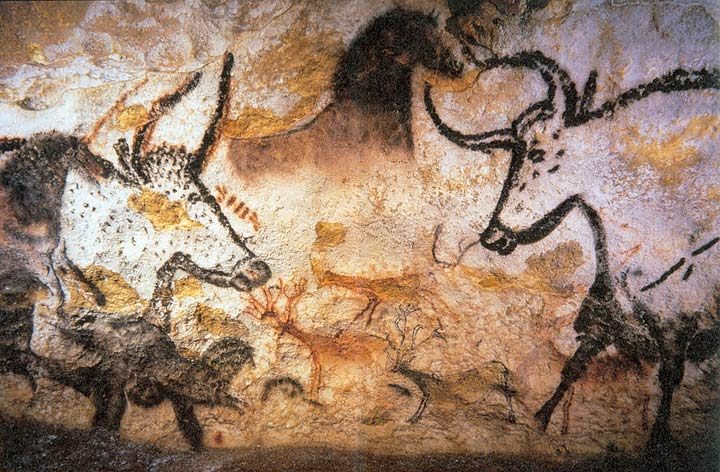
Located in the Dordogne near the village of Montignac-sur-Vézère, in the heart of the Périgord Noir, the Lascaux cave is the masterpiece of prehistoric art.
View full page →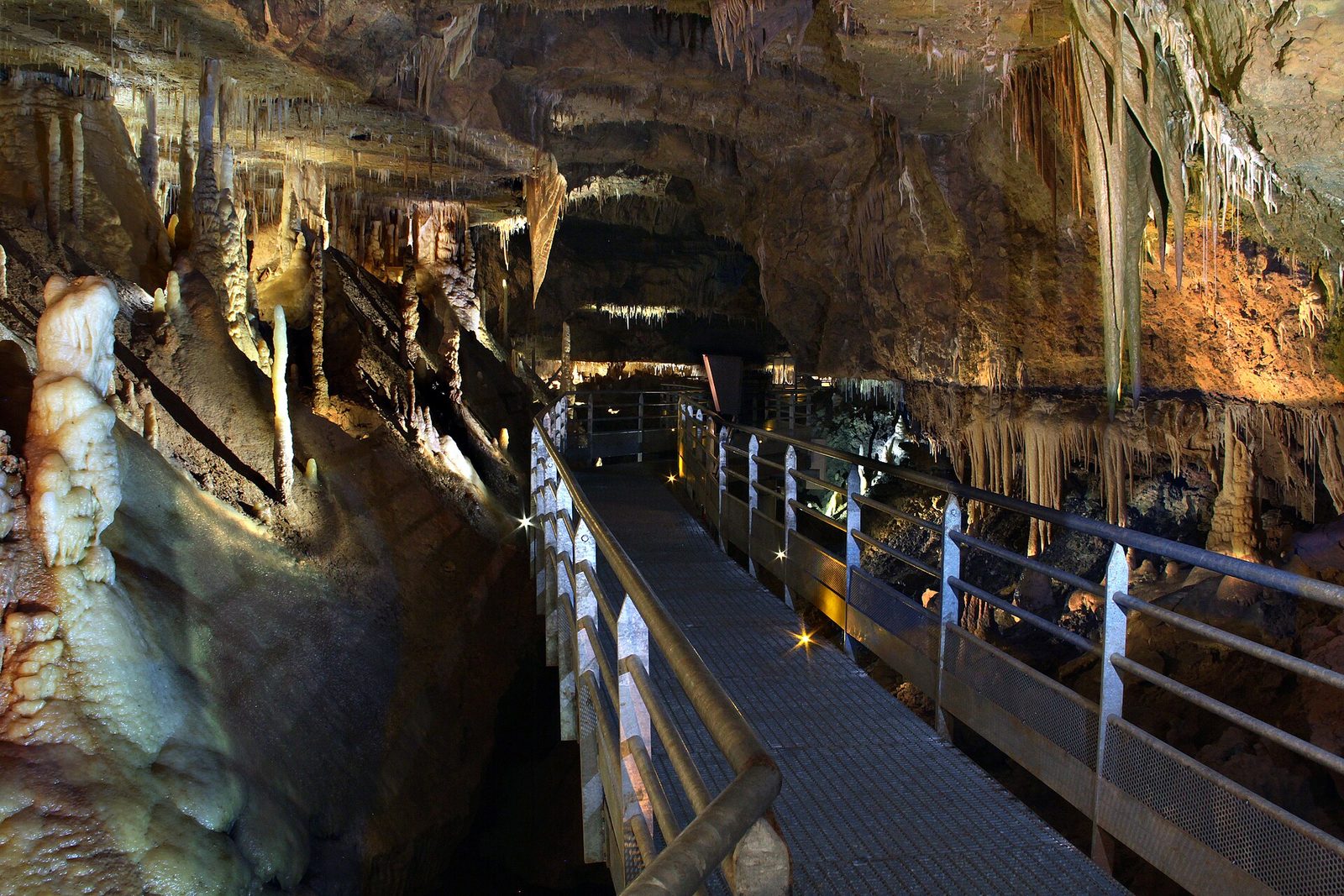
Today, developed for everyone, the Grotte de Tourtoirac will let you discover the fabulous diversity of concretions that nature has shaped over time.
View full page →This day brings together 5 sites close to each other: villages, aquariums and caves. It passes through Les Eyzies. Allow half an hour to an hour and a half per site, plus travel time.
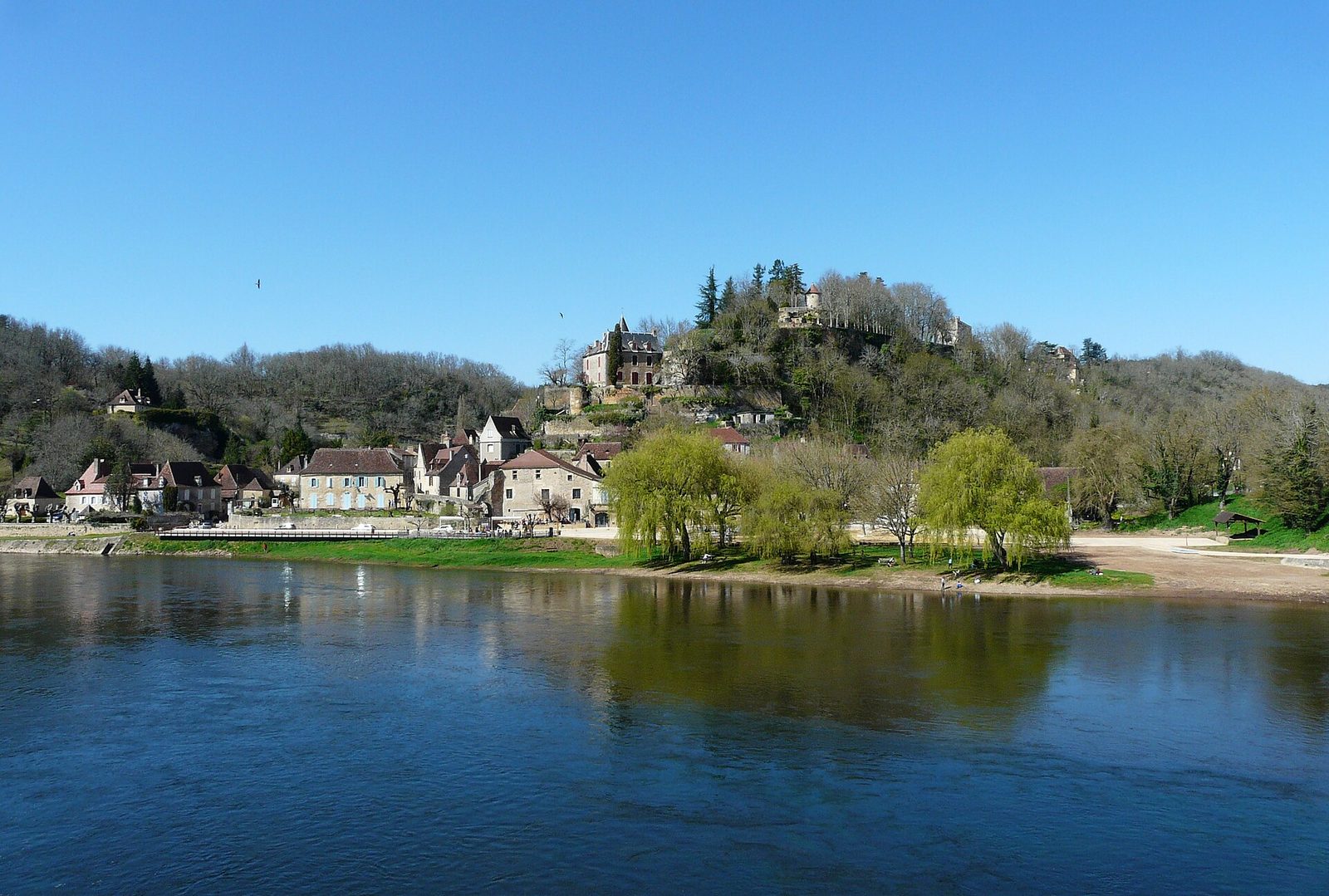
Formerly, the village occupied a strategic site on the border between English-held Guyenne and the kingdom of France.
View full page →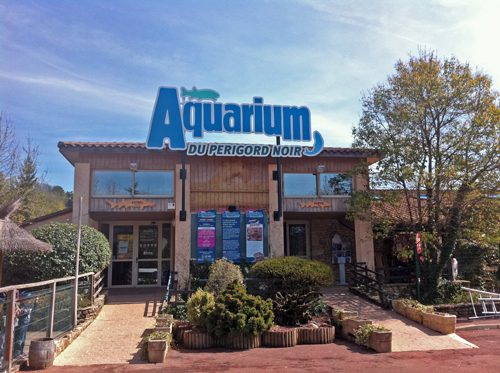
The largest private aquarium in Europe at Le Bugue-sur-Vézère. With more than 3 million litres of water and more than 600 fish, the Périgord Noir Aquarium is without doubt the largest private open-air freshwater aquarium.
View full page →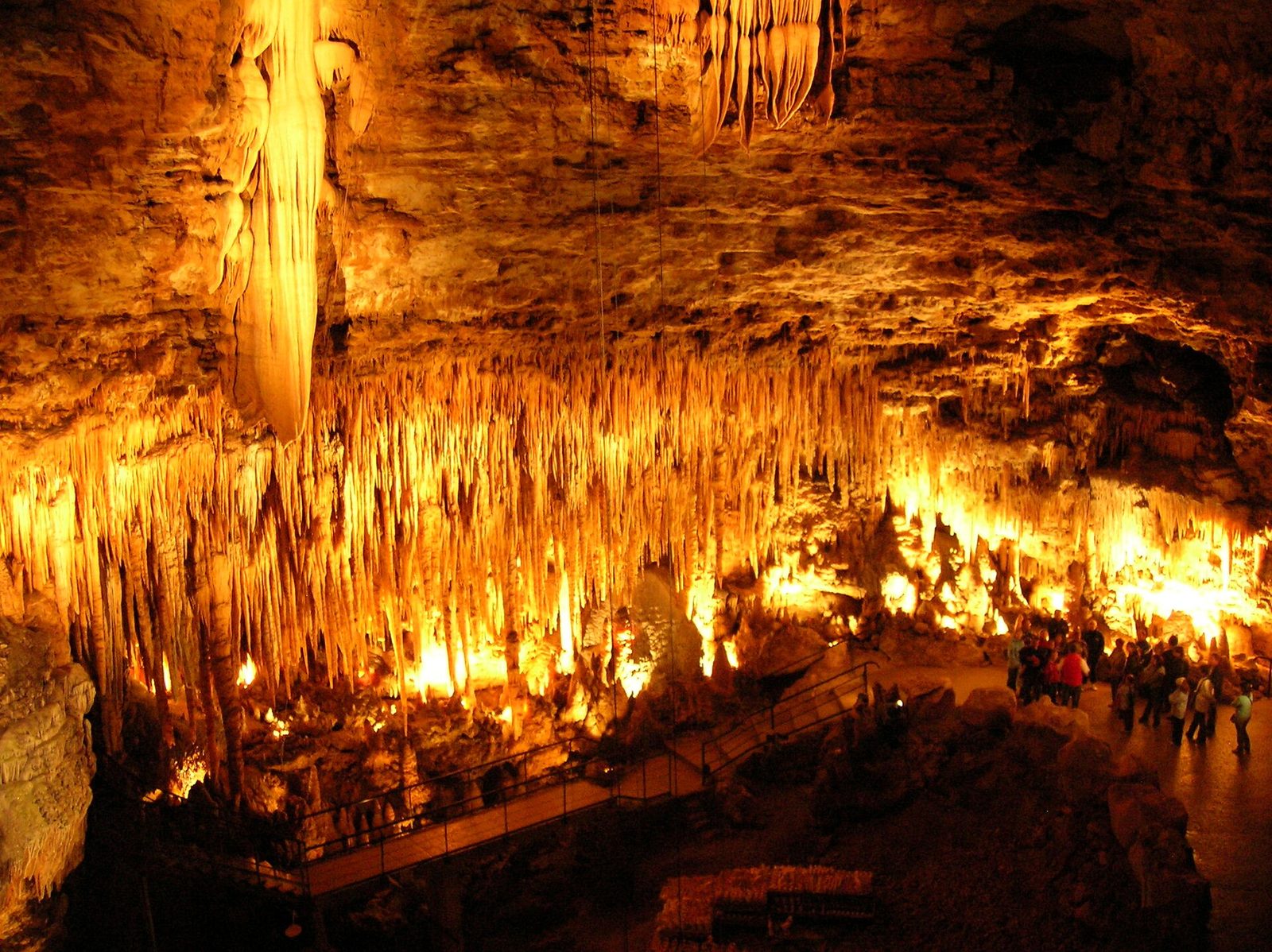
Already famous in the eighteenth century for its terrifying legends, the Proumeyssac chasm was only explored in 1907.
View full page →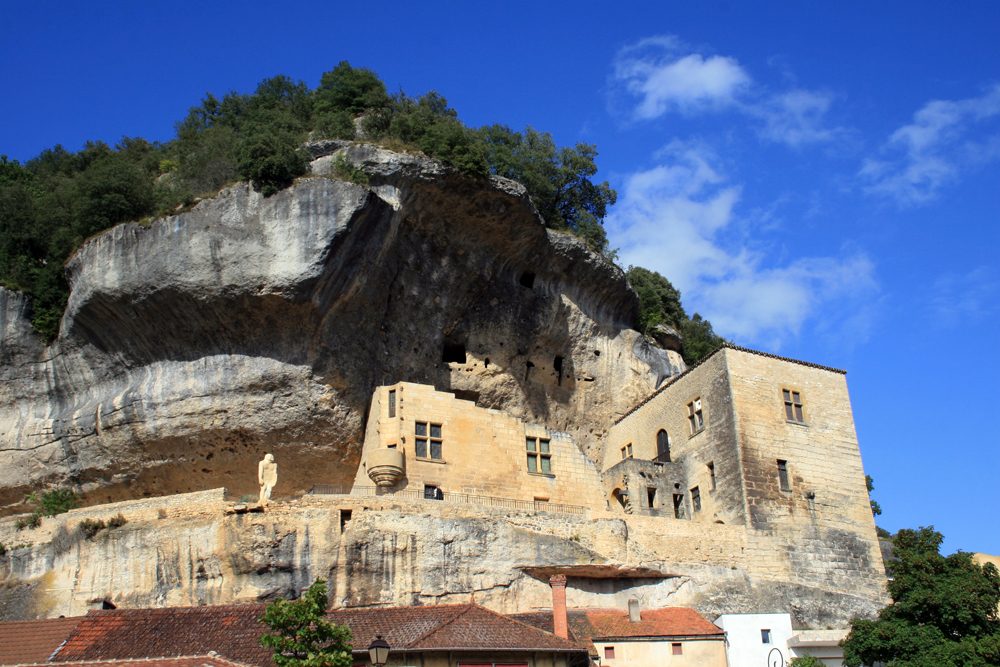
A village nestled at the foot of high troglodyte limestone cliffs, nicknamed the "world capital of prehistory" for the exceptional density of its Palaeolithic deposits.
View full page →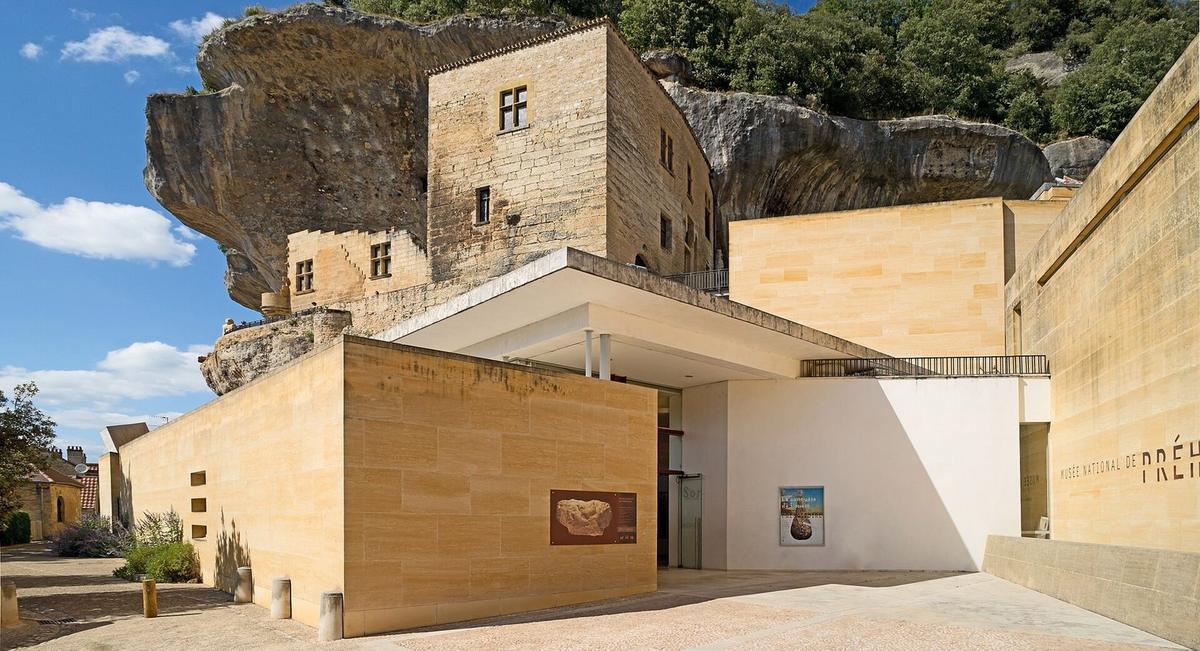
The Musée national at Les Eyzies is at the centre of the greatest concentration in the world of sites occupied and decorated by man.
View full page →This day brings together 4 sites close to each other: villages and castles. Allow half an hour to an hour and a half per site, plus travel time.
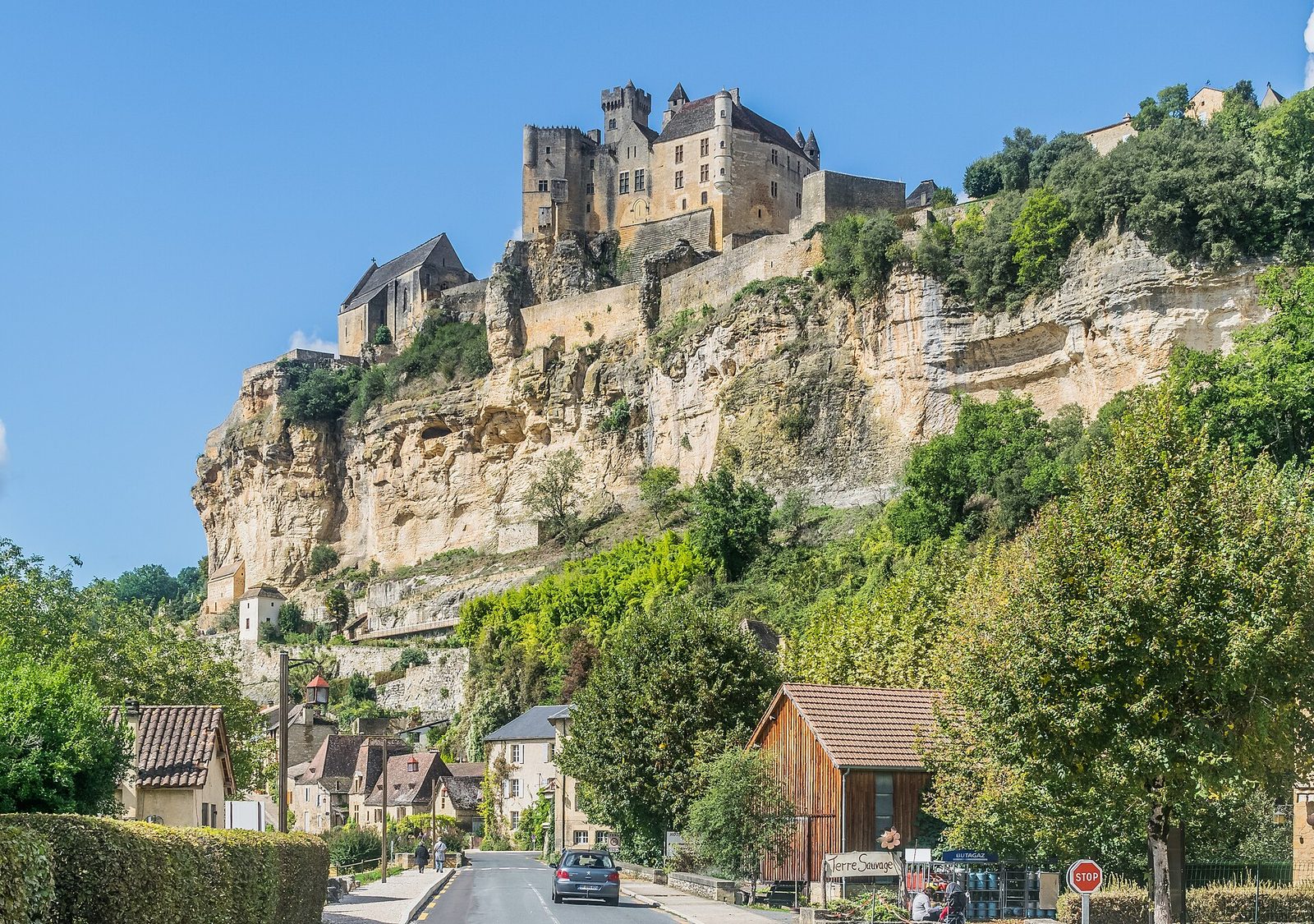
Seat in the Middle Ages of one of the four baronies of the Périgord, the castle withstood every assault and was taken only by Richard the Lionheart and Simon de Montfort.
View full page →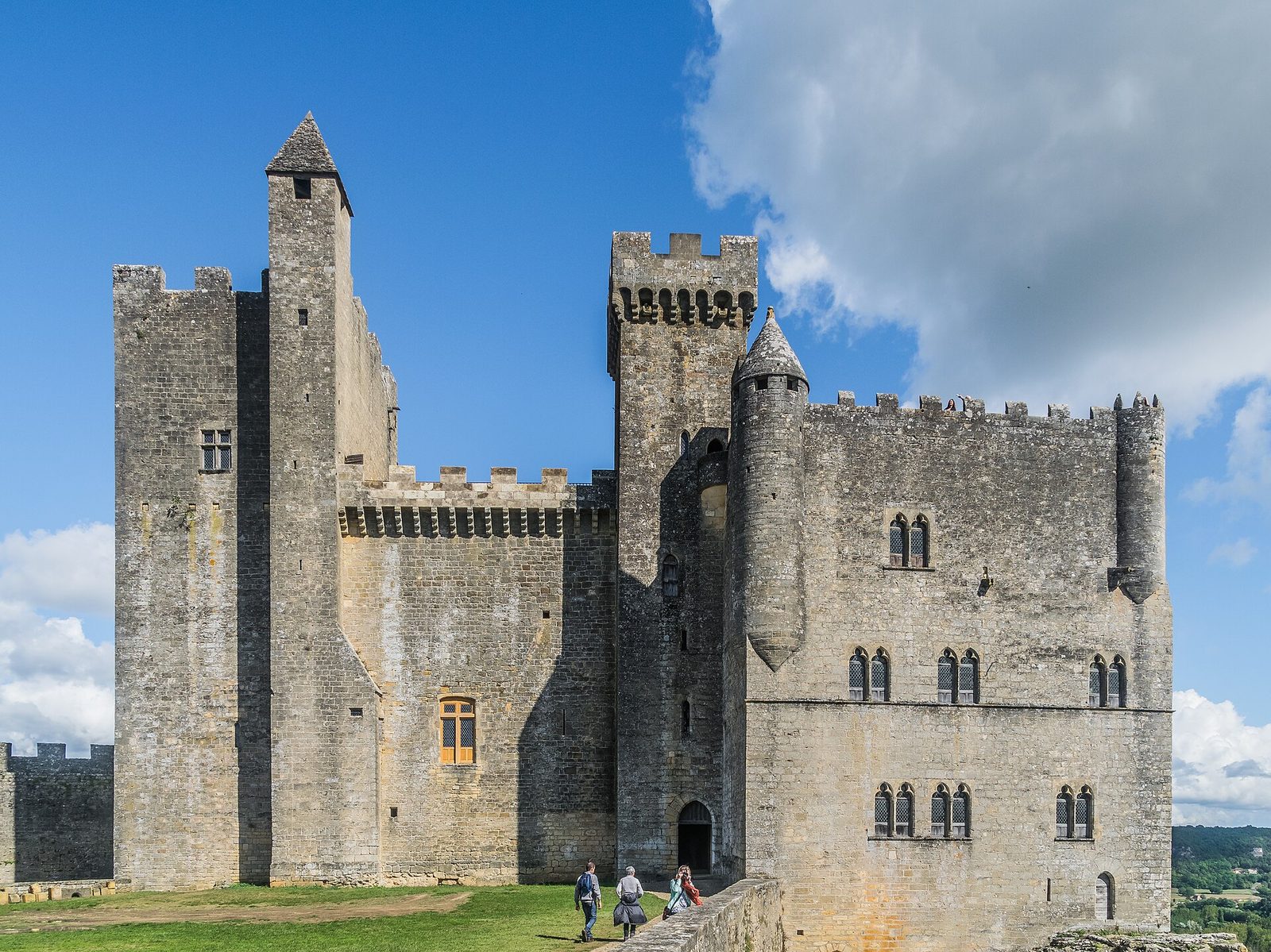
It is probably from the course of the Dordogne that the fortress looks most impressive.
View full page →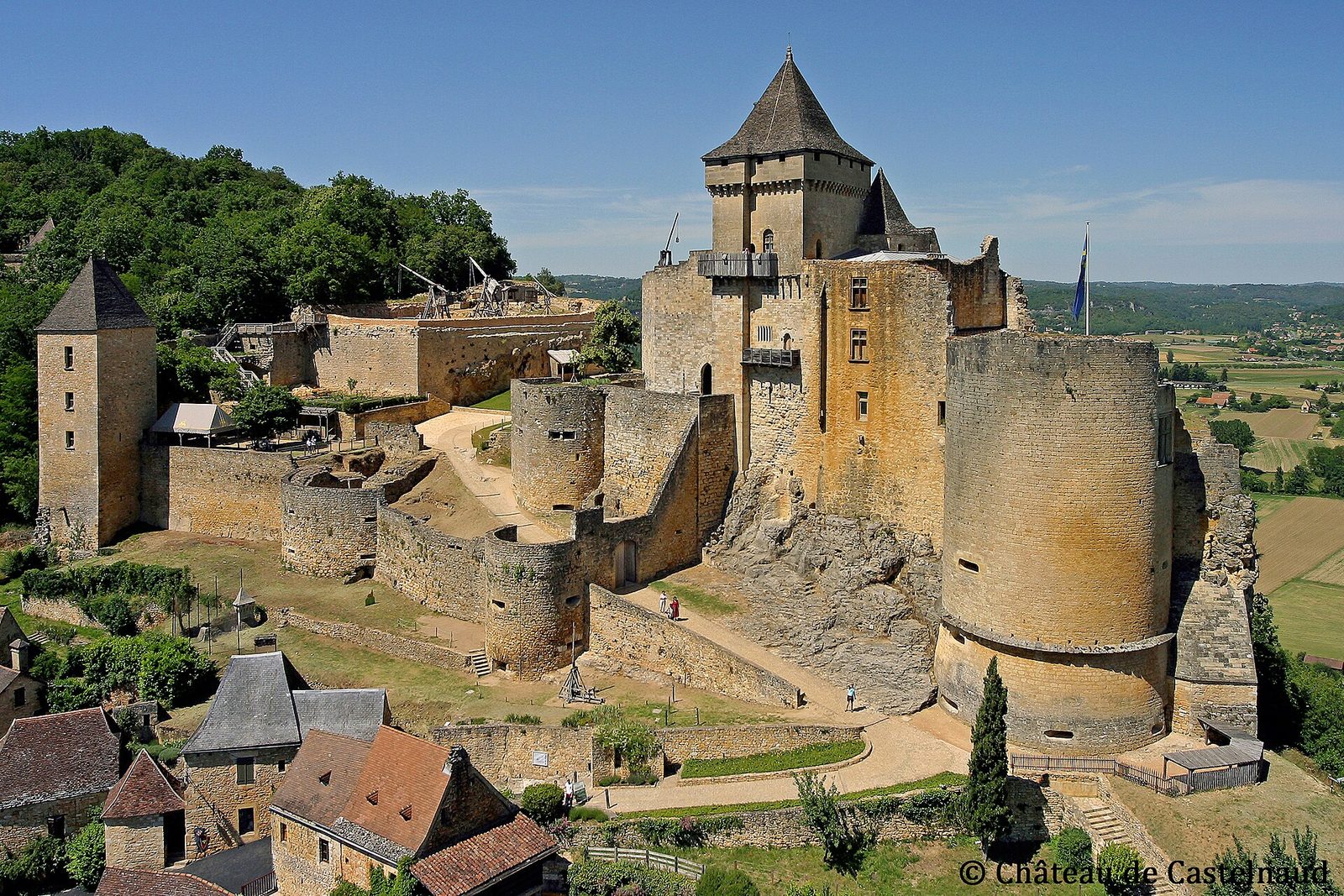
Facing the Château de Beynac, whose implacable rival it was in the endless conflicts that punctuate the history of the Middle Ages.
View full page →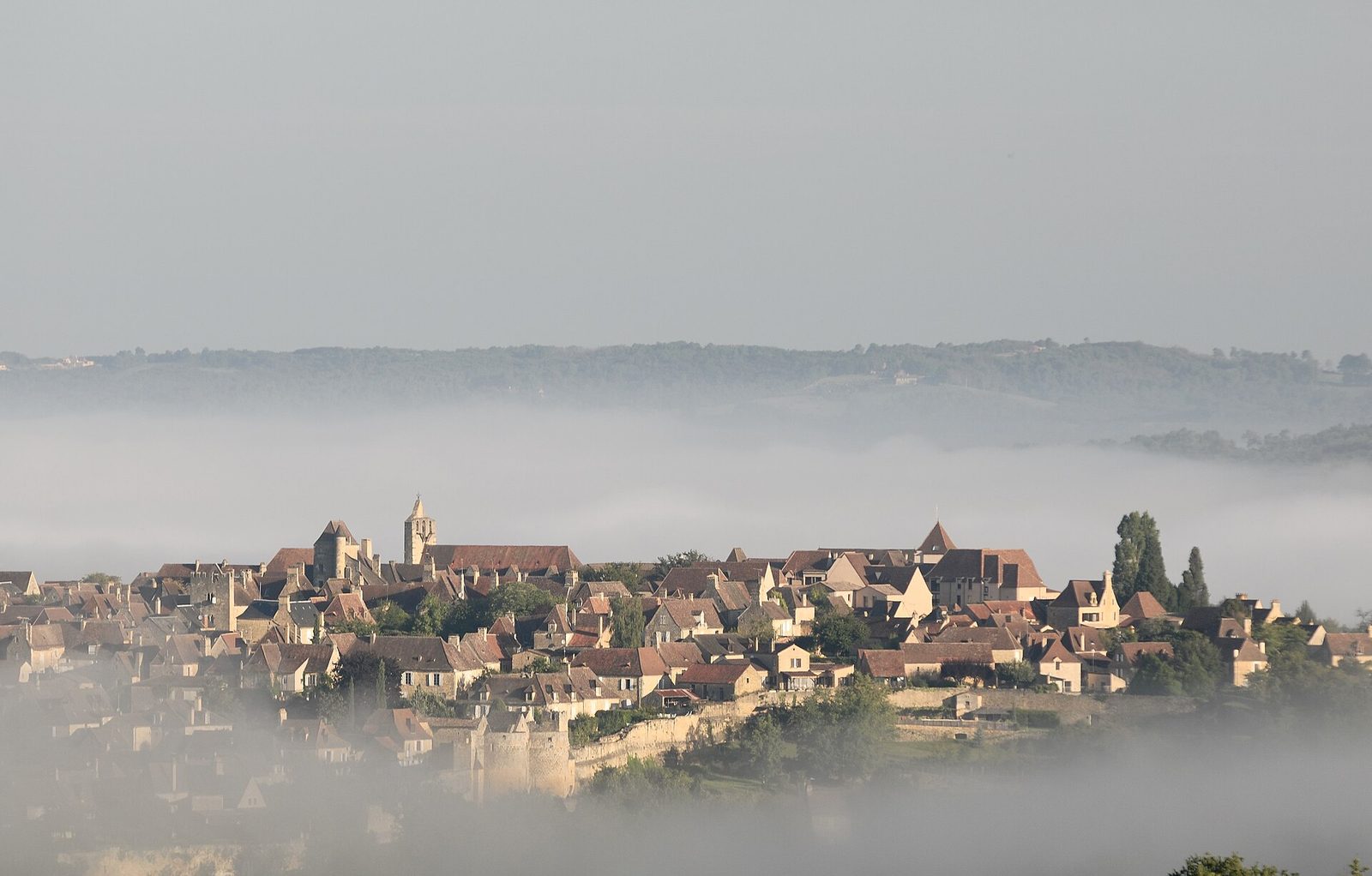
Ringed by ramparts, the thirteenth-century bastide tells a tumultuous past illustrated by its fortified gates and towers that served as prisons.
View full page →Spring and autumn are ideal: the light is beautiful, nature is colourful and the sites are less crowded. In summer, castles and caves welcome many visitors, and the valley is noticeably hot. Winter is quiet, but some sites are closed or open only a few days a week.
A car is the simplest way to link the sites: they are scattered across the Dordogne and Vézère valleys. Roads are narrow near the hilltop villages. The river can also be paddled by canoe, a pleasant way to see the castles from the water.
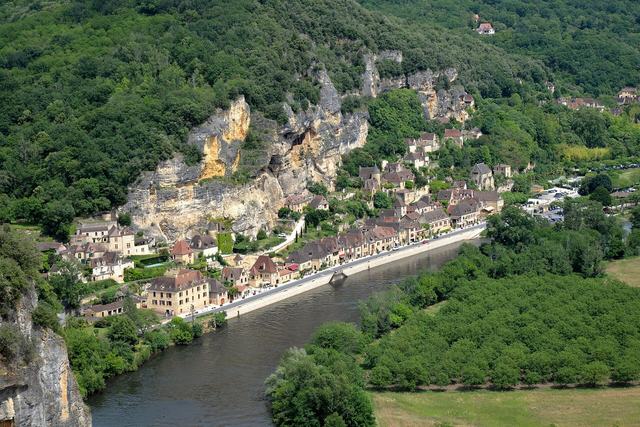
In the Middle Ages, La Roque-Gageac had 1,500 souls. At that time, the Dordogne supported the fishermen and gabariers of the port.

Overlooking the Vézère valley, in the village of Le Bugue, you will discover the surprising Bara-Bahau cave, whose dialect name comes from the expression "and badaboom!!!" The cavity is just behind the reception and its unusual entrance will not fail to astonish you.
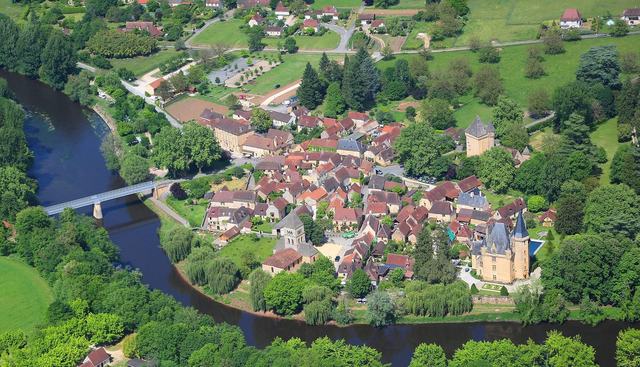
Inhabited since the dawn of time, the caves and caverns formed perfect natural shelters for our ancestors, the Cro-Magnon people.
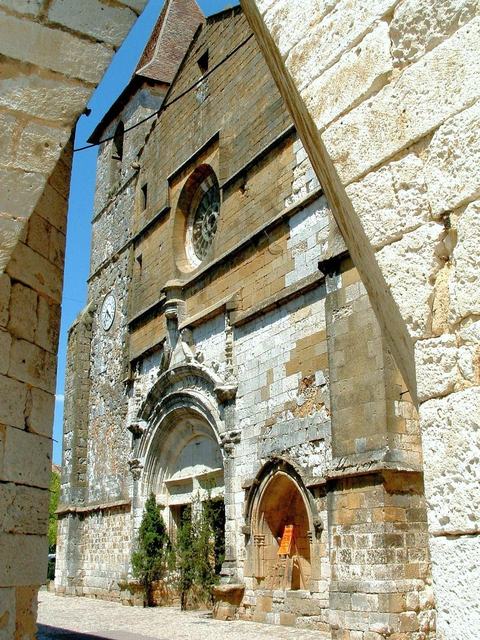
This thirteenth-century fortified town founded by Edward I of England has seen some thirty of its buildings listed as historic monuments.
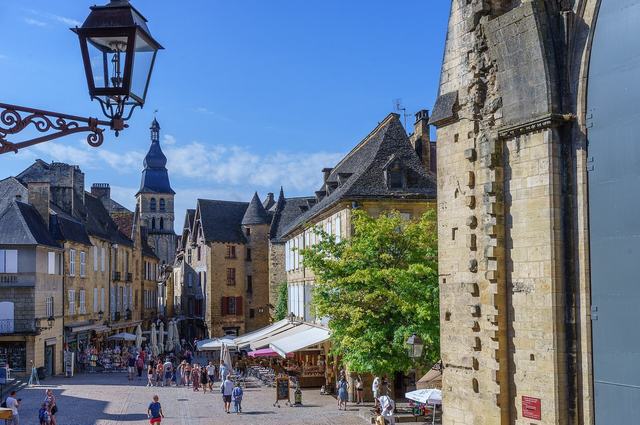
The town of Sarlat is a medieval town that reached its peak in the thirteenth century. The Carolingian abbey of Sarlat is the only one spared by the Vikings because it lay away from the Dordogne and its tributaries.
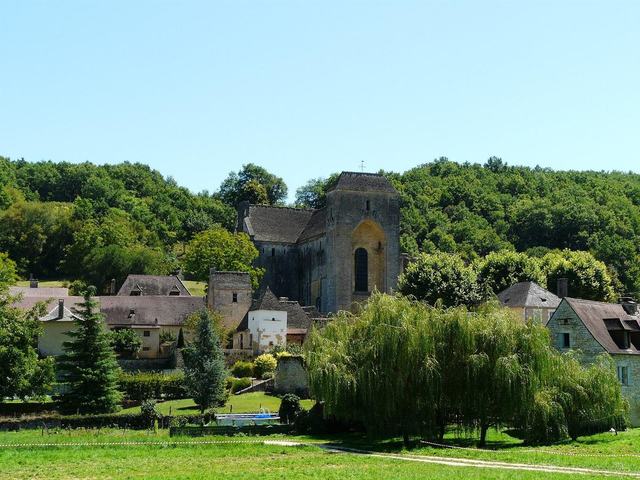
About twenty kilometres from Sarlat and a few steps from Lascaux, Saint-Amand-de-Coly has comfortably settled between two wooded valleys.