Waterfalls · Ardèche
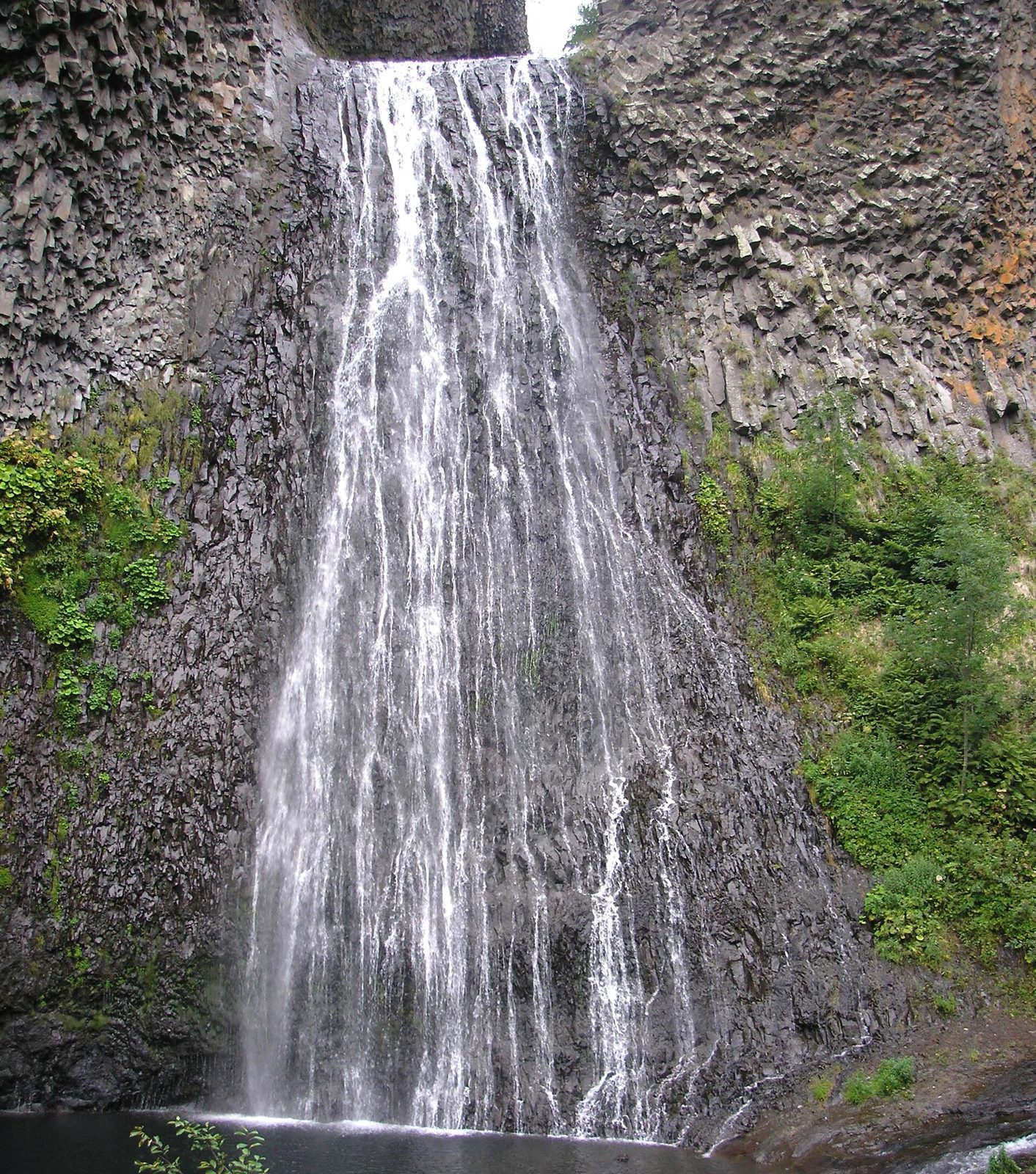
1 La cascade du Ray-Pic
It is a natural waterfall 35 m high, north of Burzet, whose wild look enchants nature lovers.
View full page →The Ardèche brings together, in a single département, deep gorges, hilltop stone villages, prehistoric caves and volcanic landscapes. Three days are enough to taste the essentials, provided you group your visits by area.
This itinerary is built from the pages in our catalogue: it picks the best-rated sites in the département and spreads them over three geographically coherent days. The roads are winding: allow more time than the map suggests.
The map shows the numbered stops in visiting order, with one colour per day. The line follows the roads where available; otherwise it joins the stops as the crow flies. Distances and times are approximate (by car, without traffic).
This day brings together 3 sites close to each other: waterfalls and castles. Allow half an hour to an hour and a half per site, plus travel time.
It is a natural waterfall 35 m high, north of Burzet, whose wild look enchants nature lovers.
View full page →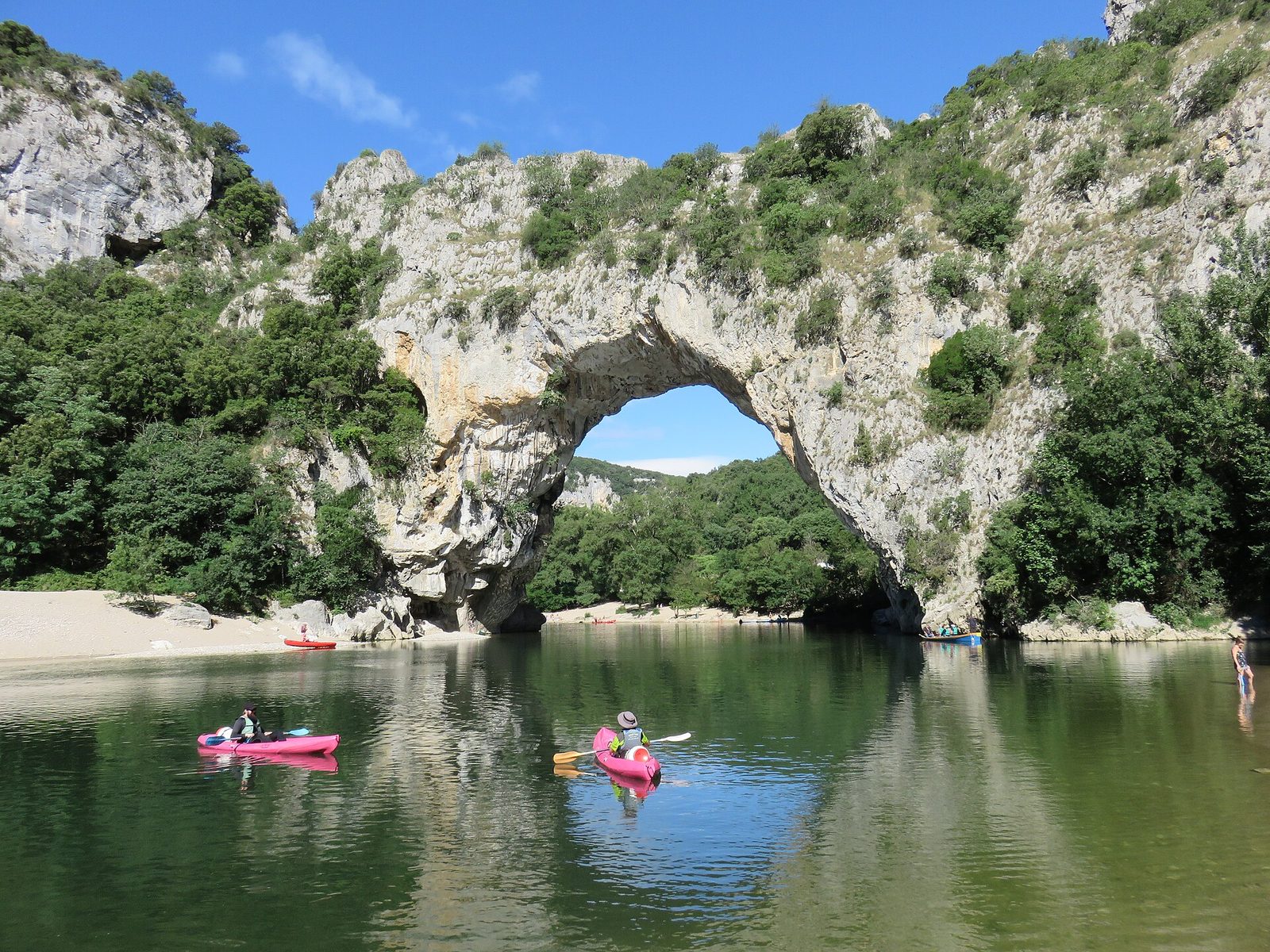
An oasis of relaxation in the Ardèche gorges. This exceptional site serves as a refuge for rare and sometimes very threatened fauna.
View full page →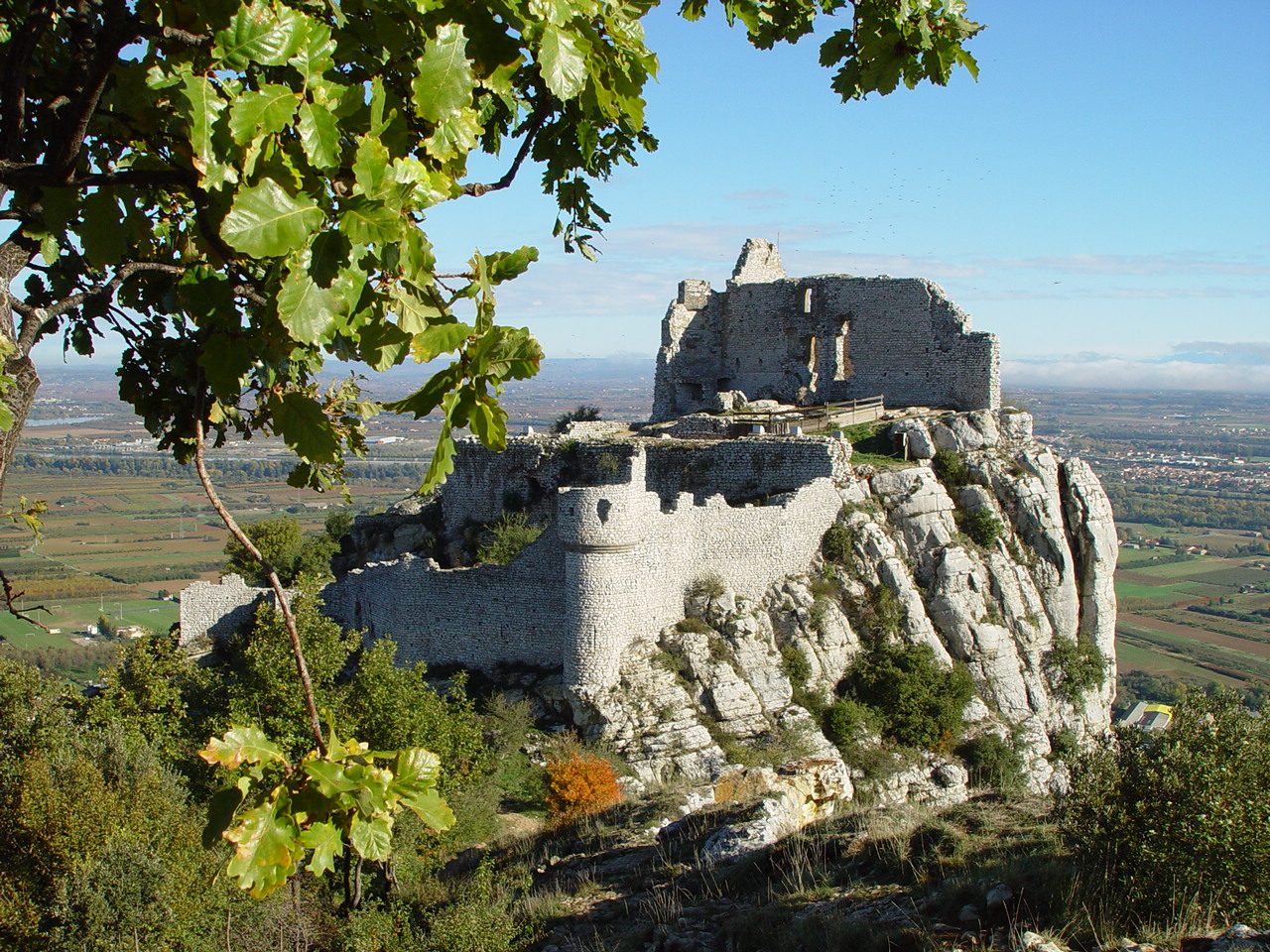
Even though it is rightly considered one of the high places of Ardèche heritage, the ruins of the Crussol fortress are above all linked to the Rhône valley and the Valence landscape.
View full page →This day brings together 3 sites close to each other: waterfalls, villages and caves. Allow half an hour to an hour and a half per site, plus travel time.
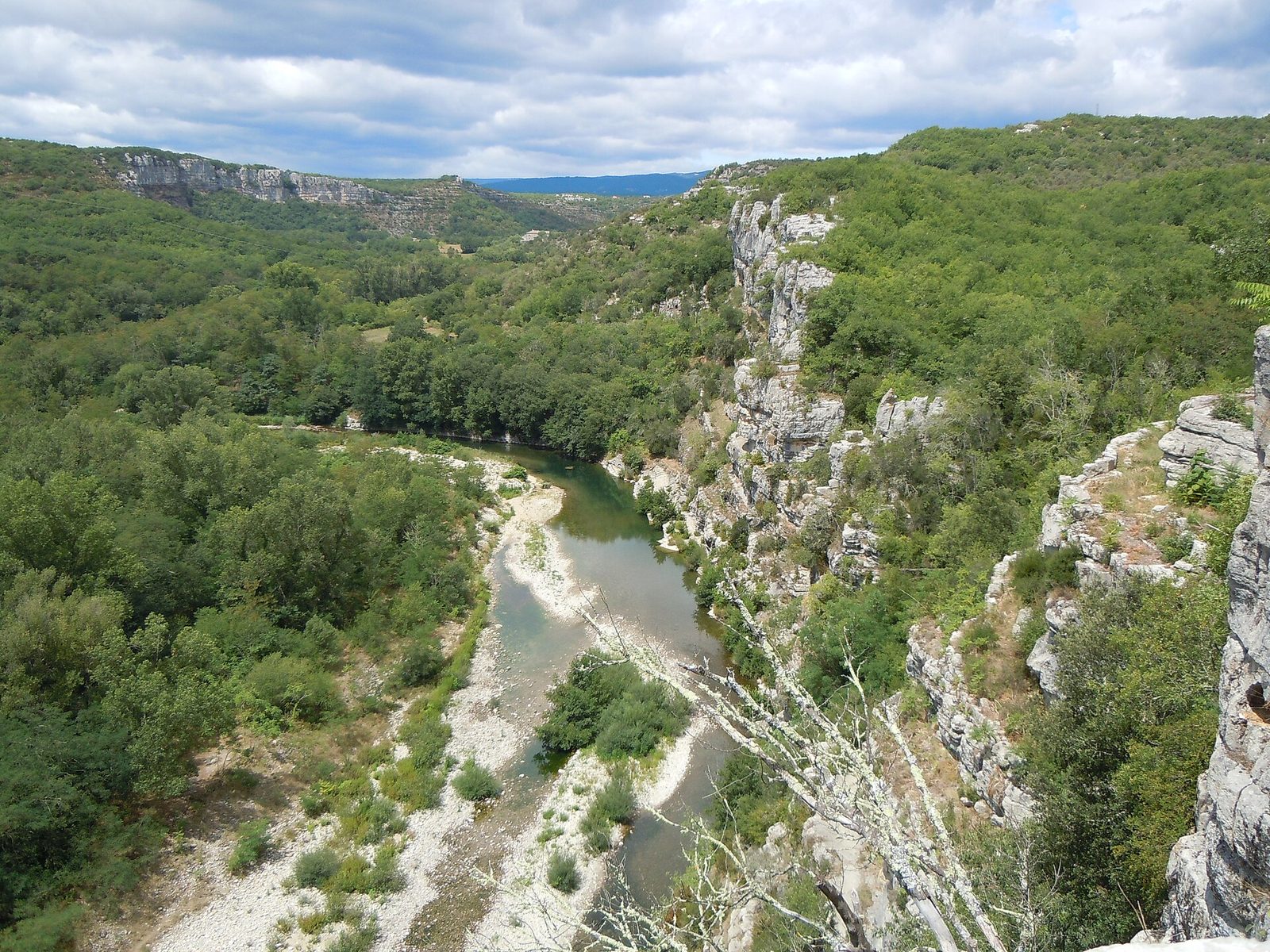
The entrance to the gorges is 6 km west of La Marette, at the place called Pied de Bœuf.
View full page →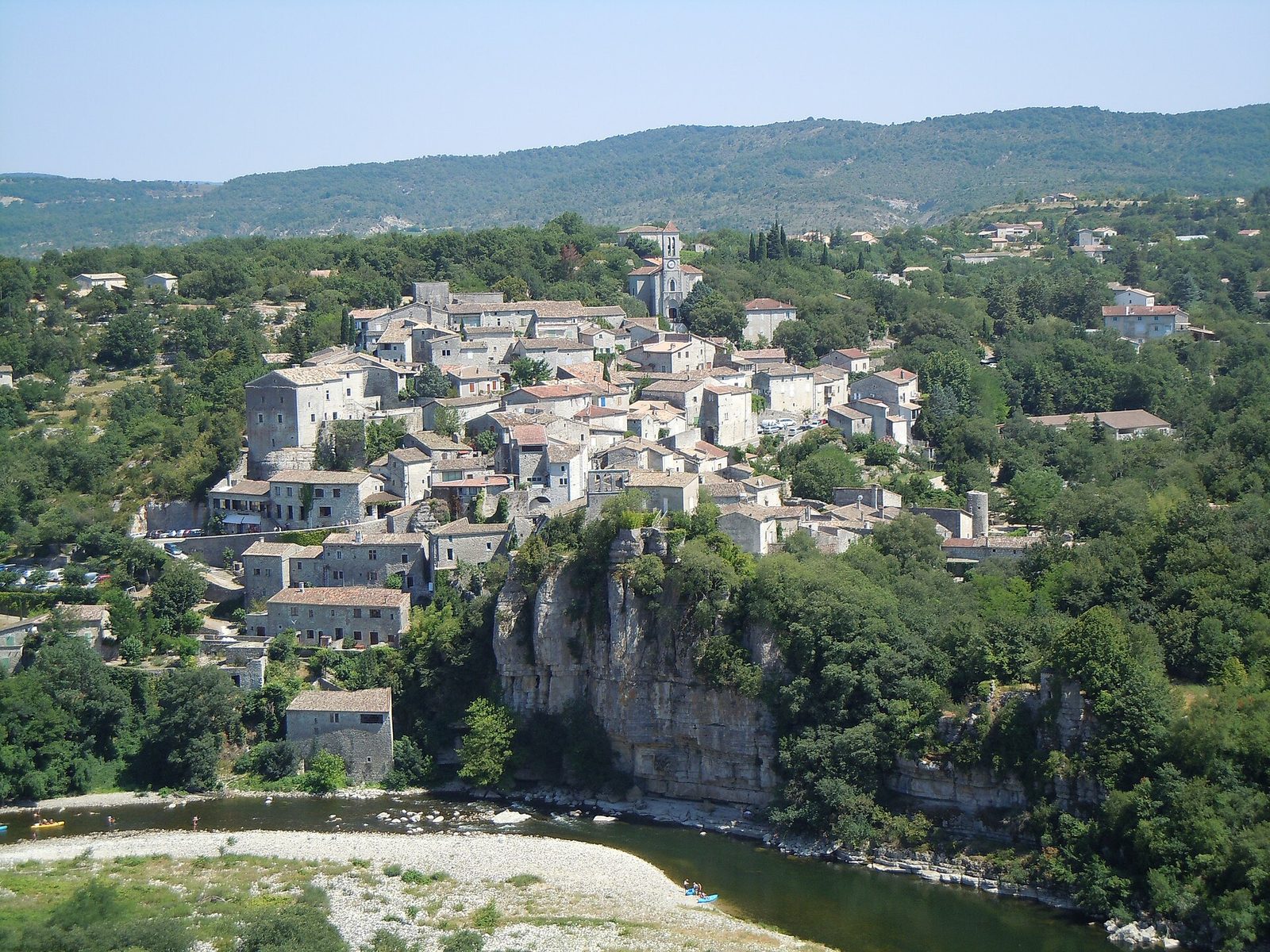
You have to get to the opposite bank of the Ardèche to have enough distance to see this superb village as a whole.
View full page →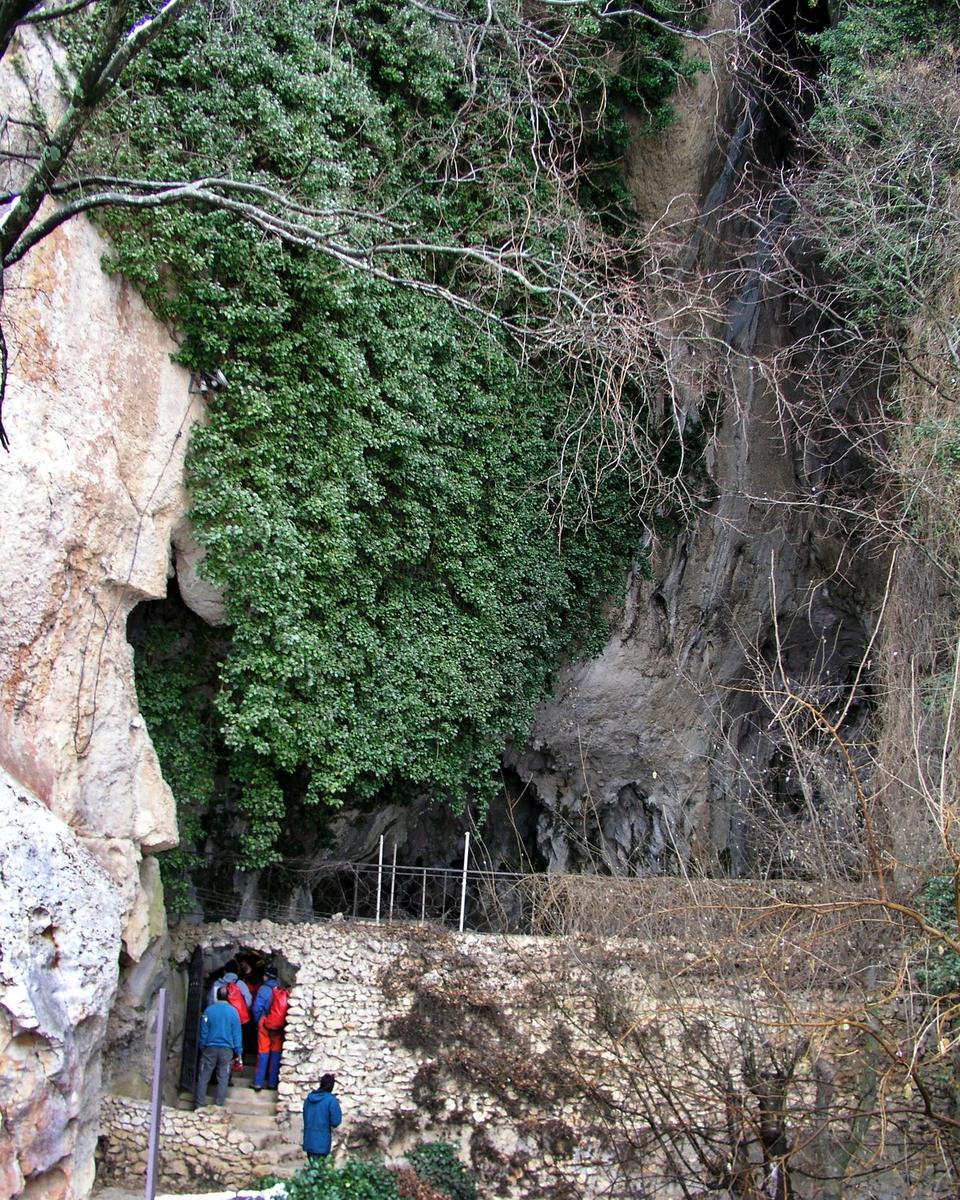
On the tourist road of the Ardèche Gorges, a 30 m pointed-arch porch shelters a speleological and prehistoric exhibition.
View full page →This day brings together 6 sites close to each other: caves, natural wonders and waterfalls. Allow half an hour to an hour and a half per site, plus travel time.
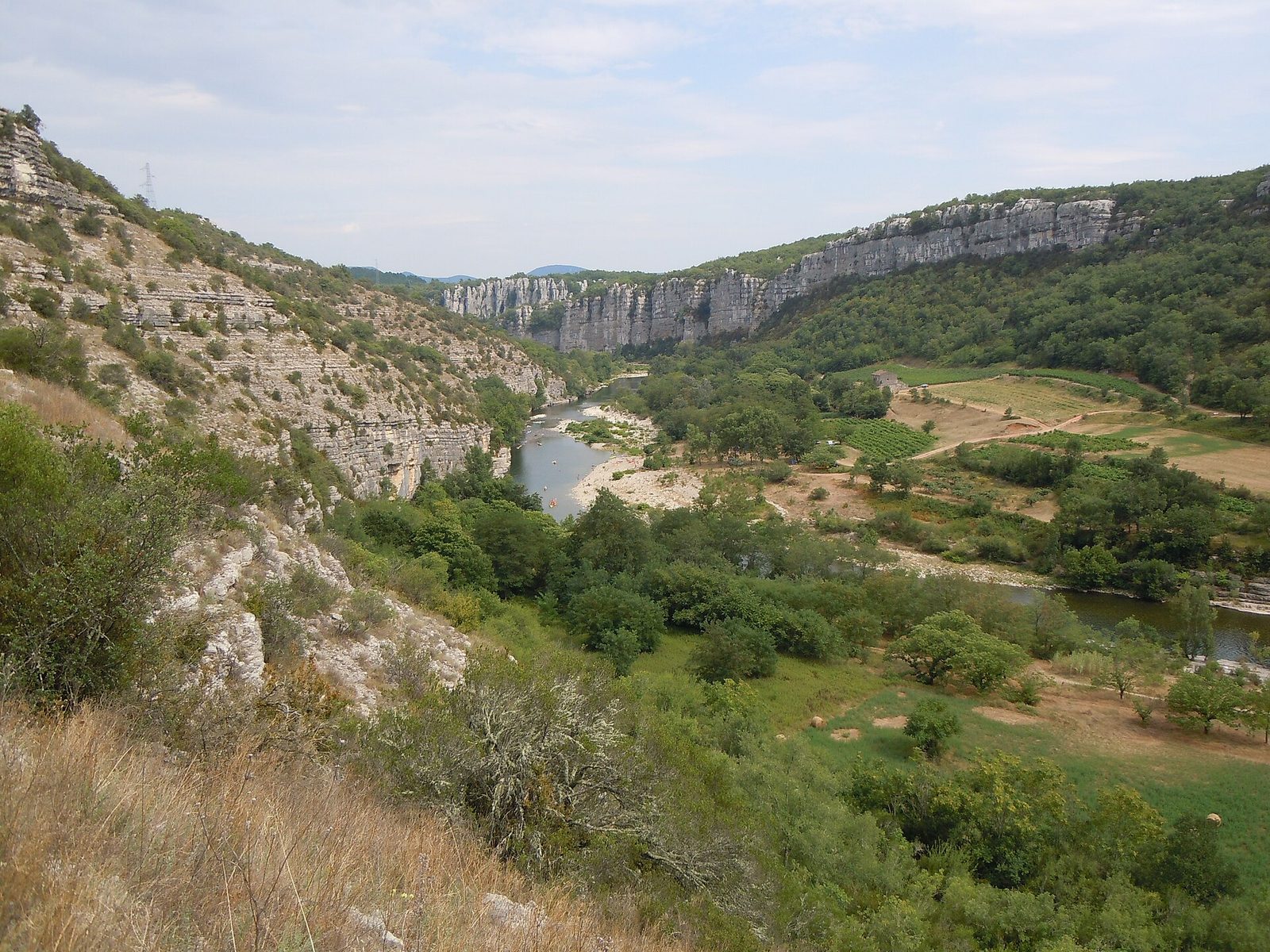
The Chassezac gorges form one of the most impressive canyons in the region. With about 400 metres of drop, its steep cliffs form a rampart between the Massif Central and the Cévennes.
View full page →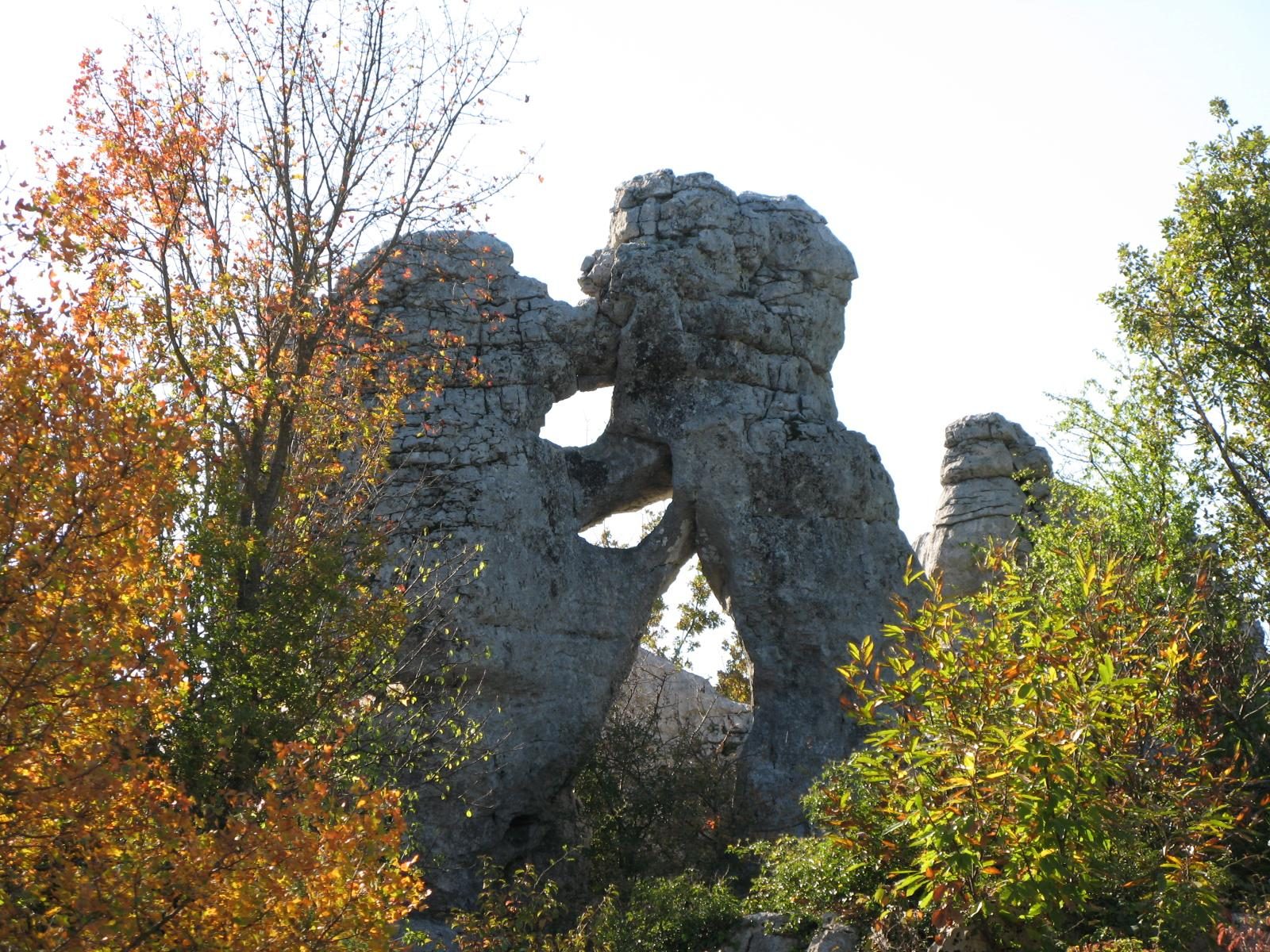
The Bois de Païolive (holm and downy oaks) is an aged private forest that therefore holds exceptional richness in insects, particularly beetles, for which entomologists and collectors travel from all over Europe.
View full page →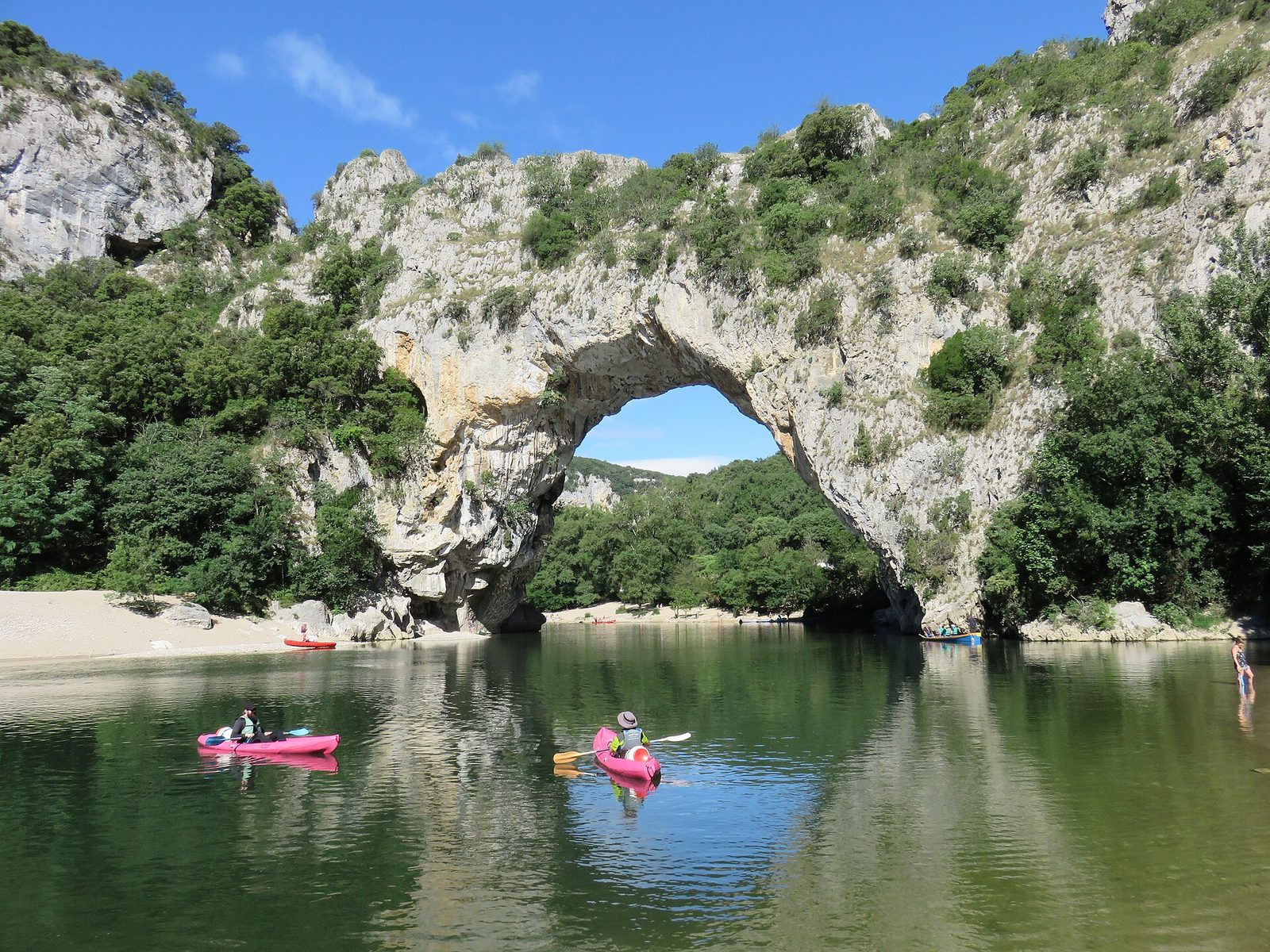
34 metres high and 59 metres wide at water level, the Pont d'Arc is a superb natural arch in the heart of the Ardèche, near Vallon-Pont-d'Arc.
View full page →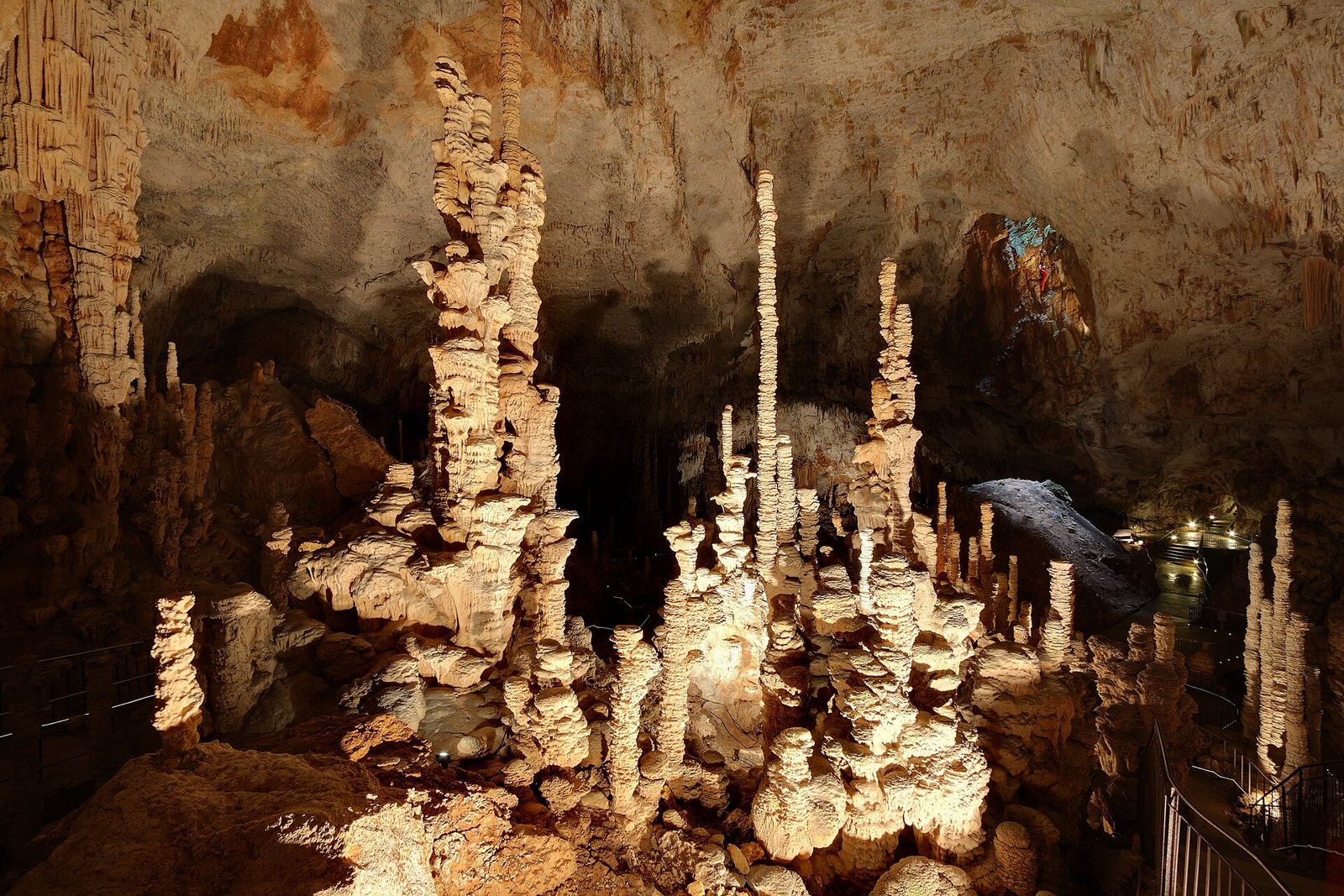
The Aven d'Orgnac, first of all: 30,000 m² of developed caves to visit down a staircase of nearly 800 steps that takes you 150 m underground, to discover a world of concretions, stalagmites and stalactites.
View full page →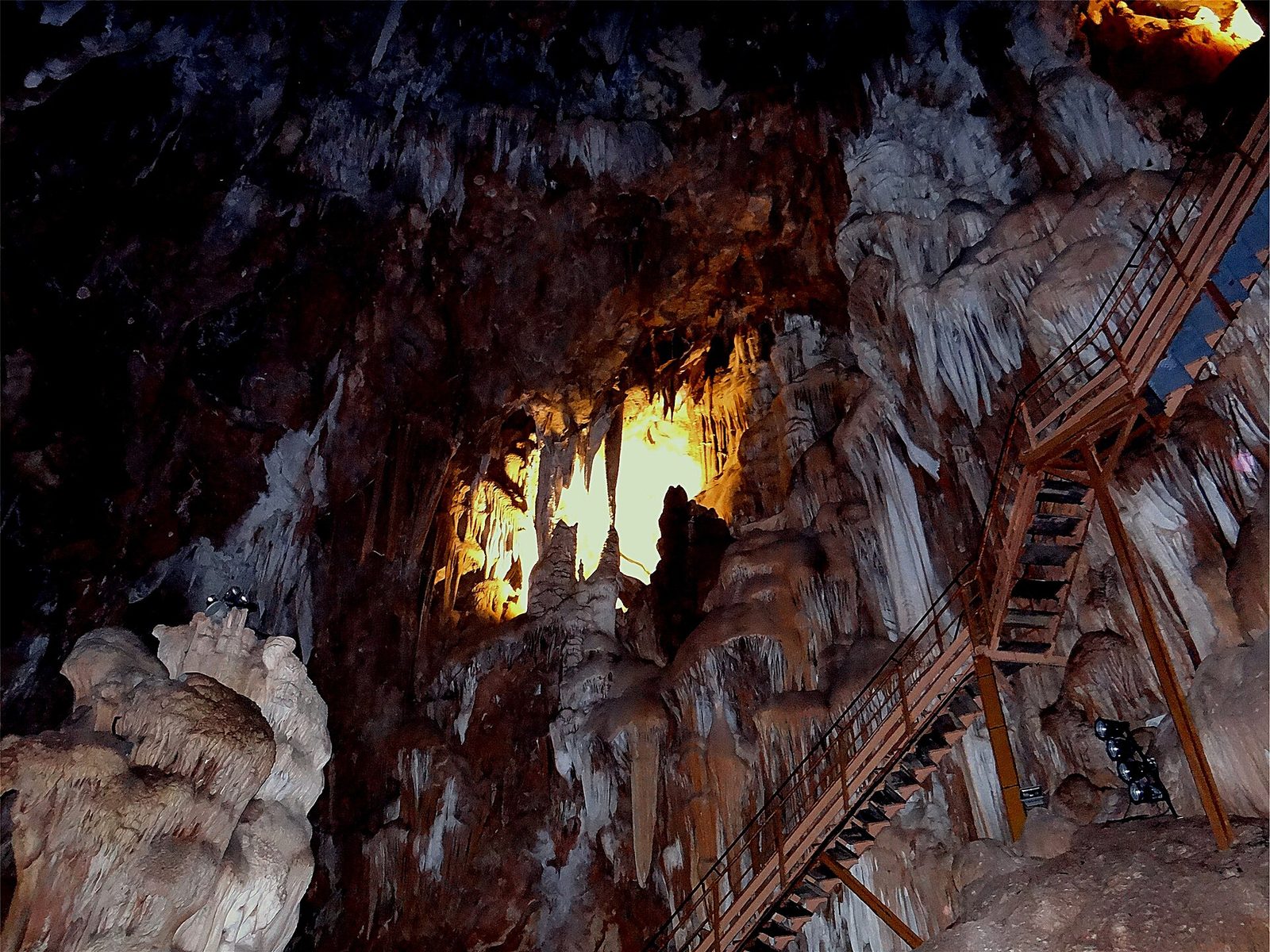
The Aven Grotte de Marzal was reported in 1892 by the master of speleology, E.A. Martel, as a natural wonder.
View full page →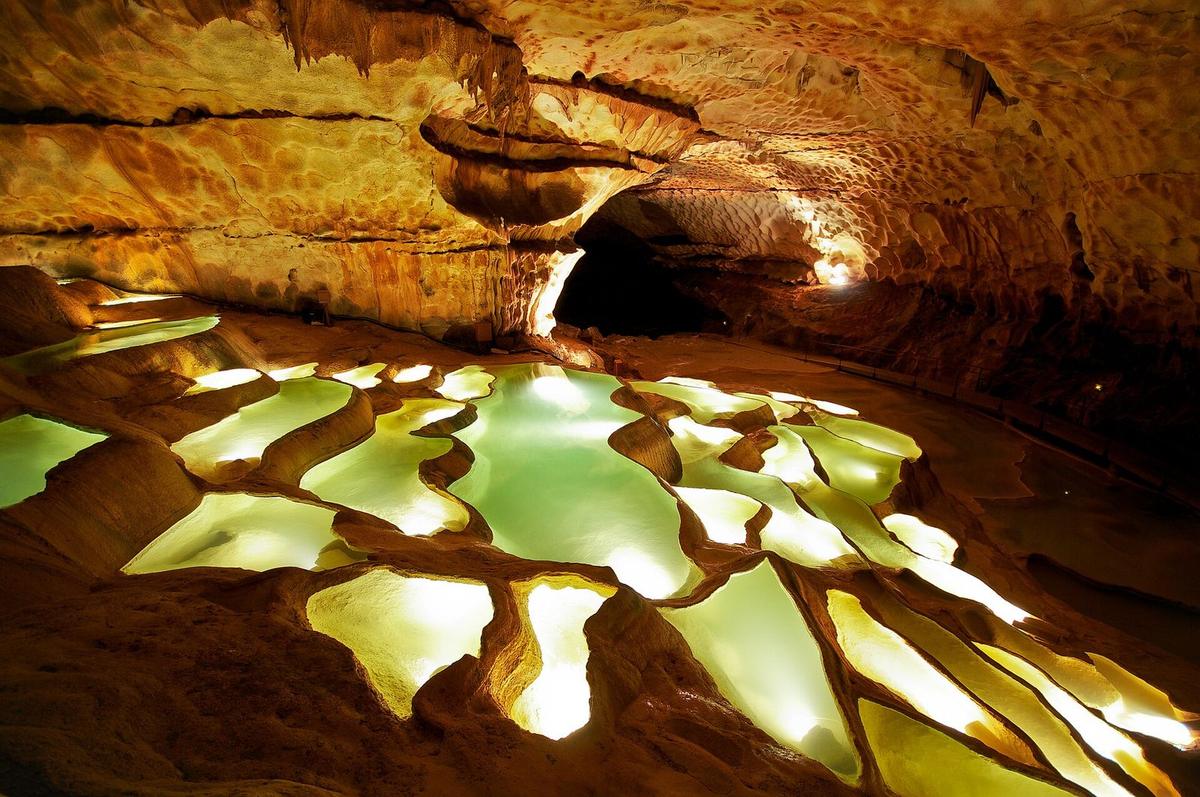
The access is on the edge of the tourist road of the Ardèche Gorges. Listed as national heritage since 1934.
View full page →Spring and early autumn are the most pleasant periods: temperatures are mild, roads quieter and the gorges can be explored without the summer heat. In July and August, the area around the Ardèche gorges and the Pont d'Arc is very busy, and it is hot. Some sites close or reduce their opening days in winter.
A car is essential to link the sites: public transport is limited and distances are lengthened by winding mountain roads. Allow more time than the map suggests, especially between valleys. The gorges can also be explored by canoe or kayak, by reservation.

Easily accessible to everyone since it has only 60 steps. In the cave you can see the zoo where live cave-dwelling animals are exhibited.
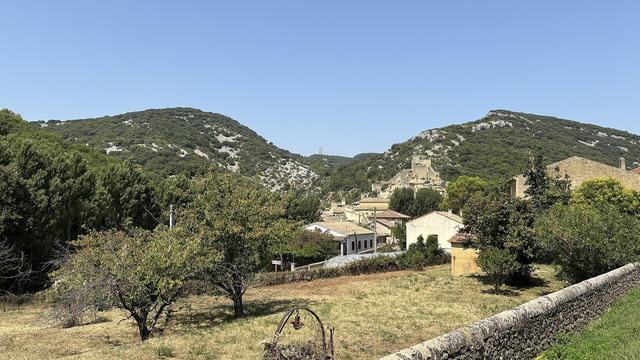
Medieval site from the 5th to the 15th centuries, comprising a very large fortified town, three Romanesque churches, two chapels, a priory and an immense fortress reputed impregnable.

In the heart of a natural site rated three stars in the Michelin guide and whose beauty has won over the most fervent lovers of wild nature, the Madeleine cave is one of the most surprising structures shaped by underground water.

At the southern exit of the village, the caves occupy the east face of the Serre de Guercy.
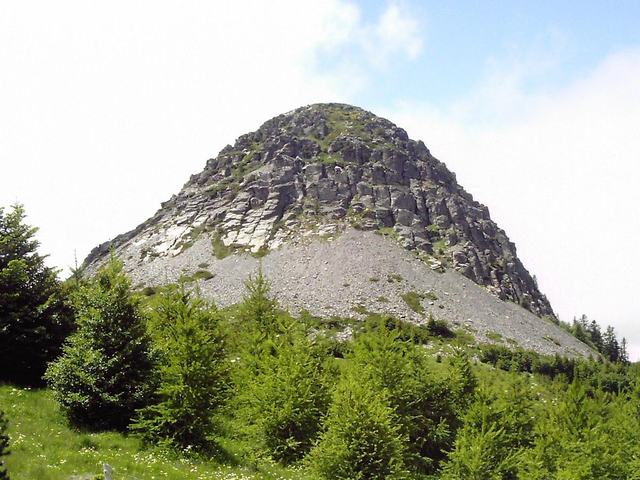
This conical volcanic suc shelters at its foot one of the symbolic sources of the Loire, the longest river in France.
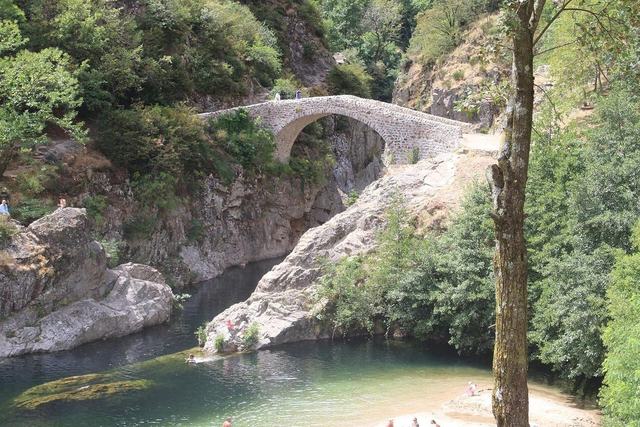
The Giant's Causeway: two faults in the cliff have been turned into staircases, the King's ladder and the Queen's ladder.