Our day-by-day itinerary
The map shows the numbered stops in visiting order, with one colour per day. The line follows the roads where available; otherwise it joins the stops as the crow flies. Distances and times are approximate (by car, without traffic).
Day 1 — Séguret to Les Gorges du Toulourenc
This day brings together 3 sites close to each other: villages and natural wonders. Allow half an hour to an hour and a half per site, plus travel time.
Driving for the day: about 28.2 km, or 42 min behind the wheel in total (excluding visits).

Villages · Vaucluse
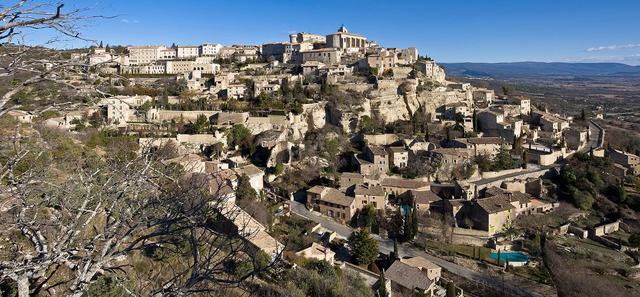
Foremost among Séguret's charms shine the Clock Tower topped by a caged bell, the fine Reynier gate, the fifteenth-century belfry, the twelfth- and thirteenth-century Romanesque church of Saint-Denis, the chapel of Notre-Dame-des-Grâces and the seventeenth-century Mascarons fountain, in Baroque style.
View full page →
↓ 9.9 km · about 15 min by car to the next stop

Villages · Vaucluse
Between the Rhône valley and Mont Ventoux, Vaison is very close to the Dentelles de Montmirail, in hill country scented with vines and olive trees.
View full page →
↓ 18.3 km · about 27 min by car to the next stop
Natural wonders · Vaucluse
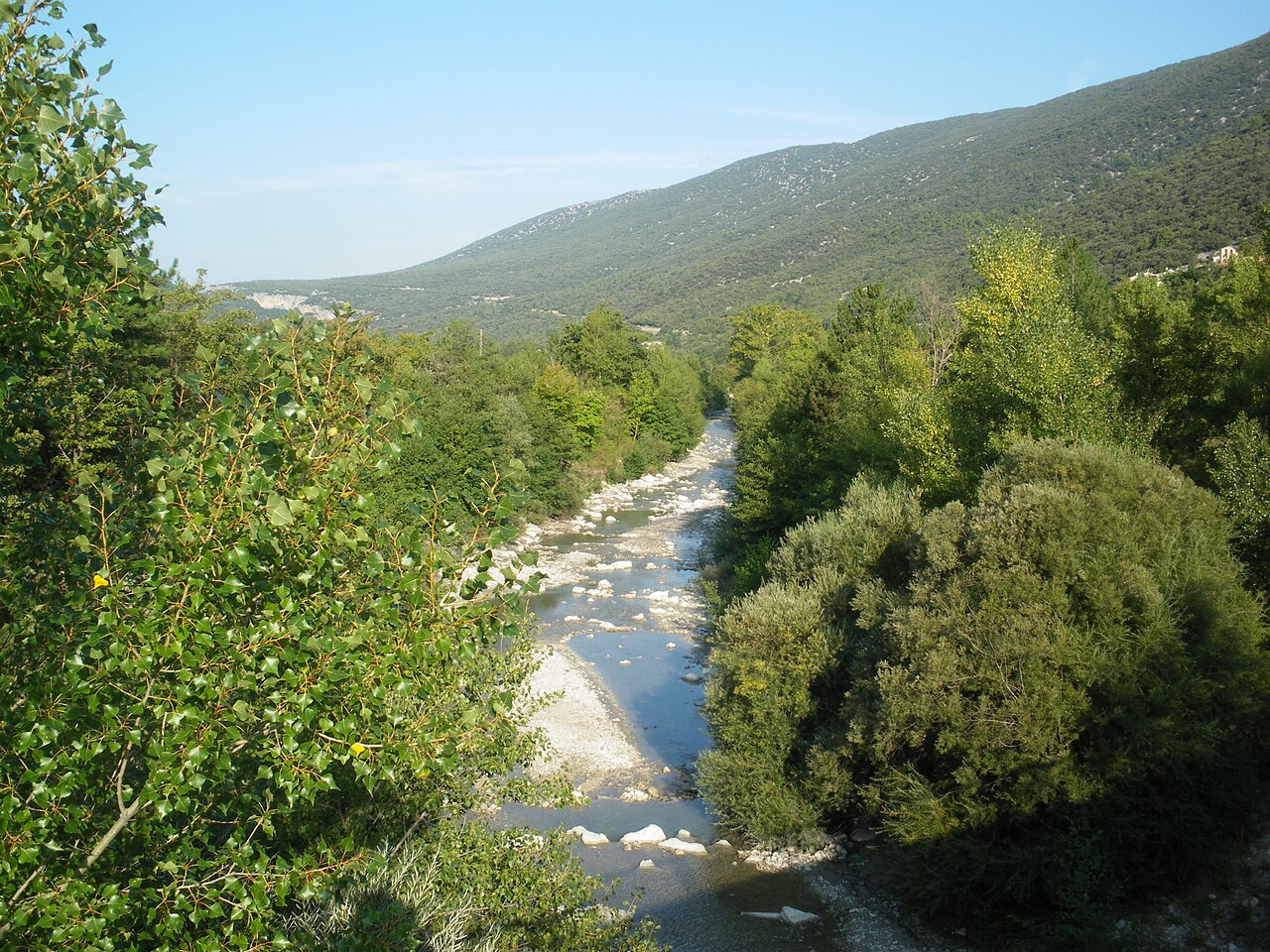
The Toulourenc gorges offer a short family walk with your feet in the water. This small river, fed by Mont Ventoux, flows for 30 km in a narrow valley.
View full page →
Day 2 — Théâtre antique d'Orange to Grotte de Thouzon
This day brings together 3 sites close to each other: monuments, castles and caves. Allow half an hour to an hour and a half per site, plus travel time.
Driving for the day: about 58.0 km, or 1 h 02 behind the wheel in total (excluding visits).
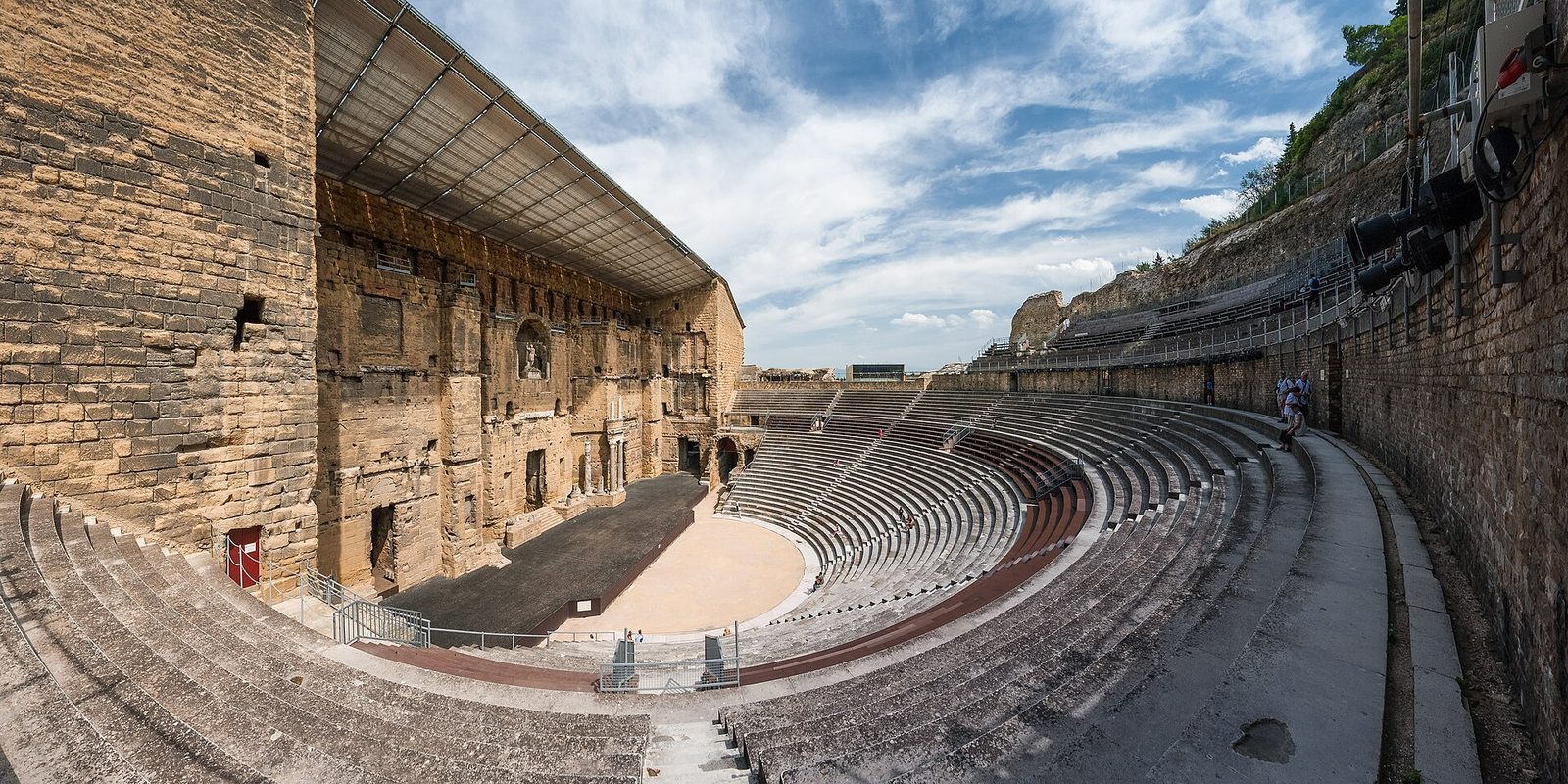
Monuments · Vaucluse
Located in Provence, the Ancient Theatre of Orange is the best-preserved Roman theatre in the West, listed as a UNESCO World Heritage site.
View full page →
↓ 32.9 km · about 32 min by car to the next stop
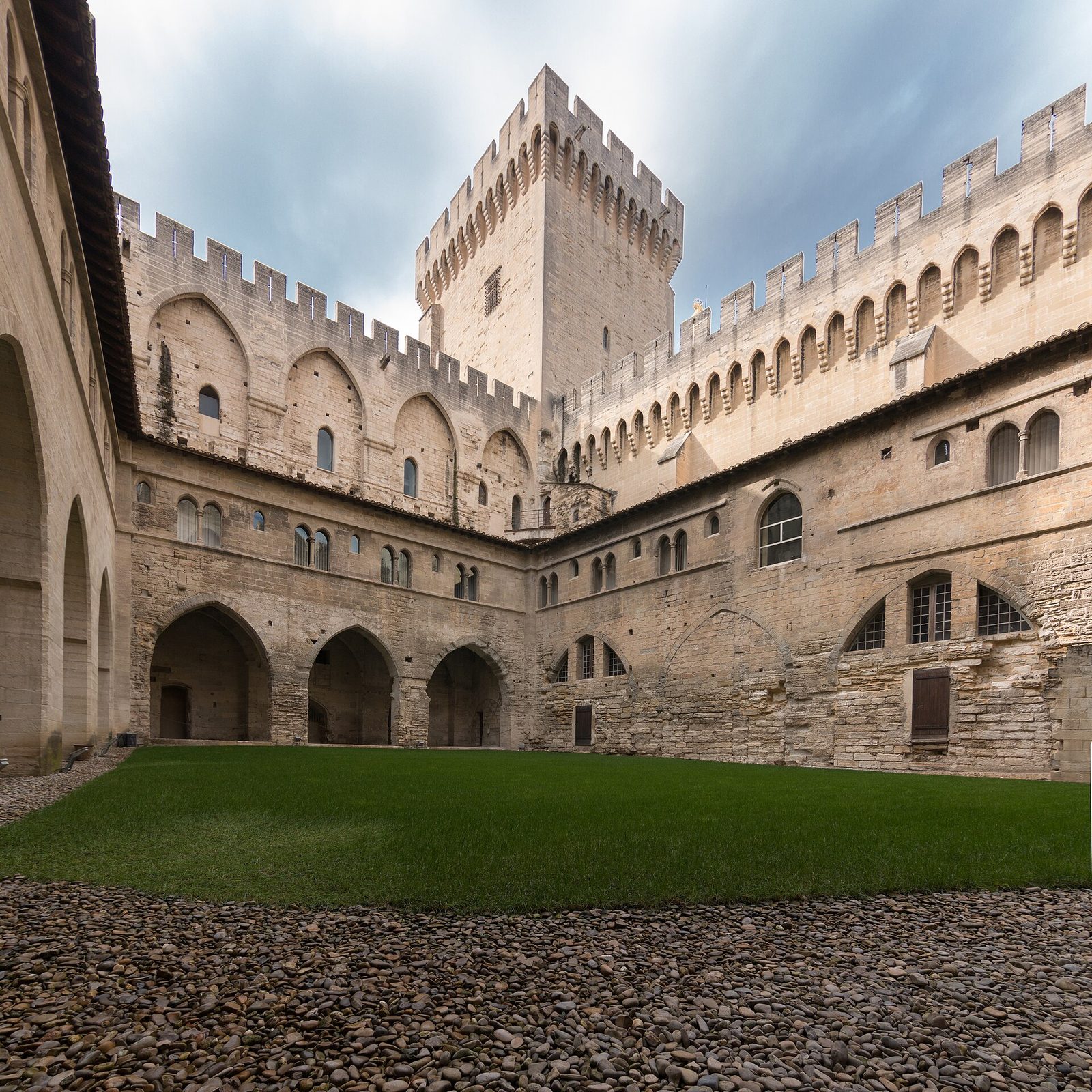
Castles · Vaucluse
The Palace of the Popes is the symbol of the Church's influence over Christian Europe in the fourteenth century.
View full page →
↓ 25.1 km · about 30 min by car to the next stop
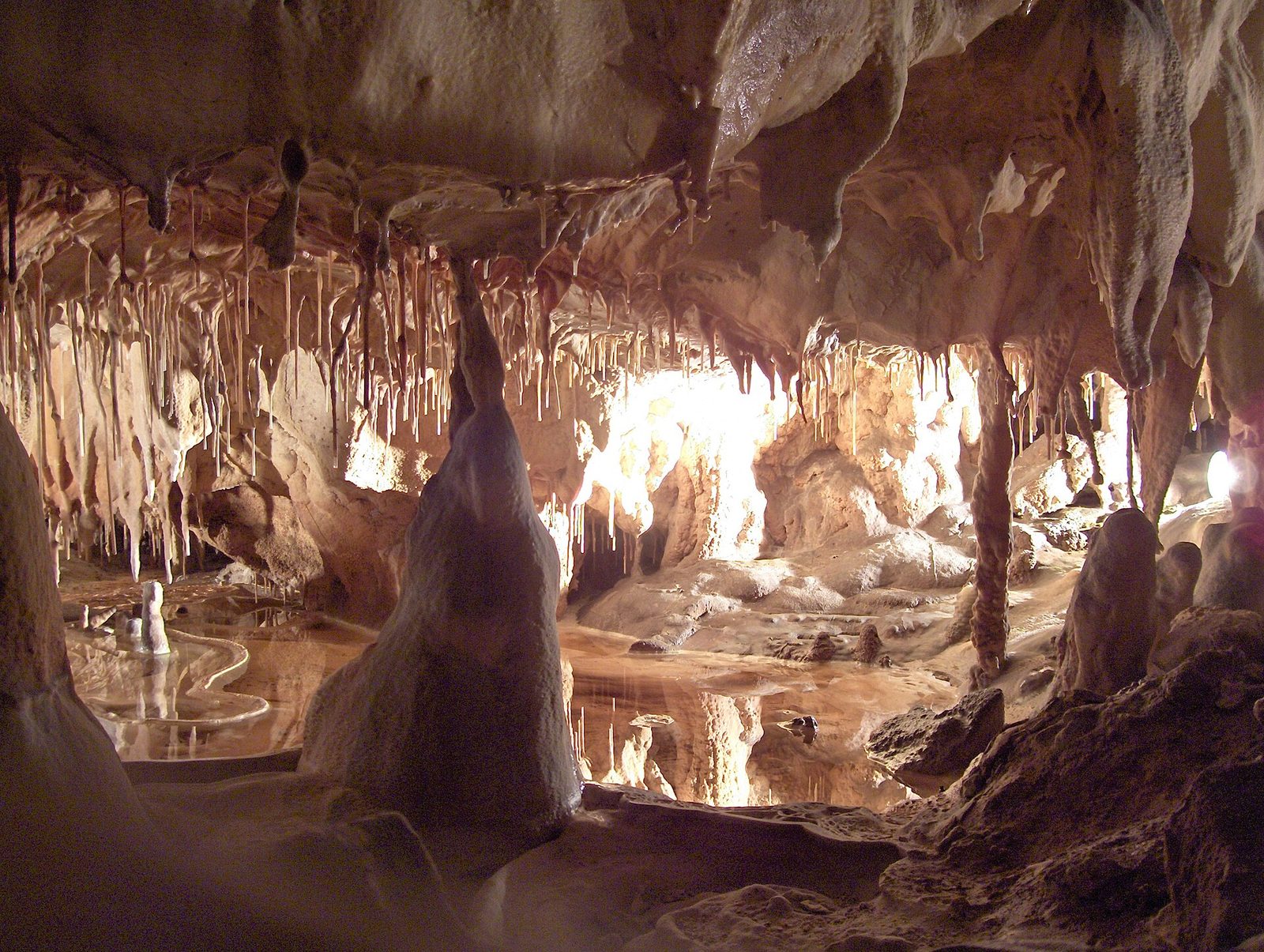
Caves · Vaucluse
The Thouzon cave was discovered on 23 January 1902. It is the only natural cavern developed for tourism in the Vaucluse département.
View full page →
Day 3 — Fontaine de Vaucluse to Les gorges du Régalon
This day brings together 6 sites close to each other: natural wonders, villages and museums. It passes through Rustrel. Allow half an hour to an hour and a half per site, plus travel time.
Driving for the day: about 114.0 km, or 2 h 30 behind the wheel in total (excluding visits).
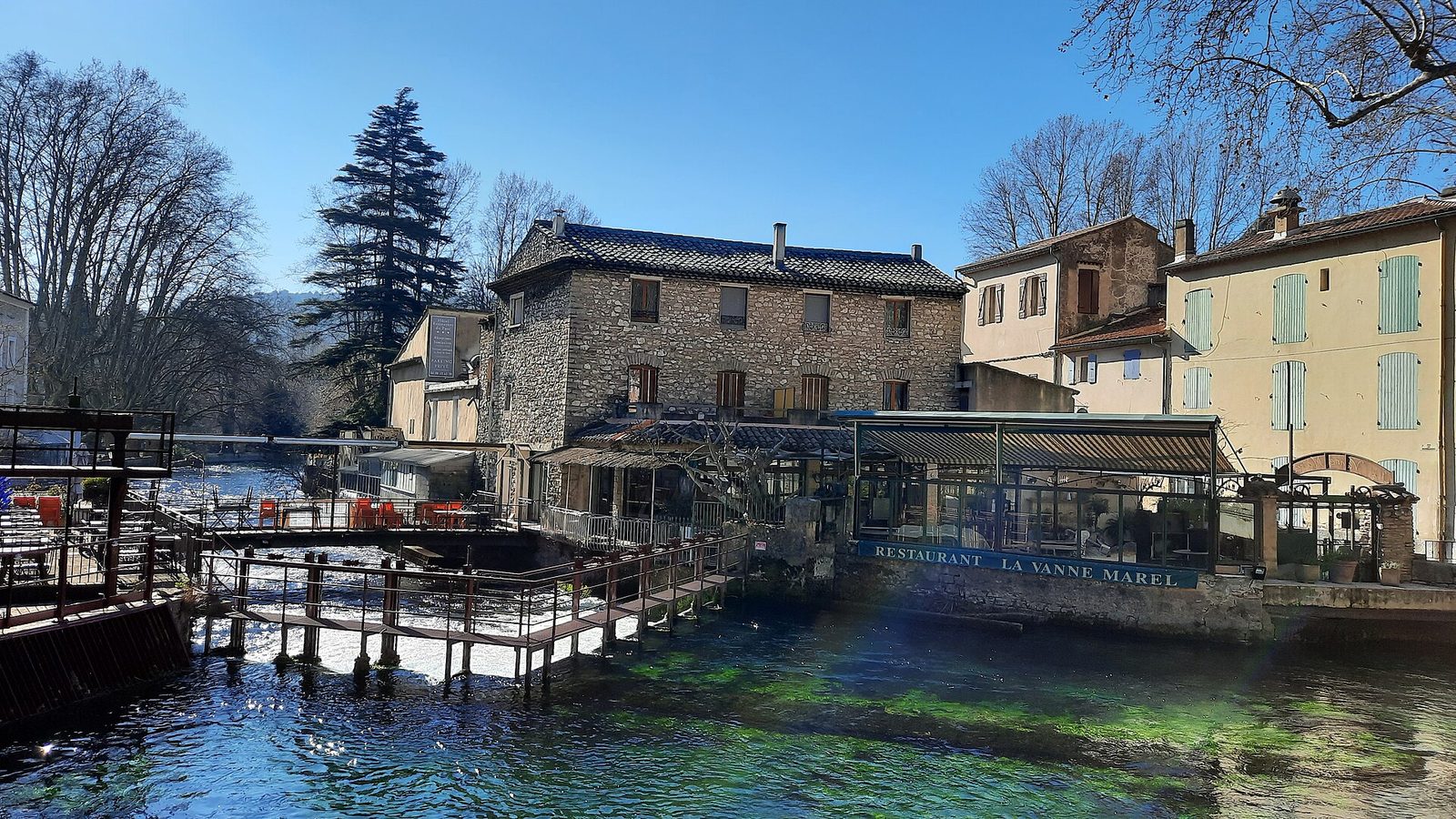
Natural wonders · Vaucluse
The emerald-green spring is ranked among the most important emergences in the world.
View full page →
↓ 27.7 km · about 41 min by car to the next stop
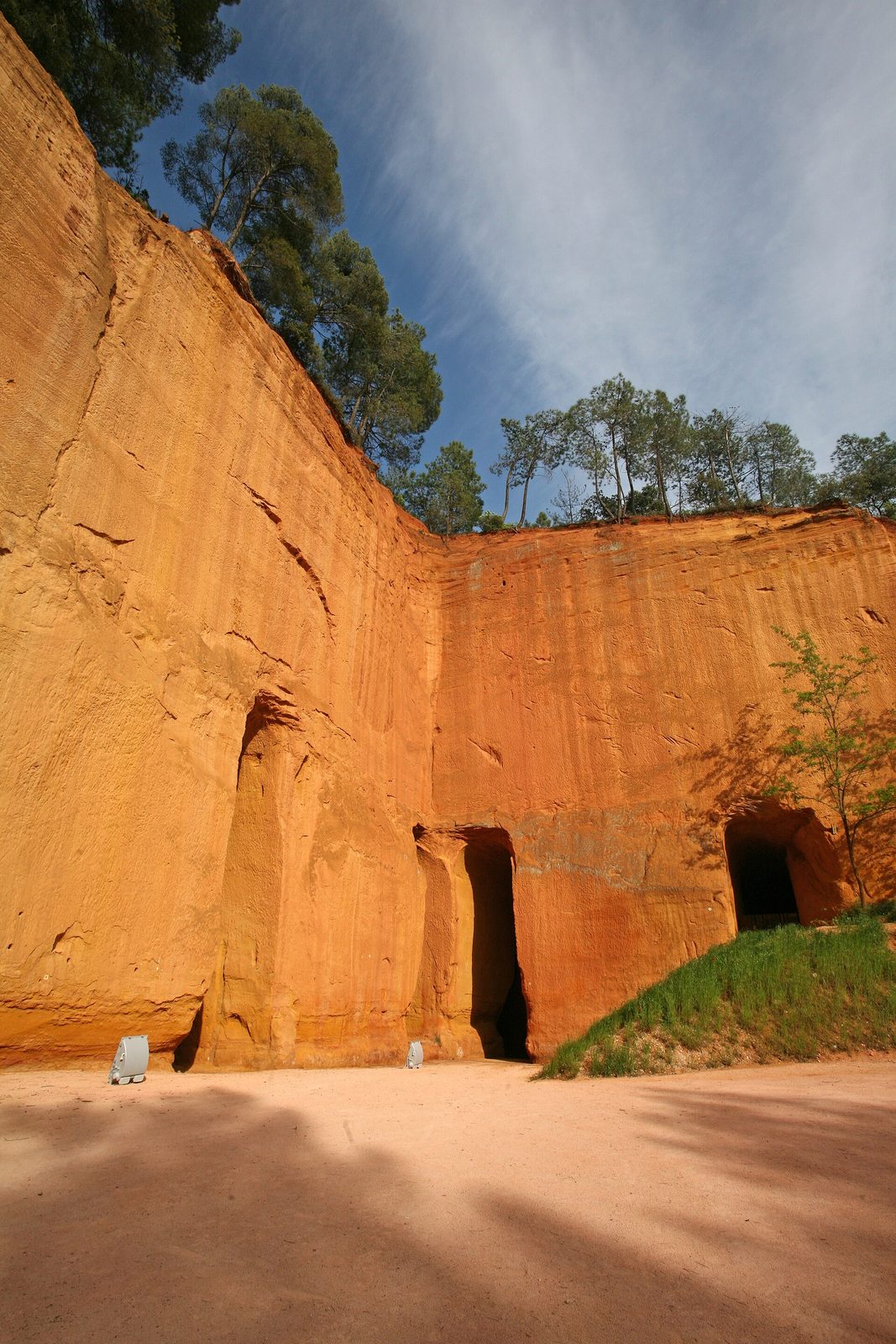
Museums · Vaucluse
The Bruoux ochre mines are in the commune of Gargas.
View full page →
↓ 16.5 km · about 21 min by car to the next stop
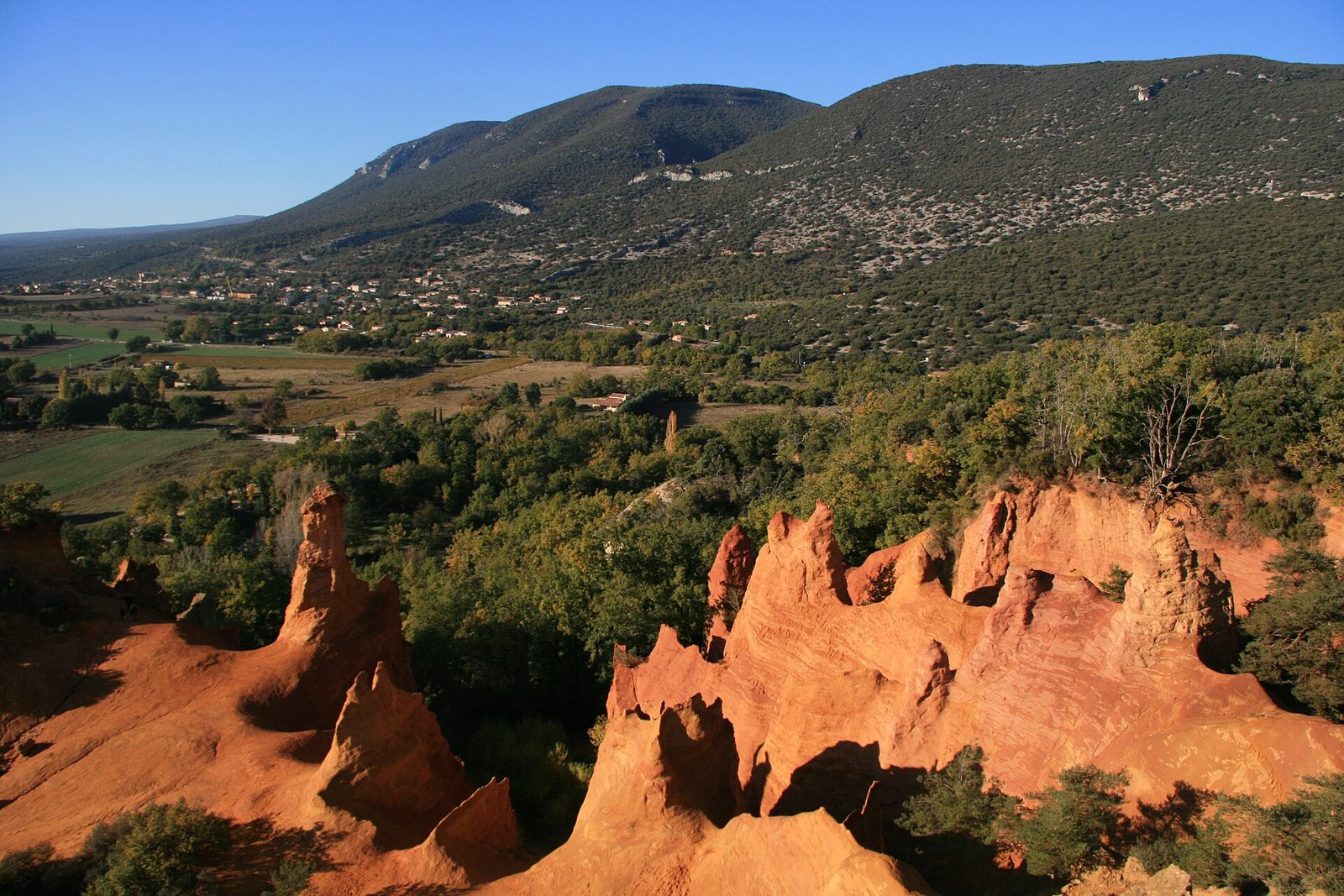
Natural wonders · Rustrel
Former open-air ochre quarries, worked until 1992, forming a landscape of blazing colours reminiscent of American canyons.
View full page →
↓ 30.5 km · about 37 min by car to the next stop
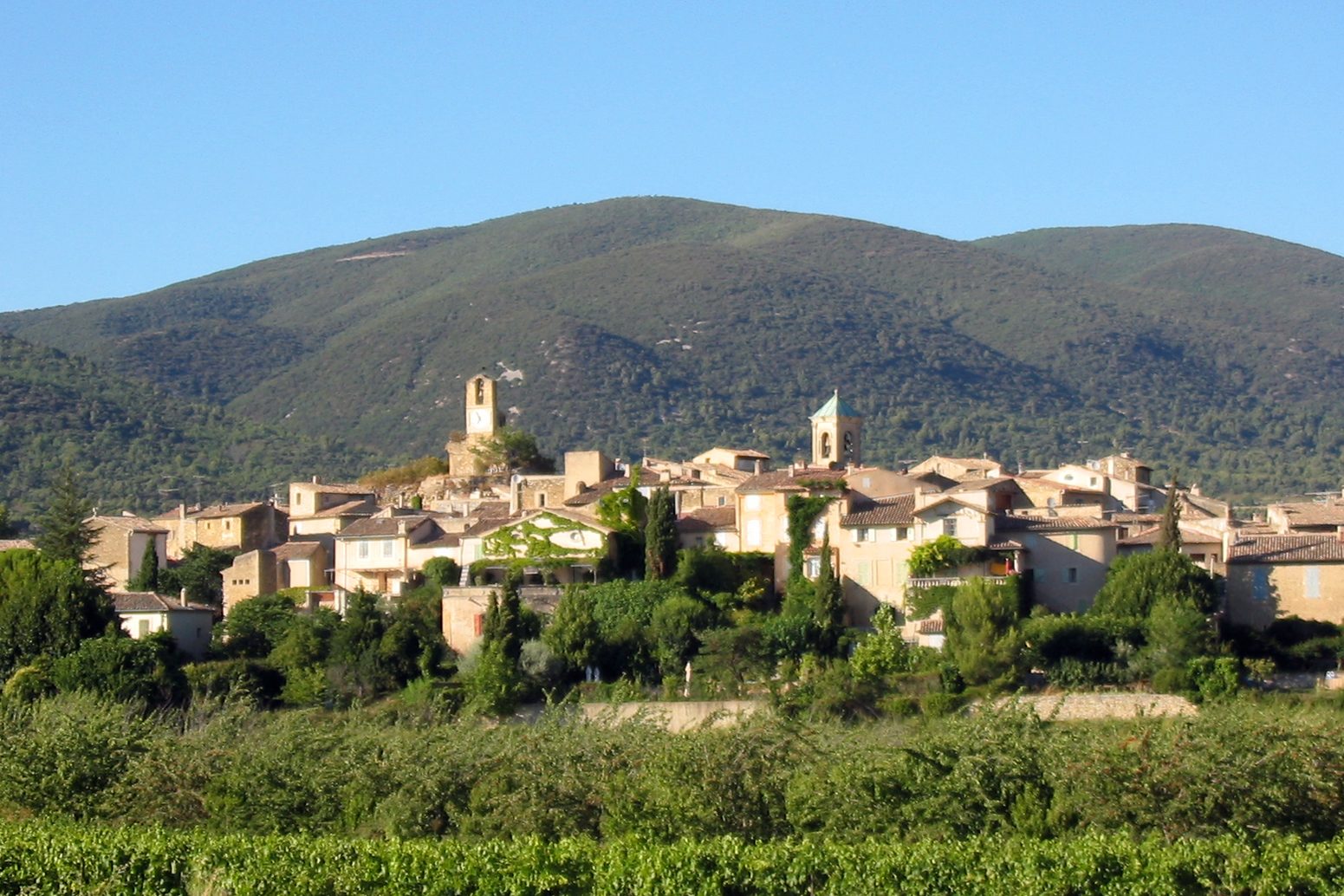
Villages · Vaucluse
It was in the sixteenth century that the inhabitants of the Protestant village were massacred by Maynier d'Oppède.
View full page →
↓ 10.9 km · about 16 min by car to the next stop

Villages · Vaucluse
In the Middle Ages, Ansouis occupied an ideal position to control the road between Aix-en-Provence and Apt.
View full page →
↓ 28.4 km · about 35 min by car to the next stop
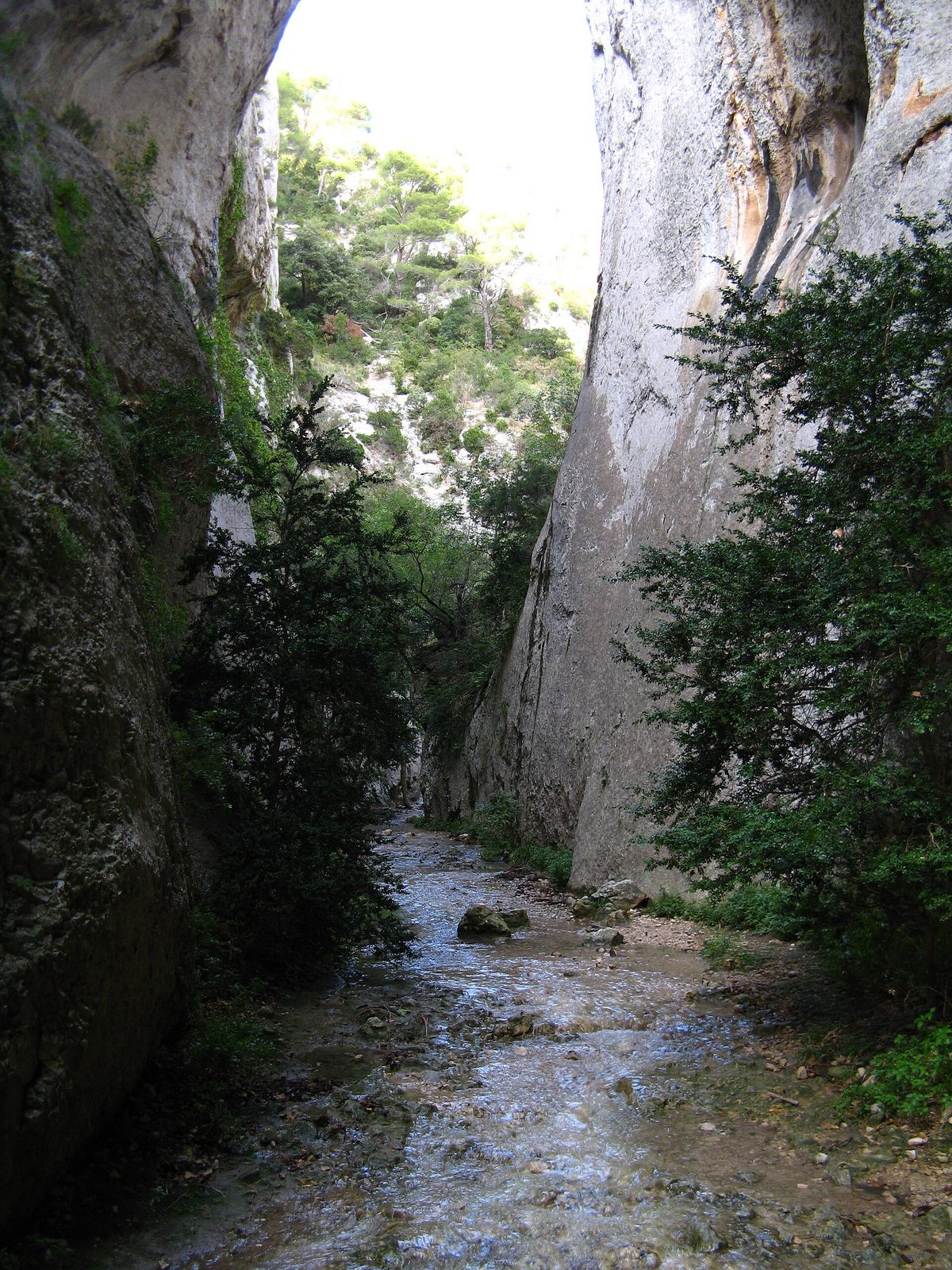
Natural wonders · Vaucluse
Near Cavaillon, in the commune of Cheval-Blanc, at the place called "La Tuillère", the Régalon Gorges open.
View full page →
When to go
Spring and early autumn are ideal for villages, vineyards and hikes. In summer it is hot and the best-known villages are very busy, especially in the middle of the day. The mistral can blow hard at certain times of year, which changes the mood of the landscape.
Getting around
A car is the most practical way to travel between the villages, which are close to each other. Roads are narrow near the hilltop villages, and parking can be difficult in high season. Bikes are a good alternative for short rides, outside the hottest hours.
Our tips
- Start early in the morning or in the late afternoon for the best-known villages.
- Bring water, a hat and sun cream for walks.
- Check the market days of the villages: it is a good time to visit.
- Respect private property and fields, especially lavender, which are not free photo locations.
If you have more time
More itineraries