Caves · Lot
1 Gouffre de Padirac
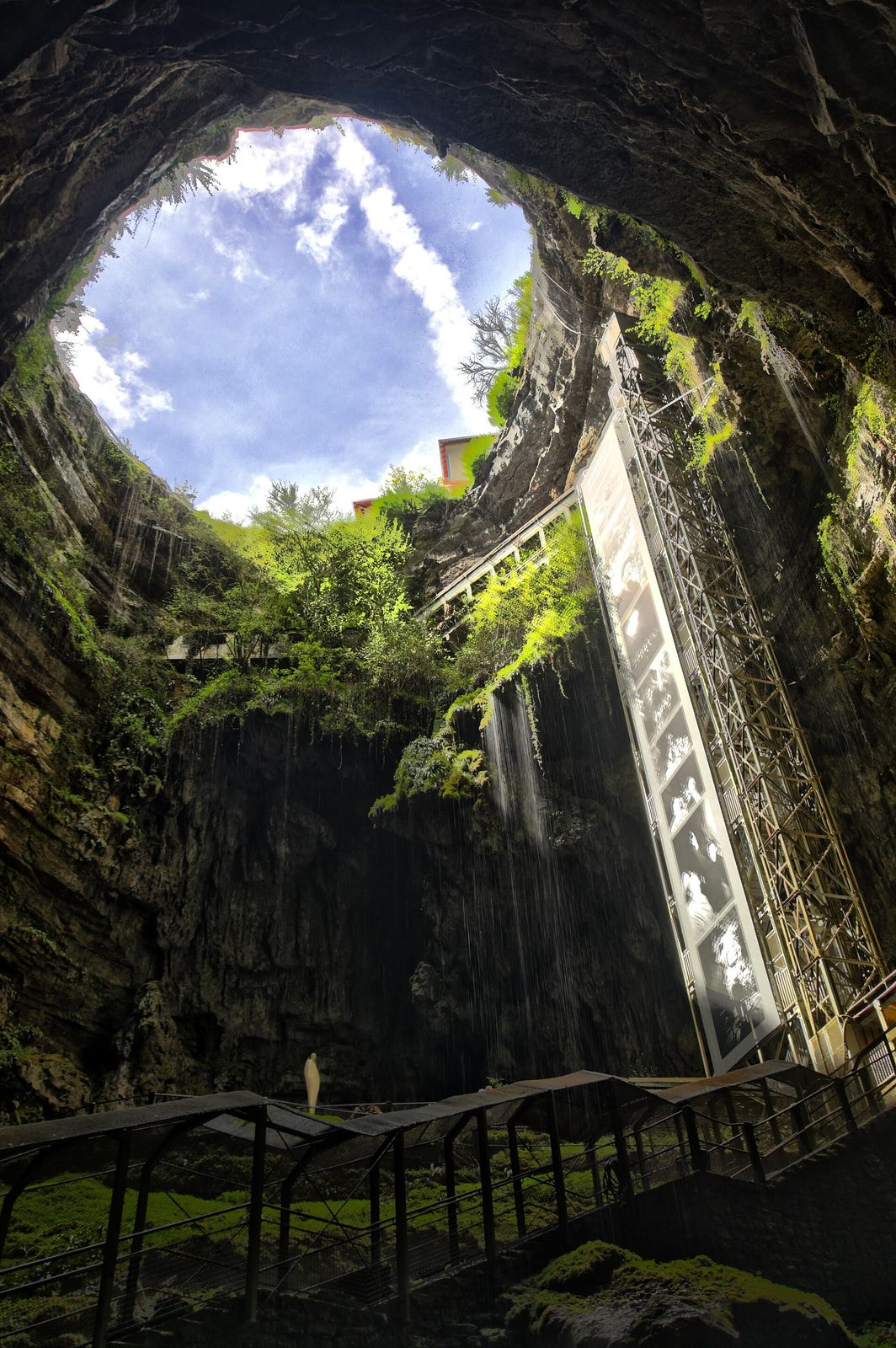
The Padirac chasm is a natural cavity 75 m deep that opens in the surface of the Causse de Gramat in the Lot, beneath which, at 103 m, flows an underground river.
View full page →The Lot is a département of limestone plateaux, deep valleys and stone villages, with very well-known sites such as Rocamadour, Saint-Cirq-Lapopie and the Padirac chasm. Distances are reasonable, but roads are winding.
This itinerary groups the best-rated sites in the catalogue into three geographically coherent days, so you can enjoy the landscapes between visits.
The map shows the numbered stops in visiting order, with one colour per day. The line follows the roads where available; otherwise it joins the stops as the crow flies. Distances and times are approximate (by car, without traffic).
This day brings together 4 sites close to each other: caves, waterfalls and castles. It passes through Figeac. Allow half an hour to an hour and a half per site, plus travel time.
The Padirac chasm is a natural cavity 75 m deep that opens in the surface of the Causse de Gramat in the Lot, beneath which, at 103 m, flows an underground river.
View full page →
The Autoire waterfall tumbles from the top of the cliffs of a remarkable rocky cirque with lush vegetation.
View full page →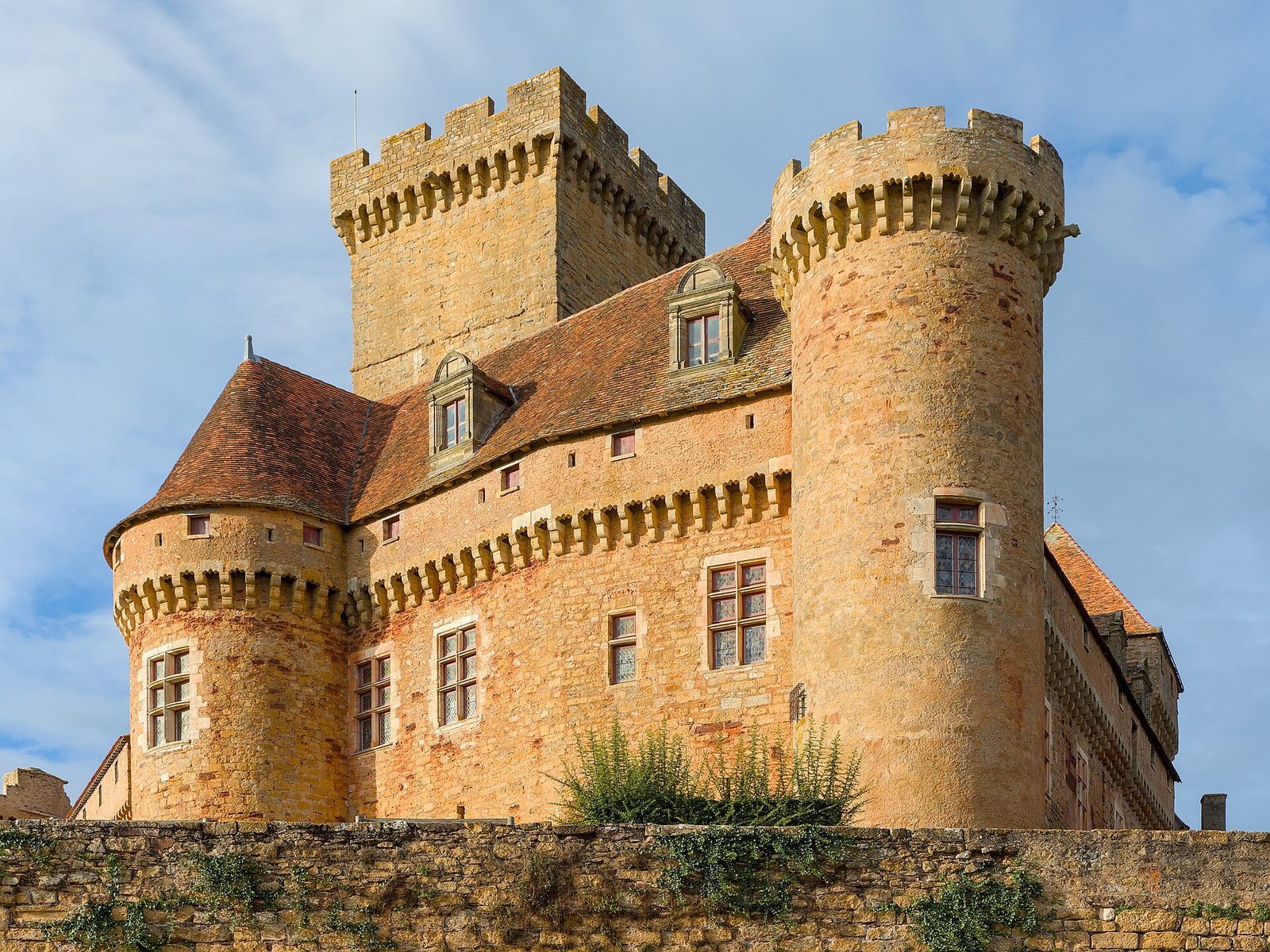
Castelnau-Bretenoux, the most imposing medieval fortress in the Quercy, is open to the public through the Centre des monuments nationaux.
View full page →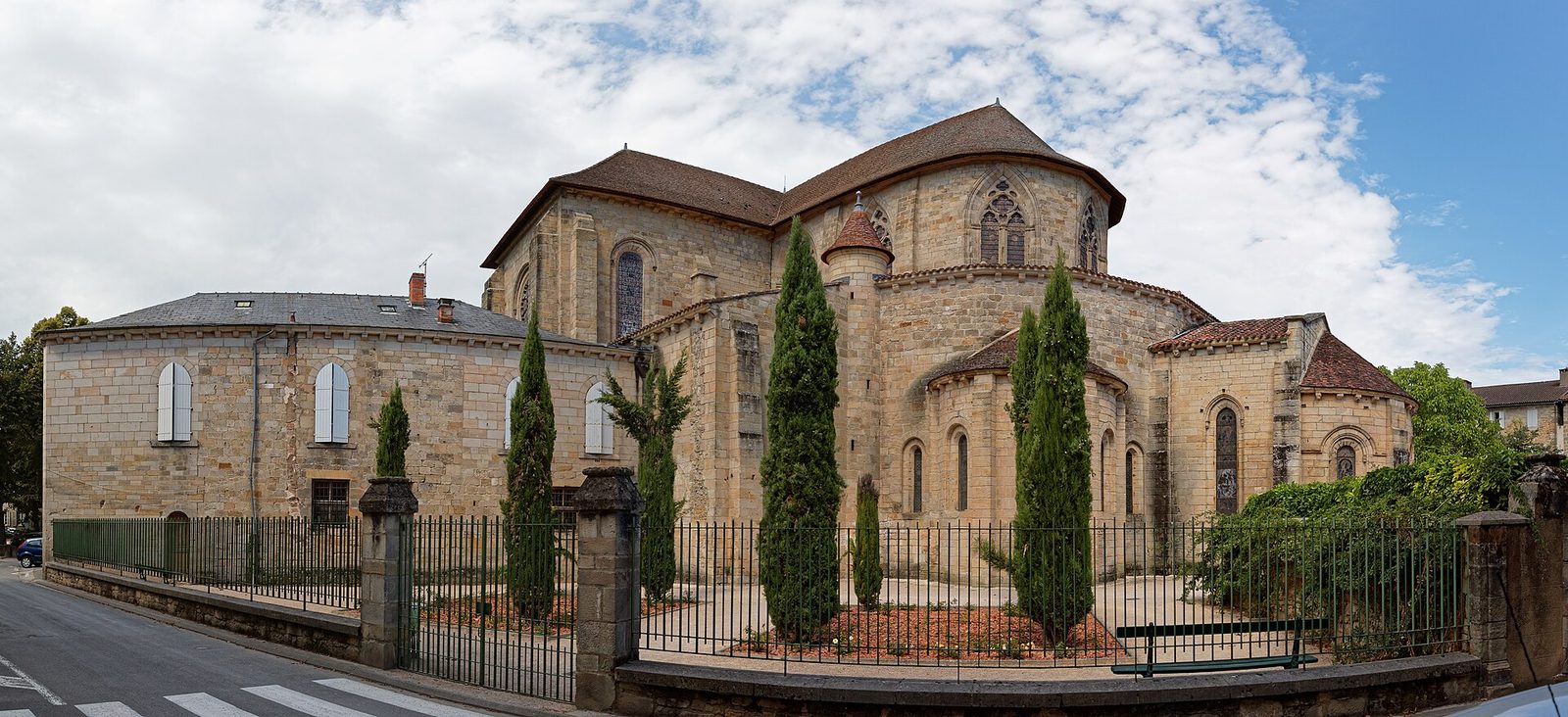
A medieval town on the Célé, born of a 9th-century abbey, birthplace of Jean-François Champollion, who deciphered hieroglyphs.
View full page →This day brings together 3 sites close to each other: villages and natural wonders. It passes through Martel. Allow half an hour to an hour and a half per site, plus travel time.
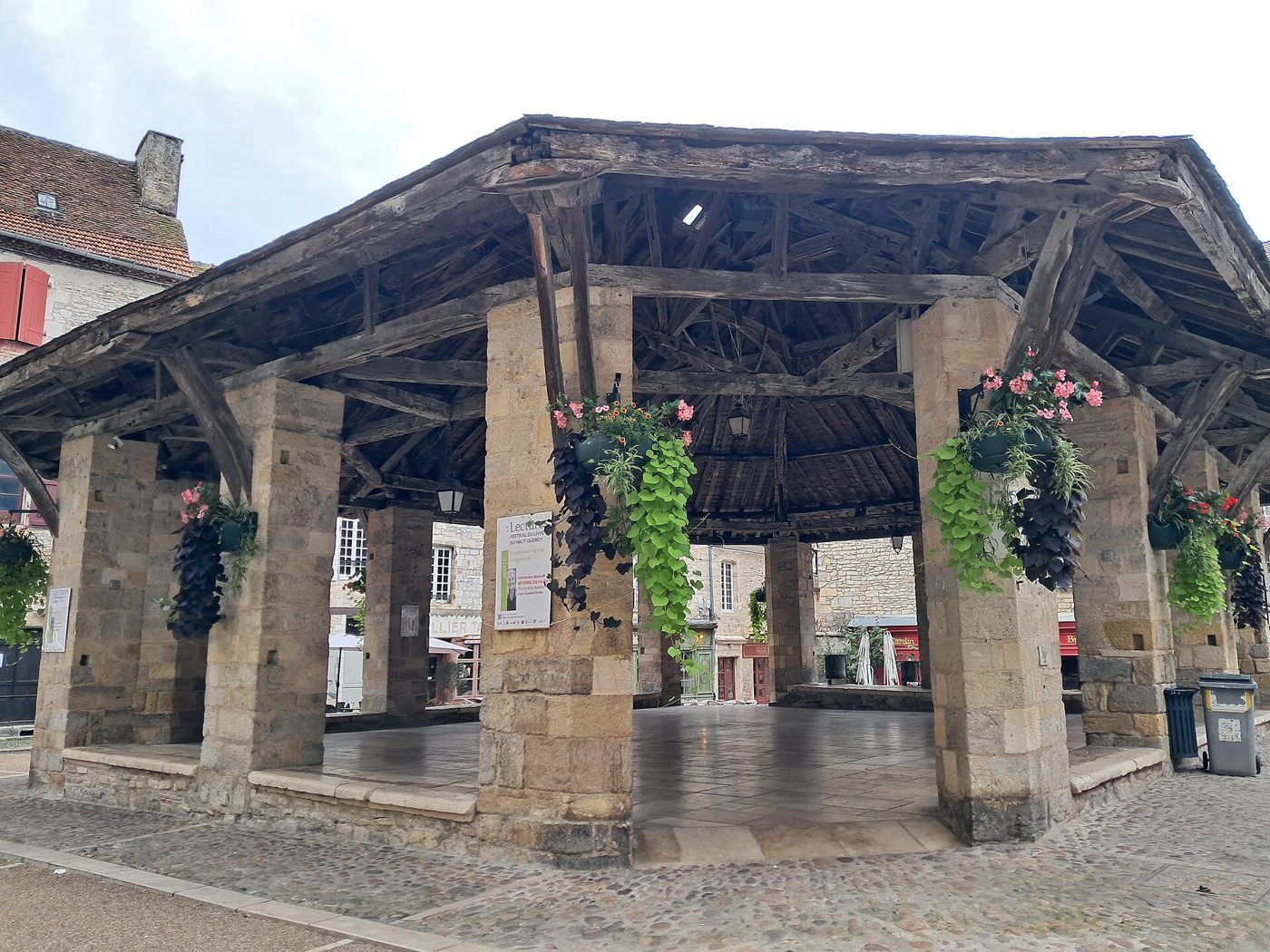
A medieval town of Quercy nicknamed "the town of seven towers", with its covered market and stone mansions.
View full page →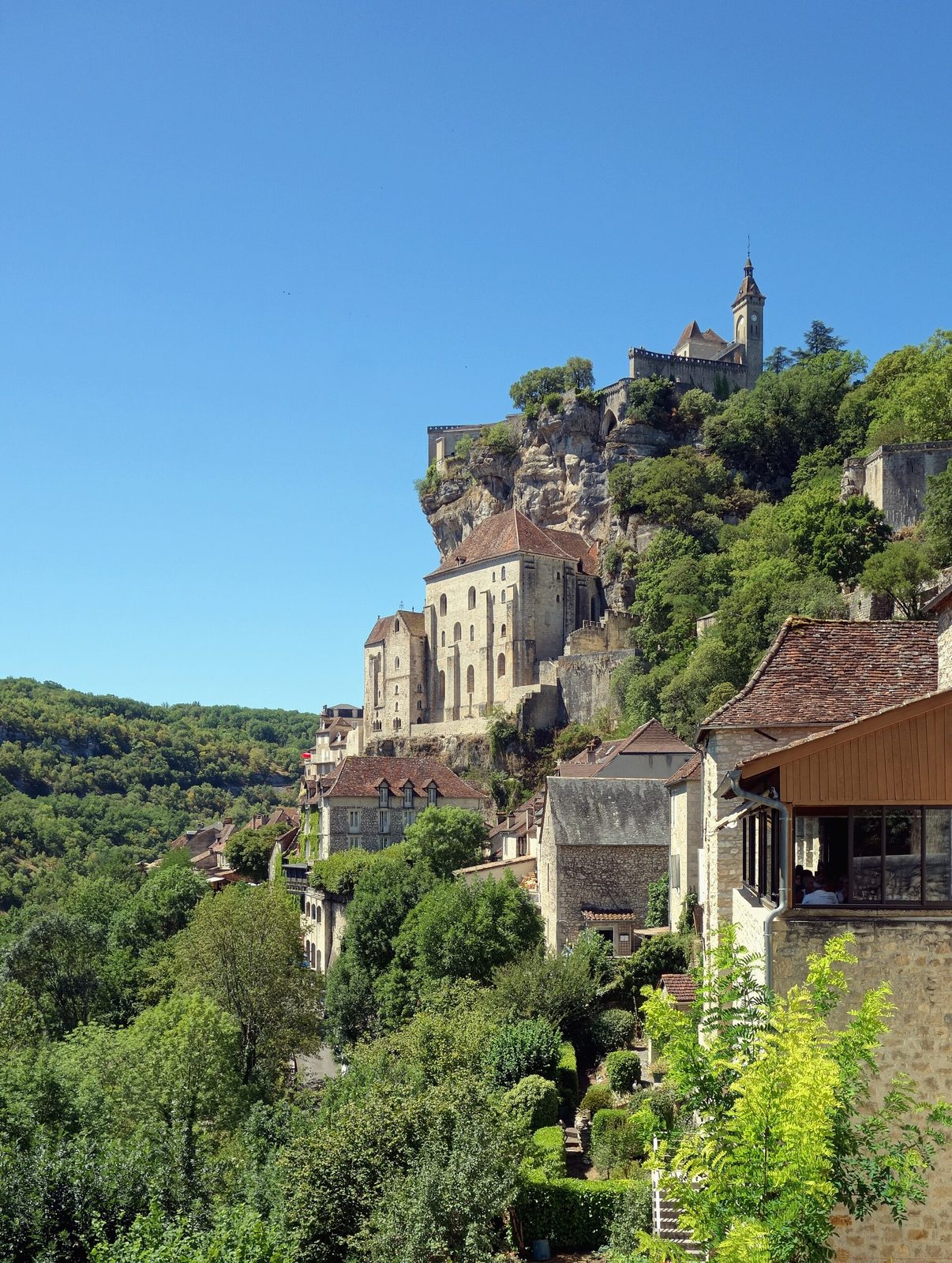
In the heart of Haut-Quercy, as if clinging to a mighty cliff rising 150 metres above the deep Alzou valley, this small Marian town has been a renowned place of pilgrimage since the twelfth century.
View full page →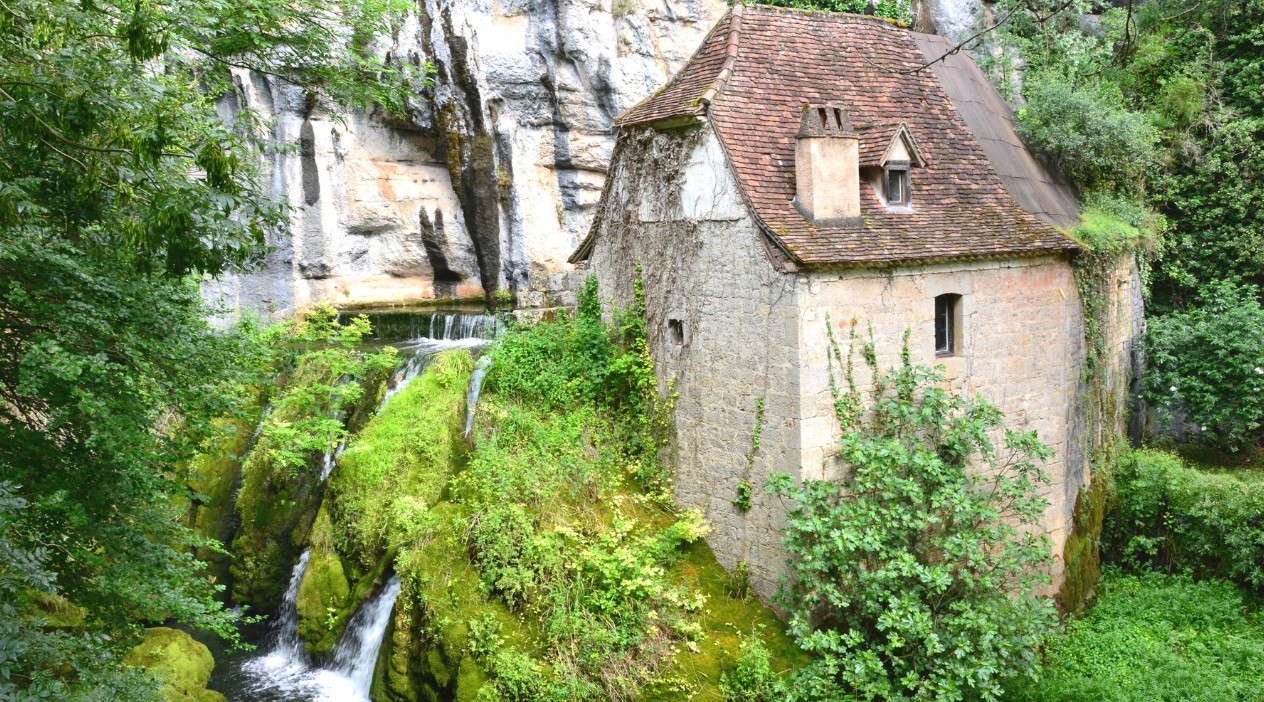
At Cabrerets, in the Lot, the Pescalerie spring is a karst resurgence that feeds a calcifying waterfall at the foot of a cliff in the Célé valley.
View full page →This day brings together 5 sites close to each other: villages, bridges and towns and cities. It passes through Cahors. Allow half an hour to an hour and a half per site, plus travel time.
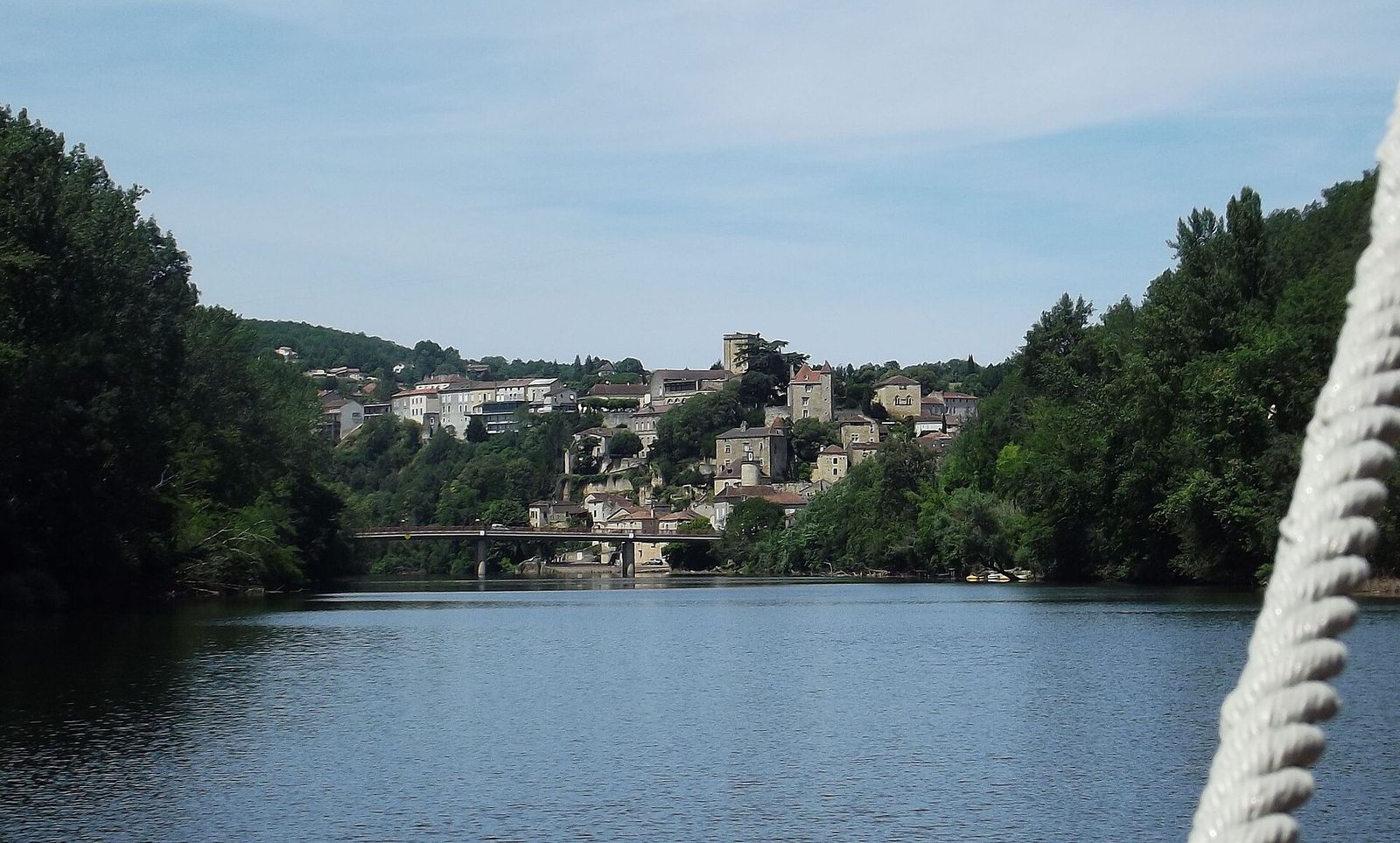
Perched above the Lot, Puy-l'Évêque is formed of a maze of lanes and stairs lined with fine golden-stone houses that descend to the slipway where the gabares once moored before leaving for Bordeaux.
View full page →
The Valentré bridge is the emblematic monument of Cahors; it was built from 1308 on the initiative of the town's consuls.
View full page →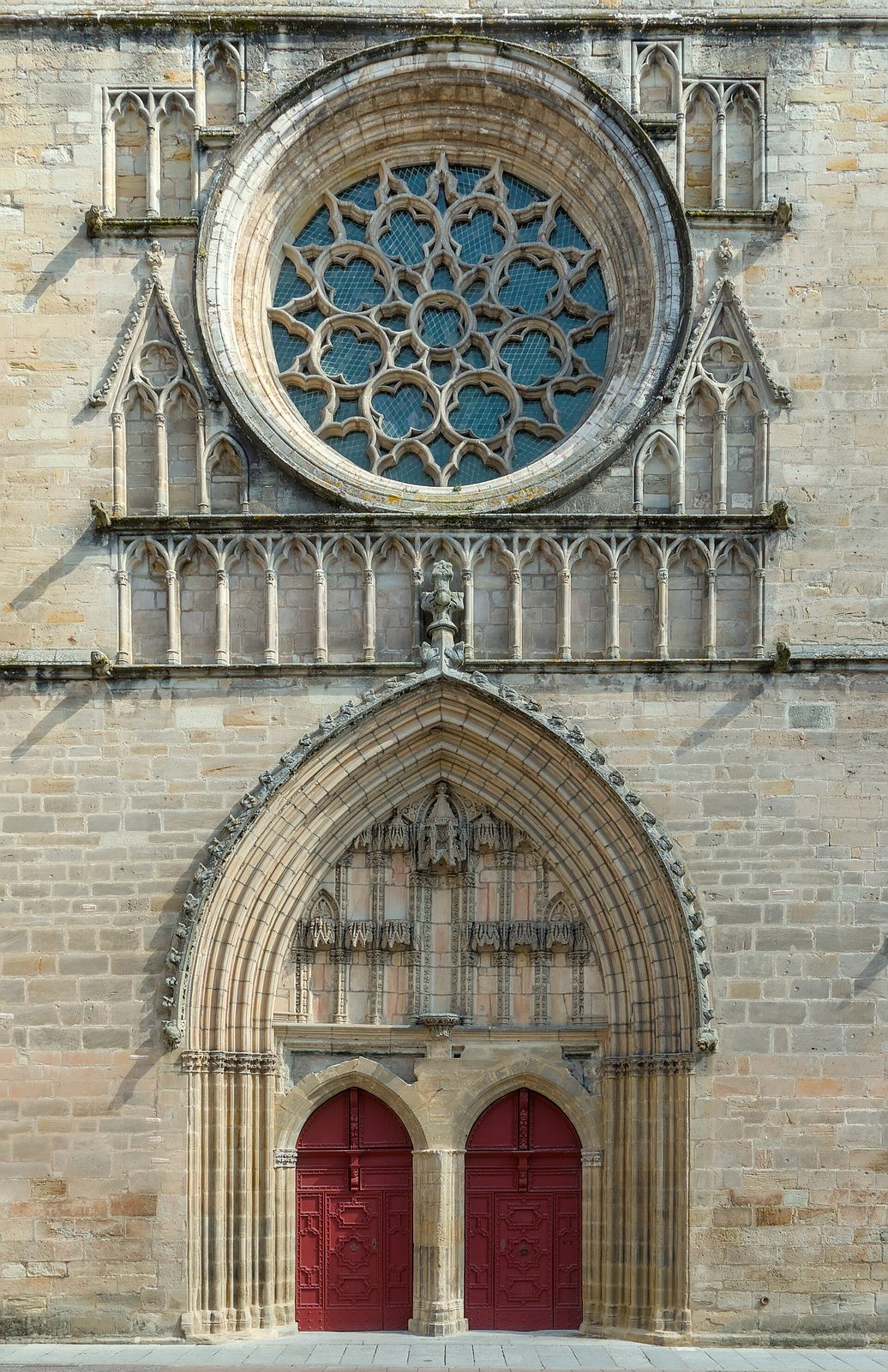
The prefecture of the Lot, wrapped in an almost complete loop of the river, famous for its Valentré bridge and its dark, characterful wine.
View full page →
River navigation, sunk by the advent of the railway, had its hours of glory, which then rhymed with gabares, large wooden barges used to carry goods.
View full page →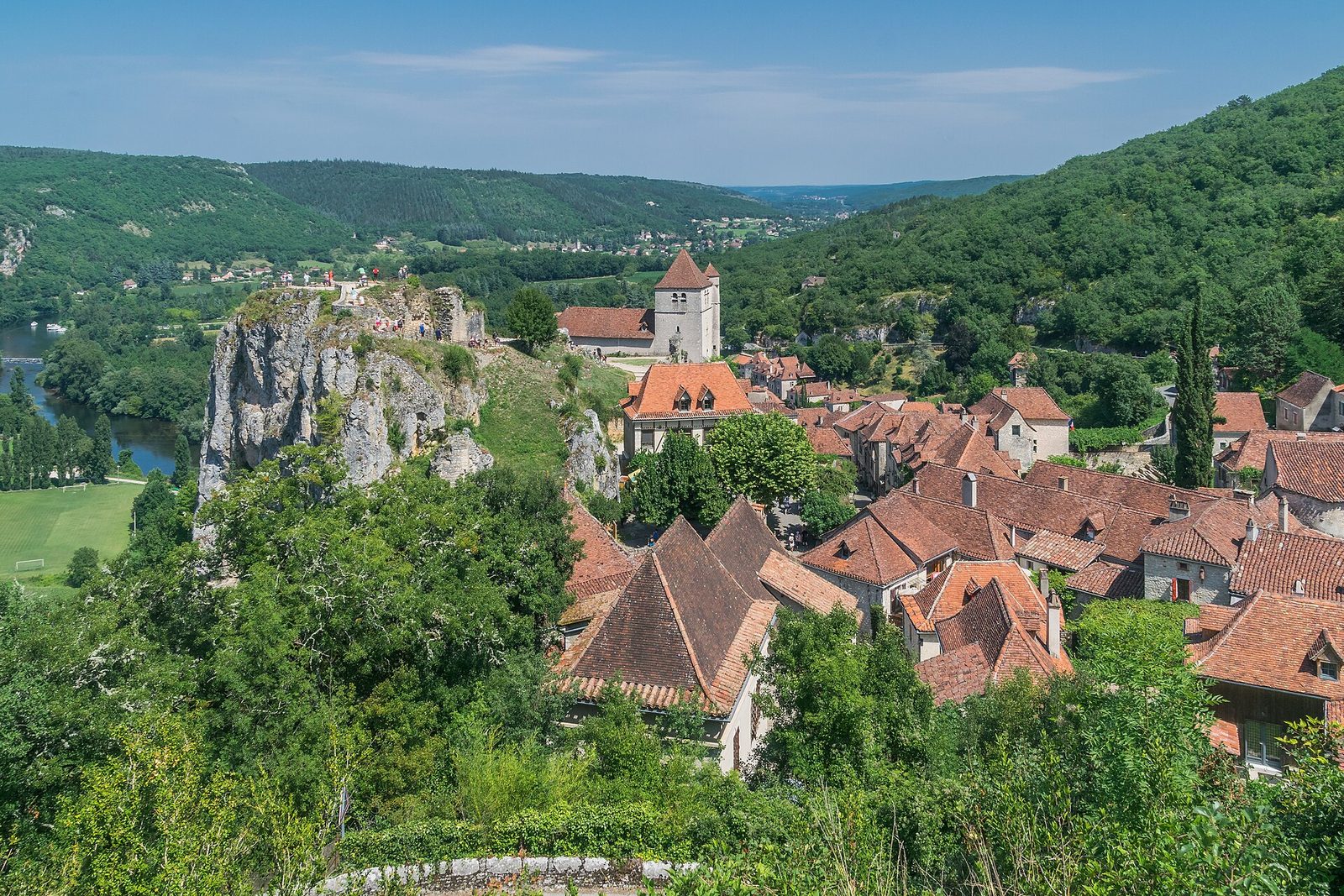
This village is largely classified as a historic monument. It stretches along a main street cut by picturesque, very flowery little lanes, carriérous or stairs linking houses.
View full page →Spring and autumn are the most pleasant: temperatures are mild and the landscapes colourful. In summer, the best-known villages are very busy, and the heat can be strong on the causses. Winter is quiet, but many sites are closed or open only a few days a week.
A car is the simplest way: the sites are spread between the Lot and Dordogne valleys and the causses, with winding roads. You can paddle the Lot by boat or canoe on some stretches. Hilltop villages are often hard to reach by car: park at the entrance.
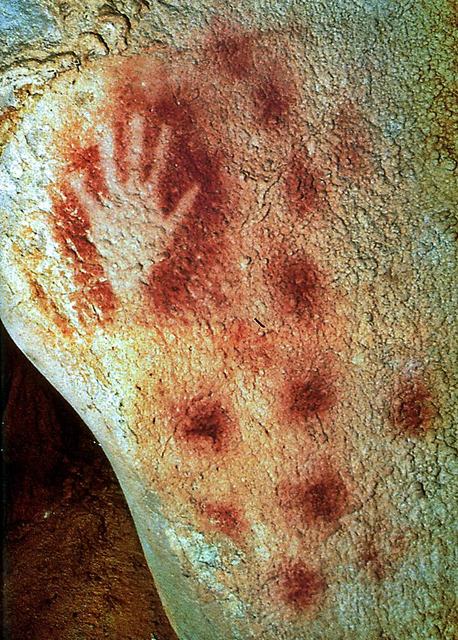
Known to prehistoric man, who performed the rites of his religion there, this cave was rediscovered 200 centuries later, in 1922.

The church of Saint-Sauveur and the crypt of Saint-Amadour are classified as UNESCO World Heritage, as part of the Routes of Saint James of Compostela.
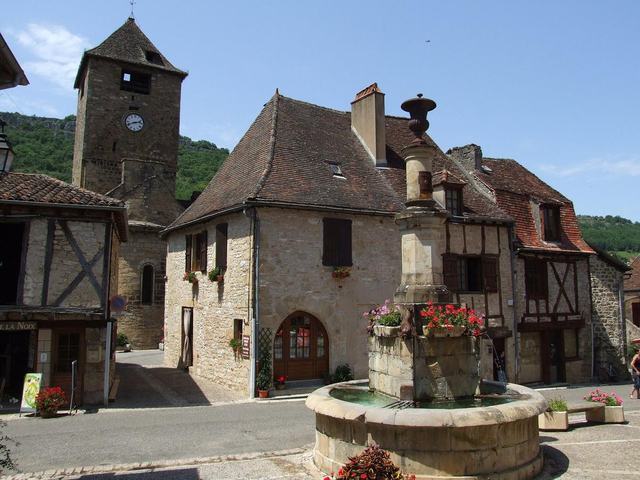
At random in the lanes taken, you discover, dazzled, a fountain surrounded by half-timbered houses; further on, the overhangs of old white dwellings with brown tile roofs; elsewhere, one, two, three manor houses, each prettier than the last, all smart and flanked by turrets…
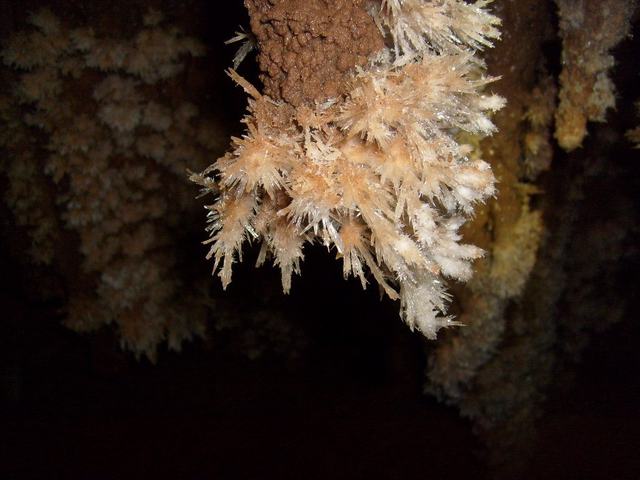
5 km from Saint-Céré, the Presque caves line up colourful formations and stalagmite pillars 8 to 10 metres high, such as 'the Candles'.
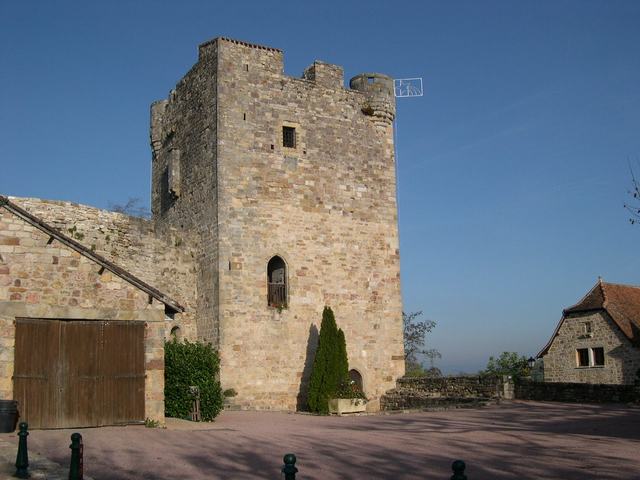
Perched on a peninsula-shaped rock overlooking the meander of the Lot, the village has over time adorned itself with an exceptional architectural heritage.
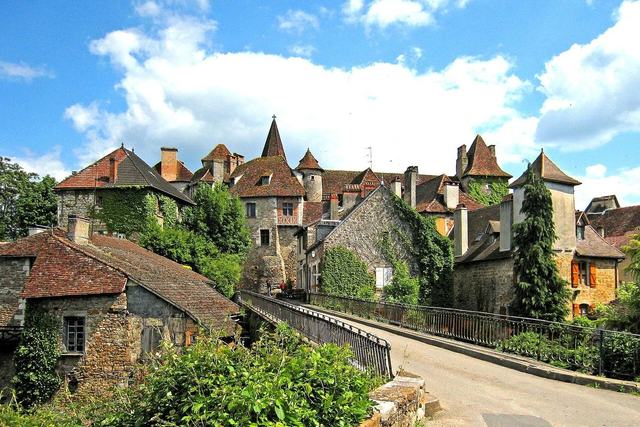
On the Dordogne, Carennac gathers its golden-stone houses, turrets and wooden balconies around an 11th-century priory.