What to see in Champagne in 3 days

Champagne is first of all a famous vineyard, but also cathedrals, abbeys, lakes and villages. This itinerary offers three days between the Marne and the Aube.

A World Heritage vineyard

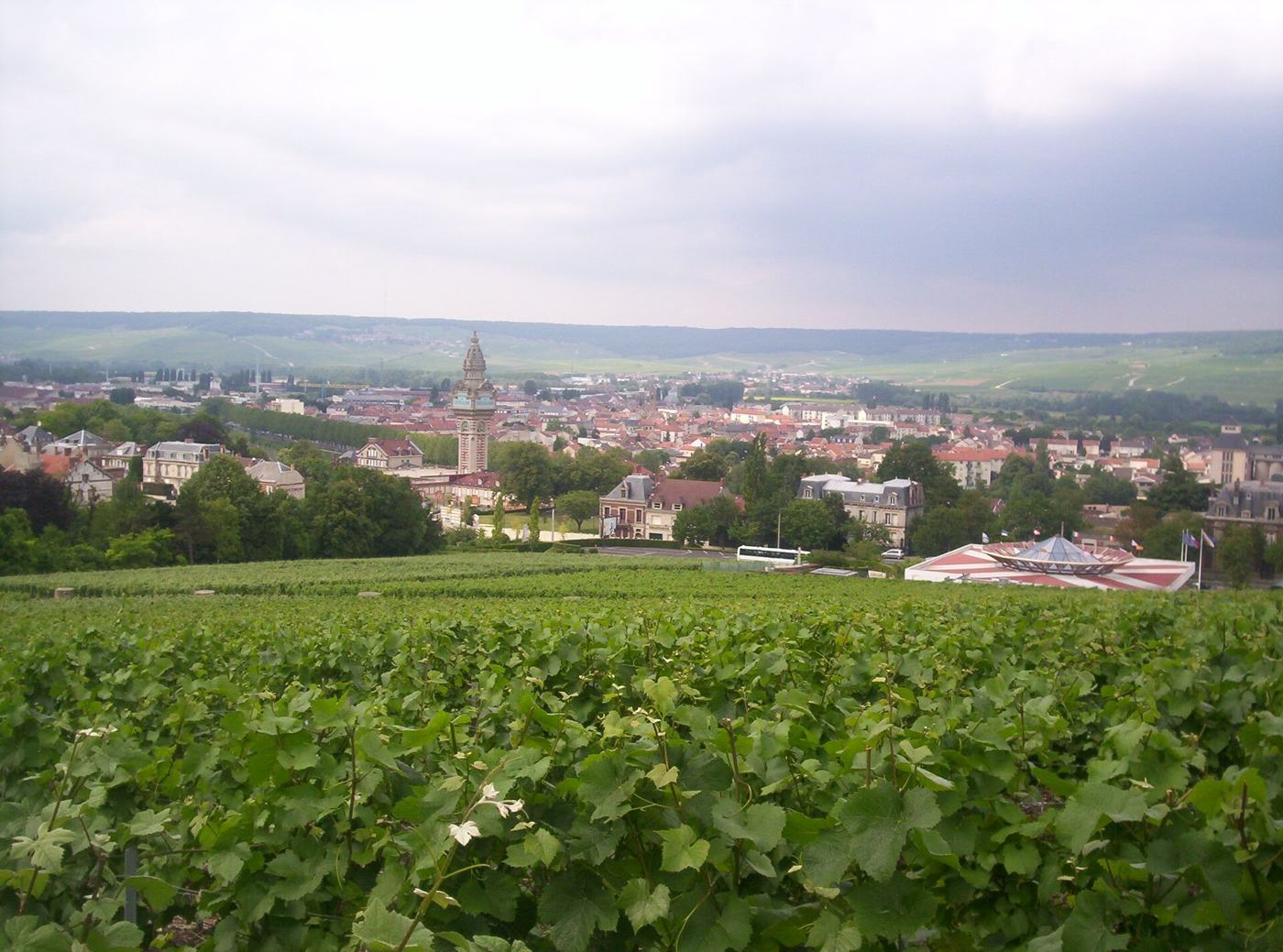
The hillsides, houses and cellars of Champagne are World Heritage listed. The vineyard stretches over hills around Reims, Épernay and the Côte des Bar. The cellars, dug into chalk, shelter millions of bottles at constant temperature.

Visiting a Champagne house lets you understand the stages of production, from the harvest to bottling and ageing. Smaller estates offer more intimate visits.

Cathedrals and historic towns

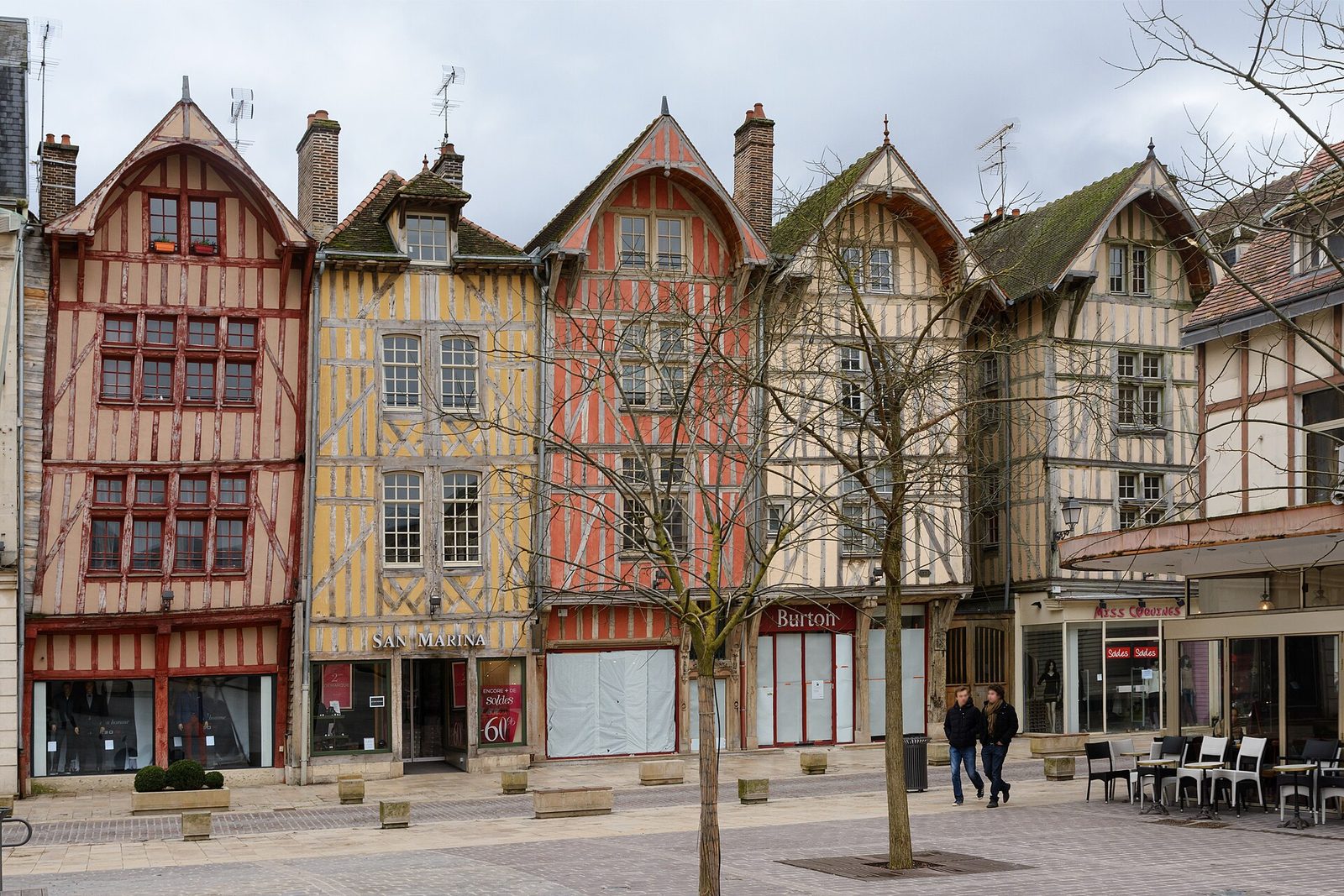
Reims, the city of coronations, keeps a major Gothic cathedral, as well as other monuments and museums. Troyes charms with its half-timbered old centre and its churches. Épernay is the capital of Champagne, with an avenue lined with great houses.

These towns are explored on foot. They preserve the memory of the medieval Champagne fairs, which drew merchants from all over Europe.

Lakes, forests and villages

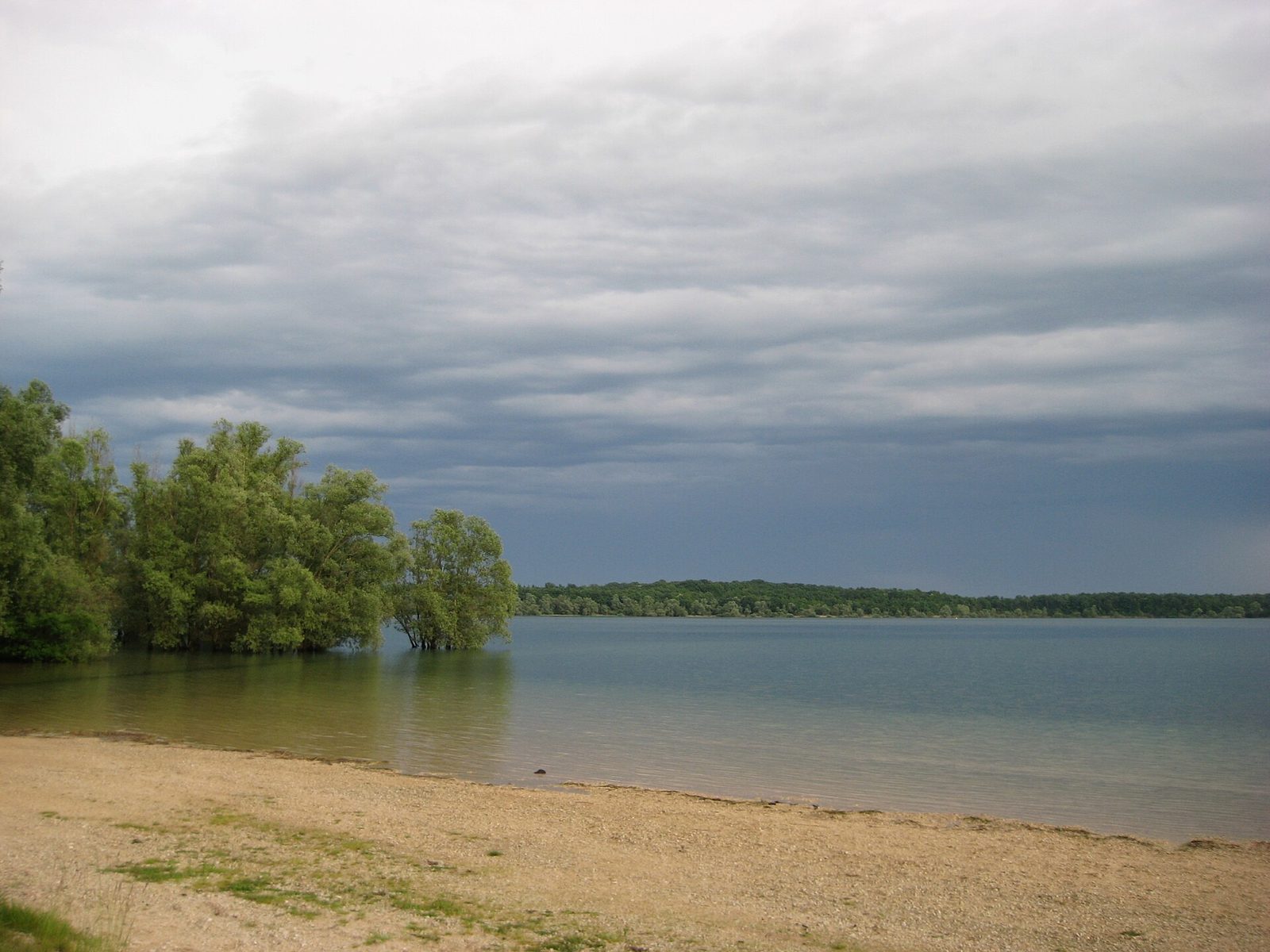
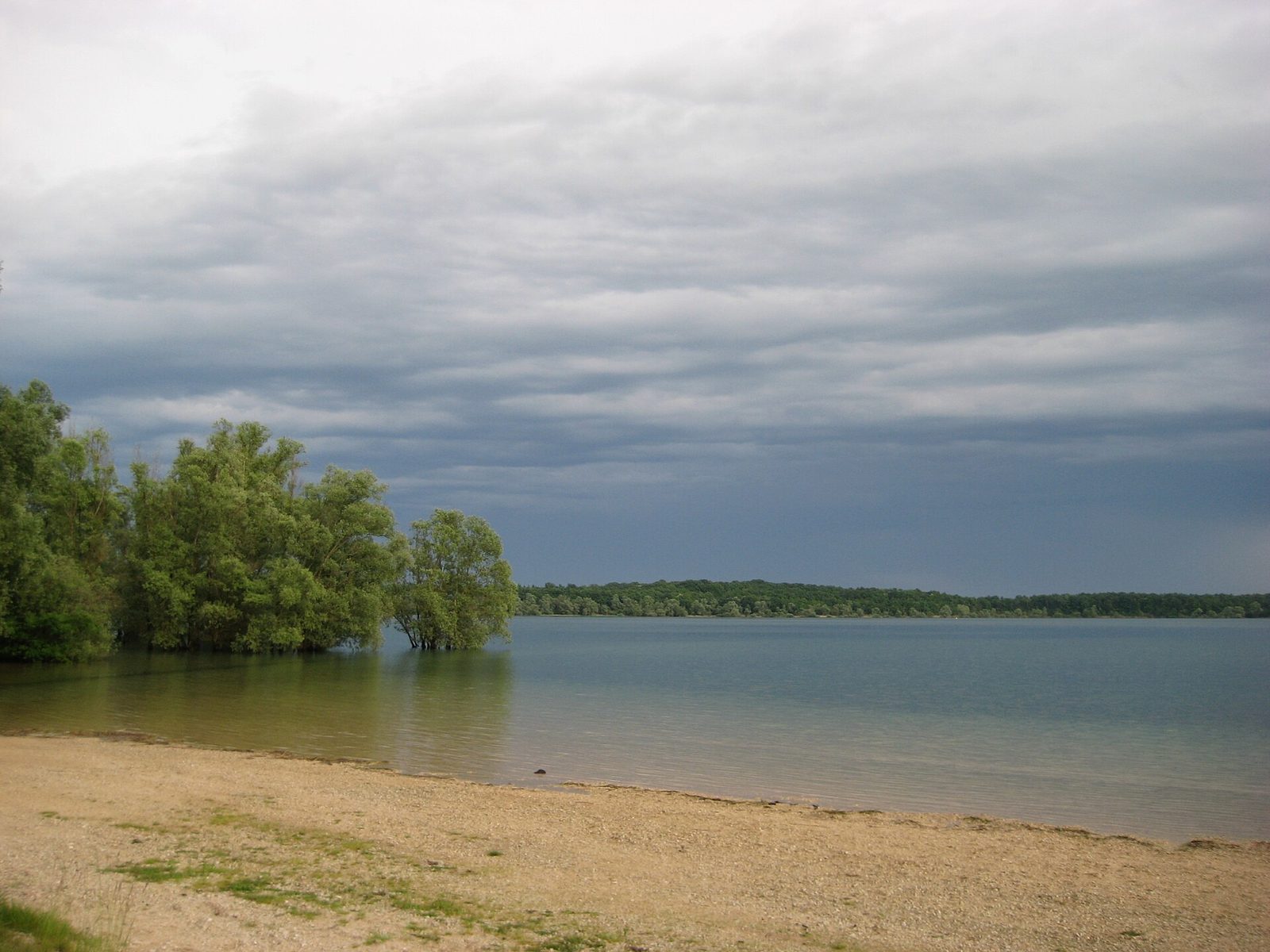
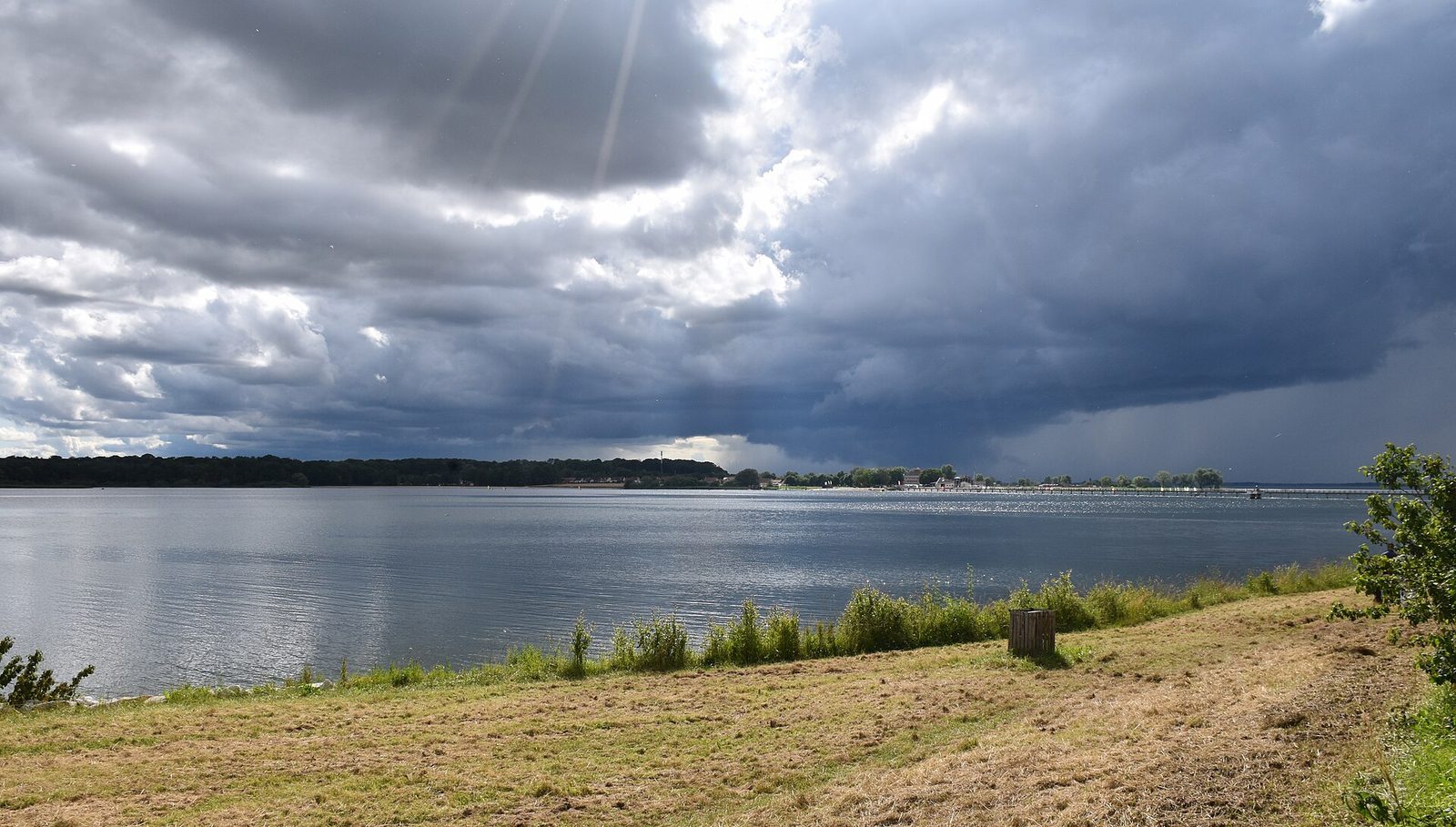
Beyond the vineyard, the region has forest and lake landscapes, such as Lac du Der, much appreciated by birdwatchers, especially for the crane migration. Half-timbered villages, churches and small museums complete the discovery.

Champagne is also a land of remembrance: several sites recall the battles of the Marne and the fighting of the First World War.

Itinerary tips

Three days let you visit the vineyard, a few towns and a lake. Group visits by area: Reims and the Montagne de Reims, Épernay and the Marne valley, Troyes and the Aube.

The itinerary below groups the best-rated sites in the catalogue by proximity. Leave time for tastings and meals: Champagne is as much to be tasted as to be visited.

Our day-by-day itinerary

The map shows the numbered stops in visiting order, with one colour per day. The line follows the roads where available; otherwise it joins the stops as the crow flies. Distances and times are approximate (by car, without traffic).

Day 1 — Château de Boursault to Les Faux de Verzy

This day brings together 6 sites close to each other: museums, castles and religious sites. It passes through Reims. Allow half an hour to an hour and a half per site, plus travel time.

Château de Boursault
Castles · Marne

1 Château de Boursault

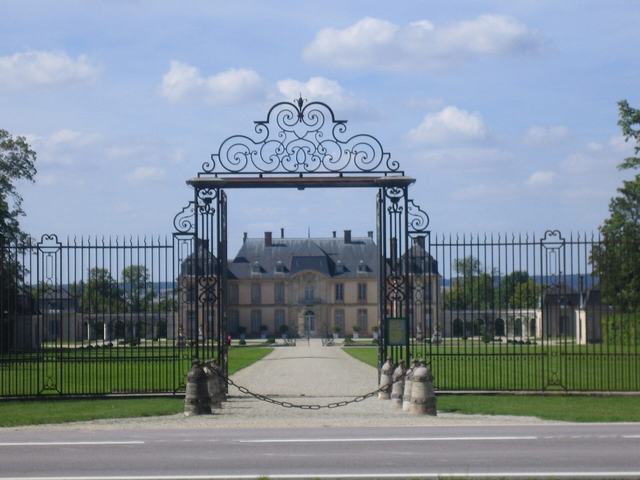
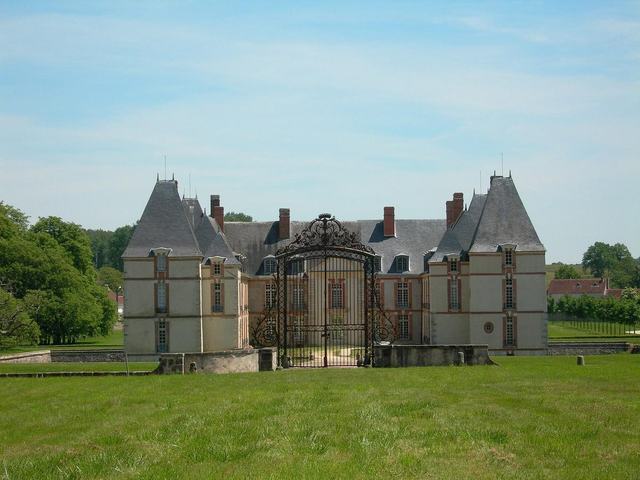
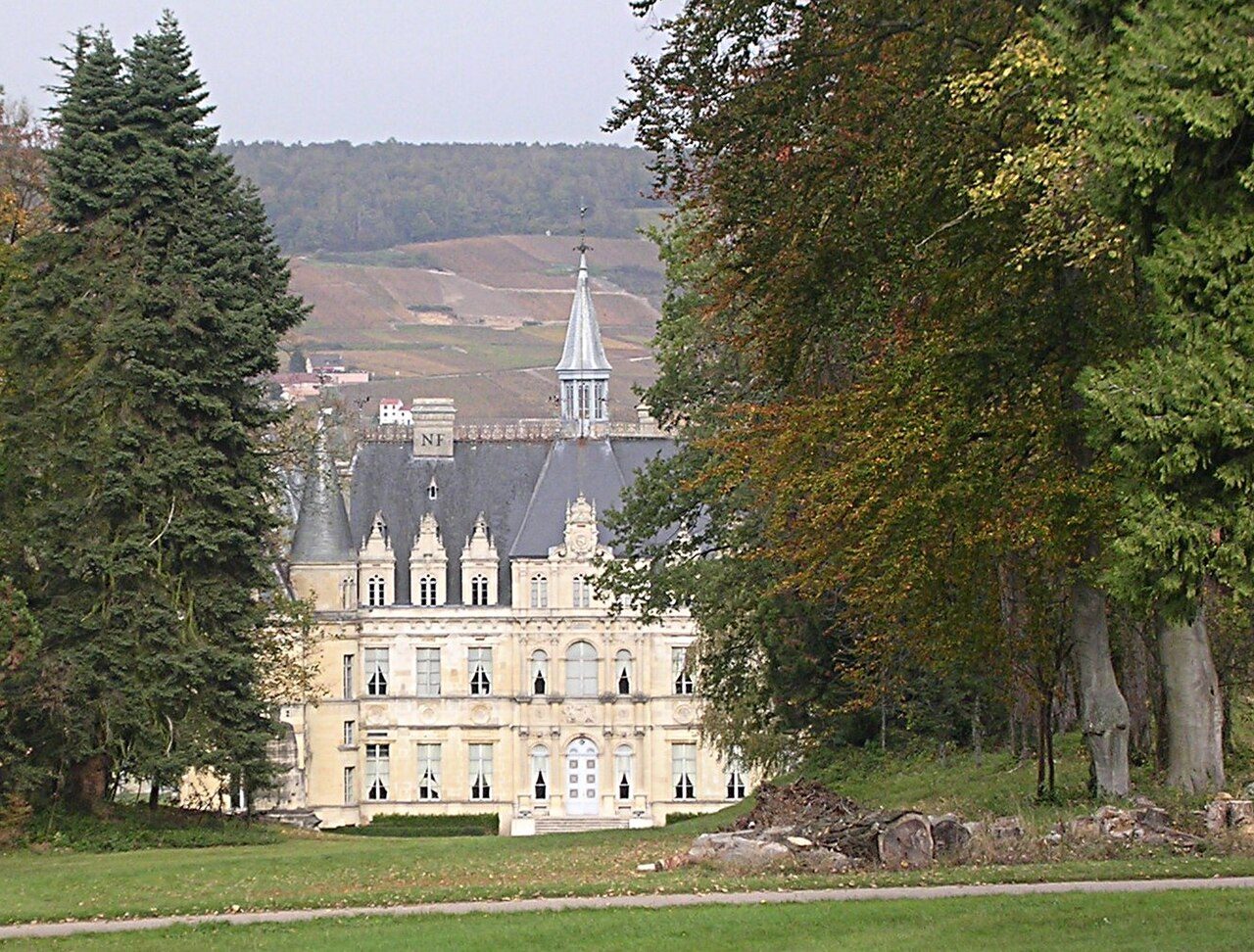
This magnificent château overlooking the Marne valley, said to be inspired by Chambord, was built in 1845 by Madame Ponsardin, Widow Clicquot. It has 365 openings, windows and doors, one for each day of the year!

View full page →
Musée Saint-Remi de Reims
Museums · Marne

2 Musée Saint-Remi de Reims

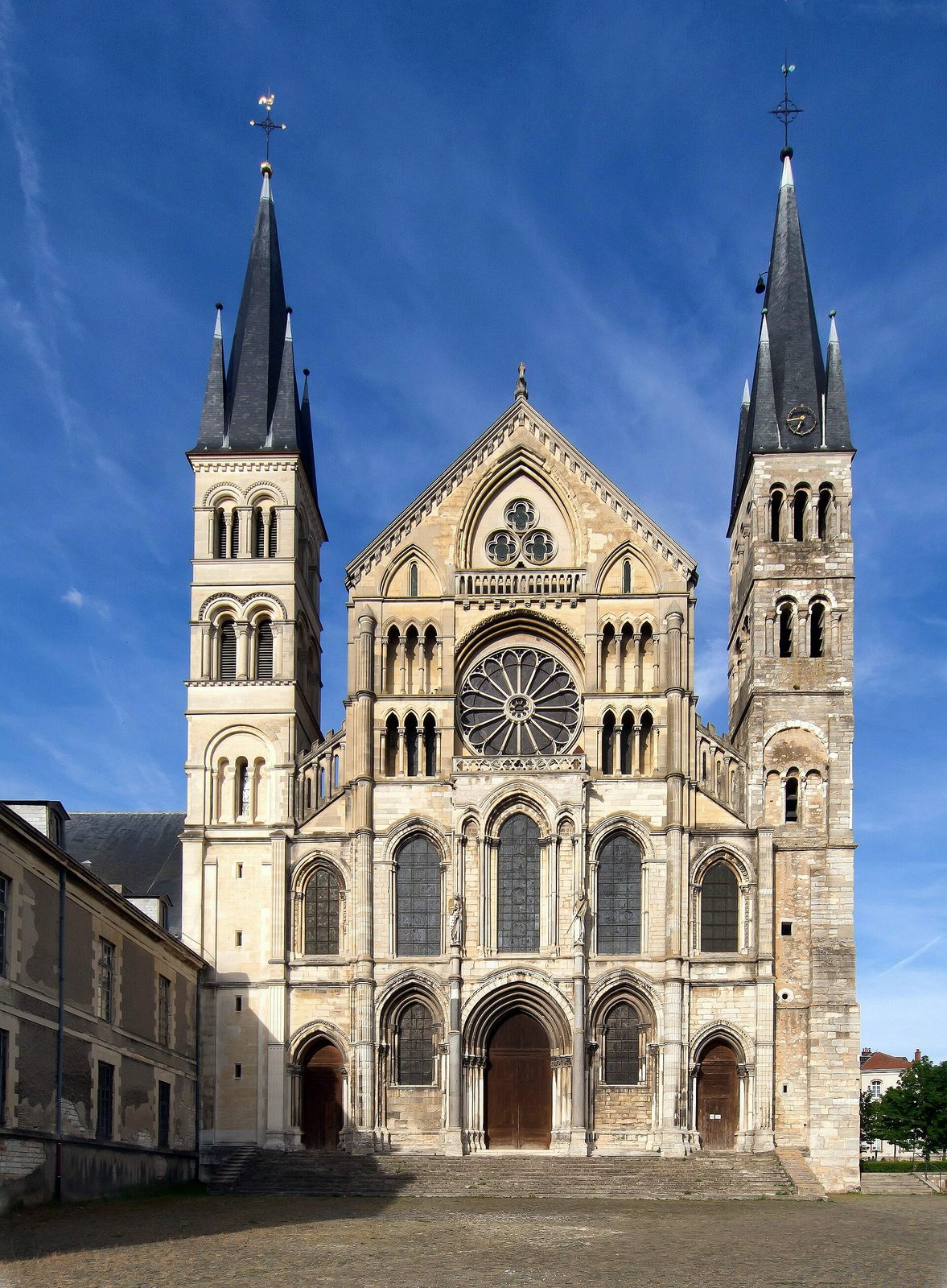
Adjoining the Basilica of Saint-Rémi, in the former Benedictine royal abbey, the Musée Saint-Rémi sets out, through its collections, to make known the town's past, from prehistory to the Second World War.

View full page →
Cathédrale Notre-Dame de Reims
Religious heritage · Marne

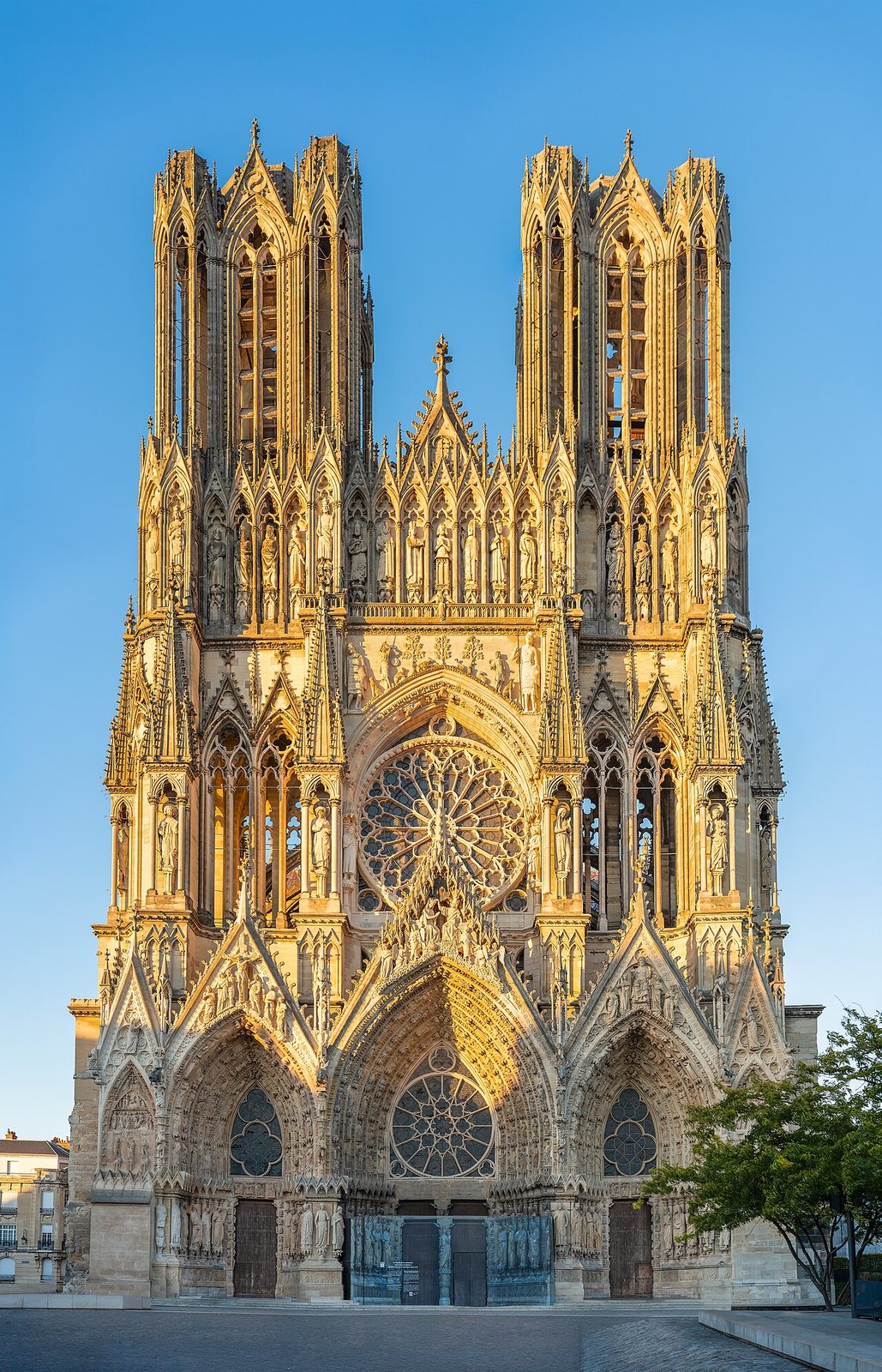
3 Cathédrale Notre-Dame de Reims

The exceptional handling of the new architectural techniques of the thirteenth century and the harmonious marriage of sculpted decoration with architectural elements have made Reims's Notre-Dame cathedral one of the masterpieces of Gothic art.

View full page →
Reims
Towns & cities · Reims

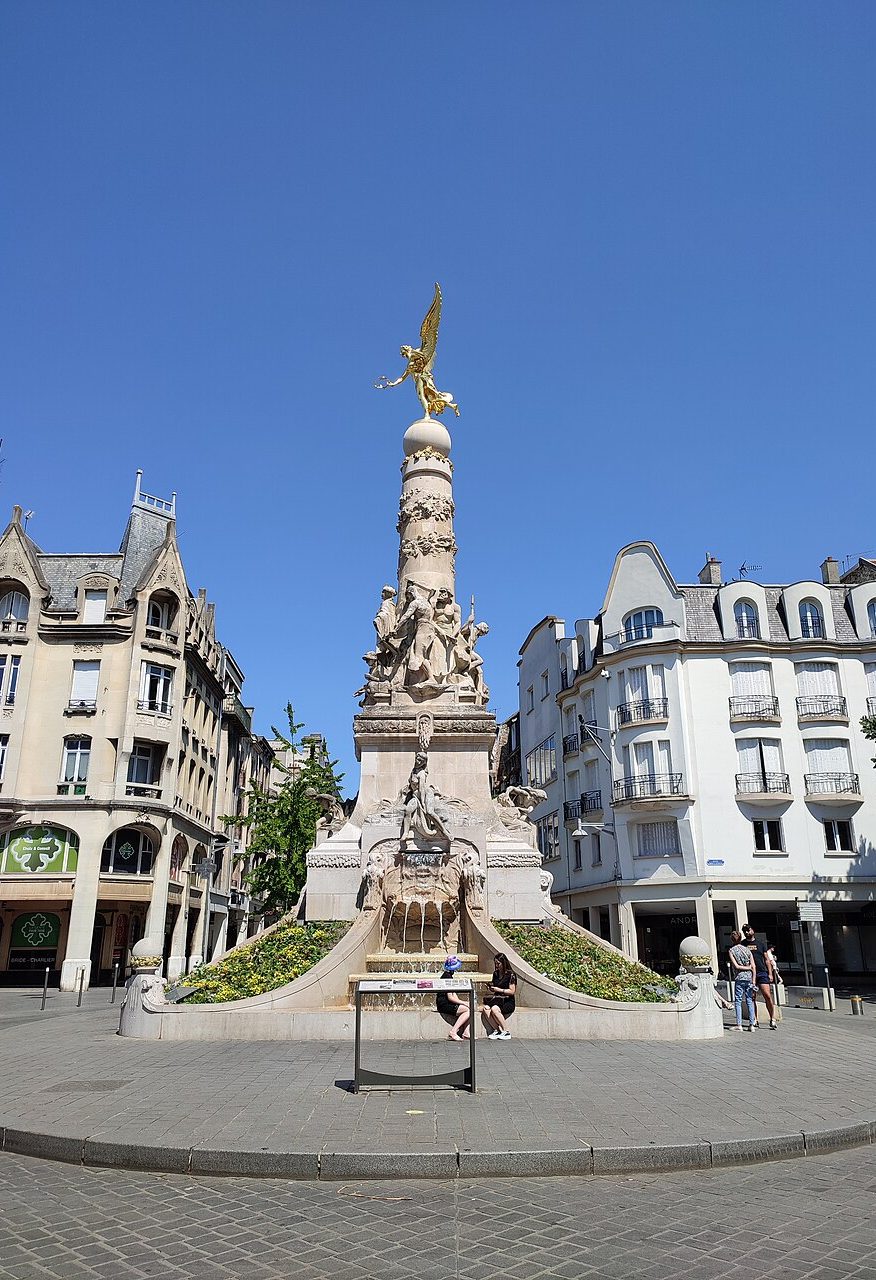
4 Reims

City of the coronation of the kings of France beyond its famous cathedral, enlivened by Place Drouet-d'Erlon and its monumental gilded Subé fountain.

View full page →
Musée de la Reddition
Museums · Marne

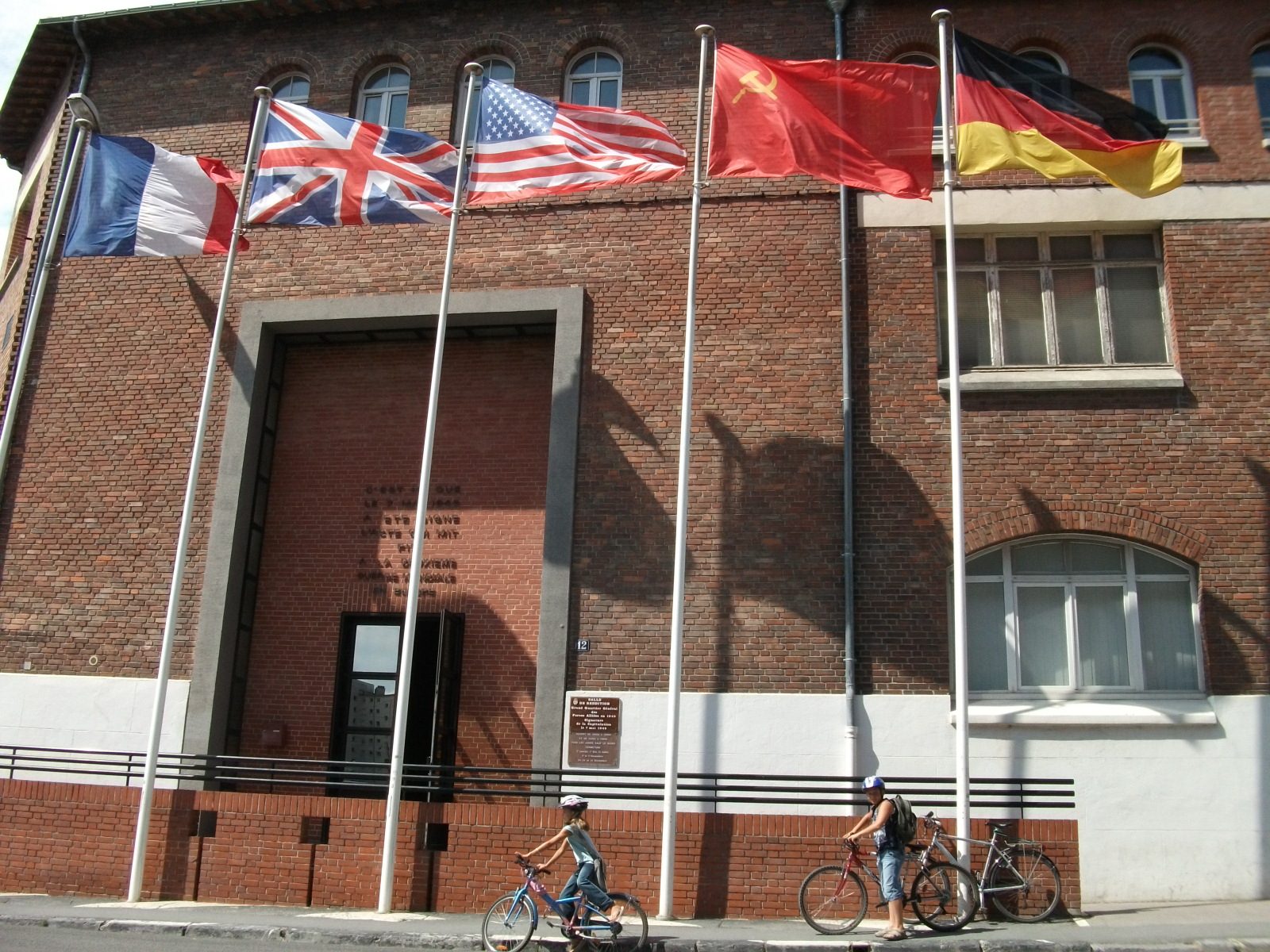
5 Musée de la Reddition

The Musée de la Reddition is a listed Historic Monument. The unconditional surrender of the German armies was signed on 7 May 1945 in a room of this museum, left as it was.

View full page →
Les Faux de Verzy
Natural wonders · Marne

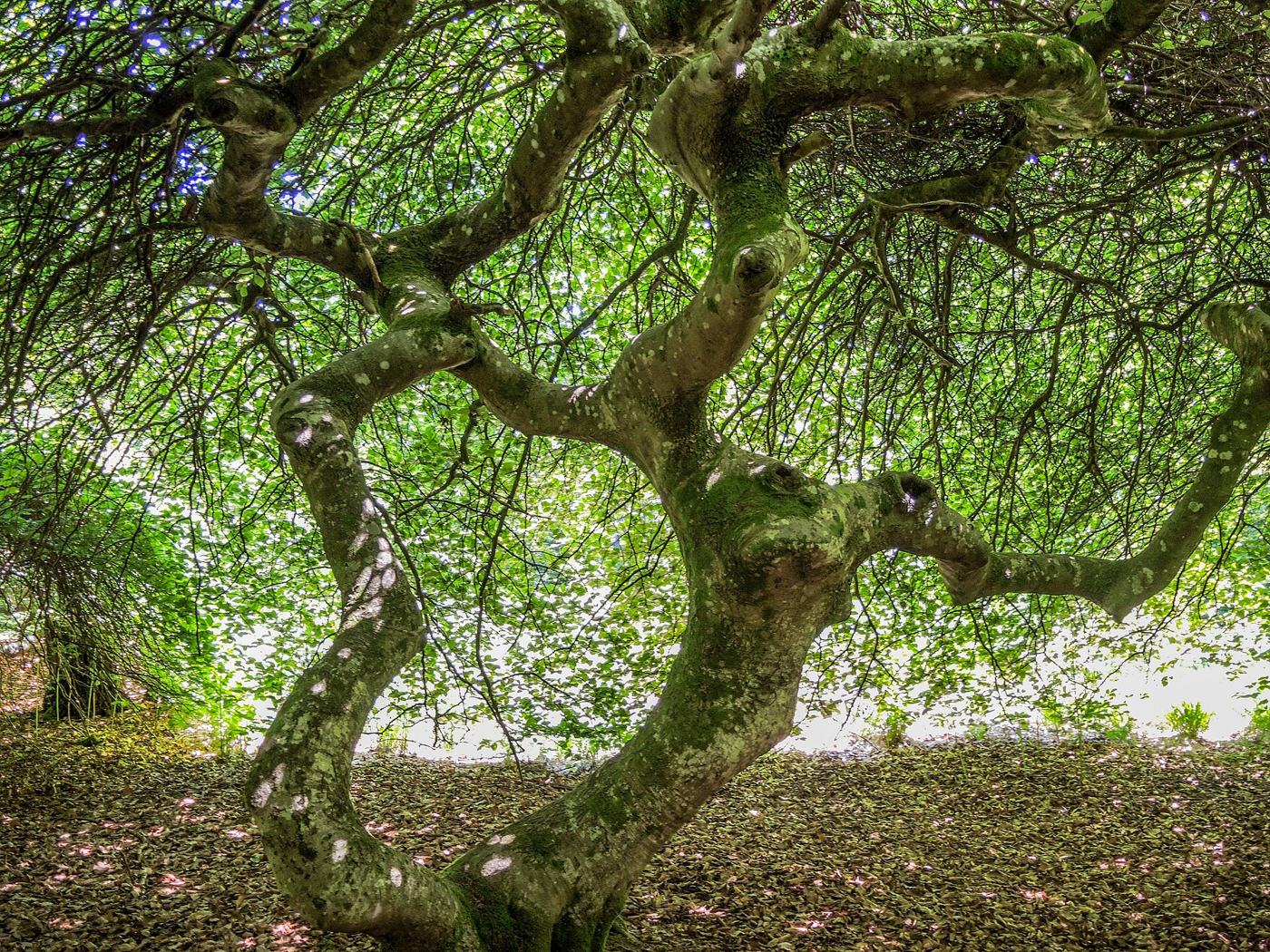
6 Les Faux de Verzy

The Faux de Verzy, or twisted beeches (Fagus sylvatica var. tortuosa), are trees found in the Verzy forest, between Reims and Épernay.

View full page →

Day 2 — Musée Camille-Claudel to Épernay

This day brings together 3 sites close to each other: towns and cities and museums. It passes through Troyes and Épernay. Allow half an hour to an hour and a half per site, plus travel time.

Musée Camille-Claudel
Museums · Aube

7 Musée Camille-Claudel

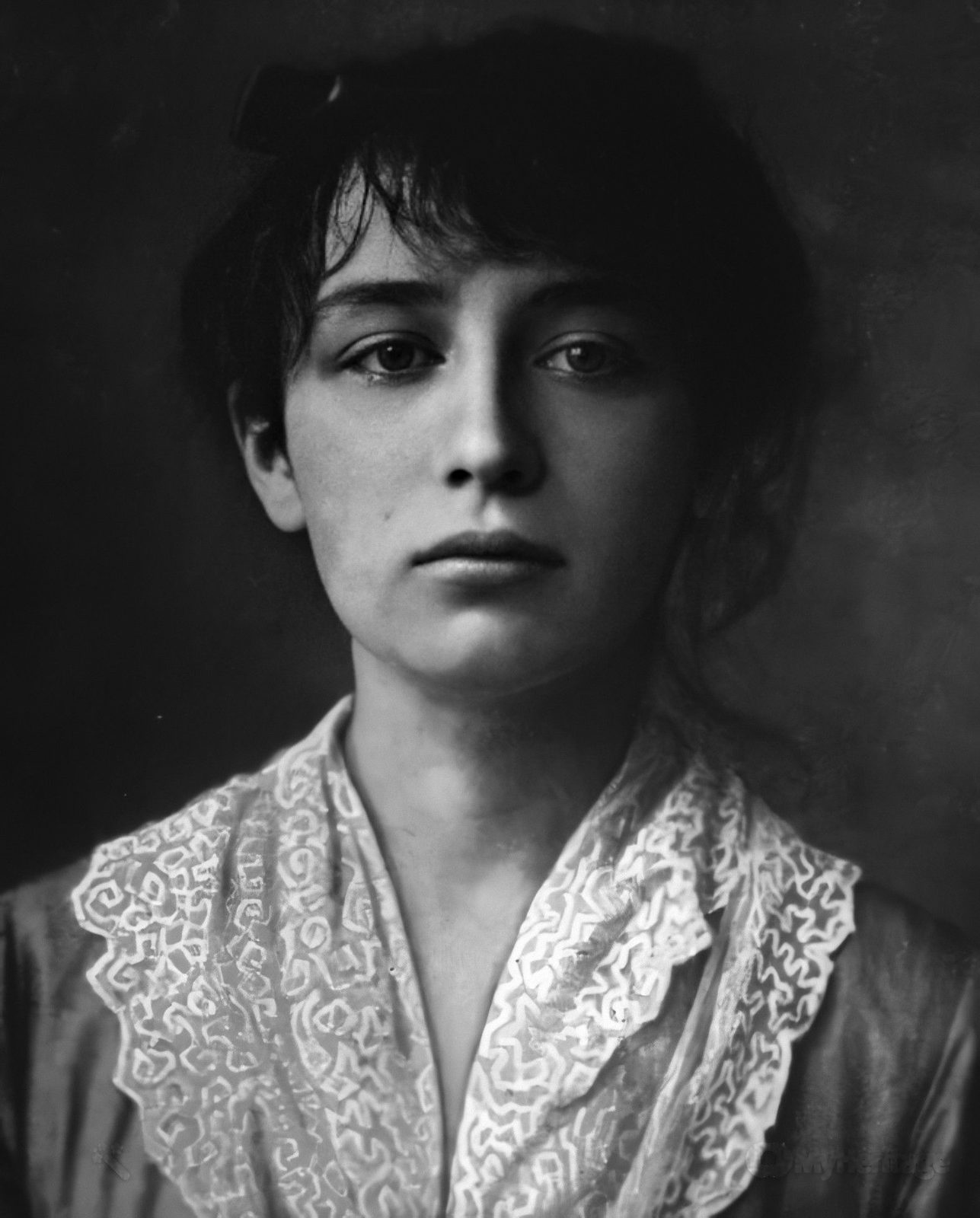
This sculpture museum is devoted not only to the work of Camille Claudel but also to nineteenth-century French sculpture, and in particular to the work of artists who lived and worked in Nogent-sur-Seine and/or were closely or distantly linked to Camille Claudel.

View full page →
Troyes
Towns & cities · Troyes

8 Troyes

Historic capital of Champagne, famous for its colourful half-timbered houses and its old centre shaped like a champagne cork.

View full page →
Épernay
Towns & cities · Épernay

9 Épernay

World capital of champagne, whose Avenue de Champagne lines up the prestigious headquarters of the great houses above kilometres of cellars carved in chalk.

View full page →

Day 3 — Lac d'Orient to Lac du Der

This day brings together 3 sites close to each other: lakes. It passes through Mesnil-Saint-Père. Allow half an hour to an hour and a half per site, plus travel time.

Driving for the day: about 67.9 km, or 1 h 27 behind the wheel in total (excluding visits).

Lac d'Orient
Lakes · Mesnil-Saint-Père

10 Lac d'Orient

The third largest artificial lake in France, heart of the Forêt d'Orient Regional Nature Park.

View full page →

↓ 26.7 km · about 35 min by car to the next stop

Les grands lacs de la forêt d'Orient
Lakes · Aube

11 Les grands lacs de la forêt d'Orient

In the east, in the Aube, in the Orient, on the margins of the Paris Basin and south of Champagne, stretches a vast mysterious land where water, earth and forest have given birth to a singular territory, fruit of nature and of people.

View full page →

↓ 41.2 km · about 52 min by car to the next stop

Lac du Der
Lakes · Marne

12 Lac du Der

Lac du Der in Champagne is one of the largest artificial lakes in Europe: 4,800 hectares of water, 80 km of shores.

View full page →

When to go

Spring and autumn are the most pleasant, especially for the vineyards. Summer is busier. The grape harvest, at the end of summer, is a highlight, but some cellars are then less available for visits.

Getting around

A car is practical for driving the Champagne tourist route, but trains serve Reims, Épernay and Troyes. For tastings, nominate a driver. Towns are explored on foot.
Our tips

  • Book cellar visits in advance.
  • Nominate a driver for tastings.
  • Pack a jacket: the cellars are cool all year.
  • Alternate cellars, historic towns and walks in the vineyard.

If you have more time

More itineraries