Villages · Moselle
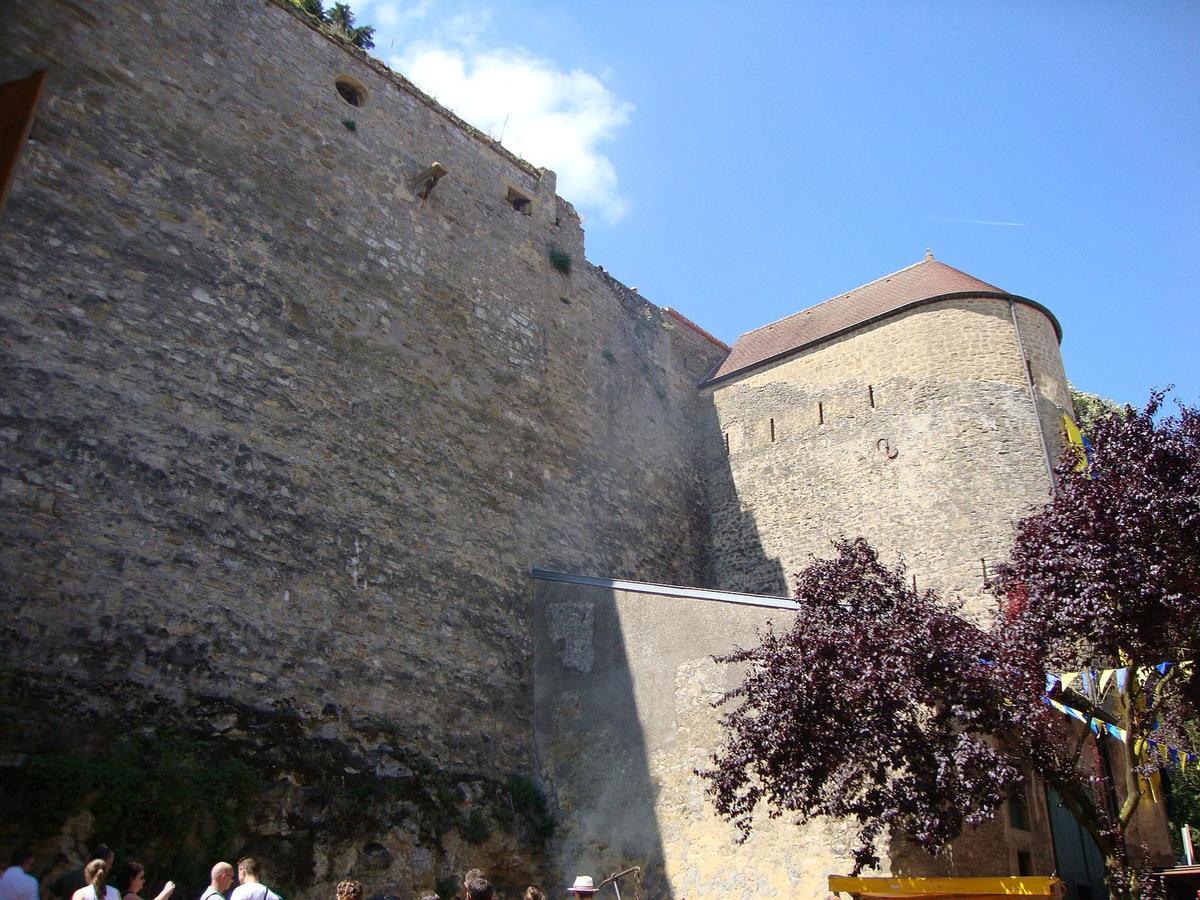
1 Rodemack
The medieval village was once the domain of the abbey of Fulda in the ninth century, then a lordly domain in the twelfth century.
View full page →Lorraine is a land of royal squares, fortresses, forests, lakes and memories of the First World War. This itinerary offers four days between Nancy, Metz, the Meuse and the Vosges.
Nancy is famous for Place Stanislas, an eighteenth-century ensemble listed as World Heritage, as well as for the École de Nancy and Art Nouveau. Metz charms with its Gothic cathedral and remarkable stained glass and its old yellow-stone centre.
These two towns each have a strong identity and complement each other. They are explored on foot and offer many museums, parks and markets.
Lorraine is a border territory, marked by military history. Citadels, forts and defence lines recall the conflicts that crossed it. The Verdun area, in the Meuse, preserves many memorial sites of the First World War.
Visiting these places is often moving. Allow time and suitable equipment, and respect the solemn character of the sites.
The Vosges offer forests, lakes, waterfalls and rounded summits, the ballons. Spa towns such as Plombières-les-Bains and Vittel recall the nineteenth-century taste for taking the waters. Mountain roads and trails allow long walks.
The Lorraine regional nature park and the lakes of the Meuse are also lovely destinations for nature lovers.
Four days let you combine towns, fortresses and nature. Group visits by area: Nancy and its region, Metz and the Moselle, the Meuse and Verdun, the Vosges.
The itinerary below groups the best-rated sites in the catalogue by proximity. Adapt it to your wishes, and keep some slack for country roads.
The map shows the numbered stops in visiting order, with one colour per day. The line follows the roads where available; otherwise it joins the stops as the crow flies. Distances and times are approximate (by car, without traffic).
This day brings together 3 sites close to each other: villages and natural wonders. Allow half an hour to an hour and a half per site, plus travel time.
The medieval village was once the domain of the abbey of Fulda in the ninth century, then a lordly domain in the twelfth century.
View full page →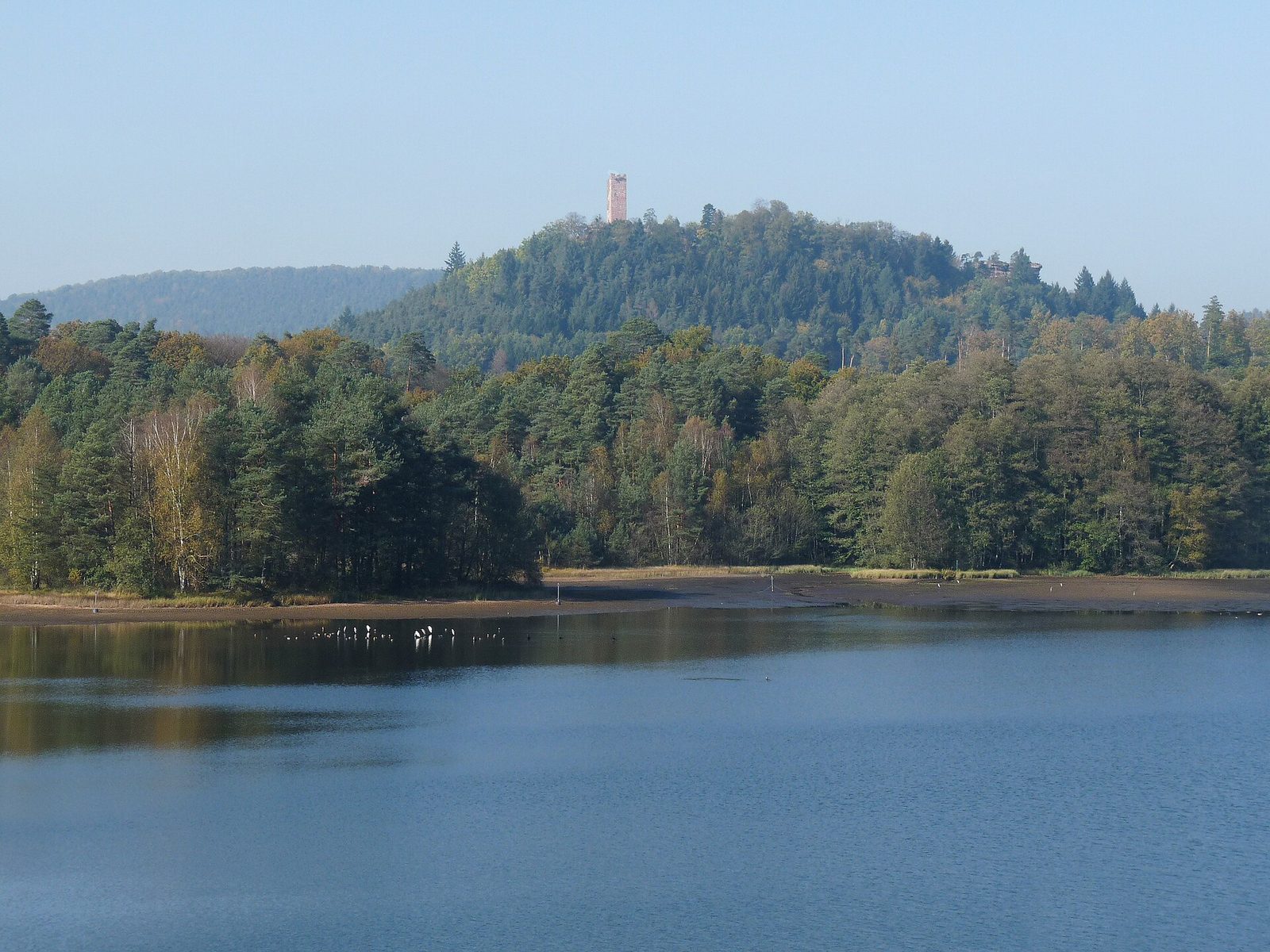
Overlooking the Hanau pond, a remarkable rock forming a natural bridge 30 metres high. The Erbsenfelsen is one of the most beautiful rocks of the northern Vosges, spreading over a length of 450 metres.
View full page →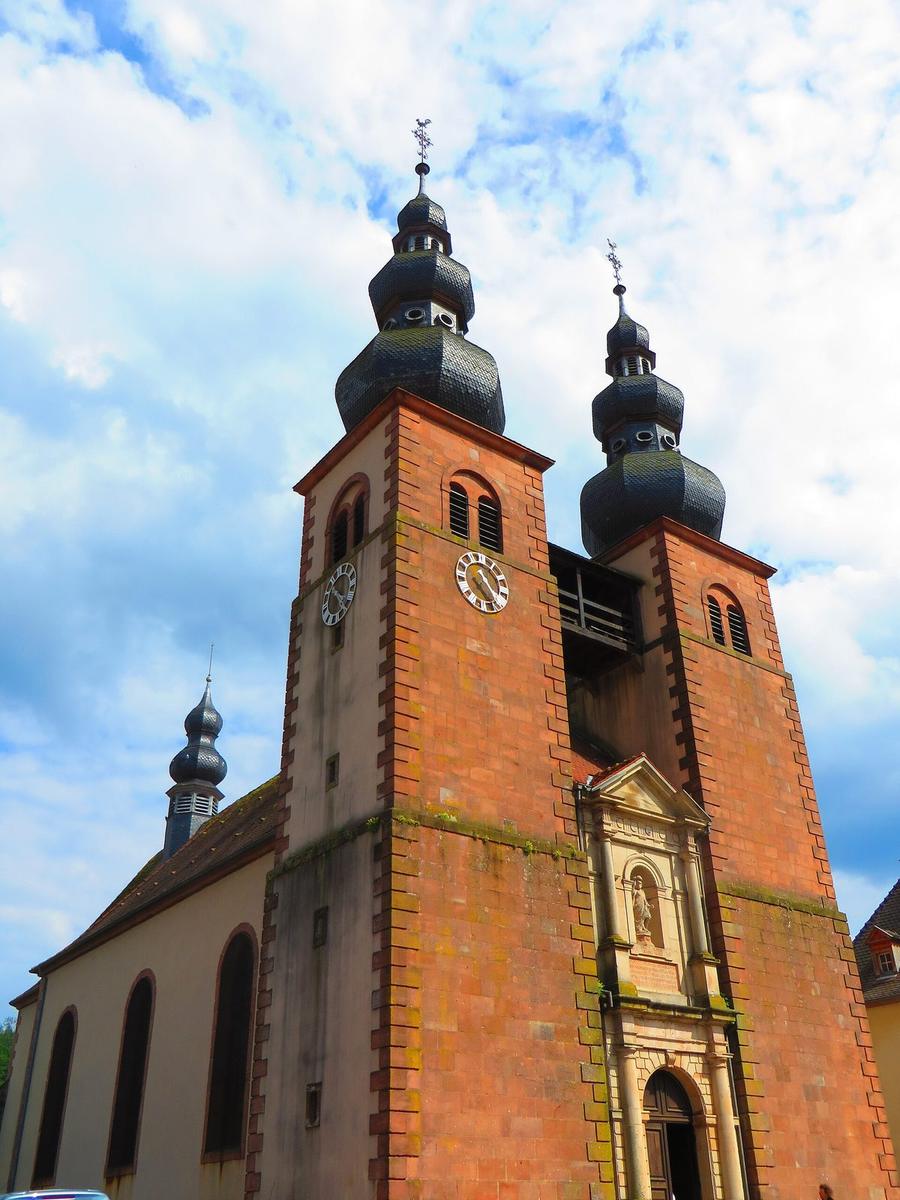
On the heights, an archaeological site has uncovered important Gallo-Roman remains of the 1st, 2nd and 3rd centuries, witnesses of the ancient culture of the summits.
View full page →This day brings together 4 sites close to each other: towns and cities, caves and villages. It passes through Metz and Nancy. Allow half an hour to an hour and a half per site, plus travel time.
Driving for the day: about 197.4 km, or 2 h 57 behind the wheel in total (excluding visits).
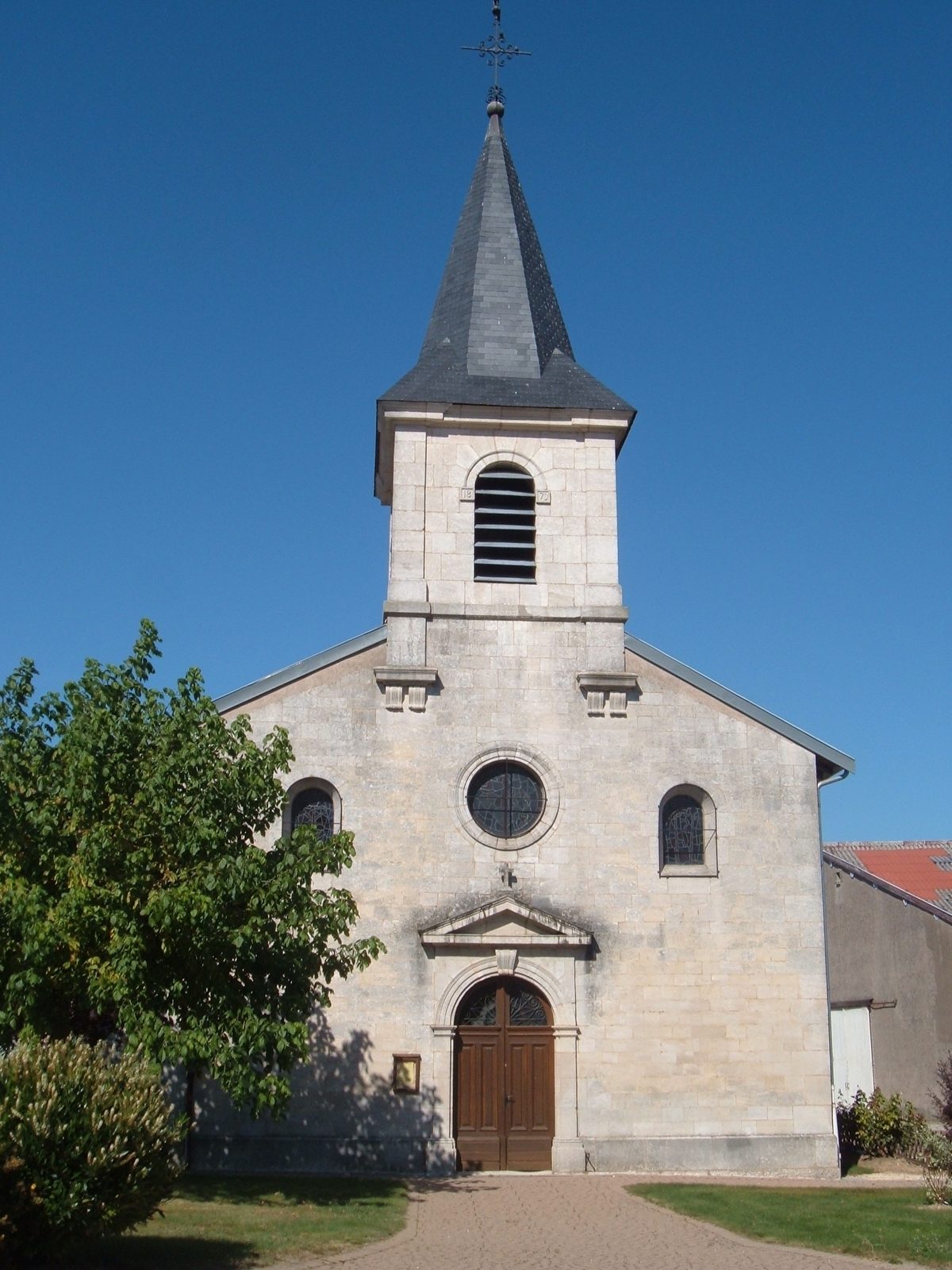
The Meuse describes a great curve here, bordered on its left bank by 400 m of limestone quarry face pierced by about fifteen underground galleries, near the village of Belleray.
View full page →↓ 80.3 km · about 1 h 03 by car to the next stop
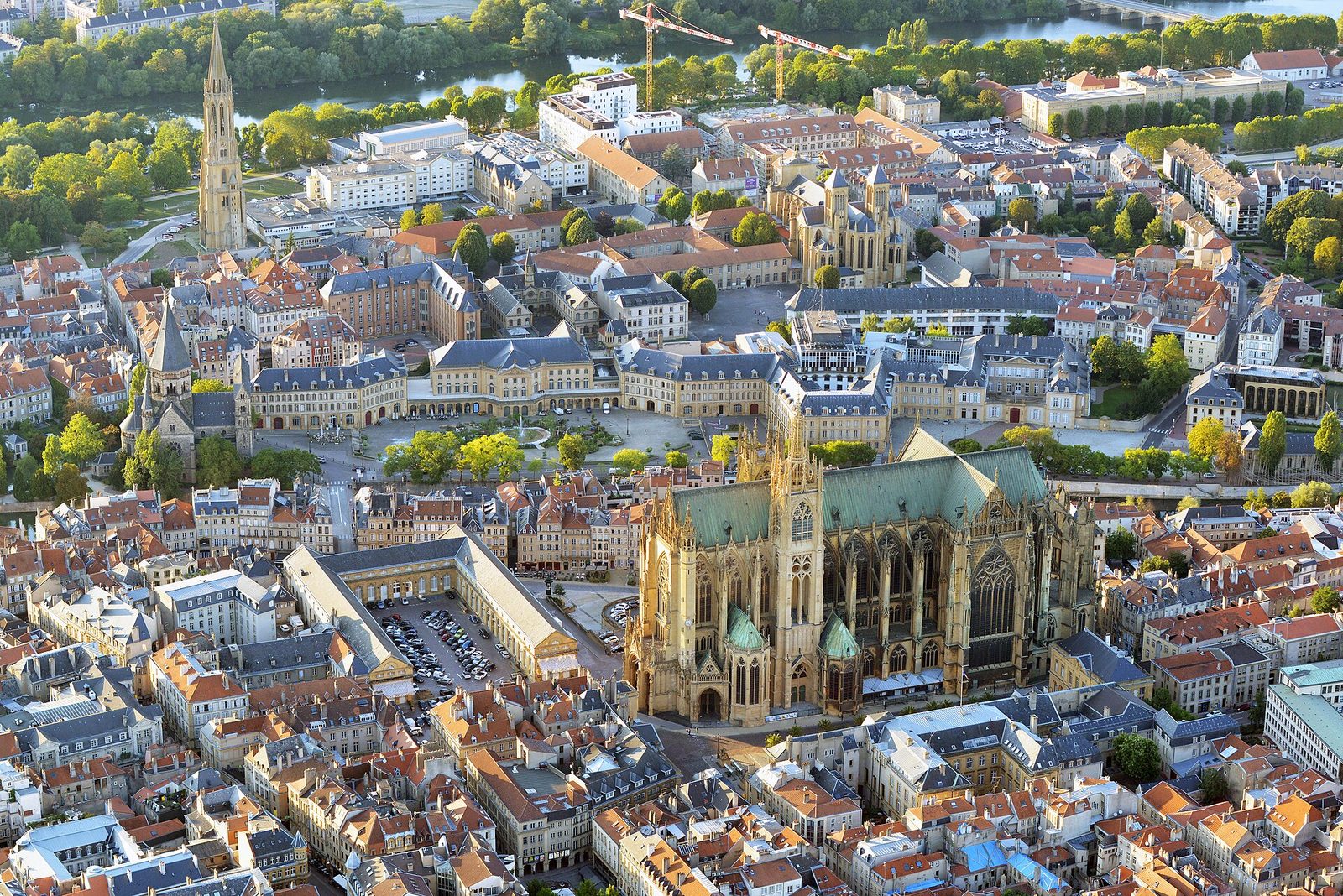
Prefecture of the Moselle built in golden Jaumont stone, at the confluence of the Moselle and the Seille, dominated by the cathedral of Saint-Étienne.
View full page →↓ 58.2 km · about 52 min by car to the next stop
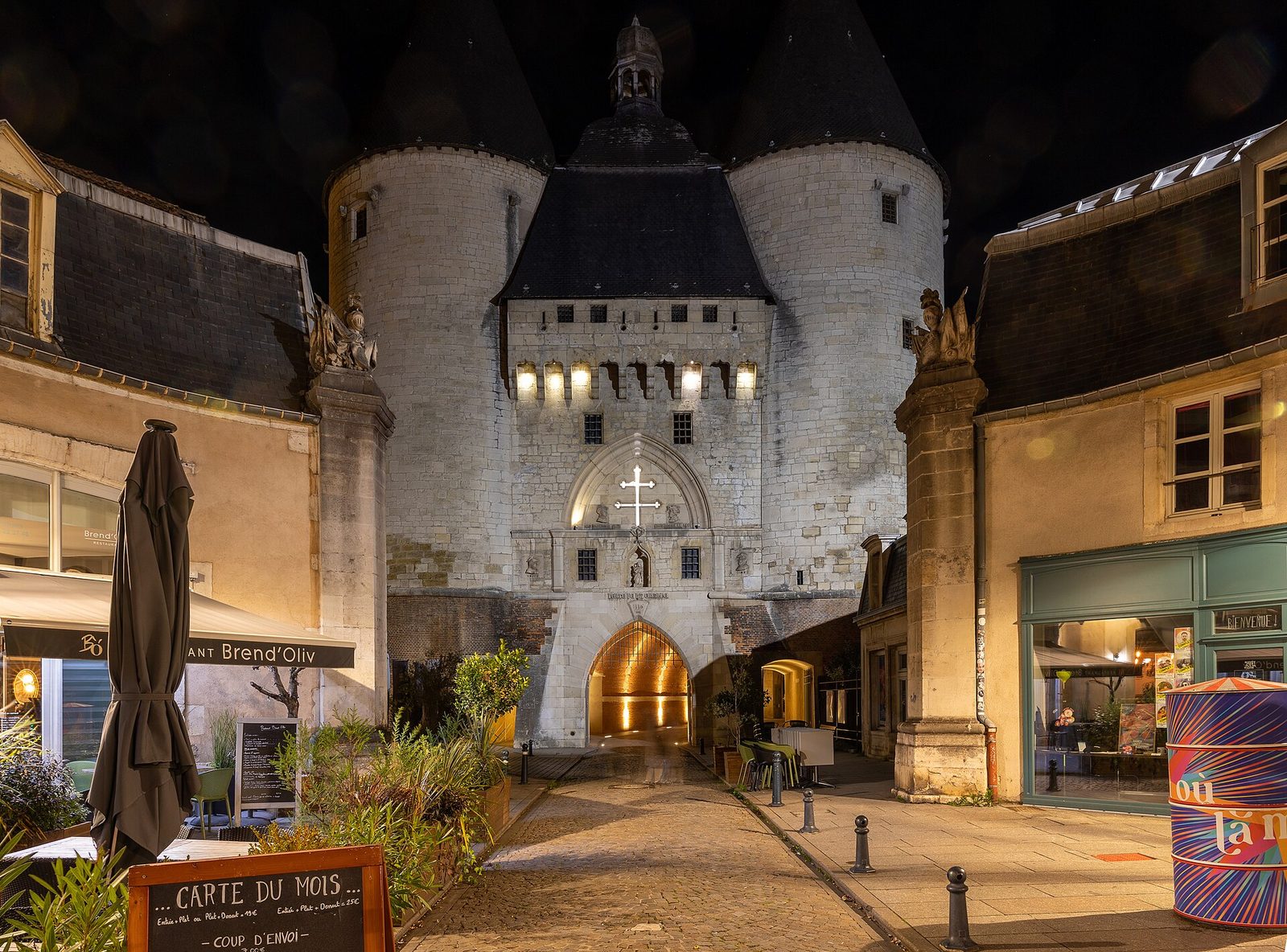
Former capital of the Dukes of Lorraine, between the UNESCO-listed Place Stanislas and the Porte de la Craffe, the monumental fortified entrance of the old town.
View full page →↓ 58.9 km · about 1 h 02 by car to the next stop
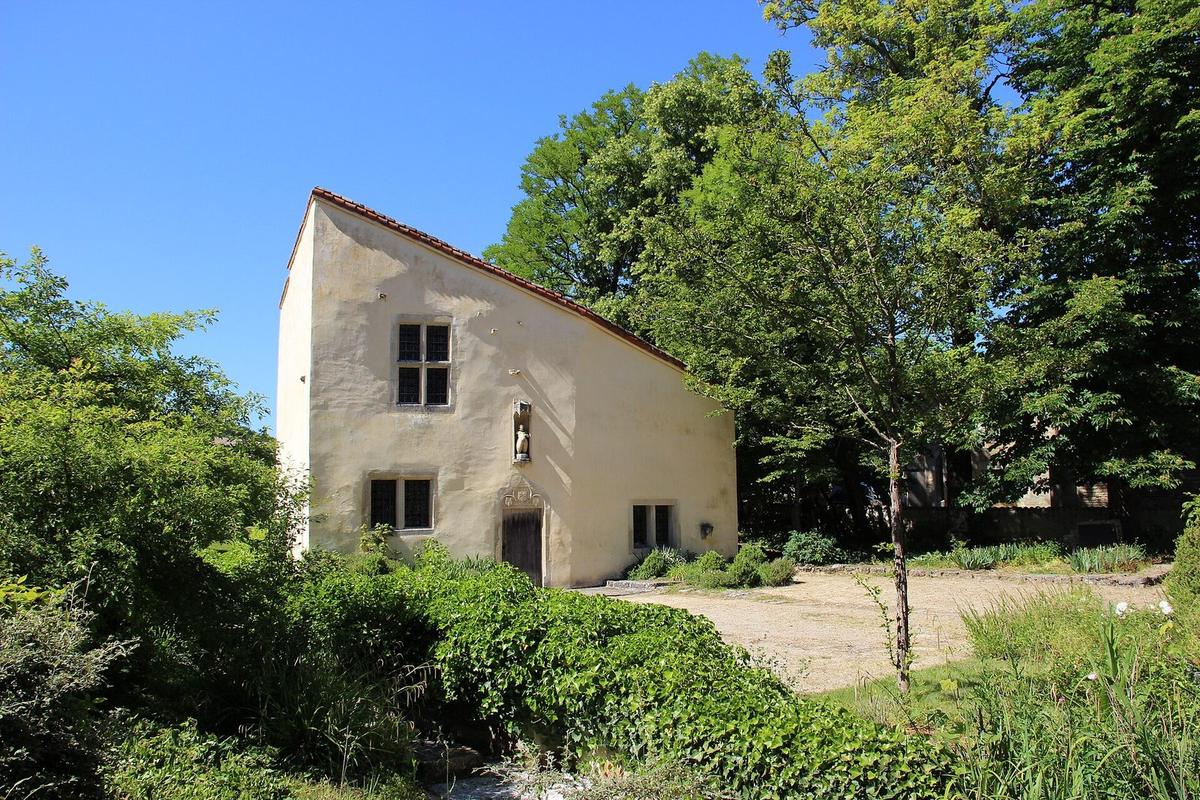
The Domrémy-la-Pucelle site is one of the major tourist hubs of the western Vosges, interacting with the other historic sites of the area.
View full page →This day brings together 6 sites close to each other: lakes, waterfalls and natural wonders. It passes through Gérardmer. Allow half an hour to an hour and a half per site, plus travel time.
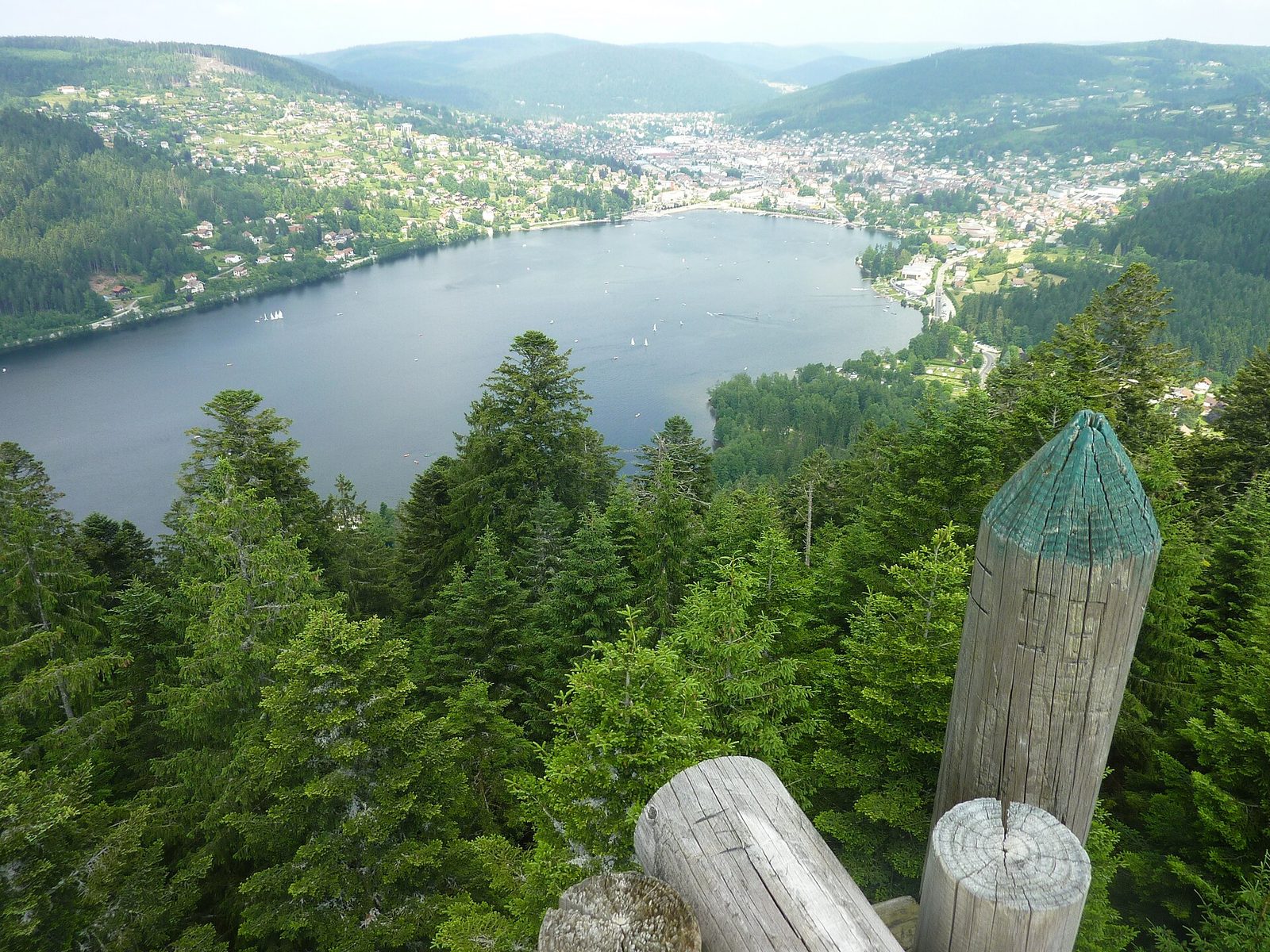
The largest natural lake in the Vosges, Lac de Gérardmer occupies the heart of the resort that bears its name. Swimming, sailing and walks around its shores make it one of the most frequented destinations of the Vosges massif.
View full page →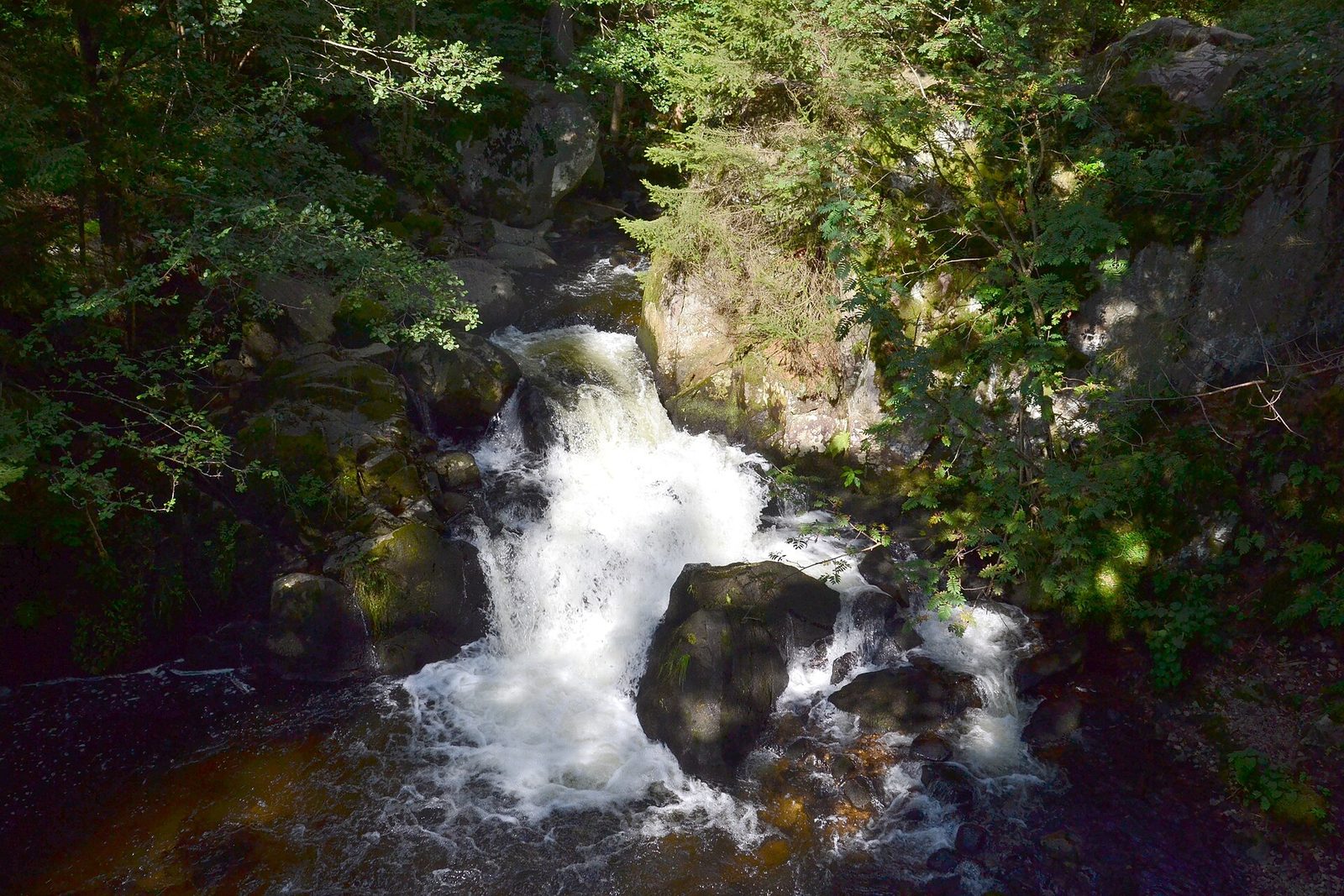
A little path has been laid out along the Vologne, which makes several falls, the largest of which is called the Saut des Cuves.
View full page →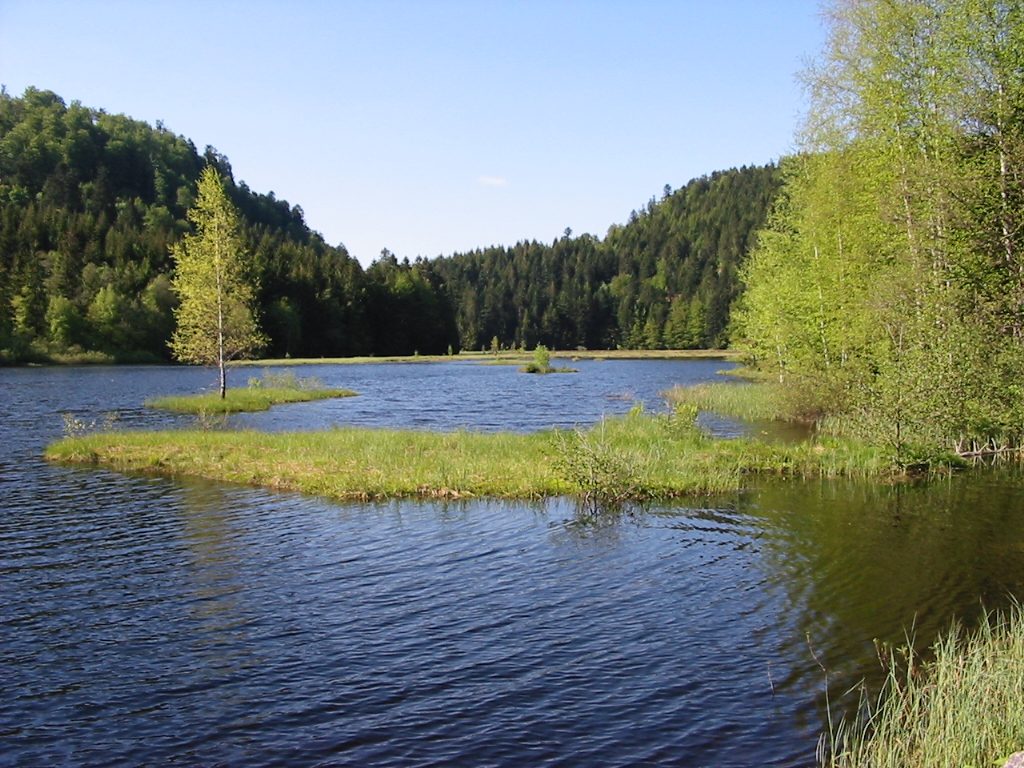
This lake, a lake peat bog, with an area of 10 ha, lies at an altitude of 900 m. A very well laid-out path lets you go round it.
View full page →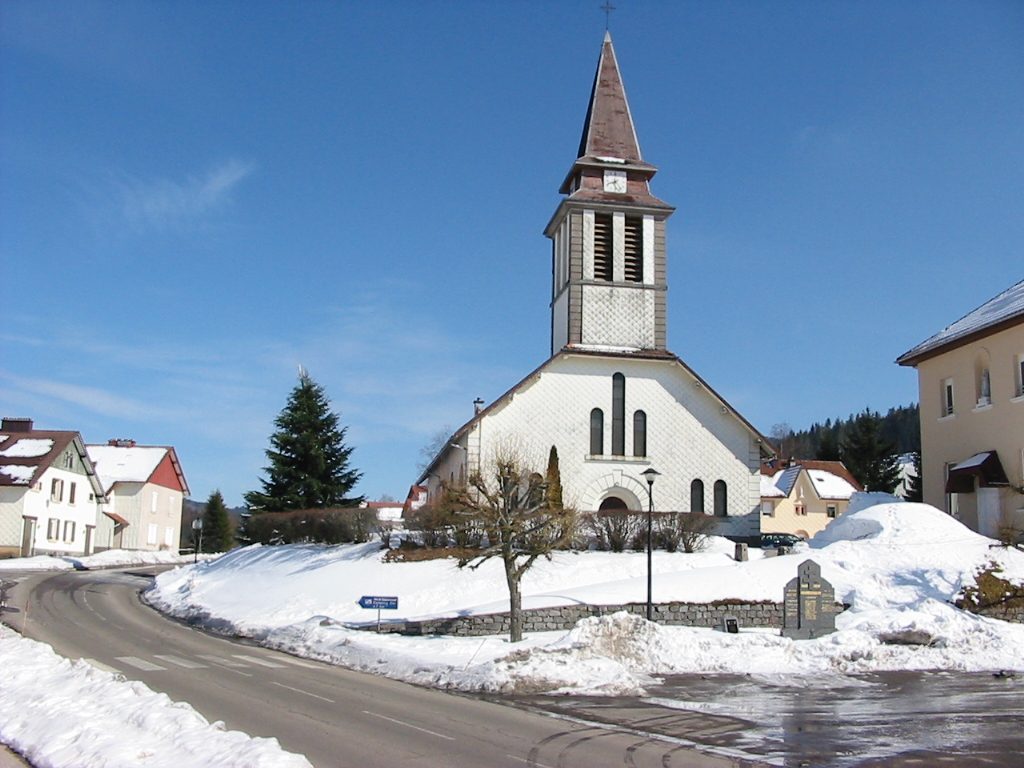
The Charlemagne waterfall is easy to reach: after Xonrupt-Longemer near Gérardmer, take the direction of Lac de Retournemer on the D67. The waterfall is at the bridge on the tarmac road.
View full page →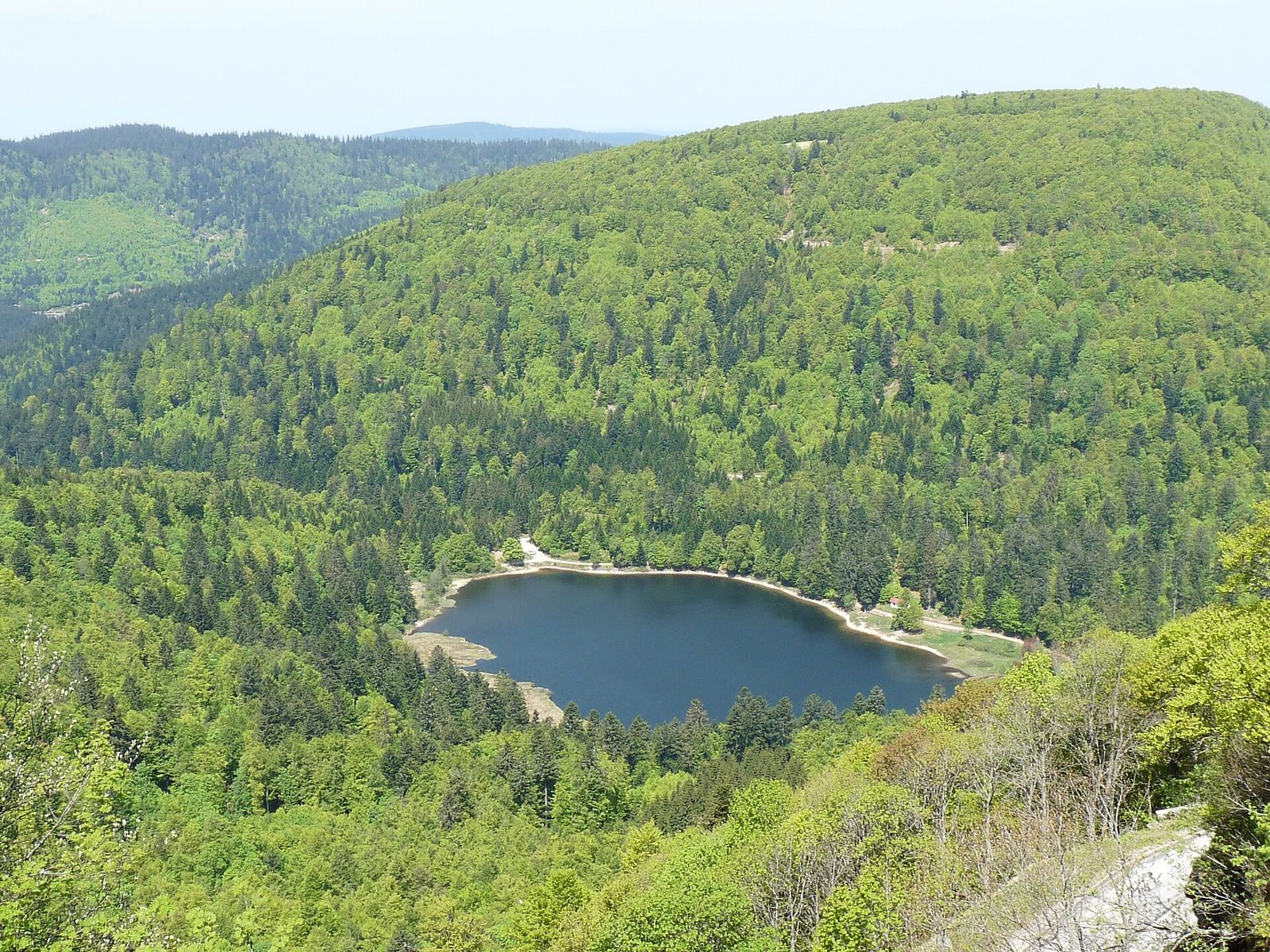
With the same surface area as Lac des Corbeaux, Lac de Blanchemer will bring you calm and tranquillity.
View full page →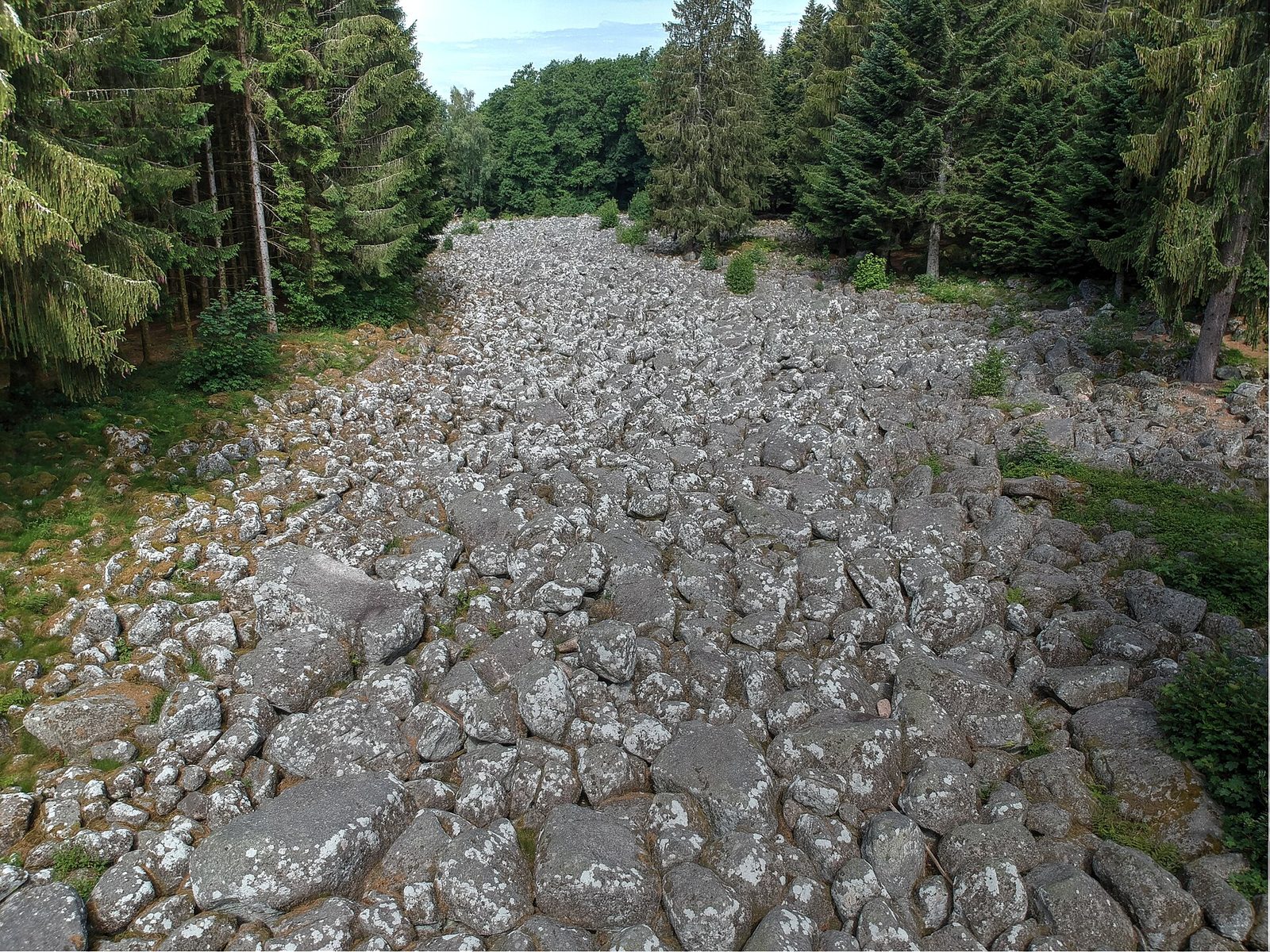
It lies between Gérardmer and Granges-sur-Vologne. An imposing moraine flow 500 m long, the Granges-sur-Vologne rock field, spreading at 740 metres' altitude, is the remnant of an ancient glacier that…
View full page →This day brings together 3 sites close to each other: waterfalls and natural wonders. Allow half an hour to an hour and a half per site, plus travel time.
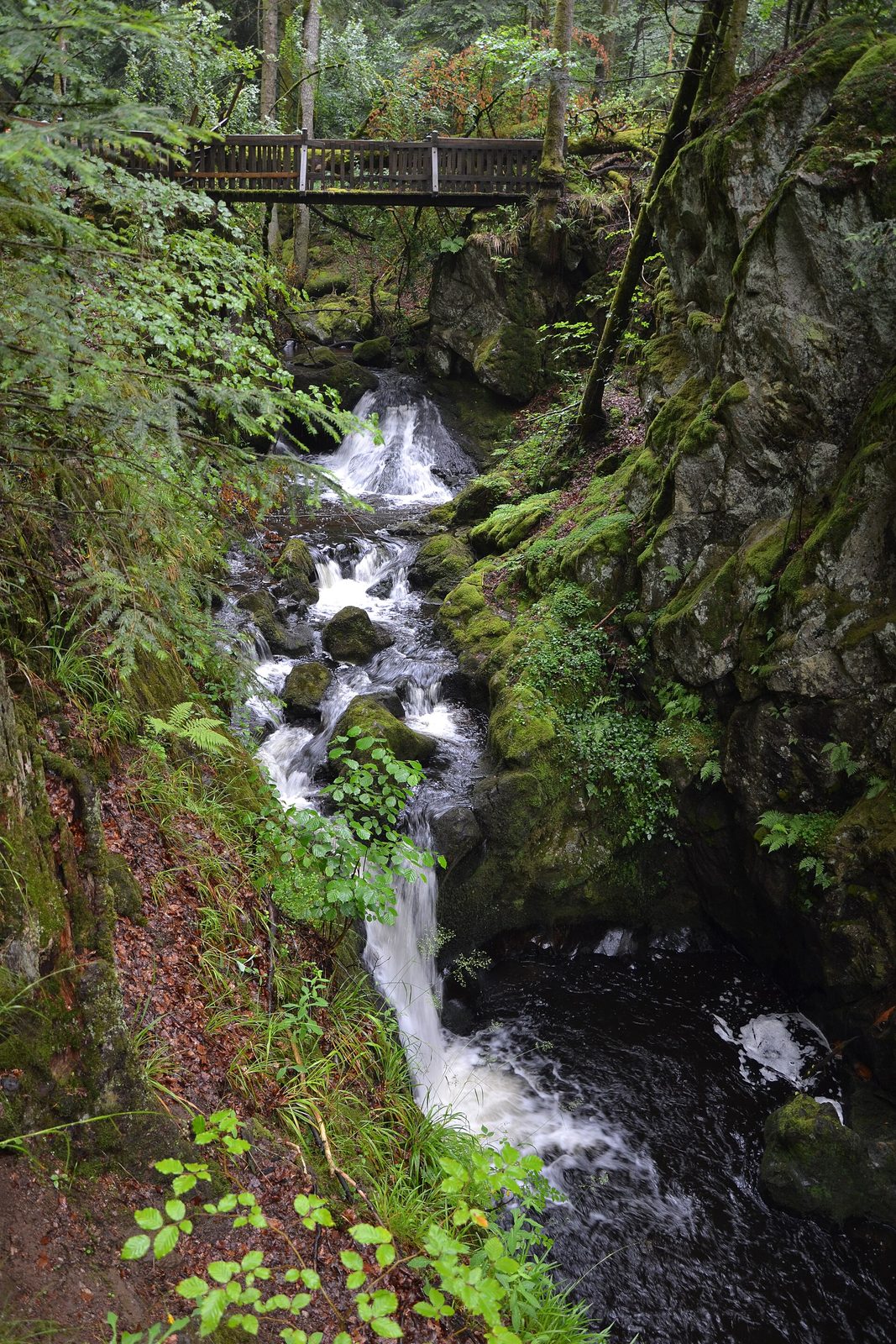
The waters of the Géhard swirl in a narrow gorge bordered by steep rocks. You can discover "giants' kettles", water holes carved in the rocks by the torrent.
View full page →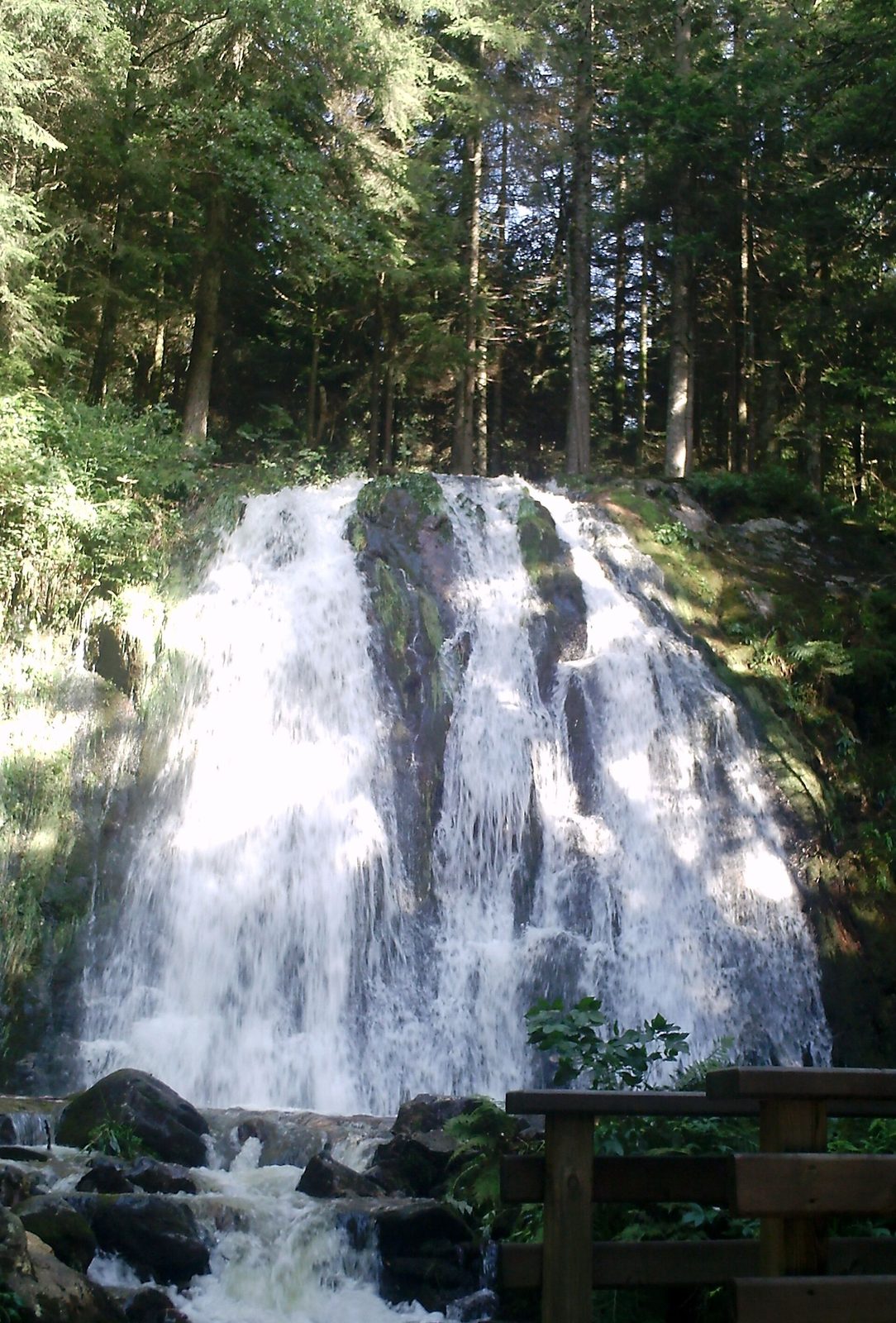
The waterfall is visible after 30 minutes' walk on a pleasant path. However you will need good footwear as the second part of the path is rocky.
View full page →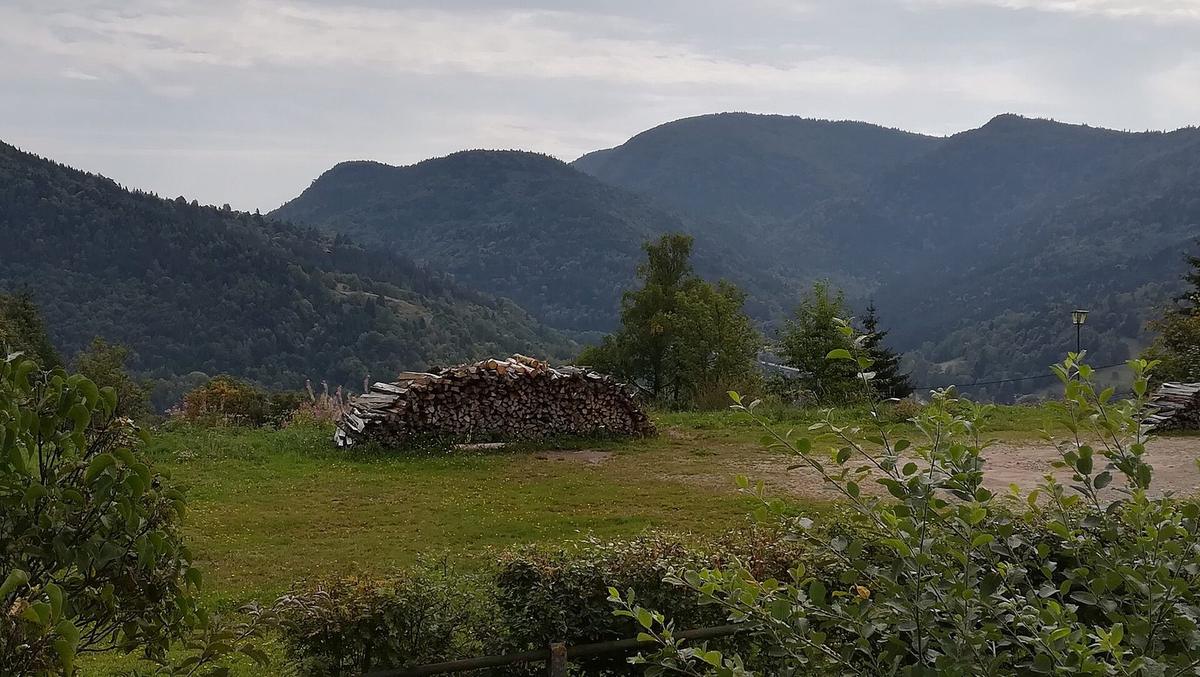
The Moselle rises at about 900 m altitude at the Col de Bussang, on the western slope of the crystalline Vosges; it first heads north-west, passing through Épinal and Toul.
View full page →Spring, summer and autumn are the most favourable. Summer is ideal for lakes and forests. Winter is cold, with much-loved Christmas markets in Nancy and Metz.
A car is practical for linking the scattered sites. Nancy and Metz are explored on foot. Vosges mountain roads are slower. Find out about road conditions in winter.

Place Stanislas, Place de la Carrière and Place d'Alliance have been inscribed since 1983 as UNESCO World Heritage.

The château de Prény is a medieval fortress at Prény; it was the last stronghold of the dukes of Lorraine facing the bishops of Metz.
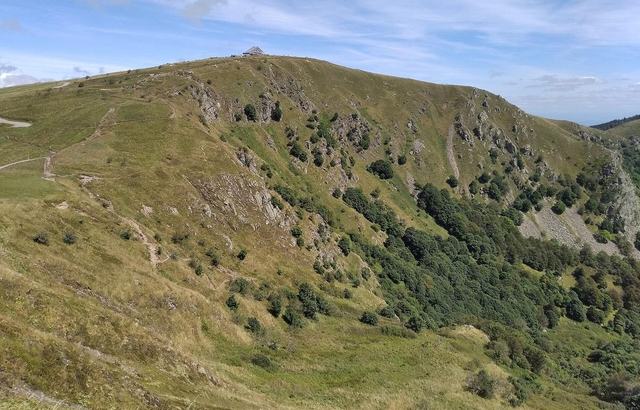
The Hohneck peaks at 1,363 metres in the commune of La Bresse and is one of the highest summits of the Vosges massif, often presented as the high point of the Vosges département.
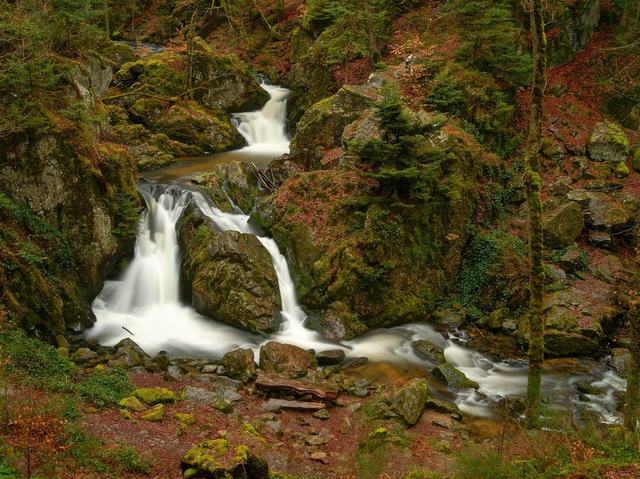
The Tendon waterfalls comprise a small and a large fall, linked by a marked forest path in the heart of the Vosges.

An extraordinary pink sandstone spur 650 metres high rises in the heart of the Vosges forest. This natural belvedere offers an extraordinary and unique panorama over the whole region.
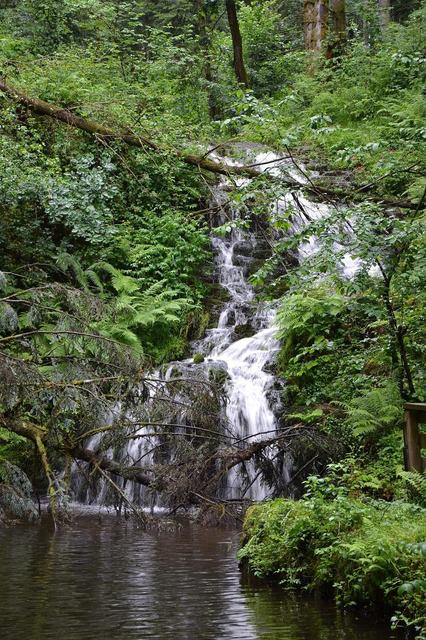
A long vertical fall at the foot of a granite rock, near Le Val-d'Ajol.