Hérault: what to see and do
57 sites listed in the département. Between Montpellier, a lively city, and the hilltop villages of upper Languedoc, the Hérault cultivates a strong Mediterranean identity around its vineyards, caves and the Cirque de Navacelles. Coastal lagoons and the Cévennes complete the variety of this Occitan département.
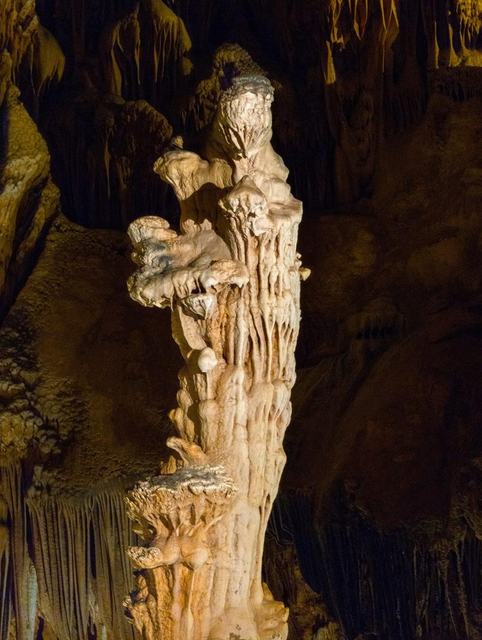
Grotte des Demoiselles
Located not far from the Cirque de Navacelle, this cave is in fact an old aven whose opening is on the Thaurac plateau.
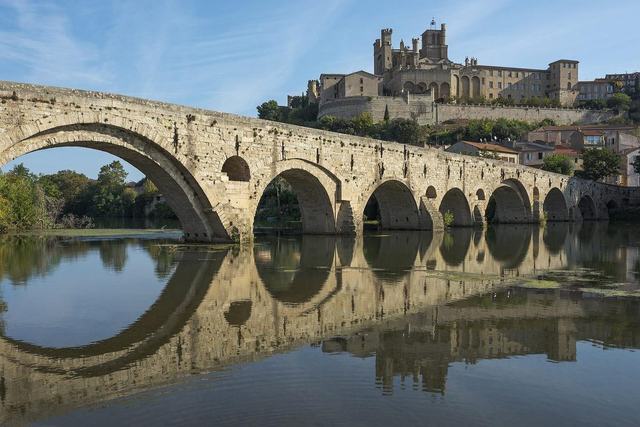
Béziers
The oldest town in France, dominated by its fortified cathedral of Saint-Nazaire that overlooks the Orb and its nine-arched medieval Old Bridge.
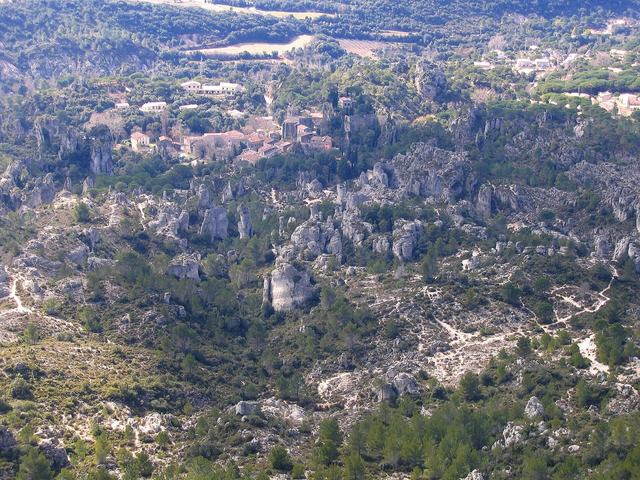
Cirque de Mourèze
This natural limestone formation, which gave its name to cliffs in the Alps of northern Italy, is found west of Clermont-l'Hérault.
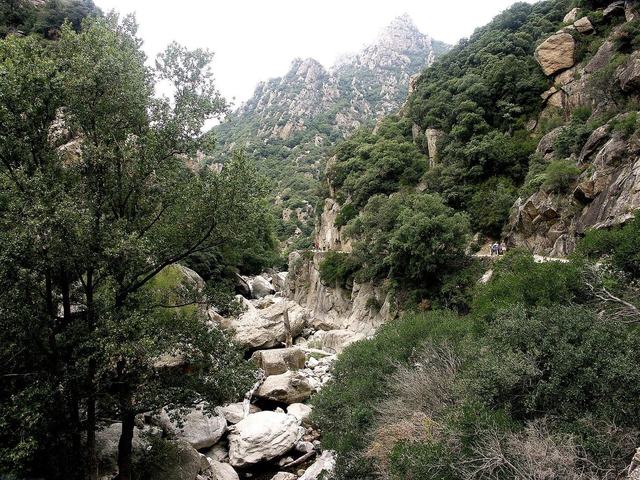
Gouffre Cerisier et Gorges d'Héric
Very deep gorges with limestone needles. The Gouffre du Cerisier is one of the natural pools (gour) carved by the Héric torrent (swimming).
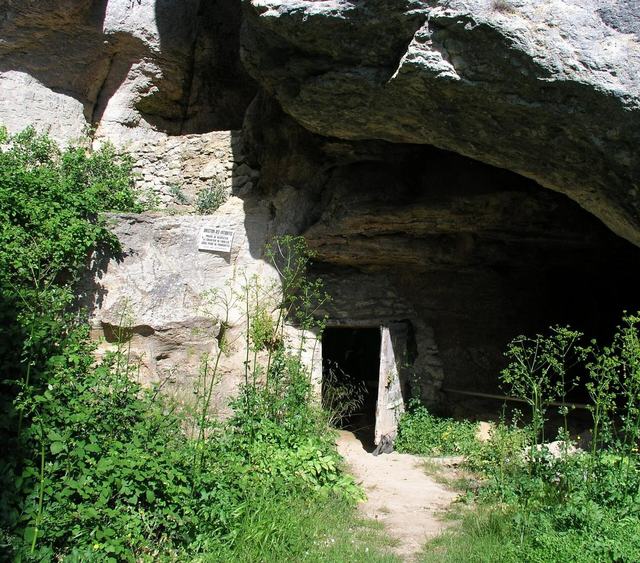
Grottes de Fauzan
The first known inhabitants were certainly from the Palaeolithic, since they left many traces in the natural caves of the Fauzan site.
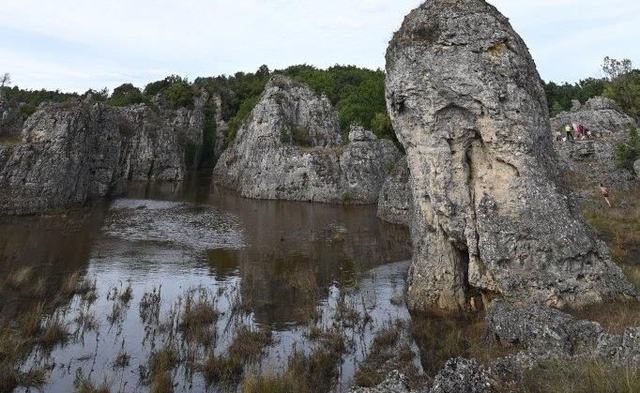
Lac des Rives
Lac des Rives forms in a karst depression of the Larzac plateau, not far from Lodève, in the Hérault.
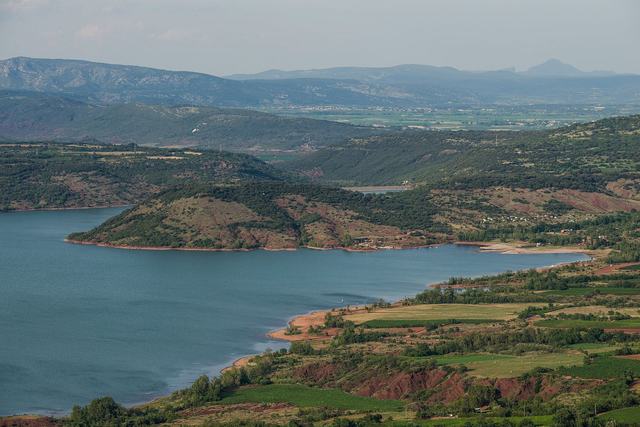
Lac du Salagou
A reservoir lake with blue water ringed by hills of dark red argillite, the famous "ruffes" of the Lodévois, a volcanic and lunar landscape unique in the Hérault.
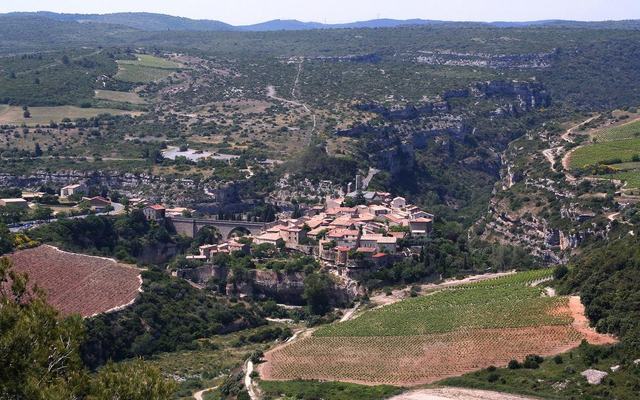
Les Ponts Naturels de Minerve
Listed among the most beautiful villages in France, Minerve is an impressive combination of historic remains and natural beauty.
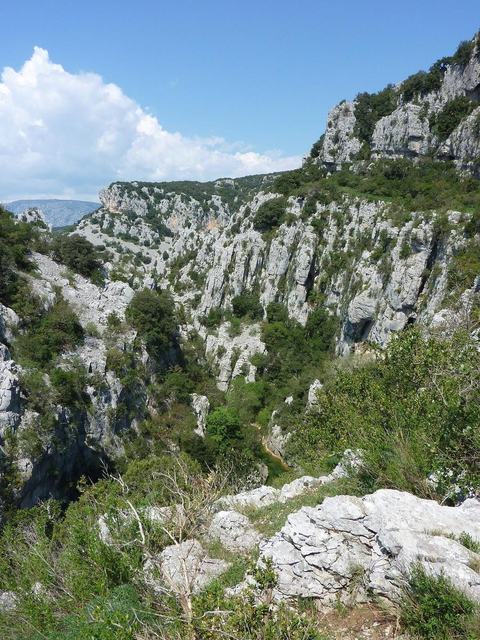
Ravin des Arcs
A superb site naturally carved by the emerald waters of the Lamalou stream. It is the unusual curiosity of the region. We advise visiting outside summer, as the Lamalou stream is dry then.
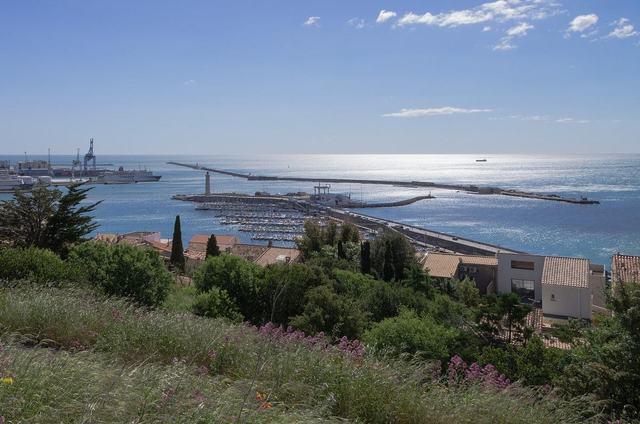
Sète
Mediterranean port built on the slopes of Mont Saint-Clair, criss-crossed by canals that earn it the nickname "Venice of Languedoc", birthplace of Georges Brassens.
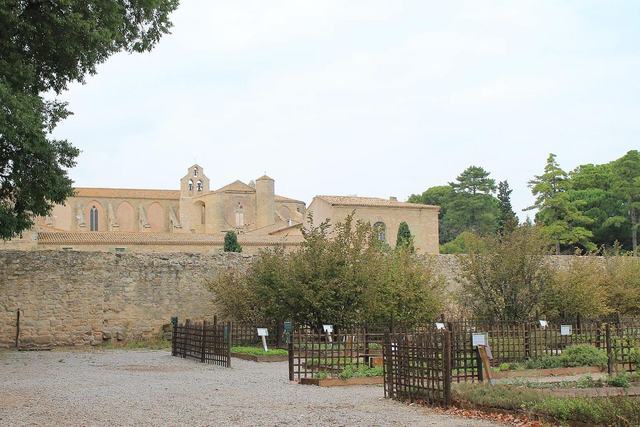
Abbaye de Valmagne
A Cistercian abbey of the twelfth and fourteenth centuries. Church inspired by the great northern cathedrals, charming shaded cloister adorned with a griffin fountain.

Aqualand Cap D'Agde

Aquarium Marin du Cap d'Agde
Open all year round, this aquarium testifies to the riches of underwater life: recreated seabeds, Mediterranean and tropical fish, sharks, corals, jellyfish, seahorses, octopuses, reef sharks and venomous fish. Discovery of the Mediterranean and tropical seas in 28…
Canyon du Diable
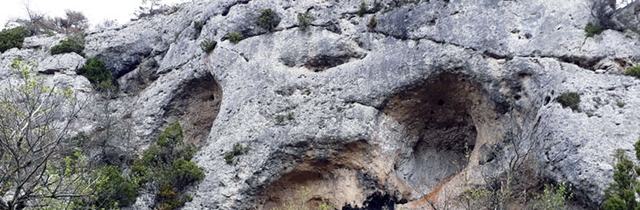
Chaos de Camp Rouch

Château Saint-Bauzille
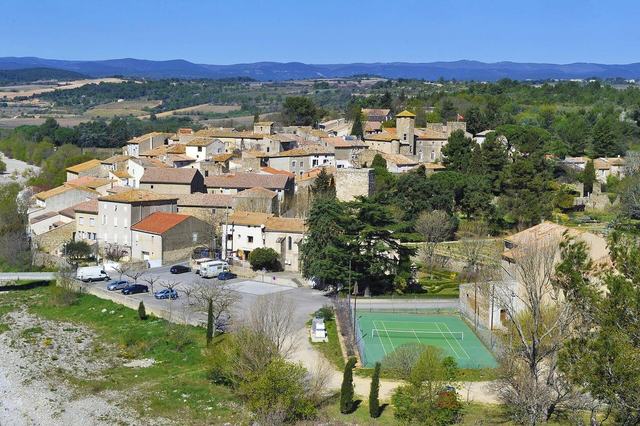
Château d'Agel

Château d'Assas

Château d'Aumelas

Château d'O
This château was built between 1743 and 1750 by the Montpellier architect Charles Gabriel Le Blanc.
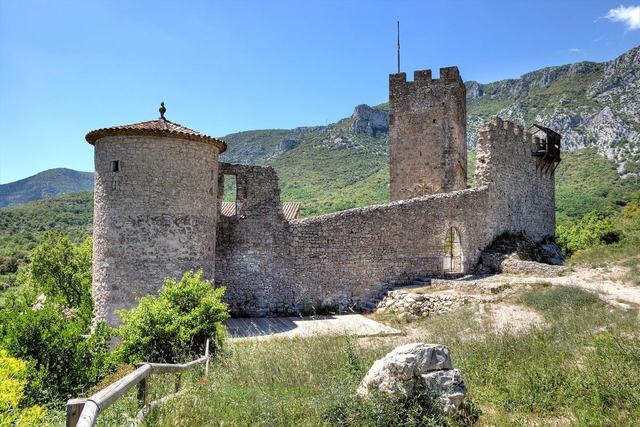
Château de Baulx
Perched on its rocky peak, the château de Baulx overlooks the village. A simple watchtower in the twelfth century, protecting the barony of Pégairolles, the whole underwent various alterations over the centuries.

Château de Bocaud

Château de Castries
Built on the site of a Gothic castle of which nothing remains, from the year 1565, this castle nicknamed "the Versailles of Languedoc" is a Renaissance masterpiece.
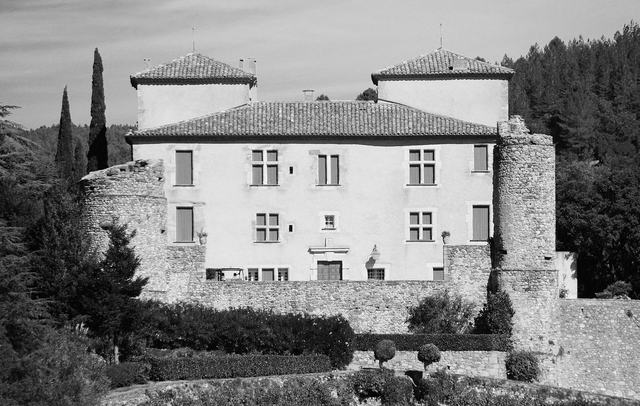
Château de Cazilhac
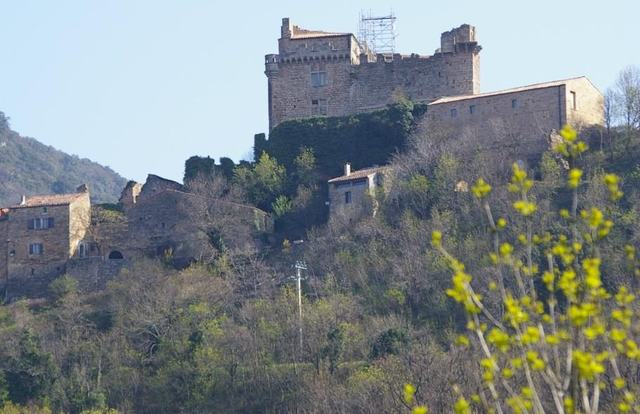
Château de Dio
The history of the château de Dio goes back to Visigothic times, when, in 533, King Theudebert of Austrasia plundered a "castrum", a Visigothic fortress on the very site of the château.

Château de Flaugergues
Built at the end of the seventeenth century, Flaugergues is one of those dwellings called "follies" built in the Montpellier countryside. "Houses in the foliage", they are the work of a new aristocracy enriched in the king's service.
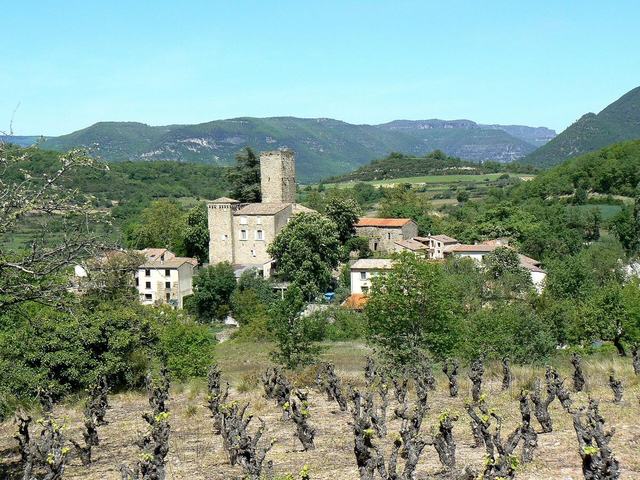
Château de Fozières
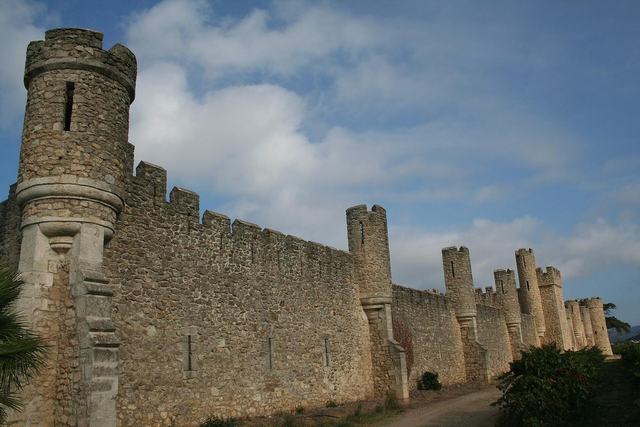
Château de Grézan
Château de Jonquières

Château de Lavagnac

Château de Libouriac

Château de Montferrand

Château de l'Engarran

Château de la Mogère

Château de la Mosson

Château de la Piscine
On the site of the château stood the old Mas de la Peyssine (1435), a hunting estate belonging to Charles de Boucicot, councillor at the Montpellier court of accounts.
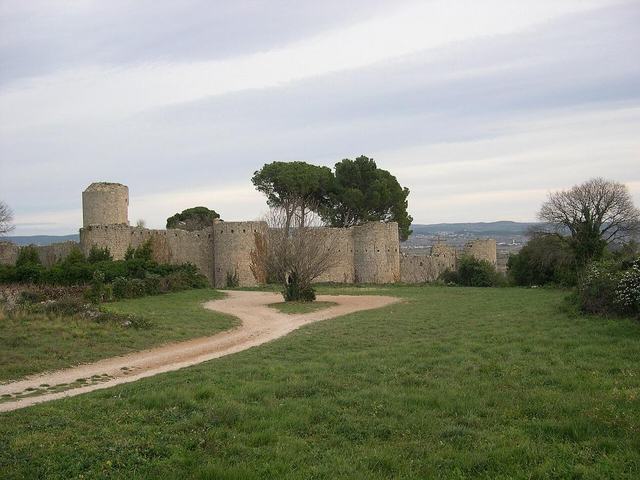
Château des Guilhem
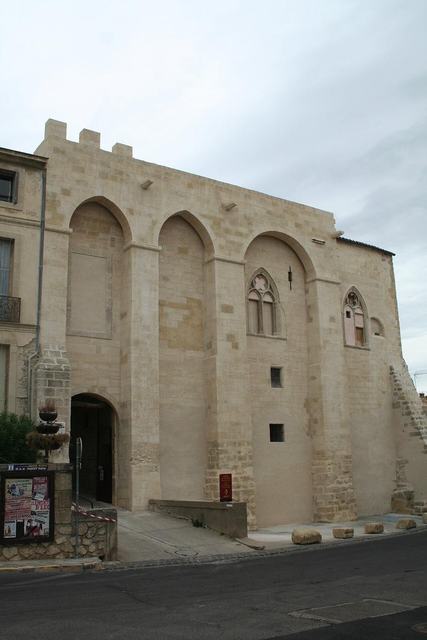
Château des archevêques de Narbonne
Within the medieval enclosure are several buildings of the fourteenth, fifteenth and nineteenth centuries.

Château des évêques de Montpellier

Fabrikus World
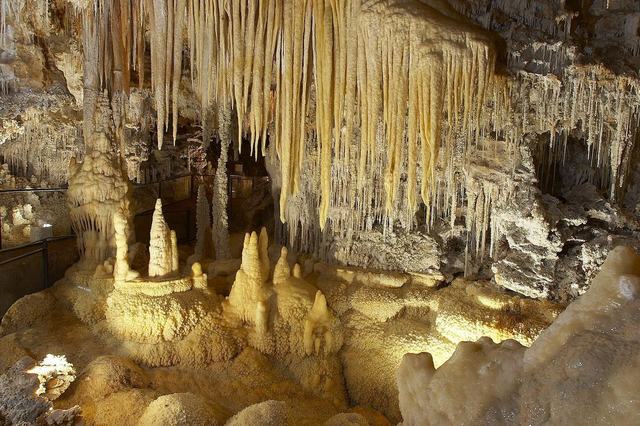
Grotte de Clamouse
CLAMOUSE, a site classified by the Ministry of Ecology and Sustainable Development, is an essential tourist spot, 35 km from Montpellier, in the GRAND SITE de FRANCE of the Hérault Gorges, near the Pont du Diable and the medieval village of Saint-Guilhem-le-Désert.
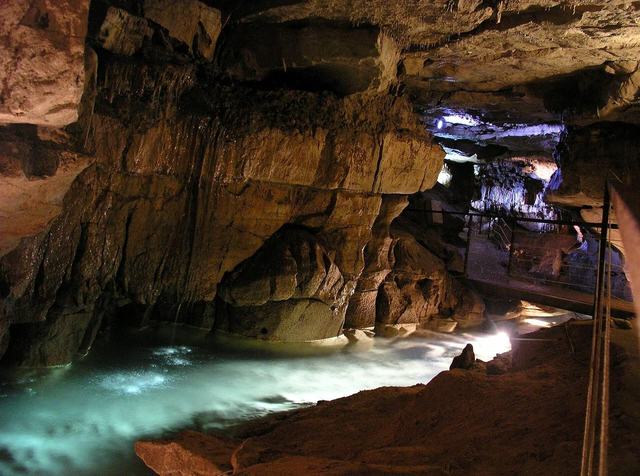
Grotte de Labeil
Set in a dolomitic cirque at 700 metres' altitude, the natural entrance to the Labeil Cave is a former Roquefort cellar that gives level access to the underground river where the sound of illuminated waters offers a unique spectacle.
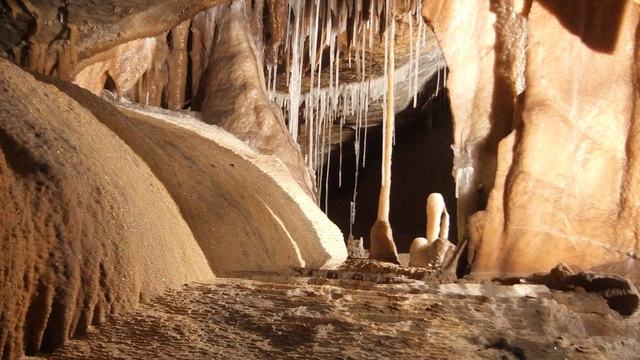
Grotte de la Devèze
This cave was discovered in 1886, during the building of the Bédarieux–Castres railway line, when the mountain had to be pierced.

Jardin des plantes de Montpellier
Created in 1593 under Henry IV, it was meant to let students of the Faculty of Medicine become familiar with medicinal plants.

Le Pont Ambroix ou Pont d'Ambrussum
The Pont Ambroix, or Pont d'Ambrussum, is a Roman bridge built in the first century over the Vidourle river at Ambrussum. A few metres away is an ancient Gaulish oppidum on the Via Domitia.
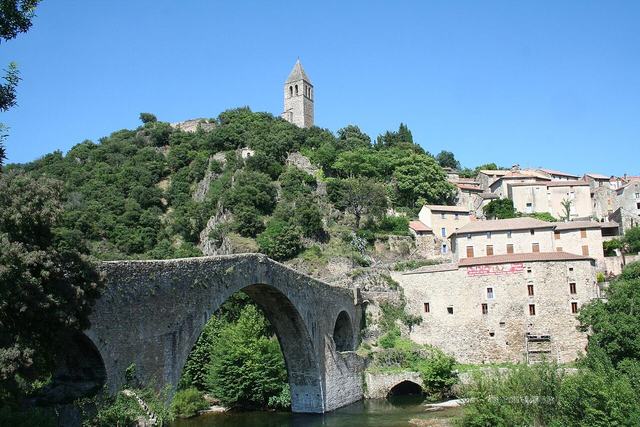
Le Pont du Diable à Olargues
The Devil's Bridge of Olargues over the Jaur is a Romanesque construction in the Hérault département. The Devil's Bridge lies below Olargues; it was built in the twelfth century.
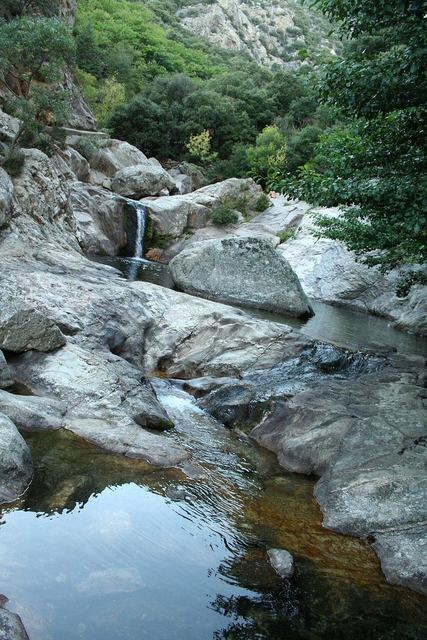
Les Gorges de Colombiéres
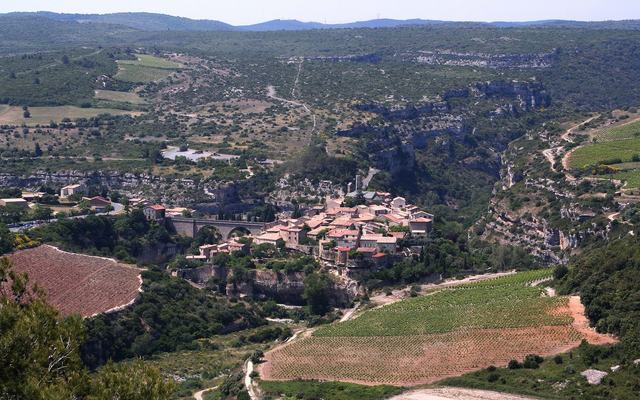
Minerve
At the exit of the gorges of La Cesse and the Briant, where the waters of the two rivers meet, Minerve appears at the end of a limestone plateau bordered by steep cliffs in a fantastic mineral and tormented landscape.
All sites (9)
- Montpellier · Hérault
- Musée Fabre · Hérault
- Musée international des arts modestes · Hérault
- Olargues · Hérault
- Parc zoologique de Montpellier · Hérault
- Pic Saint-Loup · Hérault
- Planet Ocean Montpellier · Hérault
- Pont du Diable (Saint-Jean-de-Fos) · Hérault
- Saint-Guilhem-le-Désert · Hérault