Lyon, a city of passage
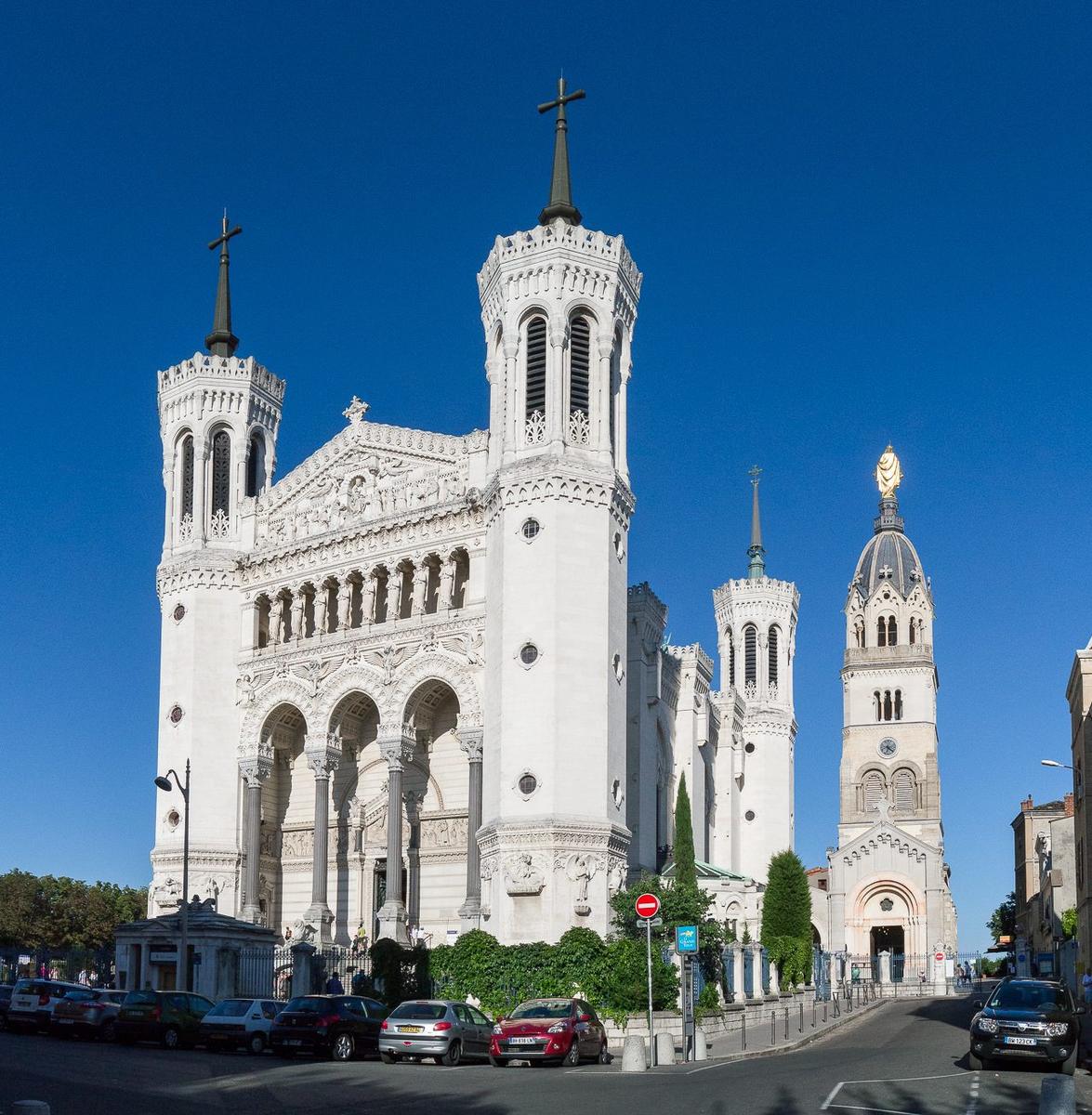
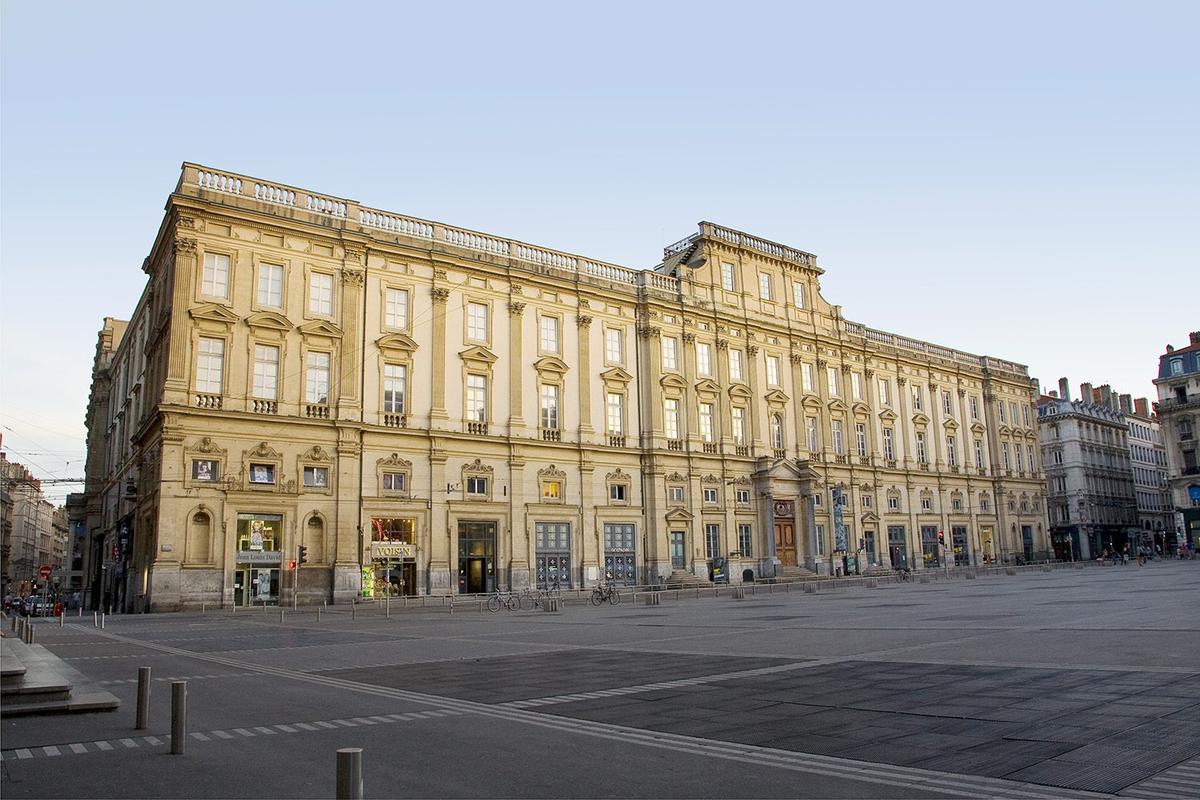
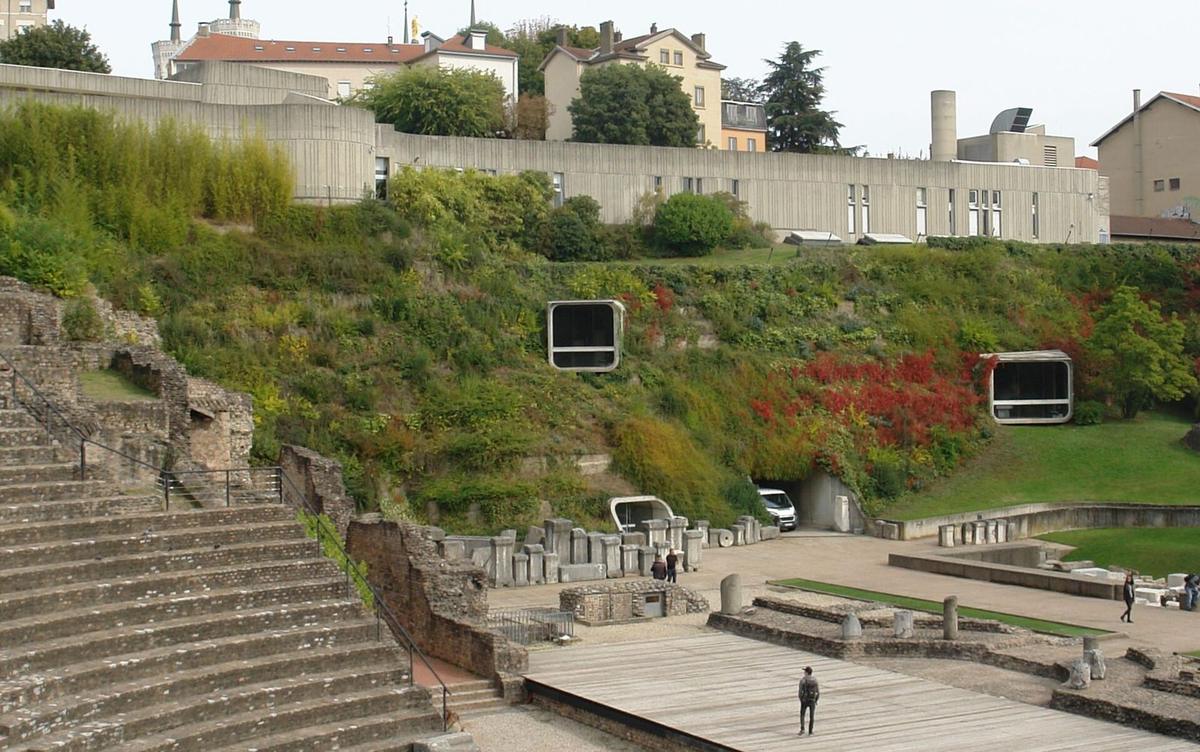
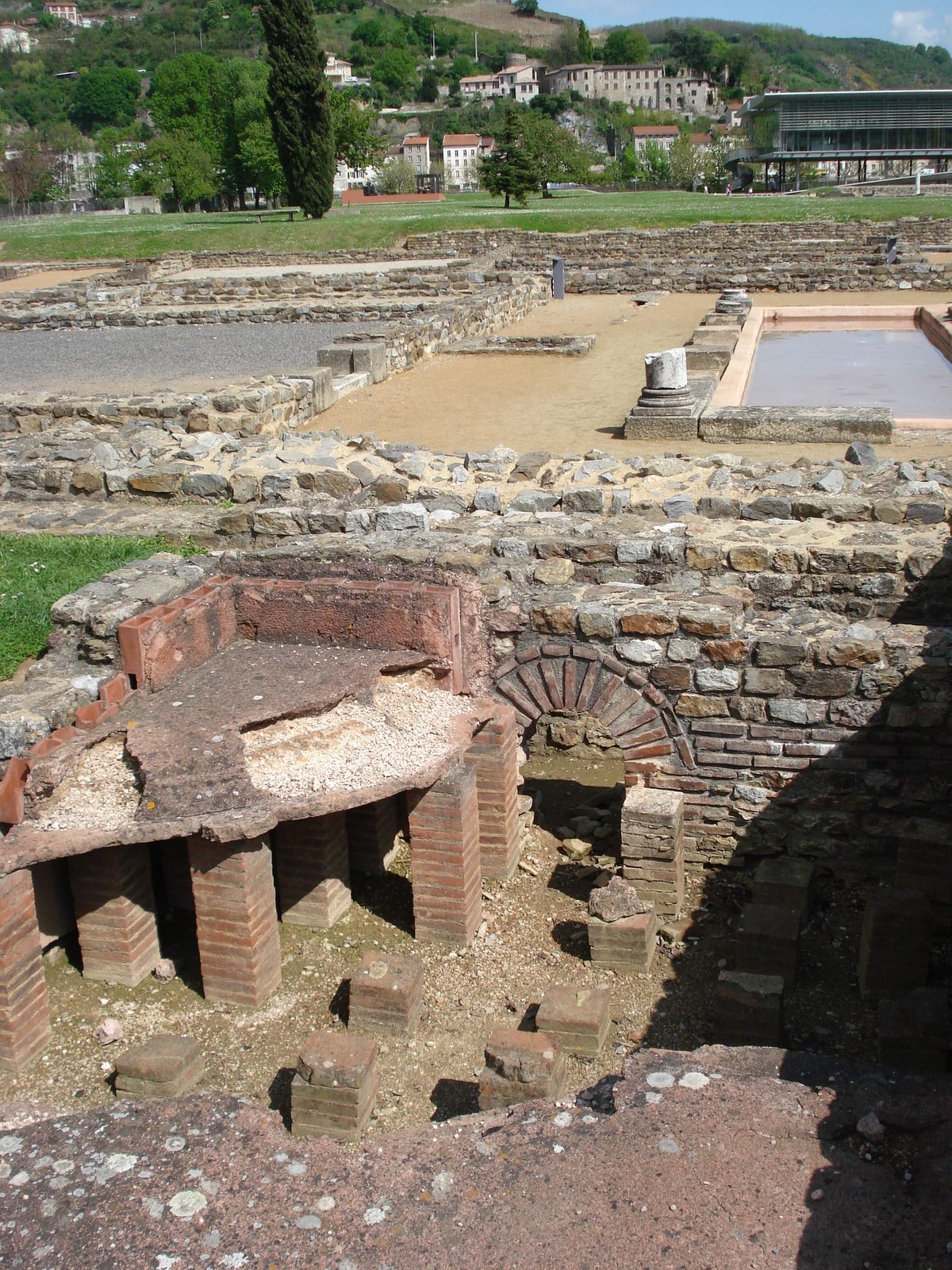
Lyon was born at the confluence of the Rhône and the Saône, at a crossroads of routes. Capital of the Gauls in Roman times, it has known great periods of prosperity, notably thanks to silk and printing. These moments left neighbourhoods, monuments and museums.
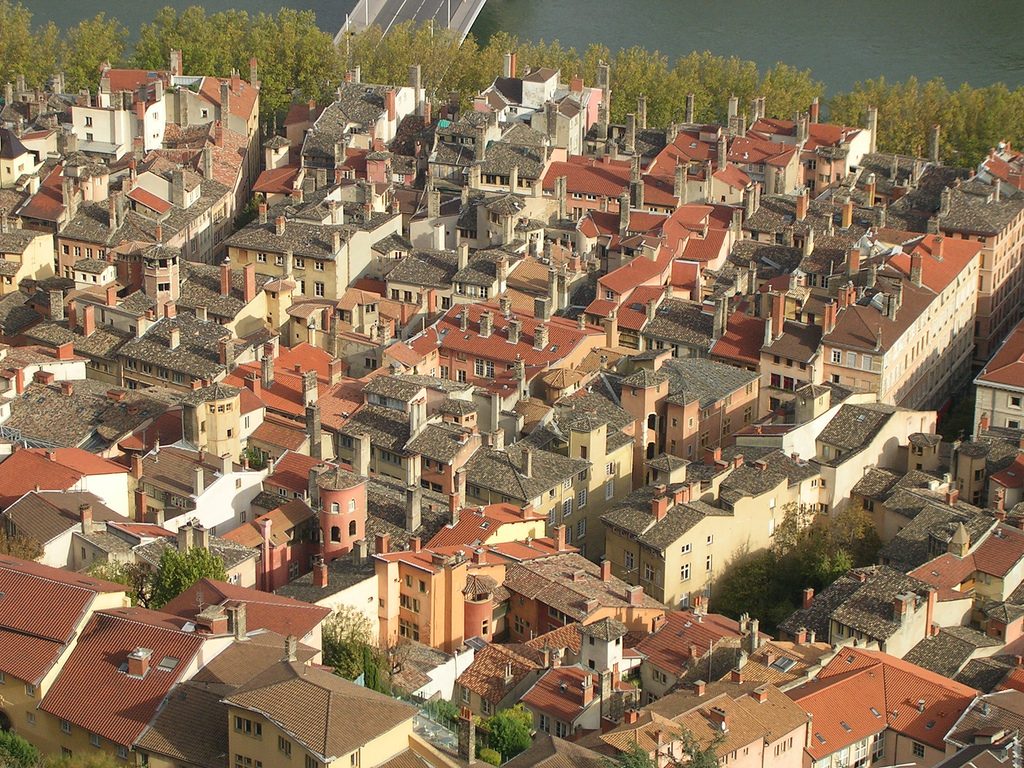
Old Lyon, Fourvière hill, the Croix-Rousse and the Presqu'île are so many faces of the city. Each neighbourhood has its own history and atmosphere.
Food and traditions
Lyon is renowned for its gastronomy, with its bouchons, charcuterie specialities, quenelles and the wines of the Beaujolais and the Rhône valley. The market and the covered halls are good places to taste local produce.
Craft traditions, such as silk, left workshops and museums. Traboules, covered passages linking streets, are a particularity to explore.
Beyond the city
A few dozen kilometres away, the Beaujolais offers vines, villages and castles. The land of golden stones owes its name to the colour of its buildings, which takes on a warm tint in the sun. Parks and the banks of the Saône also let you escape without leaving the conurbation.
Small sites, often overlooked, are worth the detour: private castles, gardens, local museums. They give a fuller picture of the region.
Itinerary tips
Three days are enough to discover Lyon and its surroundings. Plan one day for the historic centre, one for the neighbourhoods and museums, and one for the Beaujolais or the golden-stone villages.
The itinerary below groups the best-rated sites in the catalogue by proximity. Leave time for meals: the Lyon table is part of the journey.
The map shows the numbered stops in visiting order, with one colour per day. The line follows the roads where available; otherwise it joins the stops as the crow flies. Distances and times are approximate (by car, without traffic).
This day brings together 5 sites close to each other: castles and villages. Allow half an hour to an hour and a half per site, plus travel time.
Driving for the day: about 42.9 km, or 58 min behind the wheel in total (excluding visits).
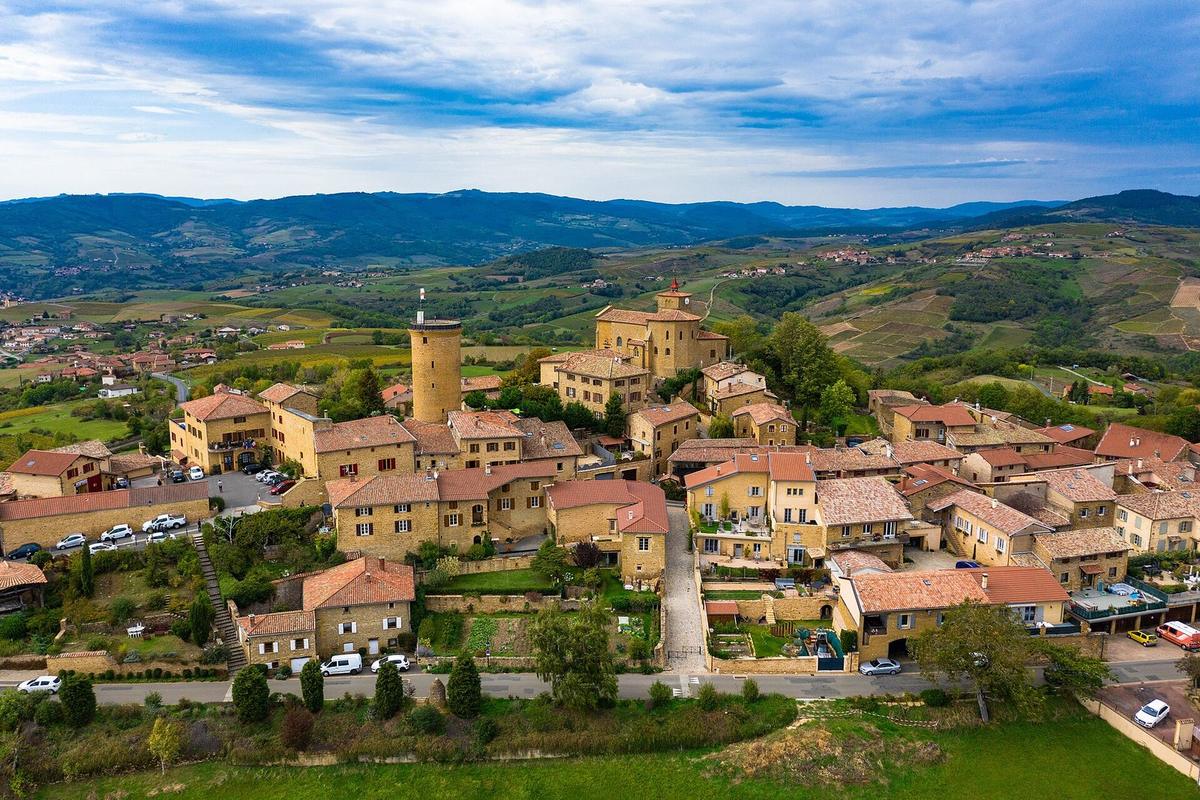
Villages · Rhône
Oingt is a magnificent medieval village, listed and restored, perched on a spur overlooking the Azergues valley where the "Route Fleurie" passes, linking the most beautiful villages of the Pays des Pierres Dorées.
View full page →
↓ 3.4 km · about 7 min by car to the next stop
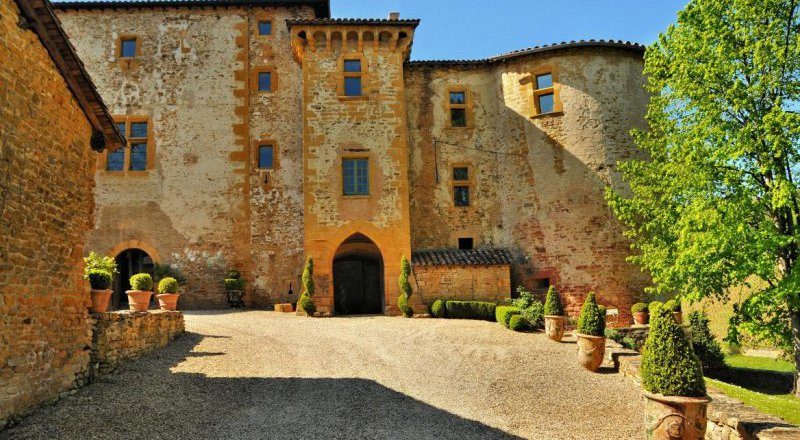
Castles · Rhône
A thirteenth-century château. Inner courtyard with Renaissance galleries and stone column, coats of arms.
View full page →
↓ 4.4 km · about 9 min by car to the next stop
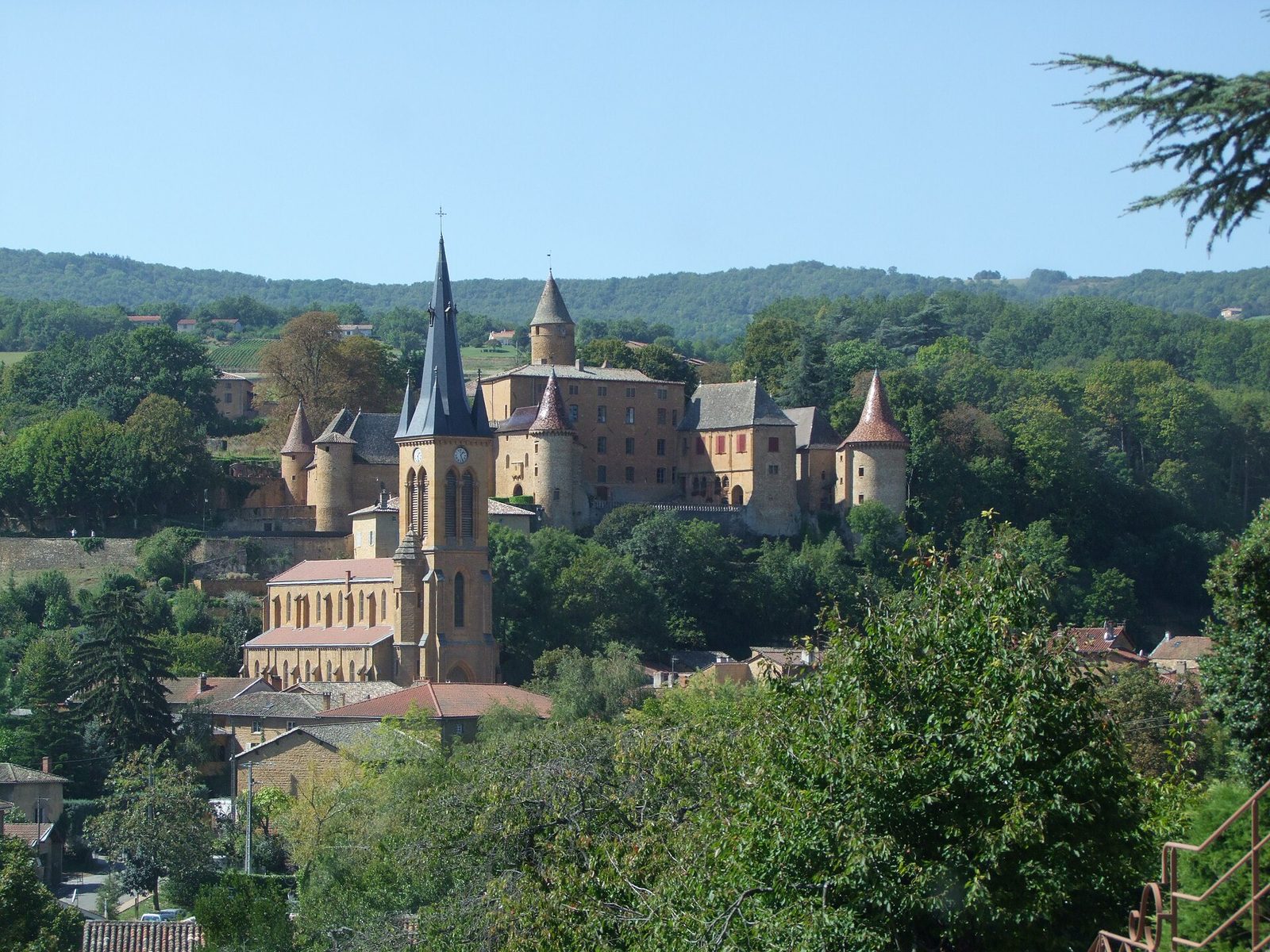
Castles · Rhône
Built in the twelfth and thirteenth centuries, the château de Jarnioux is one of the best preserved in the Beaujolais, since it never knew a siege. Its 6 towers, one of which 30 metres high, punctuate its imposing structure.
View full page →
↓ 5.8 km · about 11 min by car to the next stop
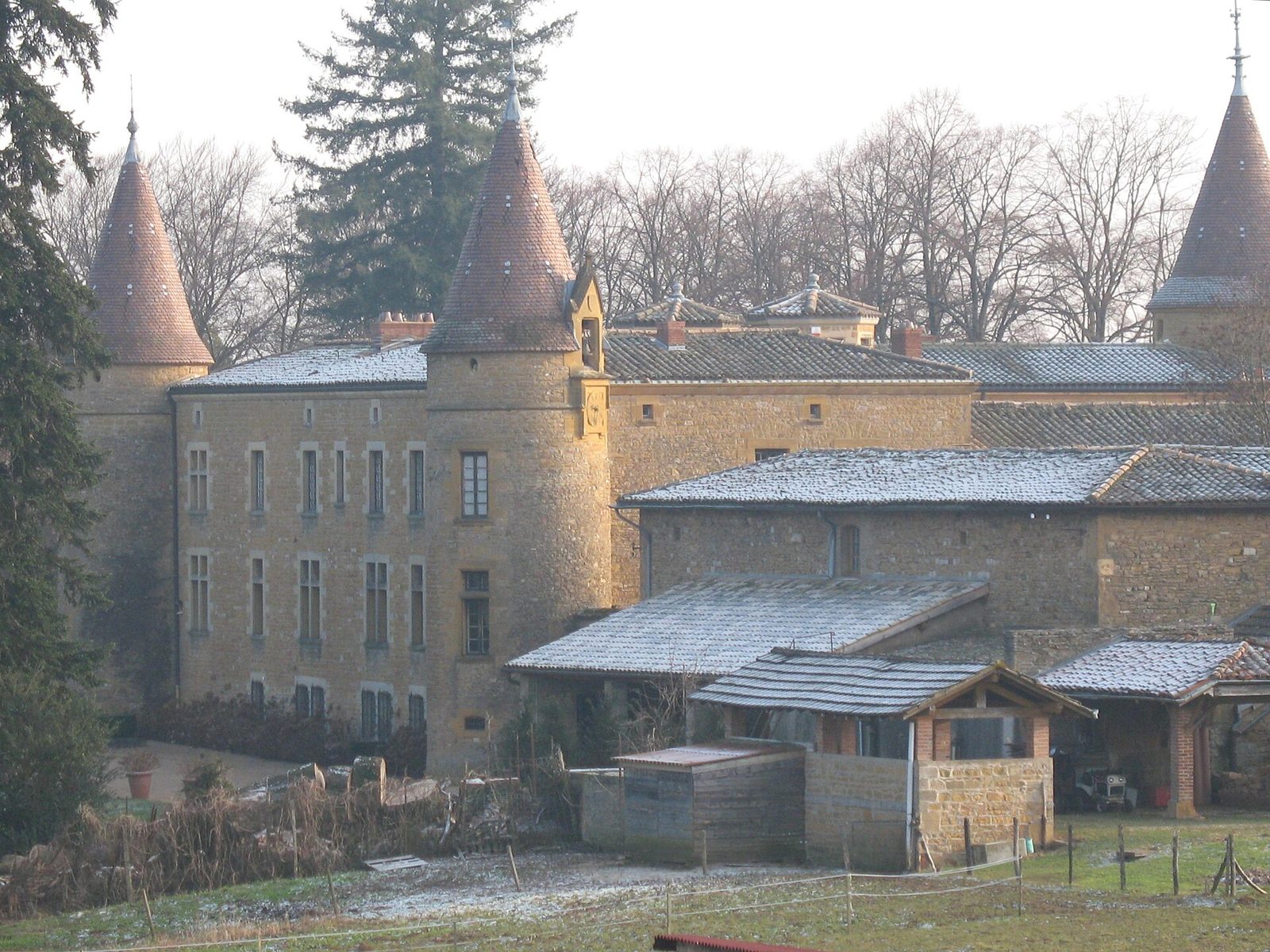
Castles · Rhône
At the end of the twentieth century, several buyers followed one another. Among them, in 1994, Philippe Bally, inventor and industrial artist.
View full page →
↓ 29.3 km · about 31 min by car to the next stop
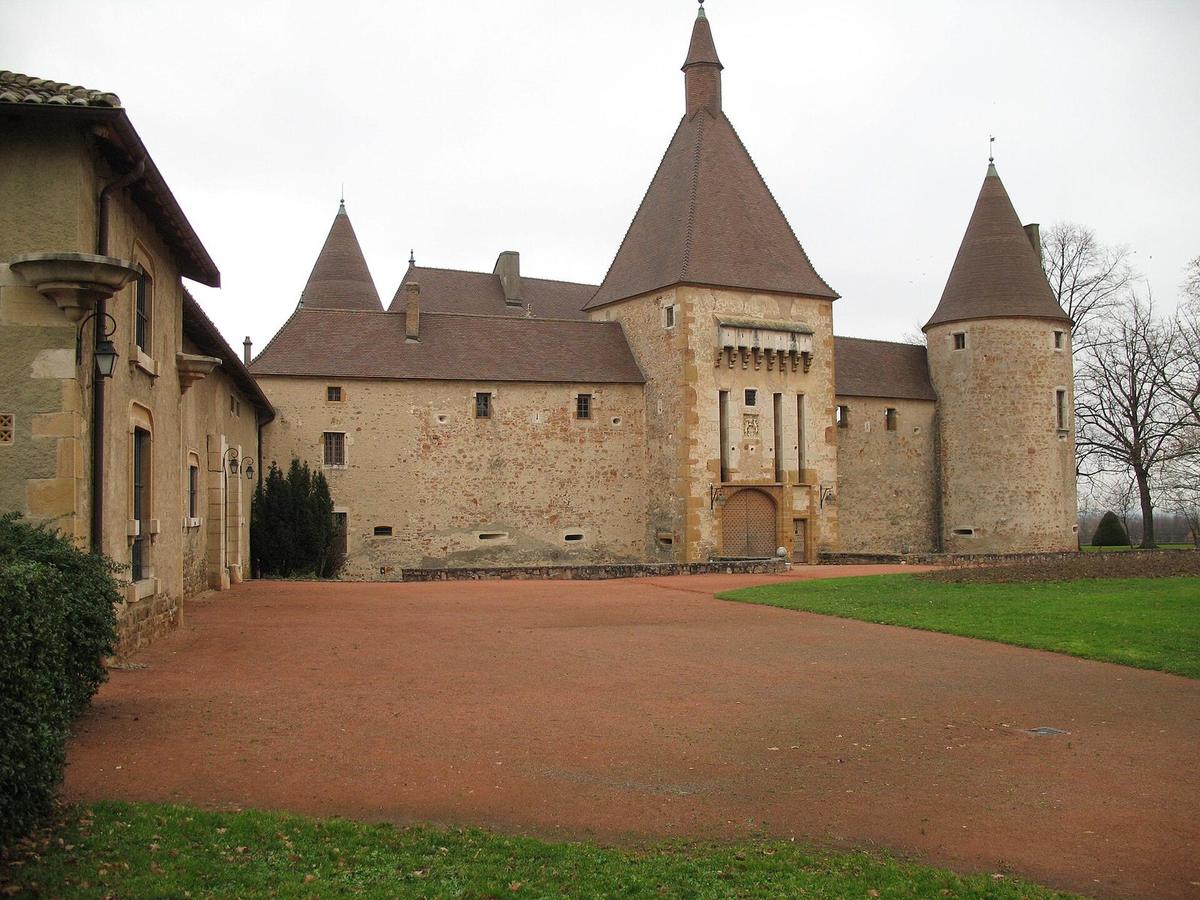
Castles · Rhône
The château de Corcelles was built on a Carolingian-era lookout post. The Douby river that flows at the foot of the château marked the boundary between the dioceses of Autun and Lyon, the counties of Burgundy and the Beaujolais.
View full page →
This day brings together 4 sites close to each other: monuments, museums and theme parks. It passes through Vaulx-en-Velin. Allow half an hour to an hour and a half per site, plus travel time.
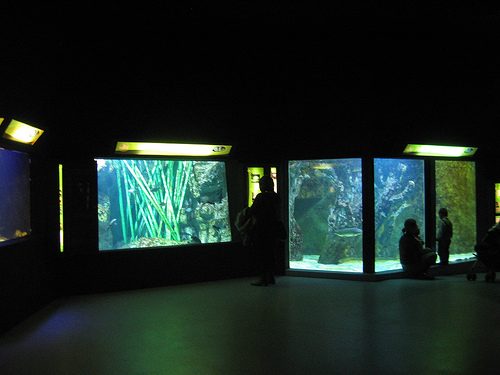
This day brings together 3 sites close to each other: museums and aquariums. Allow half an hour to an hour and a half per site, plus travel time.
Spring and autumn are ideal: mild temperatures and light. Summer is hot, especially in the city. Winter is calmer, with the festival of lights in December attracting many people.
Lyon is explored on foot, by metro and by funicular. For the Beaujolais and the golden-stone villages, a car is more practical, although some areas are served by train. Wear comfortable shoes: Old Lyon and Fourvière hill are steep.