Discovering Savoie: a practical guide
Savoie offers great lakes, nature parks, legendary passes and spa towns. Between Chambéry, Aix-les-Bains and the high valleys of the Maurienne and Tarentaise, the landscapes change with every valley.
This practical guide helps you choose your stops and organise your trip. Underlined site names link to their detailed pages.
Understanding Savoie in a few minutes
The département is organised in three zones: the foothills, with Chambéry, Aix-les-Bains, Le Lac du Bourget and Lac d'Aiguebelette; the pre-Alpine massifs, such as the Parc naturel régional du Massif des Bauges; and the high valleys, the Tarentaise and the Maurienne, with the Parc national de la Vanoise and Bonneval-sur-Arc.
Distances seem short, but mountain roads are slow. A trip in two parts, lakes then mountains, is a good formula.
- Chambéry or Aix-les-Bains are good bases.
- Allow extra time for mountain roads.
- Check that the passes are open before you set off.
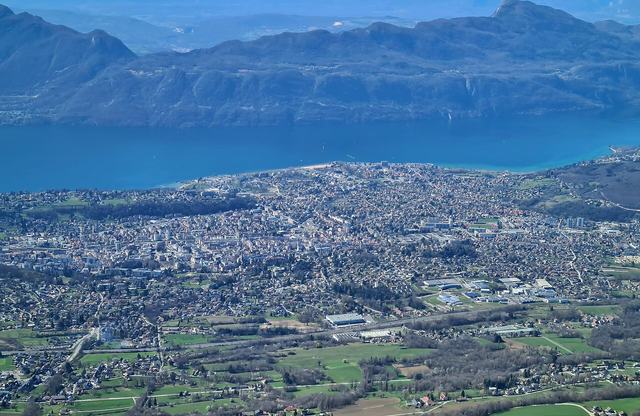
Aix-les-Bains
A spa town renowned since Roman times, nestled on the shores of Lake Bourget, the largest natural lake in France.
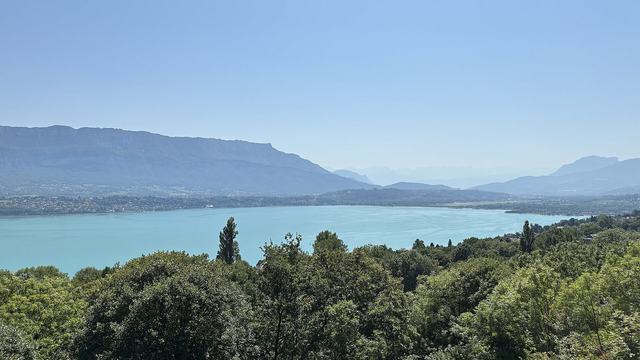
Le Lac du Bourget
Lac du Bourget is the largest natural lake in France, 18 km long, surrounded by the Épine massif, La Chambotte, the Mont du Chat, Mont Revard and the Bauges.
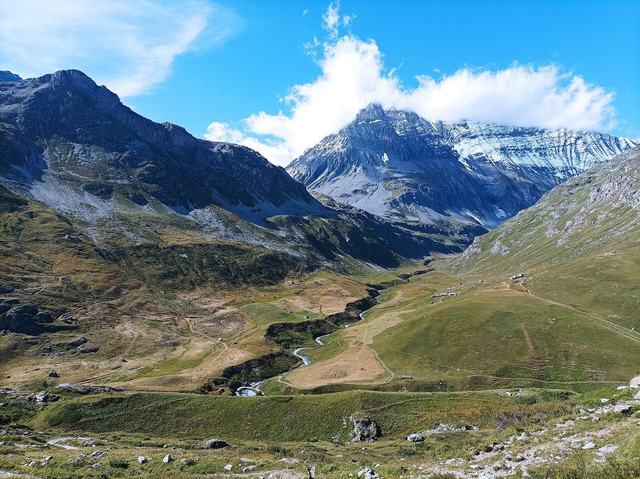
Parc national de la Vanoise
The first national park created in France, in 1963, the Vanoise protects a vast high-mountain massif between Tarentaise and Maurienne. Glaciers, high-altitude lakes and ibex populations make it one of the richest natural sanctuaries of the French Alps.
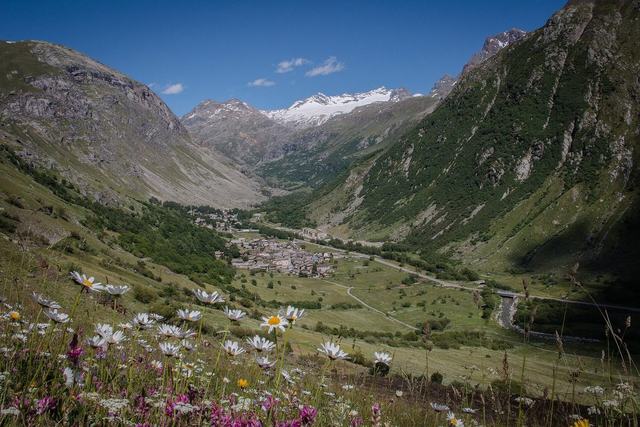
Bonneval-sur-Arc
At 1,835 metres' altitude in one of the most beautiful glacial ensembles of the French Alps, Bonneval is the highest commune in Maurienne.
Culture, history and heritage
The Château des ducs de Savoie in Chambéry recalls the history of the House of Savoy. Other castles dot the département: Château de Miolans, Château de la Roche du Roi, Château de Lucey, Château de Feissons, Château de Bourdeau, Château de Chantemerle, Château Thomas II, Château de La Bâtie-Seyssel.
Aix-les-Bains is a spa town. The Le Grand Filon, the Espace alu - Musée de l'aluminium and the Maison de la Vanoise evoke industrial and natural history. The Le Site du Pont Saint-Martin is a historic site.
- Castles are often open in summer only.
- Check museum opening hours out of season.
- In Chambéry, stroll through the old town.

Château des ducs de Savoie
Built at the end of the Montjay hill (Chambéry), the château des Ducs de Savoie was the main residence of the House of Savoy from 1295 to 1563.
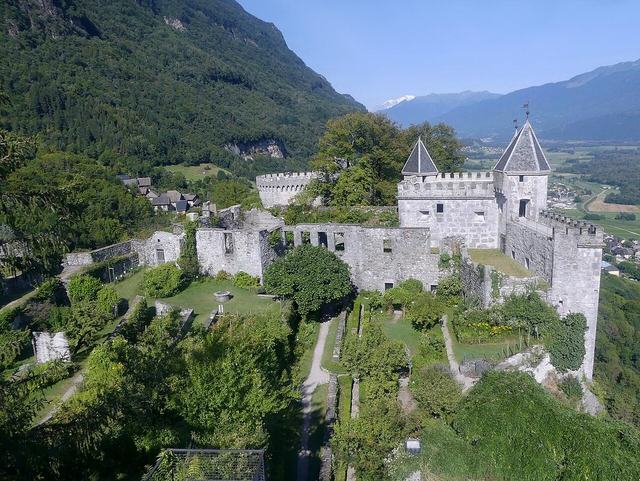
Château de Miolans
The medieval château de Miolans nestles on a 250-metre sheer drop. It overlooks the town of Saint-Pierre-d'Albigny.
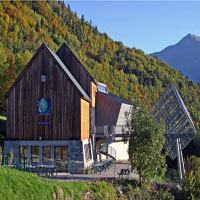
Le Grand Filon
It is the story of an iron mine discovered several hundred years ago and of a territory with an incredibly rich subsoil.
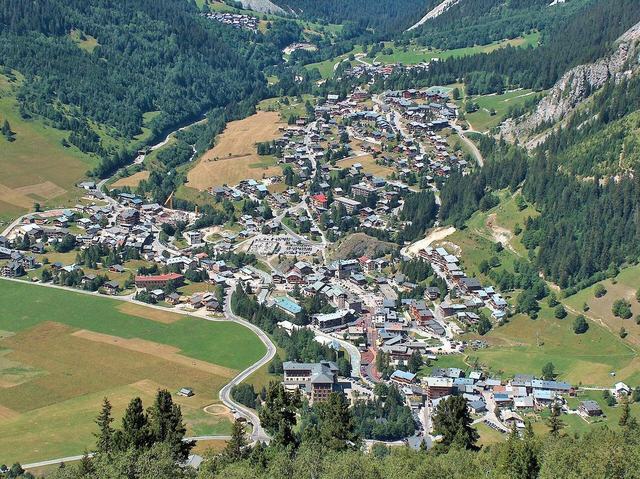
Maison de la Vanoise
A permanent exhibition on the sharing of the mountain environment between agriculture, tourism and national park. 3 viewpoints meet there: "nature subject", "nature object" and "nature project".
Food and local produce
Savoie's table is mountain food: fondue, raclette, tartiflette, diots, farcement and gratins. Among the cheeses are Beaufort, Tomme de Savoie, Abondance and Bleu de Termignon. The wines of Savoie, such as Apremont, Mondeuse and Roussette, are worth discovering.
Alpine farms and village dairies (fruitières) offer visits. Lakeside restaurants mostly serve fish.
- Taste the cheeses at the dairies.
- Nominate a driver for tastings.
- Book in advance in high season.
Aix-les-Bains
A spa town renowned since Roman times, nestled on the shores of Lake Bourget, the largest natural lake in France.

Chambéry
Former capital of the dukes of Savoy nestled between the Bauges and Chartreuse massifs, whose Elephants fountain adorns the heart of the old town.
Bonneval-sur-Arc
At 1,835 metres' altitude in one of the most beautiful glacial ensembles of the French Alps, Bonneval is the highest commune in Maurienne.
Nature and wide open spaces
The passes are a signature of the département: Col du Galibier, Col de l'Iseran, Col de la Croix de Fer and Col de la Vanoise. The lakes are varied: Le Lac du Bourget, Lac d'Aiguebelette, Lac des Vaches. The Aiguilles d'Arves tower over the Maurienne.
Waterfalls and gorges are numerous: Le cirque de Saint-Même, Les Gorges et canyon du Grenand, Gorges et cascade du Sierroz, Cascade de la Doria, Cascade du Py, Cascade de la Fraiche, La cascade Saint Benoit, Cascade de Couz ou de Saint-Cassin. The Grottes de Saint Christophe, le Monolithe de Sardières and Roche aux pieds are curiosities. The Bateaux du lac du Bourget et du Haut-Rhône let you discover the lake from the water.
- The passes are closed in winter: check before you go.
- At altitude, pack warm clothes.
- In the gorges, stay on the paths.
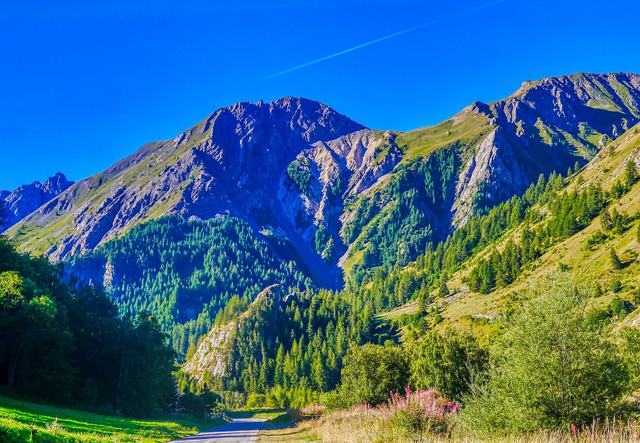
Col du Galibier
At 2,642 metres, one of the most legendary passes of the Tour de France, between the Maurienne and the Briançonnais, offering a 360° panorama over the glaciers of the Vanoise and the Écrins.
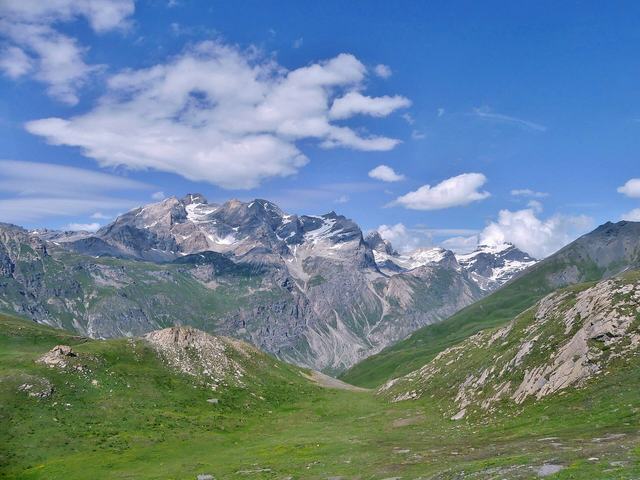
Col de l'Iseran
At 2,764 metres, the highest road pass in the Alps, between Val-d'Isère and Bonneval-sur-Arc, on the legendary Route des Grandes Alpes.
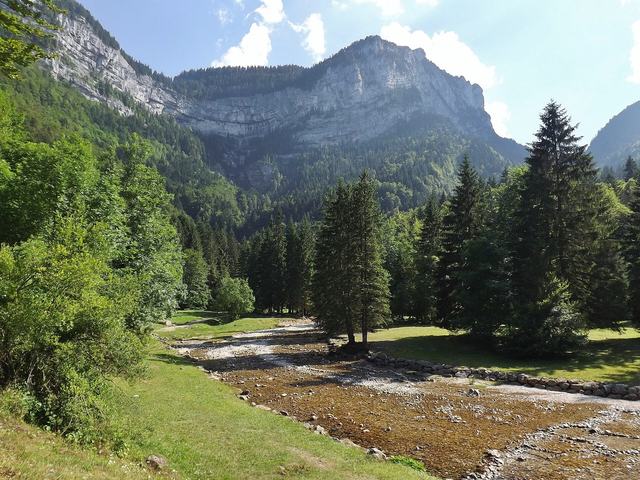
Le cirque de Saint-Même
From its source, the Guiers Vif tumbles down a cliff in four successive waterfalls: the first is called "la Cascade de la source", the second "la Grande Cascade", then comes "la Cascade Isolée" and finally at the foot "la Pisse du Guiers".
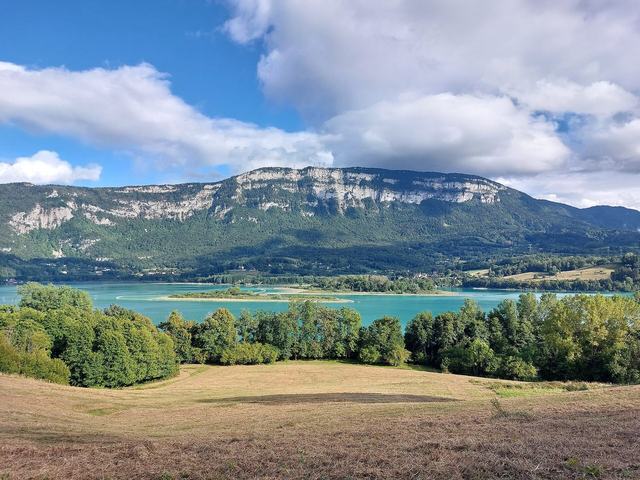
Lac d'Aiguebelette
The 3rd largest natural lake in France, with emerald waters, largely private and closed to motor boats, at the foot of the Épine mountain.
When to go and how to plan
From June to September the passes and trails are open. Winter is ski season, with major resorts. Spring and autumn are quiet, but some access routes are closed.
A car is useful, but trains serve Chambéry and Aix-les-Bains. A week-long trip can combine lakes Bourget and Aiguebelette, the Bauges, then the Maurienne and the Vanoise.
- Book accommodation in advance in summer and winter.
- Leave some slack for the weather.
- Check road conditions at altitude.
Chambéry
Former capital of the dukes of Savoy nestled between the Bauges and Chartreuse massifs, whose Elephants fountain adorns the heart of the old town.

Cascade du Py
A waterfall in the Vanoise, above Champagny-en-Vanoise, on a torrent coming down from the glaciers.

Parc naturel régional du Massif des Bauges
The Massif des Bauges Regional Nature Park was created on 7 December 1995. It groups 65 communes of which 46 in Savoie and 19 in Haute-Savoie, plus 6 gateway towns.
Going further
Explore the départements of this area: