Vaucluse: what to see and do
48 sites listed in the département. Dominated by Mont Ventoux, the giant of Provence, the Vaucluse cultivates an exceptional heritage around Avignon, the UNESCO-listed city of the popes, and the hilltop villages of the Luberon. Lavender fields and Côtes du Rhône vineyards complete this emblematic Provence.

Théâtre antique d'Orange
Located in Provence, the Ancient Theatre of Orange is the best-preserved Roman theatre in the West, listed as a UNESCO World Heritage site.
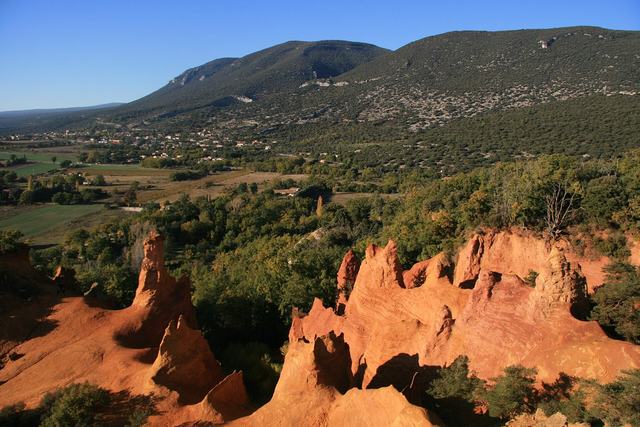
Colorado Provençal
Former open-air ochre quarries, worked until 1992, forming a landscape of blazing colours reminiscent of American canyons.
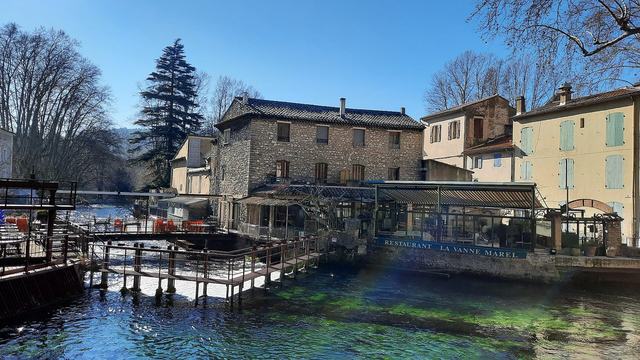
Fontaine de Vaucluse
The emerald-green spring is ranked among the most important emergences in the world.
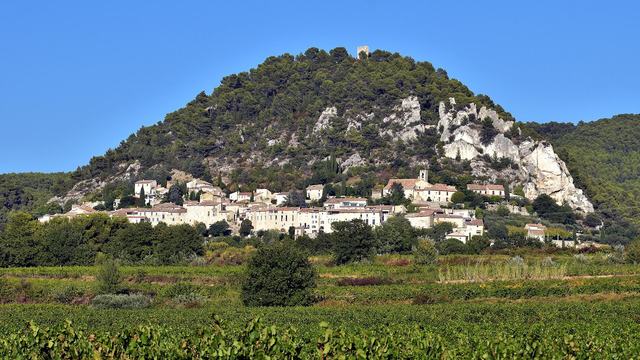
Séguret
Foremost among Séguret's charms shine the Clock Tower topped by a caged bell, the fine Reynier gate, the fifteenth-century belfry, the twelfth- and thirteenth-century Romanesque church of Saint-Denis, the chapel of Notre-Dame-des-Grâces and the seventeenth-century Mascarons fountain, in Baroque style.

Mines de Bruoux
The Bruoux ochre mines are in the commune of Gargas.
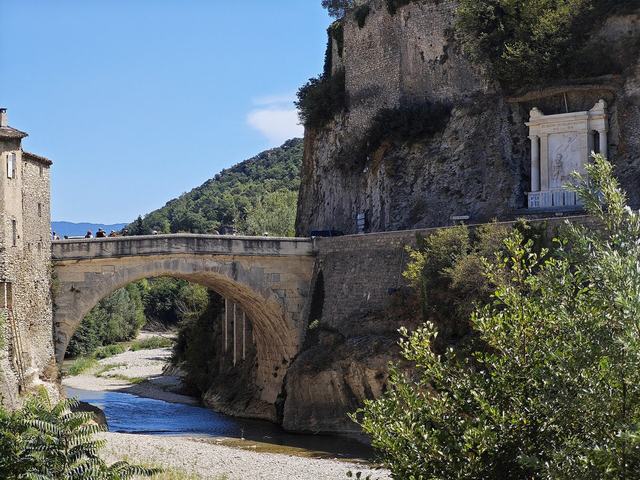
Vaison la Romaine
Between the Rhône valley and Mont Ventoux, Vaison is very close to the Dentelles de Montmirail, in hill country scented with vines and olive trees.

Wave Island
Wave Island is the first aquatic theme park in France.
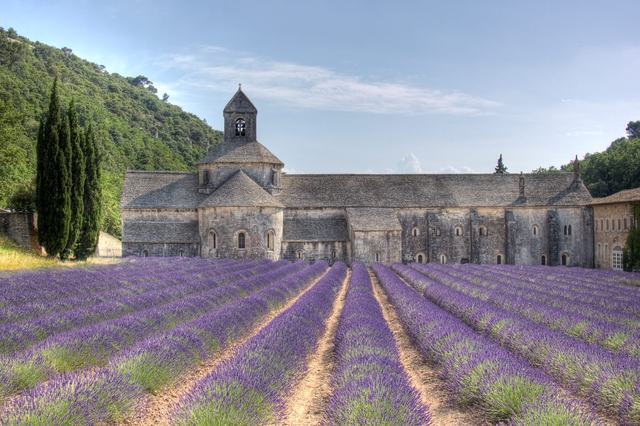
Abbaye de Sénanque
Notre-Dame de Sénanque is a working Cistercian monastery in the commune of Gordes (Vaucluse), in the valley where the Sénancole flows.
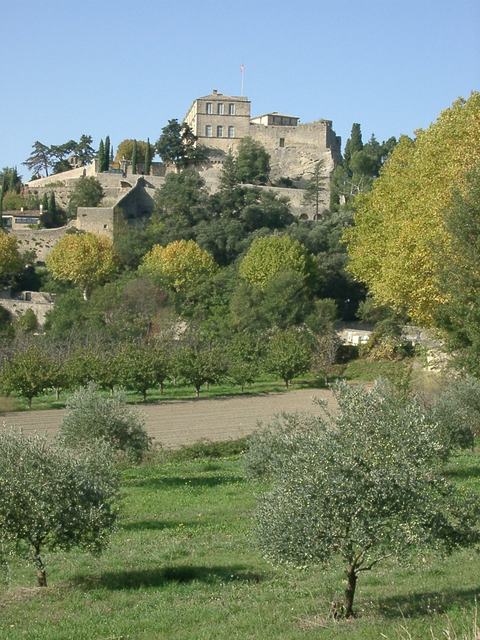
Ansouis
In the Middle Ages, Ansouis occupied an ideal position to control the road between Aix-en-Provence and Apt.

Arc de Triomphe d'Orange
The ancient arch of Orange, or commonly the Triumphal Arch of Orange, is a monumental Roman arch of the early first century, which marks the north entrance of Arausio (now Orange, Vaucluse) on the Via Agrippa (now route nationale 7).

Château d'Ansouis
First a fortress, residence since the twelfth century of the Dukes of Sabran de Pontevès, the château d'Ansouis has over the centuries become one of the most splendid inhabited homes in Provence: a magnificent collection of seventeenth- and eighteenth-century furniture, fine tapestries, vast gardens…
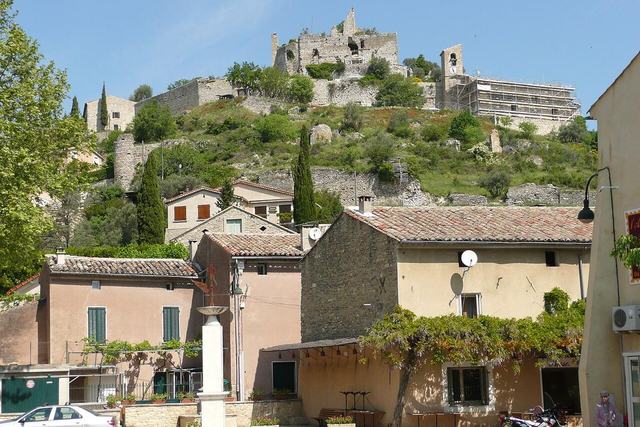
Château d'Entrechaux
What strikes first, whatever road is taken to reach it, is the importance of the site. The ruins of the château d'Entrechaux overlook the valleys. Set on its rocky peak, this old castle dates from the tenth or eleventh century.

Château de Gordes
The castle, rebuilt in 1525, already existed in 1031.
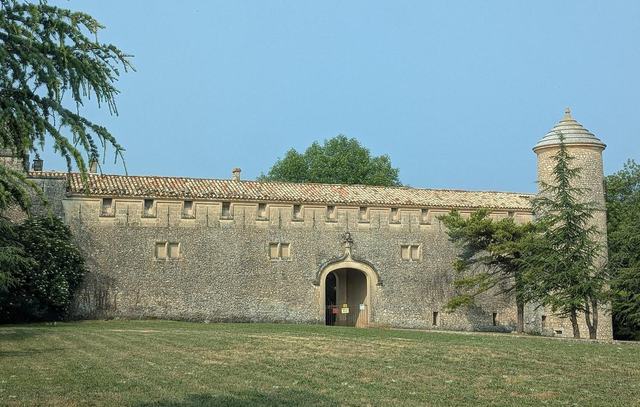
Château de Javon

Château de Lacoste
Located between Apt and Cavaillon, the ruins of Lacoste castle cannot be visited but deserve to be admired for a while...
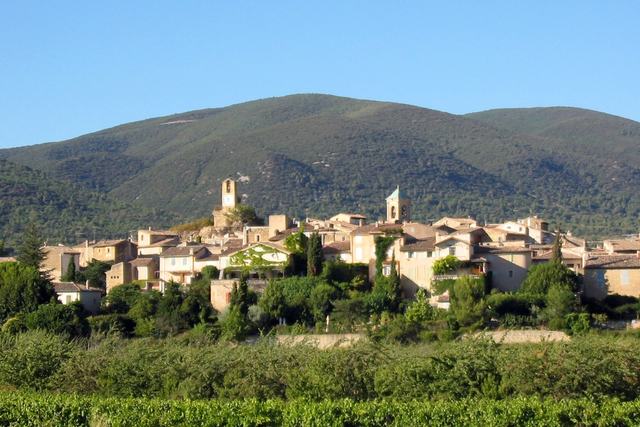
Château de Lourmarin
The castle was listed as a historic monument in 1973.
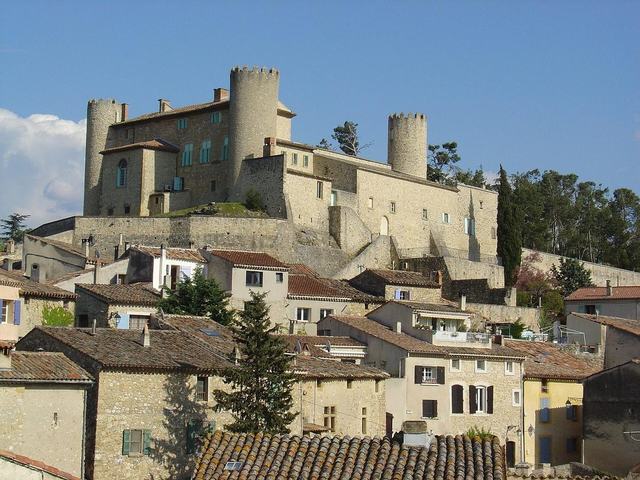
Château de Mirabeau

Château de Murs
The oldest remains of the château de Murs date from the twelfth century and were built by the Agoult family, lords of the land of Sault since 1004.

Château de Thouzon
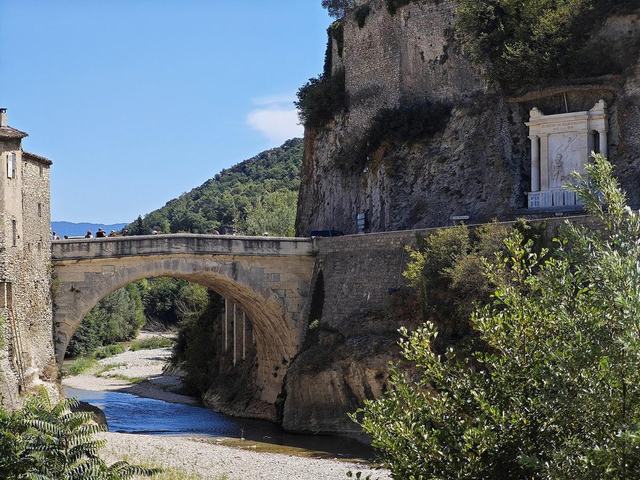
Château de Vaison-la-Romaine

Château de Val-Seille

Château du Barroux
A twelfth-century military fortress, set on a rocky peak overlooking the village of Le Barroux.

Forteresse de Mornas
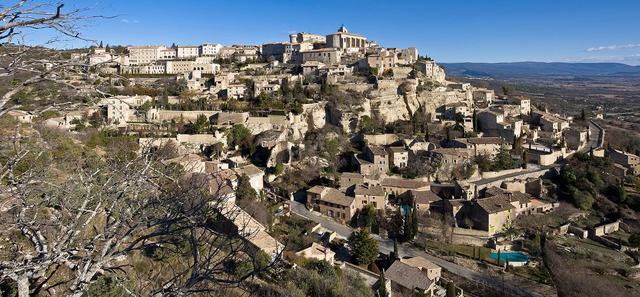
Gordes
This village perched on a promontory seems to stand guard over the Apt valley and the Cavaillon plain.
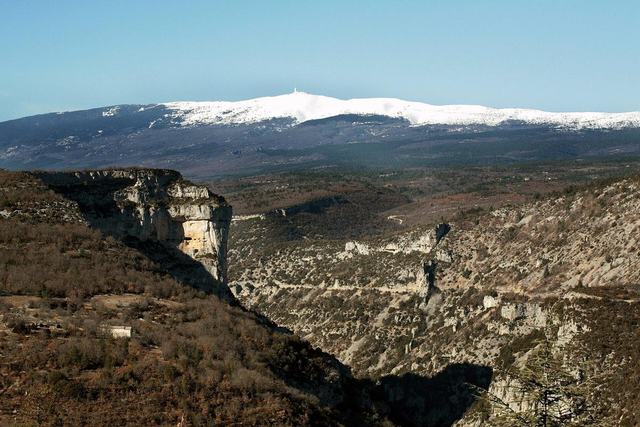
Gorges de la nesque
The gorges road is magnificent; it links Sault to Villes-sur-Auzon. It is little used by cars because the shortest road to join these two villages goes via the Col des Abeilles.

Grotte de Thouzon
The Thouzon cave was discovered on 23 January 1902. It is the only natural cavern developed for tourism in the Vaucluse département.

L'Isle-sur-la-Sorgue
Nicknamed "the Venice of the Comtat", L'Isle-sur-la-Sorgue is one of the most attractive towns of the PACA region because of the exceptional character of its living environment.

Le Village des bories
Listed as a Historic Monument in 1977, the village is the largest grouping of bories.
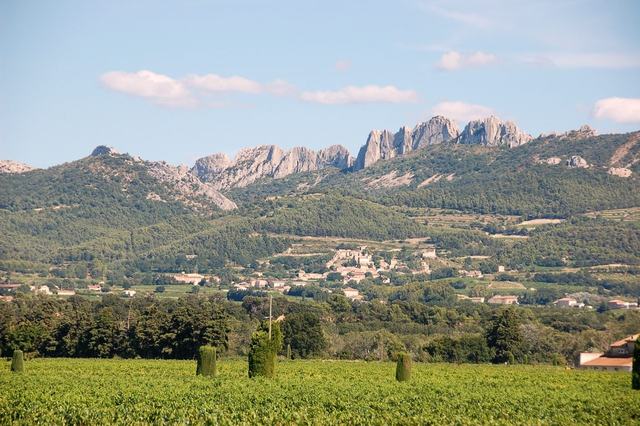
Les Dentelles de Montmirail
Between the Rhône valley and Mont Ventoux, this prestigious site offers a superb panorama (orientation table at its summit) over the Comtat Venaissin plain and the surrounding hills.
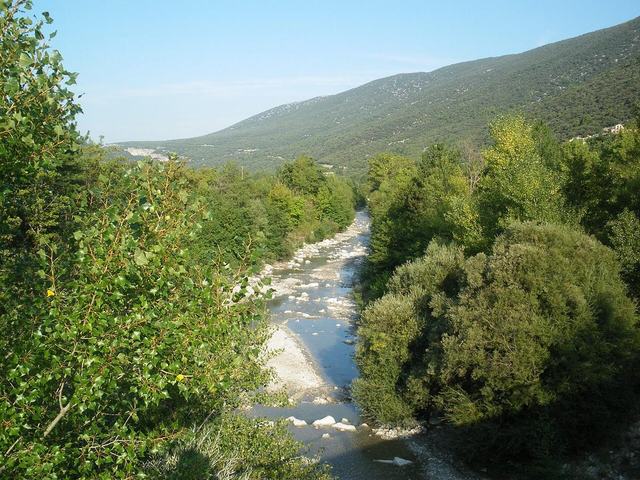
Les Gorges du Toulourenc
The Toulourenc gorges offer a short family walk with your feet in the water. This small river, fed by Mont Ventoux, flows for 30 km in a narrow valley.
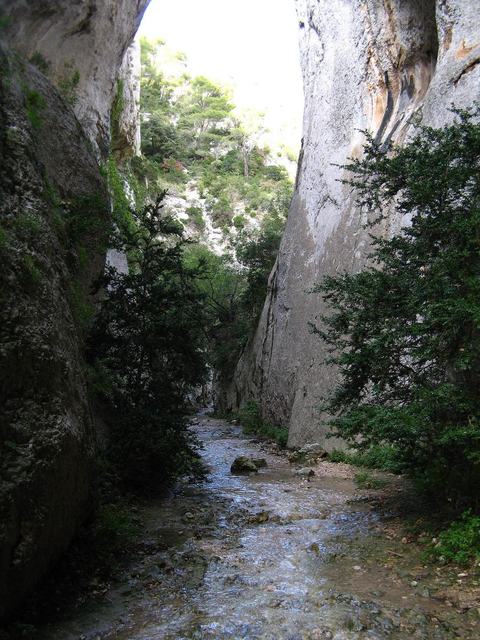
Les gorges du Régalon
Near Cavaillon, in the commune of Cheval-Blanc, at the place called "La Tuillère", the Régalon Gorges open.
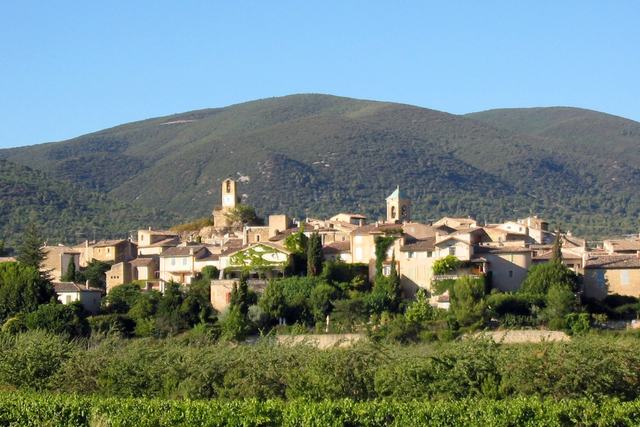
Lourmarin
It was in the sixteenth century that the inhabitants of the Protestant village were massacred by Maynier d'Oppède.
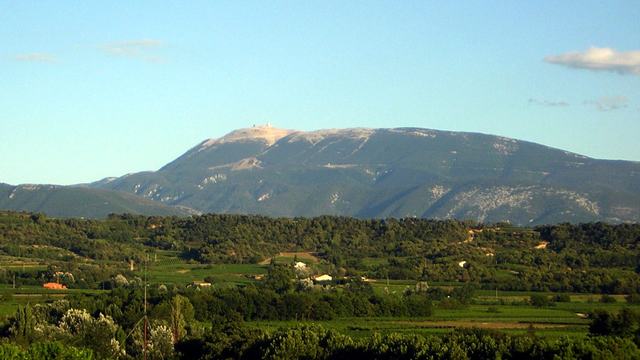
Mont ventoux
How to describe a giant? From 350 m to 1,912 m altitude, how to describe its diversity?

Musée Angladon
In a former townhouse, the founders' home, the museum presents masterpieces by Degas, Cézanne, Sisley, Picasso, Modigliani and Van Gogh from the collections of the couturier J.

Musée Calvet
The building and the collection together form one of the most poetic and history-laden places of Avignon.

Musée d'art et d'histoire d'Orange

Musée de la lavande
In a fine traditional Luberon mas, on the lavender estate of the Château du Bois, a family of lavender growers and distillers welcomes you and shares with you a passion handed down from generation to generation.

Musée du Petit Palais
The Petit Palais museum is one of the great European museums of medieval art. It is labelled Musée de France and listed as a UNESCO World Heritage site.

Musée lapidaire d'Avignon
The Lapidary museum, or Galerie des Antiques of the Calvet museum, presents the Greek, Roman, Gallo-Roman and early Christian collections, in a presentation gradually being renewed.
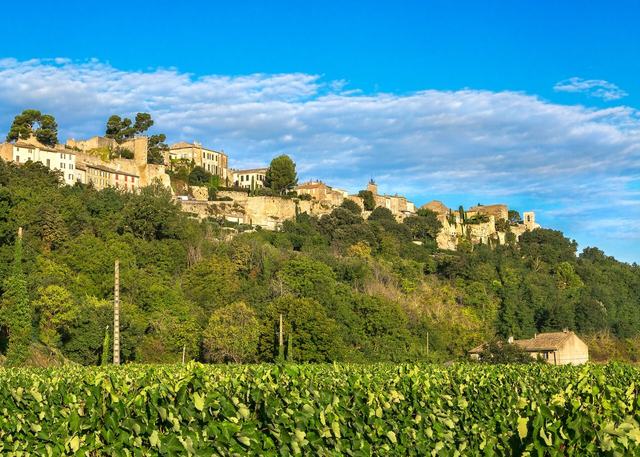
Ménerbes
It was in the Middle Ages that Ménerbes acquired part of its heritage, such as Saint-Hilaire abbey, a former priory where Saint Louis stopped on his return from the Crusades.

Palais des papes
The Palace of the Popes is the symbol of the Church's influence over Christian Europe in the fourteenth century.
Parc Spirou

Pont Saint Bénézet - Pont d'Avignon
Classified World Heritage by UNESCO. Built in the twelfth century, the Pont d'Avignon is the oldest structure built on the Rhône between Lyon and the sea.

Roussillon
This village is world-famous for the 18 shades of red ochre of its Fairies' valley and the tormented relief of its old quarries, cliffs that erosion and the mistral continue to gully.

Venasque
The delightful village stands on a rocky spur overlooking the Carpentras plain.

Avignon

Carpentras
