Museums · Morbihan
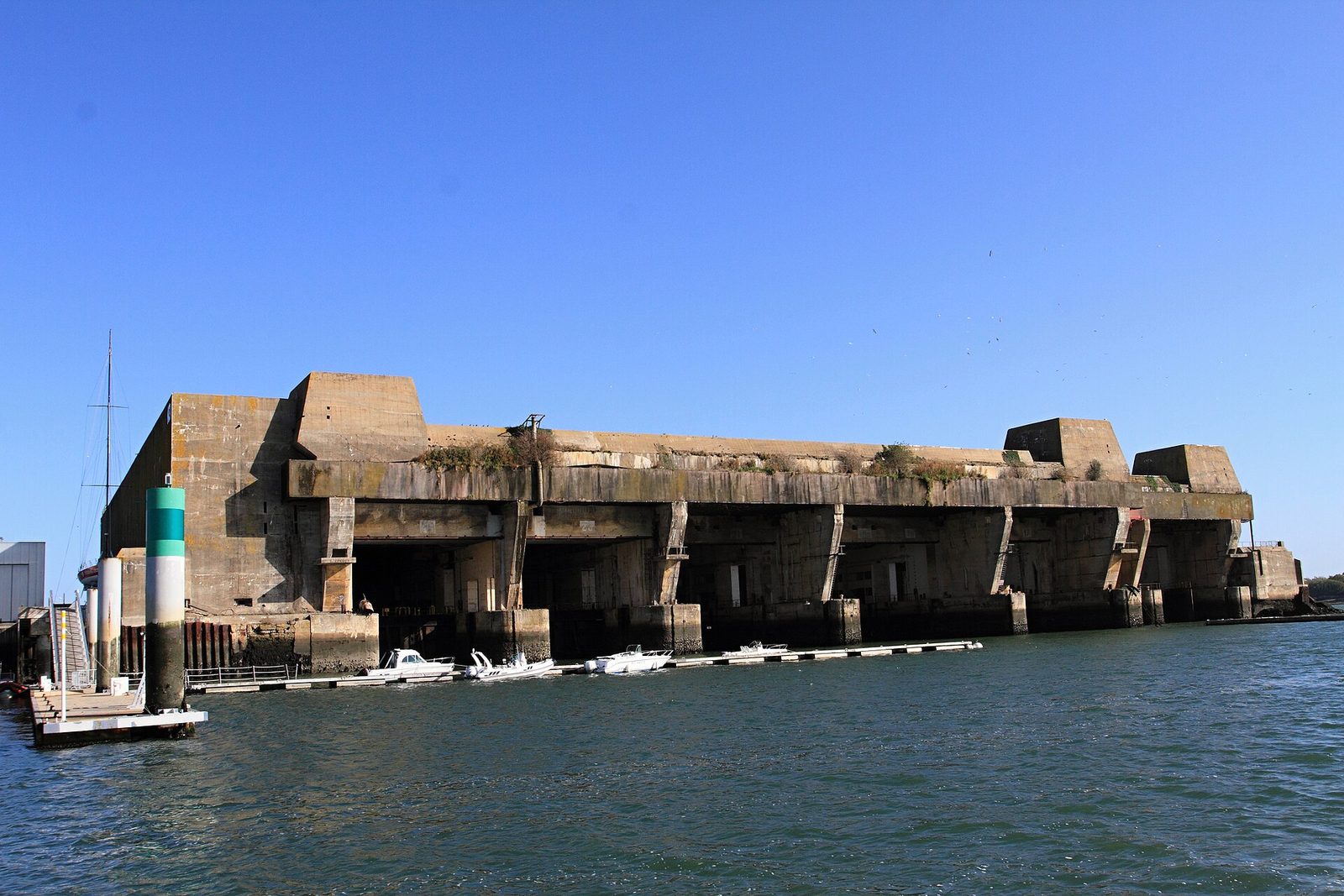
1 Base sous-marine de Lorient
The Lorient submarine base, or Keroman submarine base, is a complex of Second World War bunkers in Lorient in the Morbihan.
View full page →Morbihan is famous for its gulf, the Carnac megaliths, its islands, characterful villages and wild coast. The heritage is very ancient and the sea always close.
This itinerary spreads the best-rated sites in the catalogue over three days.
The map shows the numbered stops in visiting order, with one colour per day. The line follows the roads where available; otherwise it joins the stops as the crow flies. Distances and times are approximate (by car, without traffic).
This day brings together 3 sites close to each other: museums, towns and cities and lakes. It passes through Vannes. Allow half an hour to an hour and a half per site, plus travel time.
The Lorient submarine base, or Keroman submarine base, is a complex of Second World War bunkers in Lorient in the Morbihan.
View full page →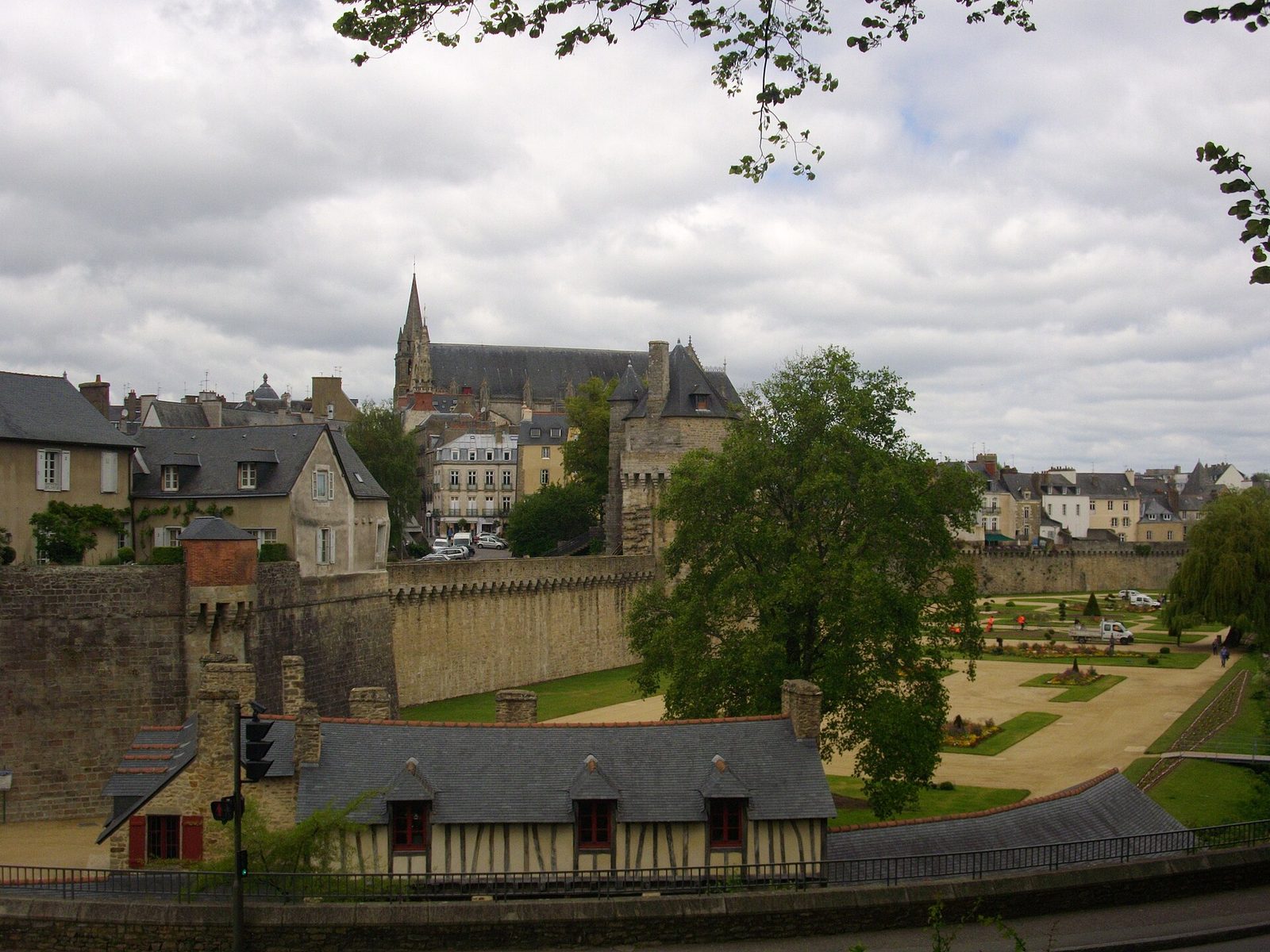
Prefecture of the Morbihan with intact medieval ramparts, where old wash-houses line the gardens below the half-timbered houses.
View full page →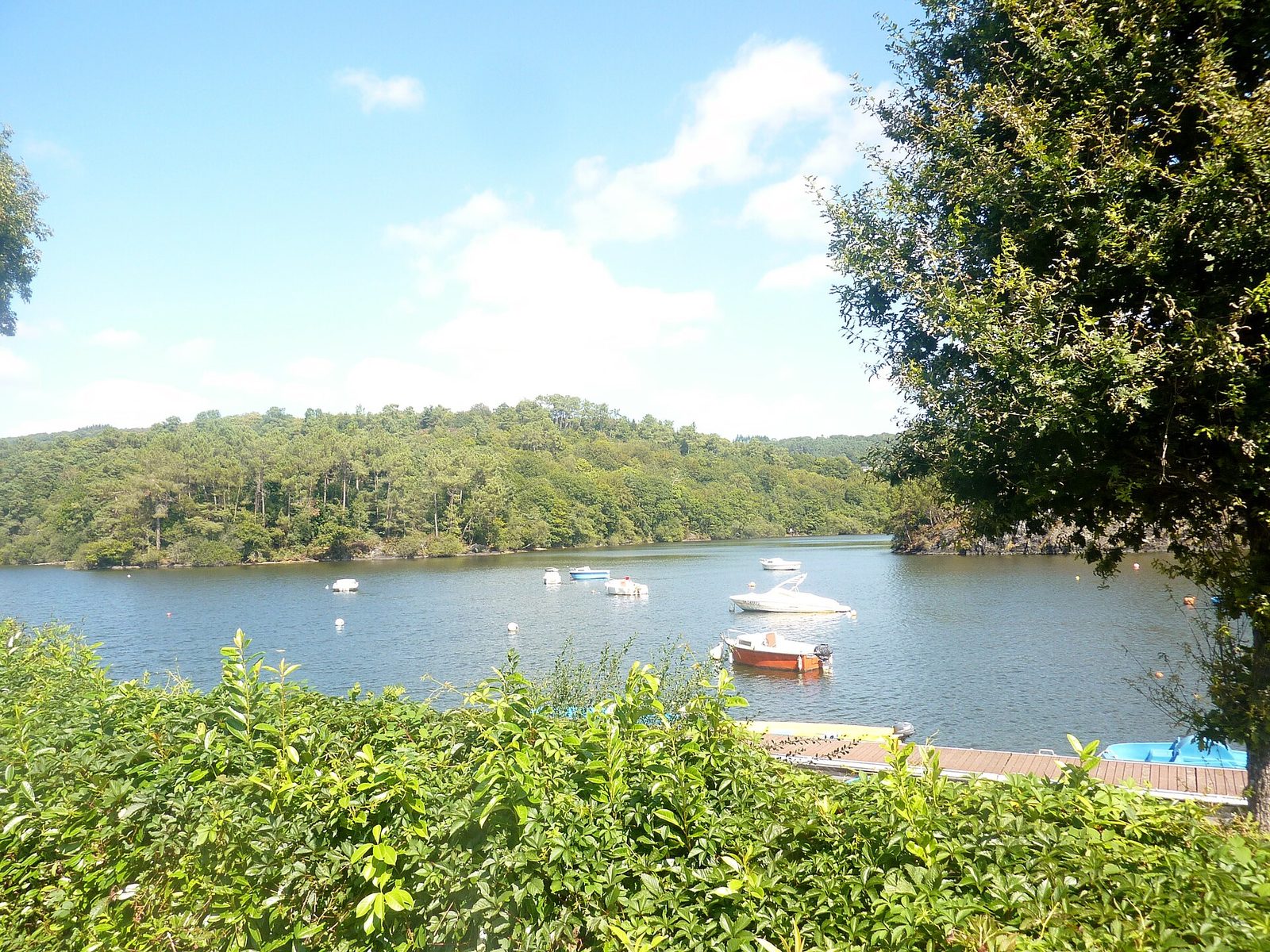
Lac de Guerlédan winds between the Daoulas gorges and the Quénécan forest. It is a superb site for walks or water activities.
View full page →This day brings together 4 sites close to each other: natural wonders, aquariums and villages. It passes through Vannes. Allow half an hour to an hour and a half per site, plus travel time.
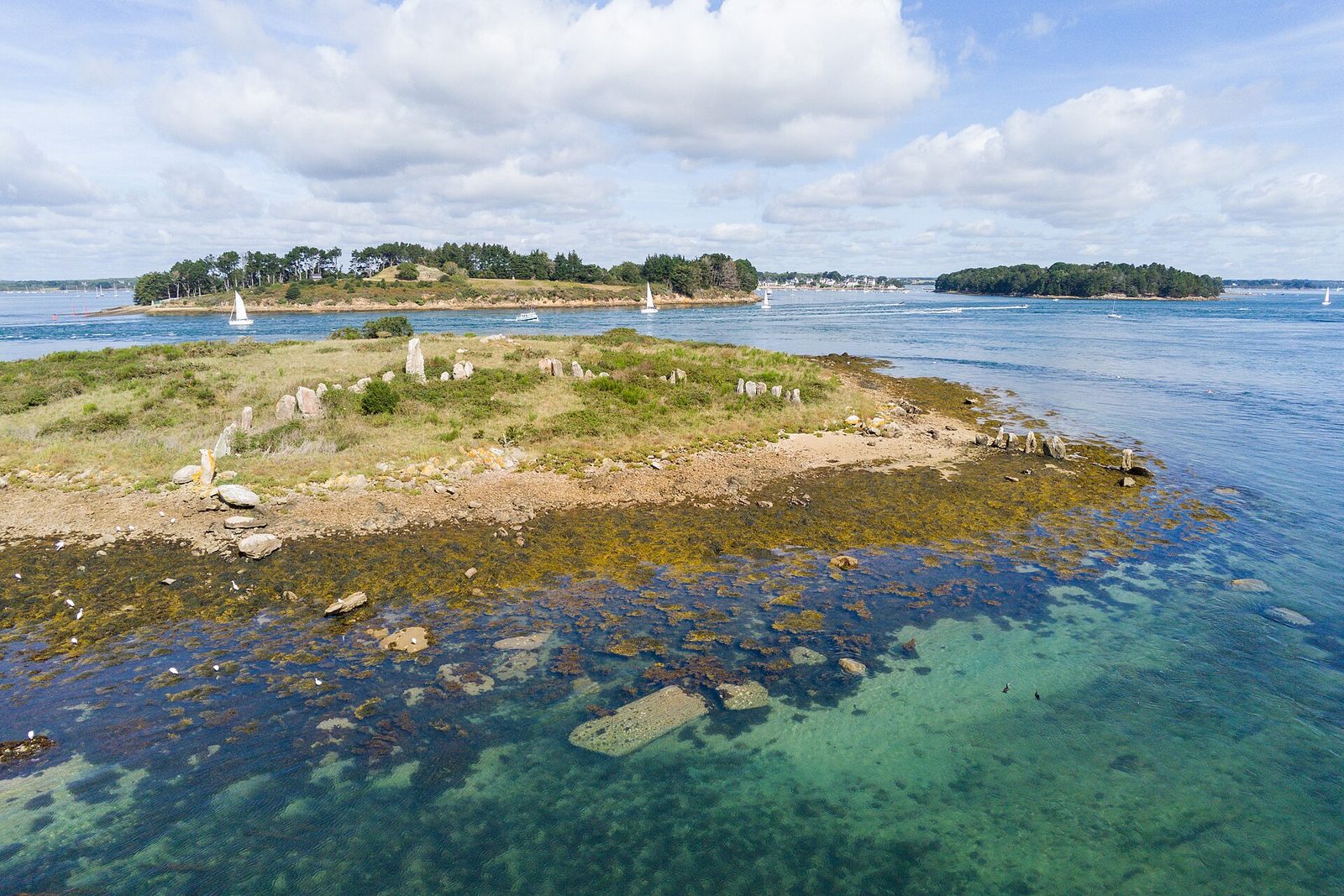
A small inland sea sown with a multitude of islands, the Gulf of Morbihan owes its Breton name, "little sea", to this sheltered stretch of the ocean. Megaliths, oyster farming and fishing villages make up the identity of this territory apart.
View full page →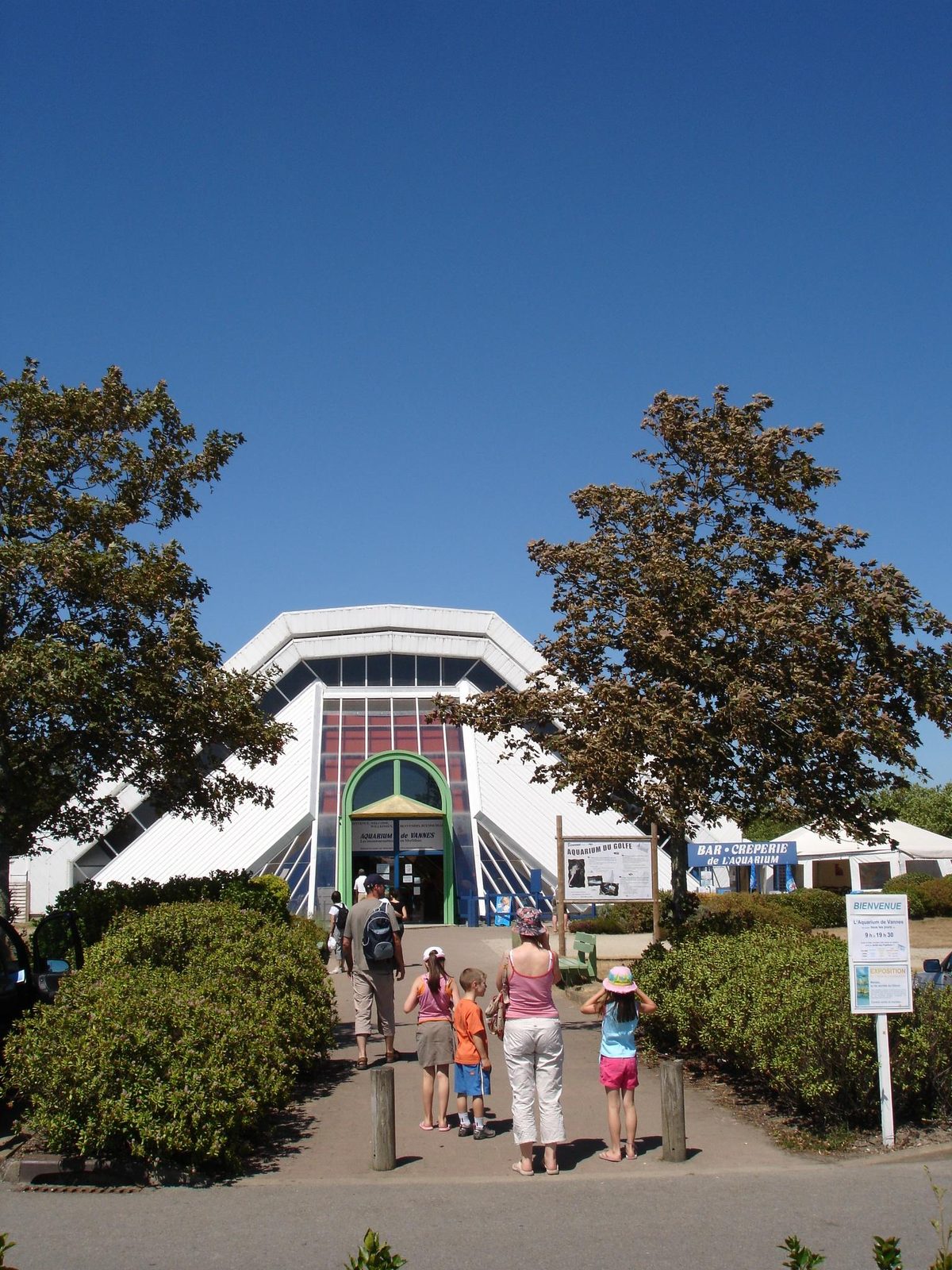
In an exceptional site, on the edge of the Gulf of Morbihan, the Vannes Oceanographic and Tropical Aquarium houses several hundred species of the most diverse fish from all the waters of the world.
View full page →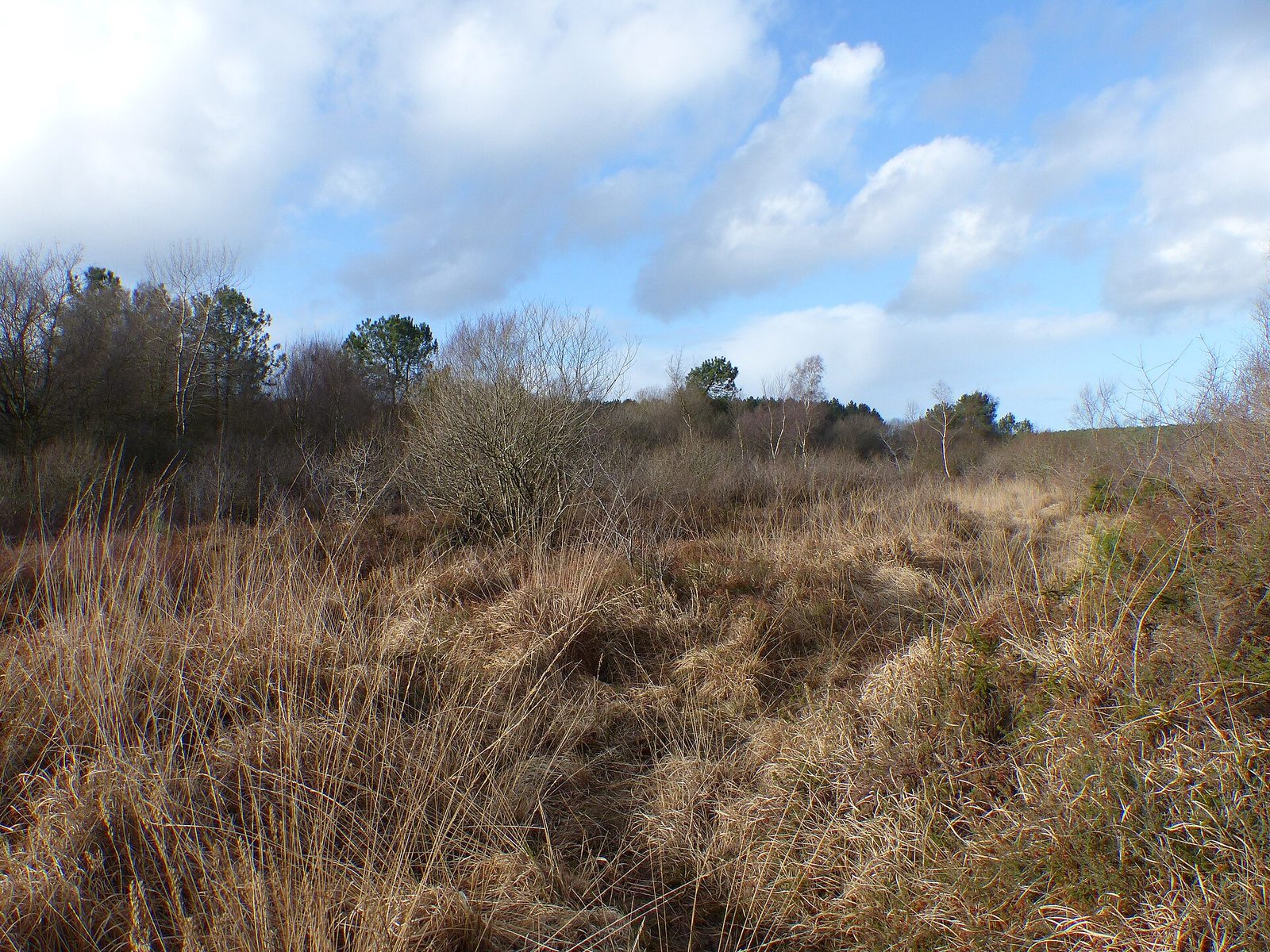
This peat bog is the last significant area for the whole of eastern Morbihan and the Landes de Lanvaux massif as regards species representative of these environments.
View full page →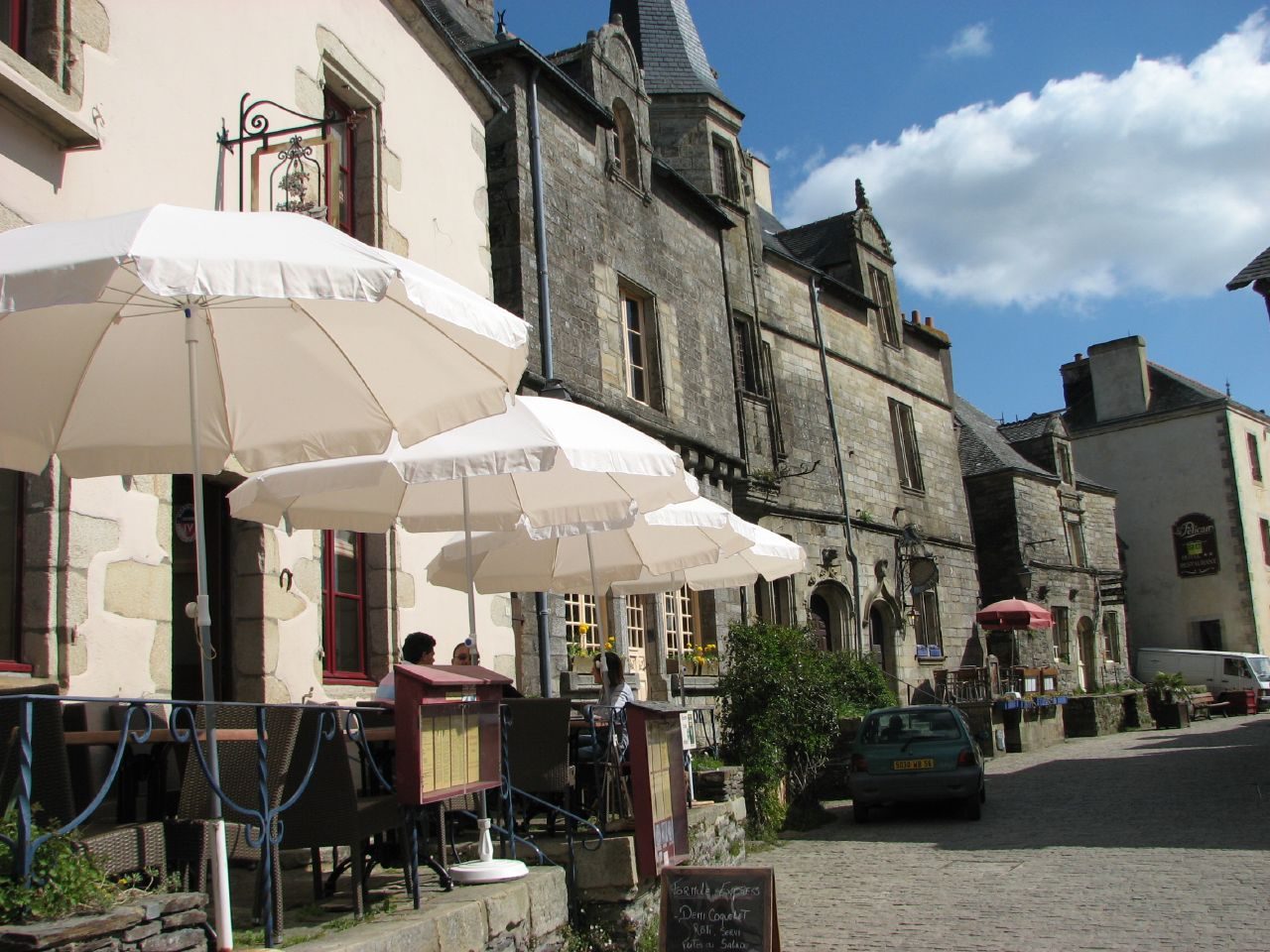
Rochefort-en-Terre is a very pretty Town of Character built in a superb site, the Gueuzon valley, a landscape of granite rocks, woods and meadows.
View full page →This day brings together 5 sites close to each other: beaches, natural wonders and monuments. It passes through Groix, Étel and Bangor. Allow half an hour to an hour and a half per site, plus travel time.
Driving for the day: about 103.1 km, or 4 h 00 behind the wheel in total (excluding visits).
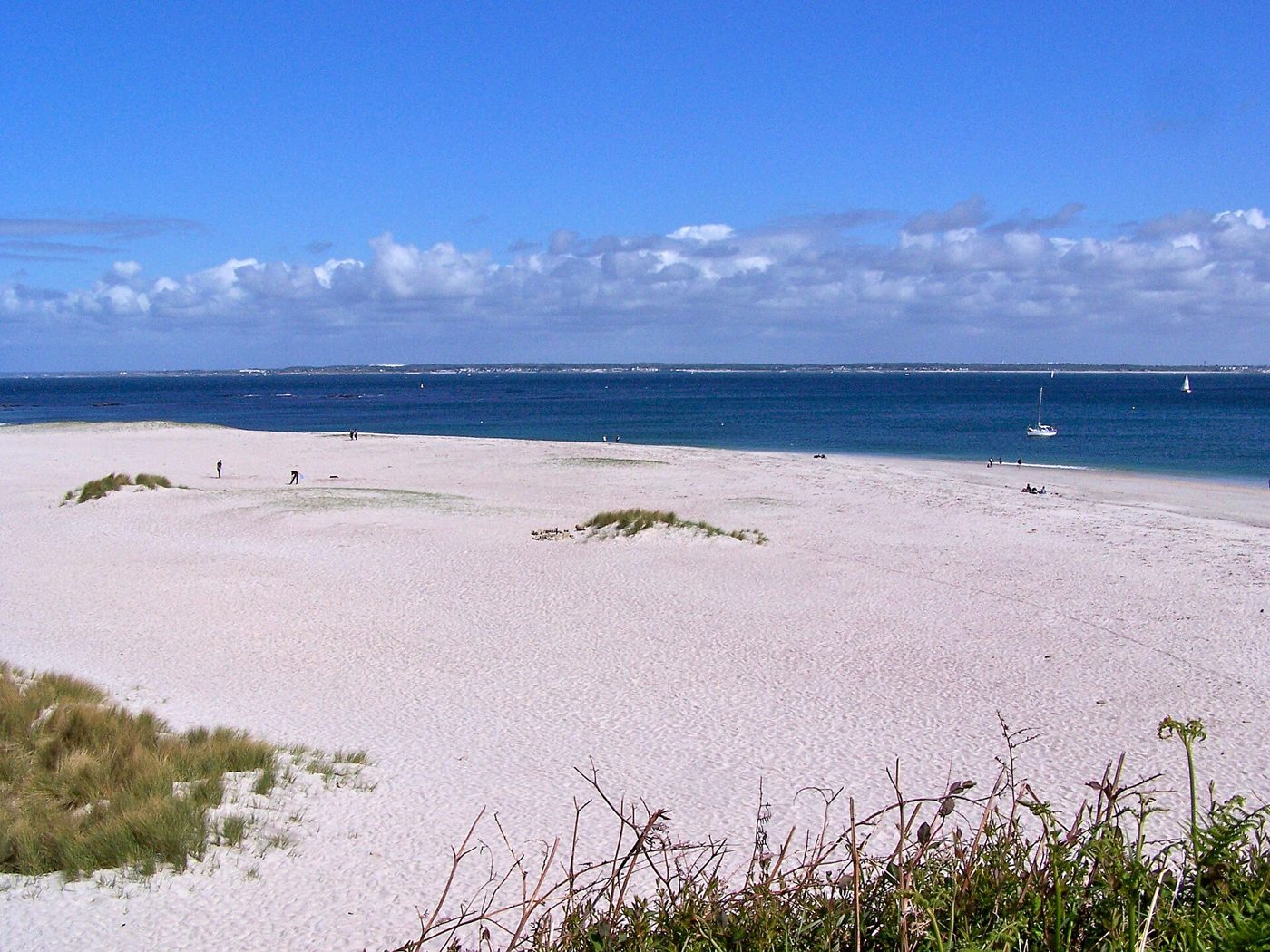
One of Europe's rare convex beaches, on the east coast of the island of Groix, with white sand and turquoise water.
View full page →↓ 43.9 km · about 2 h 11 by car to the next stop
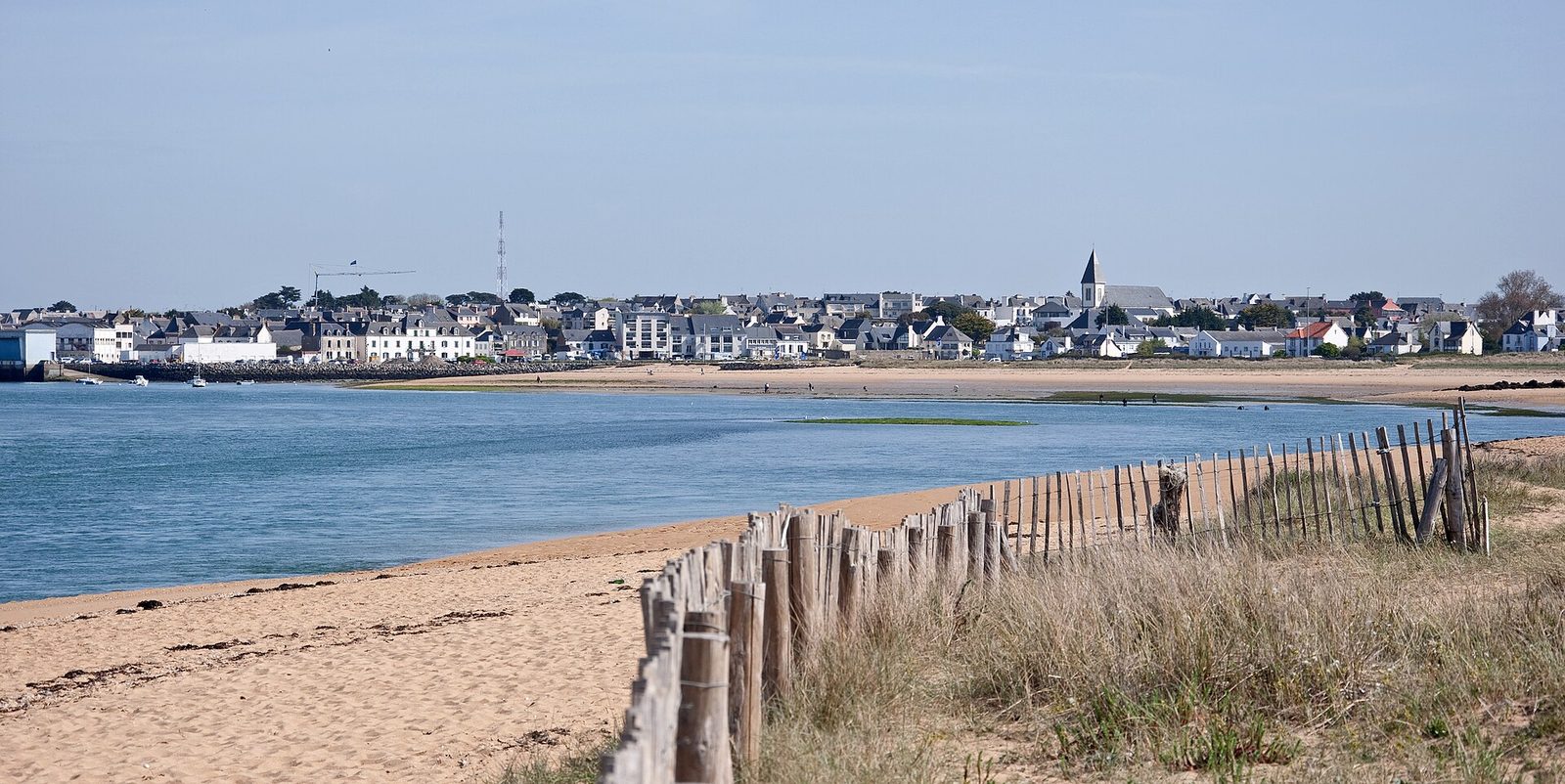
At the mouth of the Étel river, a moving sandbar makes the harbour entrance particularly feared by sailors. This ria landscape, between mudflats and sandbanks, is one of the richest bird refuges in the Morbihan.
View full page →↓ 14.1 km · about 18 min by car to the next stop
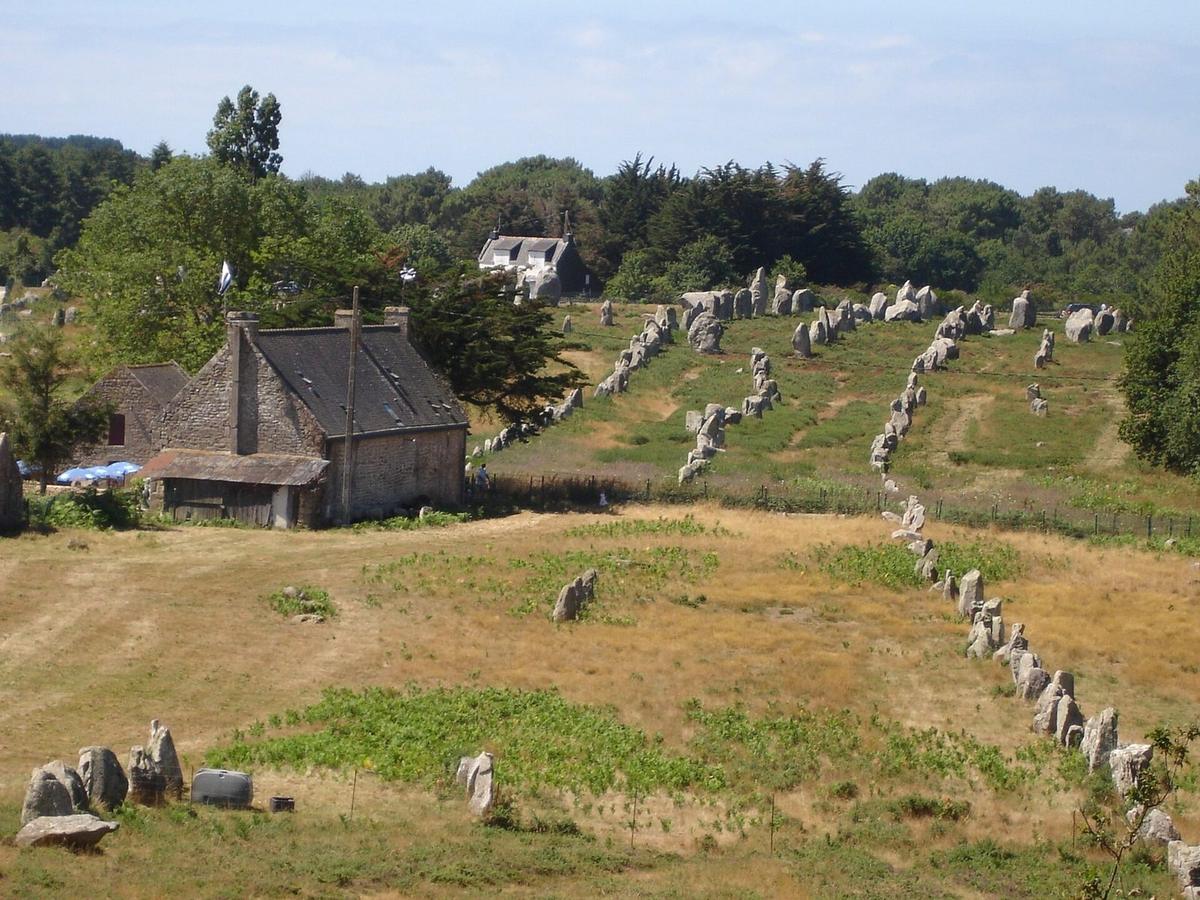
The Carnac alignments are in the commune of Carnac in the Morbihan département in Brittany.
View full page →↓ 40.1 km · about 1 h 23 by car to the next stop
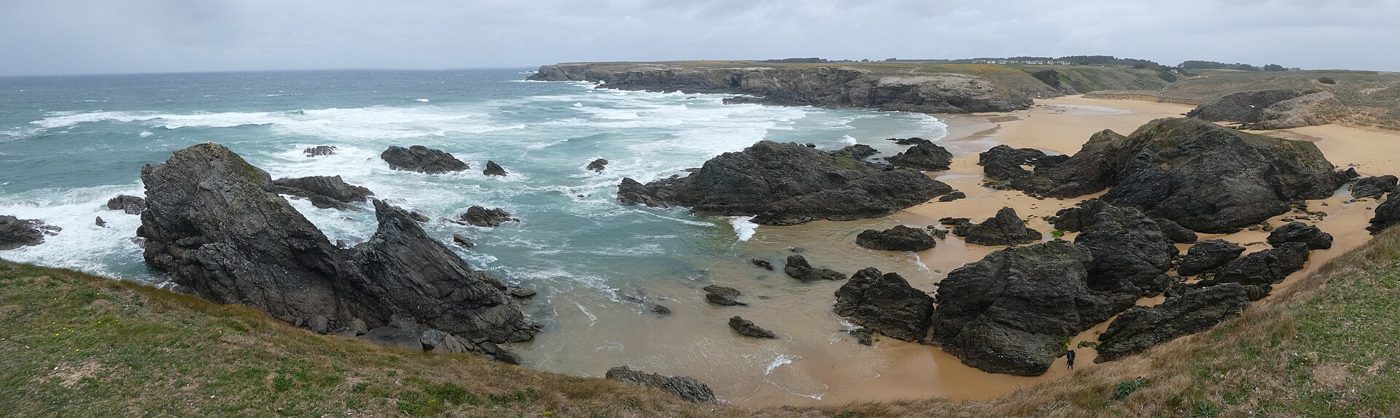
Large wild beach on the west coast of Belle-Île-en-Mer, between dunes and cliffs.
View full page →↓ 5.1 km · about 8 min by car to the next stop
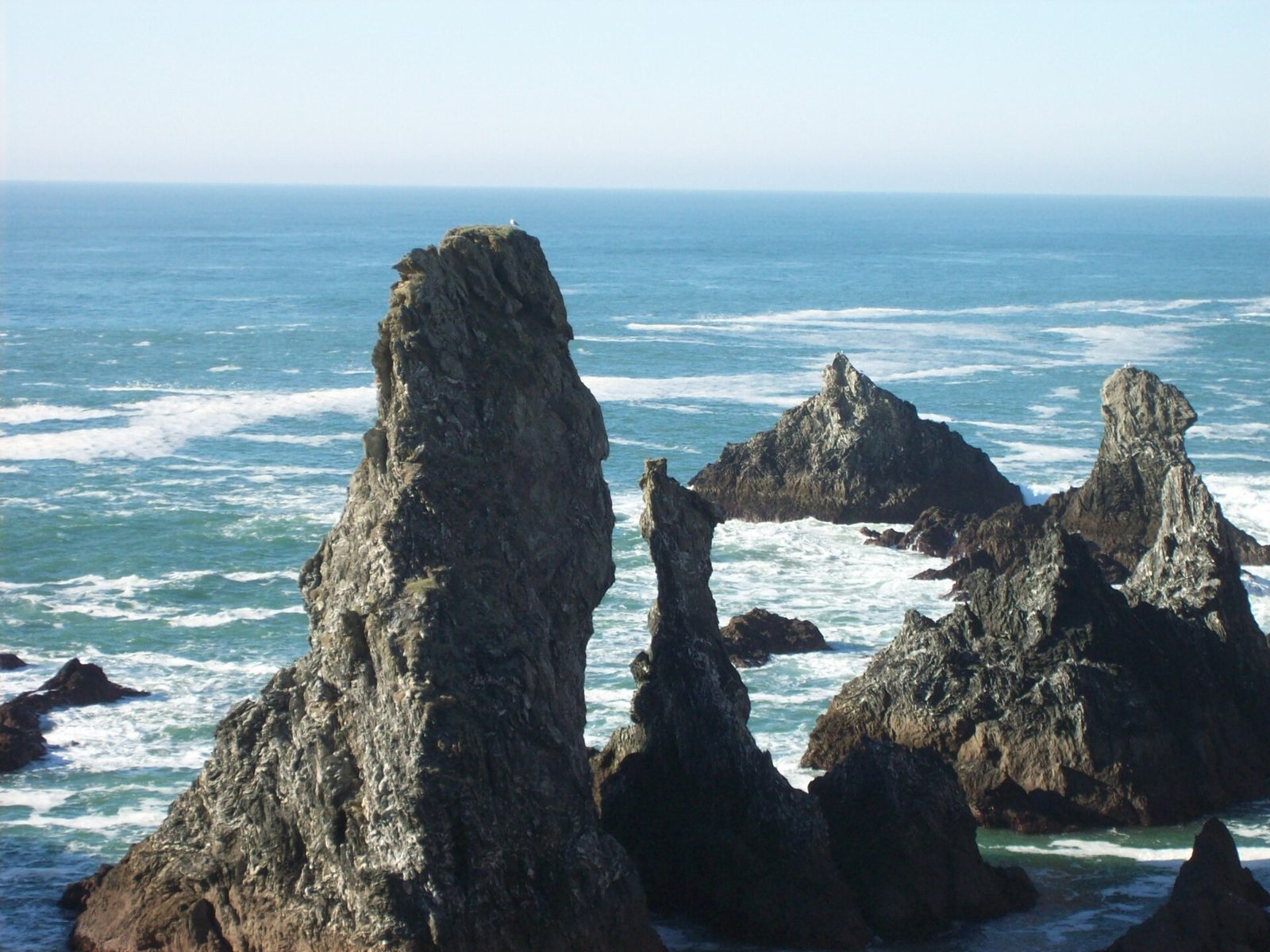
Located west of Belle-Île, on the wild coast, the needles have as their neighbour the Grand Phare guiding sailors with its range of 111 km...
View full page →From May to September, the weather is more favourable. Summer is very busy on the coast. The weather changes quickly: always pack a windproof jacket.
A car is practical for linking the sites. For the islands, you need to take a boat, with timetables depending on the season. Coastal paths are pleasant on foot.

The dune massif between the Gâvres peninsula and the Quiberon peninsula is the largest in Brittany with 25 linear kilometres of dunes.

An impressive fortress built and remodelled in the thirteenth and fifteenth centuries on the edge of the ocean, the château de Suscinio was one of the favourite residences of the dukes of Brittany.
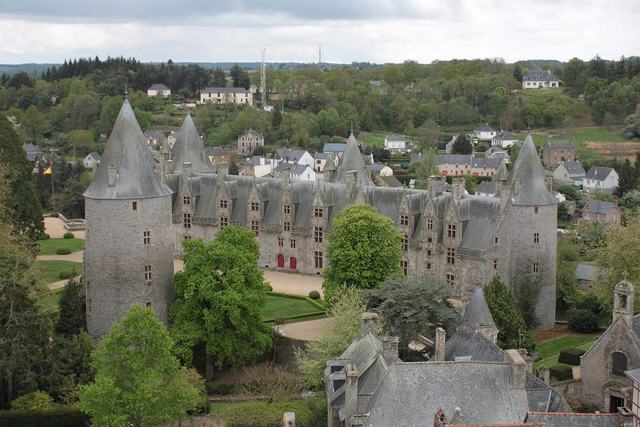
The vast fortress of Josselin, built in the eleventh century, was rebuilt by Olivier de Clisson in the fourteenth century.
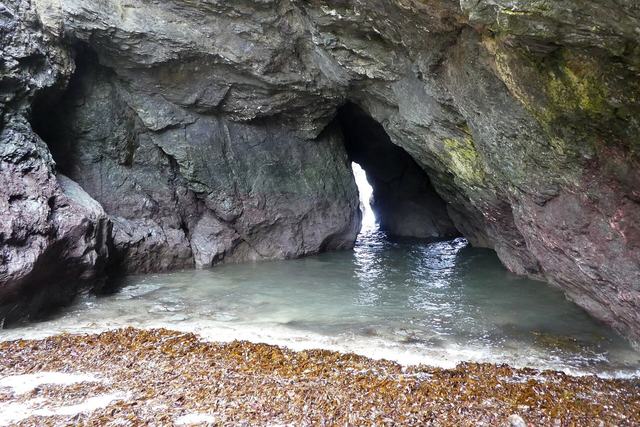
Belle-Île-en-Mer, on the Atlantic Ocean facing Quiberon, is the largest of the Ponant islands but also the wildest.
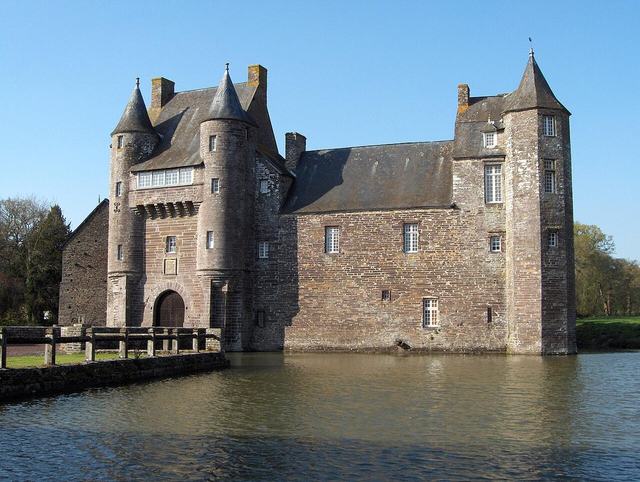
Surrounded by the waters of its pond, this castle built of reddish schist at the end of the fourteenth century has kept its medieval look.

The Cité de la Voile Éric Tabarly puts the visitor in the heart of ocean adventure, in the world of modern sailing and offshore racing.