Discovering Dordogne: a practical guide
Dordogne is the Périgord: four areas of different colours, castles perched above rivers, villages of golden stone and the greatest concentration of prehistoric sites in the world. It is also a land of gastronomy, from foie gras to truffles. An ideal destination for a rich, gourmet trip.
This practical guide helps you choose your stops and organise your trip. Underlined site names link to their detailed pages.
Understanding Dordogne in a few minutes
The département is divided into four Périgords. The Périgord Noir (black), in the south-east, around Sarlat, holds the castles of the Dordogne valley and the prehistory of the Vézère. The Périgord Pourpre (purple), in the south-west, is the land of vines and bastides, around Bergerac. The Périgord Blanc (white), in the centre, surrounds Périgueux. The Périgord Vert (green), in the north, is more wooded, with Brantôme.
Distances are significant and roads winding. For a trip of a few days, a base near Sarlat lets you discover the essentials of the Périgord Noir. Bergerac has an airport, and trains link Périgueux to Bordeaux and Limoges.
- Sarlat is very busy in summer: come early in the morning or in the evening.
- Prehistoric sites often require booking.
- Bring a car: public transport is scarce.
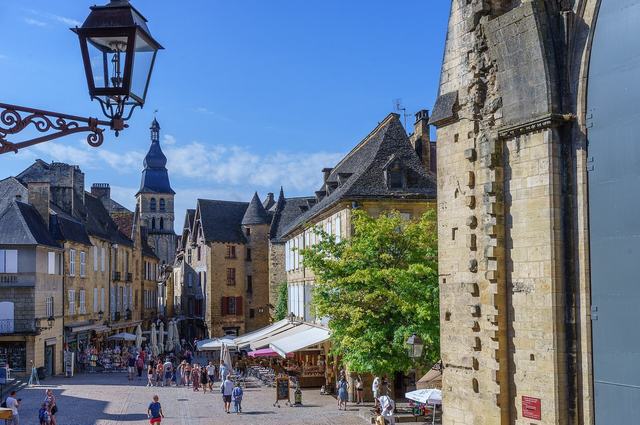
Sarlat-la-Canéda
The town of Sarlat is a medieval town that reached its peak in the thirteenth century. The Carolingian abbey of Sarlat is the only one spared by the Vikings because it lay away from the Dordogne and its tributaries.
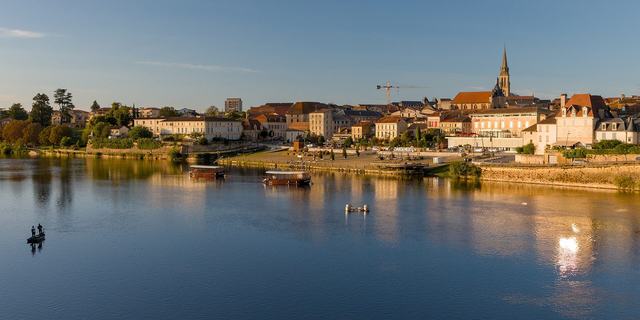
Bergerac
In south-west France, in the Dordogne-Périgord, the Bergerac area, a land of bastides and vineyards, welcomes you with remarkable heritage, fine unspoilt natural areas, the beauty of the Dordogne river, the richness of the wines and food of the…
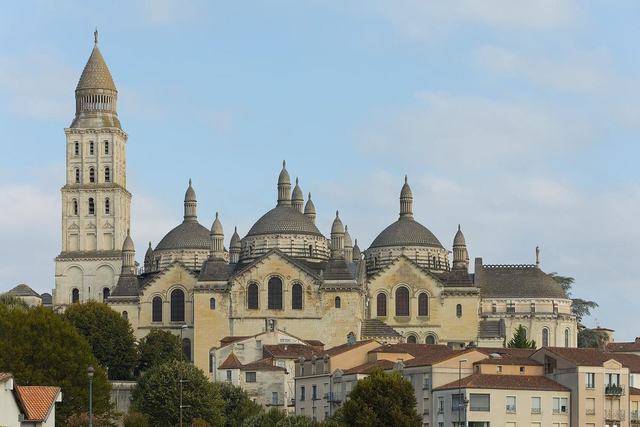
Périgueux et la Cathédrale Saint Front
You discover Périgueux like leafing through a history book. Come and wind back the time machine and set off to discover our history.
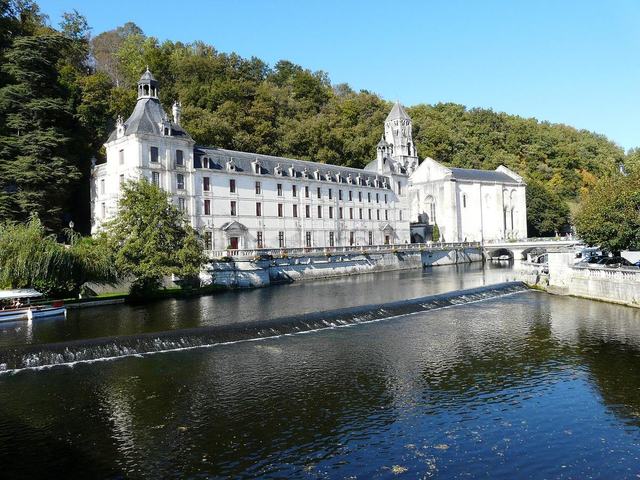
La ville de Brantôme, la « Venise du Périgord »
Set on an island, at the gates of the Périgord Limousin nature park, the charming town of Brantôme is one of the prettiest towns of the Green Périgord.
Culture, history and heritage
The Dordogne valley lines up spectacular castles: the Château de Castelnaud, home to a museum of medieval warfare, its rival the Château de Beynac, the Château des Milandes, linked to Josephine Baker, and further north the Château de Hautefort. The Château de Biron, the Château de Bourdeilles, the Château de Puymartin and the Château de Monbazillac complete this heritage.
The villages are among the most beautiful in France: La Roque-Gageac, Beynac-et-Cazenac, Domme, Castelnaud-la-Chapelle, Limeuil, Saint-Léon-sur-Vézère, Saint-Amand-de-Coly and Saint-Jean-de-Côle. The bastides of Monpazier and Belvès bear witness to the Middle Ages. In Périgueux, the Musée Vesunna presents the Gallo-Roman town.
- At Castelnaud and Beynac, wear good shoes: the climbs are steep.
- A gabare (traditional boat) trip gives a fine view of the castles.
- The most visited villages are quieter outside July and August.
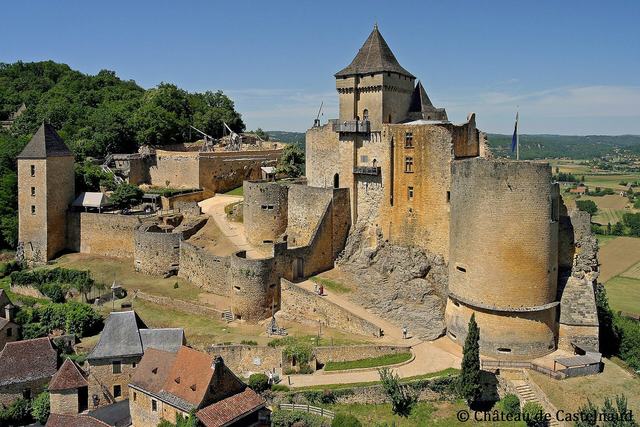
Château de Castelnaud
Facing the Château de Beynac, whose implacable rival it was in the endless conflicts that punctuate the history of the Middle Ages.
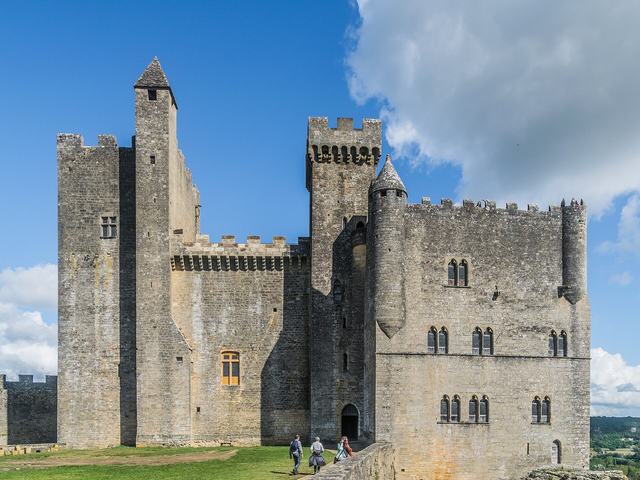
Château de Beynac
It is probably from the course of the Dordogne that the fortress looks most impressive.
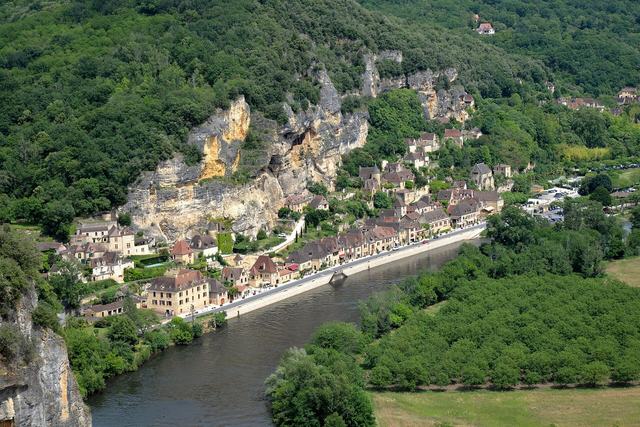
La Roque-Gageac
In the Middle Ages, La Roque-Gageac had 1,500 souls. At that time, the Dordogne supported the fishermen and gabariers of the port.
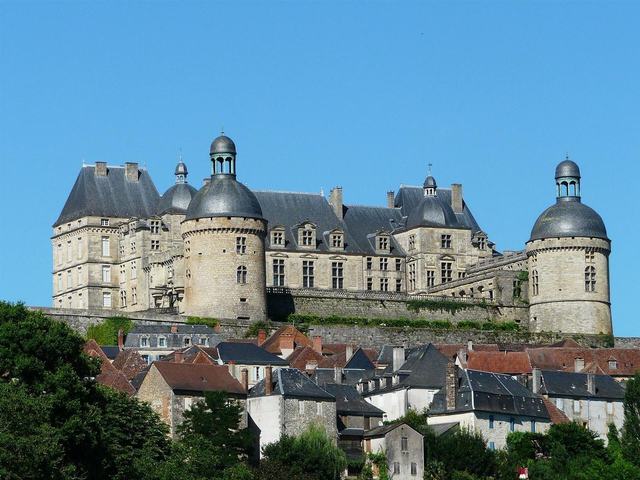
Château de Hautefort
The castle stands on a rocky spur that overlooks the commune and the village of Hautefort.
Prehistory and the Vézère valley
The Vézère valley is a UNESCO World Heritage site. The original Lascaux cave is closed to protect it, but its paintings can be seen in the Lascaux IV replica at Montignac. The Font-de-Gaume cave, one of the last polychrome painted caves open to visitors, the Combarelles cave and the Rouffignac cave with its mammoths complete the discovery.
In Les Eyzies, the National Museum of Prehistory presents the richest collections in France. The cave-dwelling site of La Roque Saint-Christophe and the Roc de Cazelle caves show how people lived in the cliffs. Caves with concretions are spectacular too: the Gouffre de Proumeyssac, La Grotte du Grand Roc and the Domme cave.
- Font-de-Gaume has very limited capacity: book well in advance.
- Lascaux IV tickets should be booked online in summer.
- In the caves, bring something warm.
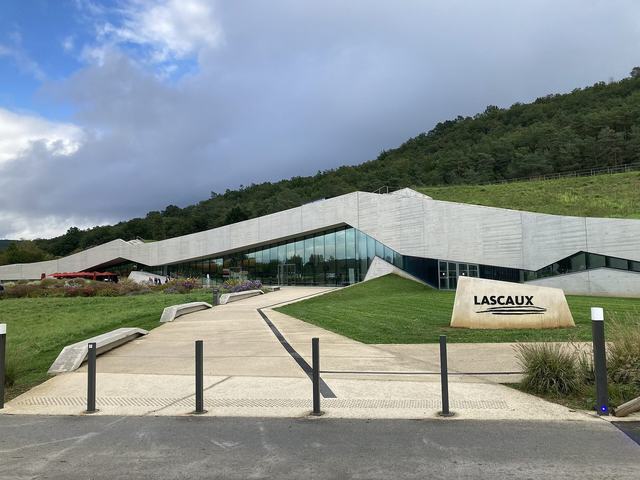
Grotte de Lascaux
Located in the Dordogne near the village of Montignac-sur-Vézère, in the heart of the Périgord Noir, the Lascaux cave is the masterpiece of prehistoric art.

Musée National de Préhistoire
The Musée national at Les Eyzies is at the centre of the greatest concentration in the world of sites occupied and decorated by man.

Gouffre de Proumeyssac
Already famous in the eighteenth century for its terrifying legends, the Proumeyssac chasm was only explored in 1907.

Grotte de Roque Saint Christophe
Halfway between Les Eyzies and Montignac, in one of the most beautiful landscapes of the Périgord, the enormous cliff of La Roque Saint-Christophe rises sheer above the Vézère.
Food and local produce
The Périgord is a great gastronomic land: foie gras, duck confit, black Périgord truffle, PDO walnuts, ceps and strawberries. The markets, such as Sarlat's on Saturdays, are a pleasure in themselves, and night markets liven up the summers.
The Bergerac area produces varied wines, from Bergerac to the famous Monbazillac, a sweet wine you can discover at the Château de Monbazillac. Farms offer tours and tastings of duck products.
- Sarlat's Saturday-morning market is one of the finest in France.
- Black truffles are harvested in winter, from December to February.
- Local farmers' markets are held in the evening in summer.
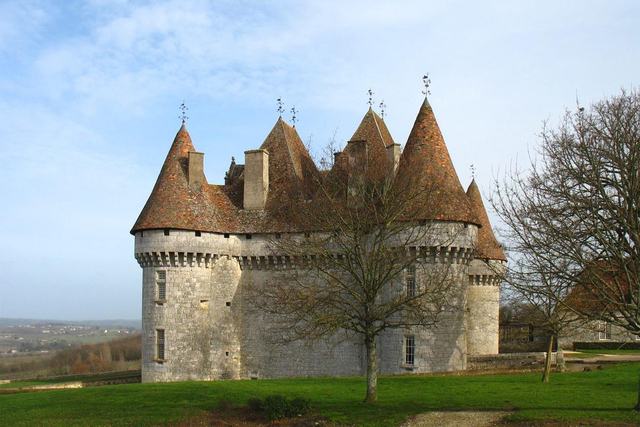
Château de Monbazillac
The château de Monbazillac, owned by the Monbazillac cellar since 1960, presents a unique and original architecture, a mix of medieval defensive systems and Renaissance elegance.
Sarlat-la-Canéda
The town of Sarlat is a medieval town that reached its peak in the thirteenth century. The Carolingian abbey of Sarlat is the only one spared by the Vikings because it lay away from the Dordogne and its tributaries.
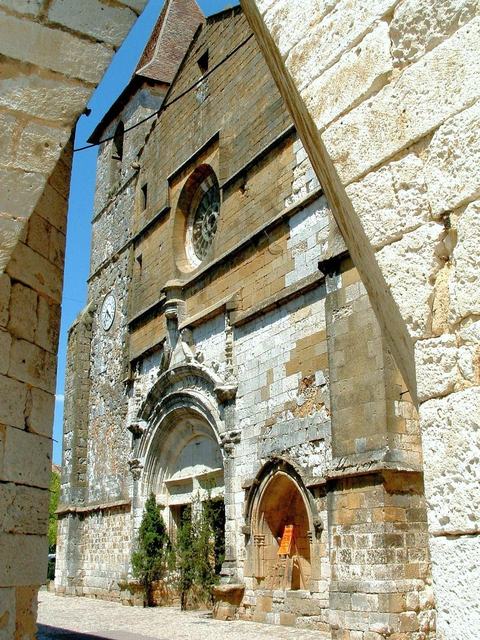
Monpazier
This thirteenth-century fortified town founded by Edward I of England has seen some thirty of its buildings listed as historic monuments.
Nature and wide open spaces
Gardens are one of the Périgord Noir's assets: the Marqueyssac gardens, hanging above the Dordogne, and the gardens of the Manoir d'Eyrignac. The Cingle de Trémolat offers a magnificent meander of the Dordogne. The river can be explored by canoe or by gabare, with Gabares Norbert at La Roque-Gageac.
With children, Le village de Bournat brings the Périgord of the past to life, Univerland has a large aquarium and the Calviac zoological reserve presents endangered species. The Cabanes du Breuil show traditional dry-stone dwellings.
- At Marqueyssac, candlelit evenings take place in summer.
- Canoeing down the Dordogne is suitable for beginners.
- Allow half a day per garden.
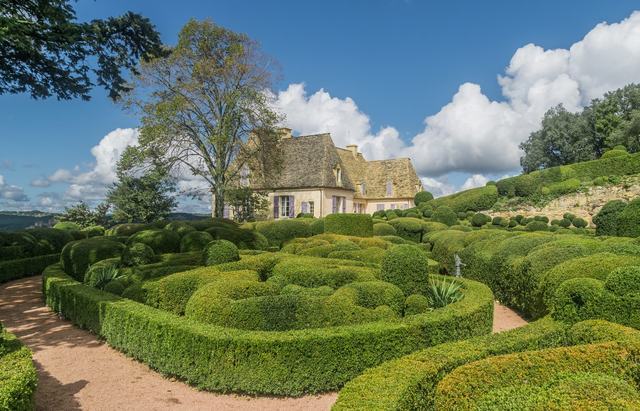
Les jardins de Marqueyssac
A classified site, the romantic and picturesque gardens of Marqueyssac offer more than 6 kilometres of shaded walks, lined with 150,000 hand-clipped century-old box trees, and enhanced by belvederes, rockeries, water trails and open-air theatres.
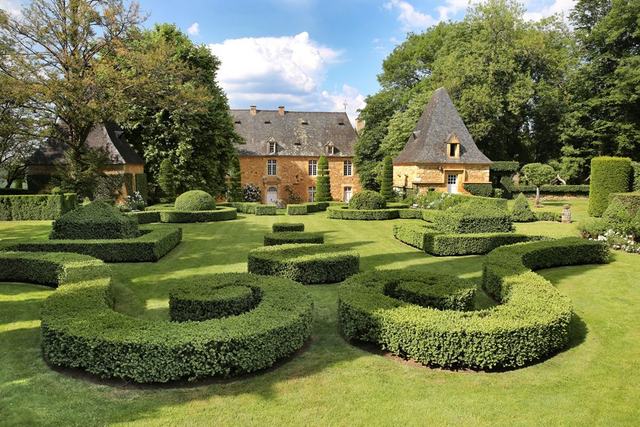
Les Jardins du Manoir d'Eyrignac
The Gardens of the Manoir d'Eyrignac can be visited at Salignac-Eyvigues, in the Black Périgord (Aquitaine region) and are typical French-style gardens.
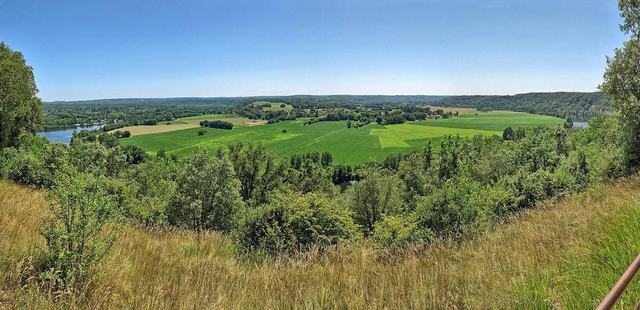
Cincle de Trémolat
The Trémolat bend is one of the most famous meanders of the Dordogne, formed by the river between the communes of Trémolat and Mauzac-et-Grand-Castang.

Le village de Bournat
The living history of the Périgord in a 2-hectare park on the banks of the Vézère: old trades and working craftsmen, daily life, objects, the farm and crops, the still, the oil mill, old toys, the funfair, animals…
When to go and how to plan
Spring and autumn are the best seasons: mild temperatures, magnificent colours and fewer people. Summer is hot and very busy in the Périgord Noir. Winter is quiet and truffle season, but many sites close.
A six-day trip can combine two days in the Dordogne valley (castles, villages, gardens), two days in the Vézère valley (Lascaux, Les Eyzies, caves), a day in Sarlat and a day in the Périgord Pourpre or Périgueux.
- Book prehistoric sites and accommodation for the summer.
- Avoid valley roads at peak times in summer.
- Many sites close from November to March: check.
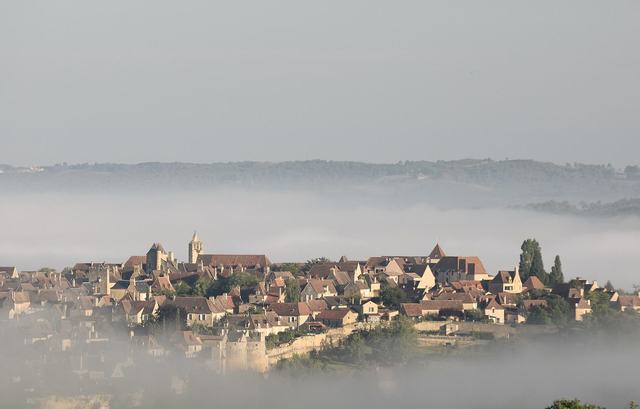
Domme
Ringed by ramparts, the thirteenth-century bastide tells a tumultuous past illustrated by its fortified gates and towers that served as prisons.
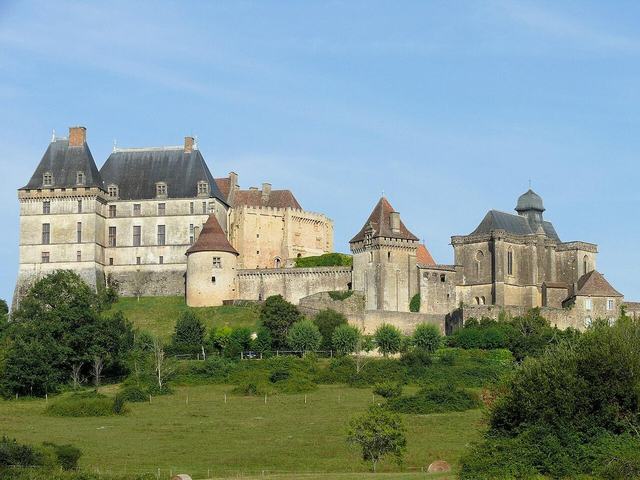
Château de Biron
Seat of one of the four baronies of Périgord, this original fortress has undergone many architectural alterations over the centuries.

Château des Milandes
In the heart of the Black Périgord, the château des Milandes overlooks the Dordogne river. It was Lord François de Caumont who had this residence built in 1489 at the request of his wife, Claude de Cardaillac.
Going further
Explore the départements of this area: