Museums · Vendée
1 Historial de la Vendée
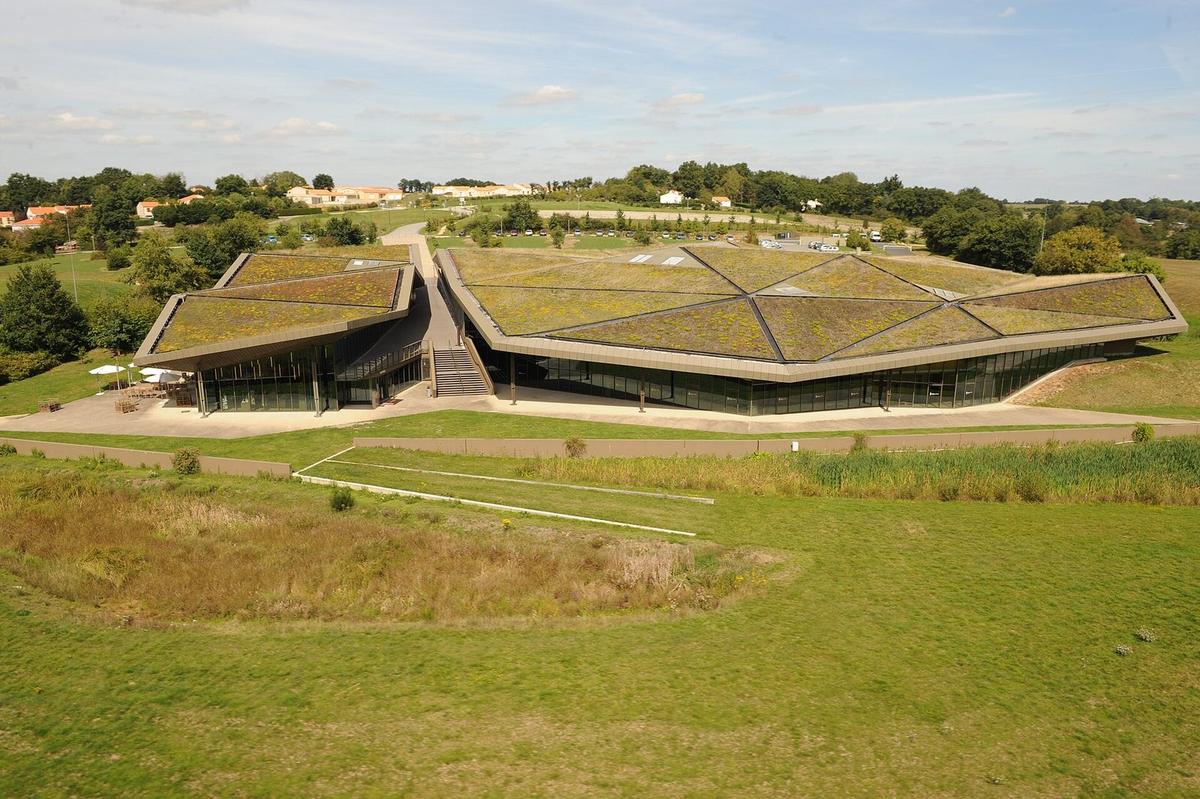
The Historial de la Vendée is a museum retracing the history of the Vendée, from Prehistory to the early twenty-first century.
View full page →Vendée combines beaches, islands, marshes, castles and theme parks. The island of Noirmoutier, the Île d'Yeu, the Marais Poitevin and the Puy du Fou are the département's landmarks.
This itinerary spreads the best-rated sites in the catalogue over three days.
The map shows the numbered stops in visiting order, with one colour per day. The line follows the roads where available; otherwise it joins the stops as the crow flies. Distances and times are approximate (by car, without traffic).
This day brings together 6 sites close to each other: museums, castles and tourist trains. Allow half an hour to an hour and a half per site, plus travel time.
The Historial de la Vendée is a museum retracing the history of the Vendée, from Prehistory to the early twenty-first century.
View full page →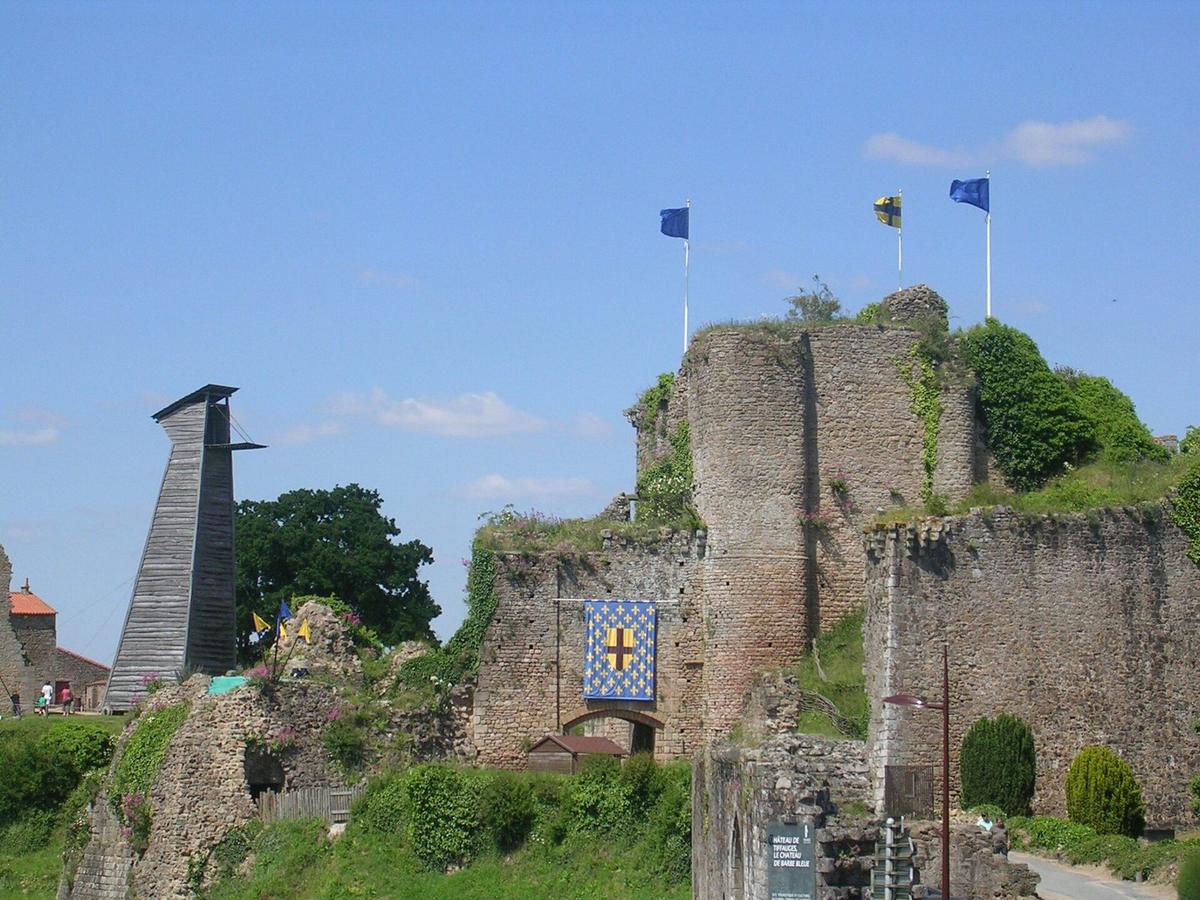
The most imposing medieval ruin in the whole Vendée, listed as a Historic Monument since 1957.
View full page →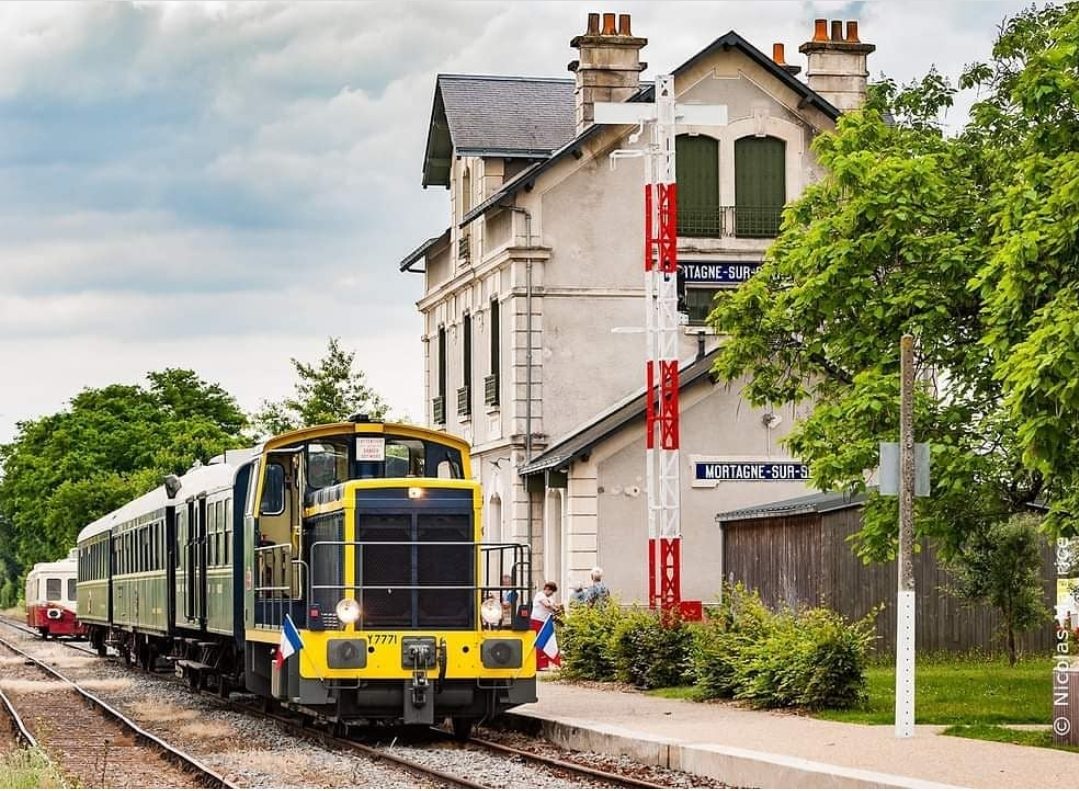
The Vendée tourist railway is a tourist and heritage railway that has, since 1992, contributed to safeguarding the railway heritage of the Vendée.
View full page →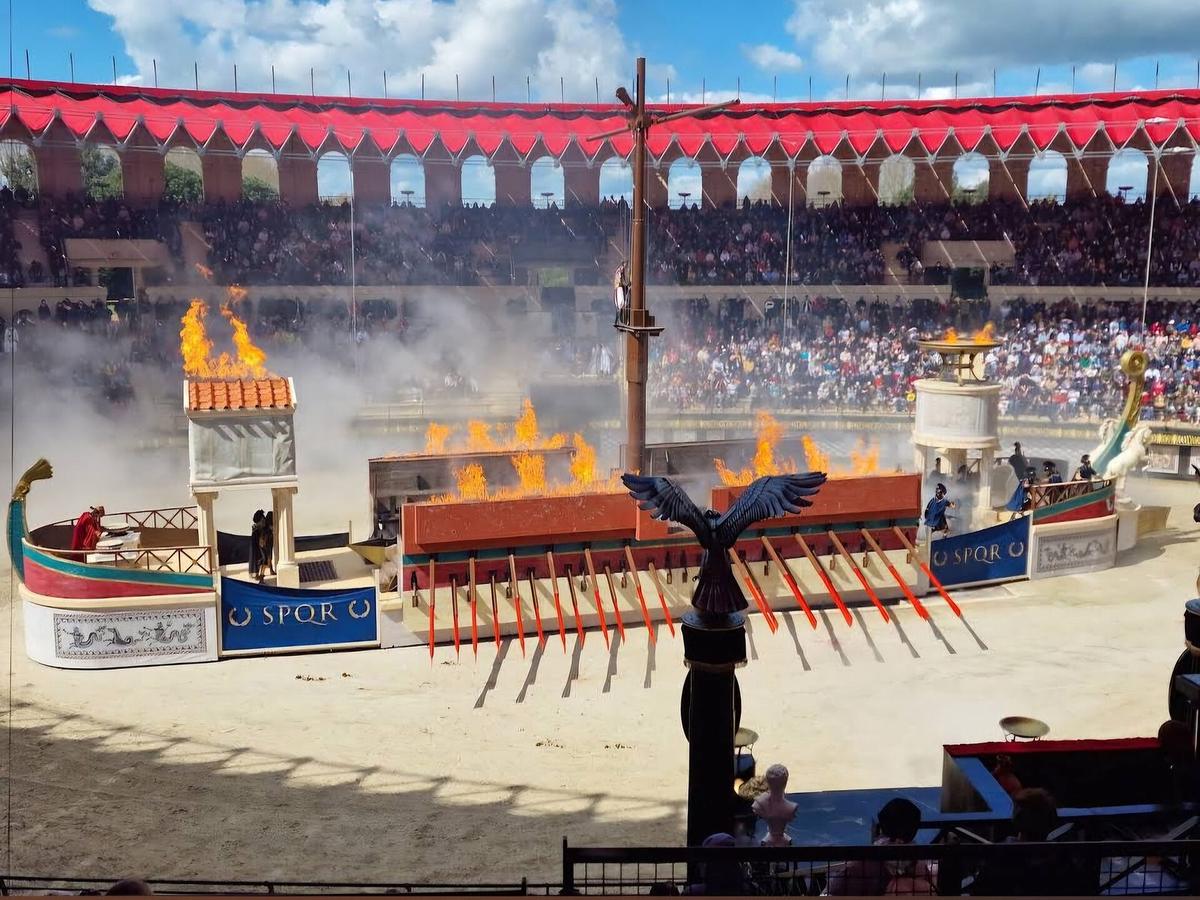
Voted "Best Park in the World" in Los Angeles, the Puy du Fou celebrates the 25th anniversary of the Grand Parc with a firework of novelties to discover exclusively in 2013!
View full page →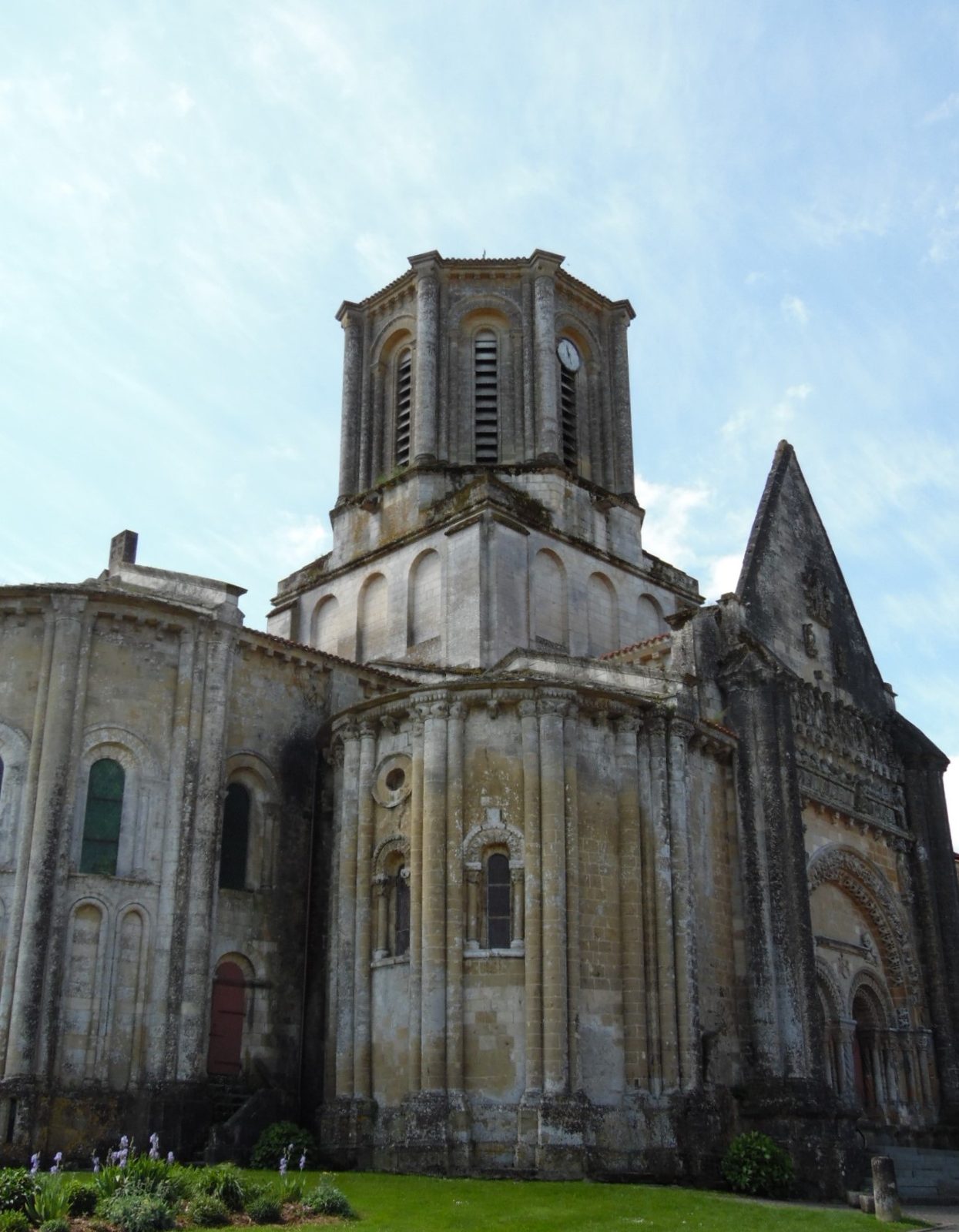
Standing on a promontory overlooking a meander of the Mère, about twenty kilometres north of Fontenay-le-Comte, this peaceful Vendée town keeps part of its old ramparts.
View full page →
15 minutes from the most beautiful beaches of the Vendée, on the D949, between Luçon and Les Sables-d'Olonne, the Floral and Tropical Park invites you on a true World Tour of exotic botanical heritage.
View full page →This day brings together 3 sites close to each other: castles, gardens and museums. Allow half an hour to an hour and a half per site, plus travel time.
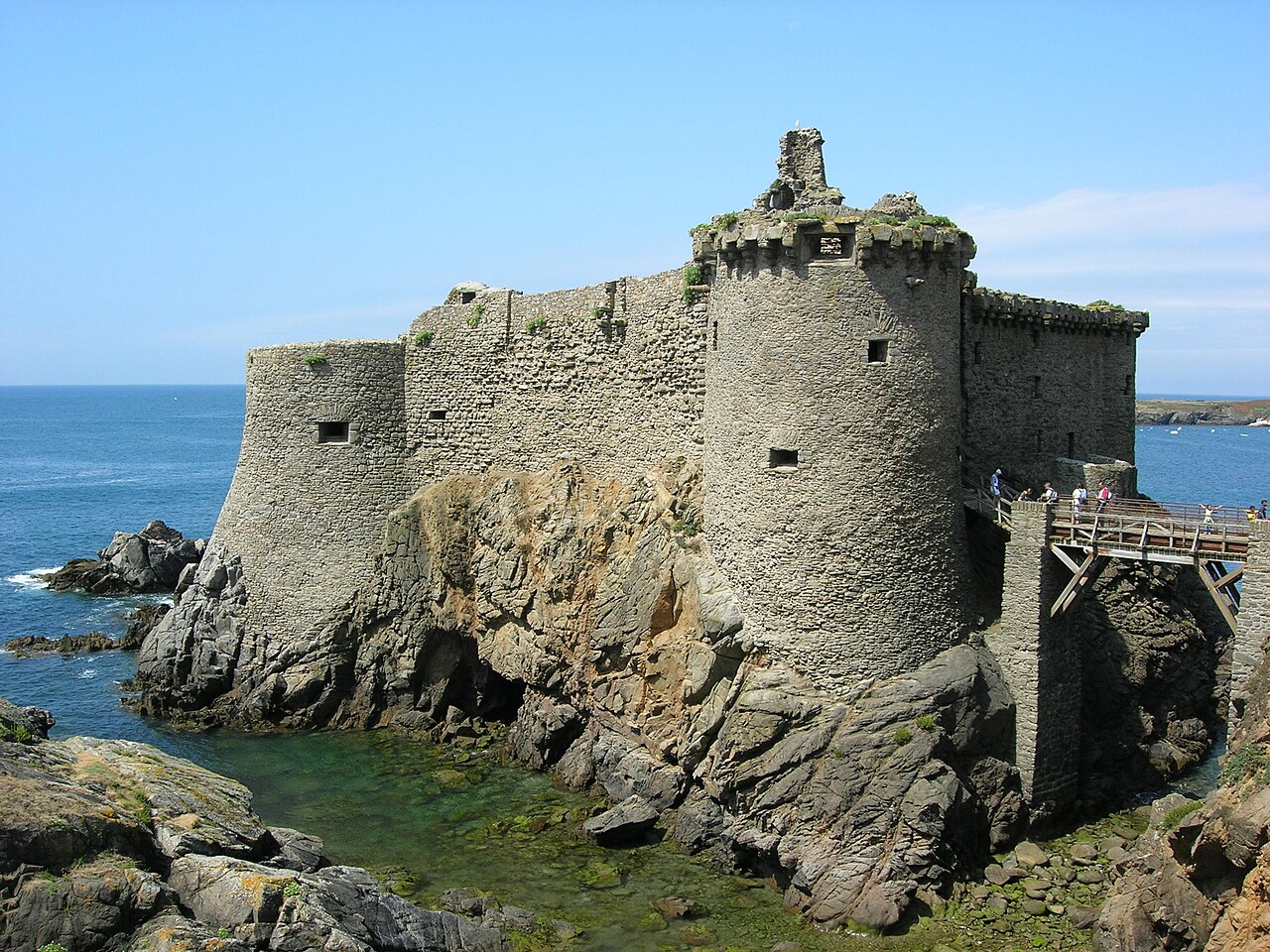
In the heart of the wild coast, perched on a rocky islet, the Vieux Château stands at the centre of a chaotic and tormented landscape.
View full page →
The Potager Extraordinaire promises a journey to wonderland. Set off to discover the magic of cucurbits and unusual plants.
View full page →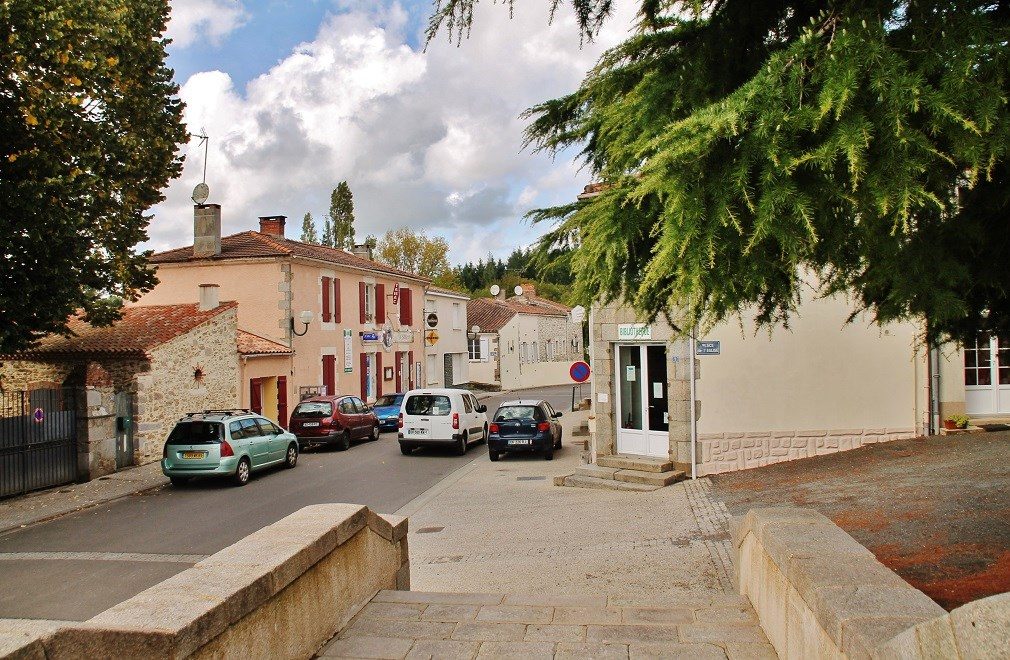
As a family, step into the Giant Hive (an interactive museum on the life of bees). During the Honey and Bees activity, take part in opening a hive and making honey.
View full page →This day brings together 3 sites close to each other: natural wonders, museums and aquariums. It passes through Les Sables-d'Olonne. Allow half an hour to an hour and a half per site, plus travel time.

South-east of the Port de la Meule, you will discover the Pierre Tremblante: this enormous rock, which looks like a petrified giant rat, seems to taunt the precipice.
View full page →
Dream, escape, emotion: tropical shells from all over the world displayed in showcases. Marvels and masterpieces of nature.
View full page →
The Vendée aquarium is a human-sized aquarium at Talmont-Saint-Hilaire, offering a fantastic visit into the heart of marine life. 500 species await through 3 worlds representing the 4 corners of the marine world.
View full page →From May to September the weather is more favourable for beaches and islands. Summer is very busy. Spring and autumn are calmer.
A car is practical for linking the sites. For the islands, you need a boat or, for Noirmoutier, a bridge or the Gois causeway depending on the tides. Cycling is ideal on the coast.

A green oasis by the sea, the Zoo des Sables invites you to travel through the animal world.
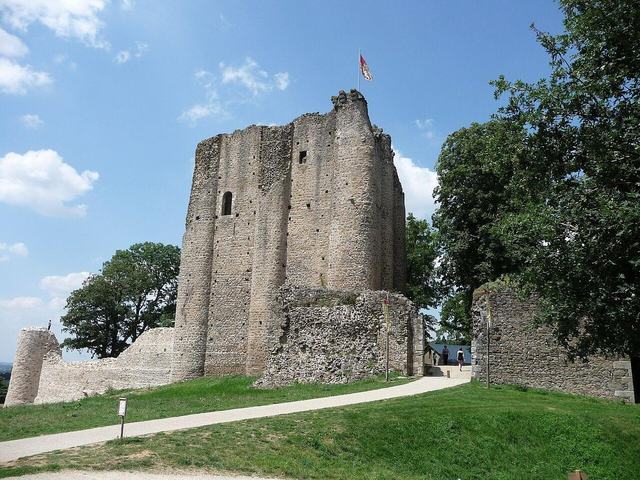
Overlooking the town, the château de Pouzauges is dominated by its majestic twelfth-century keep. Listed as a historic monument, it is notably marked by the presence of the wife of the famous Gilles de Rais: Catherine de Thouars.
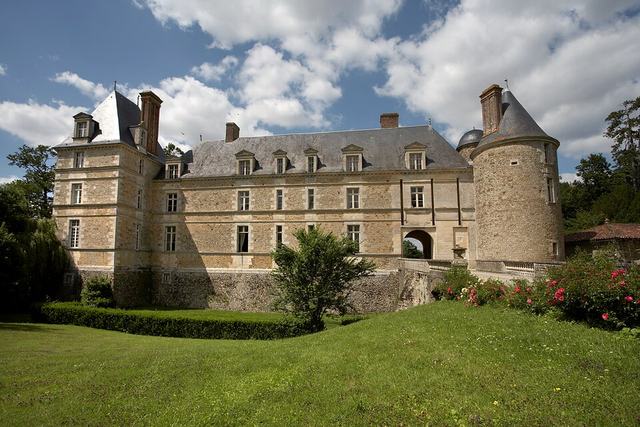
In the very heart of the town centre stands the château de Sainte-Hermine.
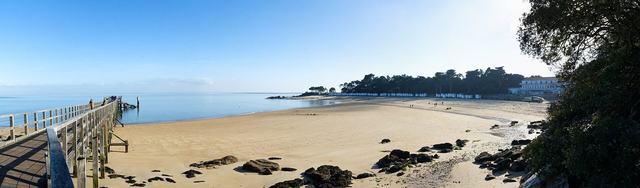
A small sand beach in the Bois de la Chaise, on Noirmoutier, with its coloured cabins and its jetty.

Set on a rock and originally surrounded by water, the feudal fortress of Talmont was raised in the eleventh century by William the Bald to defend the Poitou coasts against Norman invasions.
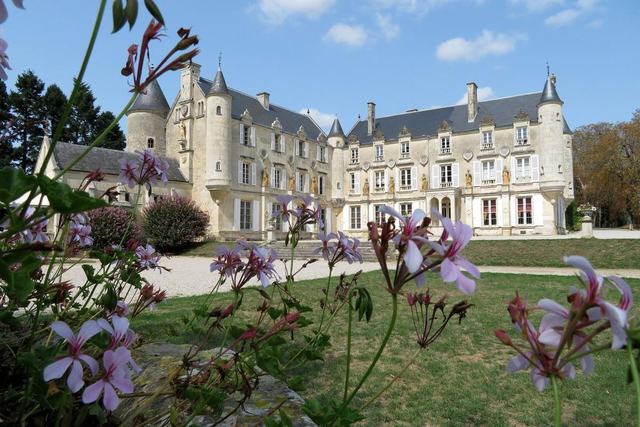
This private castle, inhabited all year round, is classified as a Historic Monument. It was built in 1580 by Nicolas Rapin, Grand Provost of the Constabulary of France and companion of King Henry IV.