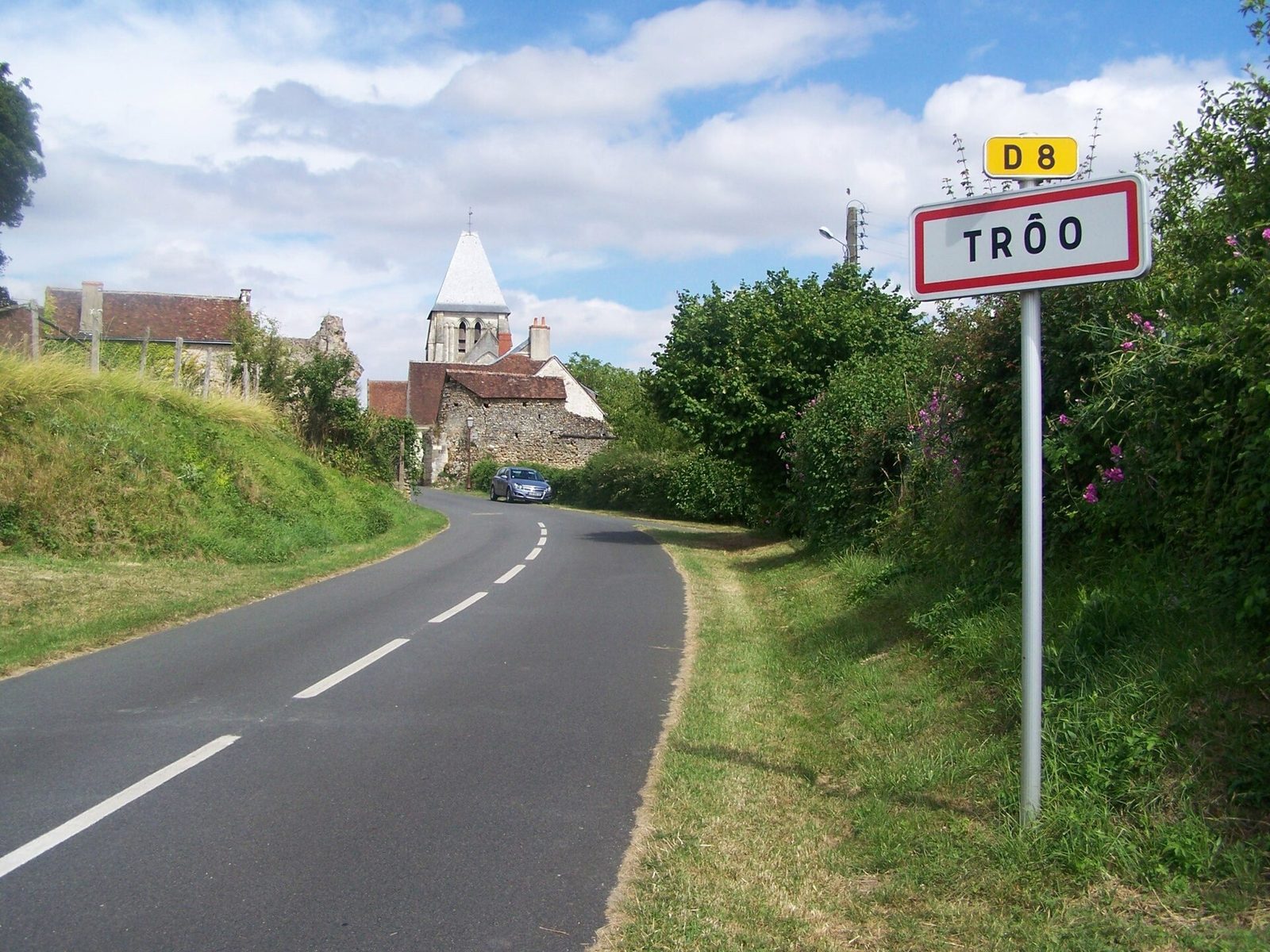
1 Village troglodytique de Troo
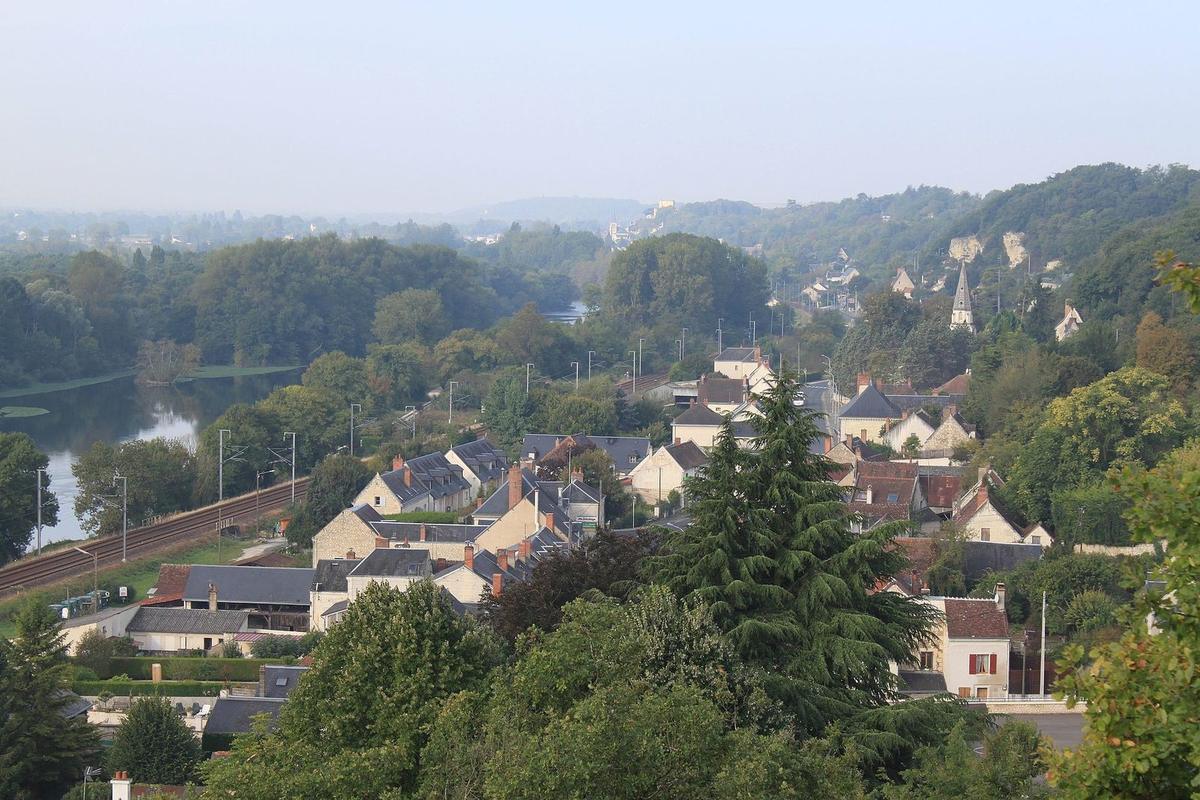
Troo is probably the most picturesque troglodyte village in the Loir Valley. This village was built on a cliff whose almost vertical face descends to the Loir.
View full page →Loir-et-Cher combines Chambord, Cheverny, Blois and the Sologne. The great Renaissance castles and hunting estates form a unique landscape.
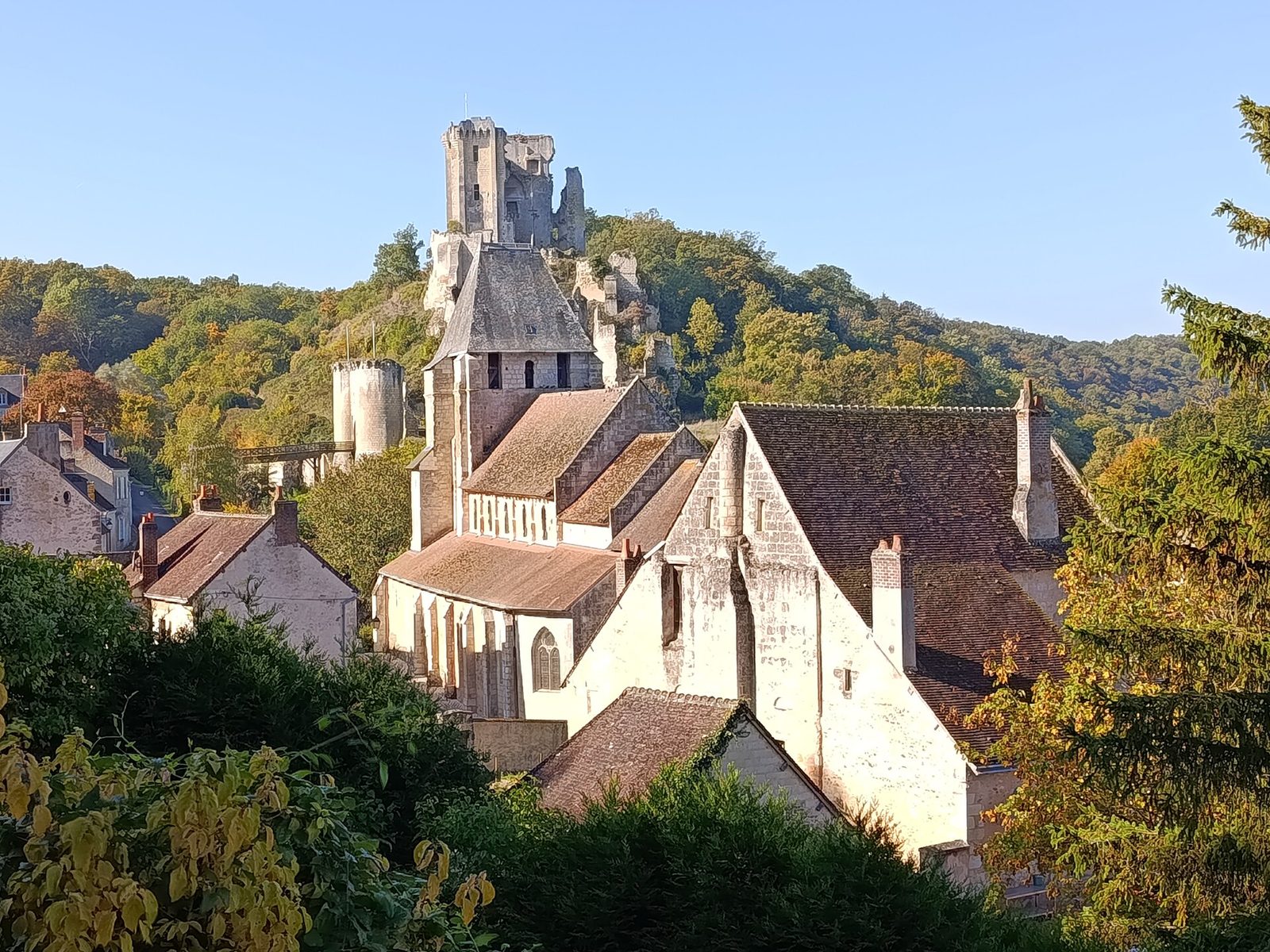
This itinerary spreads the best-rated sites in the catalogue over three days.
The map shows the numbered stops in visiting order, with one colour per day. The line follows the roads where available; otherwise it joins the stops as the crow flies. Distances and times are approximate (by car, without traffic).
This day brings together 3 sites close to each other: villages and towns and cities. It passes through Blois. Allow half an hour to an hour and a half per site, plus travel time.
Driving for the day: about 56.5 km, or 1 h 00 behind the wheel in total (excluding visits).
Troo is probably the most picturesque troglodyte village in the Loir Valley. This village was built on a cliff whose almost vertical face descends to the Loir.
View full page →↓ 9.6 km · about 14 min by car to the next stop
Buried in greenery on the banks of the Loir, Lavardin nestles at the foot of the impressive ruins of its castle.
View full page →↓ 46.9 km · about 46 min by car to the next stop
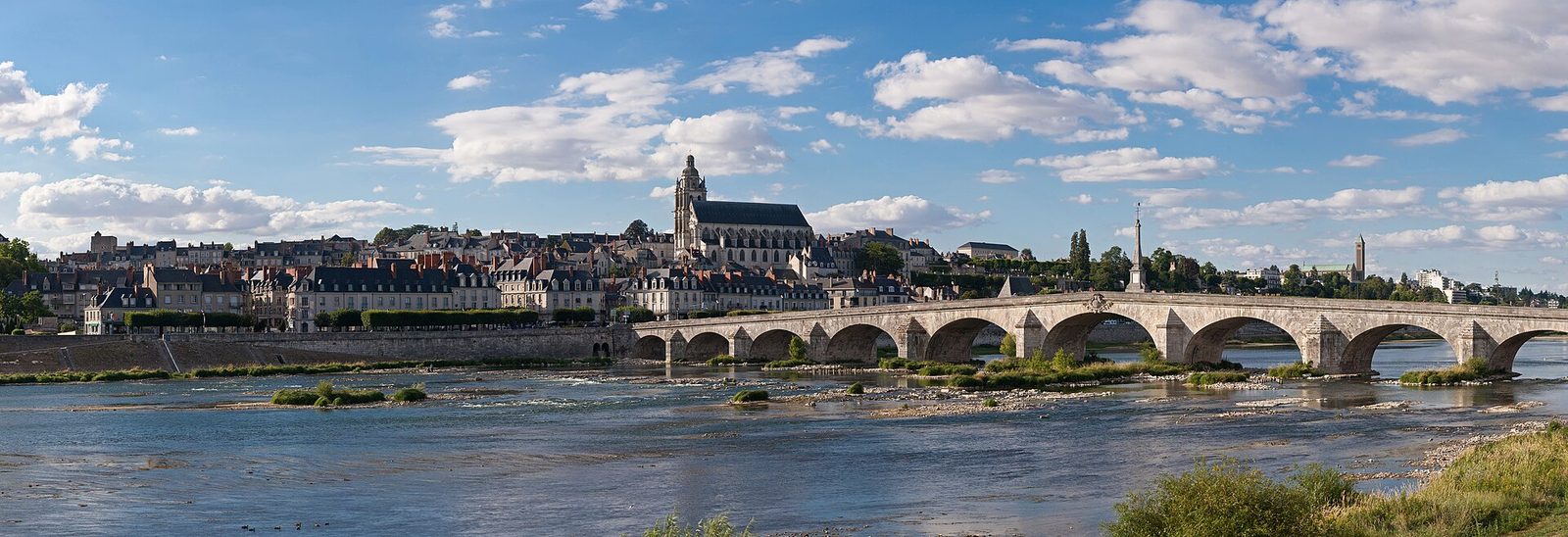
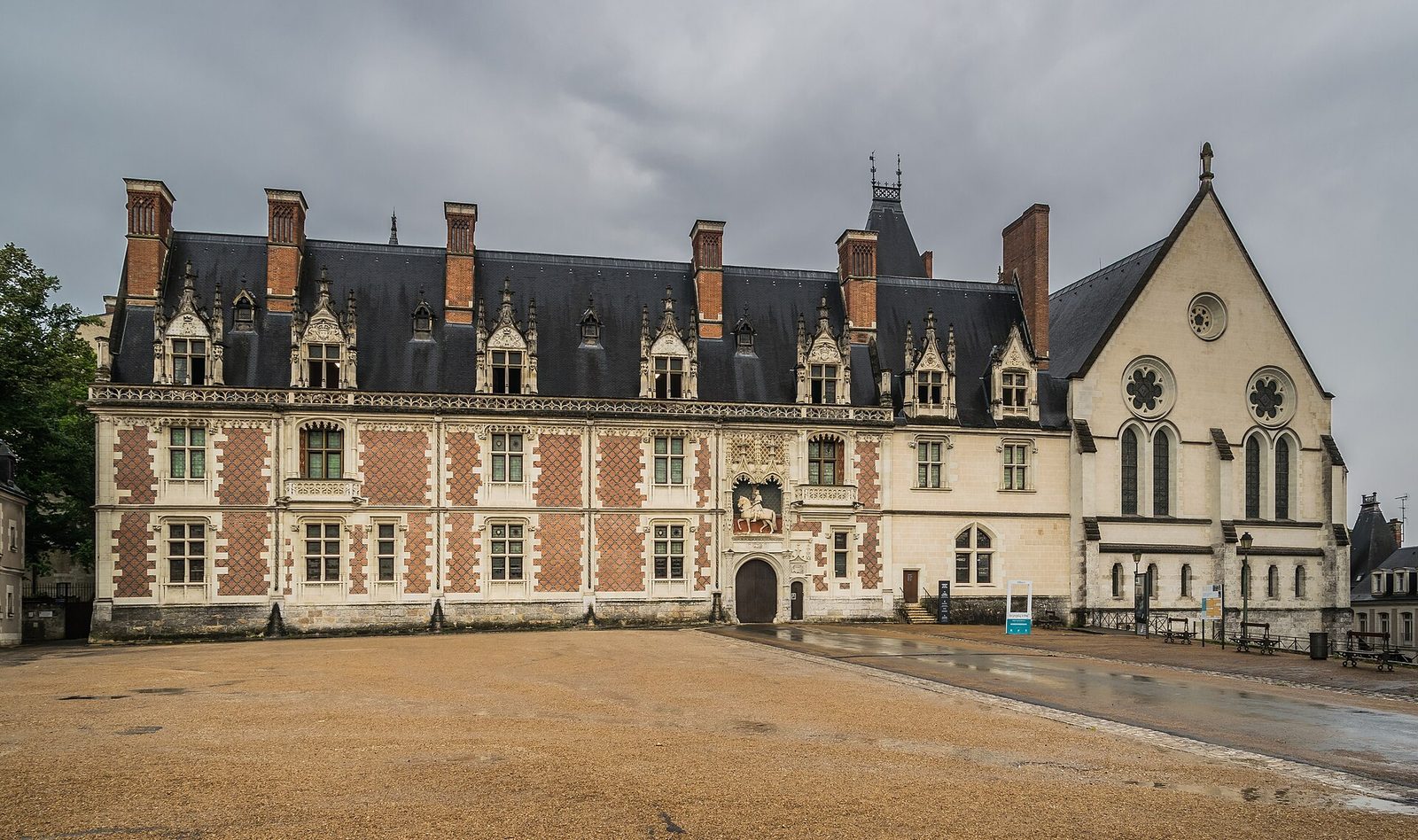
Prefecture of Loir-et-Cher tiered on the hillsides overlooking the Loire, whose royal castle sums up several centuries of French architecture on its own.
View full page →This day brings together 6 sites close to each other: museums and castles. Allow half an hour to an hour and a half per site, plus travel time.
The mushroom cave: 50 metres underground, discovery of the only cave in the world that entirely grows, in their natural atmosphere, the various gourmet mushrooms such as the blue-foot, shiitake, oyster mushroom, etc. More than 100 tonnes of mushrooms are produced each…
View full page →
Come and live an unexpected experience in the heart of a unique troglodyte site!
View full page →
The castle's history goes back to the sixteenth century. The château de Beauregard hides behind the foliage of the Russy forest.
View full page →
The castle was built on a promontory overlooking the Loire and the Arrou. This place has been fortified since very ancient times.
View full page →
A place presenting the important works of that very active period of the 1960s–1970s: more than 40 artists over two floors, some 300 works, documents, archives...
View full page →
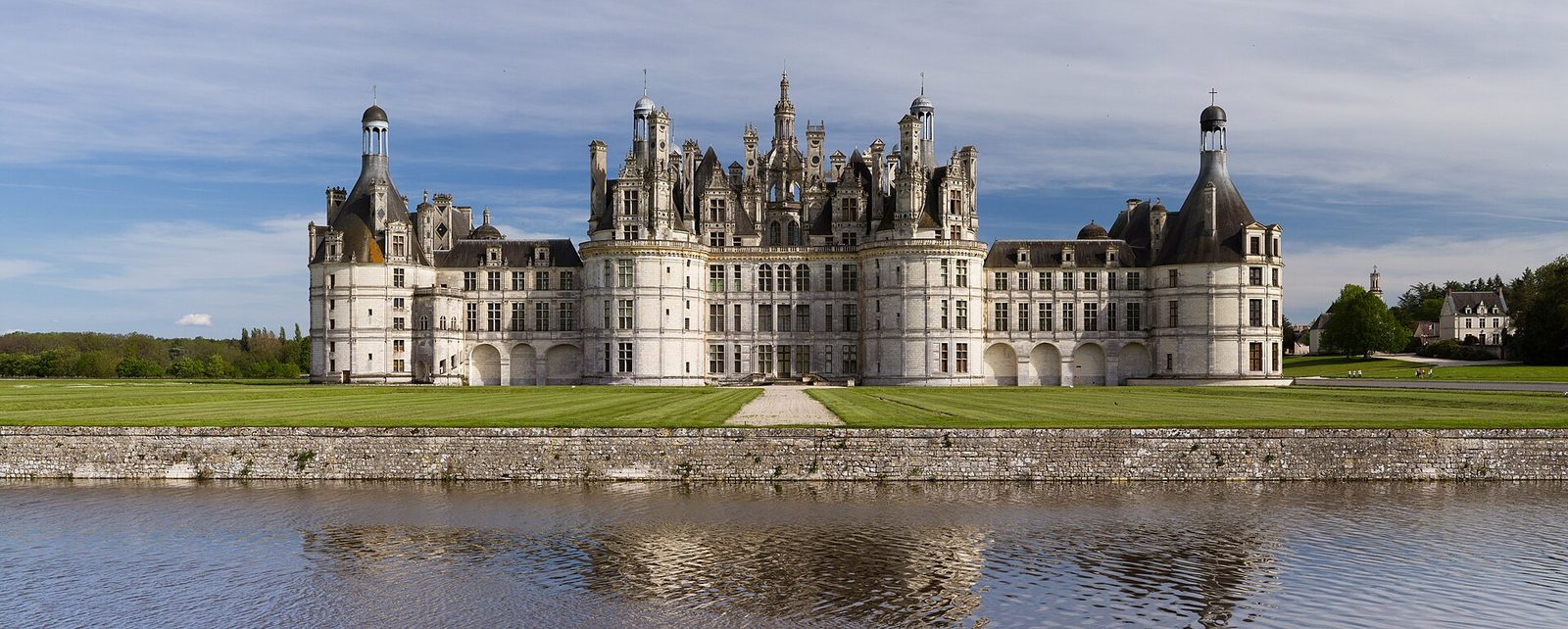
Chambord, which measures 156 m by 117 m and has 440 rooms, is the largest of the Loire castles.
View full page →This day brings together 3 sites close to each other: zoos and wildlife parks, castles and museums. Allow half an hour to an hour and a half per site, plus travel time.
4,000 animals over 22 hectares, one of the most extraordinary zoos in Europe! Exceptional animals: okapis, koalas, white lions and tigers, manatees... and more surprises for 2006.
View full page →
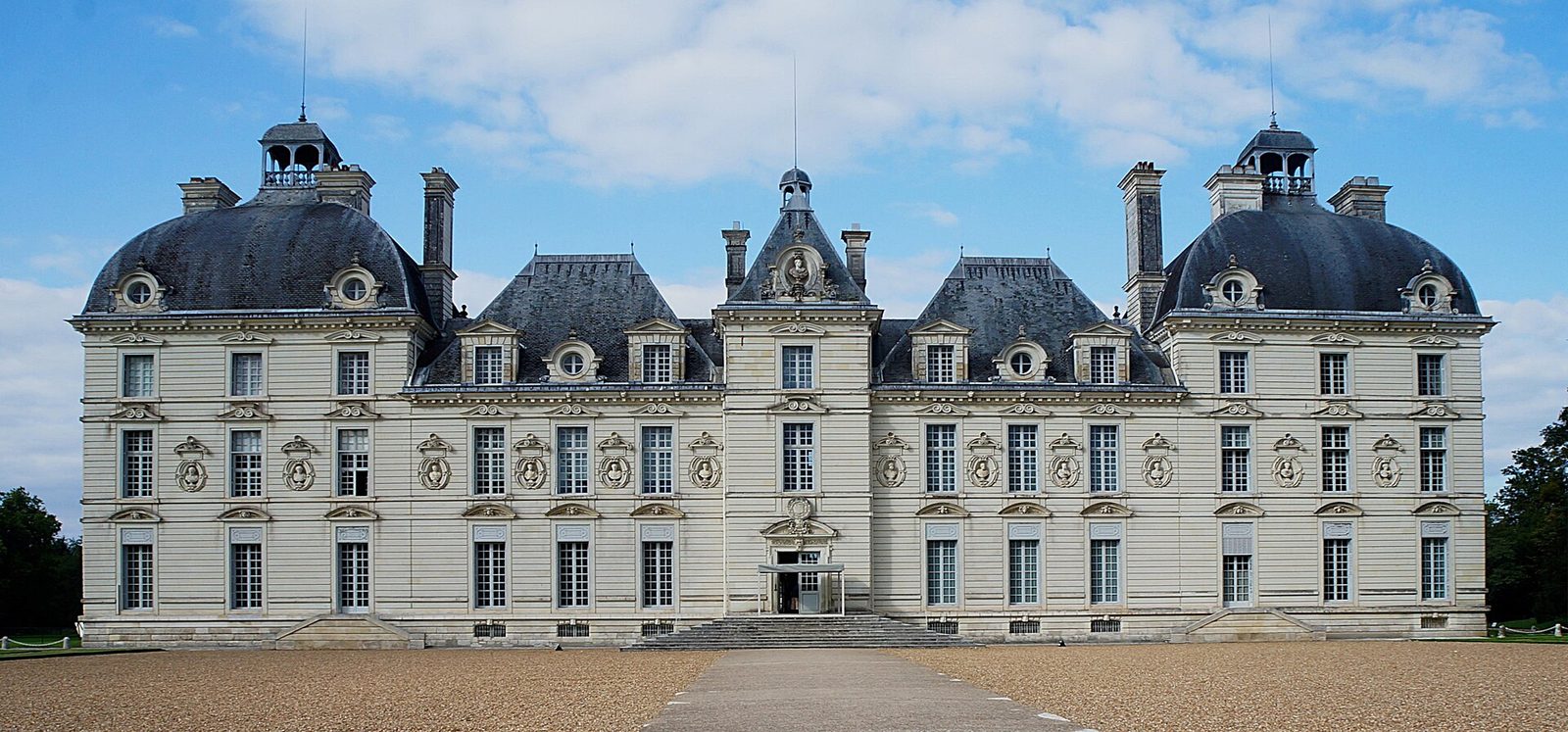
The Cheverny estate is a lordly property that has belonged to the same family for more than six centuries.
View full page →
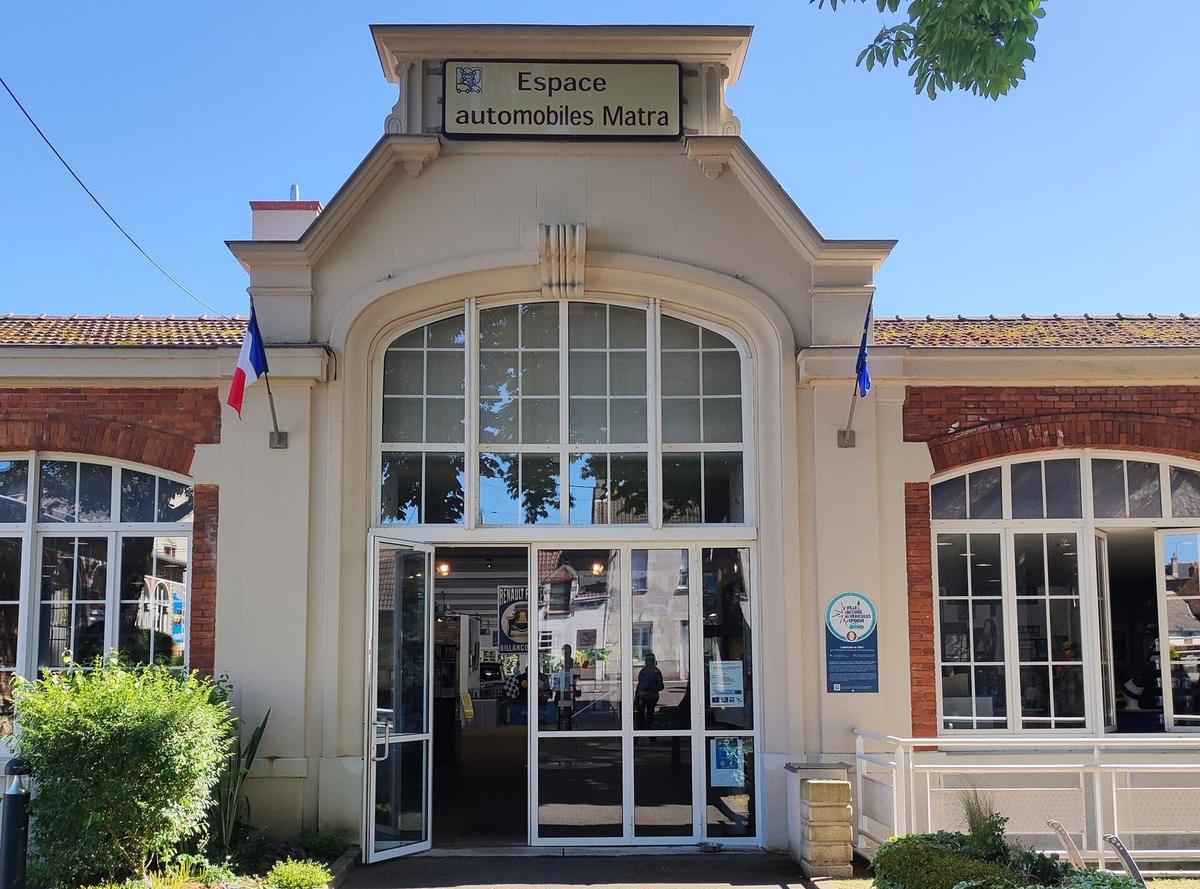
The Espace Automobiles Matra offers a brilliant presentation of the competition cars of the Matra collection as well as prototypes and an engine room on a 3,000 m² site.
View full page →Spring and autumn are ideal. Summer is very busy at the great castles. Winter is quiet, but some sites are closed.
A car is practical for linking the castles, which are far from each other. Blois is served by train. Cycling is pleasant along the Loire.

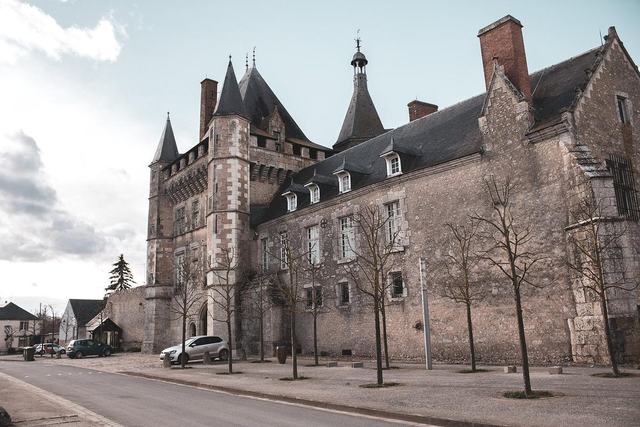
10 km north of Mer and 26 km from Blois, Talcy was in the thirteenth century a lordship and a rich farming estate.

Built in the second half of the fifteenth century and finished in the early sixteenth by three generations of ennobled Blois notables, the château de Fougères-sur-Bièvre offers the almost ideal image of a small late-medieval fortress: curtain wall, keep, gun-loop arrow slits, wall-walks and…

The château de Ménars is a superb residence designed in the classical and symmetrical style very fashionable at that time. It is surrounded by a magnificent estate overlooking the river.

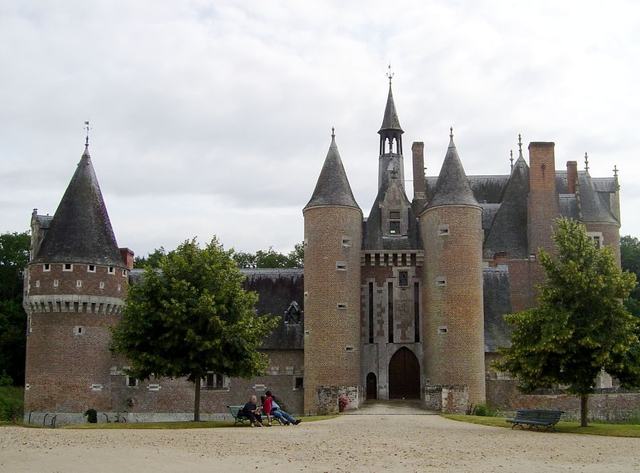
Built in 1492 by Jacques de Persigny, architect of the Court, for Philippe du Moulin, youthful companion and captain of King Charles VIII, the château du Moulin reflects its towers in the water of its moats.

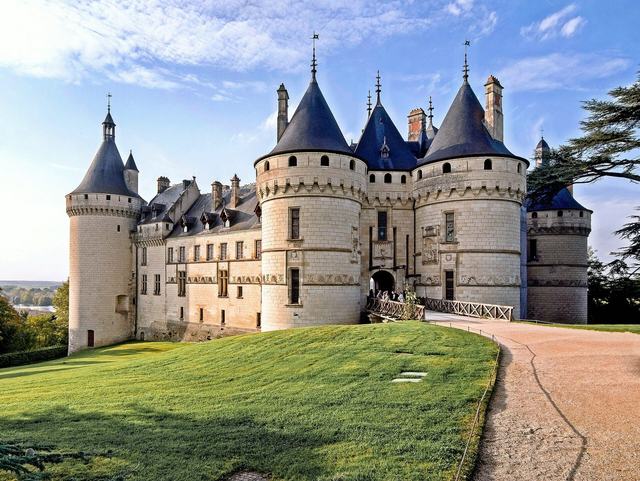
The château de Chaumont-sur-Loire, which overlooks the Loire Valley classified as UNESCO World Heritage, illustrates both the defensive architecture of the Gothic period and the pleasure architecture of the Renaissance.

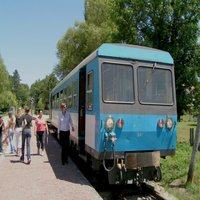
The railway line operated by the Blanc-Argent (French secondary metre-gauge network) lets you discover, in an original way, over 67 kilometres, the landscapes of Sologne and Berry.