Discovering the French Alps: a practical guide
The French Alps stretch from Lake Geneva to Provence. They hold the highest peaks in Western Europe, deep lakes, legendary mountain passes, gorges and stone villages. The landscapes change a great deal between the Northern Alps, green and damp, and the Southern Alps, drier and sunnier.
This practical guide helps you choose your stops and organise your trip. Underlined site names link to their detailed pages.
The Alps in a few minutes
The Northern Alps cover Savoie, Haute-Savoie and Isère; the Southern Alps cover Hautes-Alpes and Alpes-de-Haute-Provence. The north is known for its lakes, such as Lac d'Annecy and Lac d'Aiguebelette, its glacial valleys and its large ski areas. The south has a drier climate, with gorges such as Les Clues de Barles and Clue de carejuan, and the Plateau de Valensole.
The main towns are Grenoble, Annecy and Aix-les-Bains. The mountains are best explored valley by valley: Chartreuse, Vercors, Maurienne, Tarentaise, Mont Blanc, the Écrins and the Queyras.
The mountains call for some planning: distances are long, and the roads are winding and sometimes closed in winter.
- Pick one valley as your base rather than trying to cover everything.
- Allow far more time than the map suggests.
- Always check the weather forecast before heading into the mountains.
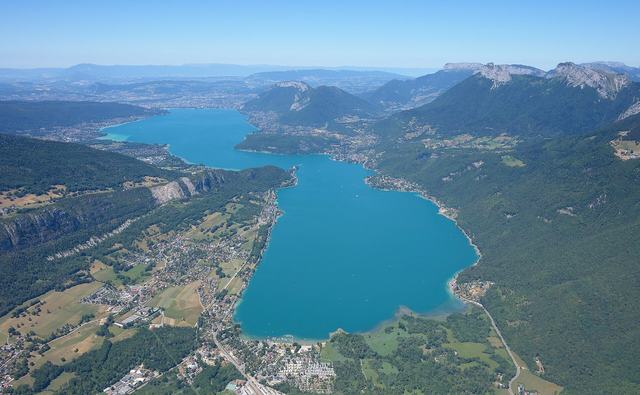
Lac d'Annecy
Lake Annecy, sometimes nicknamed the "blue lake", is a lake in France located in the Alps, in Haute-Savoie.

Grenoble
Former capital of the Dauphiné nestled at the confluence of the Isère and the Drac, encircled by three Alpine massifs visible from the city centre.
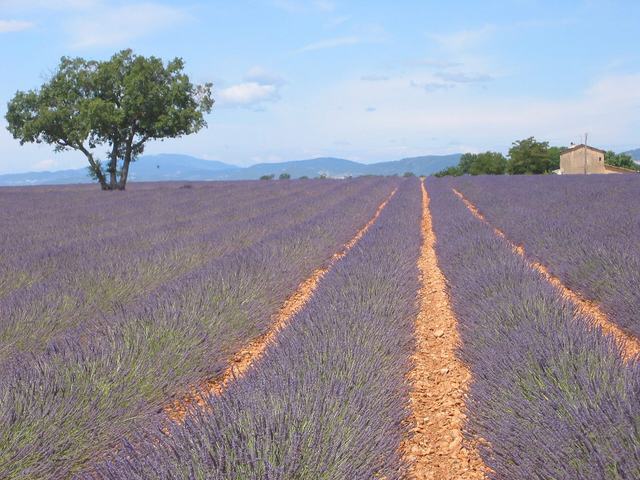
Plateau de Valensole
A huge farming plateau covered with lavender fields as far as the eye can see; in July Valensole offers one of the most photographed landscapes of Provence.

Parc naturel régional de Chartreuse
The Chartreuse Regional Nature Park is a regional nature park in the Rhône-Alpes region.
Culture, history and heritage
The Alps have always been a place of passage and exchange. The high passes, such as Col du Galibier, Col de l'Iseran, Col de la Croix de Fer, Col du Lautaret, Col d'Izoard and Col de la Bonette, were crossed by armies and merchants, and today by cyclists. Le Pont d'Asfeld and several forts recall the age of fortifications.
Castles such as Château d'Annecy, Château de Faverges, Château des ducs de Savoie, Château de Beauregard and Château de Virieu tell the story of the House of Savoy. Villages like Pont-en-Royans and Moustiers-Sainte-Marie have well-preserved heritage.
Museums explore local history: Musée de la Grande Chartreuse, Musée de Préhistoire des Gorges du Verdon, and the Chemin de fer de La Mure for the mining past. Mine-image site minier souterrain is another unusual visit.
- For the high passes, check that they are open before you set off.
- Mountain museums are sometimes closed out of season.
- Hilltop villages are best explored on foot: park at the entrance.
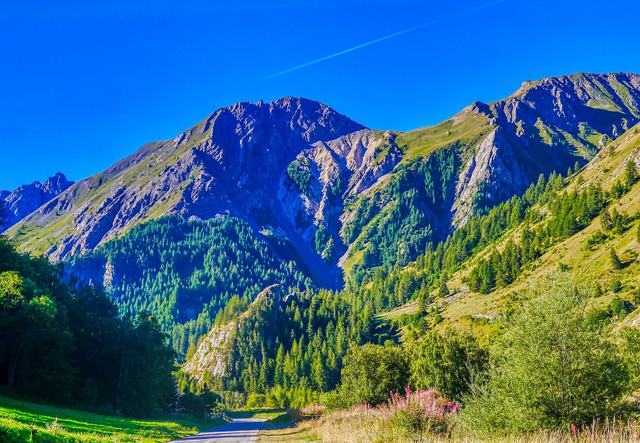
Col du Galibier
At 2,642 metres, one of the most legendary passes of the Tour de France, between the Maurienne and the Briançonnais, offering a 360° panorama over the glaciers of the Vanoise and the Écrins.
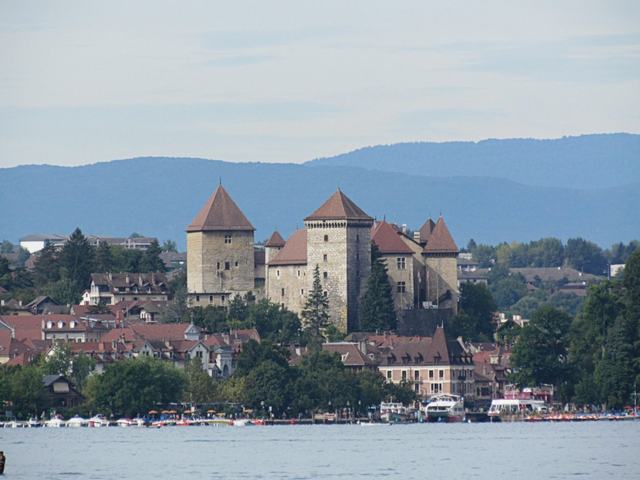
Château d'Annecy
It was built in successive stages from the twelfth to the end of the sixteenth century, then left to decay in the seventeenth and served as barracks until 1947.
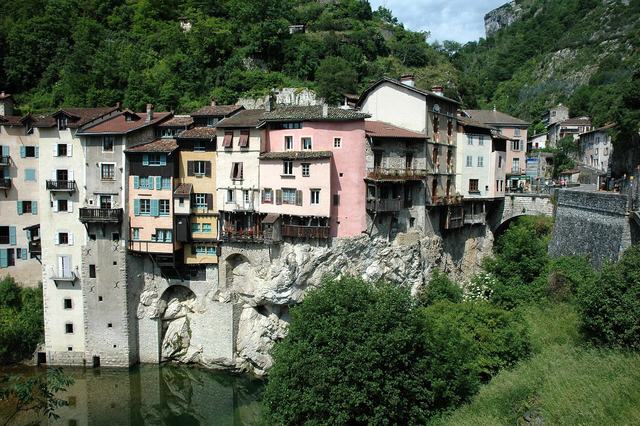
Pont-en-Royans
This town, at the foot of the Vercors massif, at the mouth of very beautiful gorges, is recognised as one of the most curious in Isère with its hanging houses with colourful façades overlooking the river Bourne.
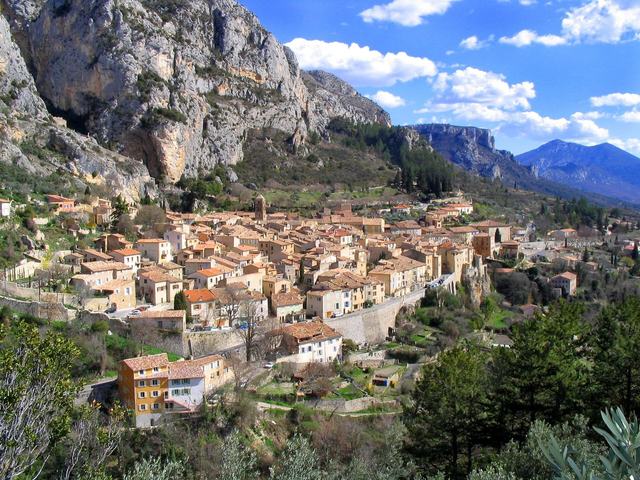
Moustiers-Sainte-Marie
Clinging to the foot of cliffs, in the hollow of a fault where a torrent flows and olive trees have grown, with fields of lavender, lavandin, thyme and cork oaks on the horizon, this village at the edge of the Verdon gorges and near the artificial Lake Sainte-Croix is one of the wonders of Provence.
Food and local produce
Alpine cooking is mountain food: fondue, raclette, tartiflette, diots (local sausages), polenta, gratin dauphinois and savoury pies. The cheeses are famous: Reblochon, Beaufort, Abondance, Tomme de Savoie, Bleu de Termignon, Saint-Marcellin and goat's-milk tomme. Savoie wines such as Apremont and Roussette go well with these dishes.
In the Southern Alps you will find Sisteron lamb, olives, lavender honey, fruit tarts and mountain bread. Chartreuse is a famous liqueur, linked to the monastery of the same name. Local markets and alpine farms are good places to taste the produce.
In the mountains, refuges and high-altitude inns serve simple, generous meals. Remember to book.
- Book refuge meals in advance.
- Taste the cheeses straight from the producers.
- High-altitude restaurants fill up quickly in summer.
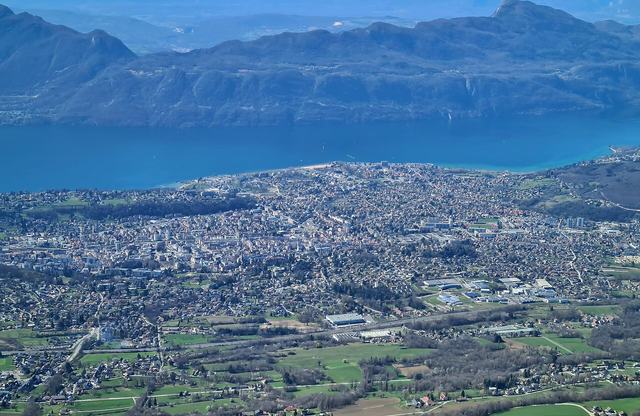
Aix-les-Bains
A spa town renowned since Roman times, nestled on the shores of Lake Bourget, the largest natural lake in France.
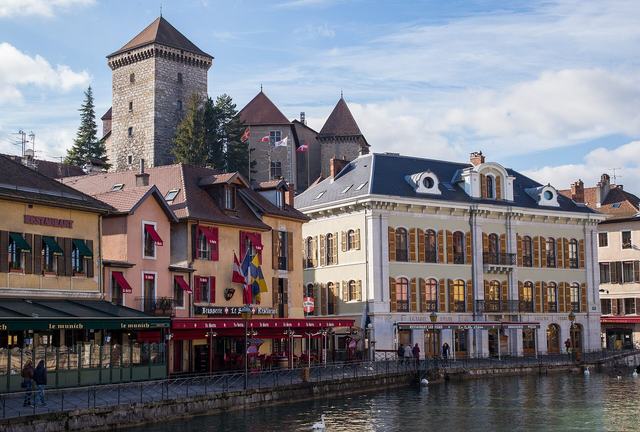
Annecy
Nicknamed the "Venice of the Alps" for its canals lined with colourful houses, this Savoyard prefecture overlooks the clear waters of its lake.
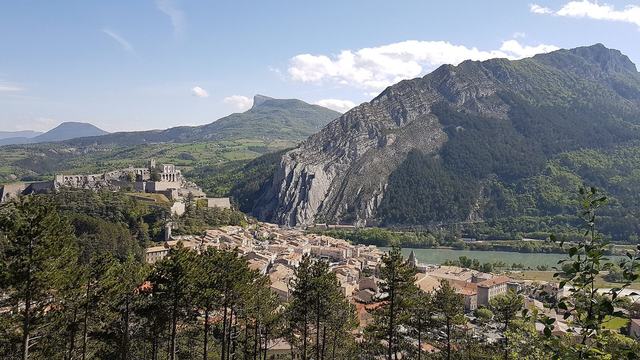
Sisteron
Called the pearl of Haute Provence, Sisteron, a town of history where glories and miseries once alternated, is today one of the flagship towns of the Alpes de Haute Provence.
Nature and wide open spaces
The Alps offer exceptional landscapes. High-altitude lakes and valley lakes draw crowds in summer: Le Lac vert (Passy), Lac Blanc (Aiguilles Rouges), Lac de la Muzelle, le lac du Lauvitel, Lac du Goléon, Le Lac Allos, Lac Sainte-Anne. The glaciers and great peaks dominate the skyline.
Waterfalls and gorges are plentiful: Cascade du Rouget, Les Gorges du Fier, les Gorges du Guil, Les cascades de Valgaudemar, Gorges du Bachelard. Caves and chasms such as Grottes de Choranche, Grotte de la balme and Grotte Les Cuves de Sassenage can be visited all year. Geological curiosities such as La casse déserte, Les pénitents des Mées and Le Mont Aiguille are spectacular.
Cable cars such as Le téléphérique de l'Aiguille du Midi, Téléphérique du Brévent and Téléphérique de Grenoble-Bastille give access to panoramic views without the effort.
- In the high mountains, start early to avoid afternoon storms.
- Pack warm clothes, even in summer.
- Never venture onto glaciers without a guide.
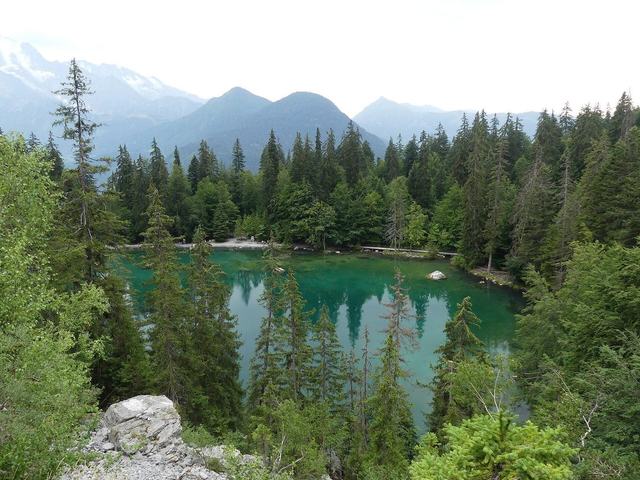
Le Lac vert (Passy)
Lac Vert, in the commune of Passy in Haute-Savoie, is a natural lake of exceptional colour.

Les Gorges du Fier
The Lovagny region, with its famous Gorges du Fier, offers tourists attractions that contrast strangely with the luminous splendours of the shores of Lake Annecy.
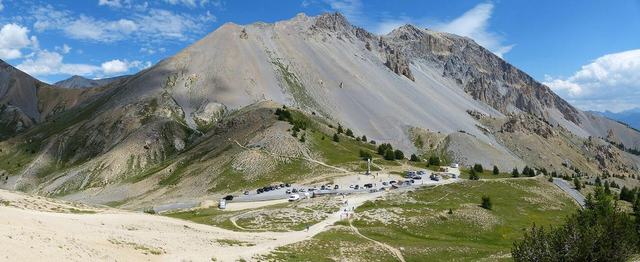
La casse déserte
You can also follow the road that leads to the Col de l'Izoard and the lunar setting of the Casse Déserte, then to the wild defile of the Combe du Queyras.
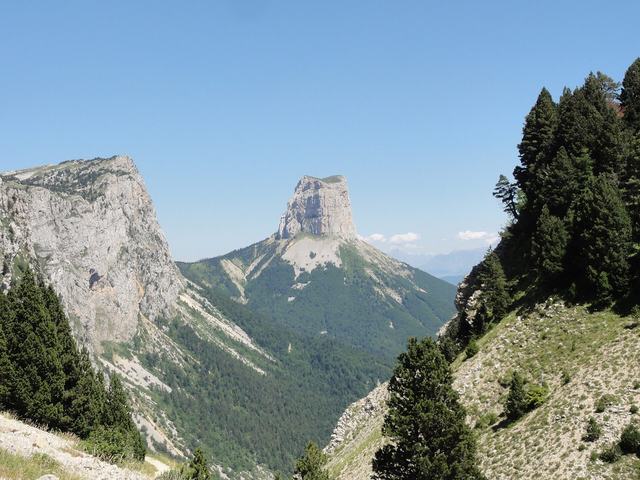
Le Mont Aiguille
Mont Aiguille, one of the seven wonders of the Dauphiné. Mont Aiguille was once called "Mont Inaccessible" because climbing it was thought impossible.
When to go and how to plan
Summer, from June to September, is the best time for hiking and lakes: the passes are open and the alpine pastures are green. Autumn brings glorious colours and fewer crowds. Winter is ski season, with many resorts, but the mountains are then reserved for snow sports and guided activities. Spring is a transition period: some access routes are still closed.
A car is useful in most valleys, but the roads are slow. Grenoble, Annecy, Chambéry and Gap are well served by train. In the resorts, shuttle buses work well. Always check road conditions and whether the passes are open.
A week's trip can combine two areas: for example the lakes of Annecy and Le Bourget, then Chartreuse and the Vercors, or the Écrins and the Queyras. For the Southern Alps, add the Verdon and the Valensole plateau.
- Book refuges and accommodation well ahead in summer.
- Check that the passes are open before setting off.
- Leave some slack in your schedule for the weather.
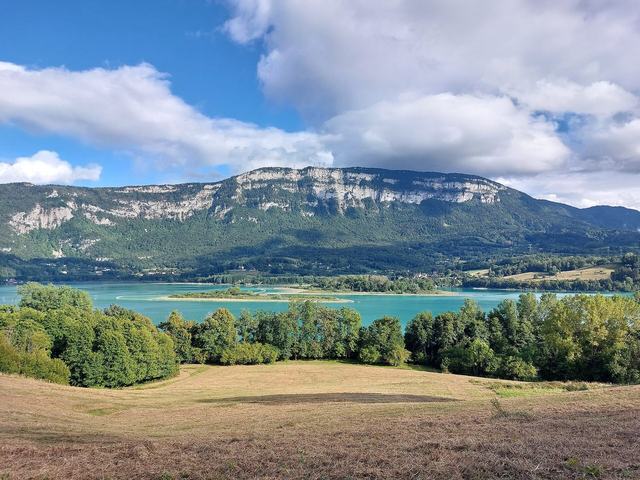
Lac d'Aiguebelette
The 3rd largest natural lake in France, with emerald waters, largely private and closed to motor boats, at the foot of the Épine mountain.
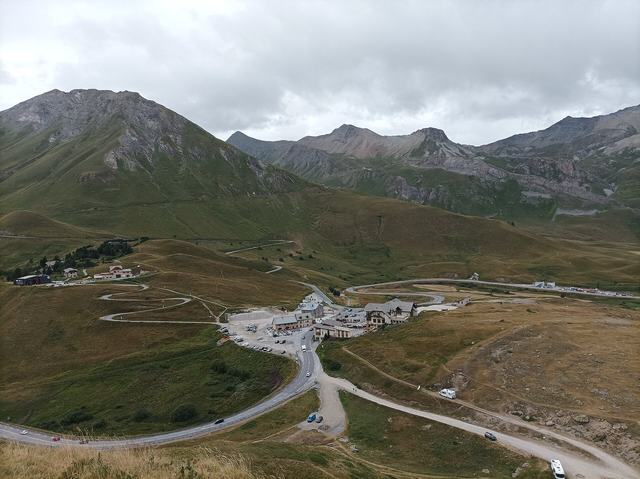
Col du Lautaret
At 2,057 metres, an Alpine crossroads between the Oisans and the Briançonnais, famous for its alpine botanical garden and its junction with the Galibier road.
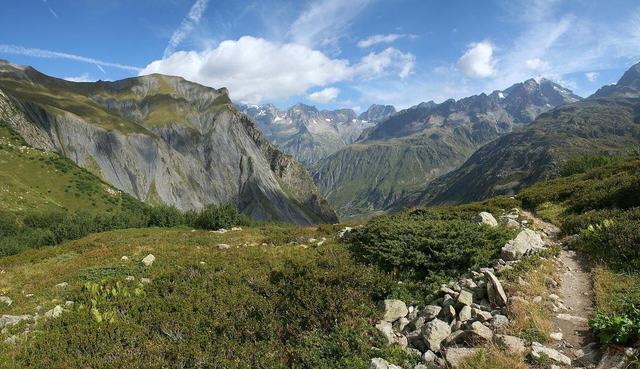
Les cascades de Valgaudemar
La Chapelle-en-Valgaudemar is a mountaineering centre very well located at the foot of the Pic d'Olan. Upstream of La Chapelle-en-Valgaudemar you can admire several waterfalls that leap from the slopes or escape from the ends of glacial tongues.
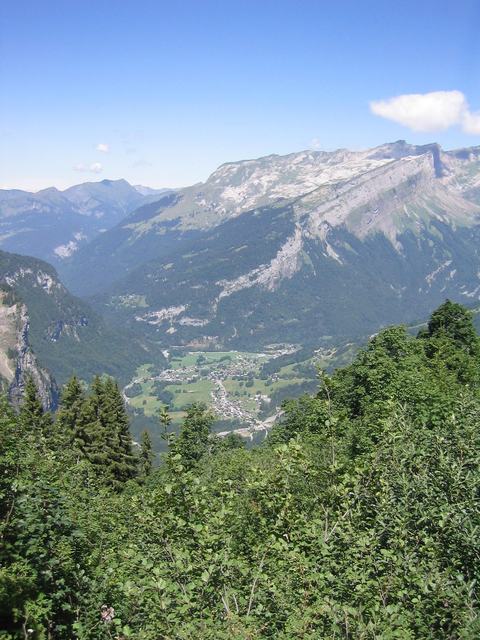
Sixt Fer à Cheval
The village surrounds an old abbey whose buildings visible today date from the seventeenth century, but which was founded in 1144 by the Augustinian monks of Abondance, one of the most important religious communities of the northern Alps in the Middle Ages.
Going further
Explore the départements of this area: