1 Sisteron
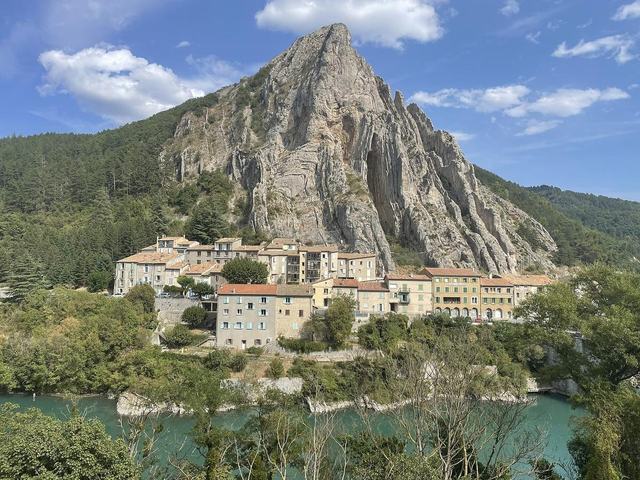
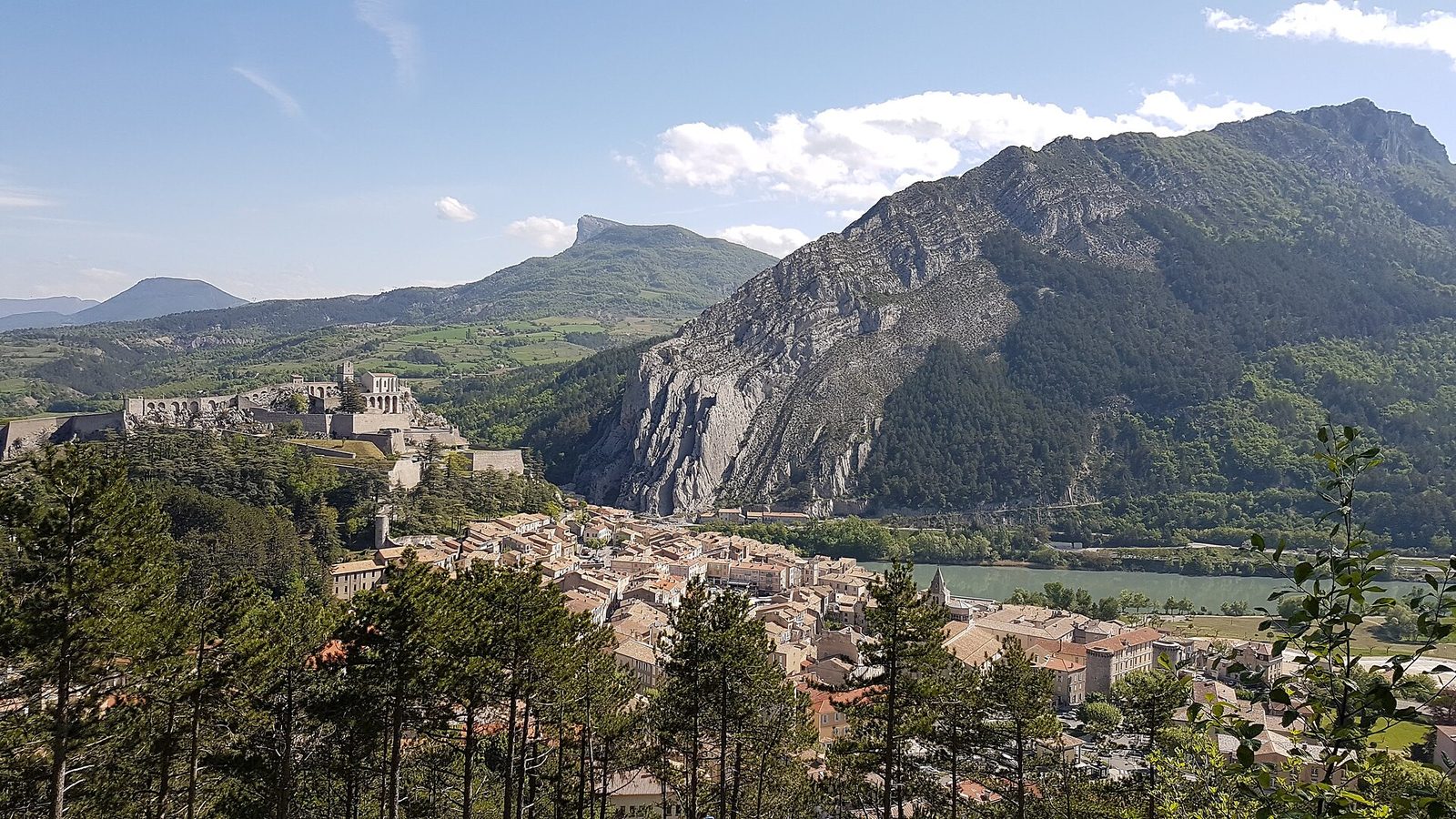
Called the pearl of Haute Provence, Sisteron, a town of history where glories and miseries once alternated, is today one of the flagship towns of the Alpes de Haute Provence.
View full page →Provence is a land of light, hilltop villages, markets, lavender and ancient heritage. This itinerary offers five days across Vaucluse, Bouches-du-Rhône, Var and Alpes-de-Haute-Provence.
Provence is famous for its light, which inspired many painters. The landscapes are varied: lavender fields, vineyards, olive groves, garrigue scrub, limestone massifs such as the Alpilles, the Luberon and Mont Sainte-Victoire, and the indented coast of the calanques.
This diversity is enjoyed on foot, by bike or by car. Colours change with the season: spring greens, the purple of lavender in early summer, the ochres of autumn.
The hilltop villages of Provence, such as Gordes, Roussillon, Lourmarin and Les Baux-de-Provence, offer stone lanes, shady squares and wide panoramas. The historic towns, such as Avignon, Arles, Orange and Aix-en-Provence, preserve Roman and medieval monuments.
Ancient heritage is particularly rich: arenas, Roman theatres, aqueducts and triumphal arches recall the region's importance in Roman times. The Popes' Palace in Avignon bears witness to another moment in history.
Provençal markets are a highlight of a trip: fruit and vegetables, olives, goat's cheeses, herbes de Provence, honey and soaps sit side by side. The cooking gives pride of place to olive oil, tomatoes, garlic and herbs.
Traditions remain alive: village festivals, pétanque, Christmas santons. They are best discovered outside high season, when villages return to their own rhythm.
Five days let you see several parts of Provence, but it is better to limit the number of visits per day. Choose a central base and organise loops: the Luberon, the Alpilles and the Camargue, the Verdon valley and the Valensole plateau are all good areas.
The itinerary below groups the best-rated sites in the catalogue by geographic proximity. Keep time to wander: in Provence, part of the pleasure is lingering on a terrace in the shade of a plane tree.
The map shows the numbered stops in visiting order, with one colour per day. The line follows the roads where available; otherwise it joins the stops as the crow flies. Distances and times are approximate (by car, without traffic).
This day brings together 3 sites close to each other: natural wonders and villages. It passes through Jausiers. Allow half an hour to an hour and a half per site, plus travel time.
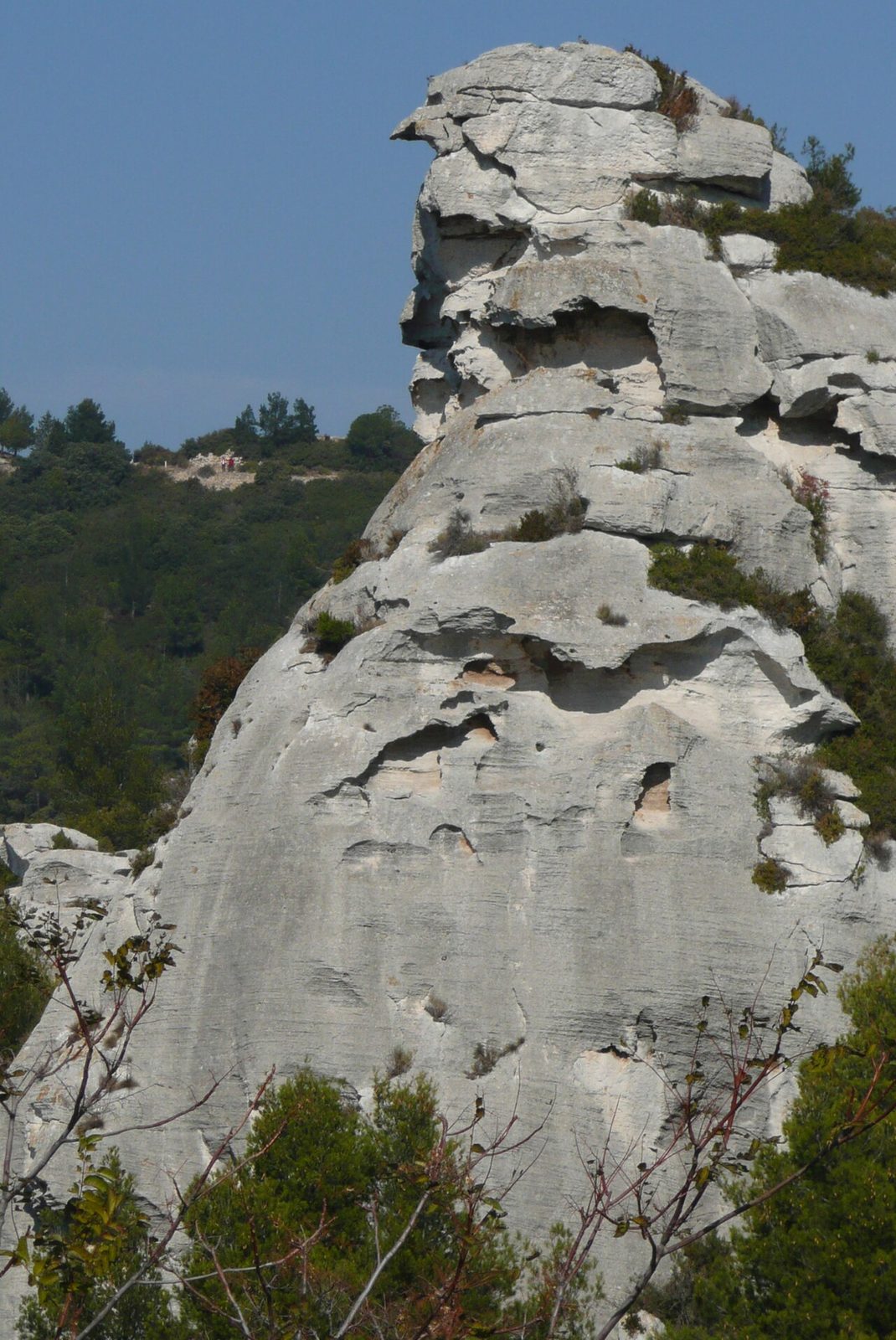
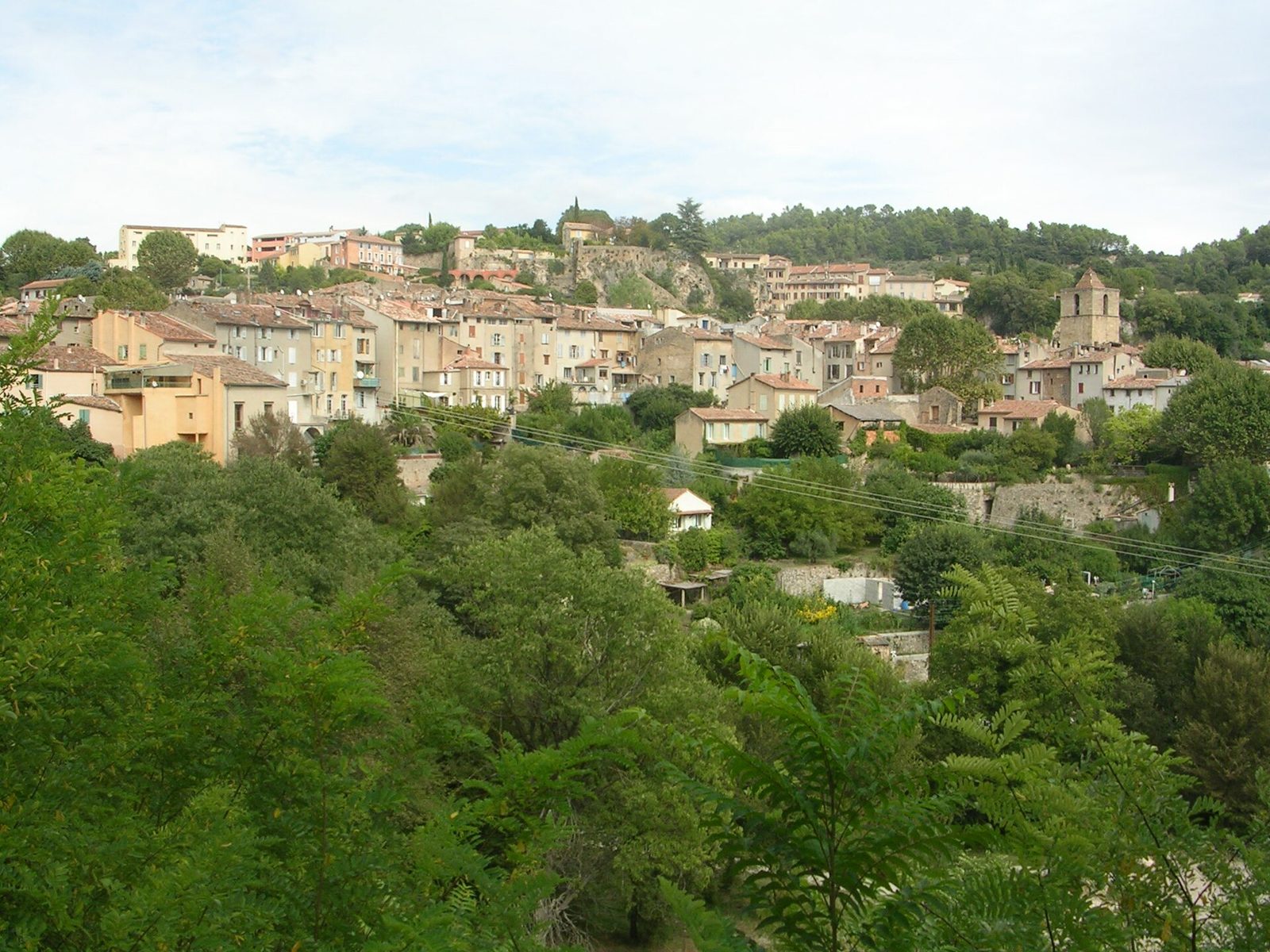
Called the pearl of Haute Provence, Sisteron, a town of history where glories and miseries once alternated, is today one of the flagship towns of the Alpes de Haute Provence.
View full page →
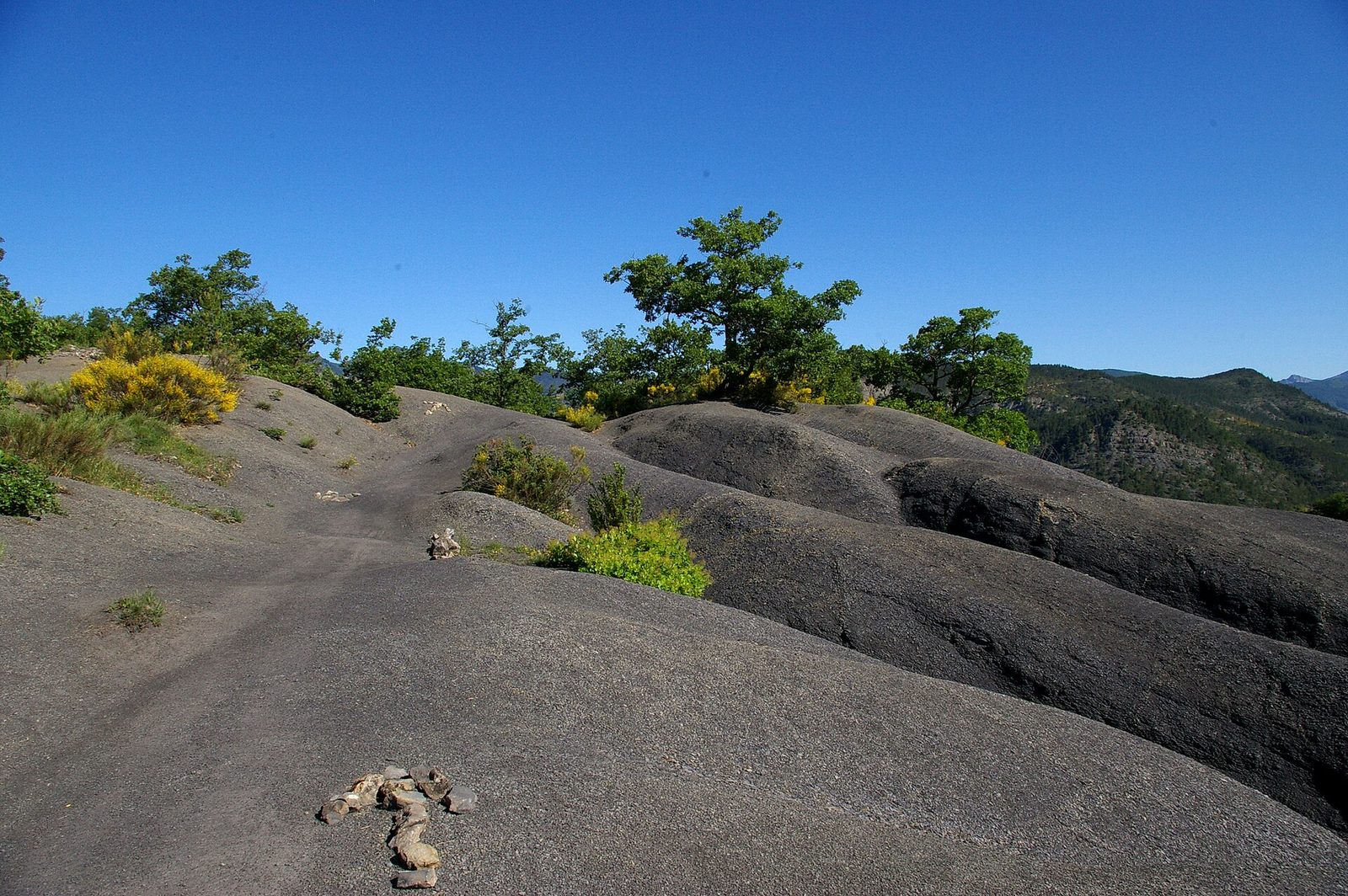
Robines are hills of black marl sculpted by erosion. When the ground is soaked, the reflections of light on these dark harmonies create violent contrasts.
View full page →
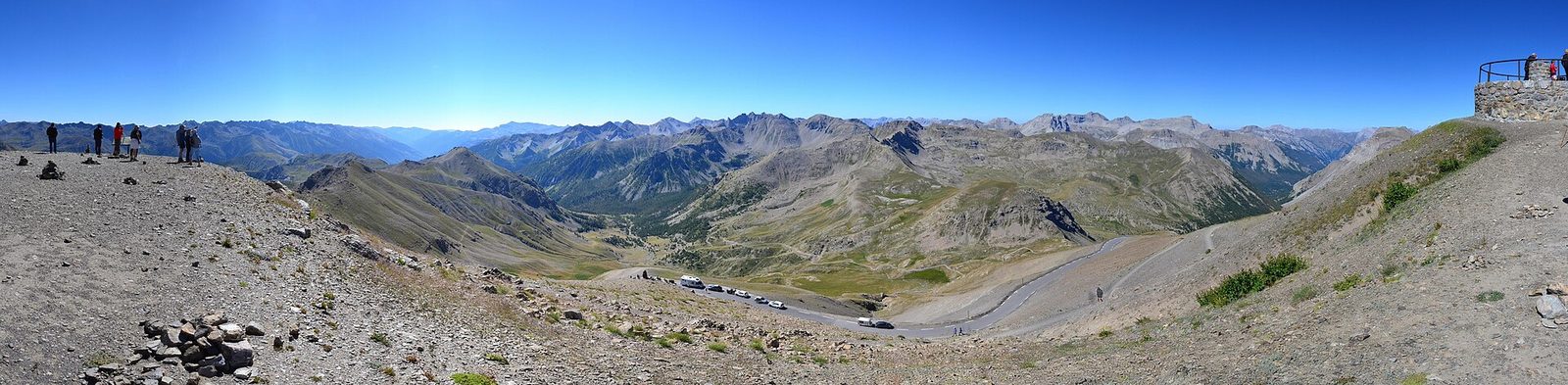
The road that goes round its summit, the Cime de la Bonette, reaches 2,802 metres: one of the highest paved roads in Europe, in the heart of the Mercantour.
View full page →This day brings together 5 sites close to each other: villages, natural wonders and monuments. Allow half an hour to an hour and a half per site, plus travel time.
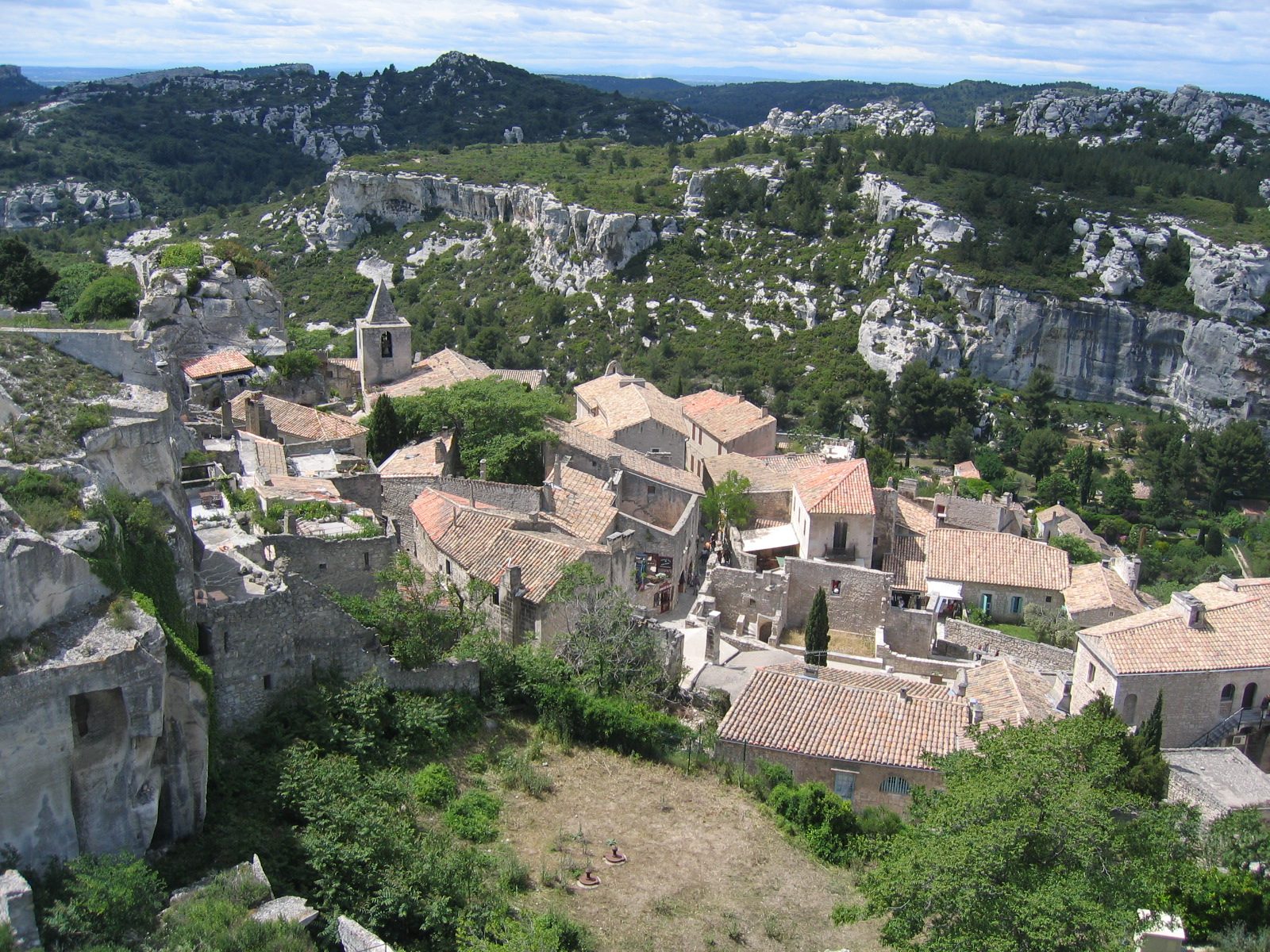
Les Baux-de-Provence is a land blessed by the gods where the mildness of the Mediterranean climate mixes with the astonishing harshness of a tormented nature.
View full page →
Between a dizzying precipice and the impressive ruins of its long-impregnable fortress, the most visited village in France sits on a rocky spur of the Alpilles, between the Vallon de la Fontaine and the Val d'Enfer.
View full page →
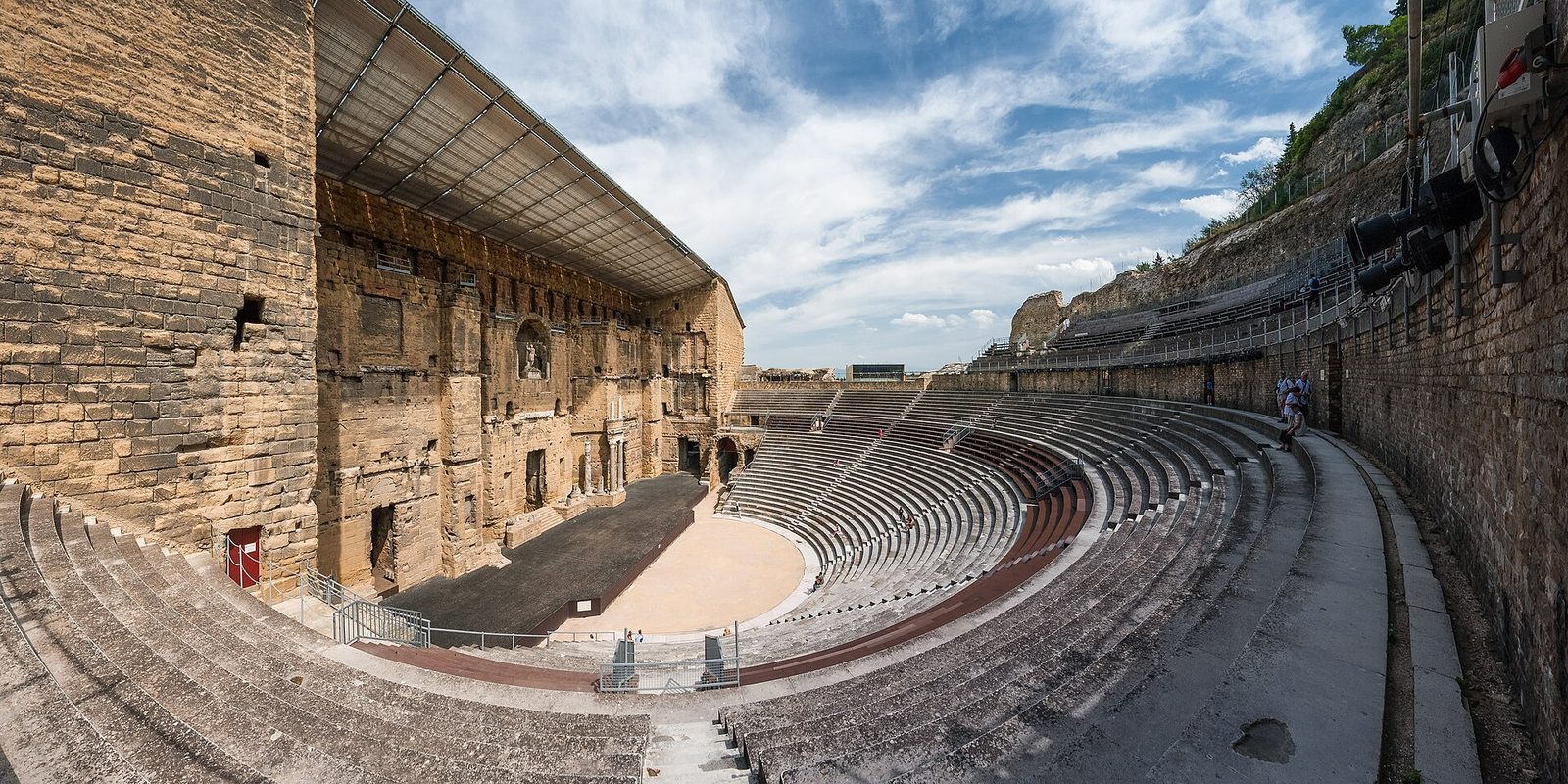
Located in Provence, the Ancient Theatre of Orange is the best-preserved Roman theatre in the West, listed as a UNESCO World Heritage site.
View full page →
Foremost among Séguret's charms shine the Clock Tower topped by a caged bell, the fine Reynier gate, the fifteenth-century belfry, the twelfth- and thirteenth-century Romanesque church of Saint-Denis, the chapel of Notre-Dame-des-Grâces and the seventeenth-century Mascarons fountain, in Baroque style.
View full page →
Between the Rhône valley and Mont Ventoux, Vaison is very close to the Dentelles de Montmirail, in hill country scented with vines and olive trees.
View full page →This day brings together 5 sites close to each other: waterfalls, natural wonders and villages. Allow half an hour to an hour and a half per site, plus travel time.
This walk will let you discover a curiosity visible from the Sisteron-Aix motorway or the N85 road.
View full page →
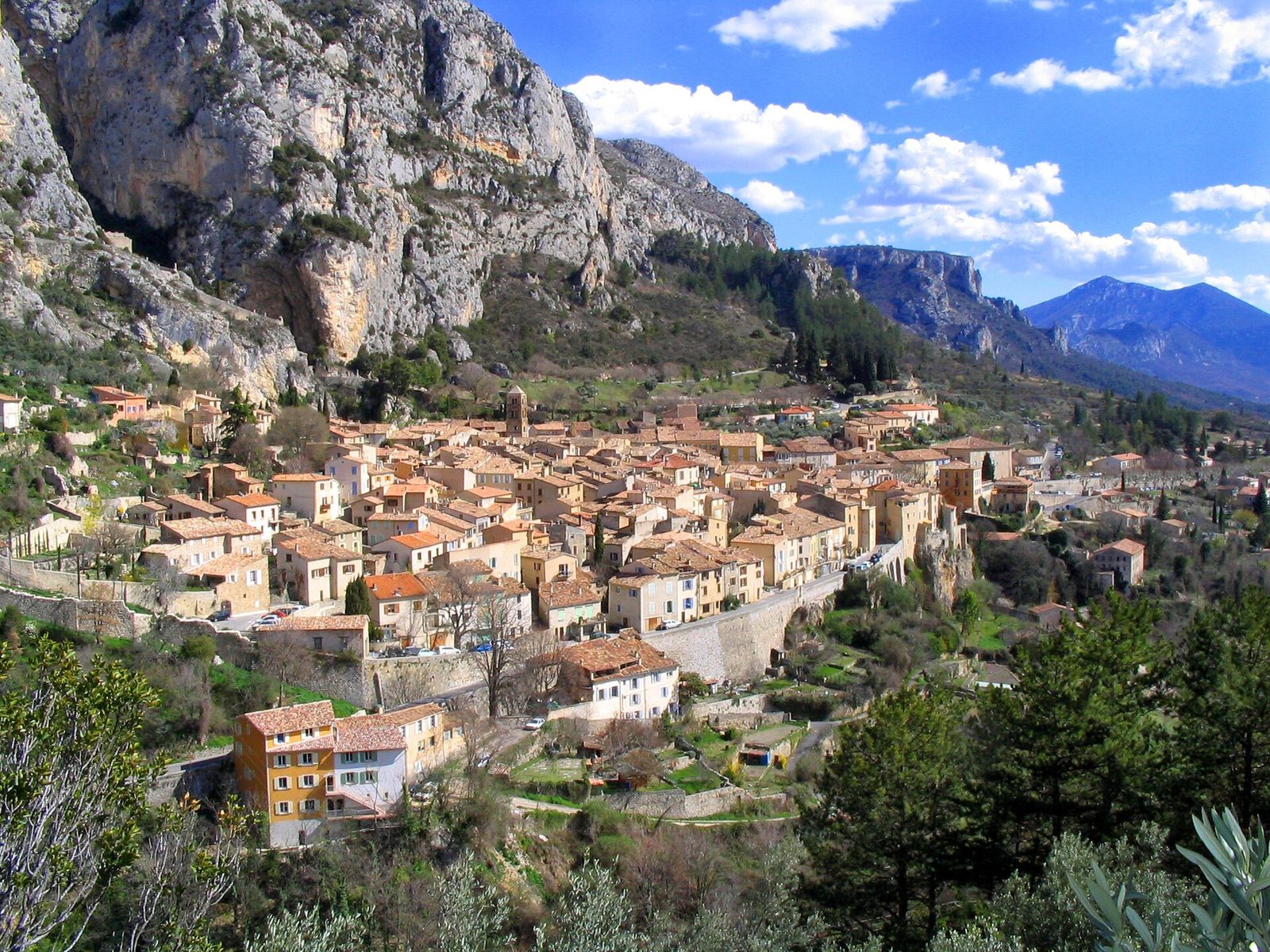
Clinging to the foot of cliffs, in the hollow of a fault where a torrent flows and olive trees have grown, with fields of lavender, lavandin, thyme and cork oaks on the horizon, this village at the edge of the Verdon gorges and near the artificial Lake Sainte-Croix is one of the wonders of Provence.
View full page →
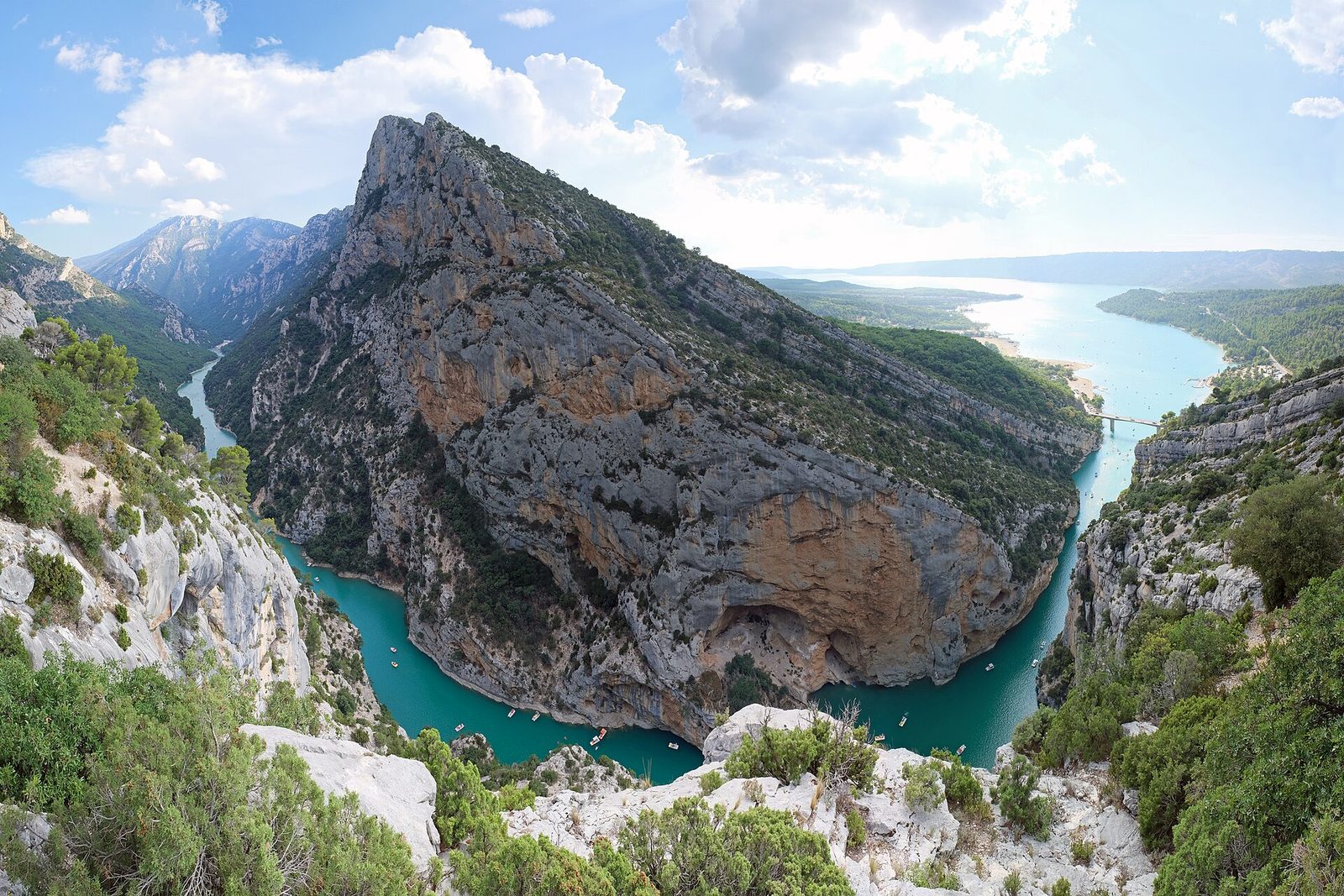
A famous canyon with limestone walls. Above all see: the Point Sublime (400 m high), the Barre de l'Escalès (cliff), the Baume aux Bœufs tunnel cave, the St-Maurin waterfalls...
View full page →
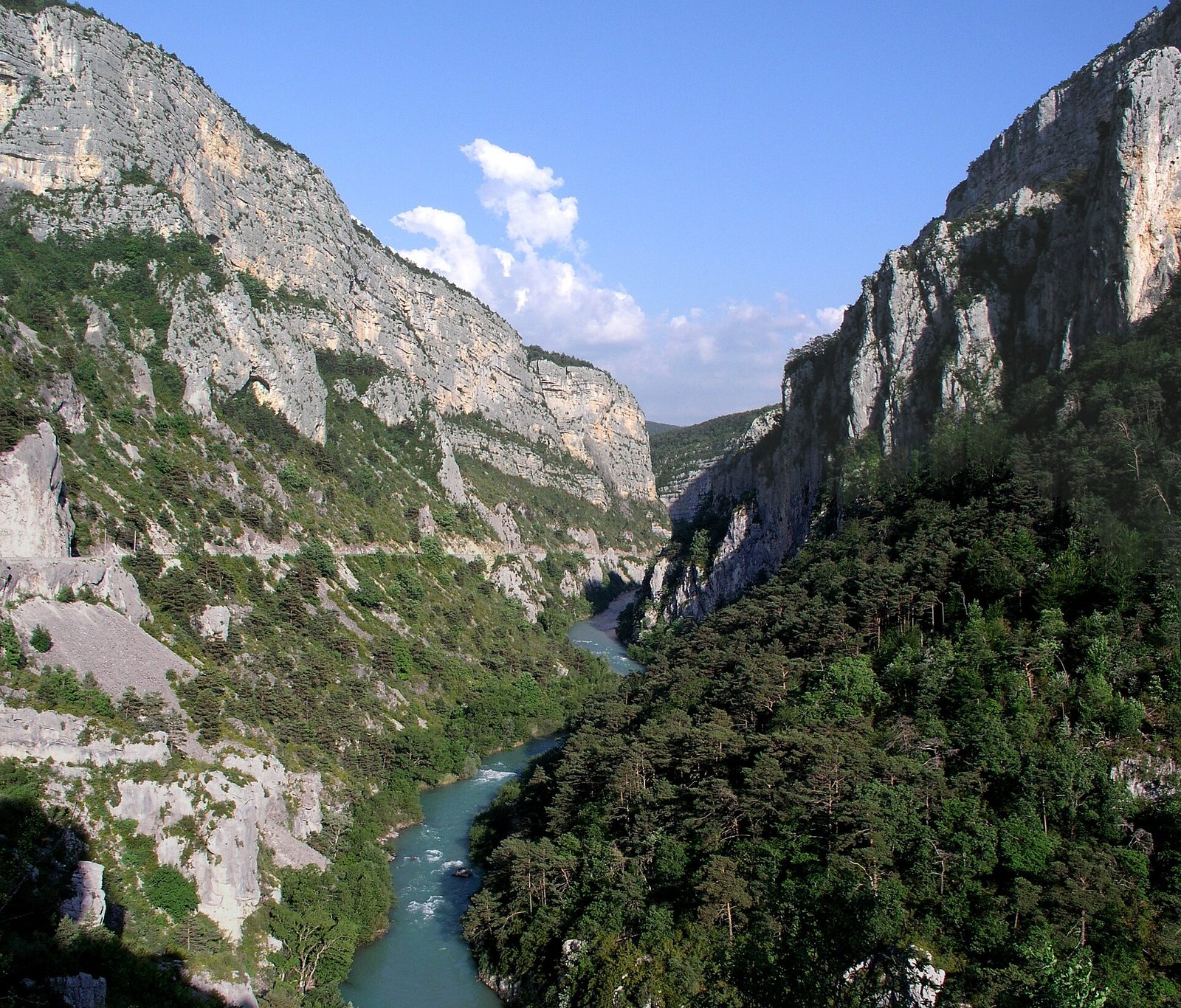
After the Point Sublime, the road descends towards the bed of the Verdon until it comes so close that, following floods of the Verdon, the road had to be rebuilt.
View full page →
The Heart of Nature of the Vallon des Carmes is a natural area of 31 hectares, a true oasis of greenery and coolness shaped by the water of the Fauvery in the heart of green Provence.
View full page →This day brings together 3 sites close to each other: natural wonders and waterfalls. It passes through Rustrel. Allow half an hour to an hour and a half per site, plus travel time.
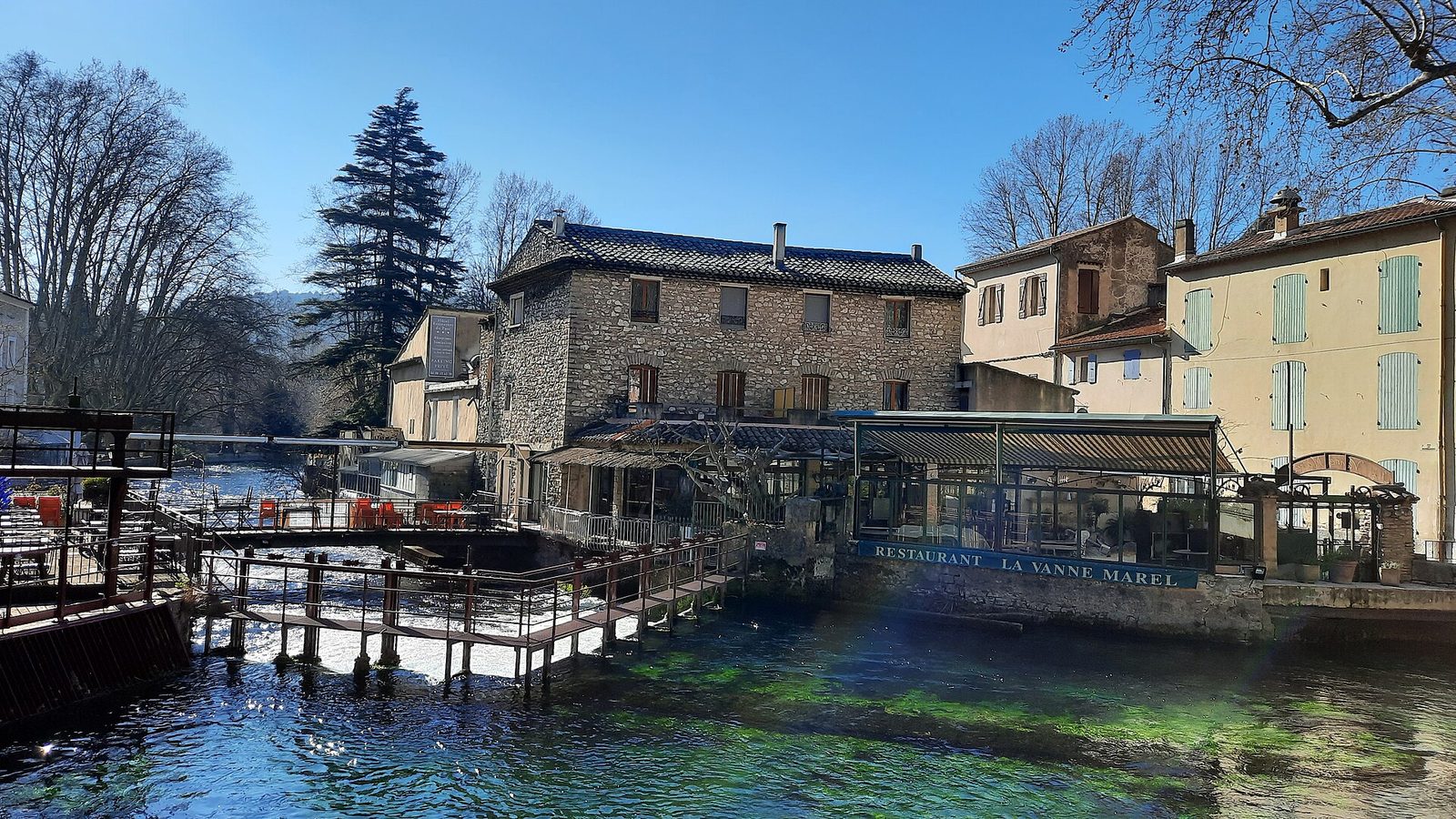
The emerald-green spring is ranked among the most important emergences in the world.
View full page →
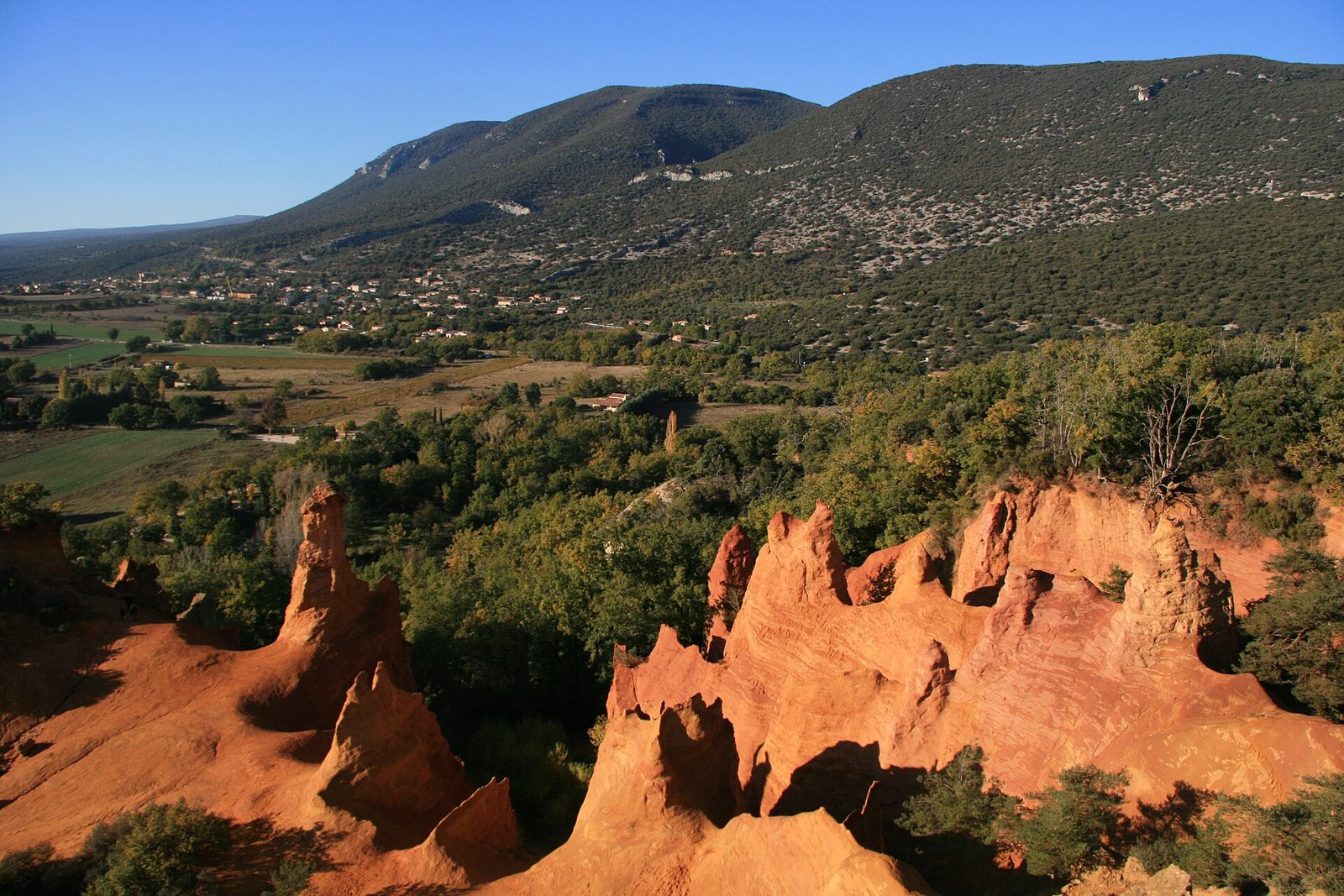
Former open-air ochre quarries, worked until 1992, forming a landscape of blazing colours reminiscent of American canyons.
View full page →
A site of wild beauty: there are several paths to reach Lac de l'Écureuil.
View full page →This day brings together 4 sites close to each other: natural wonders, religious sites and waterfalls. It passes through Arles and Marseille. Allow half an hour to an hour and a half per site, plus travel time.
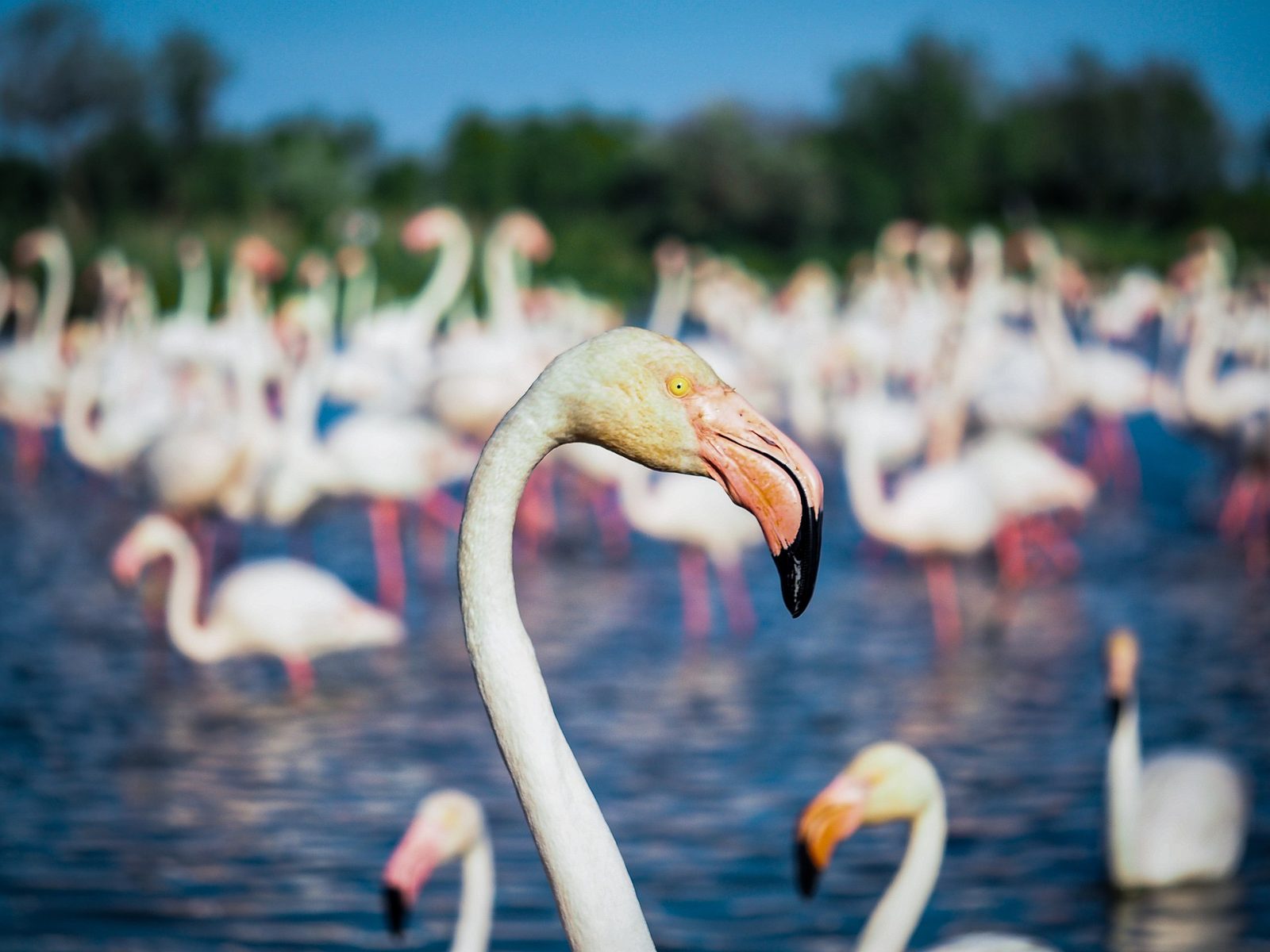
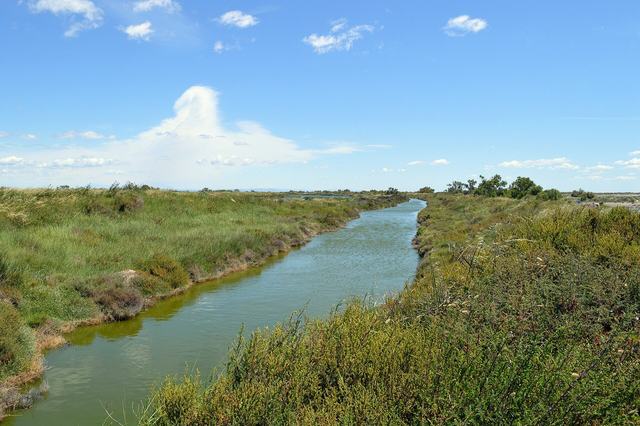
A delta shaped by the arms of the Rhône, the Camargue unrolls ponds, salt marshes and rice fields as far as the eye can see. White horses, black bulls and colonies of pink flamingos make up one of the most recognisable natural landscapes in France.
View full page →
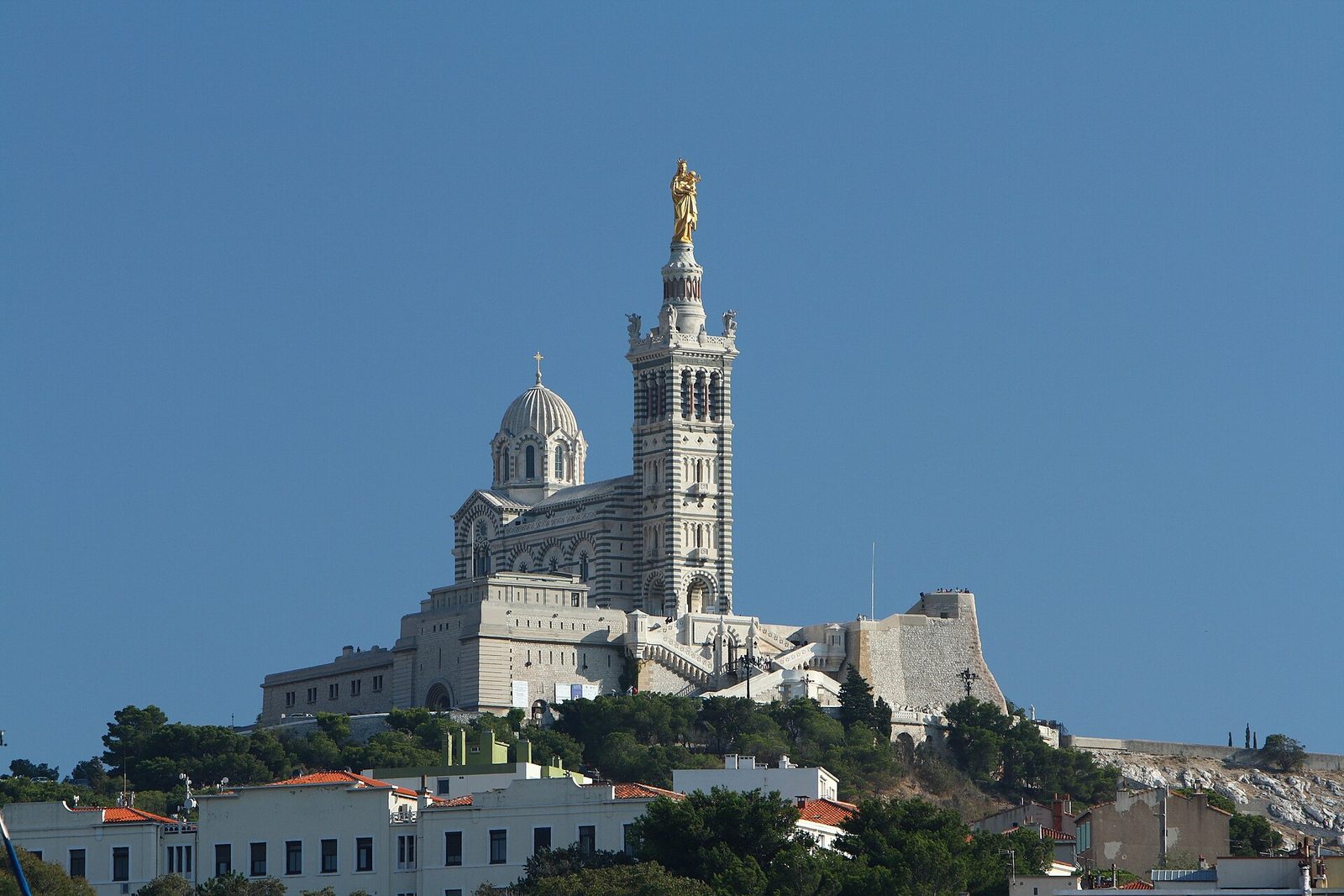
Nicknamed "la Bonne Mère" by the people of Marseille, this neo-Byzantine basilica topped by a gilded Virgin has dominated the city since 1852 and watched over sailors from its hill.
View full page →
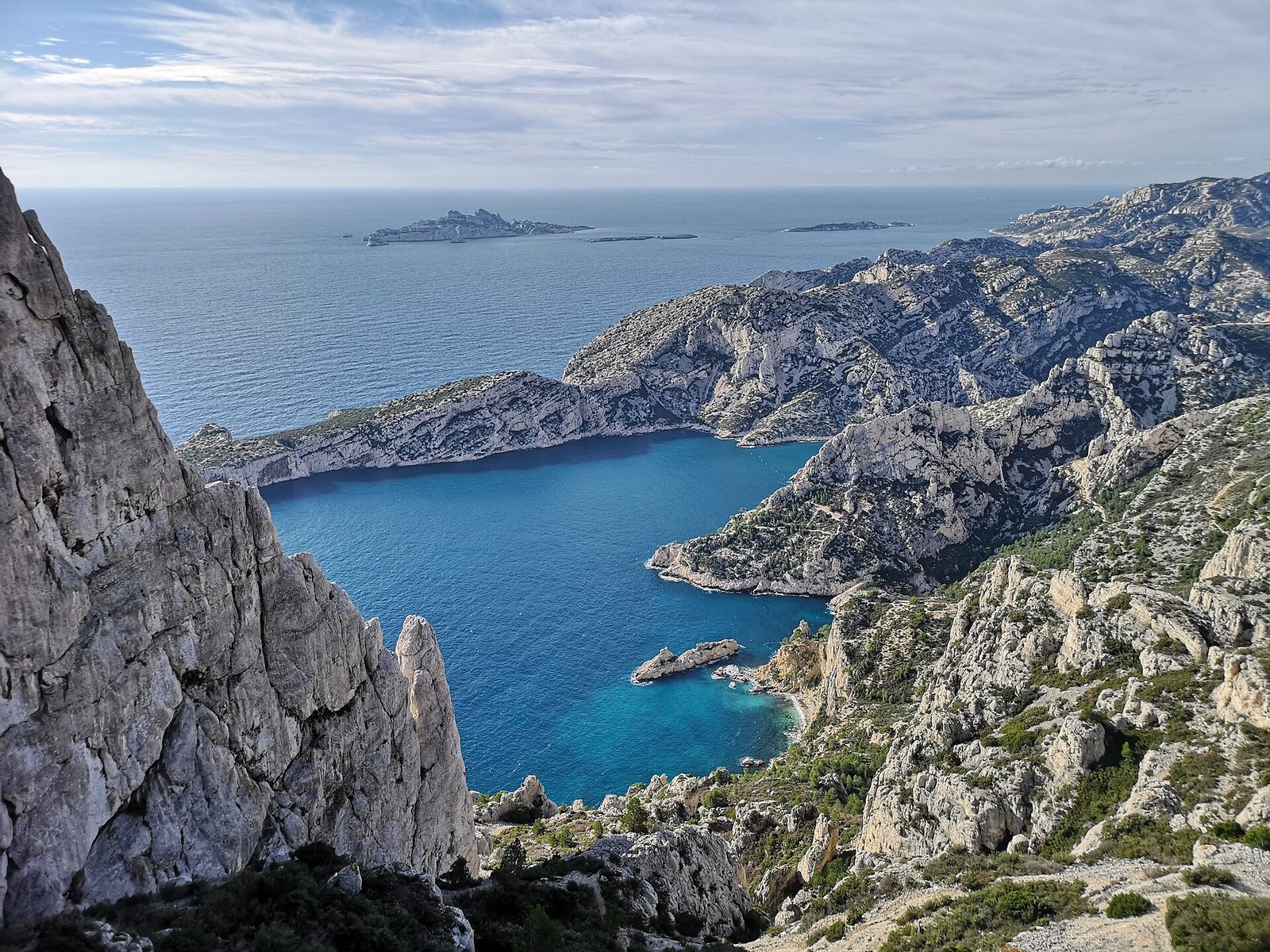
The Calanques massif, at the gates of Marseille, offers a postcard landscape.
View full page →
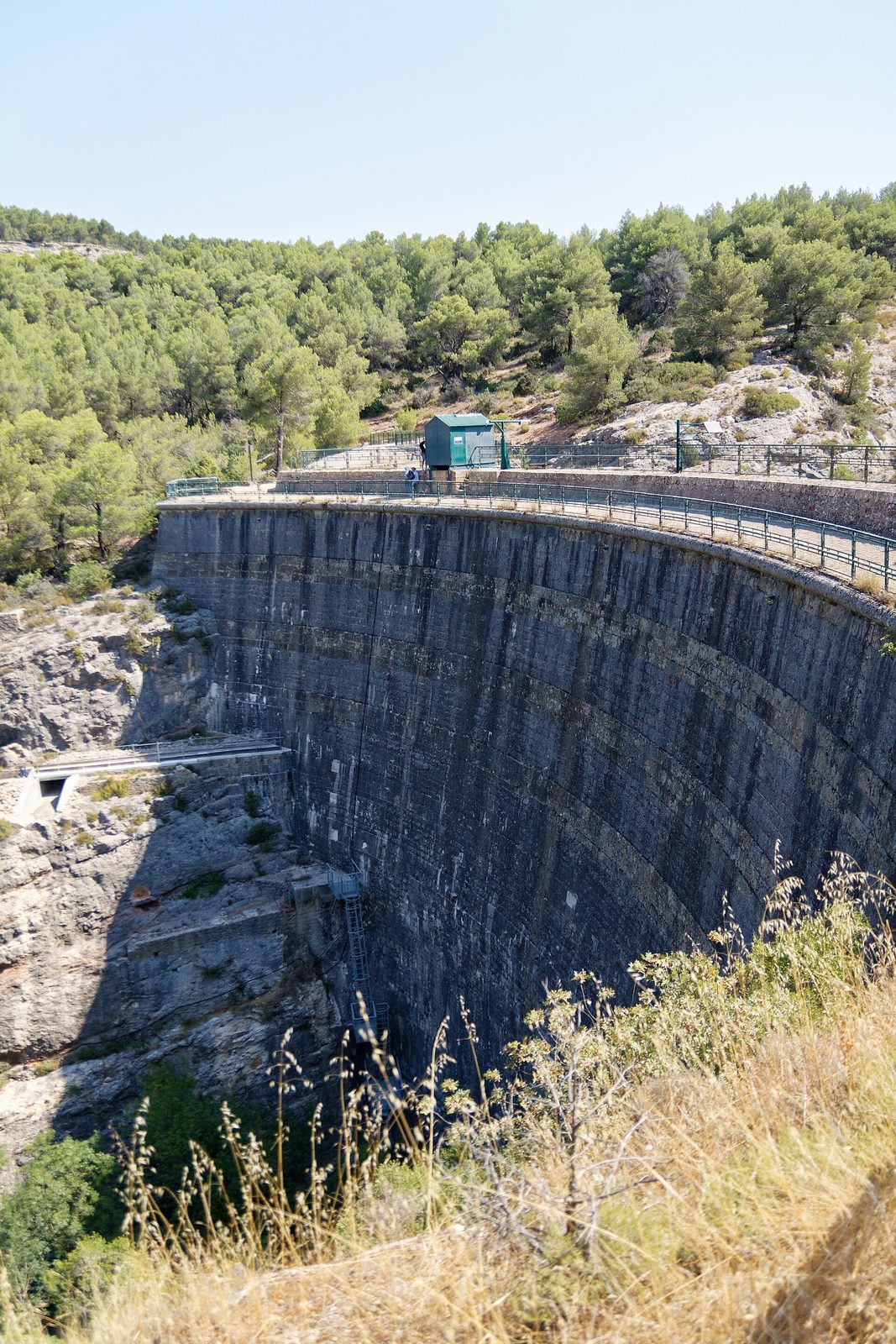
These gorges, carved by the Infernet stream in the Sainte-Victoire massif, separate the Bimont and Zola dams, both built on this small river north of Aix-en-Provence.
View full page →Spring and autumn are the best times: mild temperatures and less crowded sites. Summer is hot, with many people on the coast and in famous villages. The mistral can blow hard, sometimes for several days in a row.
A car is almost essential to get from one village to the next. Big towns such as Avignon, Arles and Aix-en-Provence are explored on foot. In summer, start early to avoid the heat and the crowds.
A geological curiosity unique in the world, the Giens peninsula is linked to the mainland by 2 arms of sand 5 km long, called tombolos.

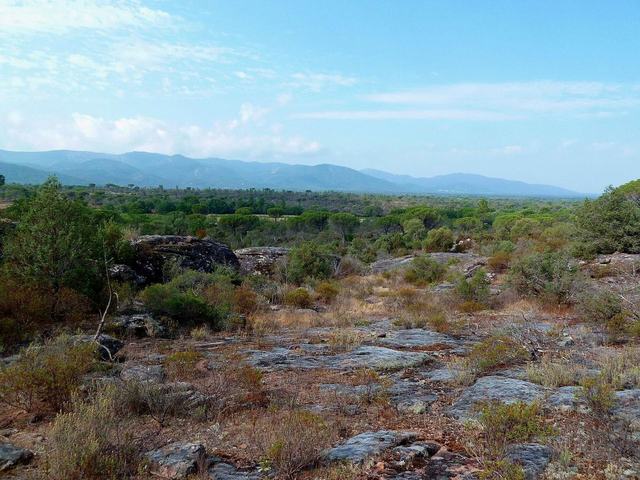
A 5,276-hectare national nature reserve north of the Maures massif, the main French refuge of Hermann's tortoise, the country's only native land tortoise.

About twenty kilometres long, it is strictly forbidden to all motor vehicles on the territory of the Reserve.

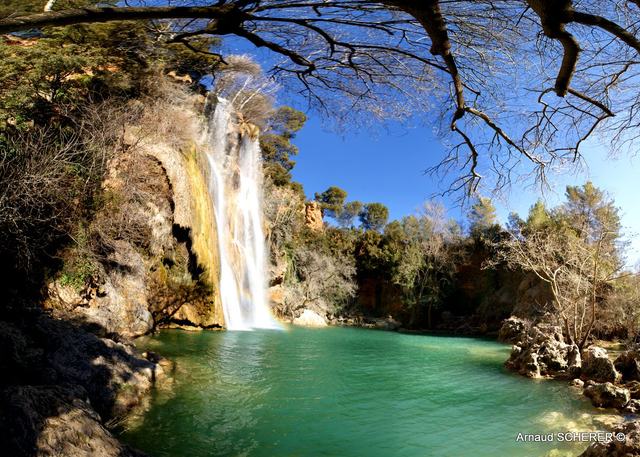
Between Sillans-la-Cascade and Salernes lies the Sillans waterfall, 42 metres high. It is the highest waterfall in the Var.

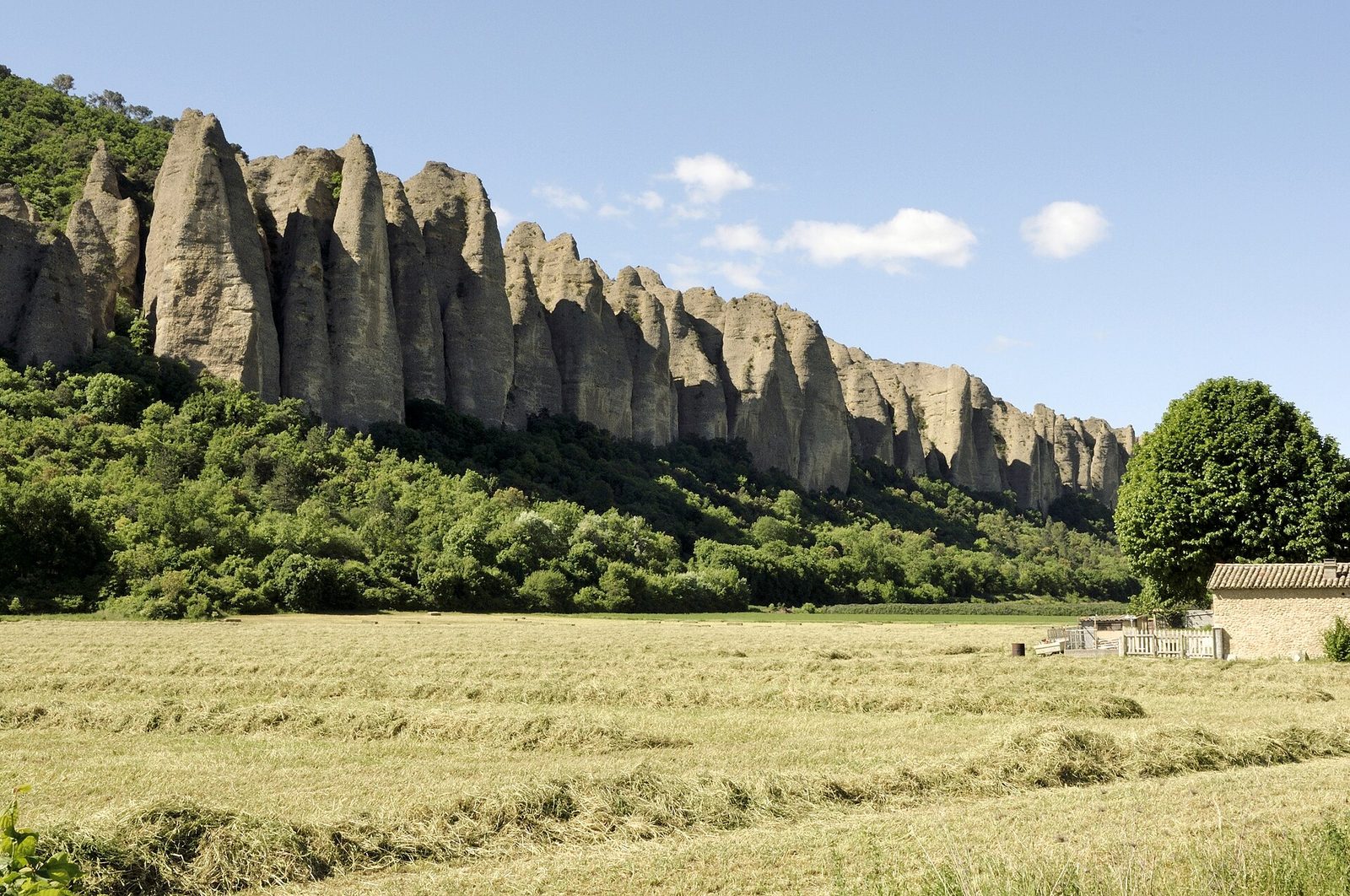
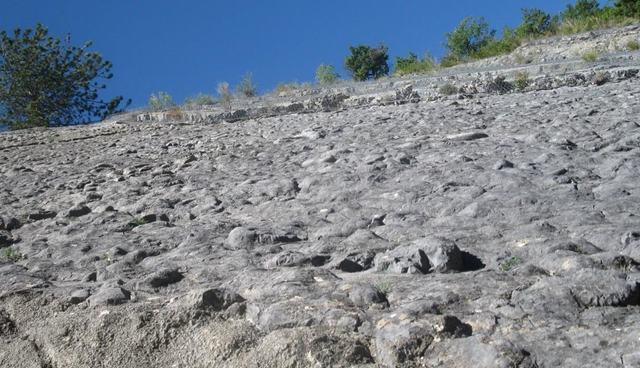
The Rocher de la Baume offers a completely unusual lithic architecture: vertical bars of limestone alternate with softer beds attacked by erosion.

Only 4 km after leaving Digne, on the right bank of the Bléone, we meet the famous ammonite slab site.