Discovering Morbihan: a practical guide
Morbihan brings together a gulf dotted with islands, megalithic sites among the most famous in Europe, citadels and lovely beaches. The climate is mild, and the landscapes vary greatly between the coast and the interior.
This practical guide helps you choose your stops and organise your trip. Underlined site names link to their detailed pages.
Understanding Morbihan in a few minutes
The département is organised around the Golfe du Morbihan and Vannes. To the west, Lorient and the Quiberon peninsula; to the south, the islands; to the north, the interior, with Rochefort-en-Terre, Josselin and Lake Guerlédan.
You can combine sea and heritage in a single day. Distances are short, but traffic is heavy on the coast in summer.
- Choose Vannes or Auray as your base.
- Avoid Carnac in the middle of a summer afternoon.
- Boats to the islands should be booked in advance.
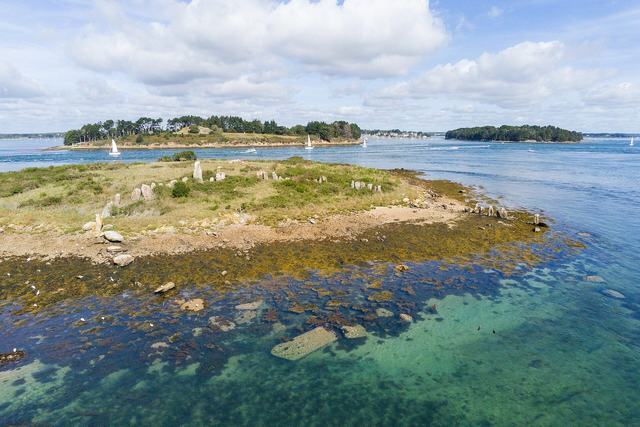
Golfe du Morbihan
A small inland sea sown with a multitude of islands, the Gulf of Morbihan owes its Breton name, "little sea", to this sheltered stretch of the ocean. Megaliths, oyster farming and fishing villages make up the identity of this territory apart.

Vannes
Prefecture of the Morbihan with intact medieval ramparts, where old wash-houses line the gardens below the half-timbered houses.
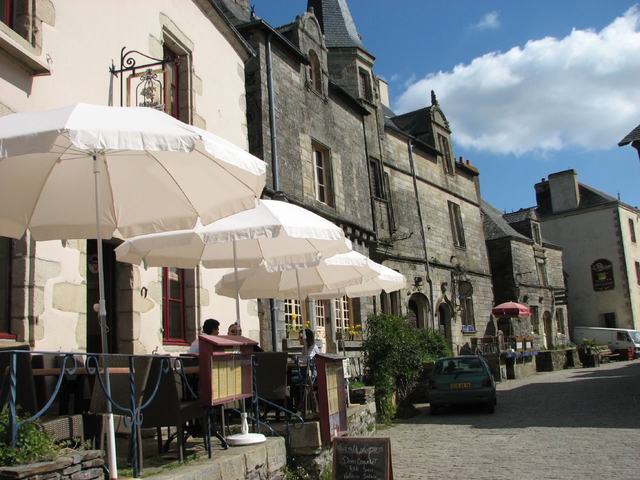
Rochefort-en-Terre
Rochefort-en-Terre is a very pretty Town of Character built in a superb site, the Gueuzon valley, a landscape of granite rocks, woods and meadows.
Culture, history and heritage
Morbihan is a major prehistoric site: Alignements de Carnac, Site mégalithique de Locmariaquer and the Musée de Carnac. The Château de Josselin and Château de Suscinio tell the story of the Dukes of Brittany.
Citadels are another signature: Citadelle de Port-Louis and Citadelle de Belle-ile-en-Mer. In Lorient, the Base sous-marine de Lorient and the Cité de la voile Éric Tabarly evoke maritime history. The Domaine de Kerguehennec centre d'art is a stop for contemporary art.
- Visit the Carnac stones outside high season, or early in the morning.
- Respect the protection zones around the megaliths.
- The Port-Louis citadel is best visited with a guide.
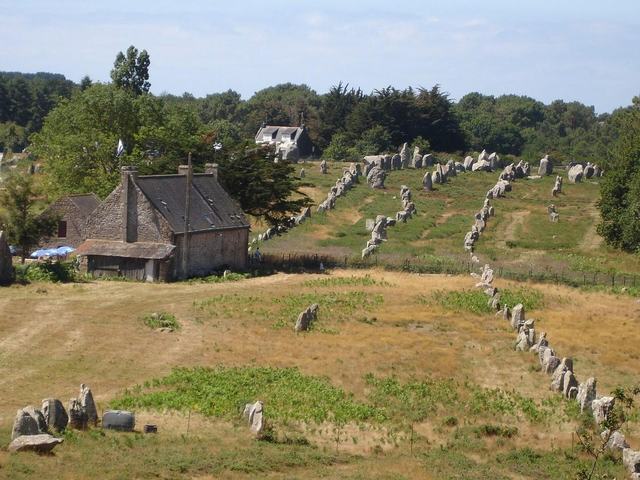
Alignements de Carnac
The Carnac alignments are in the commune of Carnac in the Morbihan département in Brittany.
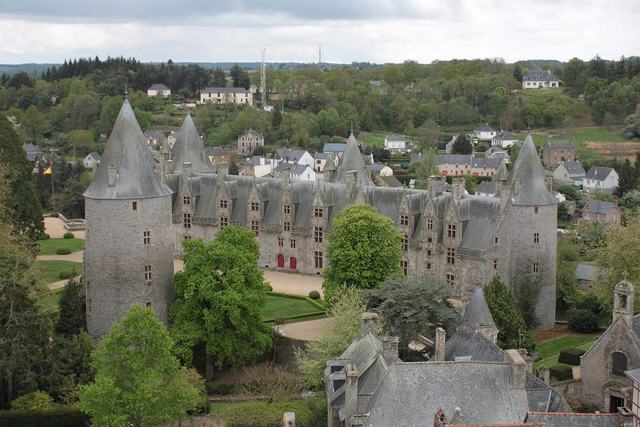
Château de Josselin
The vast fortress of Josselin, built in the eleventh century, was rebuilt by Olivier de Clisson in the fourteenth century.

Château de Suscinio
An impressive fortress built and remodelled in the thirteenth and fifteenth centuries on the edge of the ocean, the château de Suscinio was one of the favourite residences of the dukes of Brittany.

Citadelle de Port-Louis
The Port-Louis Citadel is a citadel built in the sixteenth century by the Spanish, then modified in the seventeenth century by the French.
Food and local produce
Oysters, mussels and fish are the stars, along with salted butter, crêpes, galettes and kouign-amann. You can also try cider and seafood in the harbours. The markets of Vannes and Auray are good places to taste.
Oyster farmers' huts let you taste oysters by the water. Restaurants around the gulf serve seasonal dishes.
- Book in advance in summer.
- Taste the oysters straight from the producers.
- Ask for the catch of the day at the fish market.
Vannes
Prefecture of the Morbihan with intact medieval ramparts, where old wash-houses line the gardens below the half-timbered houses.
Rochefort-en-Terre
Rochefort-en-Terre is a very pretty Town of Character built in a superb site, the Gueuzon valley, a landscape of granite rocks, woods and meadows.
Nature and wide open spaces
The coastline offers wild beaches and islands: Plage des Grands Sables (Groix), Plage de Donnant, Aiguilles de Port Coton, Le Grand Site Dunaire Gâvres Quiberon et la Ria d'Etel. Inland, Lac de Guerlédan et Gorges du Daoula and the Tourbières de Kerfontaine change the mood.
For children, several parks are open: Parc de Branféré, Les Terres de Nataé (ex-Zoo de Pont-Scorff), La ferme du monde and the Aquarium de Vannes.
- Bring a windproof jacket on the islands.
- Check swimming conditions.
- Rent a bike for the islands.
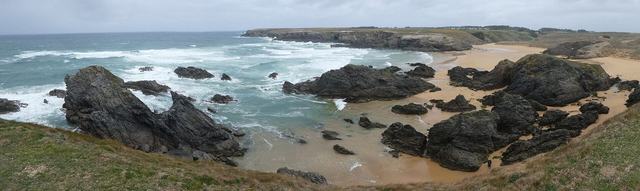
Plage de Donnant
Large wild beach on the west coast of Belle-Île-en-Mer, between dunes and cliffs.
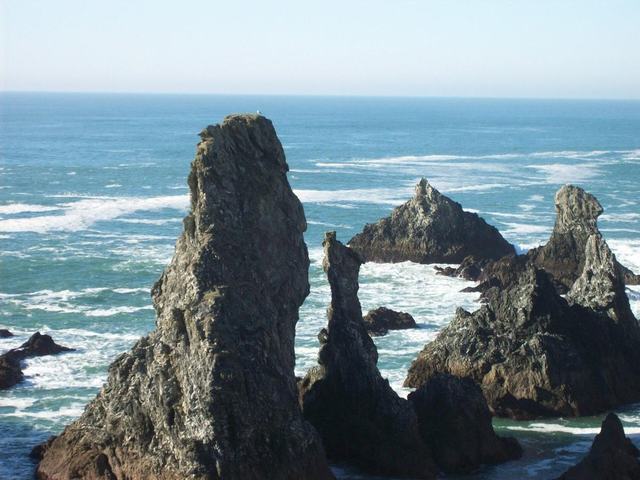
Aiguilles de Port Coton
Located west of Belle-Île, on the wild coast, the needles have as their neighbour the Grand Phare guiding sailors with its range of 111 km...
Parc de Branféré
Branféré offers visitors the charm of a park with several-centuries-old trees, populated by exotic species from the five continents.
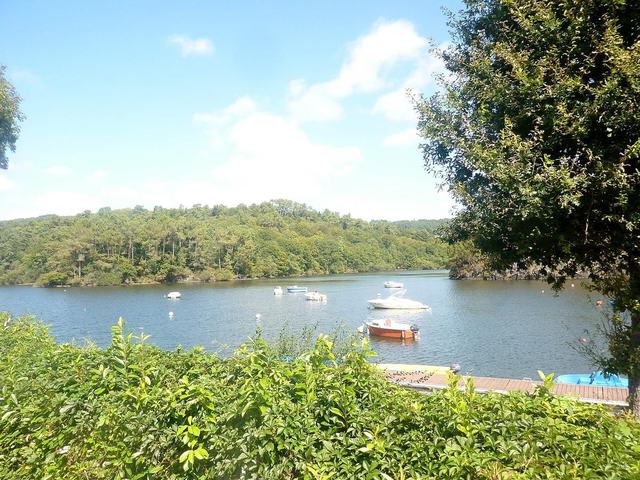
Lac de Guerlédan et Gorges du Daoula
Lac de Guerlédan winds between the Daoulas gorges and the Quénécan forest. It is a superb site for walks or water activities.
When to go and how to plan
From May to September the weather is pleasant. July and August are busy, with heavy traffic on the coast. Autumn offers beautiful light and few people.
A car is useful, and boat crossings complete the trip. A four-day trip can combine Vannes and the gulf, Carnac and Quiberon, then Josselin and Rochefort-en-Terre.
- Book boats and accommodation in advance in summer.
- Keep half a day spare for the weather.
- Start early to avoid the crowds.
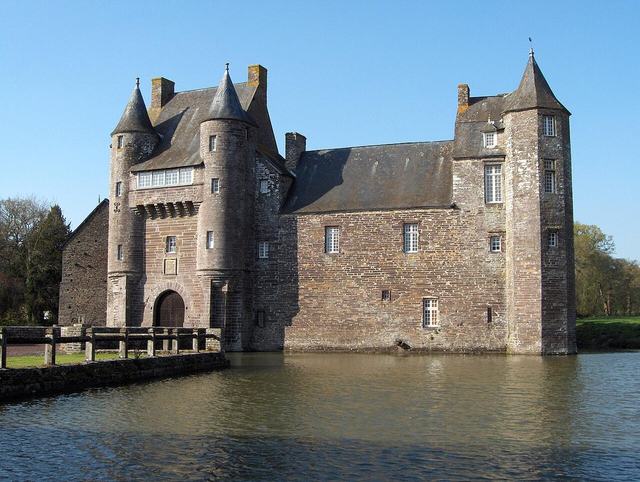
Château de Trécesson
Surrounded by the waters of its pond, this castle built of reddish schist at the end of the fourteenth century has kept its medieval look.

Plessis-Josso
The well-preserved and still inhabited manor rises in a pleasant green setting near a pond. Built around 1330 by Sylvestre Josso, ducal squire, during the troubled period of the Breton War of Succession (14th century), it then passed by marriage into the powerful Rosmadec family…
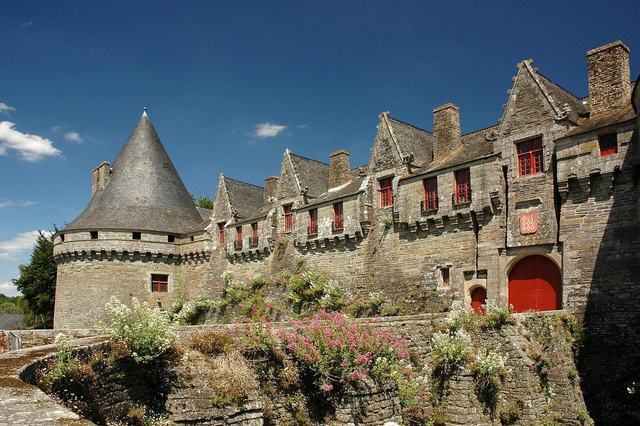
Château de Pontivy
It was raised in the fifteenth century by Jean II de Rohan. The façade has kept two large machicolated towers, capped with pepper-pot roofs, of the four that made up the enclosure.
Going further
Explore the départements of this area: