Discovering Isère: a practical guide
Isère is the Alps in miniature: four massifs surround Grenoble, from the limestone cliffs of the Vercors to the glaciers of the Oisans. Caves, mountain lakes, waterfalls and major ski resorts sit alongside a rich heritage, from the Grande Chartreuse to the Roman remains of Vienne.
This practical guide helps you choose your stops and organise your trip. Underlined site names link to their detailed pages.
Understanding Isère in a few minutes
Grenoble lies at the centre of the département, at the foot of three massifs: the Vercors to the west, the Chartreuse to the north and Belledonne to the east. To the south-east, the Oisans and the Écrins massif hold the high mountains, with Alpe d'Huez and Les 2 Alpes. To the south, the Trièves and Mont Aiguille. To the north-west, the plain leads to Vienne, an ancient Roman city on the Rhône, and villages such as Crémieu.
Grenoble is three hours from Paris by TGV and an hour from Lyon. A car is needed for the massifs. For a trip of a few days, a base in Grenoble lets you explore, complemented by a stop in the Vercors or the Oisans.
- The Bastille cable car gives the best view of Grenoble and the massifs.
- Vercors roads are impressive but sometimes closed after bad weather.
- In winter, carry mountain equipment.

Grenoble
Former capital of the Dauphiné nestled at the confluence of the Isère and the Drac, encircled by three Alpine massifs visible from the city centre.
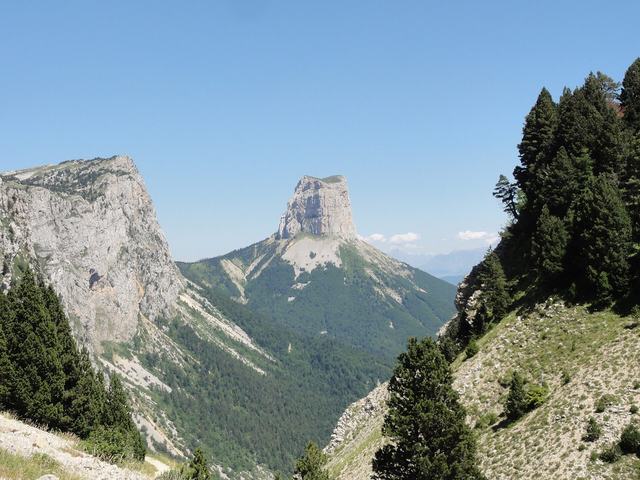
Le Mont Aiguille
Mont Aiguille, one of the seven wonders of the Dauphiné. Mont Aiguille was once called "Mont Inaccessible" because climbing it was thought impossible.
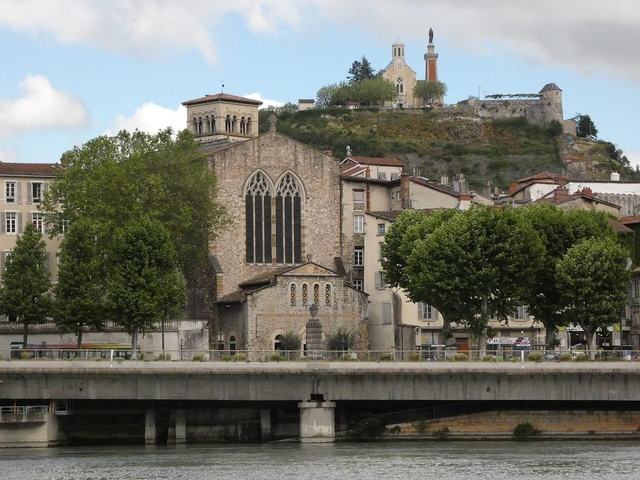
Vienne
Former Roman city on the banks of the Rhône, whose Temple of Augustus and Livia and ancient theatre bear witness to a rich imperial past.
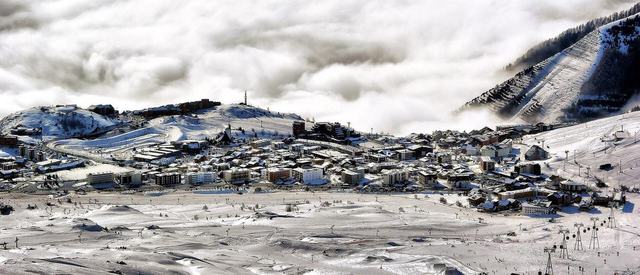
Alpe d'Huez
Alpe d'Huez, nicknamed "the island in the sun" for its exceptional sunshine, is an Isère ski resort set at 1,860 metres' altitude in the Grandes Rousses massif, in the Oisans.
Culture, history and heritage
In Grenoble, the Grenoble-Bastille cable car climbs to the Bastille fort, and the Musée de Grenoble presents one of France's great art collections. The Musée dauphinois tells the story of the Alps and their people. The Château de Vizille houses the Museum of the French Revolution, and the Château de Sassenage keeps its seventeenth-century décor.
In the Chartreuse, the Musée de la Grande Chartreuse presents the life of the Carthusian monks. The villages of Saint-Antoine-l'Abbaye, Pont-en-Royans with its hanging houses, and Crémieu are full of charm. Other castles are worth the detour: the Château de Virieu, the Château du Touvet and the ruins of the Château de Bressieux. The Mine Image recalls the mining past of La Mure.
- Many Isère departmental museums are free.
- In Pont-en-Royans, the water museum complements the village visit well.
- The Grande Chartreuse itself cannot be visited: the museum is at La Correrie.

Téléphérique de Grenoble-Bastille
In the heart of old Grenoble, the cable car will carry you in a few minutes inside the fort of the Bastille.

Musée dauphinois
The Musée Dauphinois is a departmental museum, run by the Isère departmental council, in Grenoble.

Château de Vizille
A listed historic monument, former residence of the Dukes of Lesdiguières (seventeenth century) and of the Perier family (1782–1895), then a presidential residence (1925–1960), the château has belonged to the Isère departmental council since 1972.
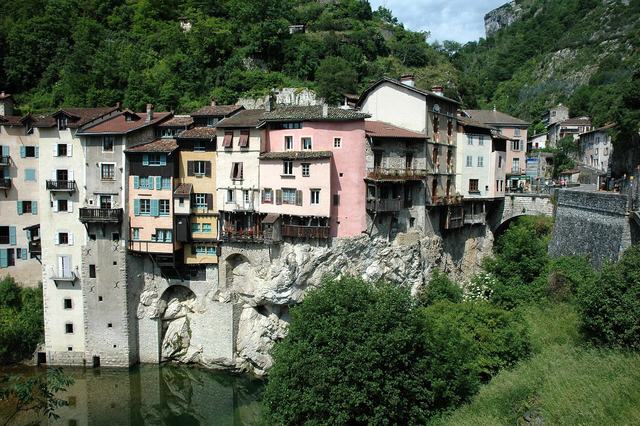
Pont-en-Royans
This town, at the foot of the Vercors massif, at the mouth of very beautiful gorges, is recognised as one of the most curious in Isère with its hanging houses with colourful façades overlooking the river Bourne.
Food and local produce
Isère cooking is hearty mountain fare: gratin dauphinois, ravioles, PDO Grenoble walnuts and cheeses such as Bleu du Vercors-Sassenage and Saint-Marcellin. Chartreuse, the liqueur made by the monks since the eighteenth century, is the département's most famous product.
Grenoble's markets, especially around the Sainte-Claire covered market, are the place to taste these specialities. Farms in the Vercors and the Chartreuse sell cheeses and farm produce.
- Try a well-ripened Saint-Marcellin.
- The Chartreuse cellars in Voiron can be visited.
- Grenoble walnuts are harvested in autumn.
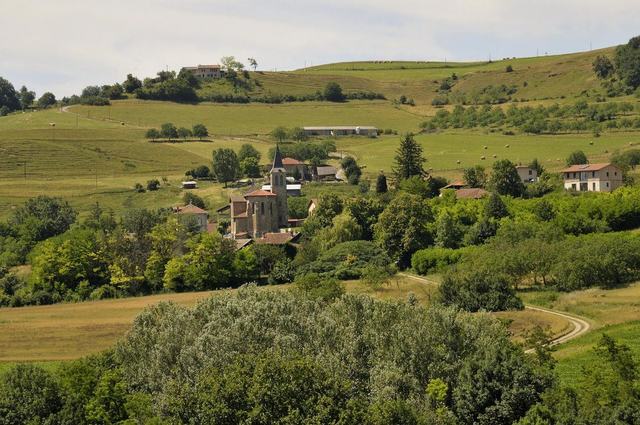
Saint-Antoine-l'Abbaye
Set in the Isère département, at the gates of the Drôme, halfway between Grenoble and Valence, the medieval village of Saint-Antoine-l'Abbaye, ranked among the Most Beautiful Villages of France, is considered one of the unmissable jewels of Rhône-Alpes heritage.
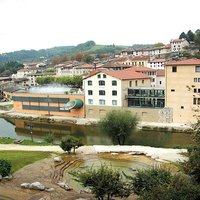
Musée de l'eau
At the entrance to the Vercors park, the Water Museum opens onto Pont-en-Royans, one of the most curious villages in the Dauphiné, a protected site of hanging houses (listed as historic monuments since 1944); a village where everything revolves around water.

Château de Sassenage
Built between 1662 and 1669 at the foot of the Vercors, this château has kept its original architecture.
Nature and wide open spaces
Caves are one of Isère's treasures: the Choranche caves, the Cuves de Sassenage, the Grotte de la Balme and the giant entrance of the Bournillon cave. Waterfalls abound: the Cascade de Confolens, the Cascade de Moulins Marquis and the Nan gorges. Mont Aiguille and the Pierre Percée are two emblematic curiosities.
Mountain lakes reward hikers: the Lac de la Muzelle, the Lac du Lauvitel, the Lac Achard and the Lac du Crozet. The Lac de Paladru is good for swimming. The La Mure railway and the Saint-Hilaire-du-Touvet funicular offer unusual rides. With children, Walibi and the Jardin Ferroviaire model railway are popular outings. In winter, resorts such as Alpe d'Huez, Les 2 Alpes, Chamrousse, Les 7 Laux and Villard de Lans welcome skiers.
- The Lac du Lauvitel is about a two-hour walk from La Danchère.
- In the caves, bring something warm.
- Set off early in summer to avoid afternoon mountain storms.
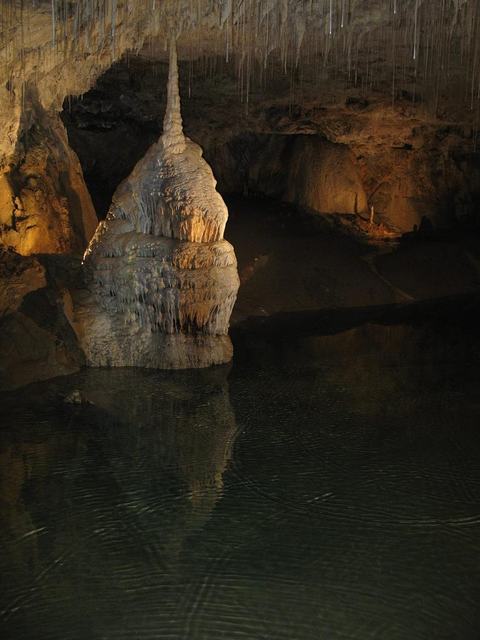
Grottes de Choranche
In the heart of the Vercors, explore this cave hidden in the lush nature of the Choranche cirque. The water of the underground lakes and rivers floods the crystalline whiteness of the concretions with emerald reflections.
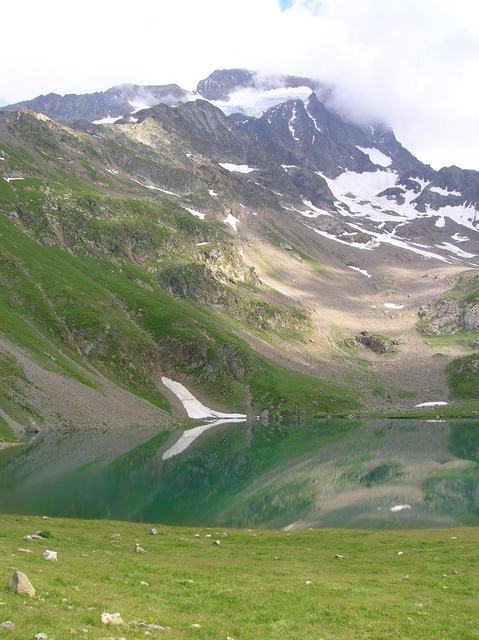
Lac de la Muzelle
In the heart of the Écrins National Park, Lac de la Muzelle is a 9-hectare glacial lake with turquoise water, overlooked by the Roche de la Muzelle.
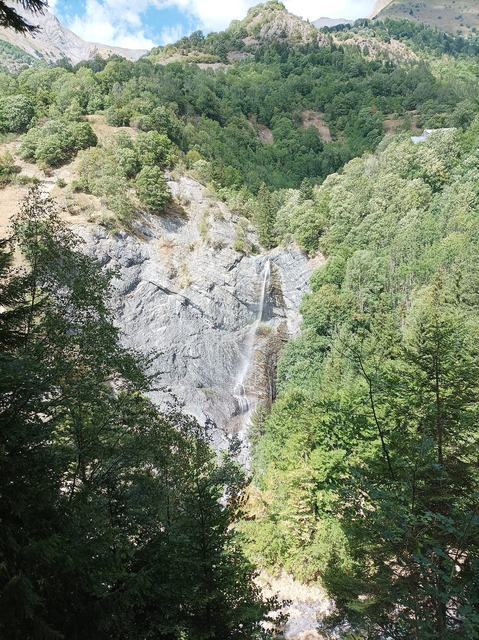
Cascade de Confolens
This waterfall is at the gateway to the Écrins National Park, at 1,133 m altitude. Above the village of Le Périer, in the Valbonnais, the waterfall gushes from a rocky gully and plunges 80 m towards other torrents.

Chemin de fer de La Mure
Yesterday a mining railway, today this mountain tourist line is recognised as the most spectacular in the Alps and one of the most prestigious in the world.
When to go and how to plan
Summer is ideal for the lakes, hiking and mountain passes. Autumn is mild in the valleys. Winter makes Isère one of the great ski areas of the Alps. In spring, the waterfalls are at their fullest, but some high roads stay closed.
A five-day trip can combine a day in Grenoble, two days in the Vercors (caves, Pont-en-Royans, waterfalls), a day in the Chartreuse and a day in the Oisans or the Trièves around Mont Aiguille.
- Book resort accommodation during the winter holidays.
- Check pass openings: many are closed from November to May.
- TER trains link Grenoble to many valleys.
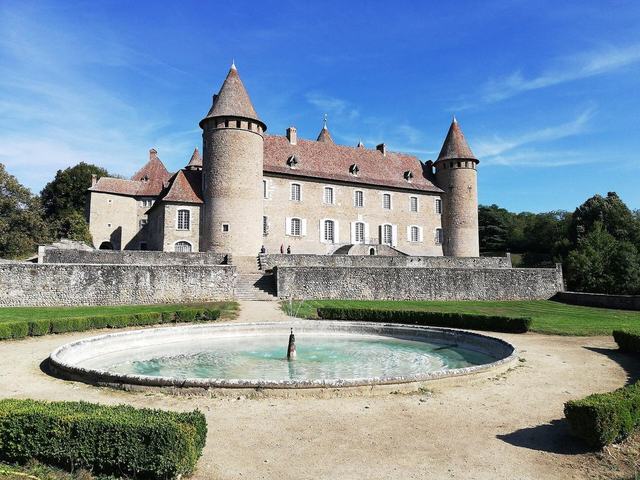
Château de Virieu
It was in the year one thousand and ten that Wilfrid de Virieu built on his lands a fortified house and gave it his name.
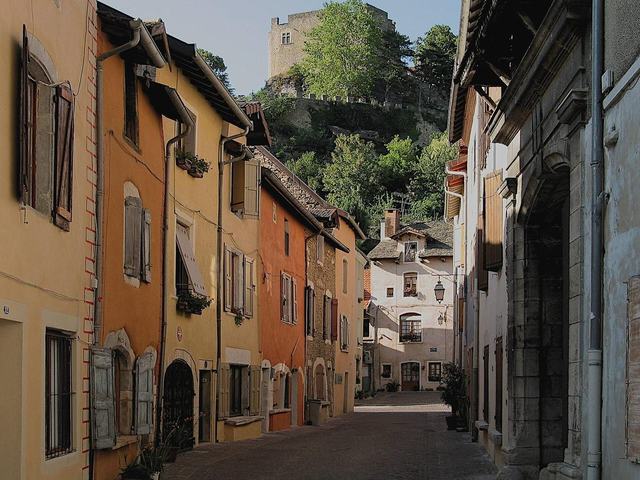
Cité Médiévale de Crémieu
The small town of Crémieu, nestled beneath its hills and limestone cliffs, lies in the Isle Crémieu and the Pays des Couleurs, in the far north of the Isère, 30 minutes south-east of Lyon.

Le Lac Achard
A pretty mountain lake at 1,917 metres' altitude, easy to reach by a short hike from Chamrousse.
Going further
Explore the départements of this area: