Caves · Aveyron
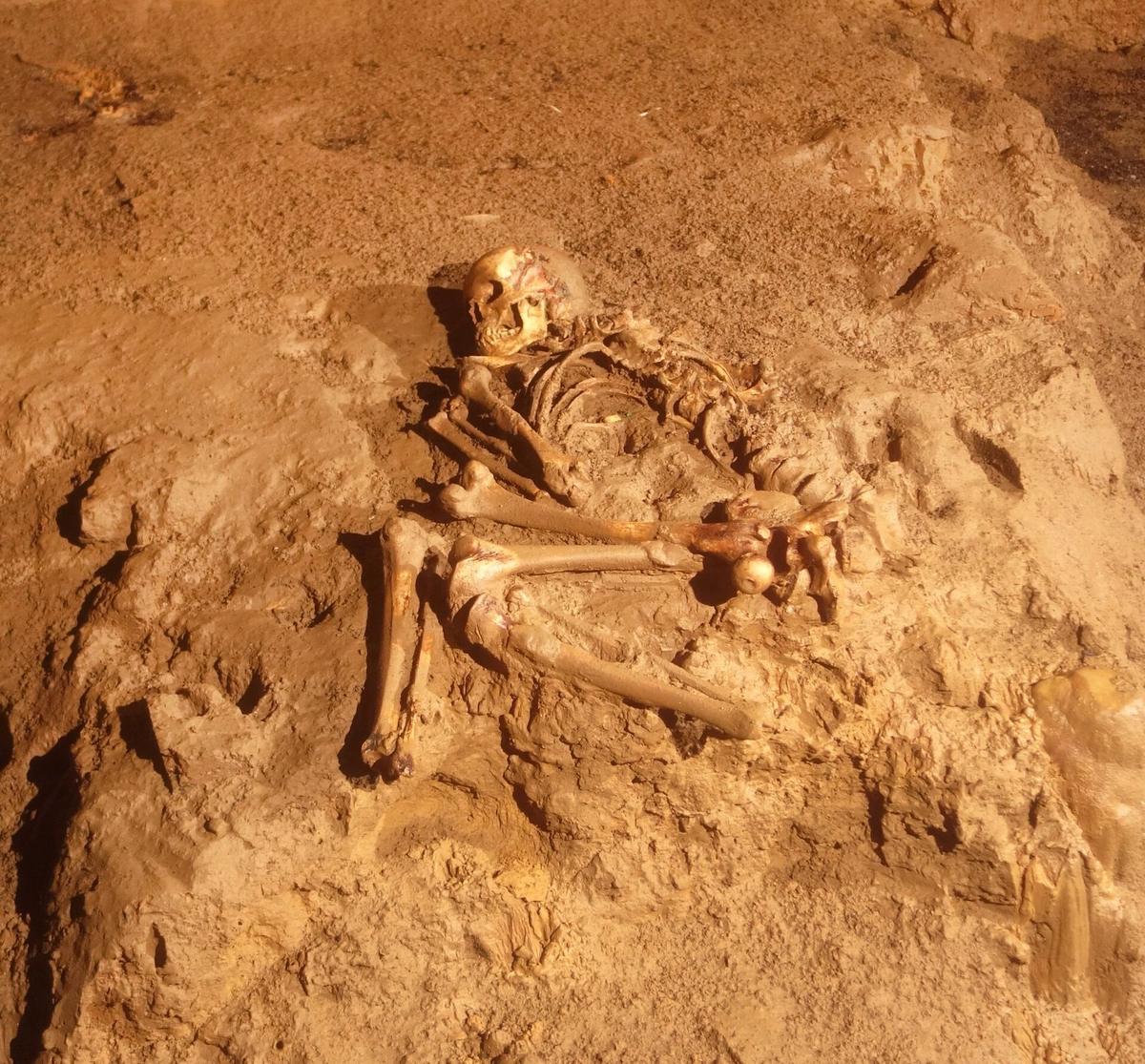
1 Grotte de Foissac
Set between the Aveyron gorges and the Lot valley, this underground site is remarkable for its mineralogy and its prehistory.
View full page →Aveyron is a département of limestone plateaux, gorges and stone villages, with bastides, abbeys and natural sites. The Tarn, Aveyron and Lot rivers have carved spectacular landscapes.
This itinerary spreads the best-rated sites in the catalogue over three days. Roads are winding: allow some slack.
The map shows the numbered stops in visiting order, with one colour per day. The line follows the roads where available; otherwise it joins the stops as the crow flies. Distances and times are approximate (by car, without traffic).
This day brings together 3 sites close to each other: villages and caves. Allow half an hour to an hour and a half per site, plus travel time.
Set between the Aveyron gorges and the Lot valley, this underground site is remarkable for its mineralogy and its prehistory.
View full page →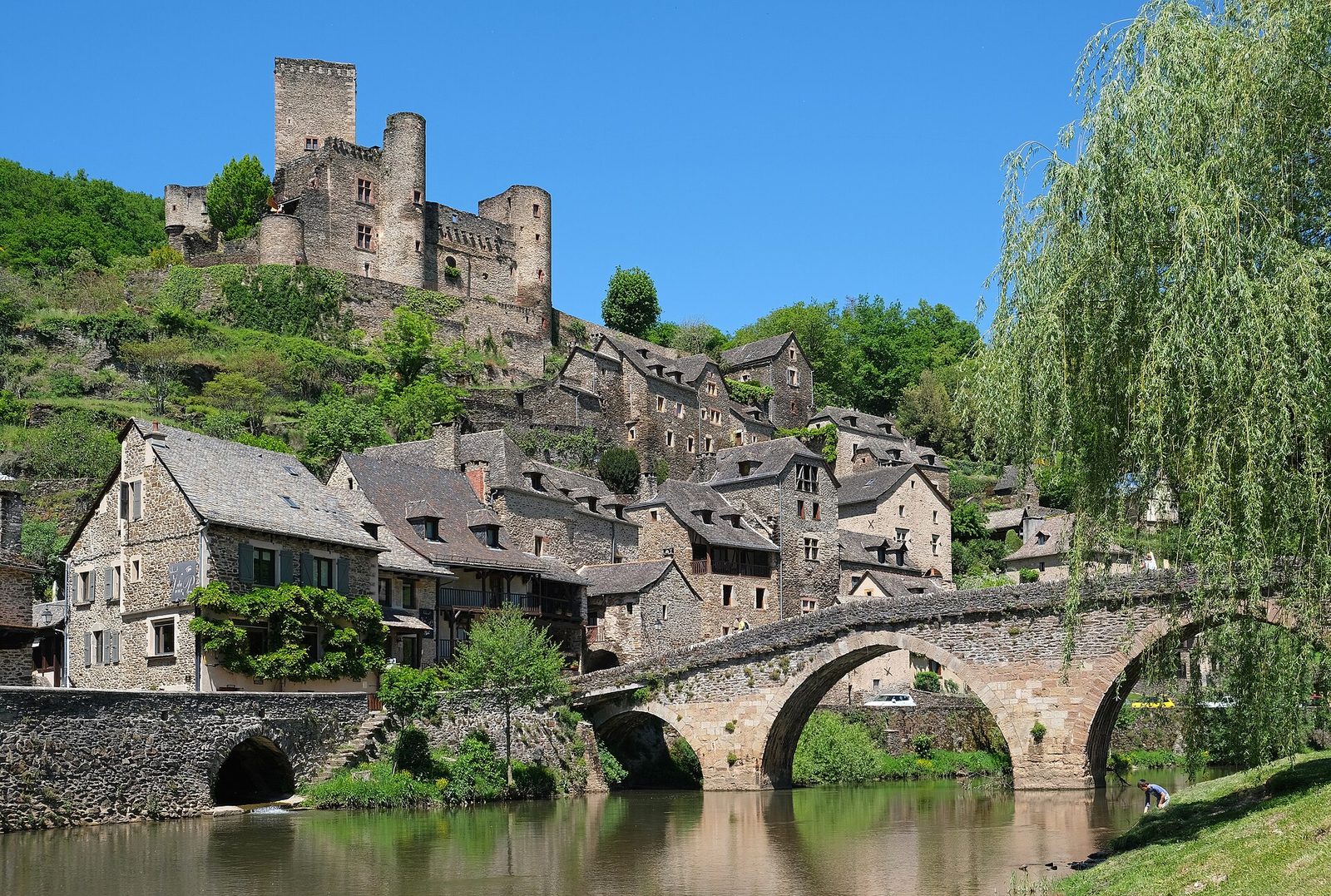
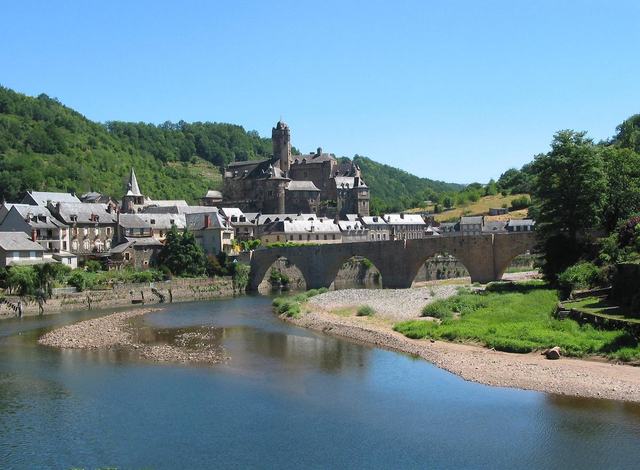
Protected by the wooded slopes of the valley, the town's houses huddle at the foot of the castle following the curve of the river.
View full page →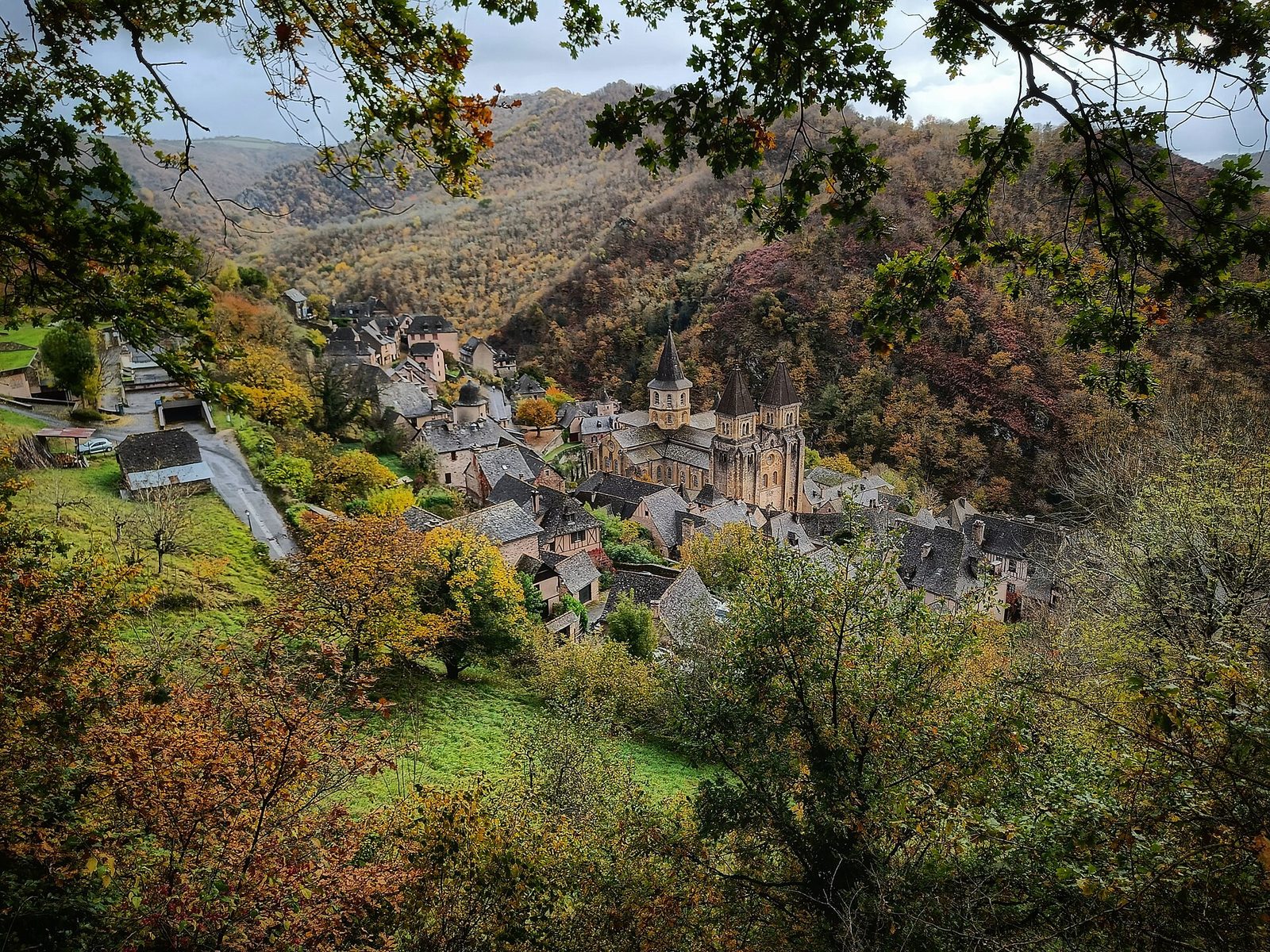
The great period of Conques, in the eleventh and twelfth centuries, coincides with the building of the Romanesque abbey church and the creation of the finest pieces of goldwork in its treasure, including the golden Majesty of Saint Foy.
View full page →This day brings together 4 sites close to each other: waterfalls, natural wonders and castles. It passes through Bozouls. Allow half an hour to an hour and a half per site, plus travel time.
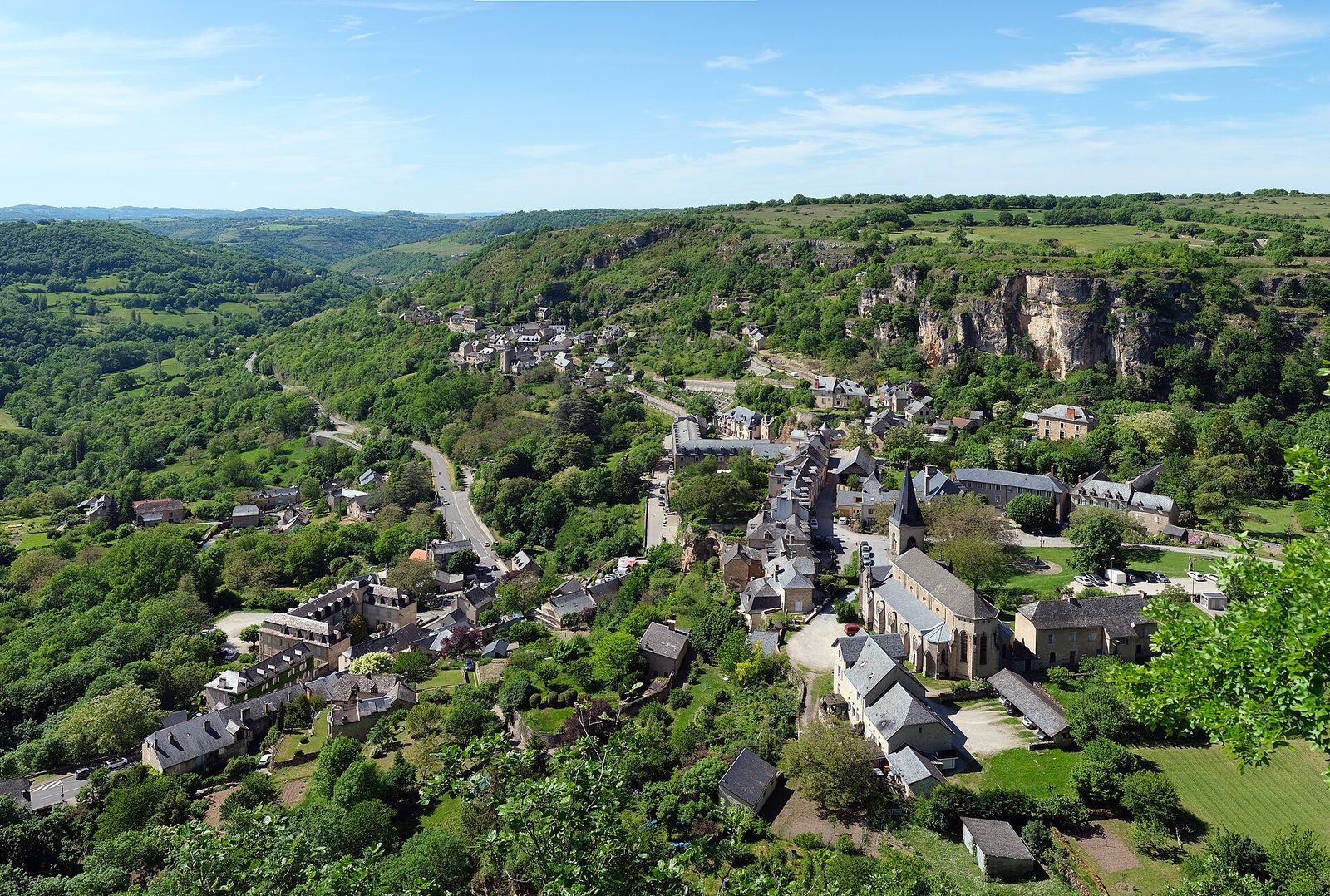
The village of Salles-la-Source is tiered on three levels in the hollow of a cirque of limestone cliffs, on the edge of the Causse Comtal in the Aveyron.
View full page →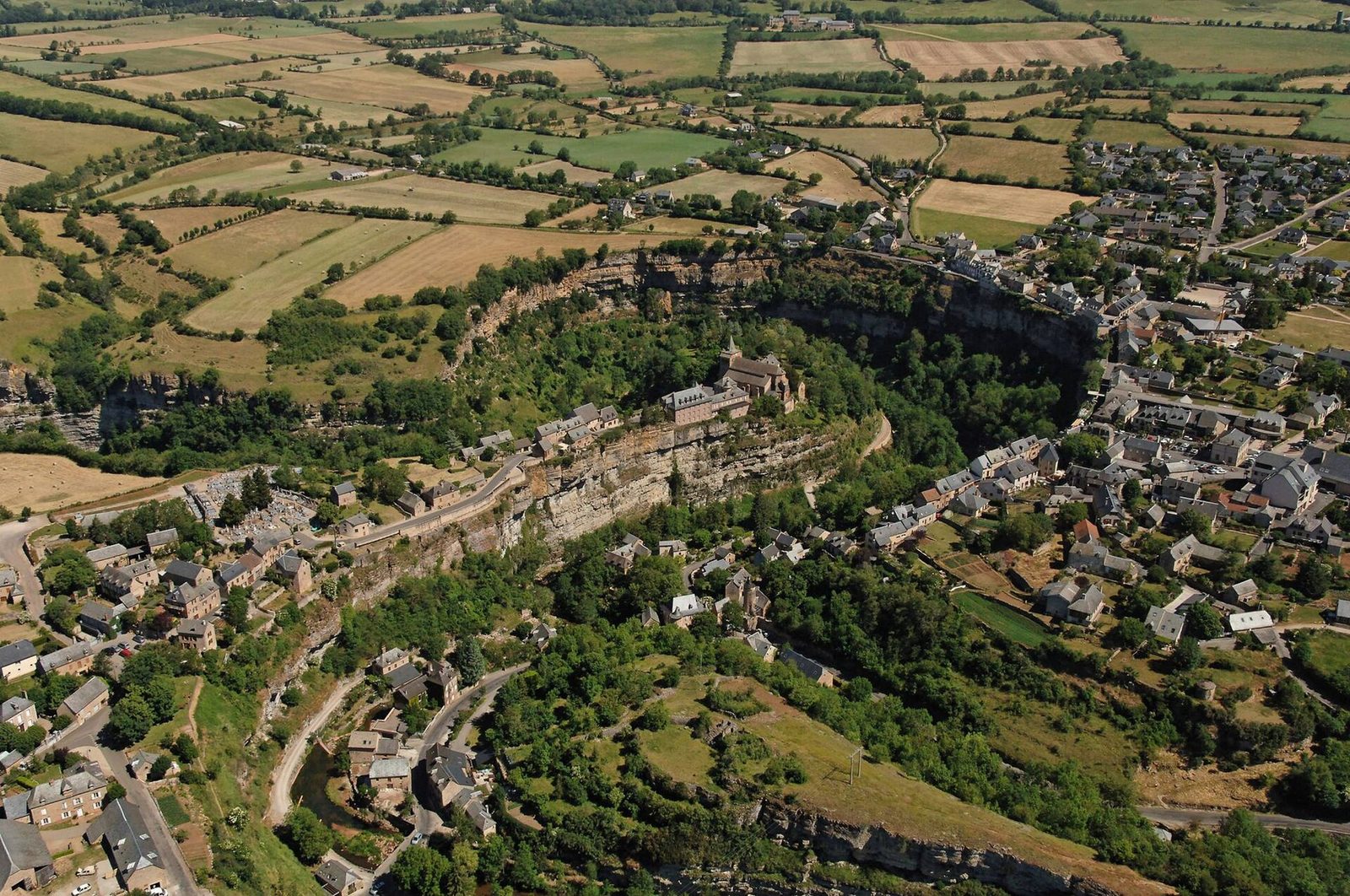
A circular canyon 100 metres deep, carved by the river Dourdou, almost entirely encircles the old perched village of Bozouls.
View full page →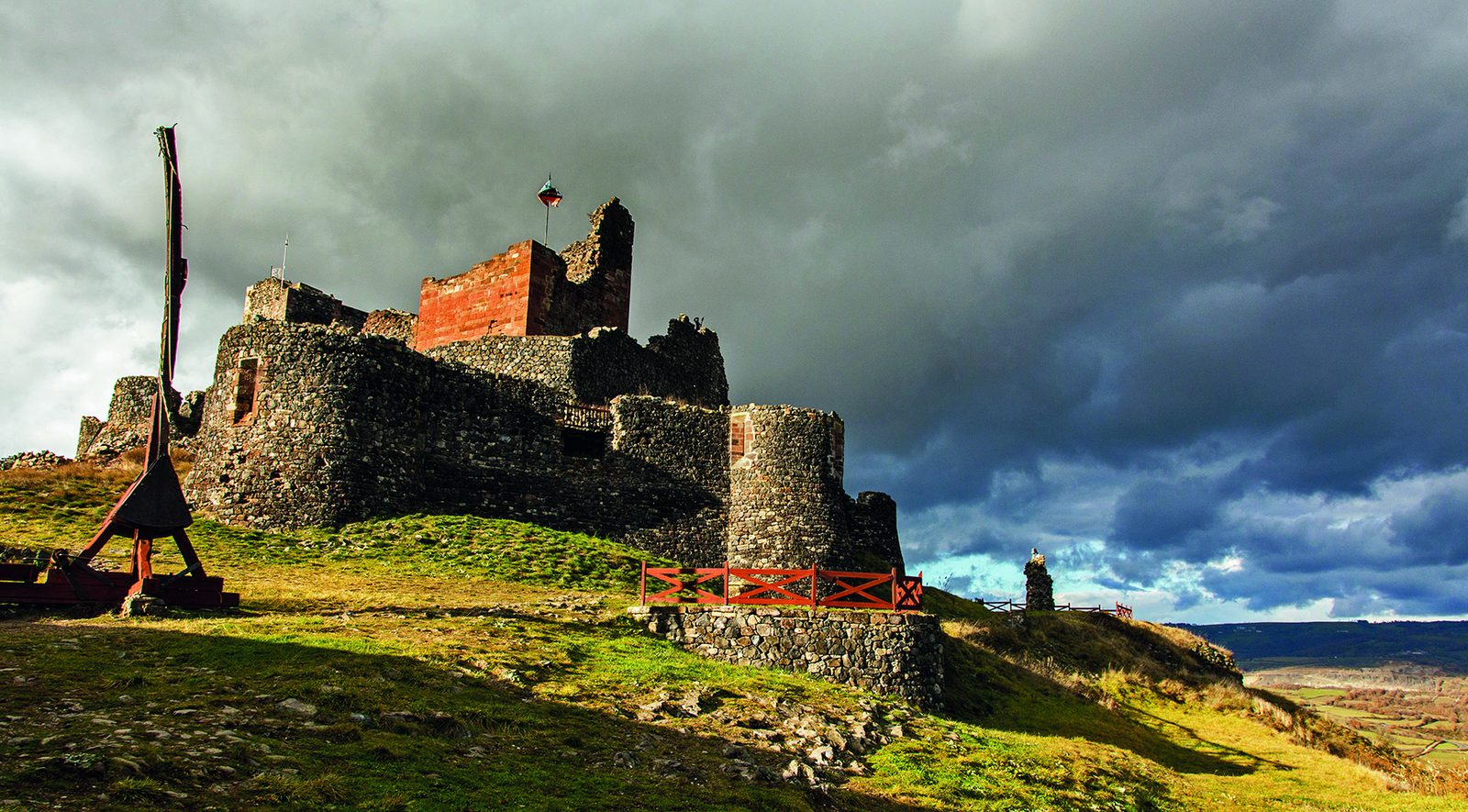
The fortress of Calmont d'Olt is an important milestone of medieval Rouergue...
View full page →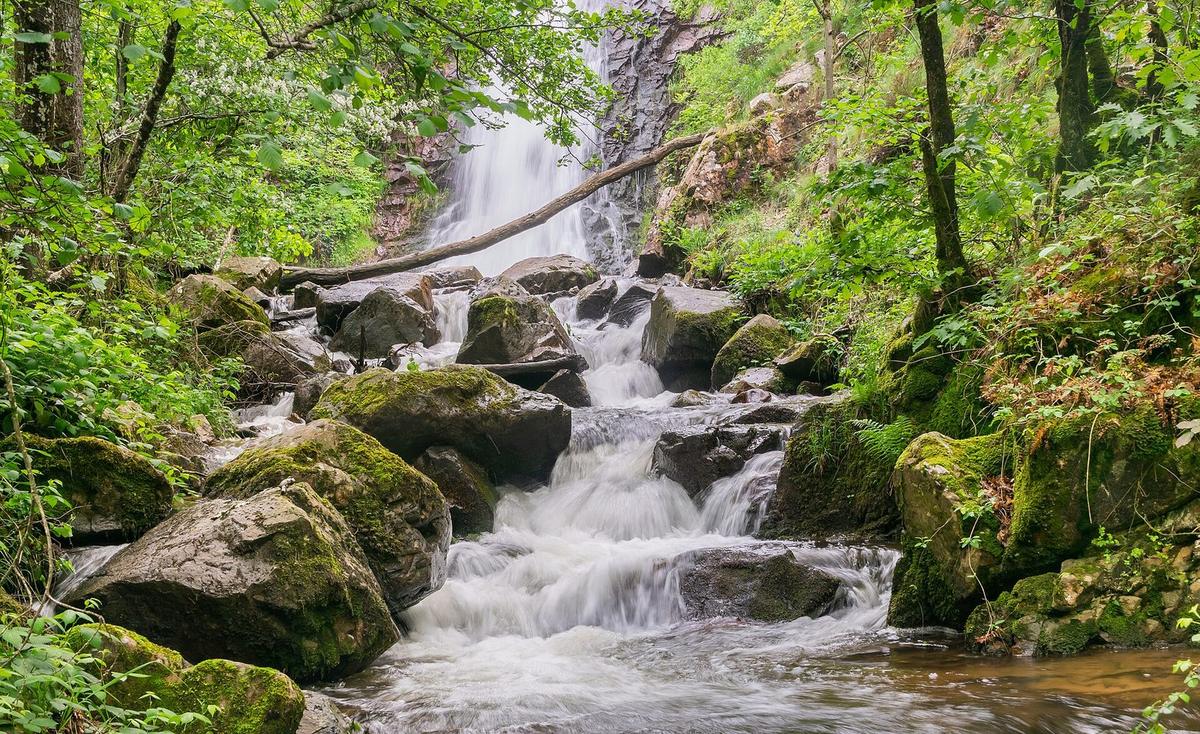
In the heart of the Palanges forest, in the commune of Agen-d'Aveyron, this two-level waterfall reveals itself after a walk of about thirty minutes on the heights of the Aveyron valley.
View full page →This day brings together 5 sites close to each other: villages, waterfalls and natural wonders. Allow half an hour to an hour and a half per site, plus travel time.
Driving for the day: about 117.3 km, or 2 h 34 behind the wheel in total (excluding visits).
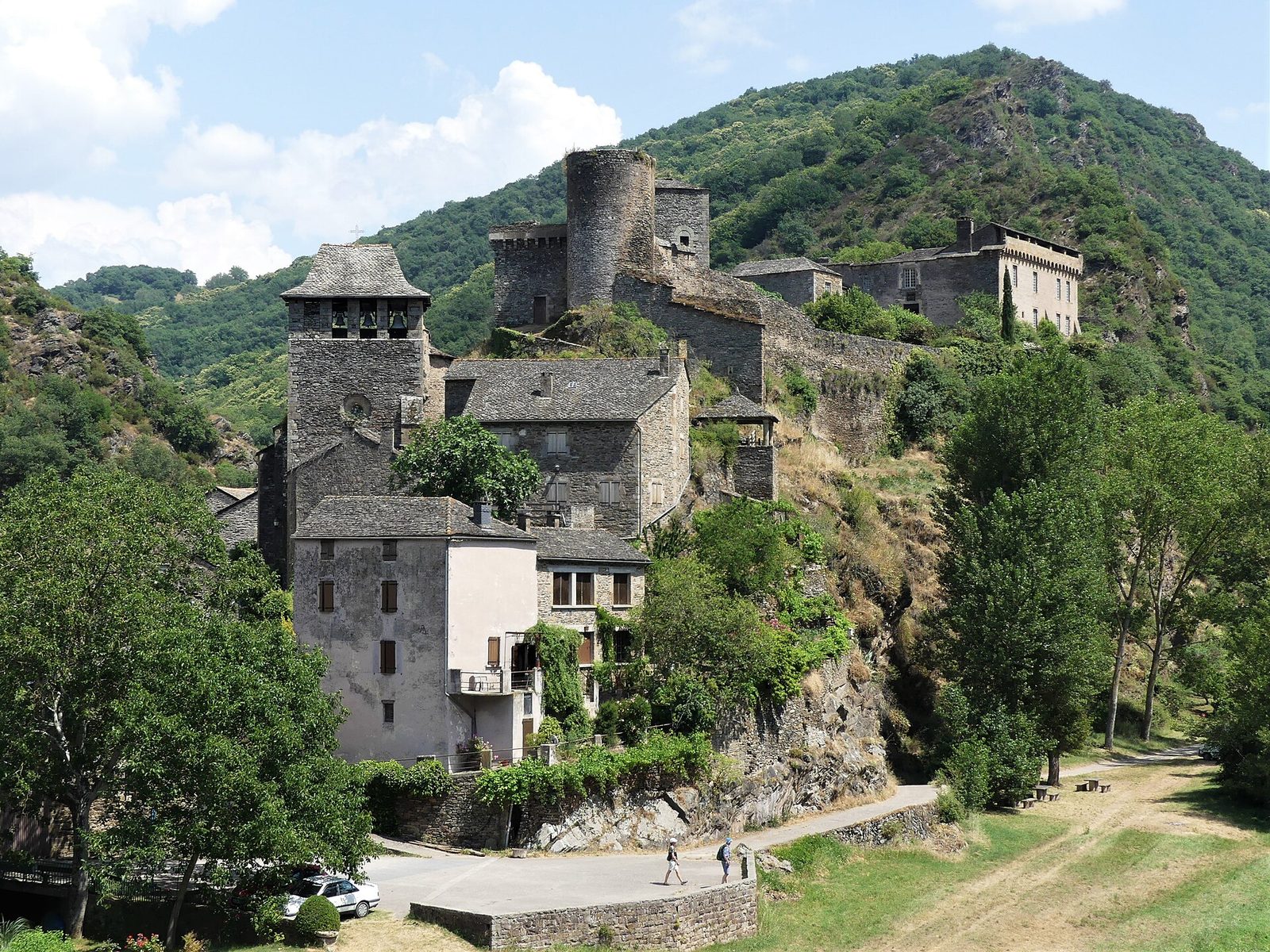
First mentioned in 935, Brousse castle was then no doubt only a modest fort watching over the Tarn.
View full page →↓ 34.4 km · about 50 min by car to the next stop

In the heart of the Tarn valley, discover the Baumes waterfall in the Raspes du Tarn Gorges, accessible only by the river, and enjoy an exceptional natural landscape.
View full page →↓ 16.1 km · about 16 min by car to the next stop
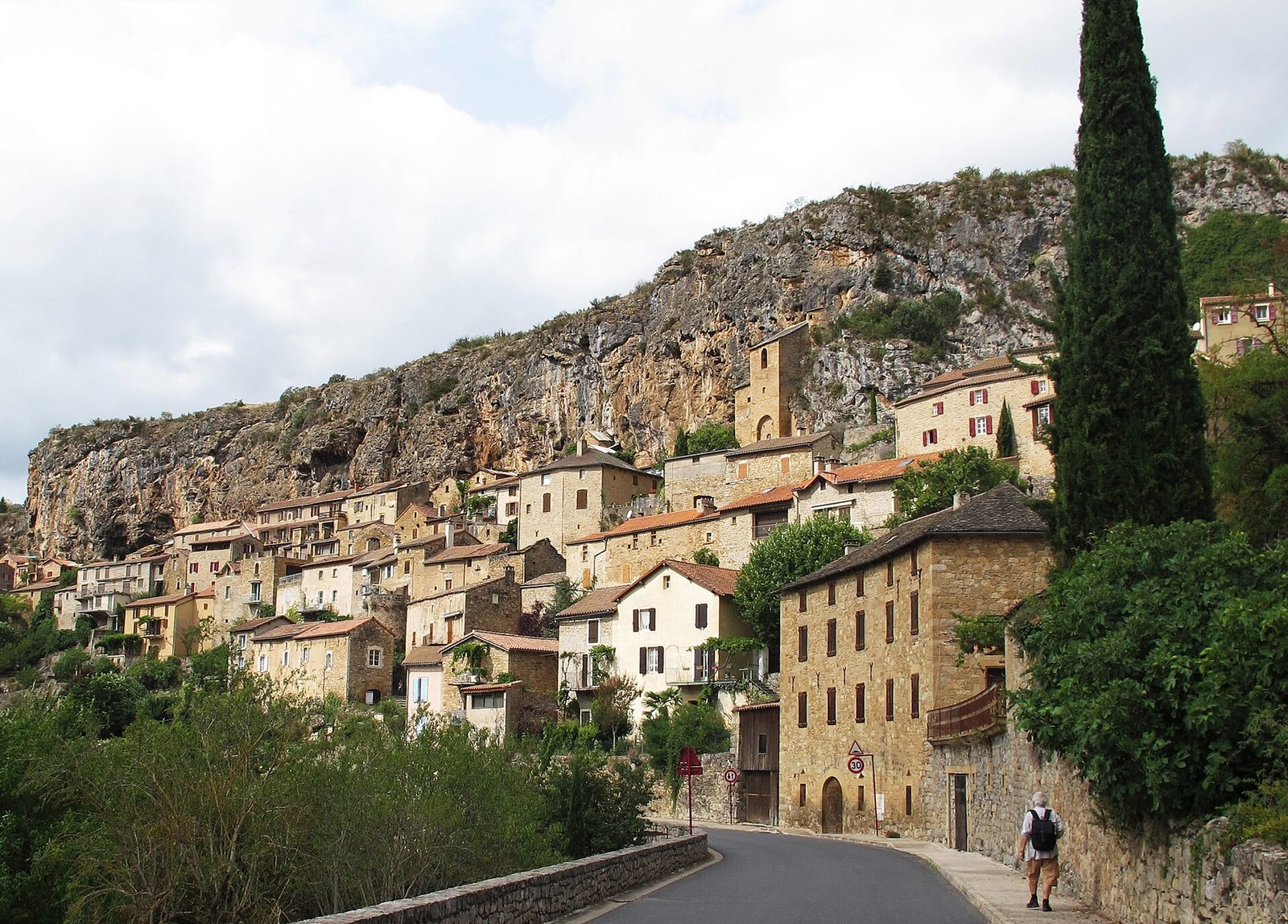
7 km downstream from Millau, the cave village of Peyre is remarkable in many respects, notably for its tufa houses, its calades (stone lanes) and its troglodyte church.
View full page →↓ 27.2 km · about 30 min by car to the next stop
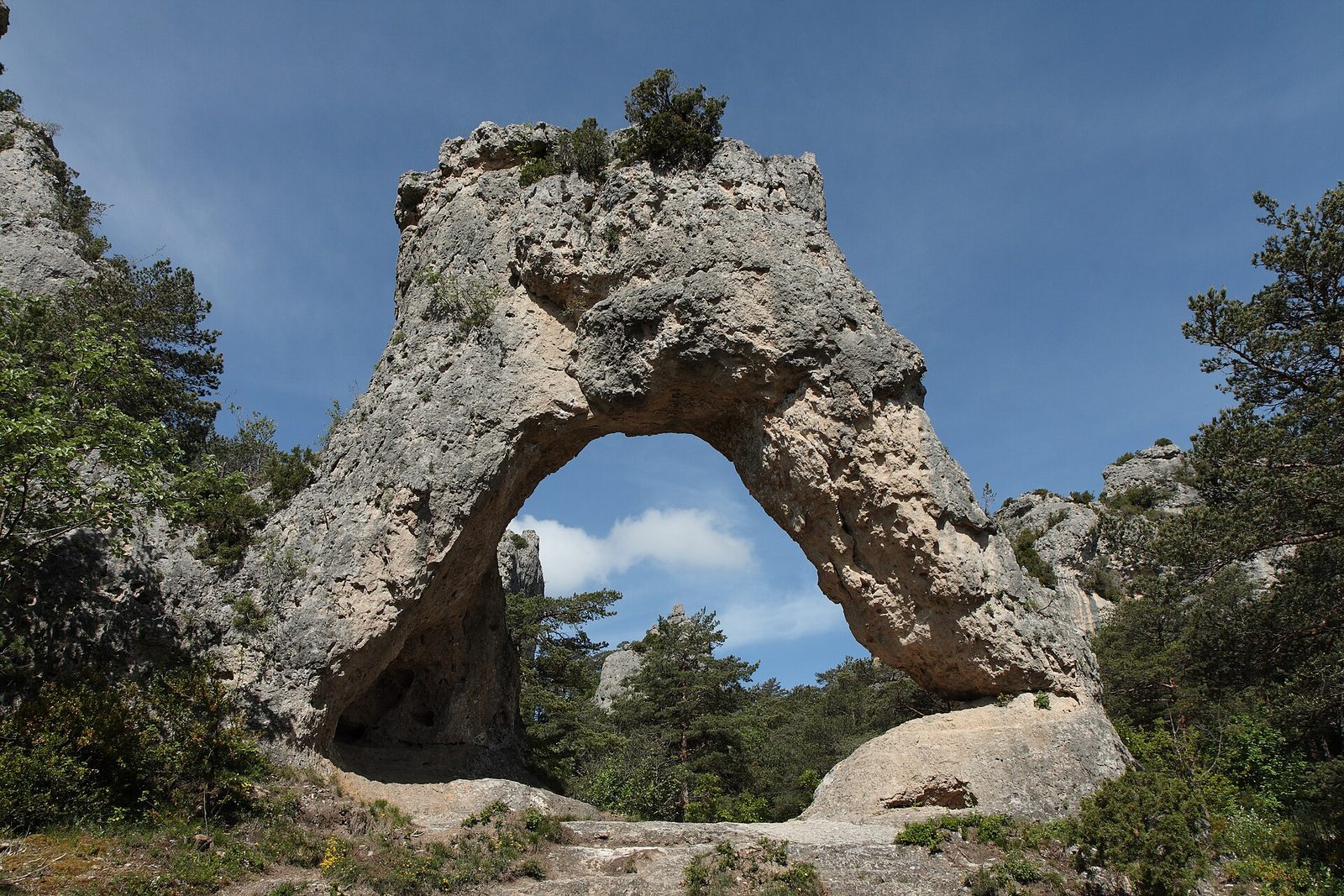
Discover wild nature. Relearn silence. Sculpted by the elements in the grey stone of the "Causse Noir", this fantastic city of rocks serves as a setting for delicate flora.
View full page →↓ 39.7 km · about 58 min by car to the next stop
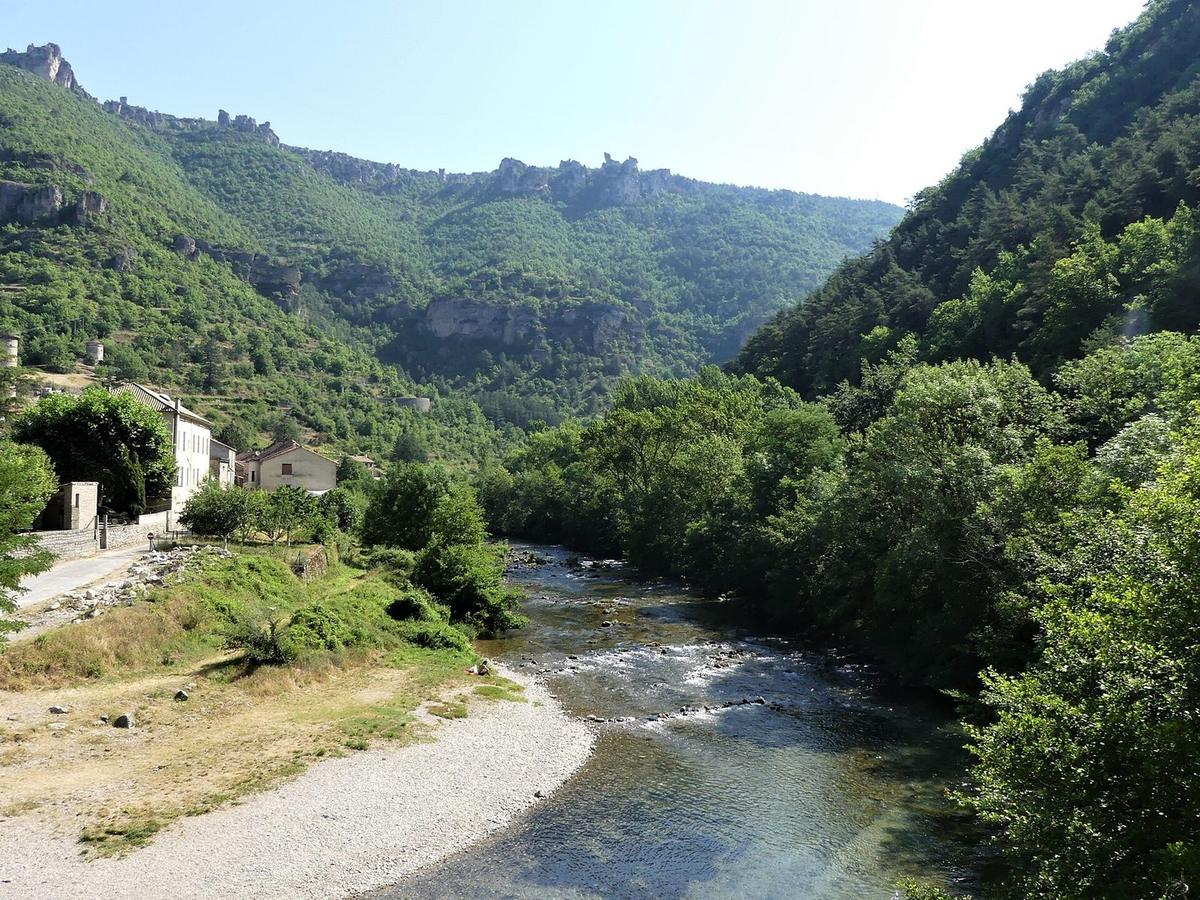
Born on the Espérou massif in the Gard, the Dourbie flows in deep gorges as it enters the Aveyron, shortly after the village of Dourbies.
View full page →Spring and autumn are ideal. Summer is very pleasant at altitude, but busier. Winter is cold on the plateaux, and some sites are closed.
A car is essential: distances are long and roads winding. Some valley roads are narrow. Check the weather in winter on the plateaux.
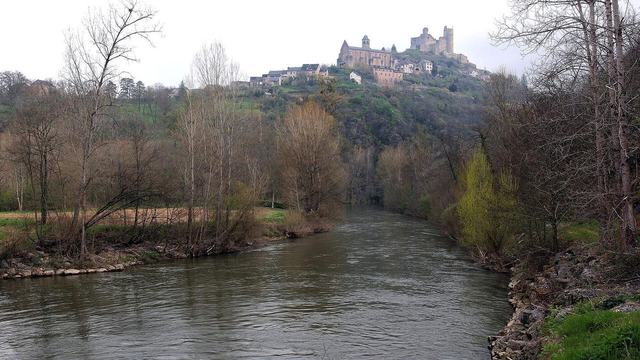
A simple square tower in the twelfth century, the castle of Najac became a fortress in the thirteenth century, by order of King Saint Louis.
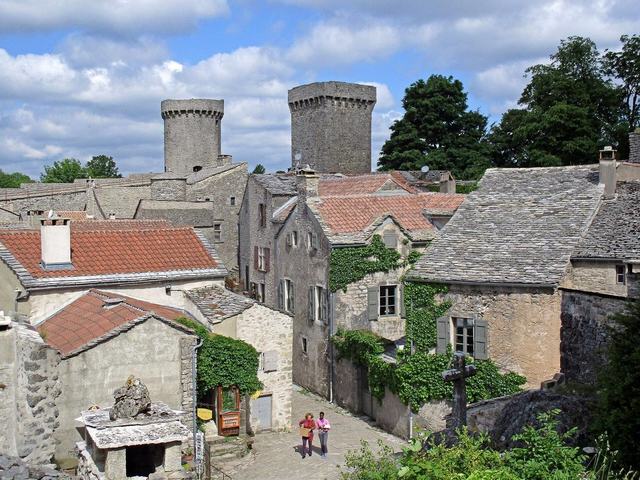
With authorisation from Raymond Berenguer, count of Barcelona and prince of the kingdom of Aragon, the Templars spread strongholds in the twelfth century: La Couvertoirade became the flagship of the triad of Larzac commanderies.
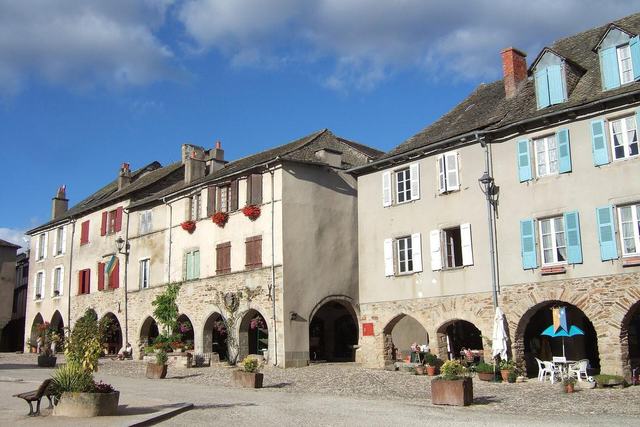
From the time of the knights, the medieval town has kept its fortified gates of Saint-Christophe and Saint-Vital, its towers and moats.
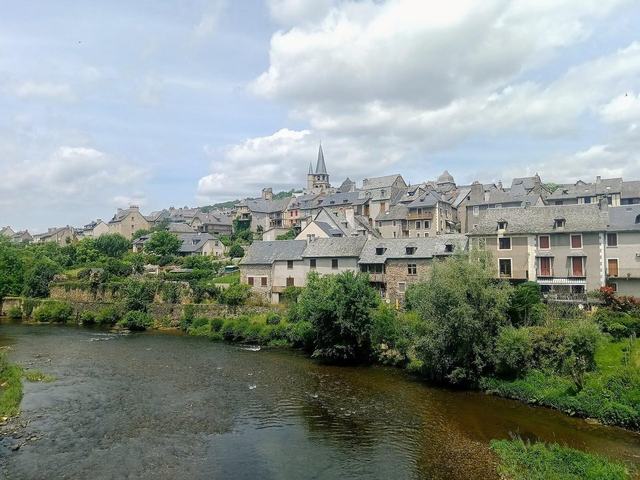
The village was built over time inside the moats of the old medieval town, of which three fortified gates remain.
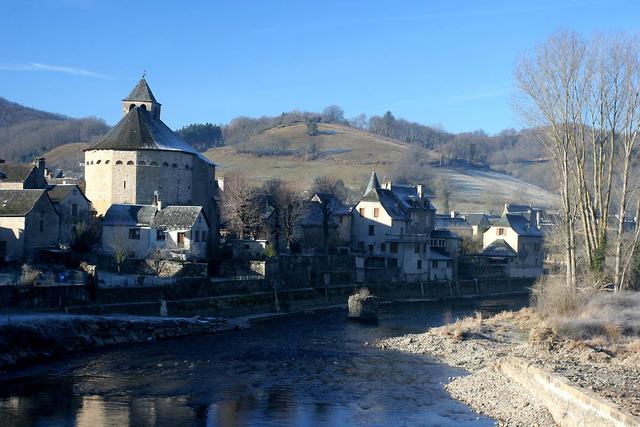
The town, of medieval structure, is organised around the church square in a succession of lanes and little squares.
From the year 1000 to the Revolution, the lords of Estaing did not only mark the history of their village.