Discovering Centre-Val de Loire: a practical guide
Centre-Val de Loire is the region of the great Renaissance castles, Chartres cathedral, gardens and forests. It is ideal for a heritage trip, one or two hours from Paris.
This practical guide helps you choose your stops and organise your trip. Underlined site names link to their detailed pages.
Understanding the region in a few minutes
The region has six départements: Cher, Eure-et-Loir, Indre, Indre-et-Loire, Loir-et-Cher and Loiret. The Loire Valley, a World Heritage site, crosses the region and concentrates the most famous castles. Around it are the Beauce, a vast cereal plain, the Sologne, a land of ponds and forests, the Berry, more rural, and the Brenne, a land of ponds.
The main towns are Tours, Orléans, Blois and Bourges, as well as Chartres, famous for its cathedral. Several small towns such as Chinon, Sancerre and Montrésor are also worth discovering.
The region is easy to cover: distances are short, and most sites are less than an hour from each other.
- Allow about an hour by train between Paris and Orléans or Blois.
- There are very many castles: choose two or three a day.
- Cycling is pleasant along the Loire and the Cher.

Tours
Capital of Touraine at the confluence of the Loire and the Cher, whose medieval quarter enlivens Place Plumereau, ringed with half-timbered houses.
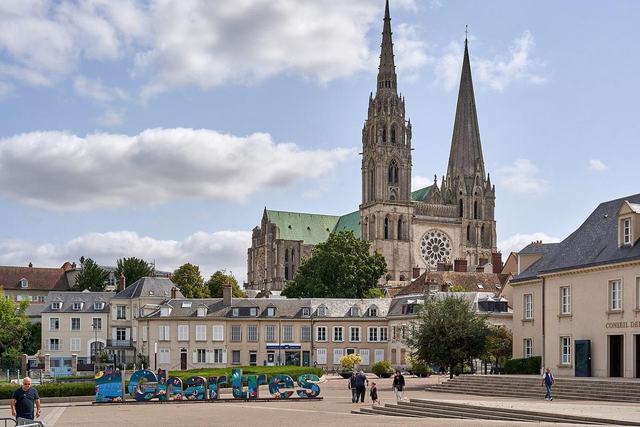
Chartres
Prefecture of Eure-et-Loir, whose sloping medieval centre runs down to the river Eure, dominated by the uneven spires of its Gothic cathedral.

Blois
Prefecture of Loir-et-Cher tiered on the hillsides overlooking the Loire, whose royal castle sums up several centuries of French architecture on its own.
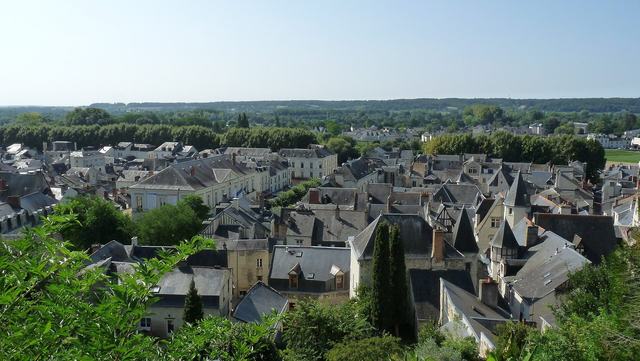
Chinon
A medieval town on the banks of the Vienne, dominated by the imposing royal fortress where Joan of Arc recognised Charles VII, surrounded by a renowned vineyard.
Culture, history and heritage
The kings of France made the Loire Valley a place of residence in the late Middle Ages and the Renaissance. The great castles bear witness: Château de Chambord, Château de Chenonceau, Château d'Amboise, Château de Blois, Château de Cheverny, Château de Villandry, Château d'Ussé, Château de Loches. Others are more discreet: Château de Talcy, Château de Valençay, Château de Sully-sur-Loire, Château de Meillant, Château de Culan.
The cathedral of Chartres, a Gothic masterpiece, is famous for its stained glass, which you can explore further at the Centre international du Vitrail de Chartres. Abbeys such as the Abbaye de Noirlac bear witness to Cistercian art. The writer George Sand lived at Nohant, at the George Sand estate.
The region also has varied museums: Musée des Beaux-Arts de Tours, Musée Balzac, Musée de l'automobile de Valençay, FRAC Centre, Centre de création contemporaine Olivier Debré.
- Book ahead for Chambord, Chenonceau and Cheverny in summer.
- Wear comfortable shoes for the large estates.
- Audio guides are useful for understanding the architecture.
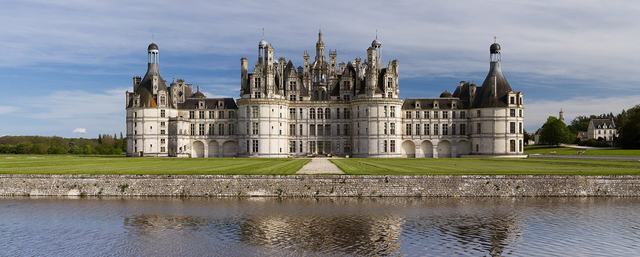
Château de Chambord
Chambord, which measures 156 m by 117 m and has 440 rooms, is the largest of the Loire castles.
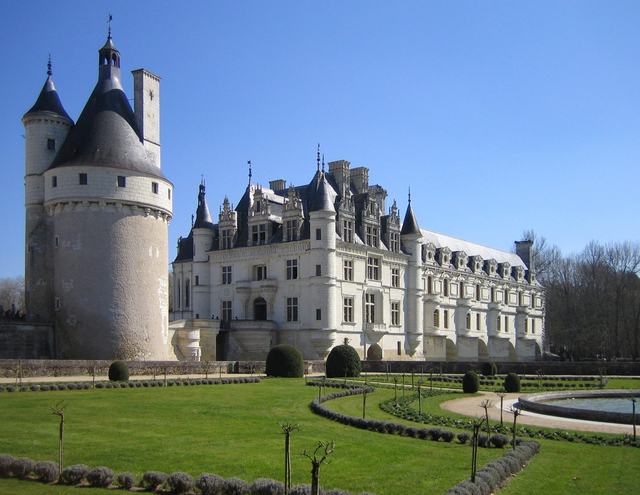
Château de Chenonceau
In the heart of the Loire valley, Chenonceau is the most visited private castle in the world. The present castle was built from 1513 to 1521 by Thomas Bohier, receiver of finances under Charles VIII, Louis XII and Francis I.

Château de Cheverny
The Cheverny estate is a lordly property that has belonged to the same family for more than six centuries.
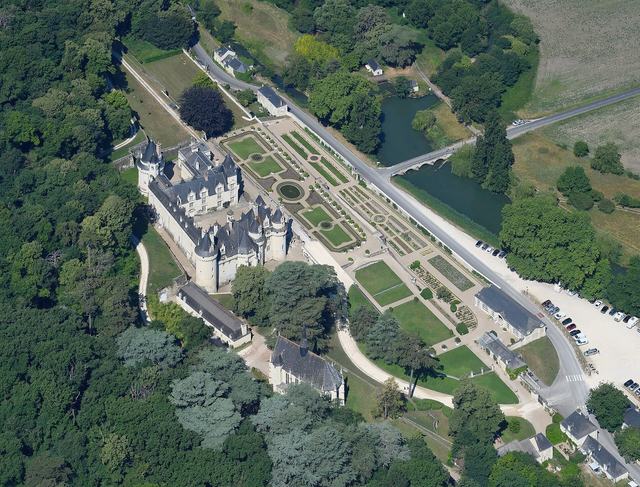
Château d'Ussé
The Château d'Ussé overlooks the Indre. It is built halfway up the slope, on the south side of the valley.
Food and local produce
The Loire is a river of good food: wines of Touraine, Chinon, Bourgueil and Vouvray, Sancerre and Pouilly-Fumé, goat's cheeses such as Crottin de Chavignol, Tours rillettes and rillons, tarte Tatin, Loire fish and Sologne game. Saffron, Berry green lentils and asparagus are other specialities.
The troglodyte cellars of the valley shelter wines and mushrooms. The La Cave des Roches Le Champignon and the Troglo Degusto let you discover them. The markets of Tours, Blois and Orléans are good opportunities to taste local products.
Many wine estates offer visits and tastings. Remember to book, and to nominate a driver.
- Book cellars and estates in advance in high season.
- Goat's cheese is tasted at several stages of ageing.
- Riverside restaurants on the Loire are in high demand in summer.
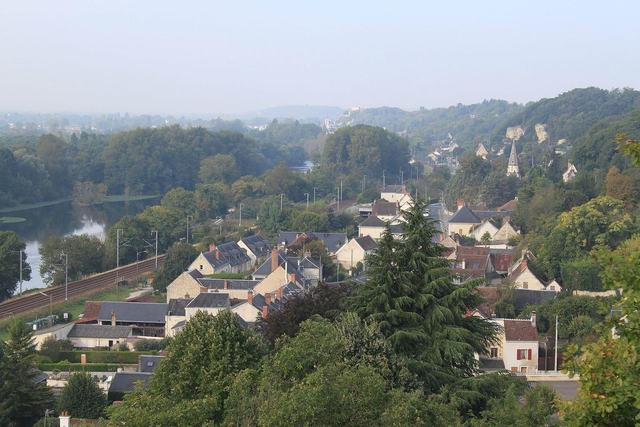
La Cave des Roches Le Champignon
The mushroom cave: 50 metres underground, discovery of the only cave in the world that entirely grows, in their natural atmosphere, the various gourmet mushrooms such as the blue-foot, shiitake, oyster mushroom, etc. More than 100 tonnes of mushrooms are produced each…
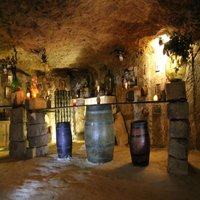
Troglo Degusto
Come and live an unexpected experience in the heart of a unique troglodyte site!
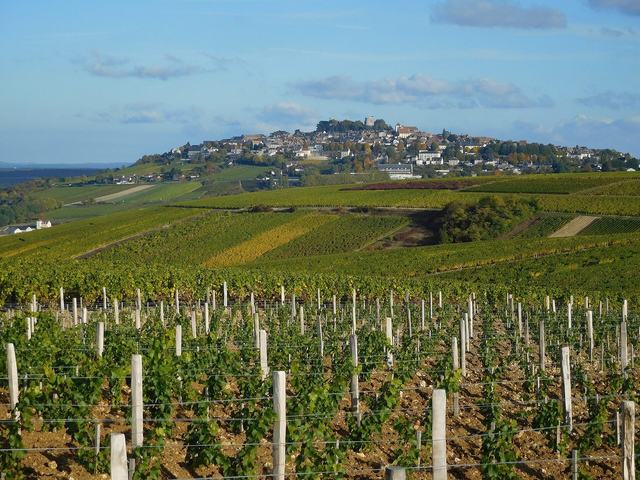
Sancerre
Village perched on top of a hill overlooking the Loire, capital of a vineyard renowned for its dry white wines made from sauvignon.
Nature and wide open spaces
The region offers gentle landscapes, well suited to walking. The Loire and its islands, the Sologne forest and the Brenne ponds are birdwatching spots. The Source du Loiret and the Grottes de Savonnières are curiosities. Remarkable trees are worth finding: Le Gros Chêne et les 5 Frères, Hêtre Buffaut-Chêne Mollevau.
Gardens are numerous: Villandry and its gardens, Les Jardins d'Orsan, Arboretum National des Barres, Jardin des plantes d'Orléans, Le jardin d'Orchaise. The ZooParc de Beauval and the Réserve zoologique de la Haute Touche are two large wildlife parks.
Bodies of water, such as the Les Etangs du Grand-Brun, are good for walks and fishing. For all outings, spring and autumn are best.
- For gardens, spring and early summer are the loveliest times.
- In ponds and forests, bring insect repellent.
- Book ahead for ZooParc de Beauval in summer.
ZooParc de Beauval
4,000 animals over 22 hectares, one of the most extraordinary zoos in Europe! Exceptional animals: okapis, koalas, white lions and tigers, manatees... and more surprises for 2006.

Source du Loiret
One of the major curiosities of the Orléans Parc Floral. It is a resurgence of the Loire after waters circulate deep underground over 14 km in the Beauce limestone.
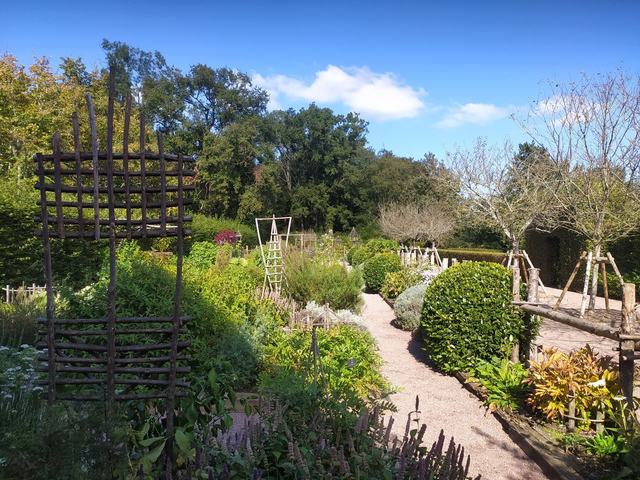
Les Jardins d'Orsan
The gardens of the Notre-Dame d'Orsan priory are gardens of medieval monastic inspiration in the heart of the Orsan priory, a Fontevrist priory founded in the twelfth century by Robert d'Arbrissel, in the commune of Maisonnais, in the Cher département, in France.
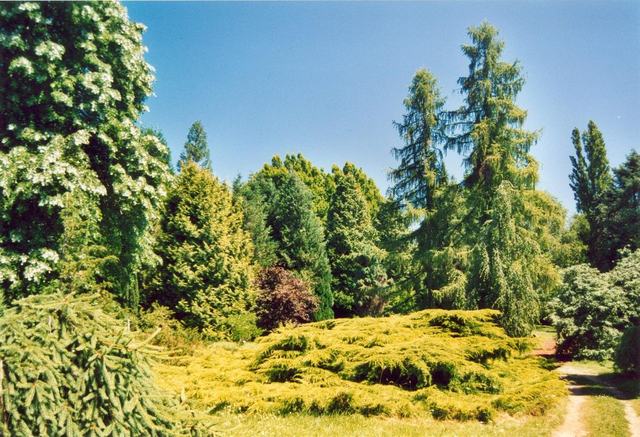
Arboretum National des Barres
A former nineteenth-century property of the Vilmorin family, the Arboretum national des Barres has been enriched over the years thanks to the discoveries of famous botanists, and now gathers one of the richest collections of trees and shrubs from the five continents.
When to go and how to plan
Spring and autumn are the best times: gardens in flower, soft light, fewer visitors. Summer is high season, with heavy crowds at the great castles. Winter is quiet, but some sites have reduced hours.
A car is the most practical way to link the castles. Tours, Blois, Orléans, Bourges and Chartres are well served by train, and the Loire à Vélo is a major cycle route. The towns are explored on foot.
A four- to five-day trip can combine three areas: Touraine around Tours, Blois and Chambord, and Chartres or Orléans. If you have more time, add the Berry and the Sologne.
- Start early to avoid the crowds at the great castles.
- Alternate castles, gardens and towns for variety.
- Book accommodation in advance in summer.
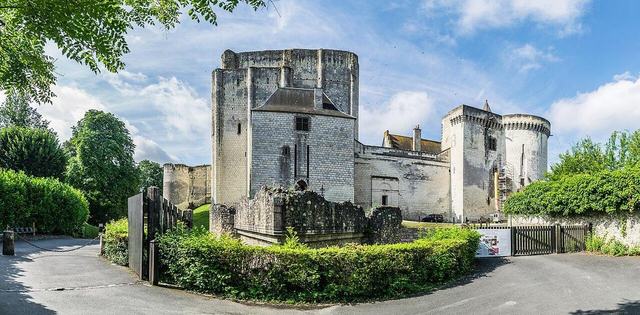
Château de Loches
The Château de Loches is one of the most representative cases of the evolution of feudal architecture.
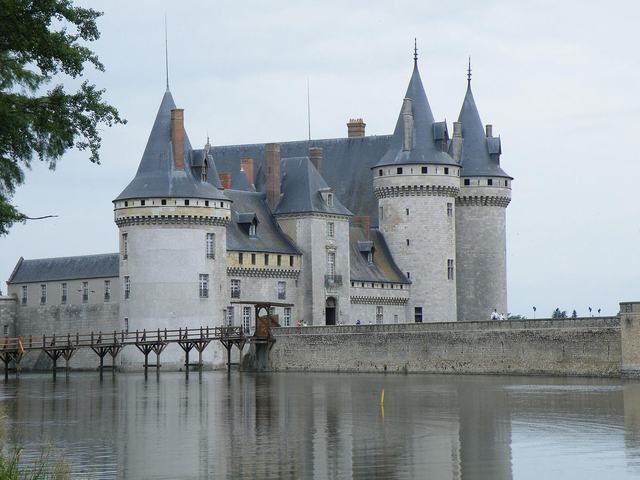
Château de Sully-sur-Loire
The château de Sully-sur-Loire, with its high towers and deep moats, is a superb example of a medieval fortress.
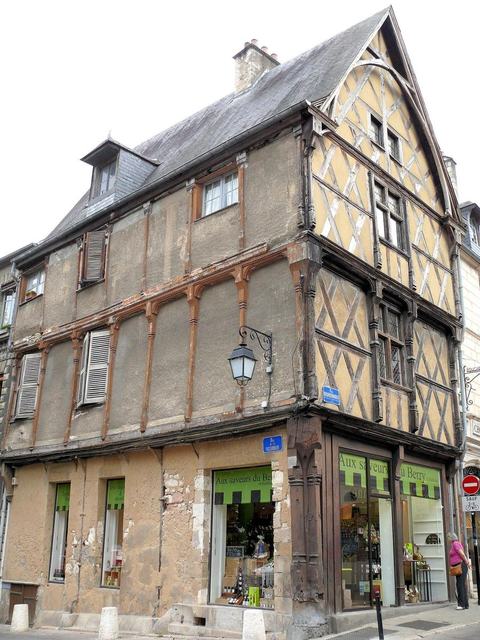
Bourges
Prefecture of the Cher with a rich medieval and Renaissance heritage, dominated by its UNESCO-listed Gothic cathedral and its marshes district.

Orléans
Prefecture of the Loiret liberated by Joan of Arc in 1429, whose street named after her leads straight to the cathedral of Sainte-Croix.
Going further
Find all the sites of the region on the page Centre-Val de Loire, or explore a département: