Caves · Indre-et-Loire
1 Grottes de Savonnières
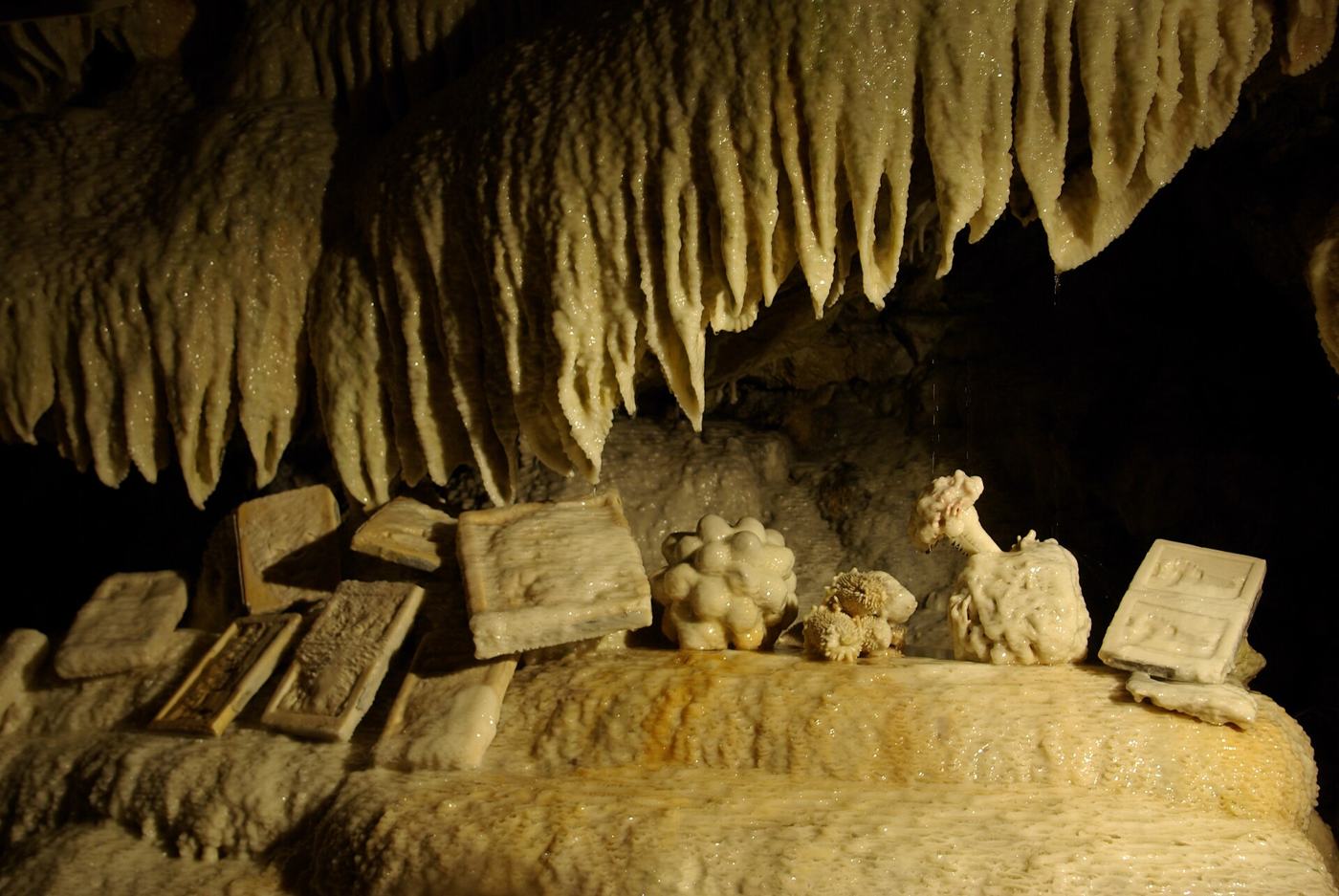
A natural curiosity, pointed out by Bernard Palissy in 1547.
View full page →Indre-et-Loire is the heart of the Loire castles: Chenonceau, Azay-le-Rideau, Villandry, Amboise, Loches and Chinon. You will also find gardens, troglodyte cellars and vineyards.
This itinerary spreads the best-rated sites in the catalogue over three days.
The map shows the numbered stops in visiting order, with one colour per day. The line follows the roads where available; otherwise it joins the stops as the crow flies. Distances and times are approximate (by car, without traffic).
This day brings together 5 sites close to each other: caves, museums and towns and cities. It passes through Tours. Allow half an hour to an hour and a half per site, plus travel time.
Driving for the day: about 70.0 km, or 1 h 28 behind the wheel in total (excluding visits).
A natural curiosity, pointed out by Bernard Palissy in 1547.
View full page →↓ 15.8 km · about 22 min by car to the next stop
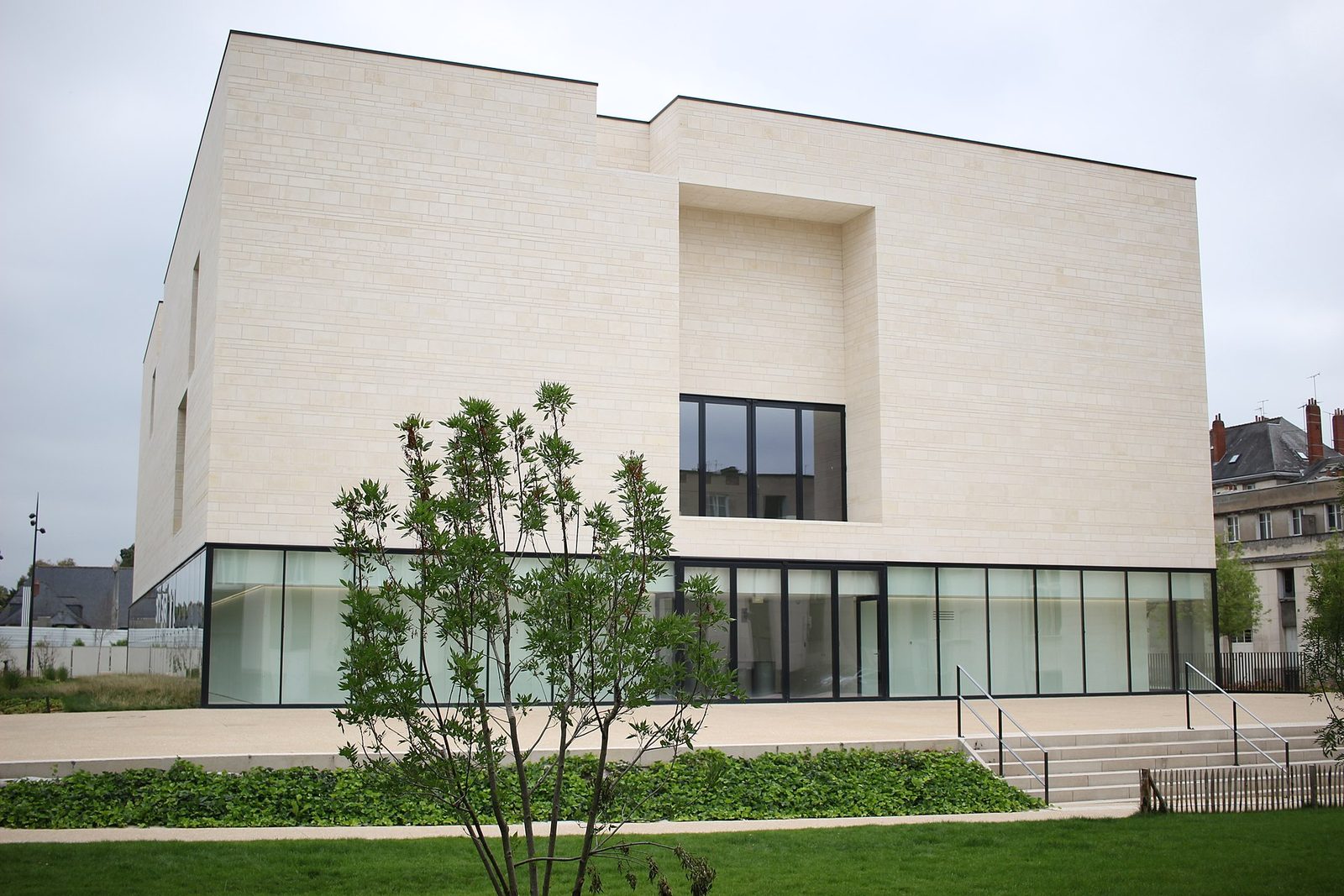
The main art centre in the Centre-Val de Loire region, the Contemporary Creation Centre of Tours now incorporates a historic collection of the painter Olivier Debré.
View full page →↓ 1.2 km · about 4 min by car to the next stop
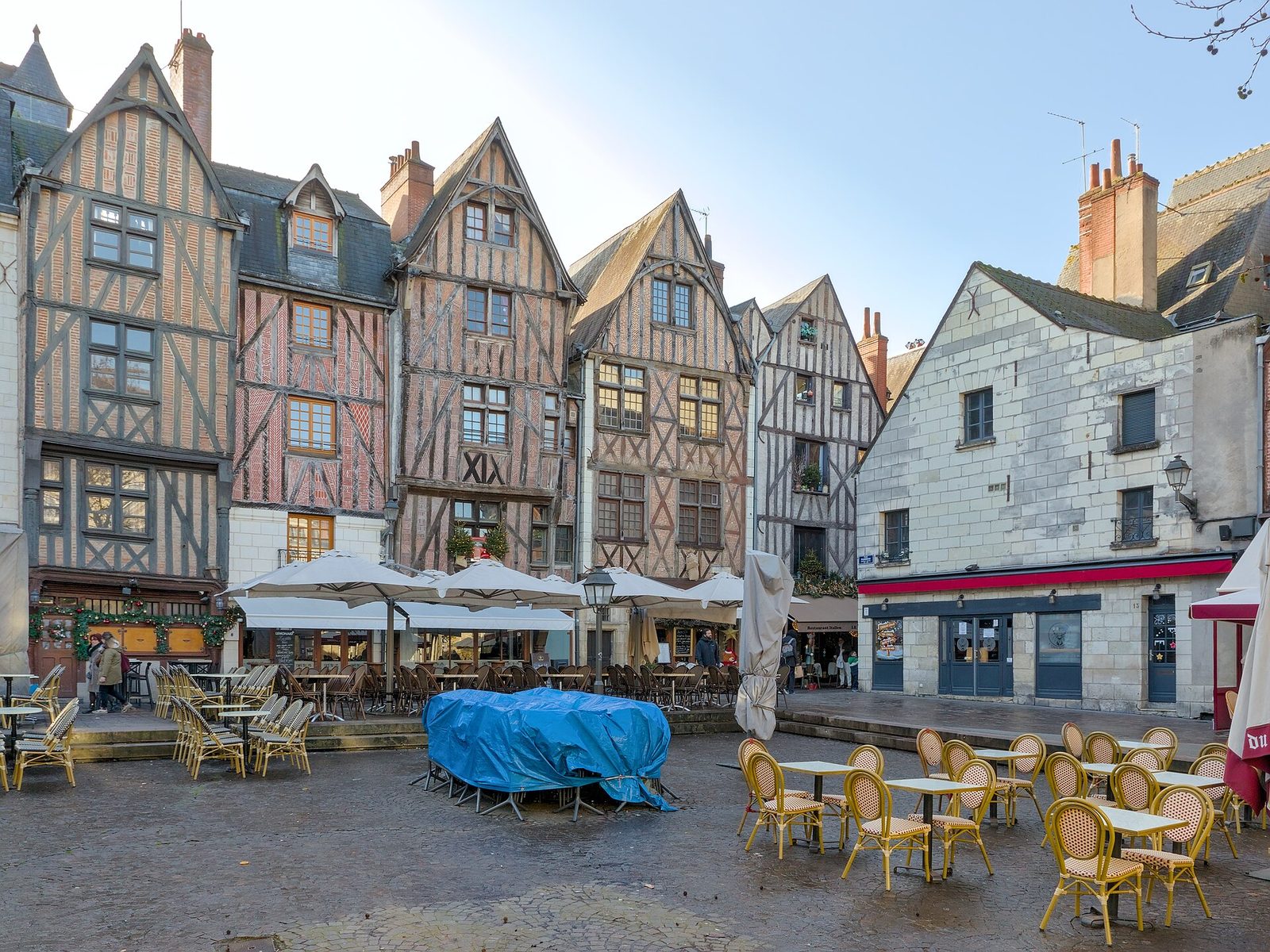
Capital of Touraine at the confluence of the Loire and the Cher, whose medieval quarter enlivens Place Plumereau, ringed with half-timbered houses.
View full page →↓ 25.8 km · about 30 min by car to the next stop
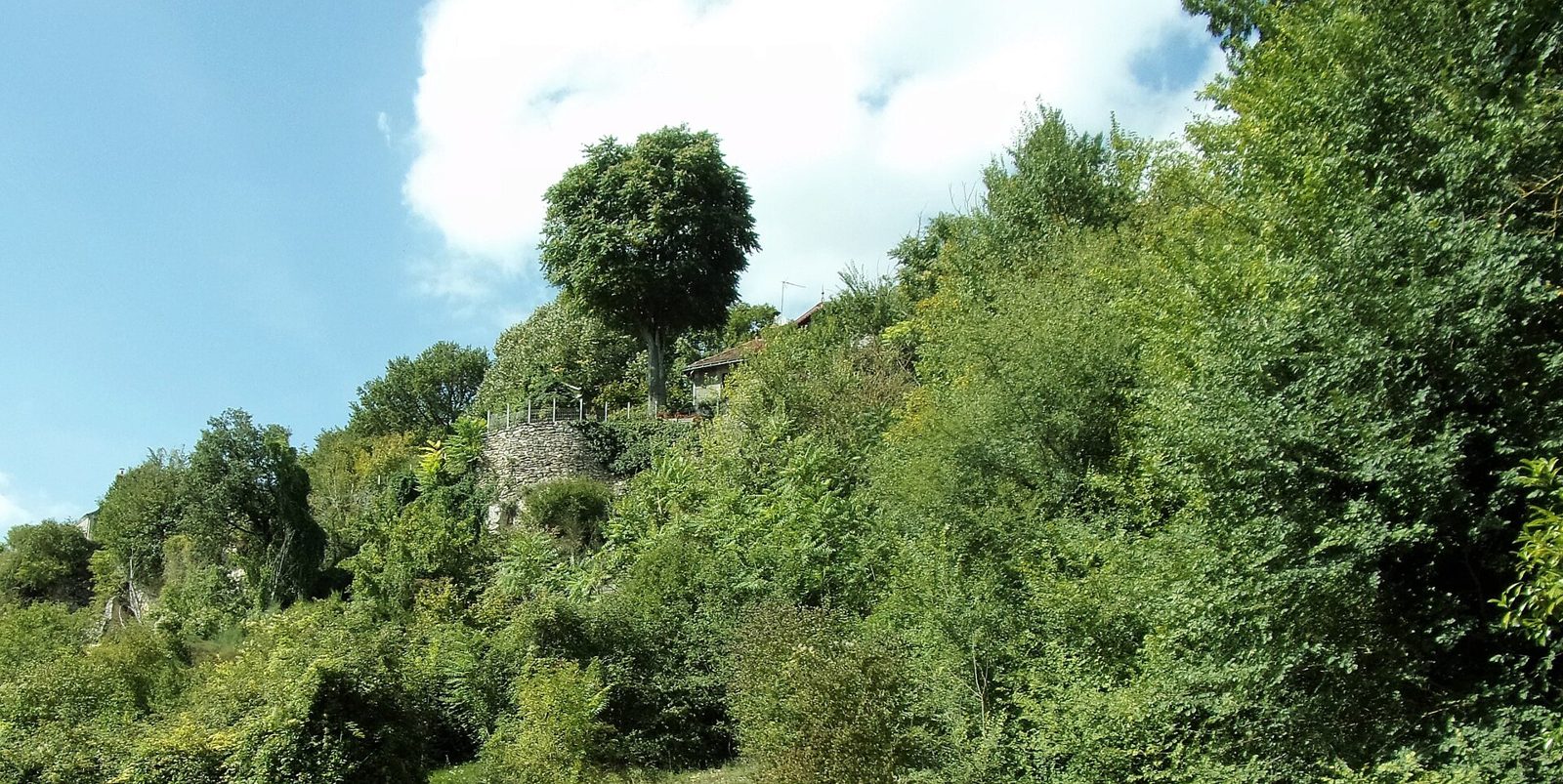
On the banks of the Indre, you will discover the admirable immaculate rocks of Courçay and the pure waters of the Doué. You can also reach the Doué resurgence, which scatters its limpid waters into a basin.
View full page →↓ 27.2 km · about 32 min by car to the next stop
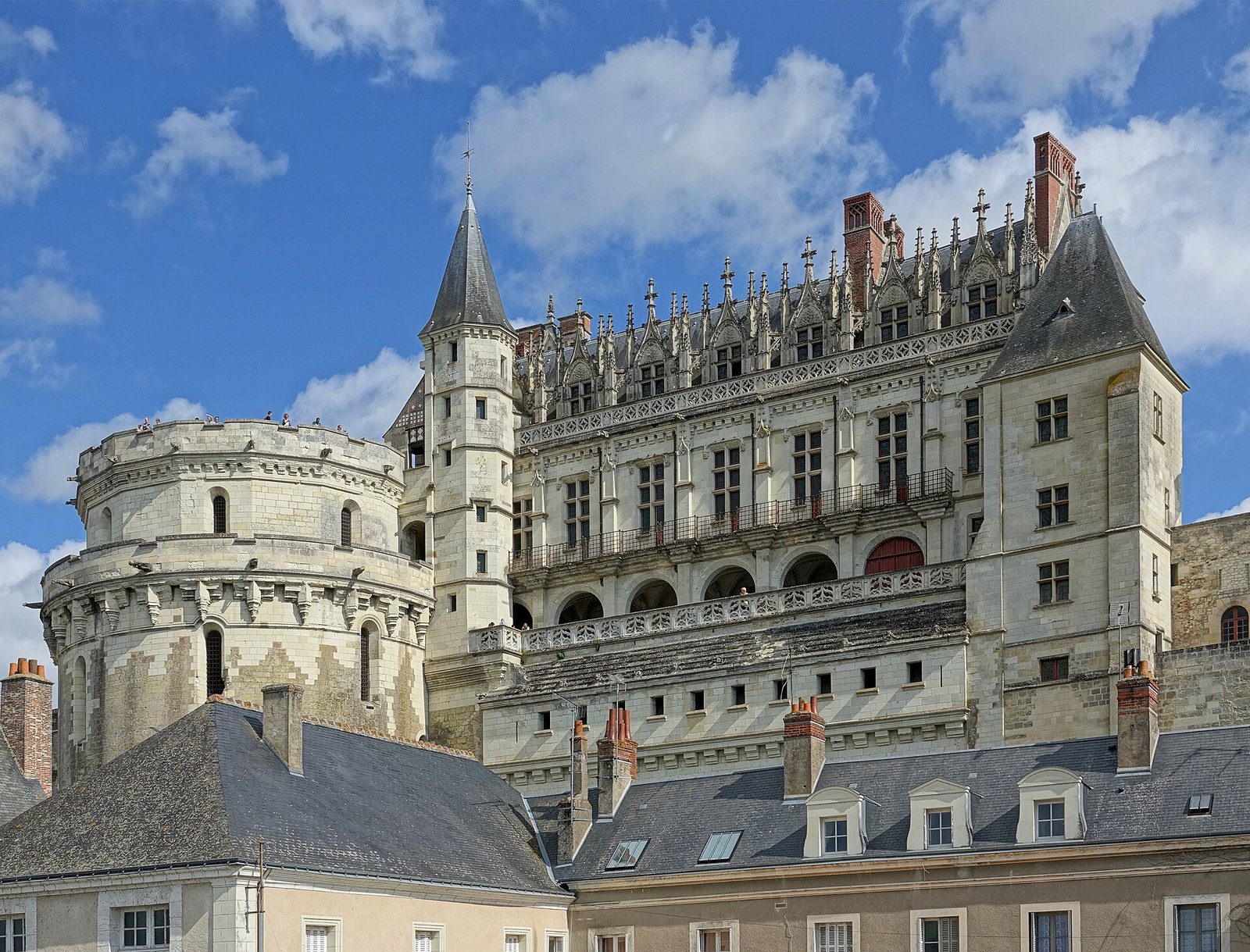
The Château d'Amboise rises above the Loire. One of the most visited monuments in France, on a par with the castles of Chambord, Blois, Chenonceau and Azay-le-Rideau.
View full page →This day brings together 3 sites close to each other: castles and villages. Allow half an hour to an hour and a half per site, plus travel time.
Driving for the day: about 50.0 km, or 1 h 07 behind the wheel in total (excluding visits).
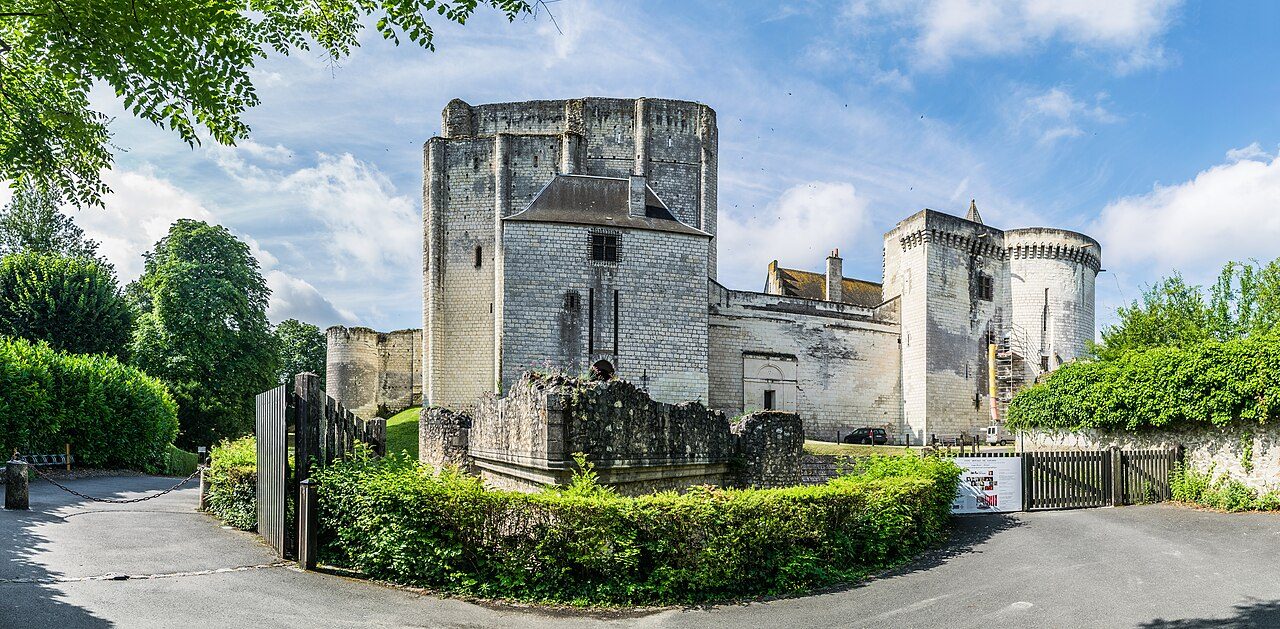
The Château de Loches is one of the most representative cases of the evolution of feudal architecture.
View full page →↓ 19.5 km · about 22 min by car to the next stop
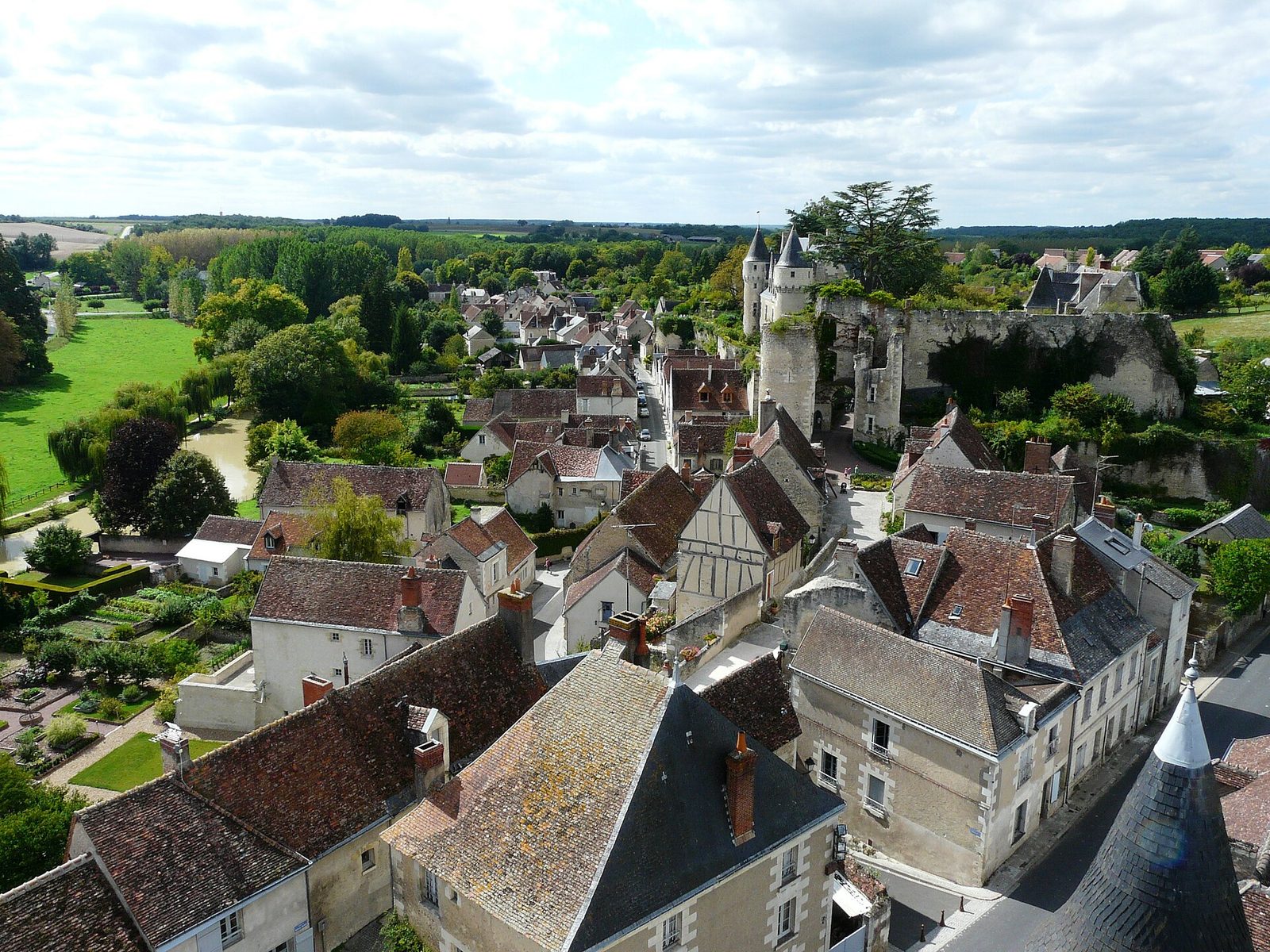
Standing on the banks of the Indrois, Montrésor seems to have stayed apart from all modernisation.
View full page →↓ 30.6 km · about 45 min by car to the next stop
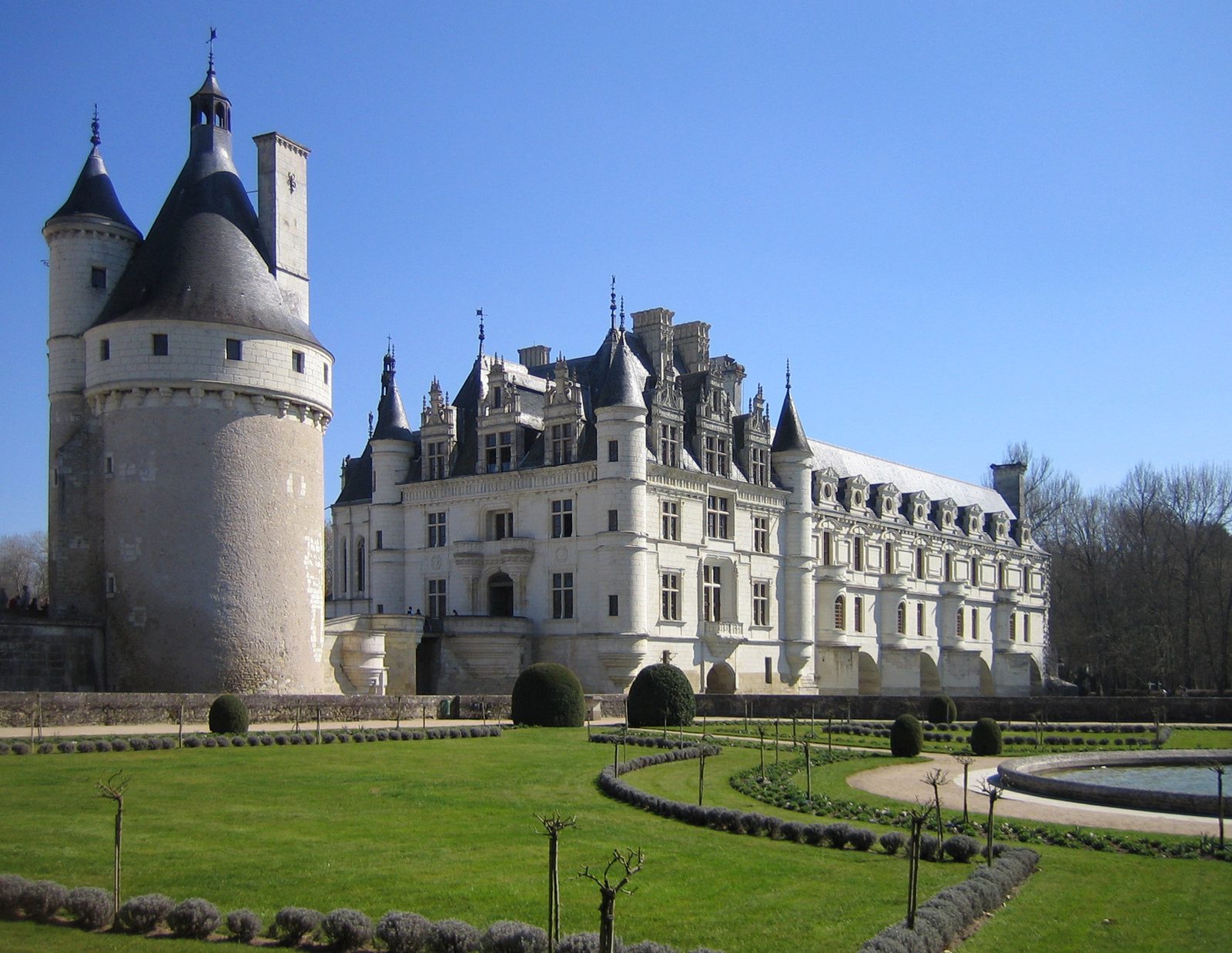
In the heart of the Loire valley, Chenonceau is the most visited private castle in the world. The present castle was built from 1513 to 1521 by Thomas Bohier, receiver of finances under Charles VIII, Louis XII and Francis I.
View full page →This day brings together 4 sites close to each other: villages and castles. It passes through Chinon. Allow half an hour to an hour and a half per site, plus travel time.
Driving for the day: about 55.3 km, or 1 h 18 behind the wheel in total (excluding visits).
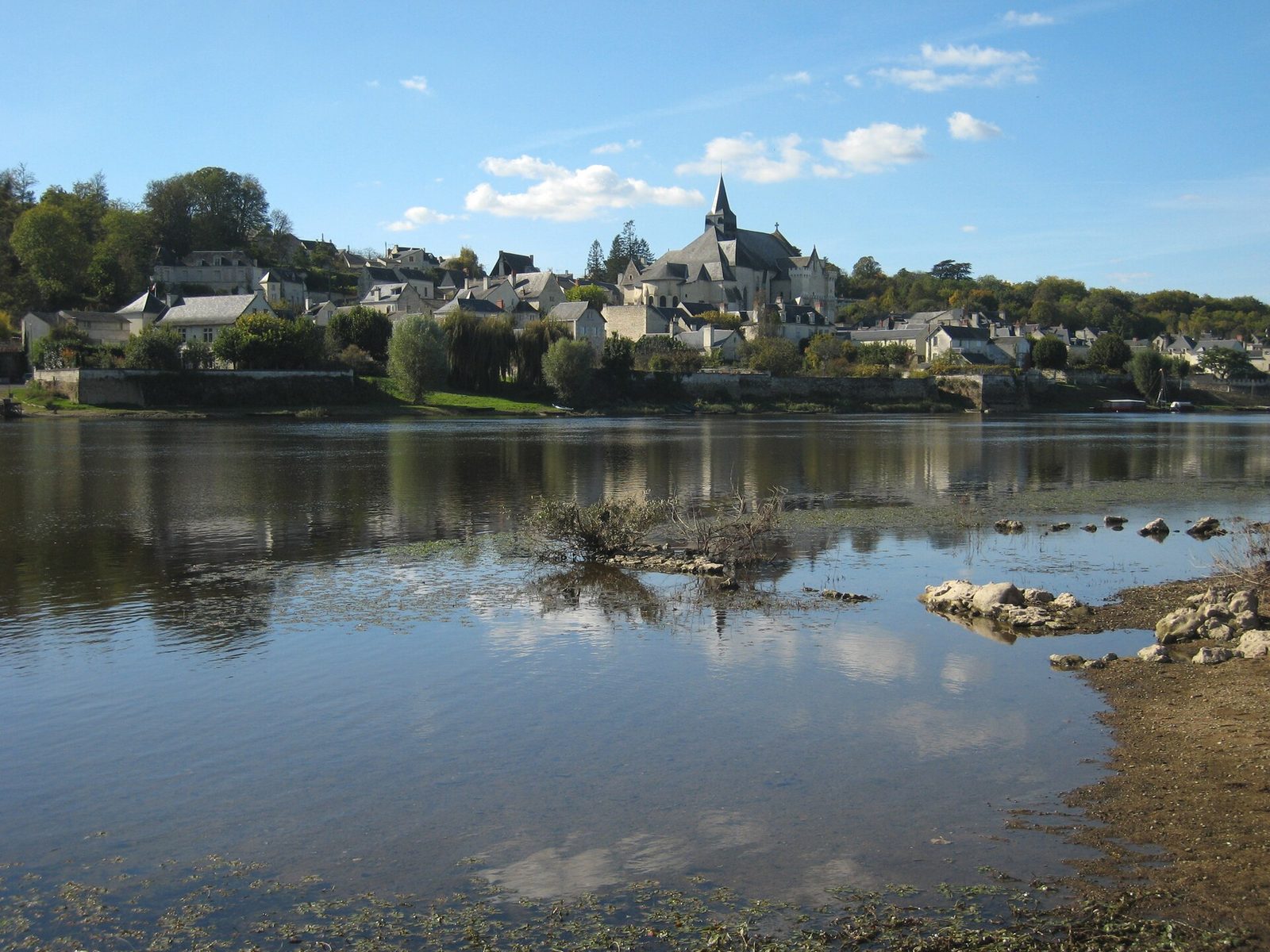
In Gaulish "candate" means confluence, and it is at the meeting place of the Vienne and the Loire that the village settled.
View full page →↓ 17.3 km · about 21 min by car to the next stop
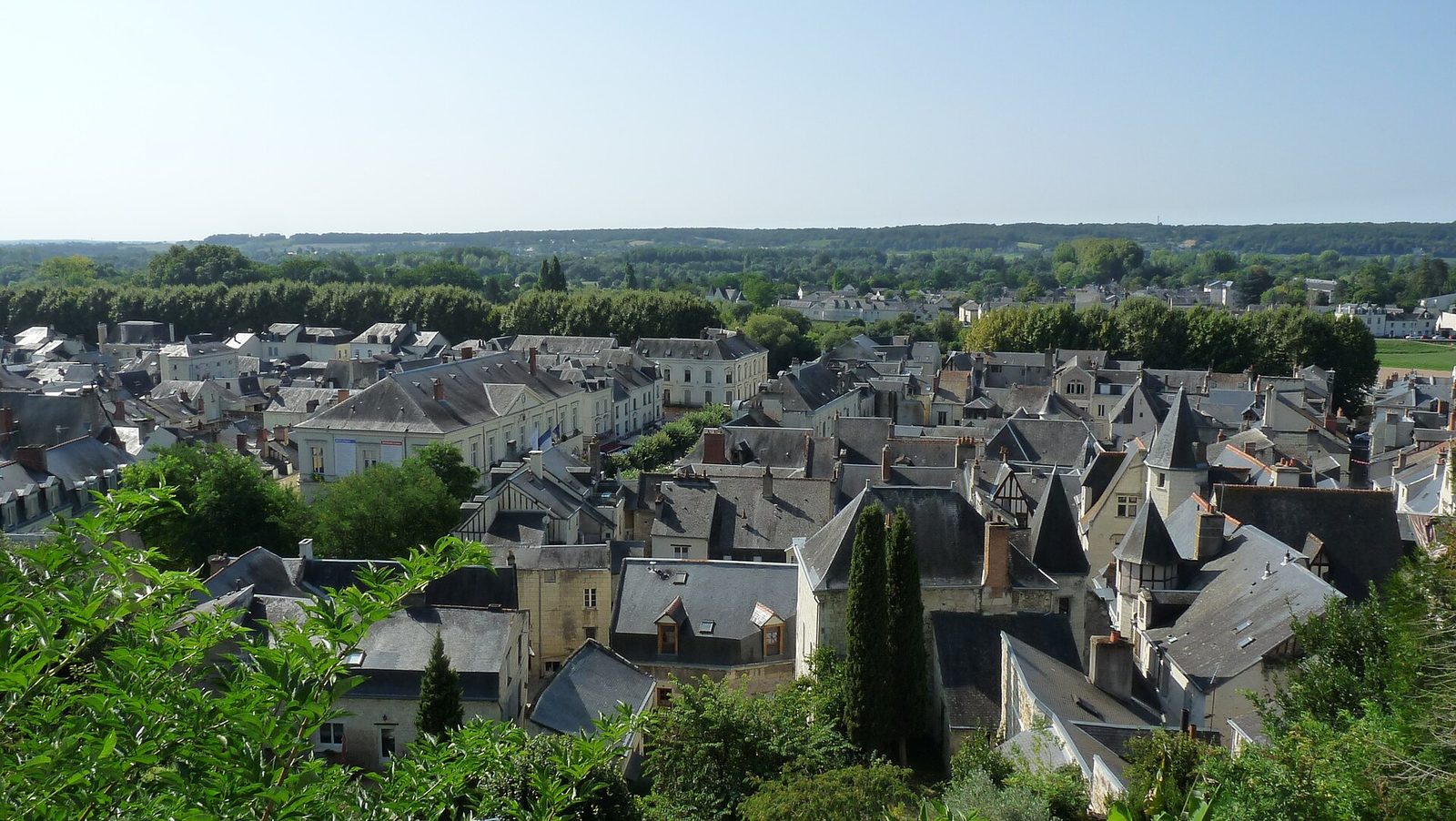
A medieval town on the banks of the Vienne, dominated by the imposing royal fortress where Joan of Arc recognised Charles VII, surrounded by a renowned vineyard.
View full page →↓ 12.4 km · about 21 min by car to the next stop
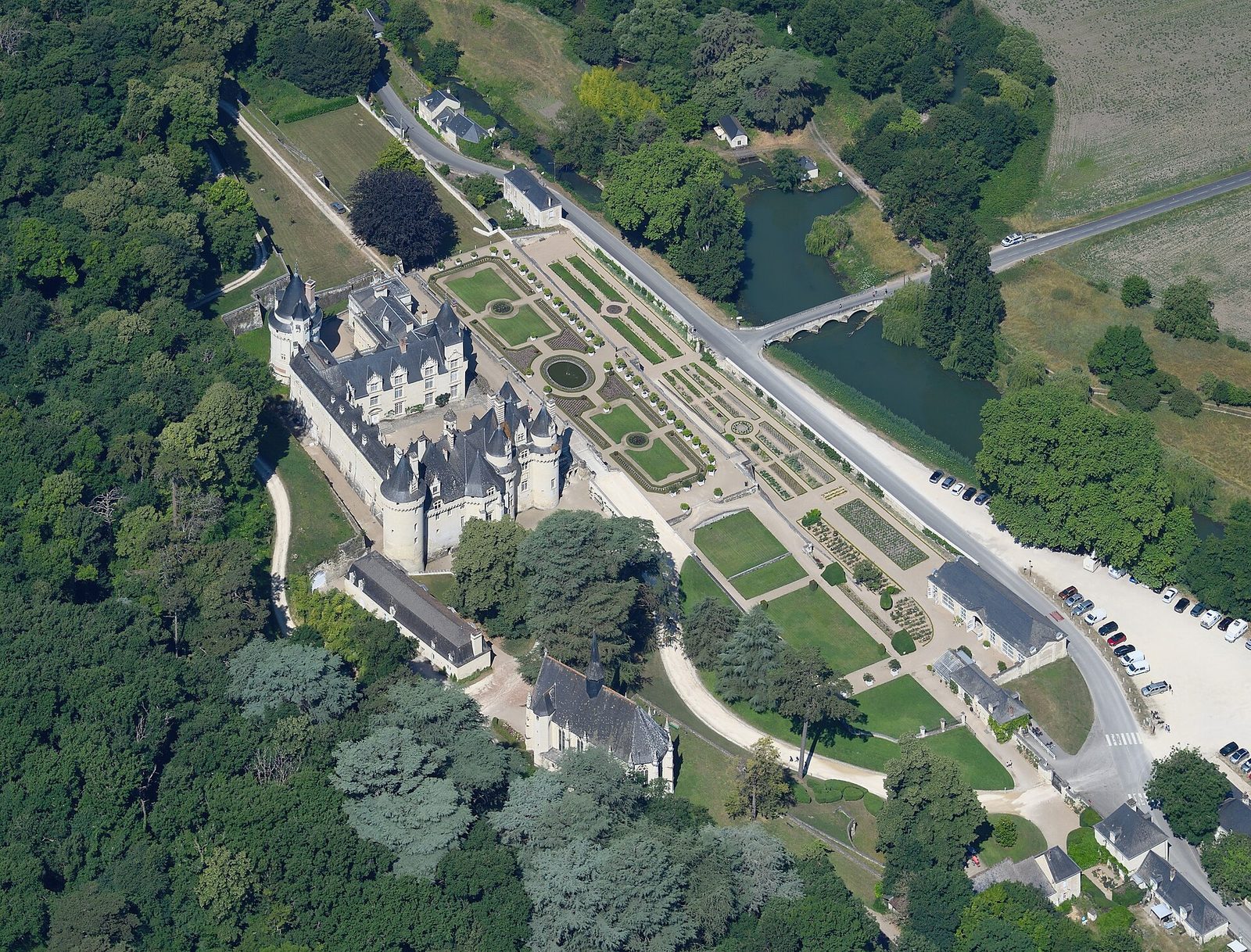
The Château d'Ussé overlooks the Indre. It is built halfway up the slope, on the south side of the valley.
View full page →↓ 25.6 km · about 36 min by car to the next stop
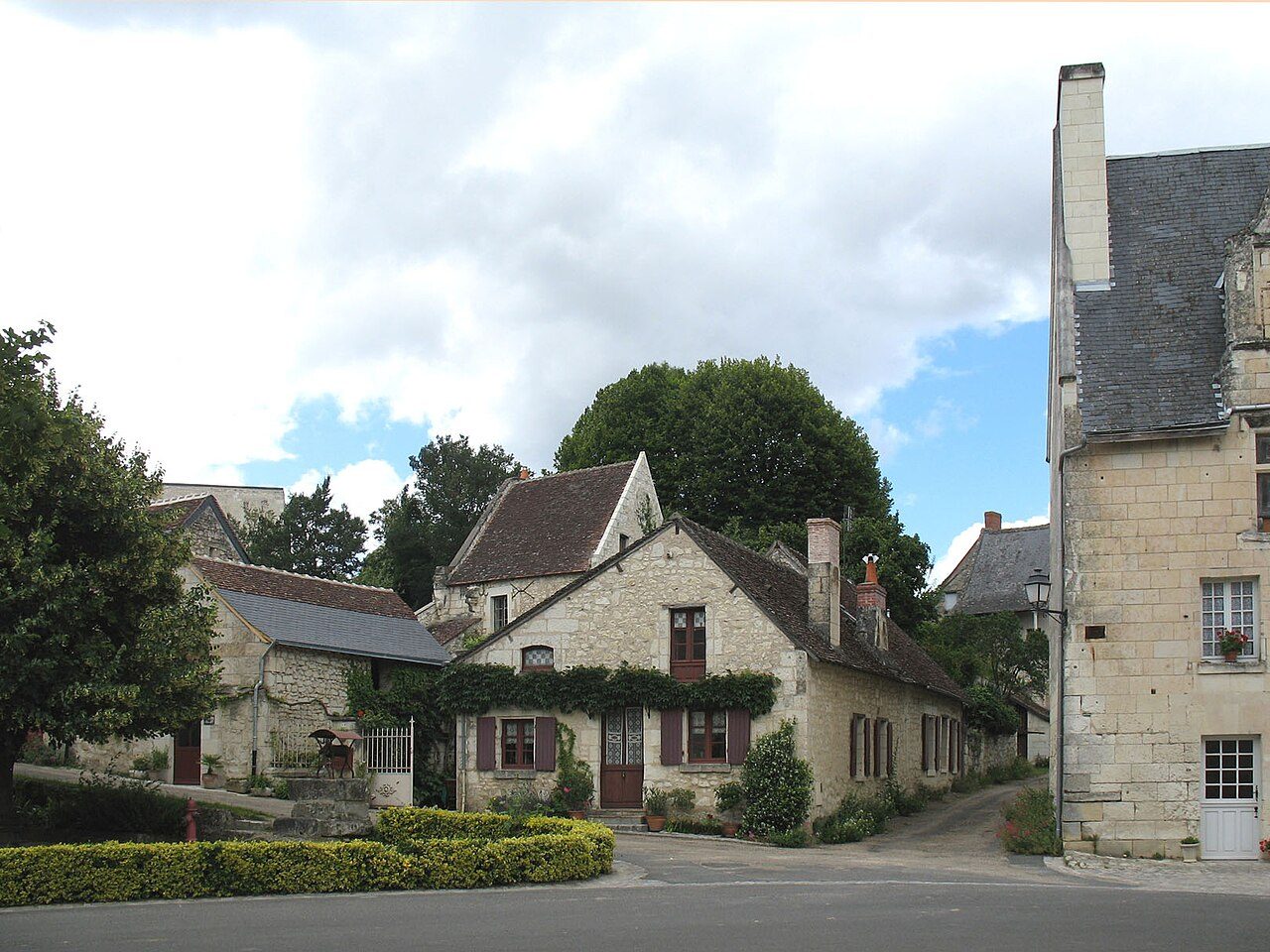
Located in the heart of Touraine, in the picturesque Manse valley, the village of Crissay is full of charm.
View full page →Spring and autumn are ideal: gardens in flower, soft light. Summer is very busy, especially at the best-known castles. Winter is quiet, but some sites are closed.
A car is practical for linking the castles. Tours is served by train, and cycling is pleasant along the Loire. In summer, start early to avoid the crowds.
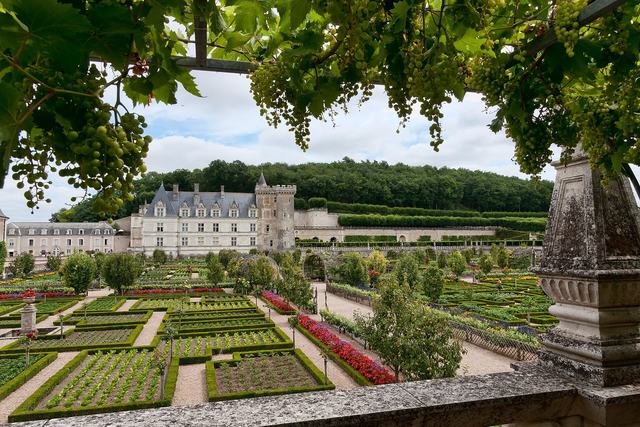
Villandry, completed around 1536, is the last of the great Loire castles built in the Renaissance in the Loire Valley. Villandry was built by a finance minister of Francis I, Jean le Breton.
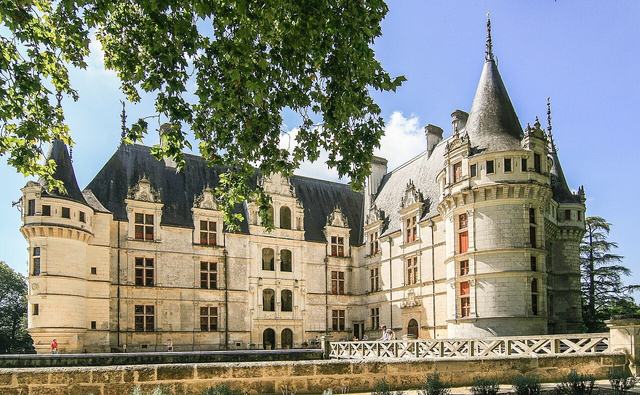
Located in Touraine, it belongs to the prestigious line of Loire Valley châteaux.
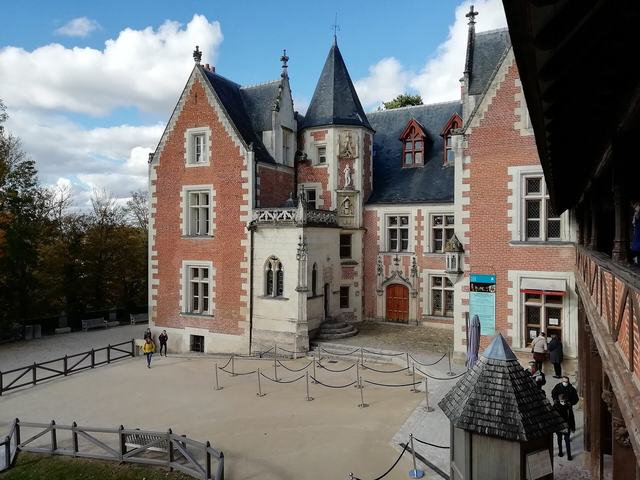
The château du Clos Lucé, formerly called the manor of Cloux or the Clos, is a residence in the town centre of Amboise in the heart of the Loire Valley.

In Touraine, on the banks of the Loire, the château de Langeais dates from the late Middle Ages with its wall-walk, drawbridge and imposing towers.
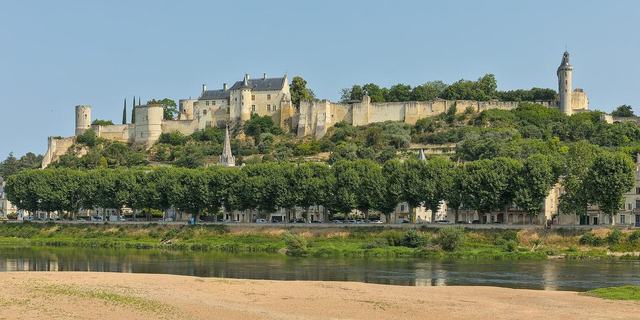
Overlooking the town, the fortress built by the count of Blois, Theobald I, evokes the time when the histories of France and England were intimately intertwined: the Court of Henry II Plantagenet and Eleanor of Aquitaine settled there in the twelfth century.
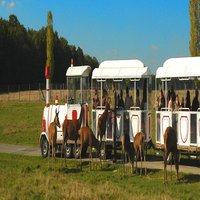
Themed wildlife park: "Big game raised in France". Aboard a safari train you will discover all this big game raised in semi-freedom: the stag and its hinds, wild boar, fallow deer, ostriches, bison.