Photo : Troubat Clémentine / Wikimedia Commons (CC BY-SA 4.0)
Château de Valençay
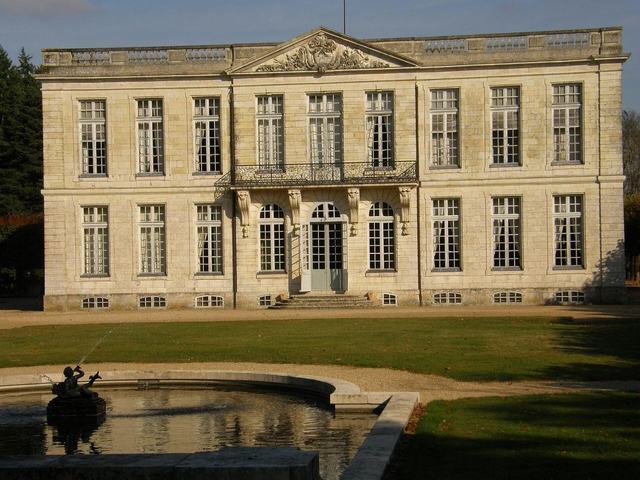
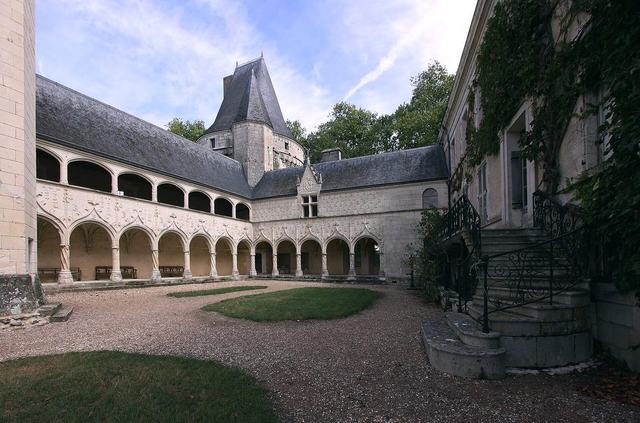
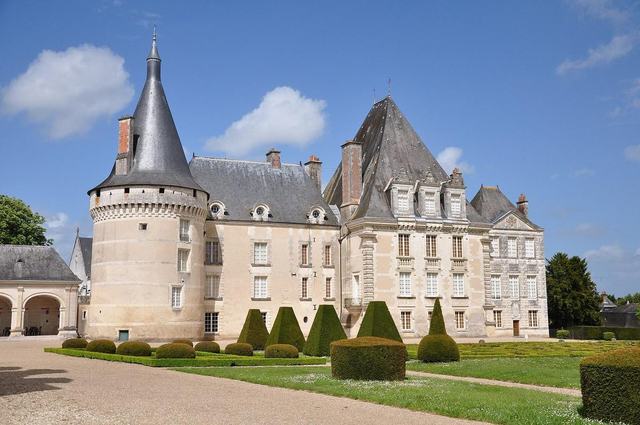
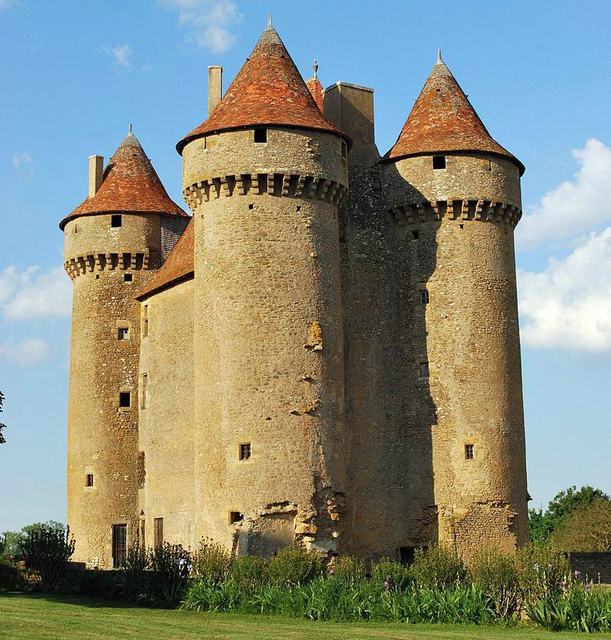
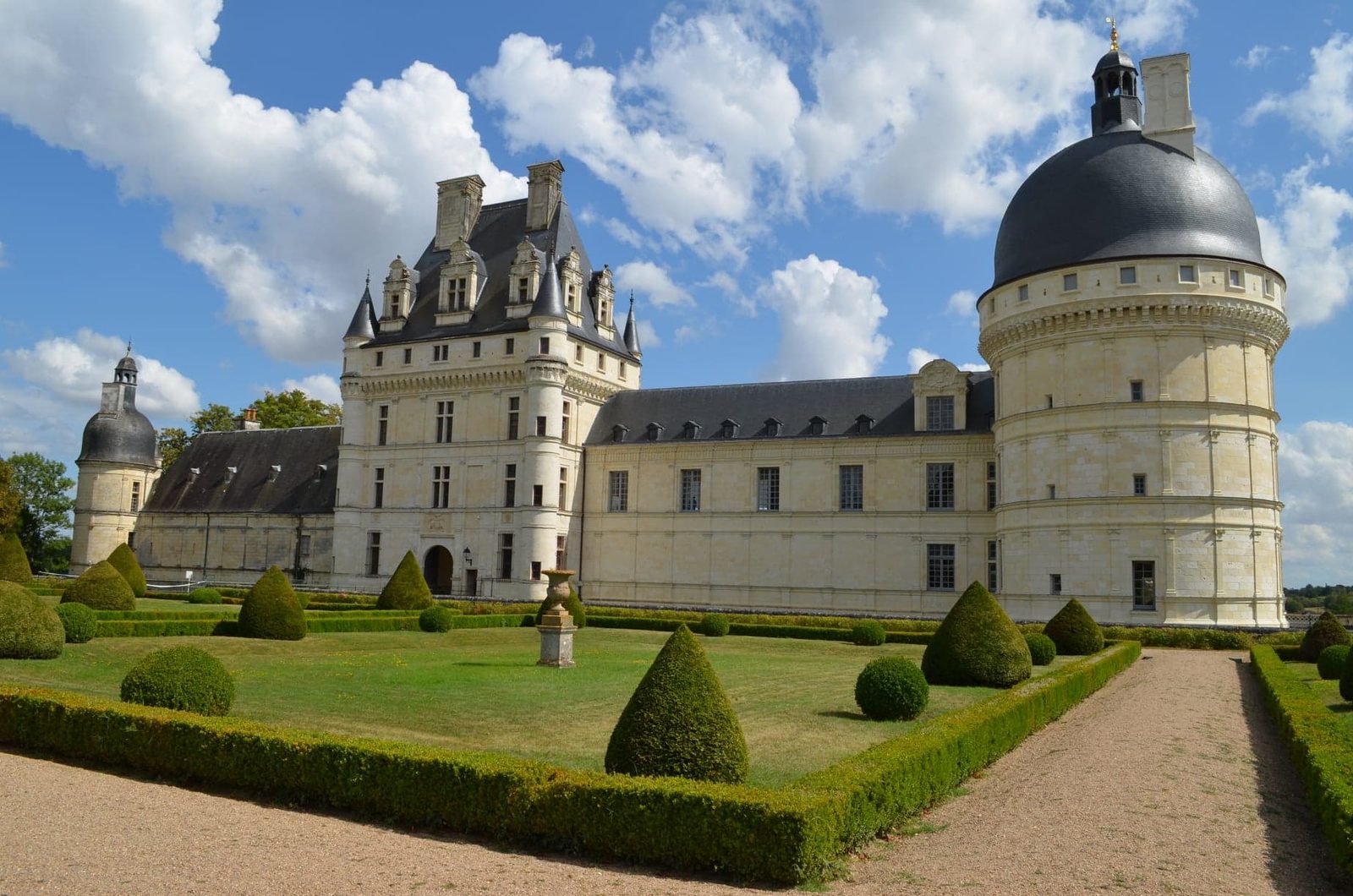
The Château de Valençay, in the Indre, was transformed into a Renaissance residence from the 1520s on an older fortified site. The d'Estampes family owned it from 1451 to 1747. In 1803, Charles-Maurice de Talleyrand bought it for 1.6 million francs, at Napoleon's suggestion, in order to receive prestigious guests there.
The façade superimposes the classical orders on pilasters: Doric on the ground floor, Ionic on the first floor, Corinthian on the second. A gallery 80 metres long runs along the first level. The castle is linked to the history of Spain: after the abdication of Bayonne in 1808, King Ferdinand VII, his brother Don Carlos and their uncle were held there until December 1813, the date of the Treaty of Valençay, which restored Ferdinand to his throne.
Talleyrand was mayor there and financed a silk mill, a school and charitable works. During the Second World War, the castle sheltered masterpieces from the Louvre, including the Winged Victory of Samothrace and the Venus de Milo. It is surrounded by 40 hectares of gardens and park. Visiting conditions can be found on the official website.