Discovering the Loire Valley: a practical guide
The Loire Valley is the land of castles, historic towns and vineyards, along a river that has stayed wild. The sights are close together, so they are easy to link up.
This practical guide helps you choose your stops and organise your trip. Underlined site names link to their detailed pages.
The Loire Valley in a few minutes
The Loire Valley follows the river from east to west: Loiret with Orléans, Loir-et-Cher with Blois, Indre-et-Loire with Tours and Chinon, and Maine-et-Loire with Saumur and Angers. Further south, Cher and Indre offer Bourges, Sancerre and Argenton-sur-Creuse.
Distances are short: from Blois to Tours it is less than an hour by road. The climate is mild, with a light that is especially lovely in spring and autumn.
- Pick a town as your base: Tours, Blois or Angers.
- Do not plan more than two castles a day.
- Trains connect Orléans, Blois, Tours and Angers well.

Blois
Prefecture of Loir-et-Cher tiered on the hillsides overlooking the Loire, whose royal castle sums up several centuries of French architecture on its own.

Tours
Capital of Touraine at the confluence of the Loire and the Cher, whose medieval quarter enlivens Place Plumereau, ringed with half-timbered houses.

Angers
Former capital of Anjou dominated by its fortified castle with seventeen towers, whose old town preserves superb half-timbered houses.
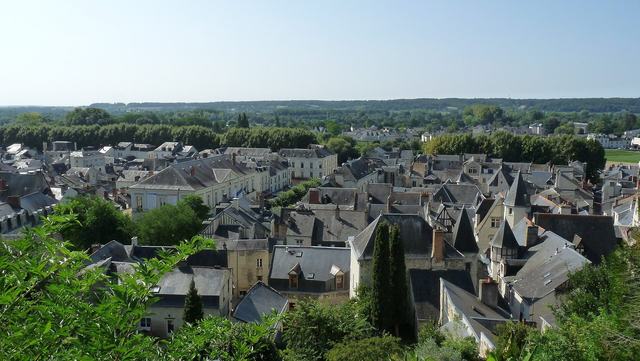
Chinon
A medieval town on the banks of the Vienne, dominated by the imposing royal fortress where Joan of Arc recognised Charles VII, surrounded by a renowned vineyard.
Culture, history and heritage
The castles are the great attraction: Château de Chambord, Château de Chenonceau, Château d'Amboise, Château de Cheverny, Château de Villandry, Château d'Ussé, Château de Blois, Château de Loches, Château de Valençay, Château de Beauregard, Château de Brissac, Château de Serrant. Each has its own style, from medieval fortress to Renaissance palace.
In Angers, Le château d'Angers houses a famous tapestry. Château de Saumur overlooks the town, and Abbaye Royale Fontevraud is one of the largest monastic complexes in Europe. The Château-Musée de Montsoreau presents contemporary art.
For other visits, try the Musée de la Cavalerie in Saumur, the Château-musée de Gien and the Centre de création contemporaine Olivier Debré in Tours.
- Book ahead for Chambord and Chenonceau in summer.
- Vary your visits: alternate castles, towns and nature.
- The Villandry gardens are best seen in season.
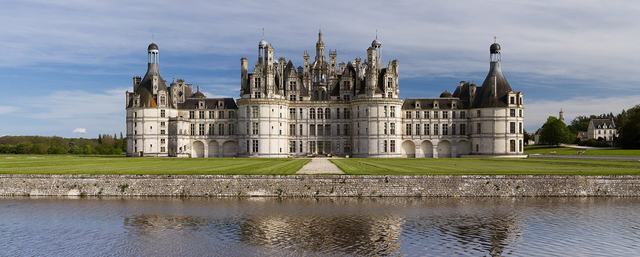
Château de Chambord
Chambord, which measures 156 m by 117 m and has 440 rooms, is the largest of the Loire castles.
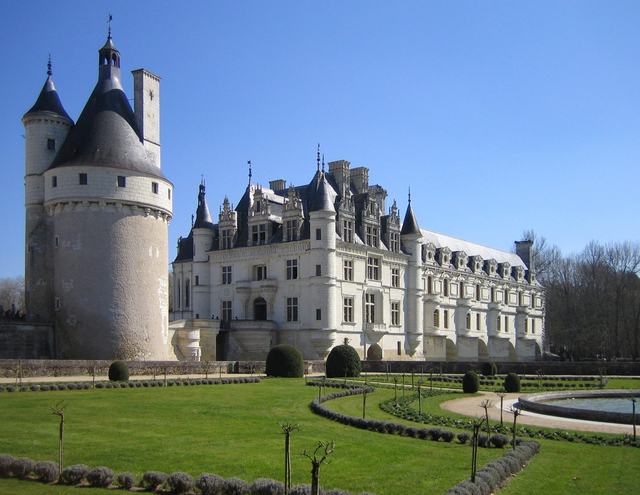
Château de Chenonceau
In the heart of the Loire valley, Chenonceau is the most visited private castle in the world. The present castle was built from 1513 to 1521 by Thomas Bohier, receiver of finances under Charles VIII, Louis XII and Francis I.

Abbaye Royale Fontevraud
Founded in 1101 by Robert d'Arbrissel, heir to a prestigious past, the Royal Abbey of Fontevraud became in 1975, through the combined impetus of the Pays de la Loire Region and the Ministry of Culture, a Cultural Meeting Centre entrusted with heritage management.
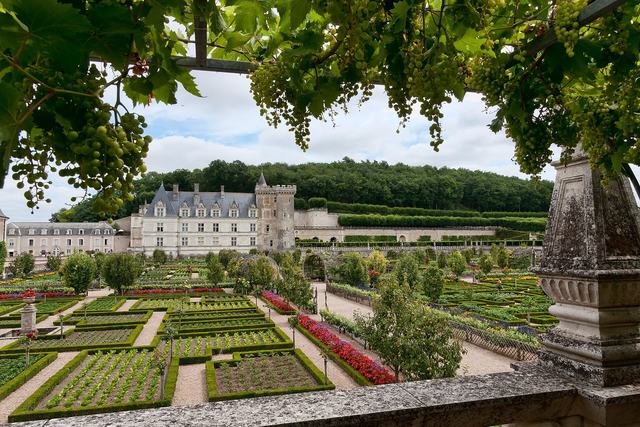
Château de Villandry
Villandry, completed around 1536, is the last of the great Loire castles built in the Renaissance in the Loire Valley. Villandry was built by a finance minister of Francis I, Jean le Breton.
Food and local produce
The Loire is wine country: Sancerre, Vouvray, Chinon, Saumur and Bourgueil. Troglodyte cellars, as at Troglo Degusto or the Musée Troglo, let you taste in an unusual setting.
The cooking is simple: Tours rillettes and rillons, river fish, tarte Tatin, goat's cheeses such as Crottin de Chavignol, dried pears and Saumur mushrooms. The markets of Tours, Angers and Blois are good places to taste.
- Nominate a driver for tastings.
- Try goat's cheese with a local white wine.
- Cellars are often visited by reservation.
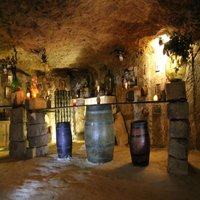
Troglo Degusto
Come and live an unexpected experience in the heart of a unique troglodyte site!

Musée Troglo
The village of Rochemenier is the most complete troglodyte site in the Loire Valley.
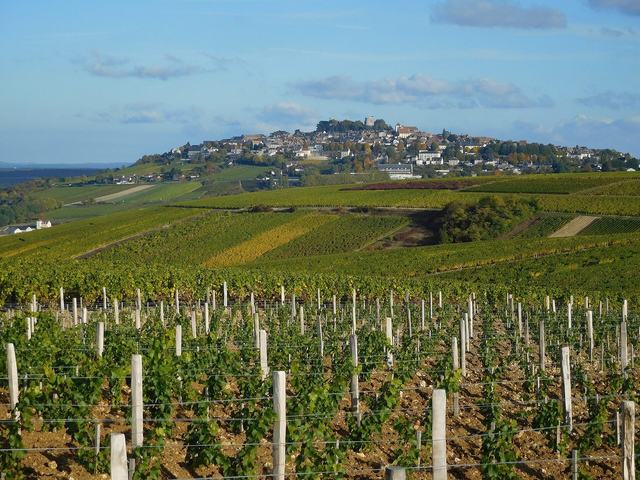
Sancerre
Village perched on top of a hill overlooking the Loire, capital of a vineyard renowned for its dry white wines made from sauvignon.
Nature and wide open spaces
The river is the backbone of the landscape, with its sandbanks and islands. The Les Rochers de Courçay, the Cirque de Courossé and Le Gros Chêne et les 5 Frères are natural curiosities worth discovering. The Grottes de Savonnières are easy to visit.
For children, the ZooParc de Beauval is one of the great zoos of France. The Les Etangs du Grand-Brun and the Jardin des plantes d'Orléans offer quieter walks. Cycling, on the Loire à Vélo route, is the best way to discover the river.
- Rent a bike: the Loire à Vélo is a flat, signposted route.
- Allow a full day for the Beauval zoo.
- Bring insect repellent near the ponds in summer.
ZooParc de Beauval
4,000 animals over 22 hectares, one of the most extraordinary zoos in Europe! Exceptional animals: okapis, koalas, white lions and tigers, manatees... and more surprises for 2006.

Grottes de Savonnières
A natural curiosity, pointed out by Bernard Palissy in 1547.
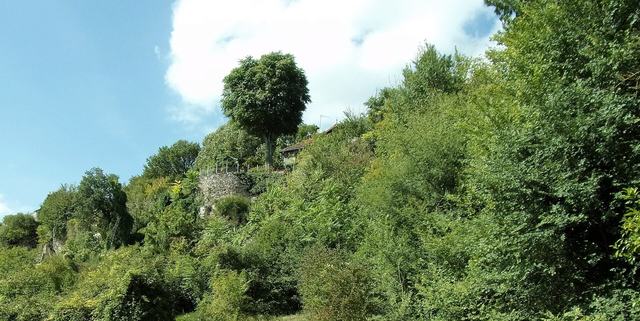
Les Rochers de Courçay
On the banks of the Indre, you will discover the admirable immaculate rocks of Courçay and the pure waters of the Doué. You can also reach the Doué resurgence, which scatters its limpid waters into a basin.
When to go and how to plan
From April to October, gardens and castles are open all day. Spring and autumn are the most pleasant. Summer is busy, but the light is beautiful. Winter is quiet, with shorter opening hours.
A four- to five-day trip lets you combine Blois and its surroundings, Tours and Chinon, then Saumur and Angers. For a weekend, stay around Tours or Blois. A car gives freedom, but trains and bikes are enough for many stops.
- Book accommodation in advance in summer.
- Check opening hours out of season.
- Vary the pace: castle in the morning, walk in the afternoon.

Orléans
Prefecture of the Loiret liberated by Joan of Arc in 1429, whose street named after her leads straight to the cathedral of Sainte-Croix.

Saumur
Town of the French cavalry and sparkling wines, whose white-turreted castle elegantly overlooks the banks of the Loire.
Bourges
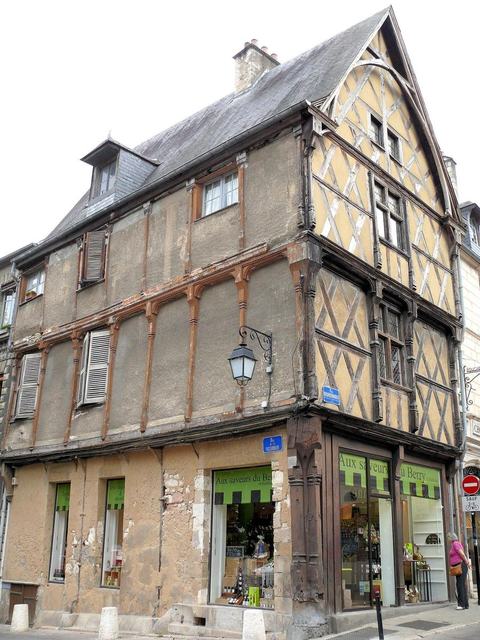
Prefecture of the Cher with a rich medieval and Renaissance heritage, dominated by its UNESCO-listed Gothic cathedral and its marshes district.

Candes-Saint-Martin
In Gaulish "candate" means confluence, and it is at the meeting place of the Vienne and the Loire that the village settled.
Going further
Explore the départements of this area: