Caves · Gard
1 Grotte de la Cocalière
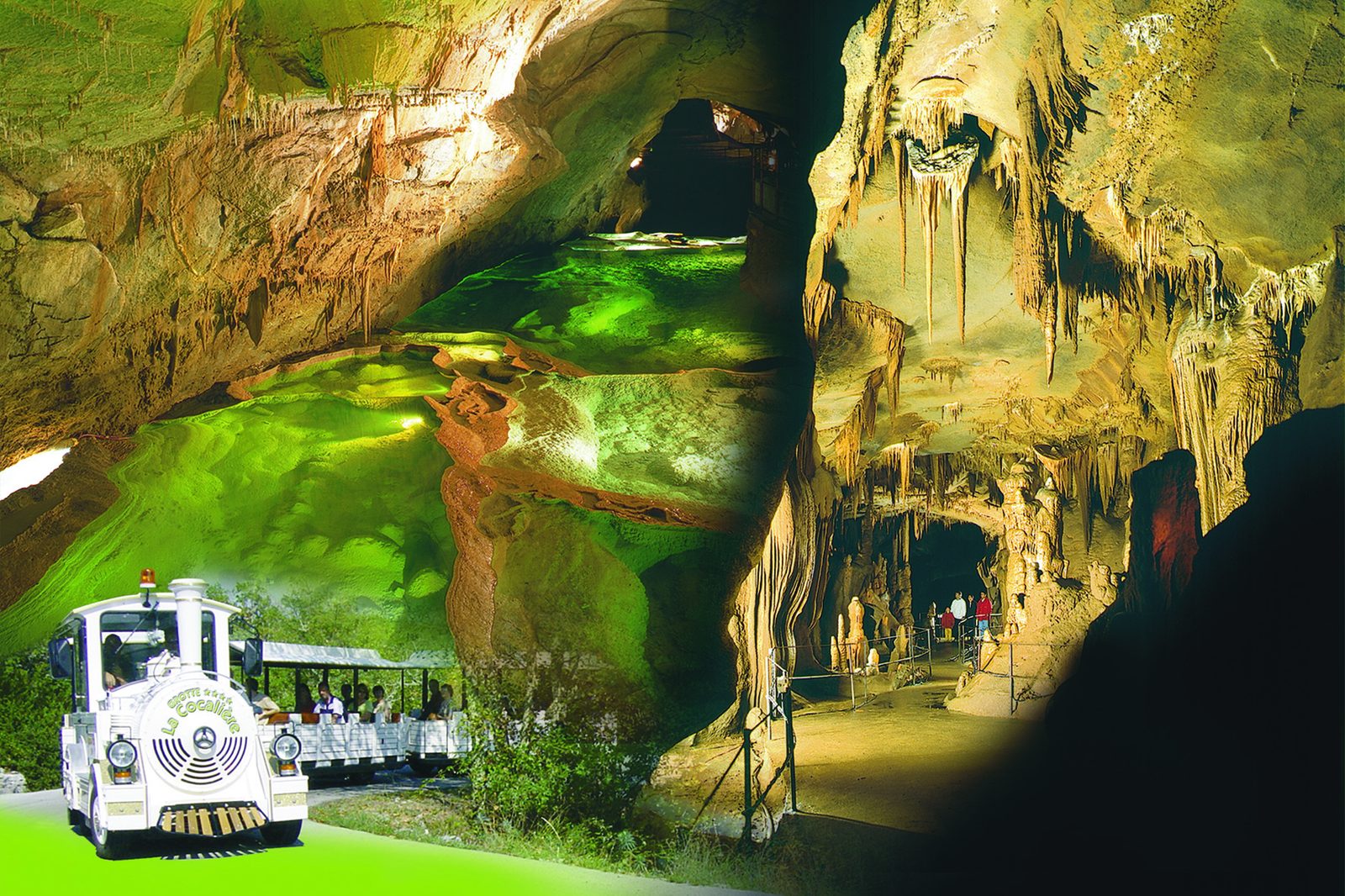
The Cocalière cave, in the commune of Courry in the Gard, stretches out its knotty arms, long endless galleries, to visitors who advance, a little intimidated.
View full page →Gard combines exceptional Roman heritage, the Ardèche and Cèze gorges, the Cévennes and stone villages. Nîmes, the Pont du Gard and Uzès are the big names, but the hinterland holds lovely discoveries.
This itinerary spreads the best-rated sites in the catalogue over three days.
The map shows the numbered stops in visiting order, with one colour per day. The line follows the roads where available; otherwise it joins the stops as the crow flies. Distances and times are approximate (by car, without traffic).
This day brings together 4 sites close to each other: caves, natural wonders and waterfalls. Allow half an hour to an hour and a half per site, plus travel time.
Driving for the day: about 70.5 km, or 2 h 06 behind the wheel in total (excluding visits).
The Cocalière cave, in the commune of Courry in the Gard, stretches out its knotty arms, long endless galleries, to visitors who advance, a little intimidated.
View full page →↓ 29.3 km · about 41 min by car to the next stop
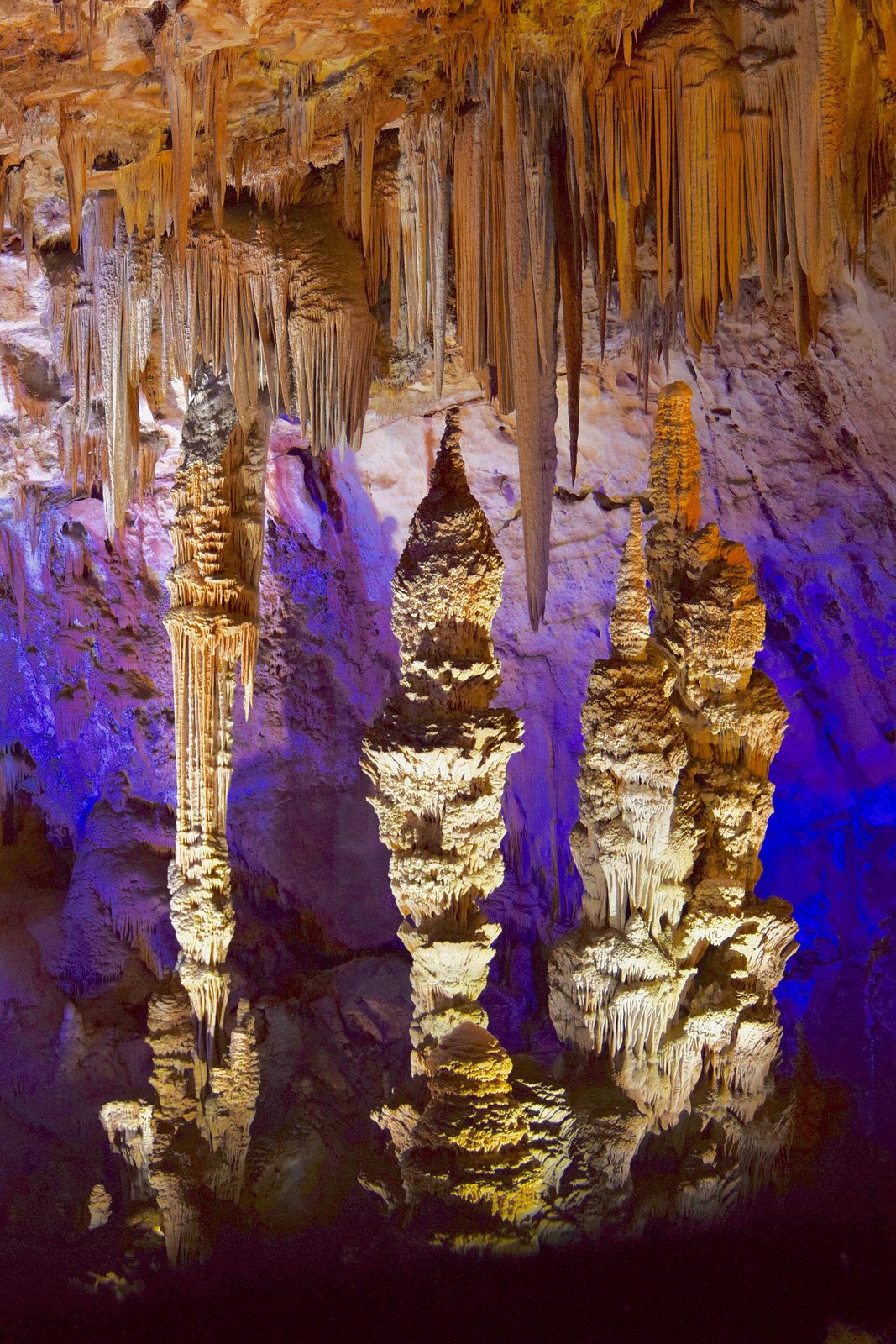
You can discover the site in four ways: the viewpoint with a panoramic view of the cave, the guided tour, the Grand Rappel (50 metres' descent to discover the immense hall from its ceiling) and the Coulisses (two hours of caving adventure in the cave's hidden galleries).
View full page →↓ 21.5 km · about 46 min by car to the next stop
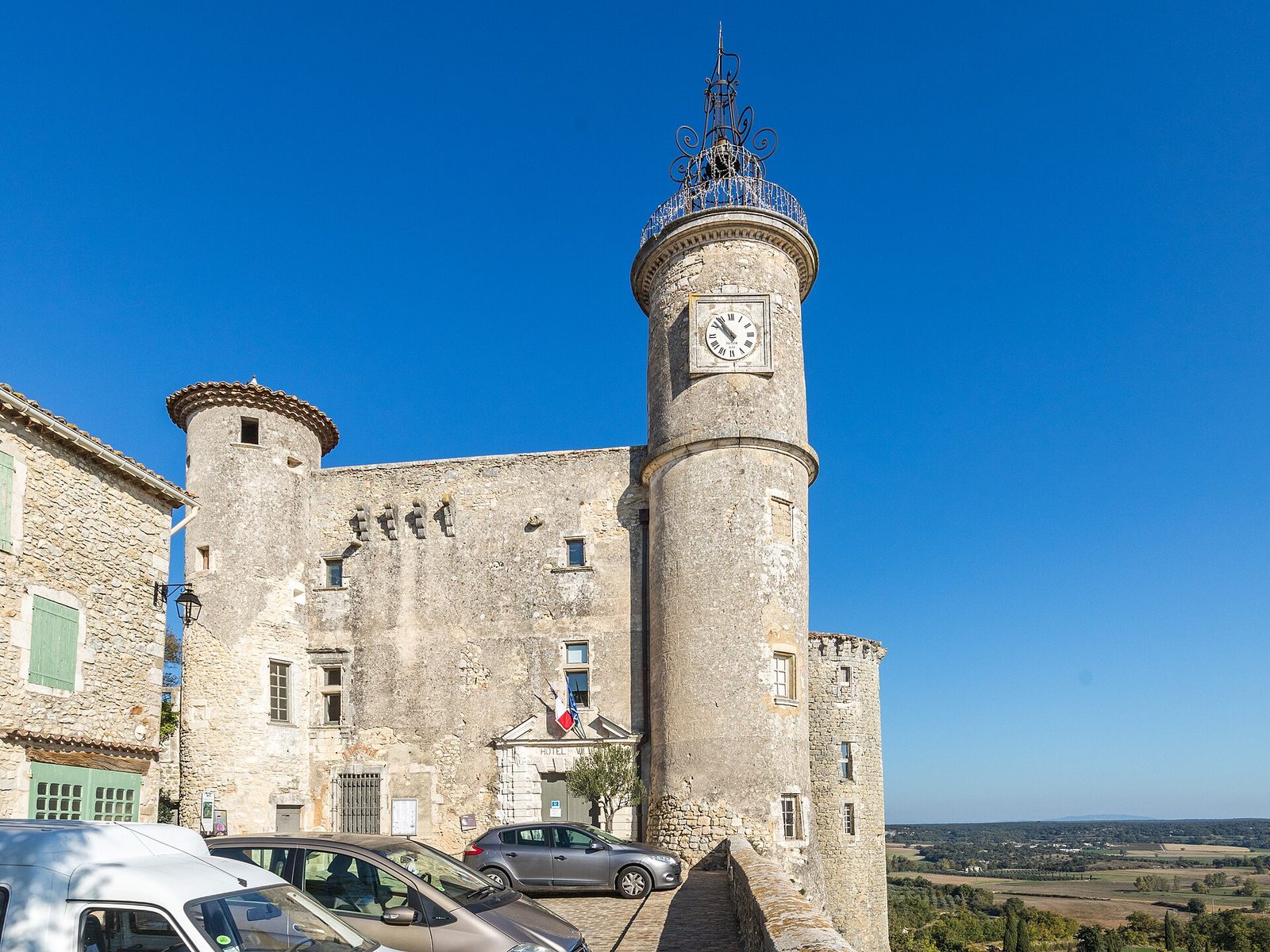
The Aiguillon, a stream dry in summer, has traced in the limestone plateau a rocky defile called "Les Concluses".
View full page →↓ 19.7 km · about 39 min by car to the next stop
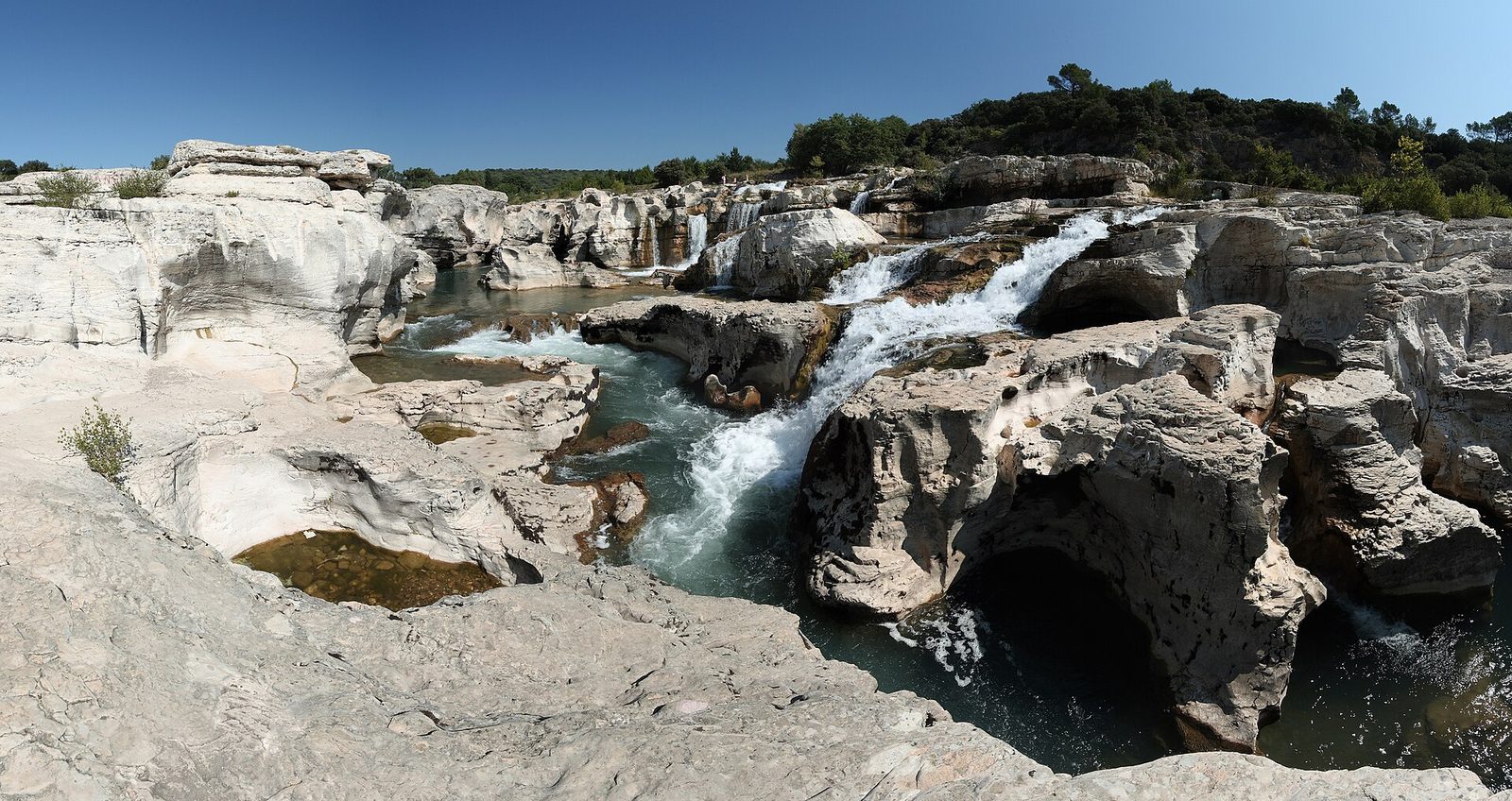
The Cèze has carved channels and cavities that end up joining and forming crevasses into which the river rushes.
View full page →This day brings together 3 sites close to each other: natural wonders and caves. Allow half an hour to an hour and a half per site, plus travel time.
Driving for the day: about 87.8 km, or 2 h 40 behind the wheel in total (excluding visits).
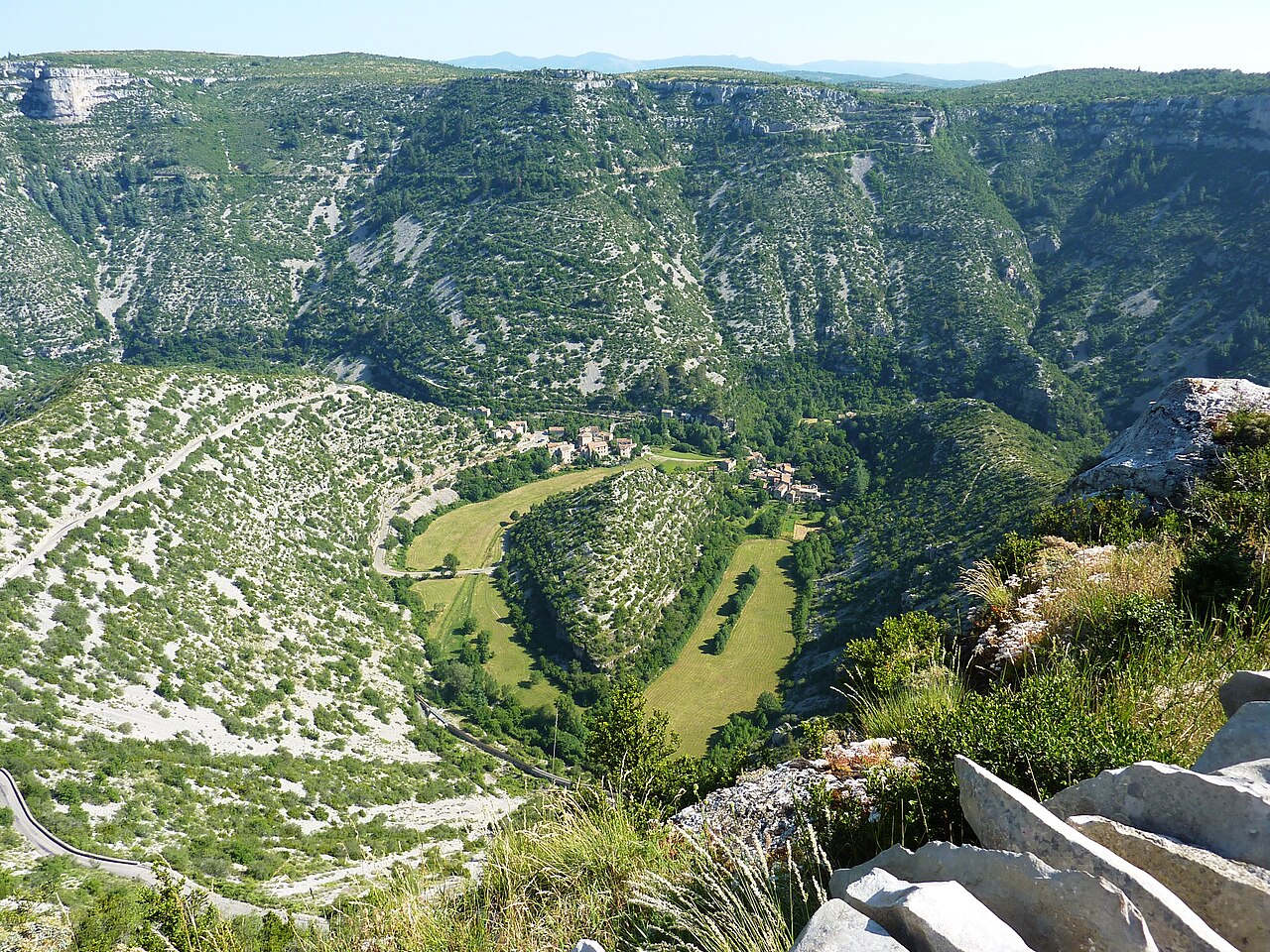
Like other famous sites of the Grands Causses, the Cirque de Navacelles is visited every year by millions of tourists who come to admire the cut of the Vis canyon through the limestones and dolomites of the Causse de Blandas.
View full page →↓ 60.5 km · about 1 h 55 by car to the next stop
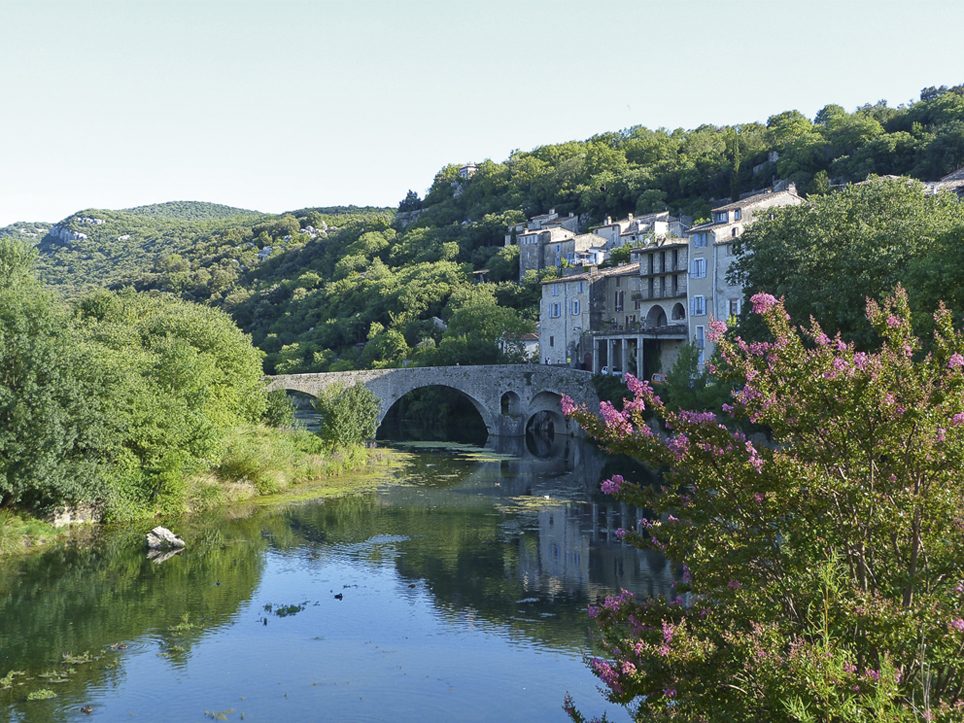
The Mer des Rochers overlooking the medieval town of Sauve, this rocky chaos presents a fairy-tale landscape where vegetation and rocks of astonishing shapes mingle.
View full page →↓ 27.3 km · about 45 min by car to the next stop
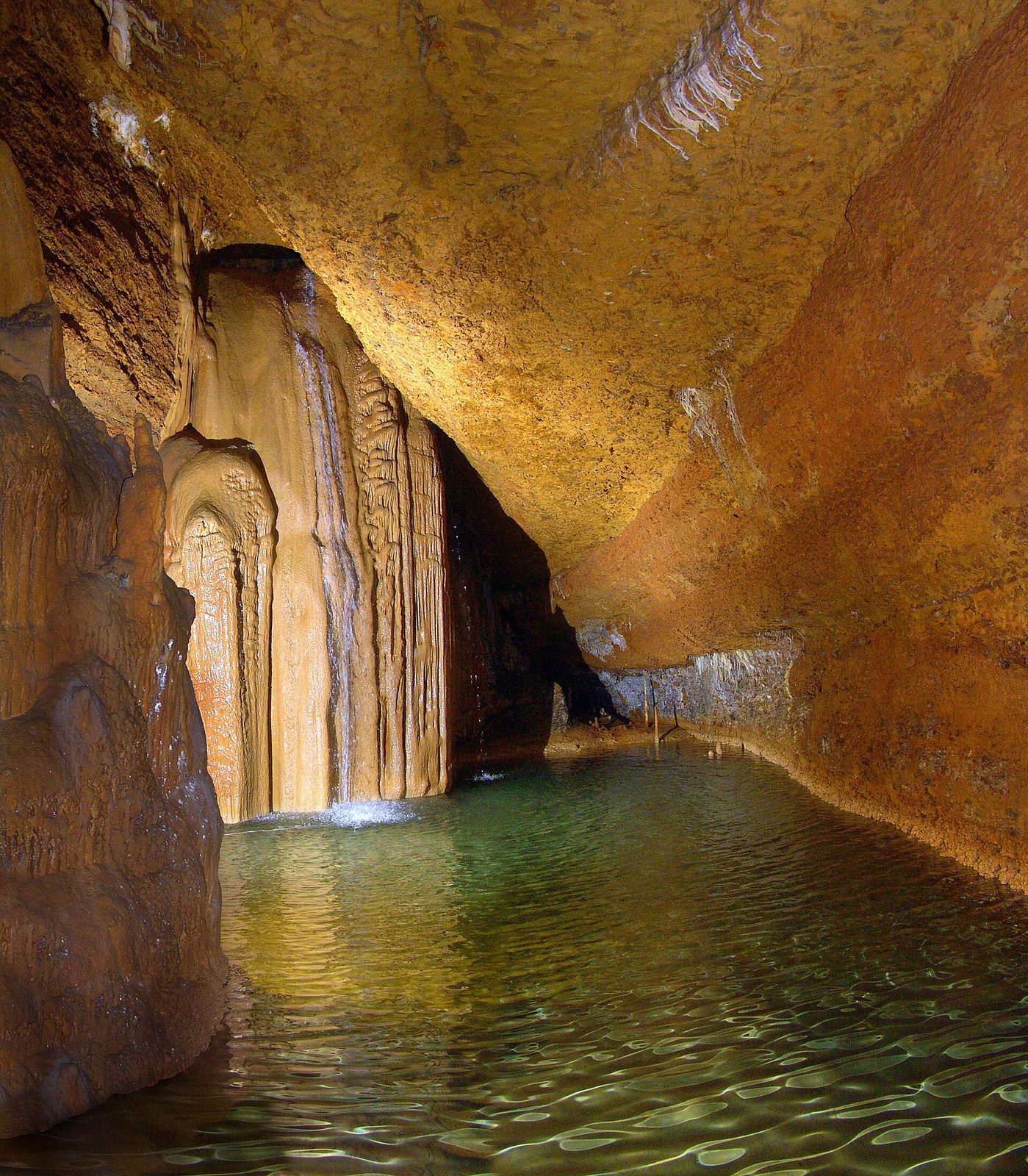
The Trabuc cave is the largest underground network in the Cévennes. The Underground Safari route follows the main galleries, those travelled by the first discoverers.
View full page →This day brings together 5 sites close to each other: towns and cities, aquariums and waterfalls. It passes through Nîmes and Uzès. Allow half an hour to an hour and a half per site, plus travel time.
Driving for the day: about 120.9 km, or 3 h 50 behind the wheel in total (excluding visits).
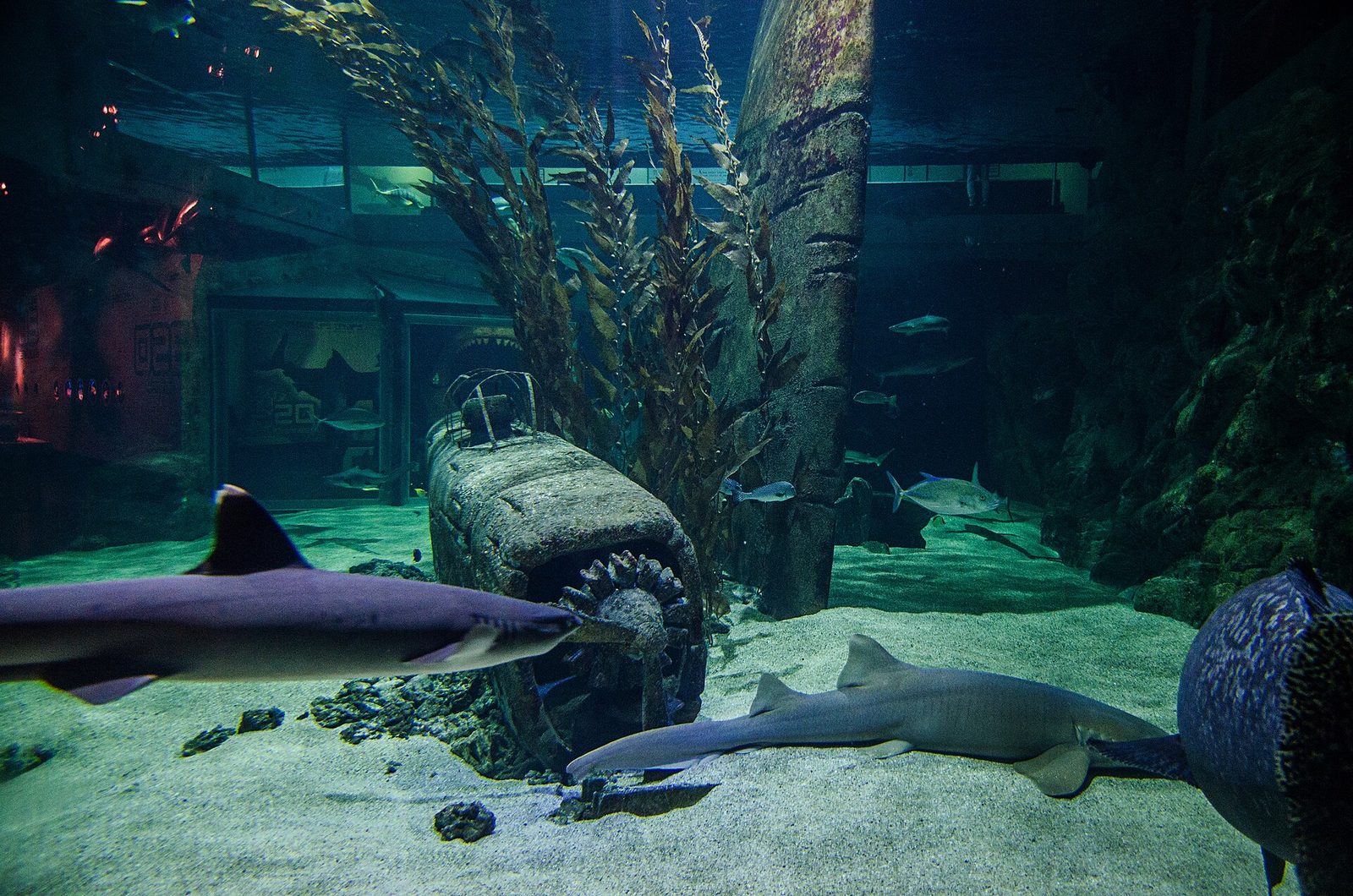
Giant aquarium and marine mammal area. Mediterranean and tropical fish, shark tunnel and walkway, giant seal and sea-lion tank, many interactive areas, children's trail, Sea Museum.
View full page →↓ 52.1 km · about 46 min by car to the next stop
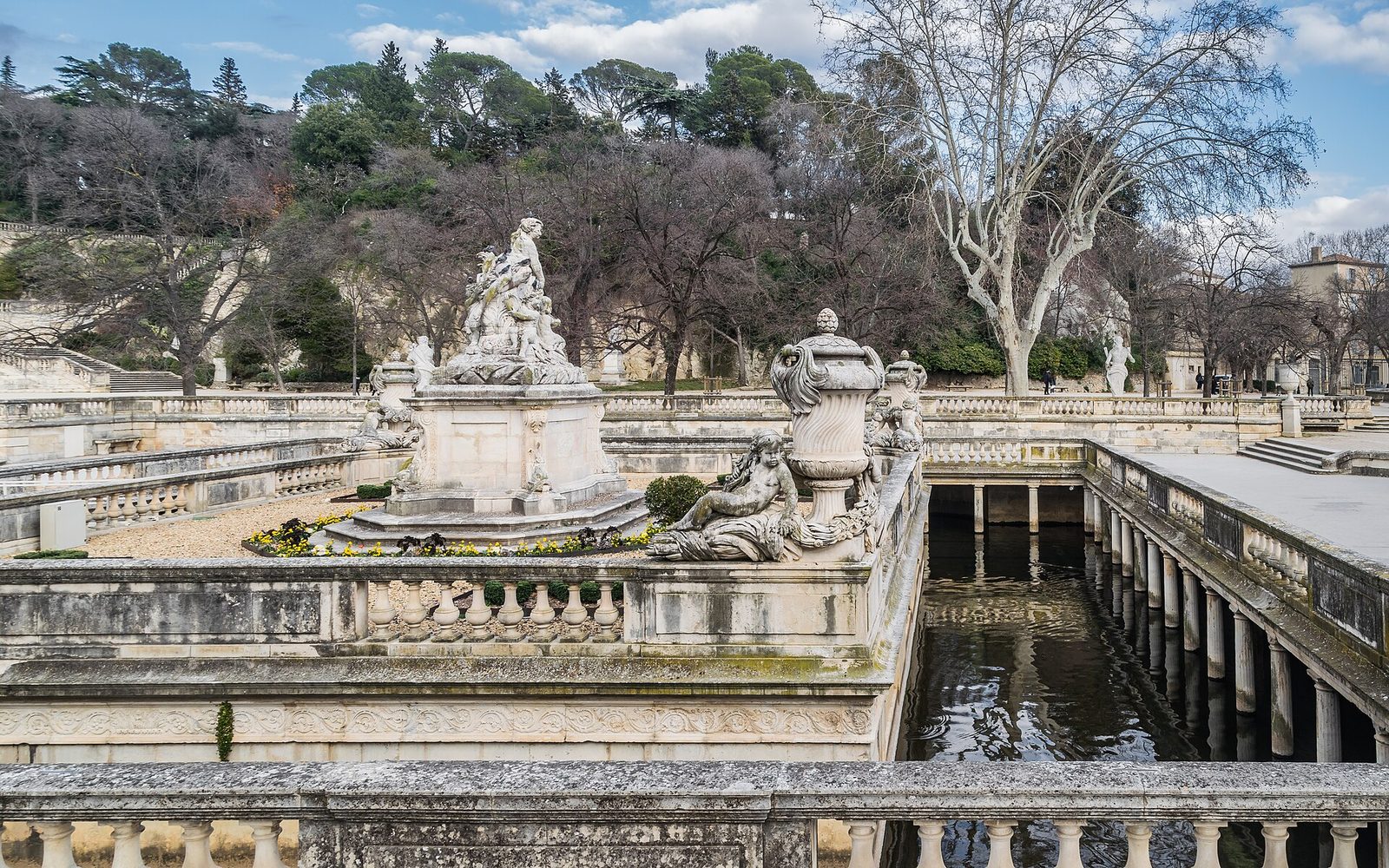
Prefecture of the Gard with exceptional ancient heritage, whose arena and Maison Carrée stand next to the elegant eighteenth-century Jardins de la Fontaine.
View full page →↓ 23.8 km · about 38 min by car to the next stop
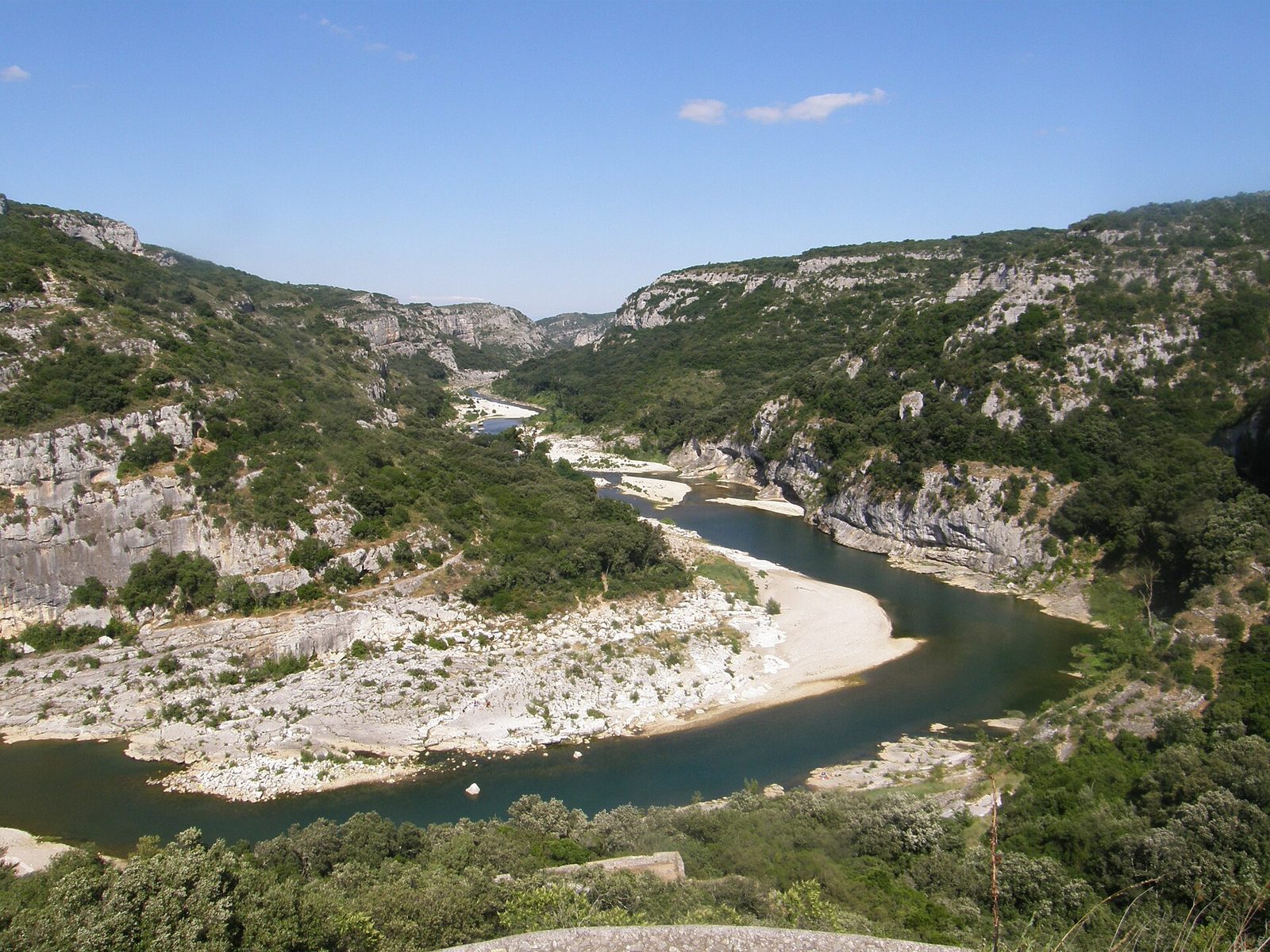
The Gardon gorges are north of Nîmes, in the Gard: they start from the hamlet of Russan, where the Maison des gorges du Gardon welcomes visitors, and end in style beneath an arch of the Pont du Gard.
View full page →↓ 18.4 km · about 1 h 15 by car to the next stop
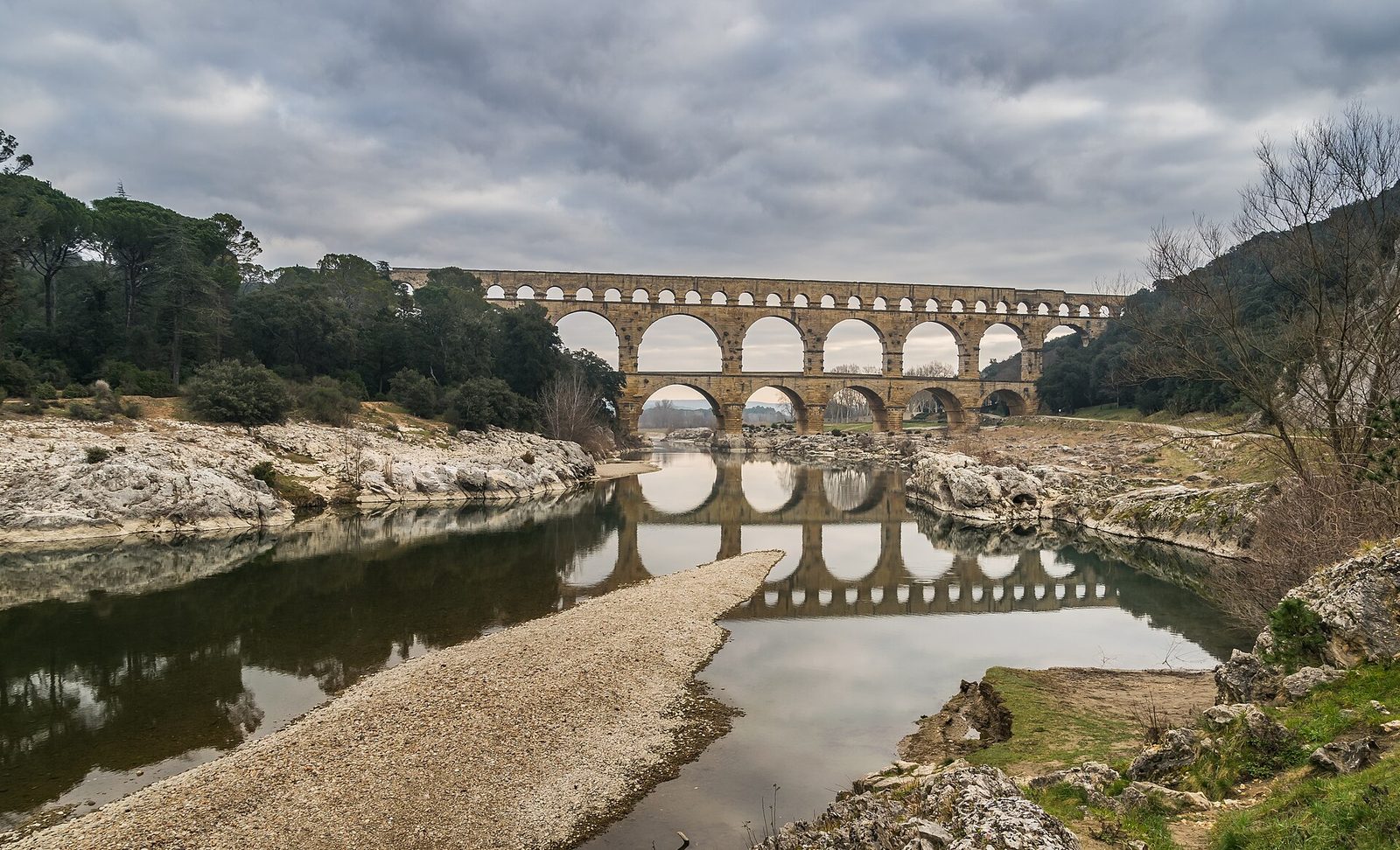
The Pont du Gard was built shortly before the Christian era to let the Nîmes aqueduct, nearly 50 km long, cross the Gardon.
View full page →↓ 26.7 km · about 1 h 11 by car to the next stop
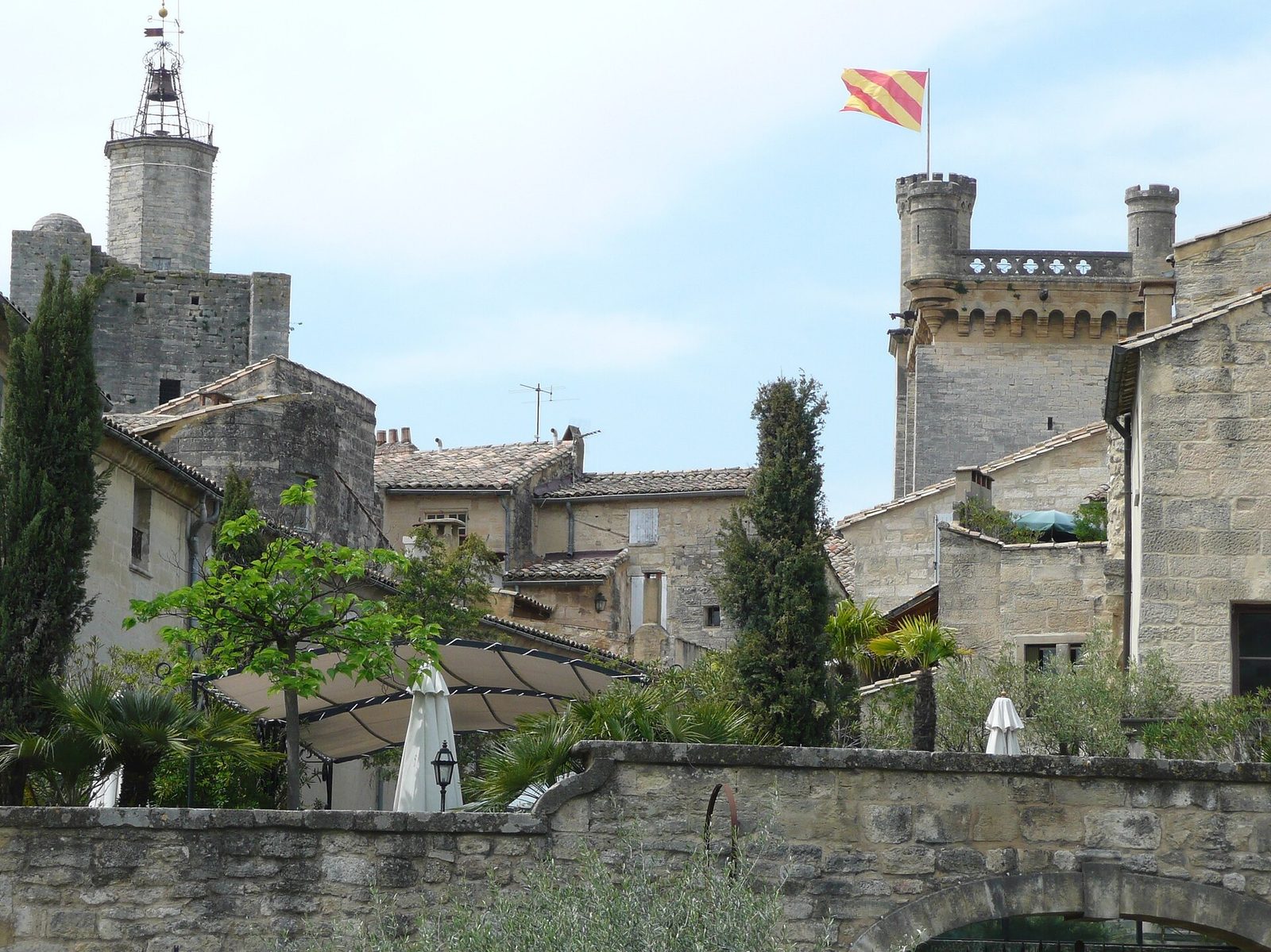
First duchy of France, an elegant town of art with arcaded squares and blond-stone mansions, dominated by the towers of the Duchy and the cathedral.
View full page →Spring and autumn are ideal: mild temperatures and less crowded sites. Summer is very hot, especially on the plain, with many visitors. Winter is quiet, but some sites reduce their opening days.
A car lets you link the sites, which are far apart. The big towns, such as Nîmes and Uzès, are explored on foot. The gorges can be discovered on foot or by canoe.
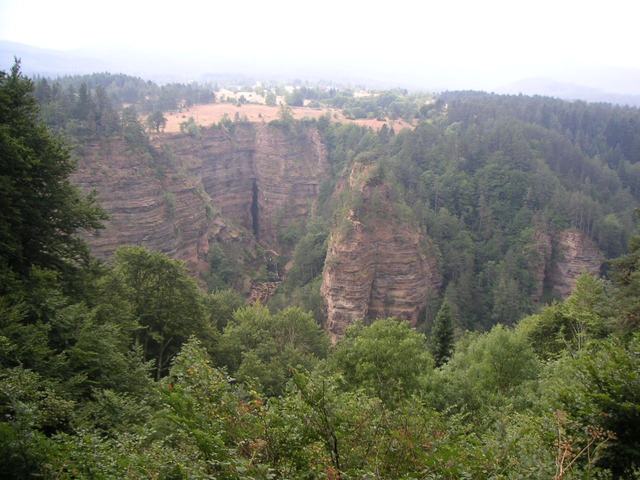
The abyss is the only active network (underground river) developed in France.
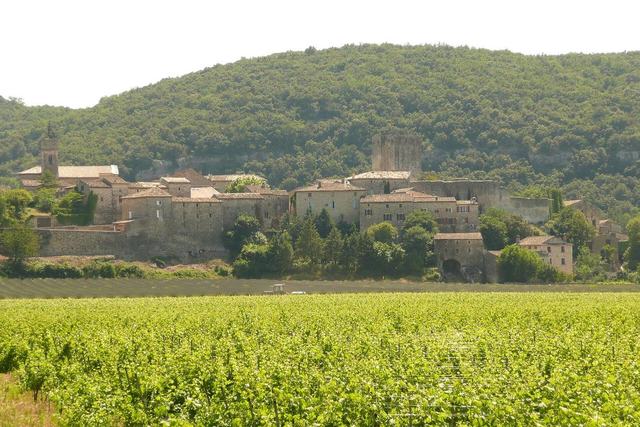
The village of Montclus lies in the north-east of the Gard département on a meander of the river Cèze.
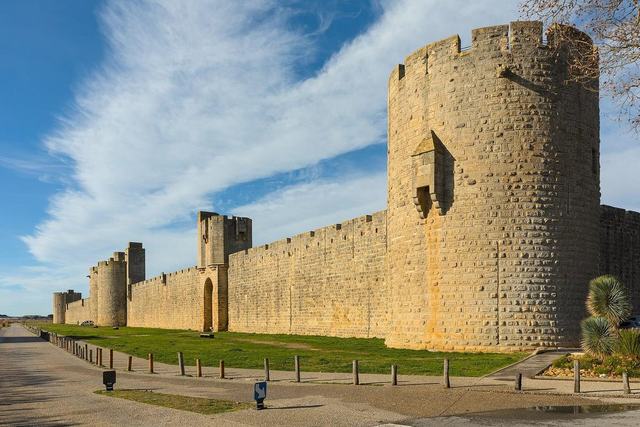
On the marshy expanse of the Camargue stands out the fortified enclosure of Aigues-Mortes, built ex nihilo in the thirteenth century by Saint Louis to give the kingdom of France a port on the Mediterranean.
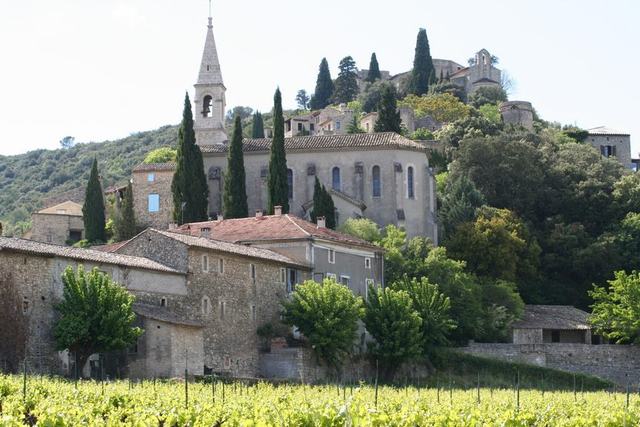
This little medieval village is built on a rocky peak and offers a splendid view of the Sautadet Falls, a site classified as a natural area.
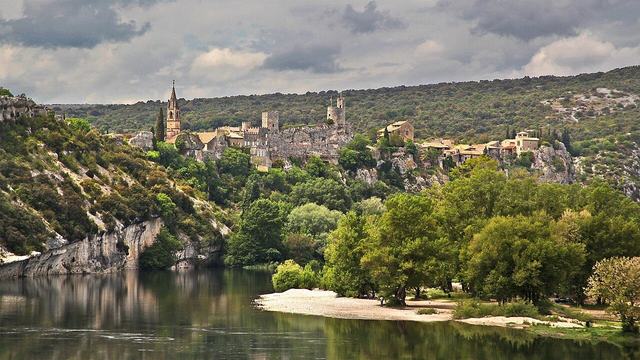
Aiguèze is a small medieval village that overlooks from its cliff the exit of the Ardèche Gorges, one side perched on a cliff above the Ardèche gorges, the other facing the Côtes du Rhône vineyards.
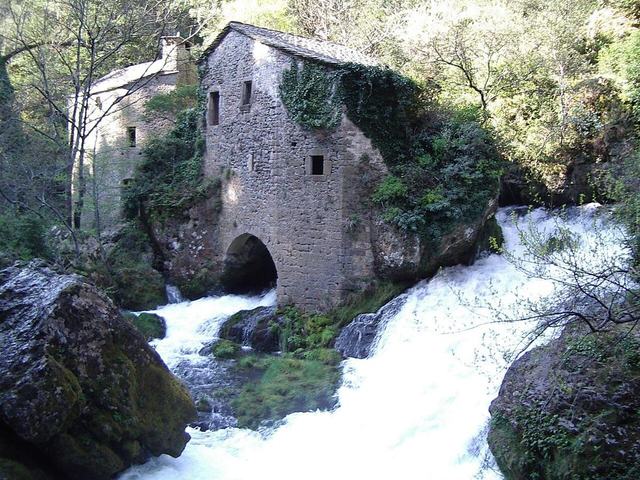
Source de Lafoux and Gorges de la Vis: the Vis gorges (a magnificent cut between the Causse du Larzac and the Causse de Blandas) and the Lafoux resurgence, an oasis of freshness and vitality in a mineral and arid world.