1 Vézelay
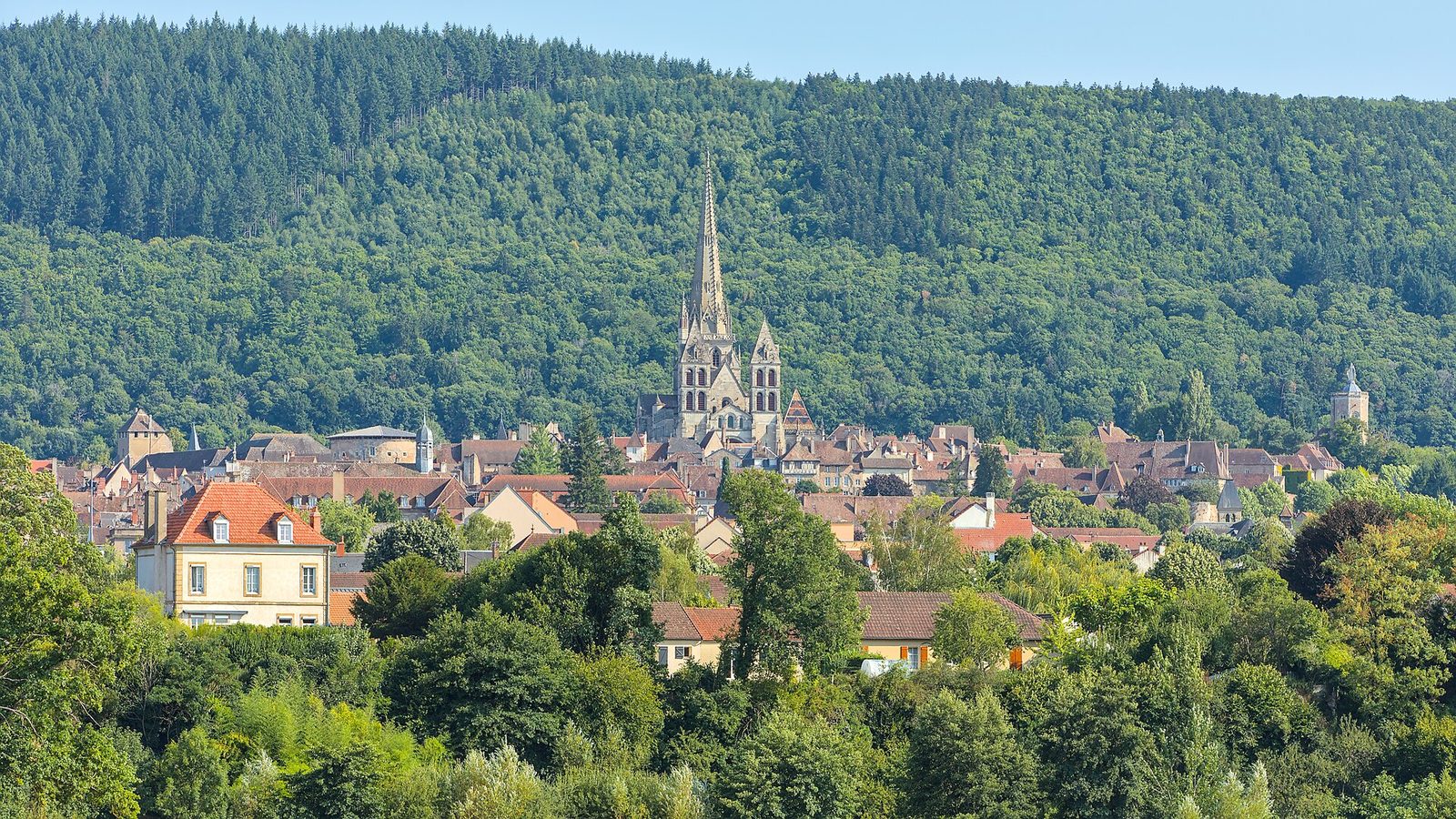
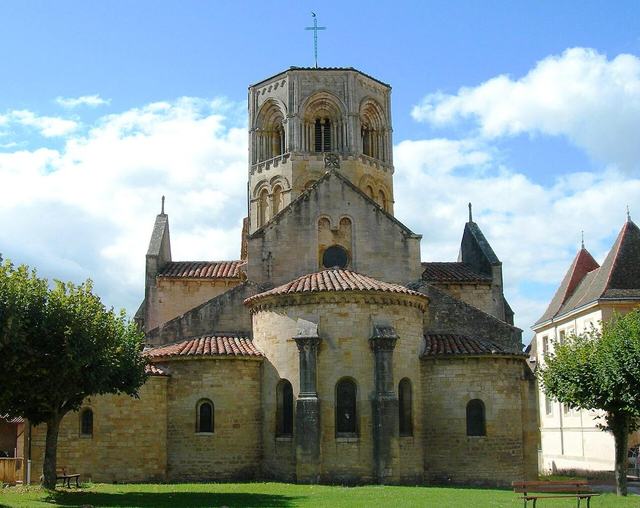
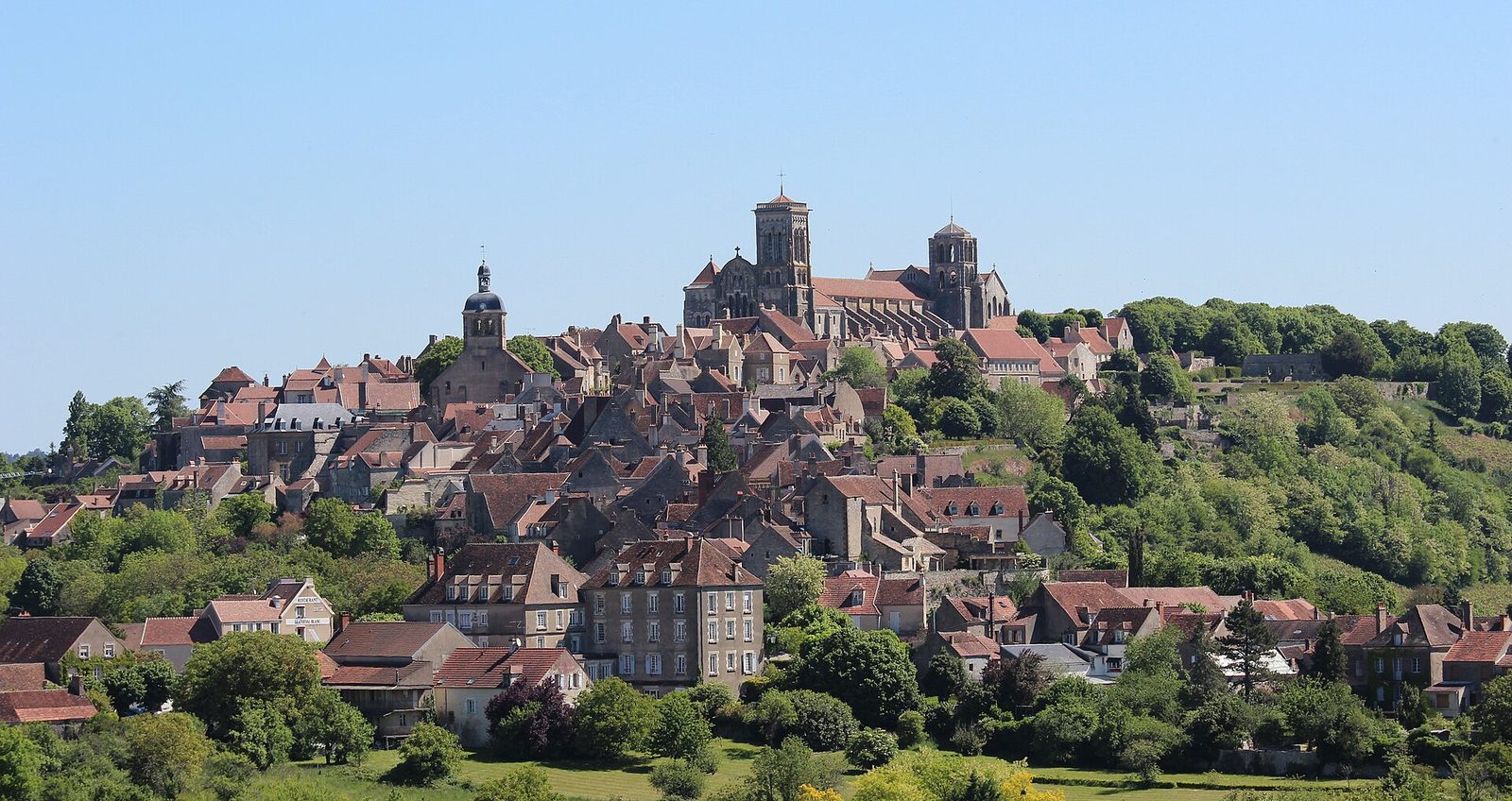
A high place of pilgrimage since the twelfth century, the basilica of Sainte-Marie-Madeleine at Vézelay stands on top of a high hill overlooking the Cure, on the edge of the Morvan regional park.
View full page →Burgundy combines renowned vineyards, Romanesque abbeys, castles, canals and historic towns. This itinerary offers four days between the Côte-d'Or, Saône-et-Loire and the Yonne.
The vineyards of Burgundy are among the most famous in the world. Their "climats", plots with precise characteristics, are World Heritage listed. Wine villages, such as Gevrey-Chambertin, Vougeot and Meursault, punctuate the Route des Grands Crus.
Cellars can be visited, often by appointment, and winemakers readily explain their work. Tasting is part of the experience, but remember to be careful at the wheel.
Burgundy played a major role in the history of religious art. Cluny, Cîteaux, Fontenay and Vézelay evoke the power of monastic orders in the Middle Ages. Burgundian Romanesque art, with its vaults and sculptures, reached great refinement here.
Castles, from Bussy-Rabutin to Tanlay and Ancy-le-Franc, illustrate the Renaissance and the classical era. They are surrounded by parks and gardens, and are often visited with a guide.
Dijon and Beaune are towns of art and history: mansions, glazed tile roofs, museums and markets. Auxerre, Sens and Autun also preserve a rich heritage. The Burgundy canal allows walks or bike rides along locks and small villages.
The Morvan, further south, offers forests, lakes and trails for those who want to extend their stay in nature.
Four days let you combine vineyards, abbeys and towns. Group visits by area: the Côte de Nuits and Beaune, the Auxois, the Yonne, the south of Saône-et-Loire. Keep time for tastings and meals.
The itinerary below groups the best-rated sites in the catalogue by proximity. It is deliberately flexible: adapt it to your wishes, and keep some slack for country roads.
The map shows the numbered stops in visiting order, with one colour per day. The line follows the roads where available; otherwise it joins the stops as the crow flies. Distances and times are approximate (by car, without traffic).
This day brings together 6 sites close to each other: villages, natural wonders and castles. It passes through Semur-en-Auxois. Allow half an hour to an hour and a half per site, plus travel time.
A high place of pilgrimage since the twelfth century, the basilica of Sainte-Marie-Madeleine at Vézelay stands on top of a high hill overlooking the Cure, on the edge of the Morvan regional park.
View full page →
Encircled by a loop of the Serein, ringed with ramparts and towers, Noyers offers the visitor pleasant cobbled streets, small squares, a fifteenth-century church and attractive houses.
View full page →
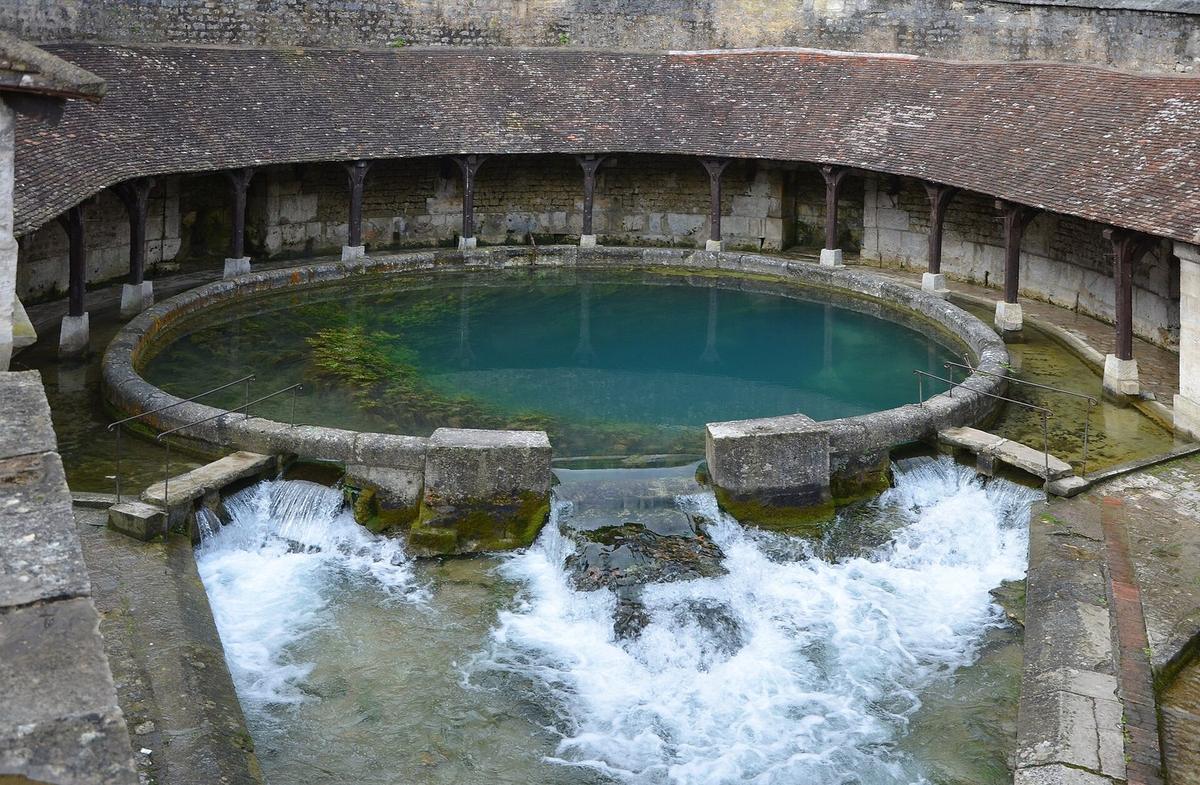
This Vauclusian spring, with a variable but perpetual flow, greatly intrigued our ancestors, who called it "divine" (fons divona, whence Dionne).
View full page →
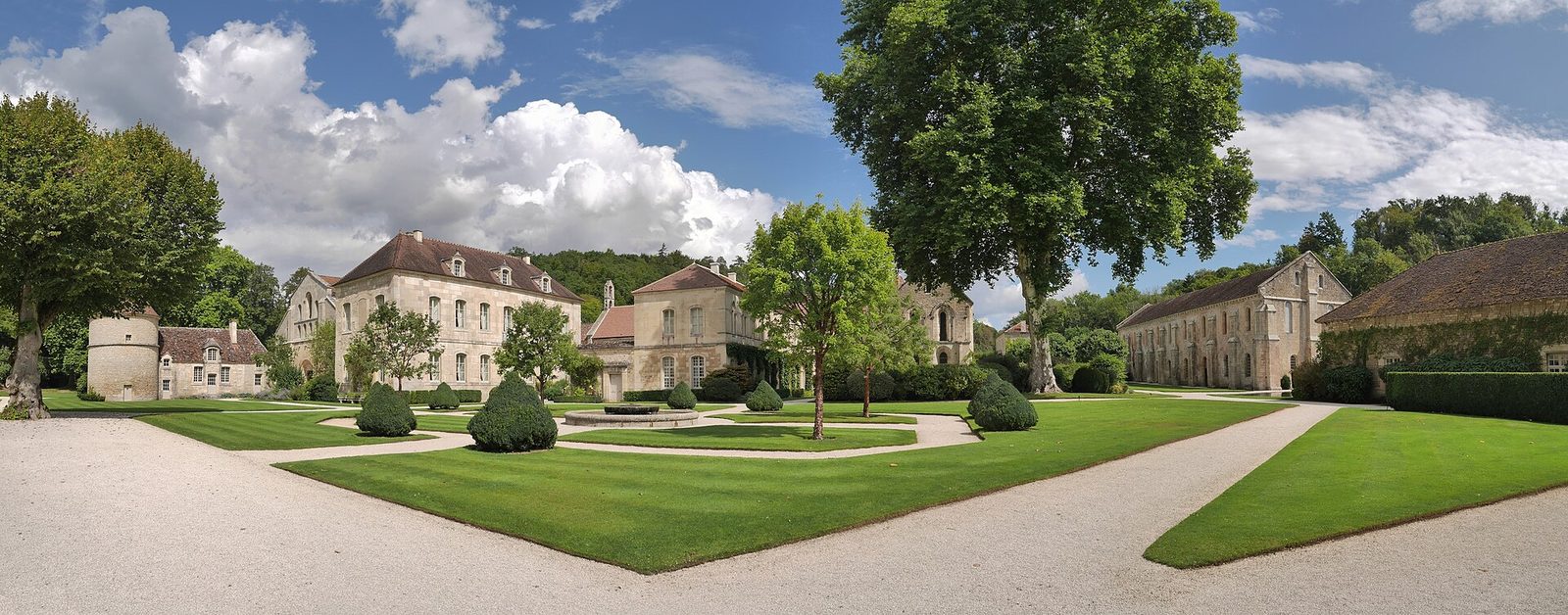
Fontenay Abbey is a Cistercian abbey founded in 1118 in the French commune of Marmagne, in the Côte-d'Or département and the Burgundy region.
View full page →
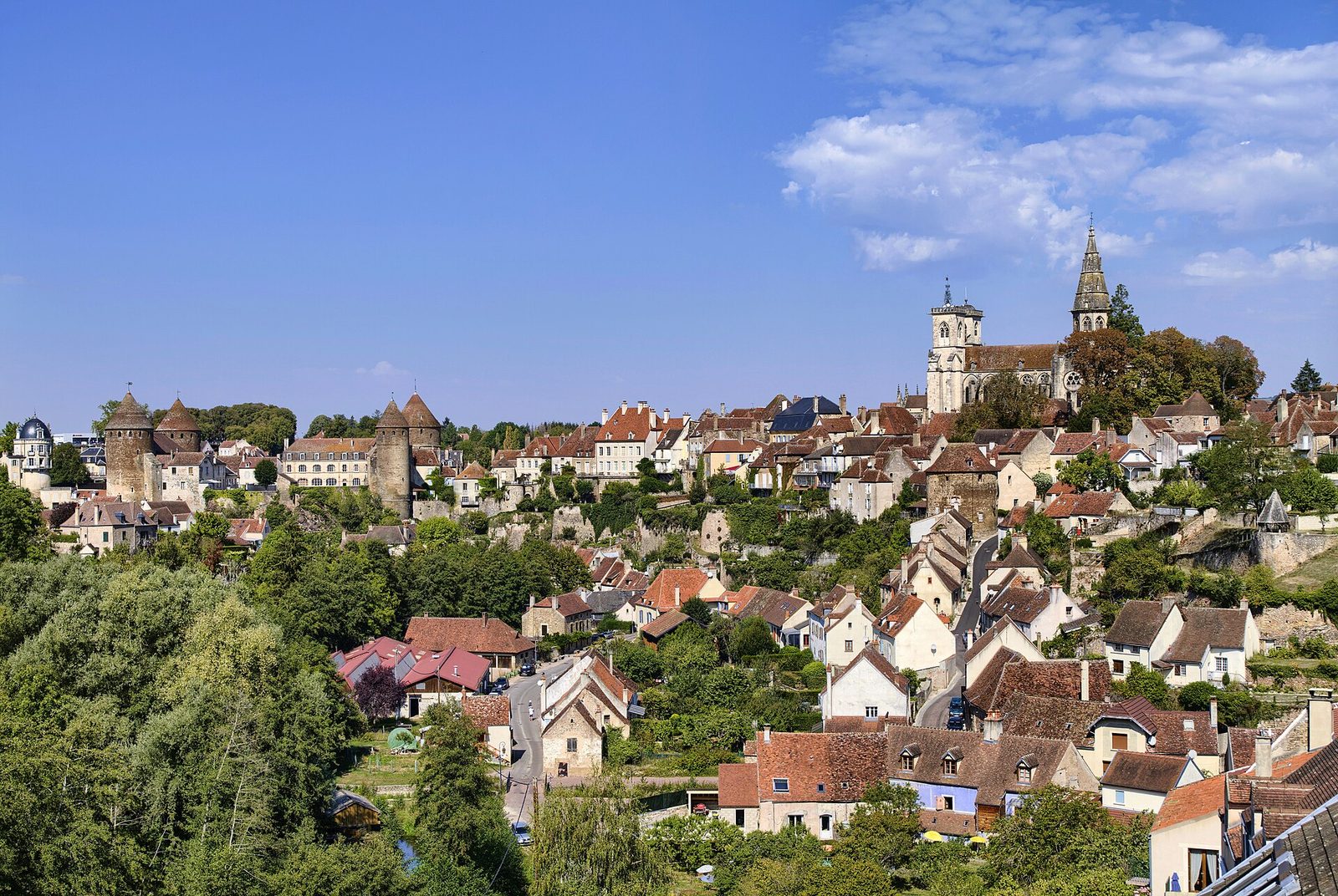
Fortified town built on a pink granite promontory overlooking the meanders of the Armançon, with its four medieval towers and Gothic collegiate church.
View full page →
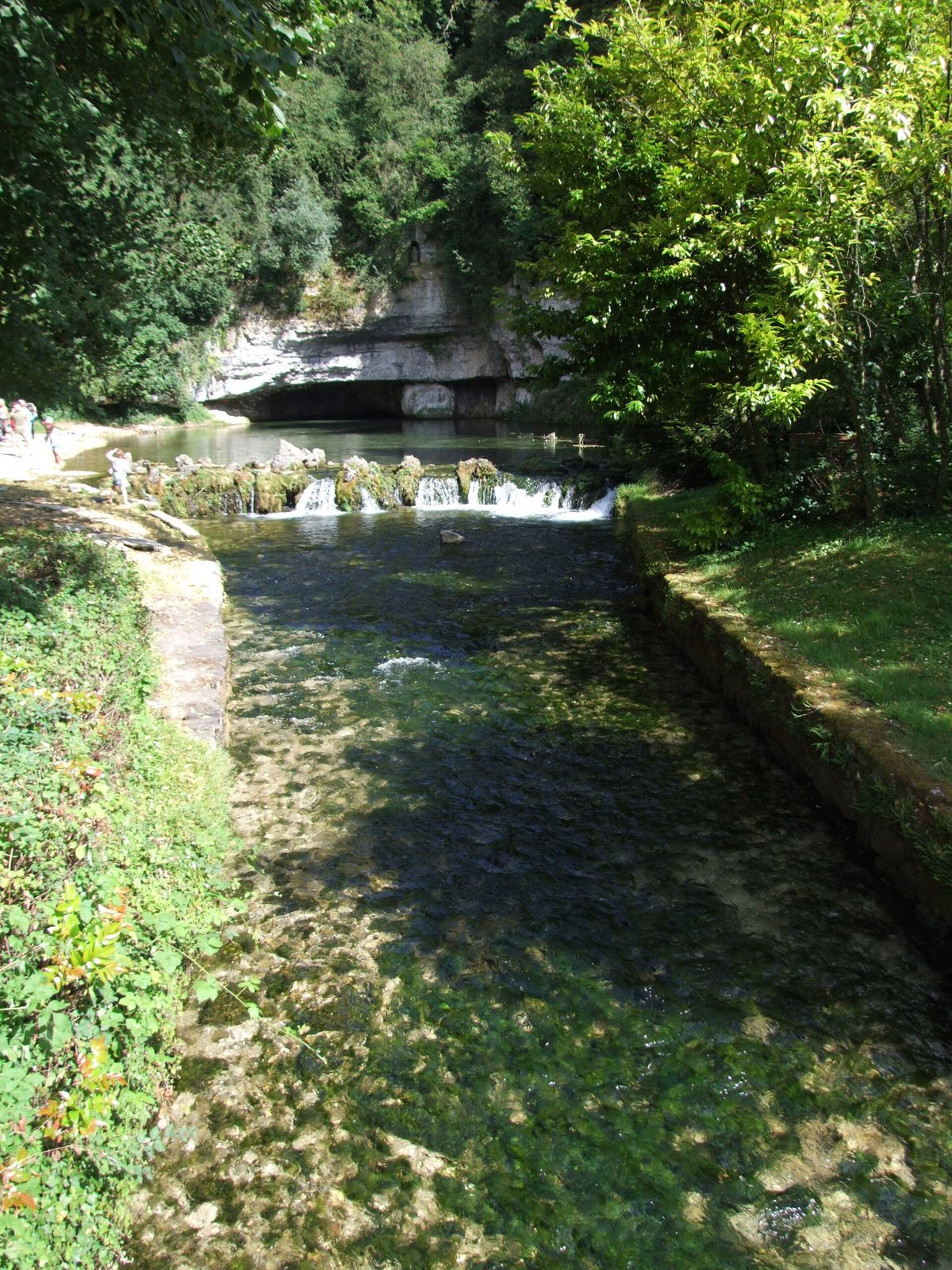
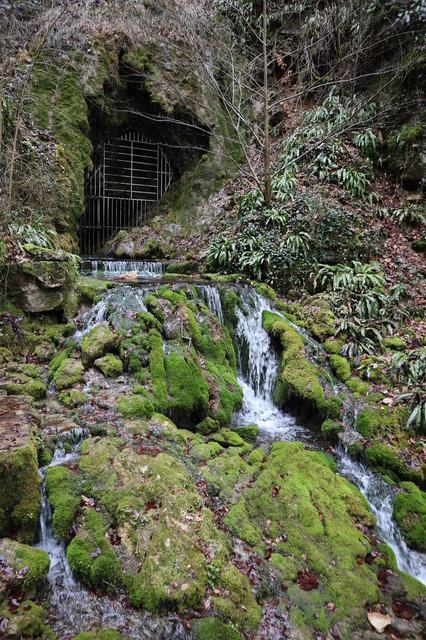
La Douix is the name given to an important spring, in the form of a Vaucluse-type resurgence at the gates of the small town of Châtillon-sur-Seine in the north of the Côte-d'Or.
View full page →This day brings together 3 sites close to each other: towns and cities and caves. It passes through Beaune and Dijon. Allow half an hour to an hour and a half per site, plus travel time.
Historic capital of Burgundy wines, a fortified town whose ramparts and bastions still ring an old centre renowned for its wine-merchant houses.
View full page →
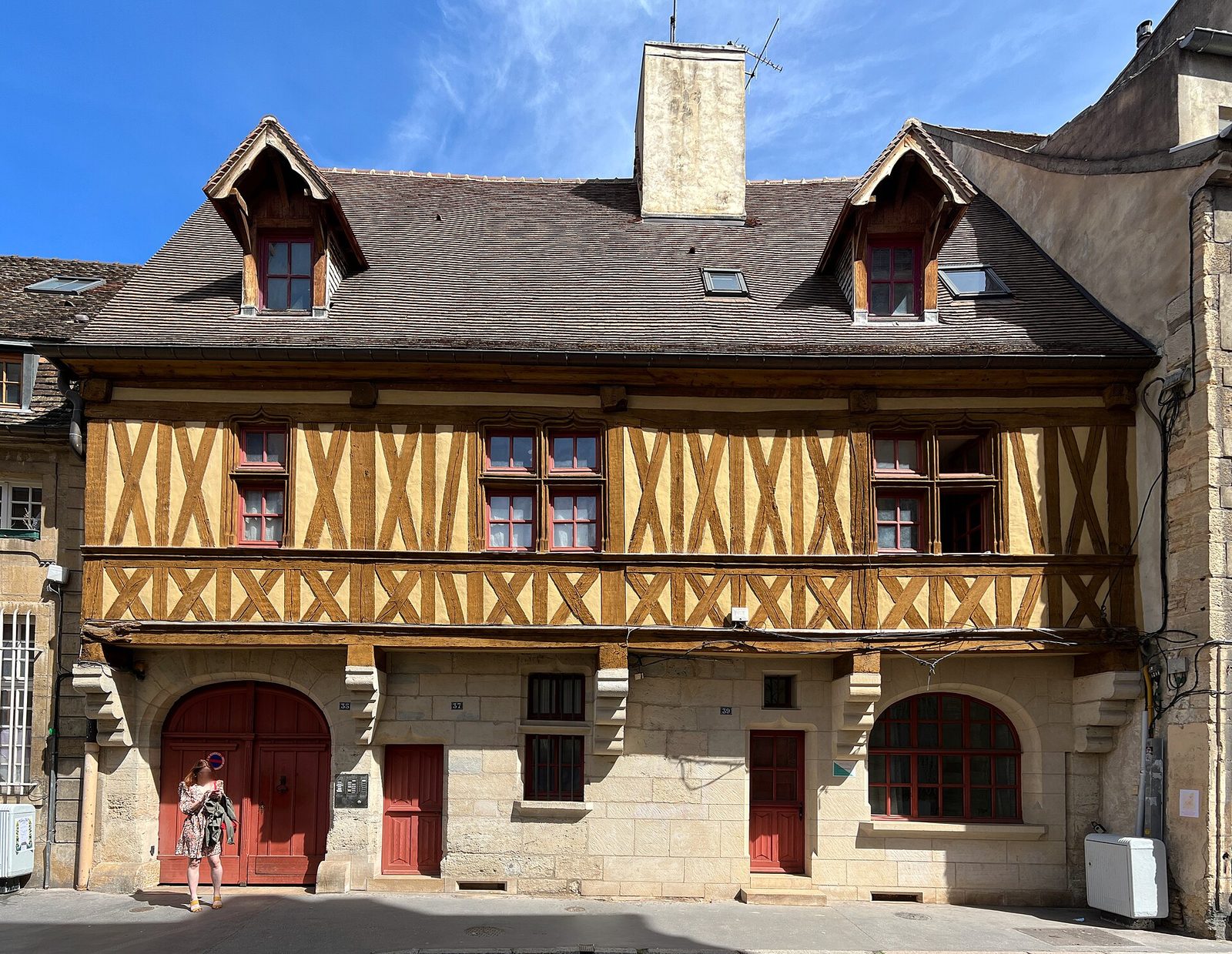
Former capital of the Dukes of Burgundy, a town of art with half-timbered houses and mansions, renowned for its mustard and gingerbread.
View full page →
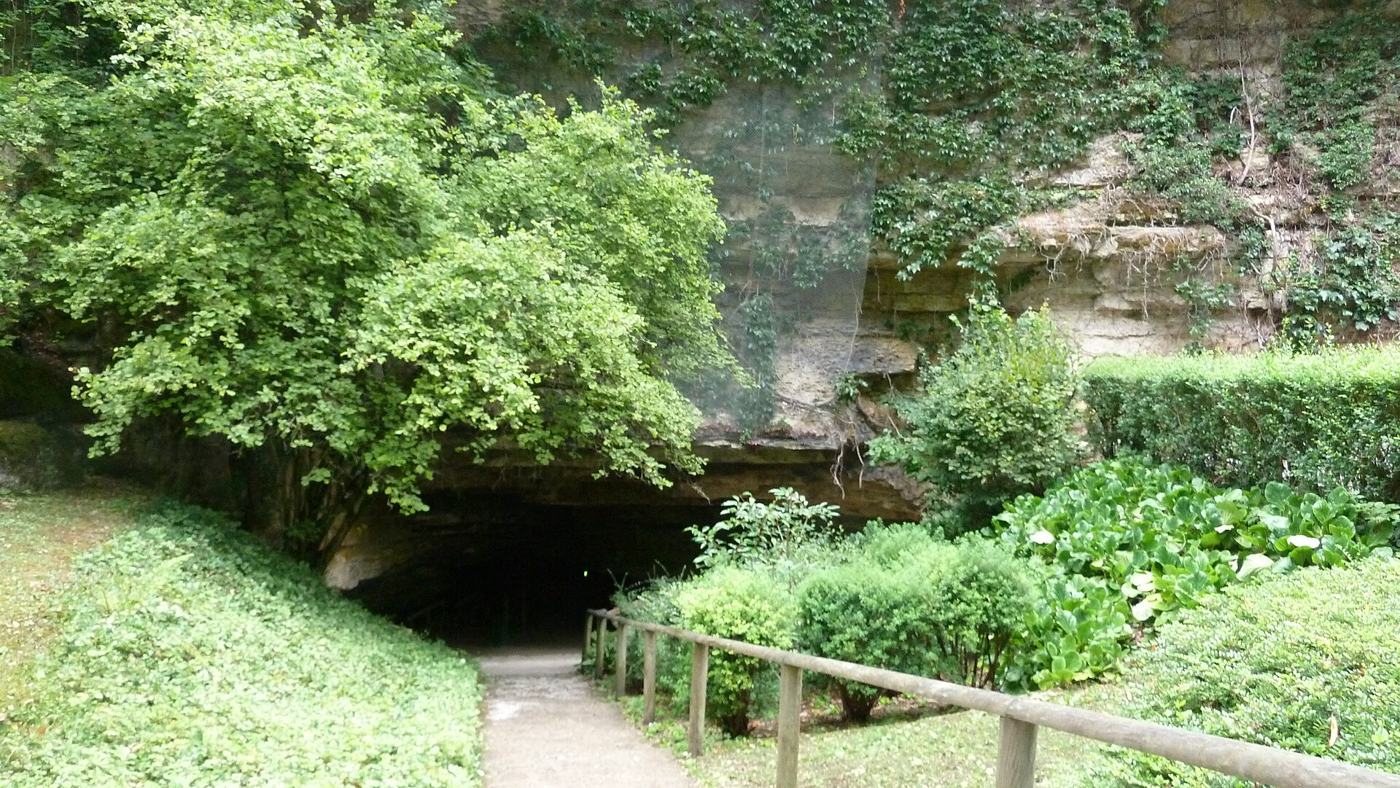
The Bèze caves and the illuminated underground lake are the village's main attraction. The initial part of the Crétane cave has been known since the Middle Ages. Boat visit of the underground river.
View full page →This day brings together 4 sites close to each other: museums, towns and cities and waterfalls. It passes through Autun. Allow half an hour to an hour and a half per site, plus travel time.
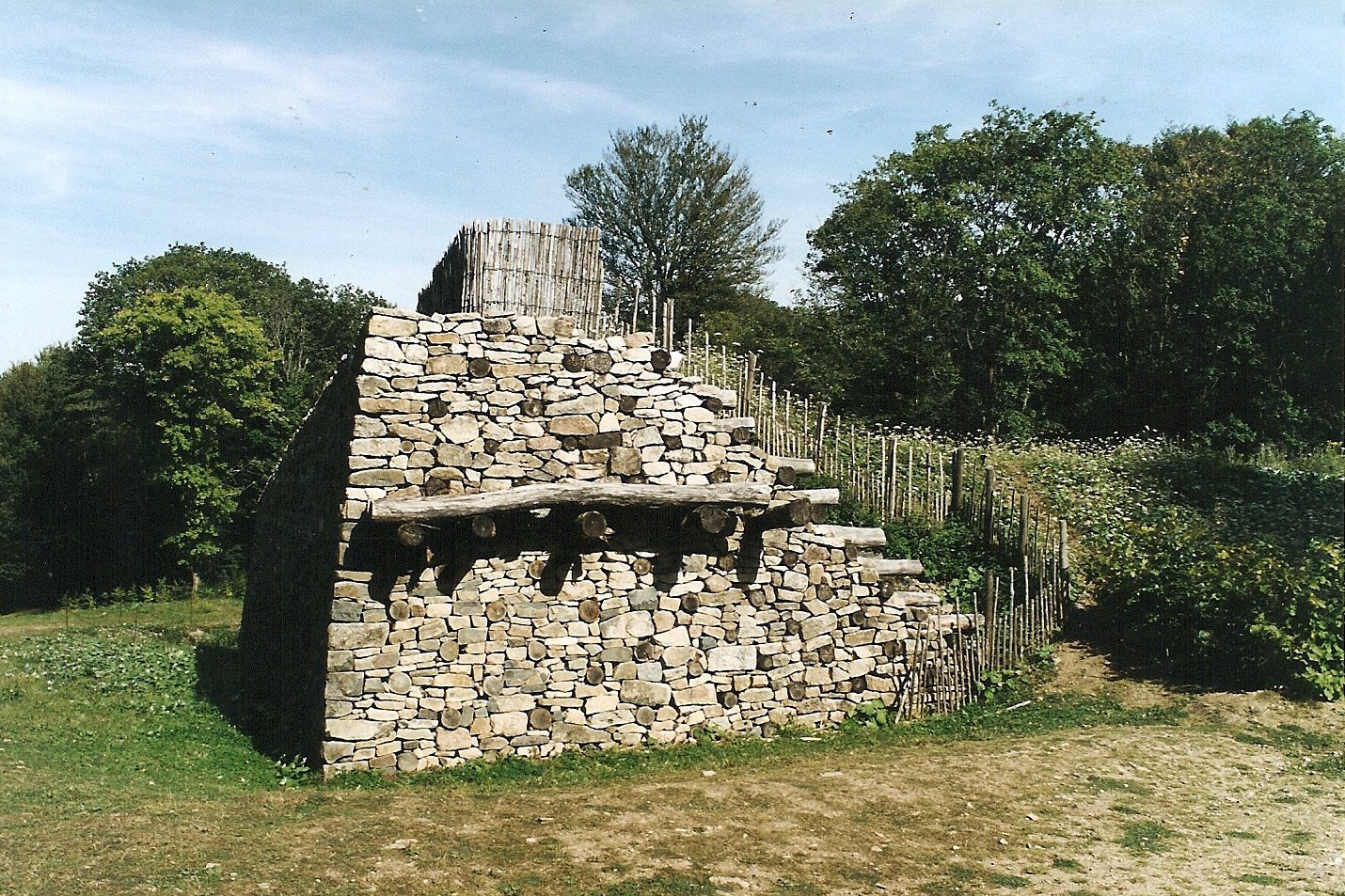
Bibracte is at the summit of Mont Beuvray and the panorama is superb. You arrive by a fortified gate in the middle of a mysterious forest of twisted "queules" beeches.
View full page →
A former Roman city nicknamed the "sister and rival of Rome", whose tall Gothic spire of the Saint-Lazare cathedral still dominates the rooftops.
View full page →
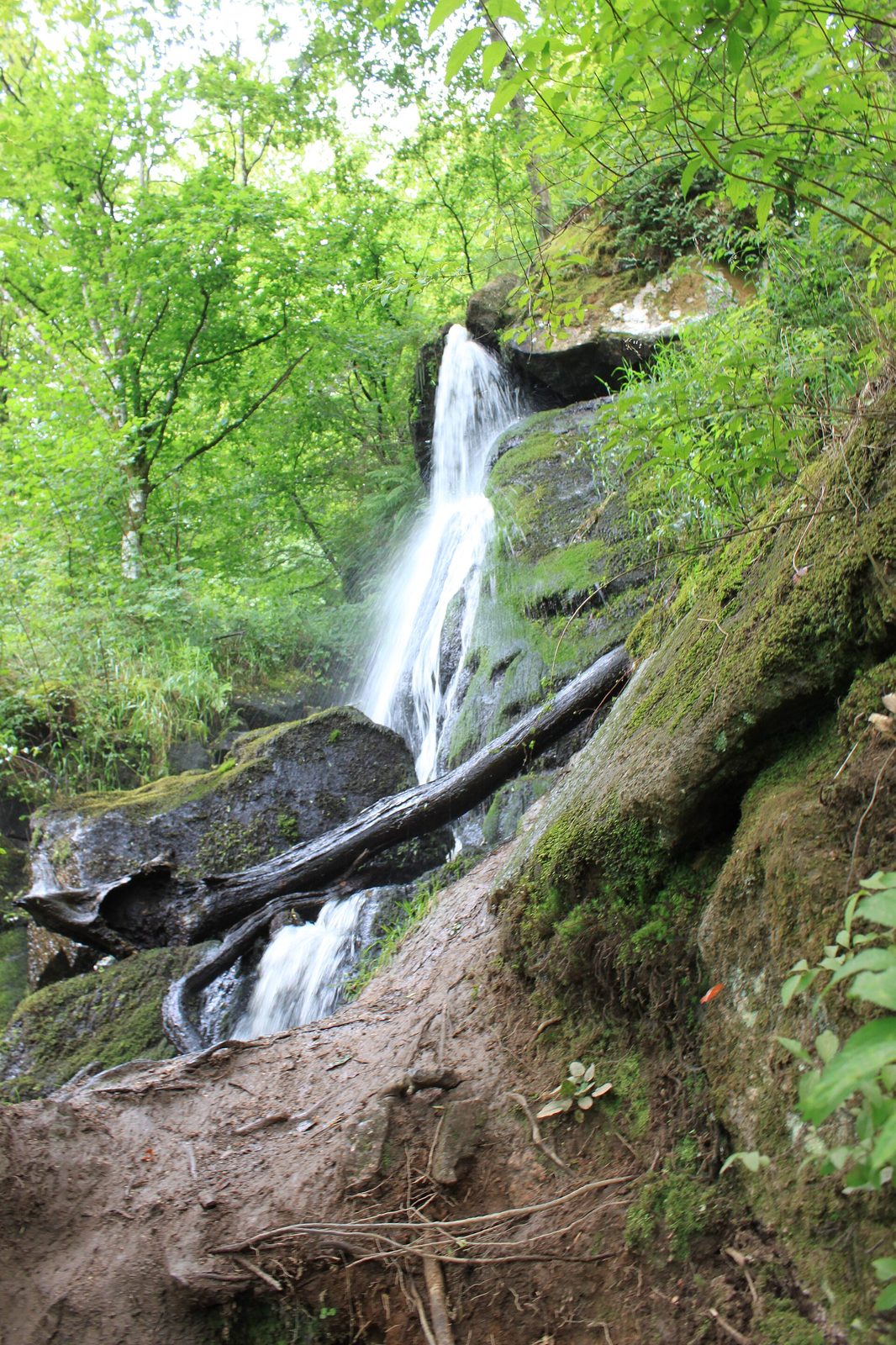
A small waterfall. A pleasant hike in the Planoise forest. Excursions in the area lead to Uchon, a curious belvedere village with rock scree overlooking the Arroux valley, and to Mont Beuvray.
View full page →
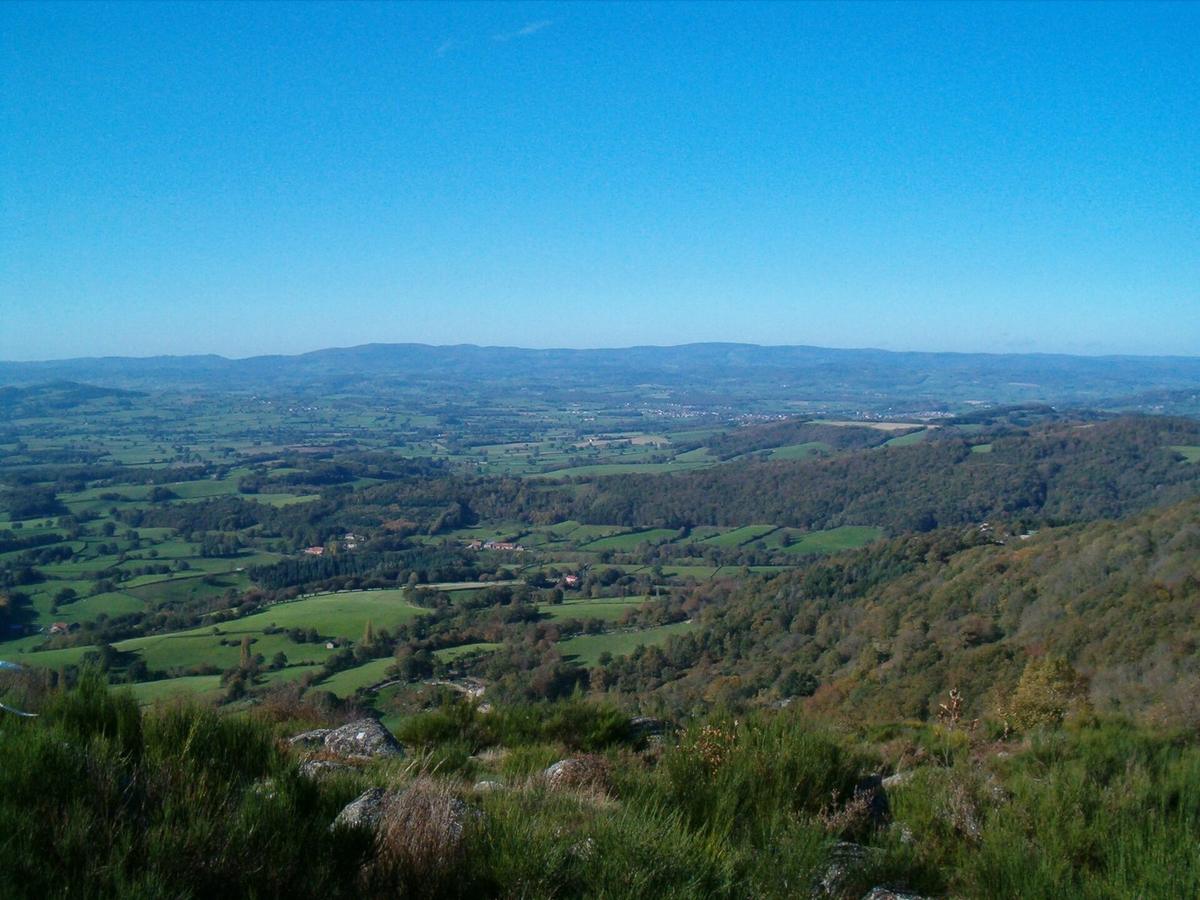
An orientation table lets you discover the Autunois from the superb granite block chaos that give this place its magical character laden with legends.
View full page →This day brings together 3 sites close to each other: villages, castles and natural wonders. Allow half an hour to an hour and a half per site, plus travel time.
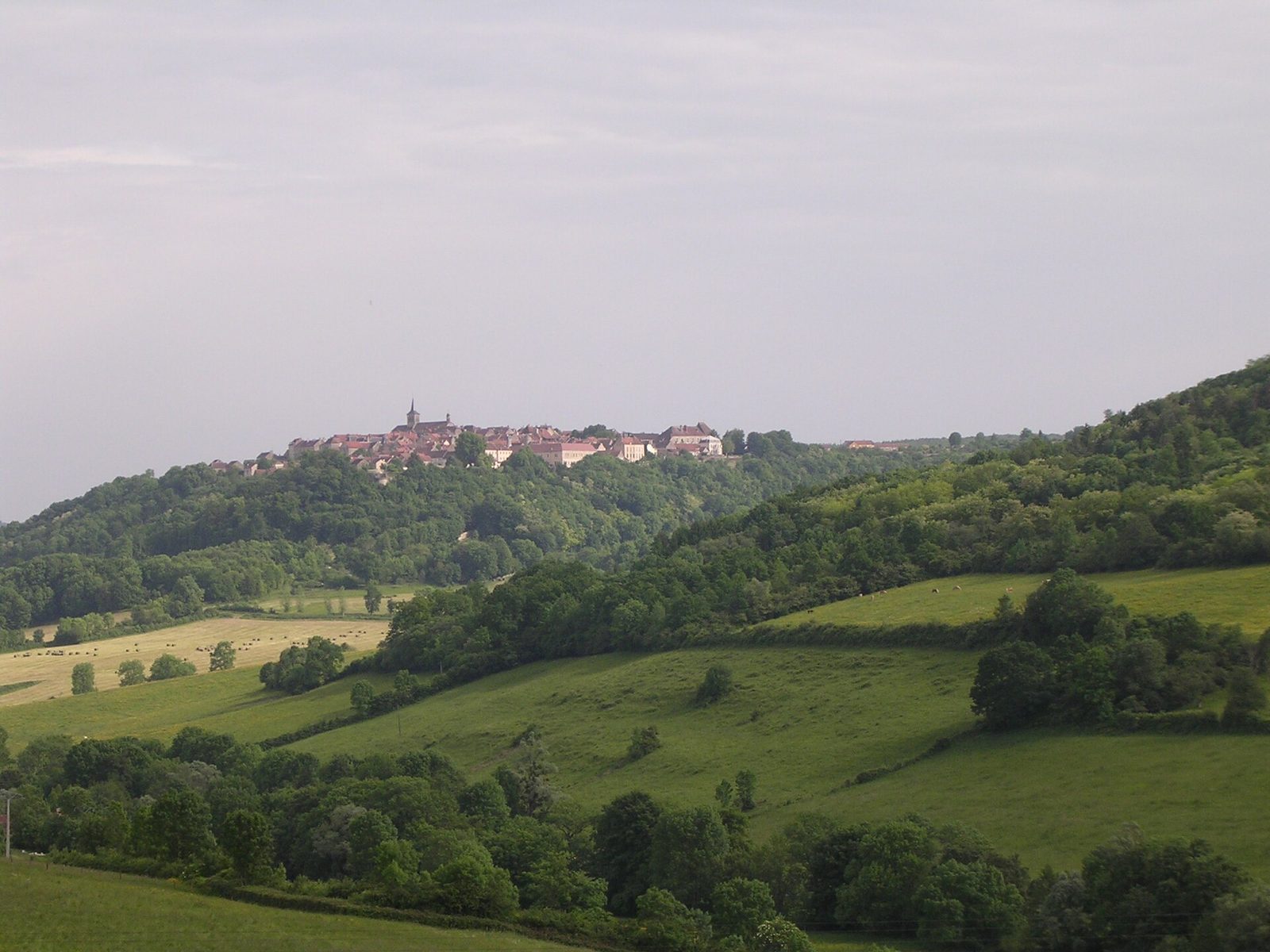
The silhouette of this perched village is punctuated by the imposing volumes of its religious buildings.
View full page →
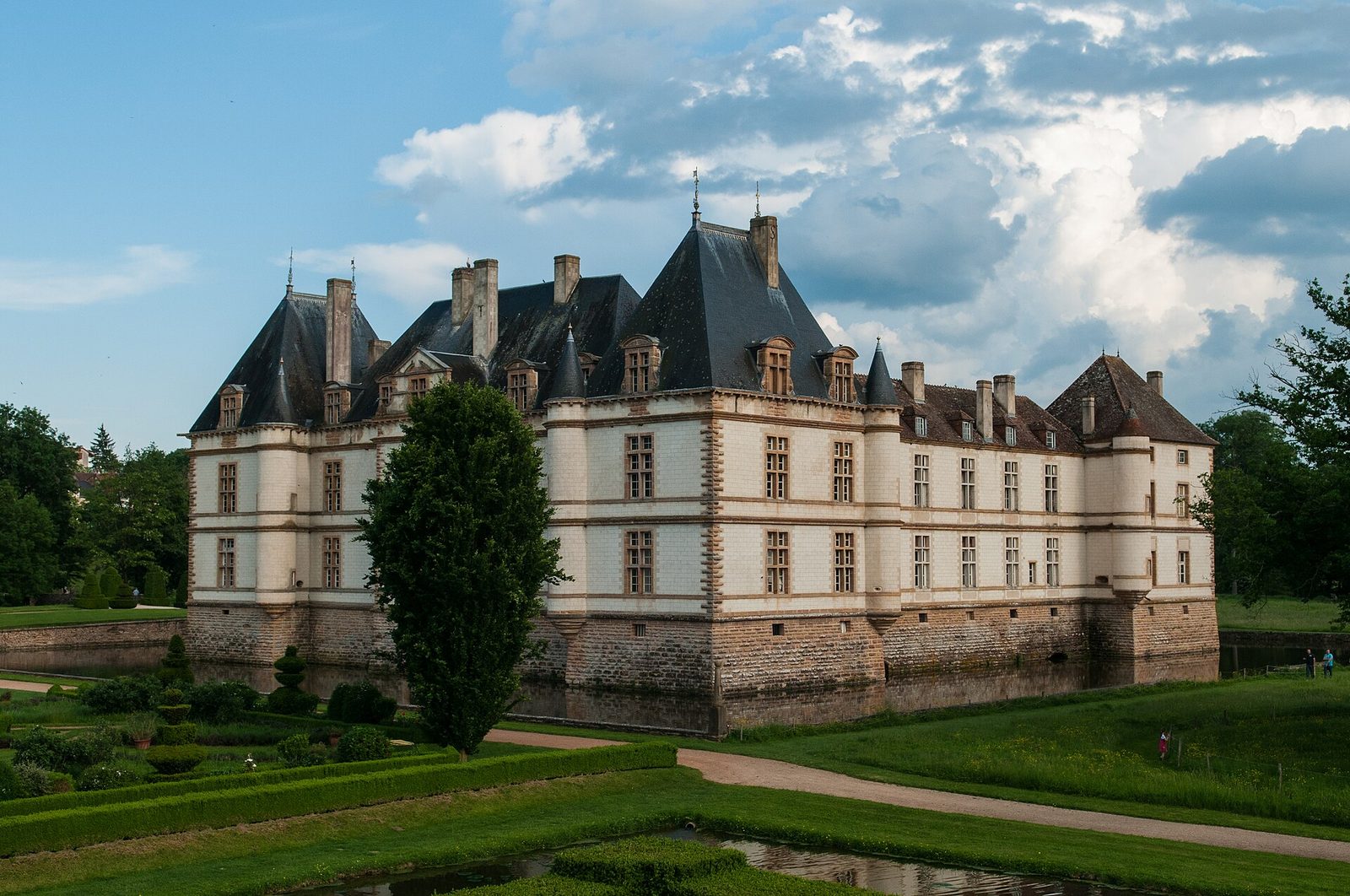
Between Tournus and Cluny, in the heart of southern Burgundy, the Château de Cormatin awaits you amid its gardens and ornamental waters.
View full page →
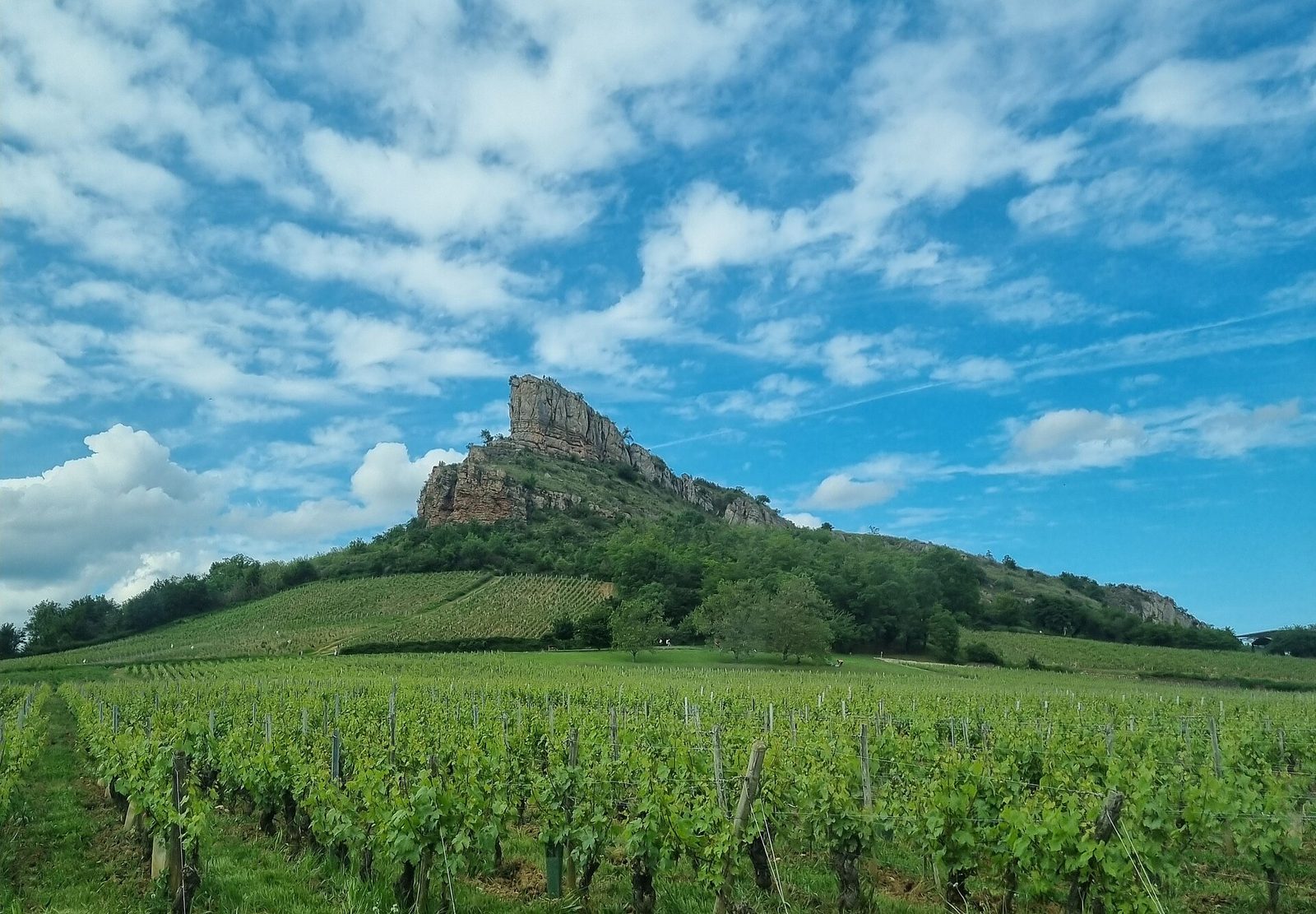
For geological, prehistoric and historical reasons, the Roche de Solutré is the high point of any visit to the Mâconnais. A walk from the car park south of the rock lets the visitor reach the summit, after a visit to the departmental museum.
View full page →Spring and autumn are ideal: green or golden vines, soft light. Summer is busier, especially in Beaune and Dijon. The grape harvest, in September, is a highlight.
A car is practical for linking the sites, which are often scattered. Dijon and Beaune are explored on foot, and cycling is pleasant on some wine routes and along the canals. For tastings, nominate a driver.
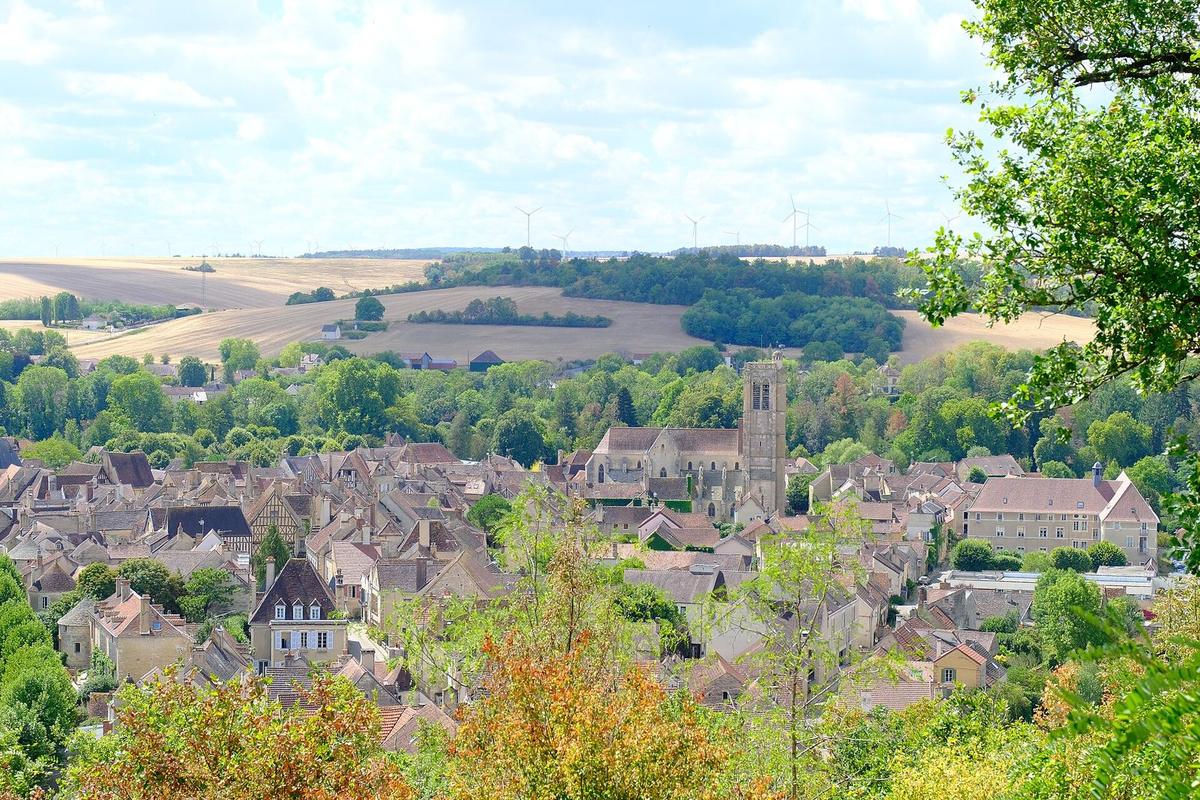
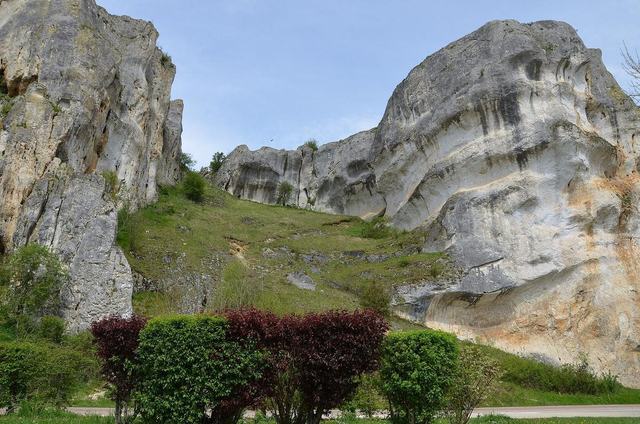
The Rochers du Saussois are a unique place to be introduced to climbing. Besides this sporting asset, these rocks offer from their summits a magnificent view over the whole Yonne valley.

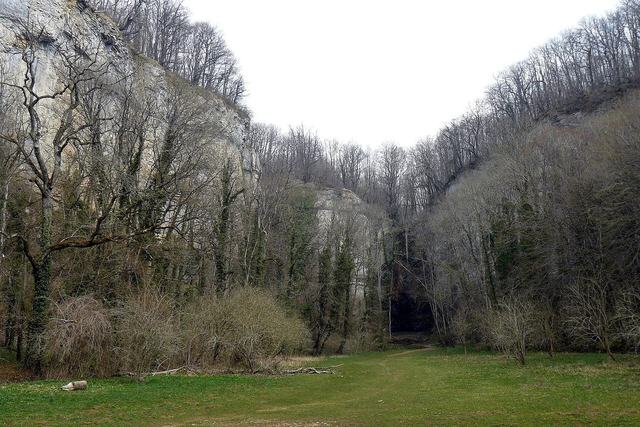
The caves go down more than 80 m deep. Over geological time, the vault collapsed, creating a chaos of gigantic stones.

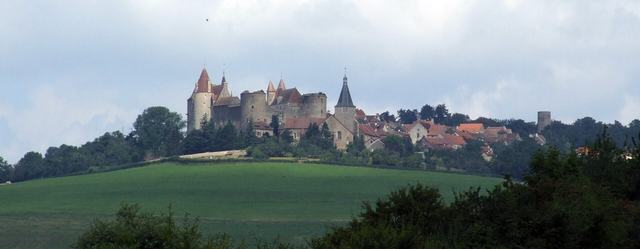
Intended to command the old road from Dijon to Autun, the fortress was built in the late twelfth century by Jean de Chaudenay.

Semur-en-Brionnais is the birthplace of Saint Hugh of Cluny, abbot of Cluny from 1049 to 1109, reformer of the Church and much-heeded adviser of kings and Pope Gregory VII.

To reach the End of the World, you must follow the Cozanne river upstream from the town of Nolay and first pass under a railway viaduct.

Going up the Antheuil river, in the Côte-d'Or, leads to the "Bel Affreux" cave, whose open-jaw-shaped entrance is said to have earned it, from the sixteenth to the eighteenth century, a reputation as a diabolical lair.