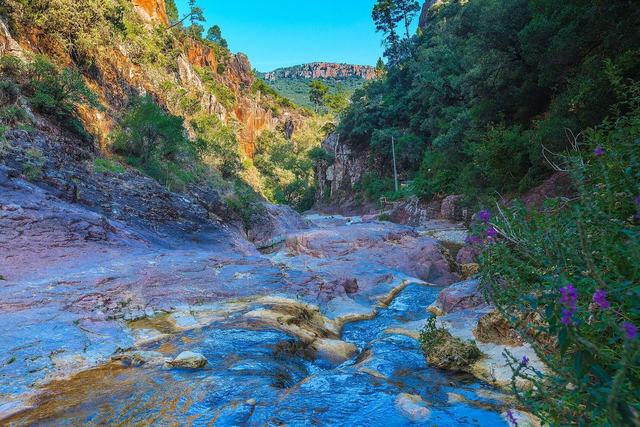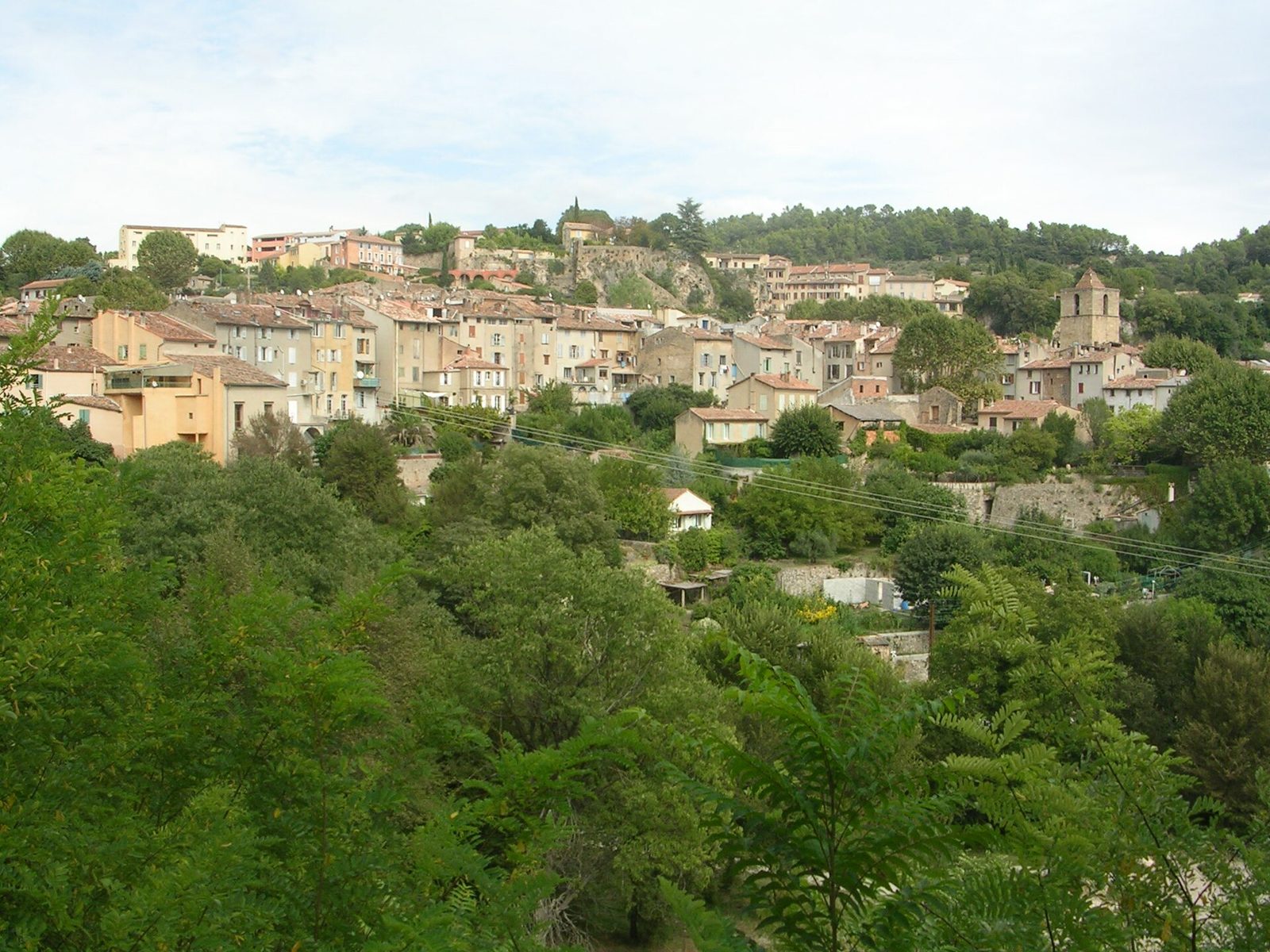
1 Le Vallon et la Cascade des Carmes
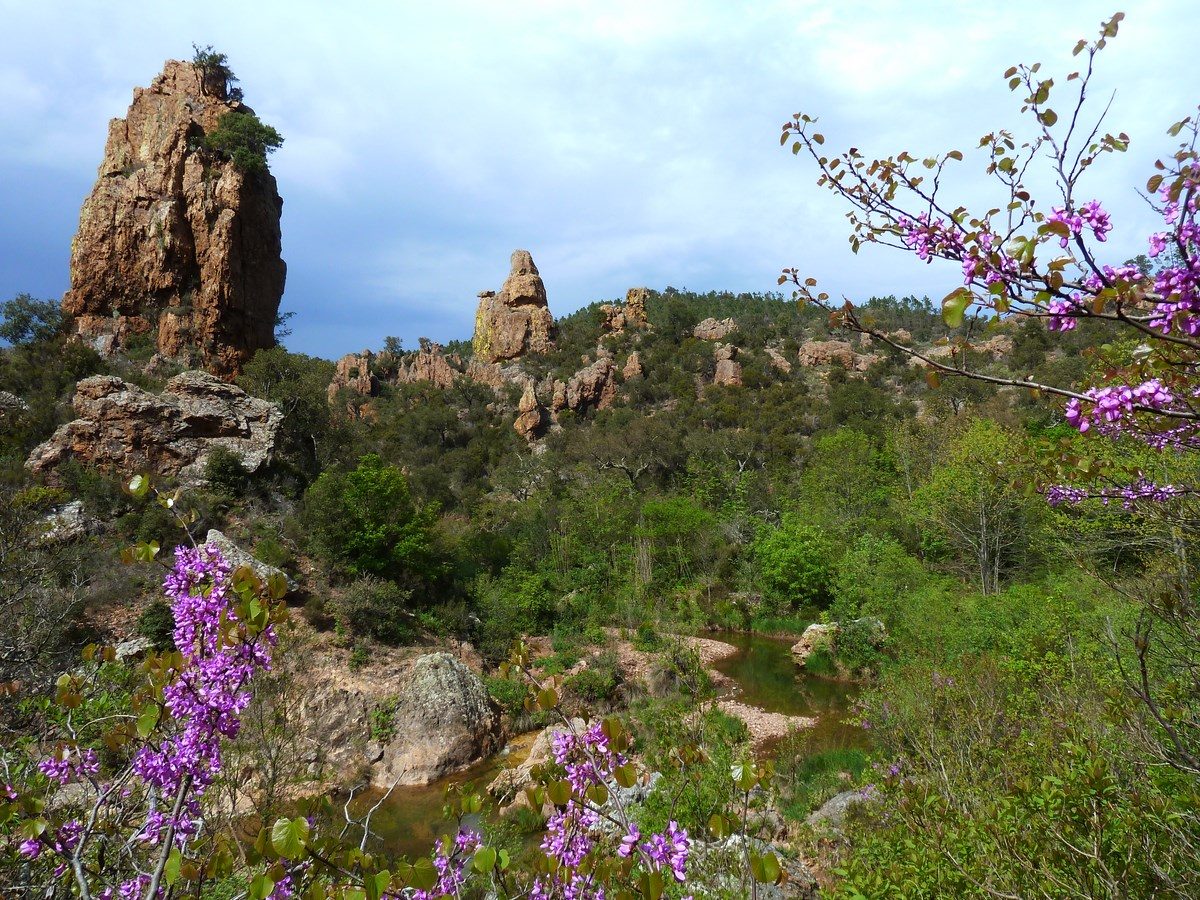
The Heart of Nature of the Vallon des Carmes is a natural area of 31 hectares, a true oasis of greenery and coolness shaped by the water of the Fauvery in the heart of green Provence.
View full page →The Var offers beaches, calanques, islands, hilltop villages, gorges and vineyards. The Estérel and Maures massifs and the Saint-Tropez peninsula form a varied landscape.
This itinerary spreads the best-rated sites in the catalogue over three days.
The map shows the numbered stops in visiting order, with one colour per day. The line follows the roads where available; otherwise it joins the stops as the crow flies. Distances and times are approximate (by car, without traffic).
This day brings together 5 sites close to each other: waterfalls, lakes and villages. Allow half an hour to an hour and a half per site, plus travel time.
The Heart of Nature of the Vallon des Carmes is a natural area of 31 hectares, a true oasis of greenery and coolness shaped by the water of the Fauvery in the heart of green Provence.
View full page →
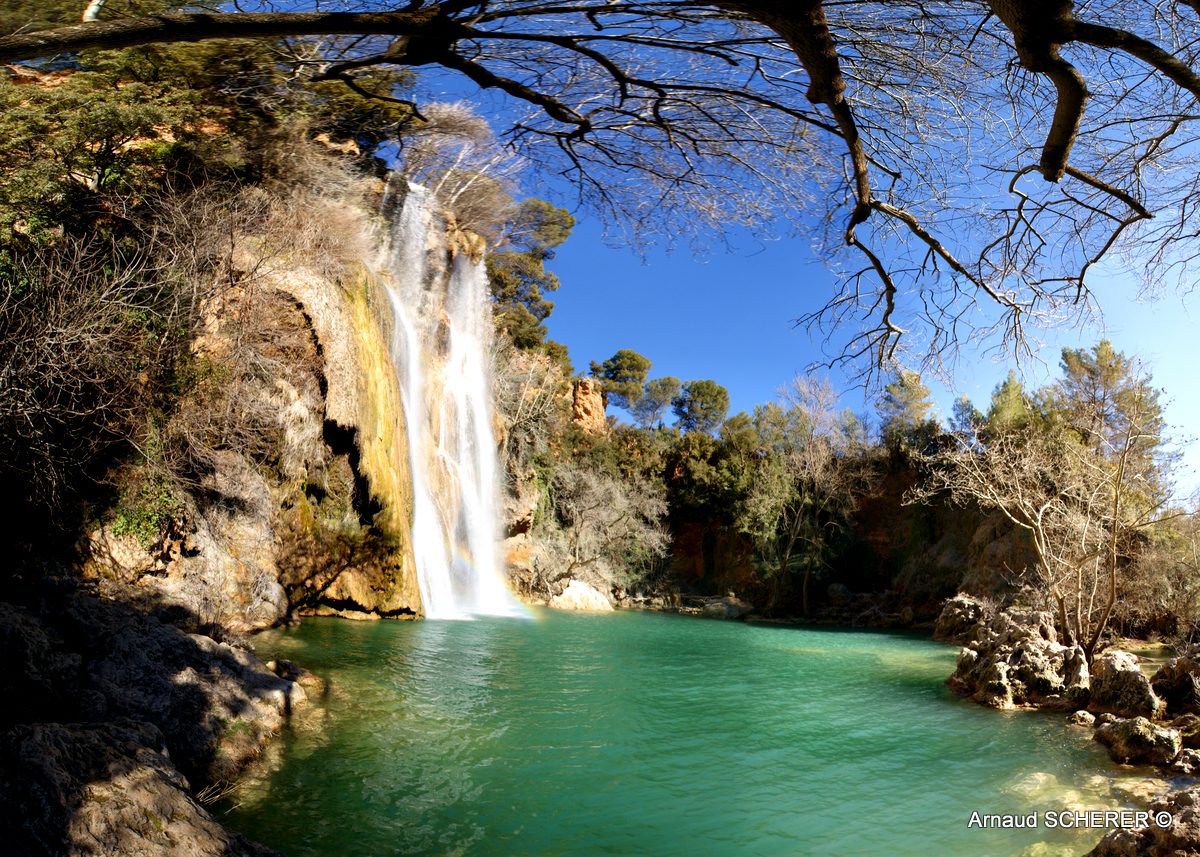
Between Sillans-la-Cascade and Salernes lies the Sillans waterfall, 42 metres high. It is the highest waterfall in the Var.
View full page →
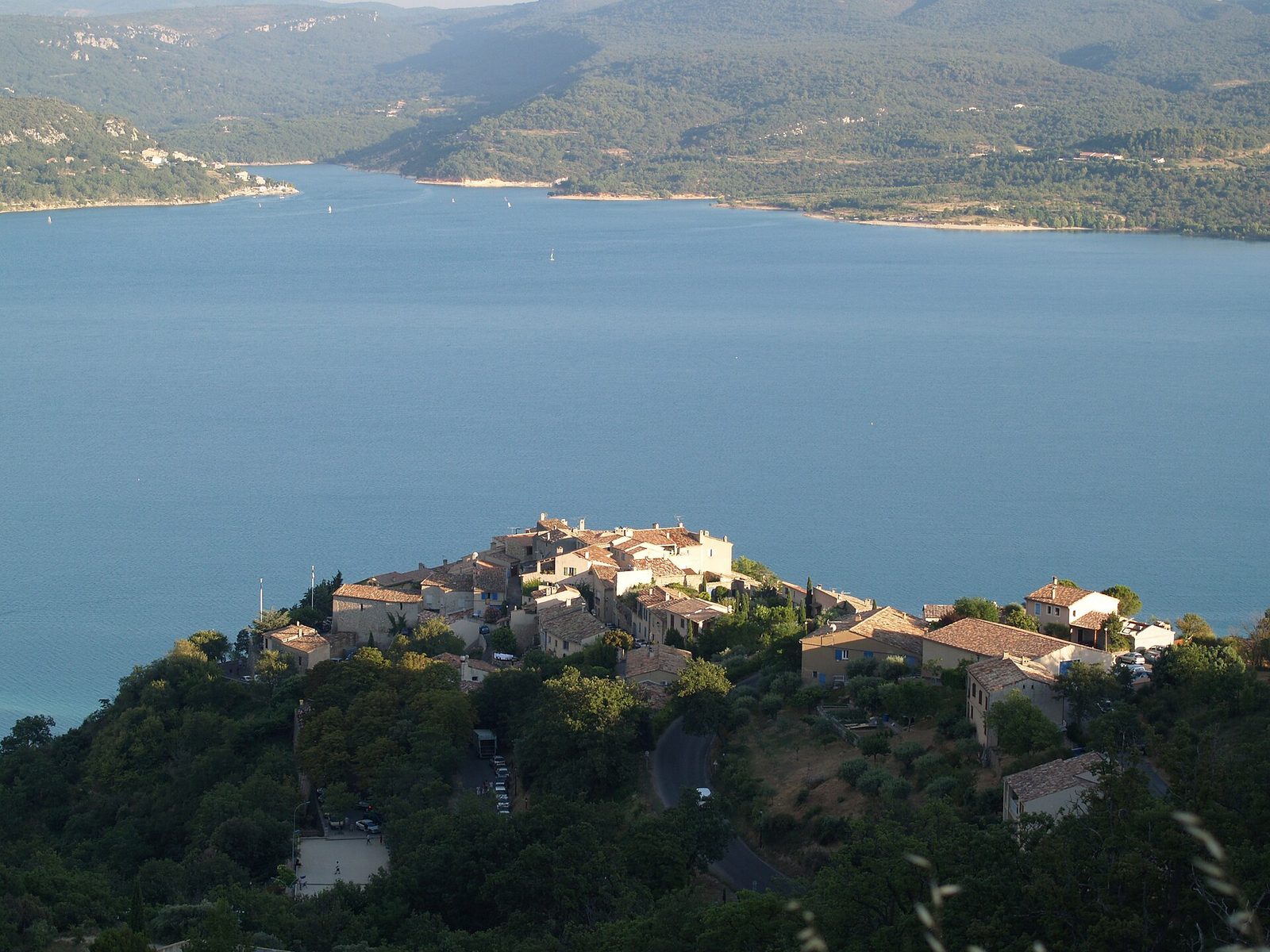
Lac de Sainte-Croix is the largest of the Verdon lakes.
View full page →
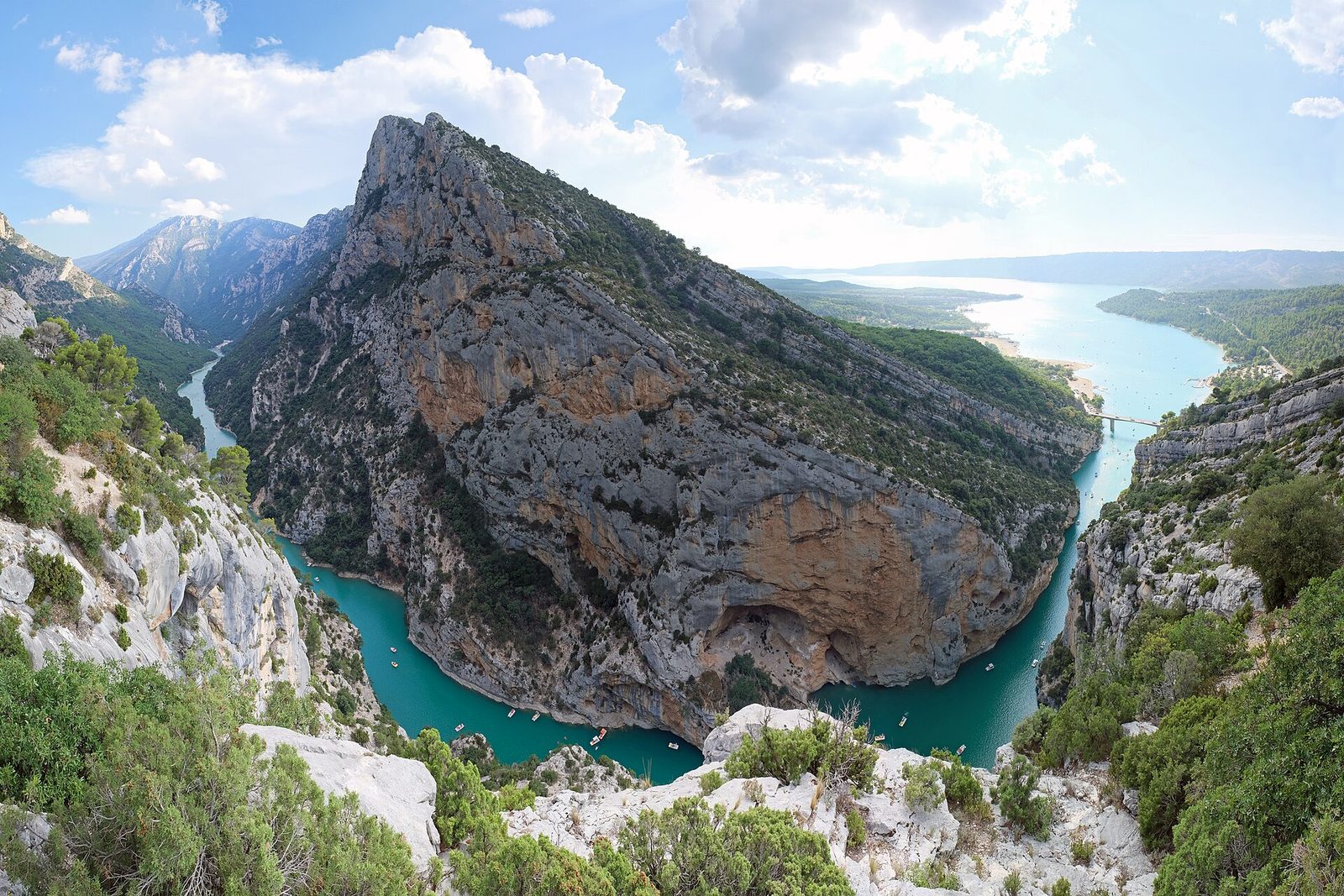
A famous canyon with limestone walls. Above all see: the Point Sublime (400 m high), the Barre de l'Escalès (cliff), the Baume aux Bœufs tunnel cave, the St-Maurin waterfalls...
View full page →
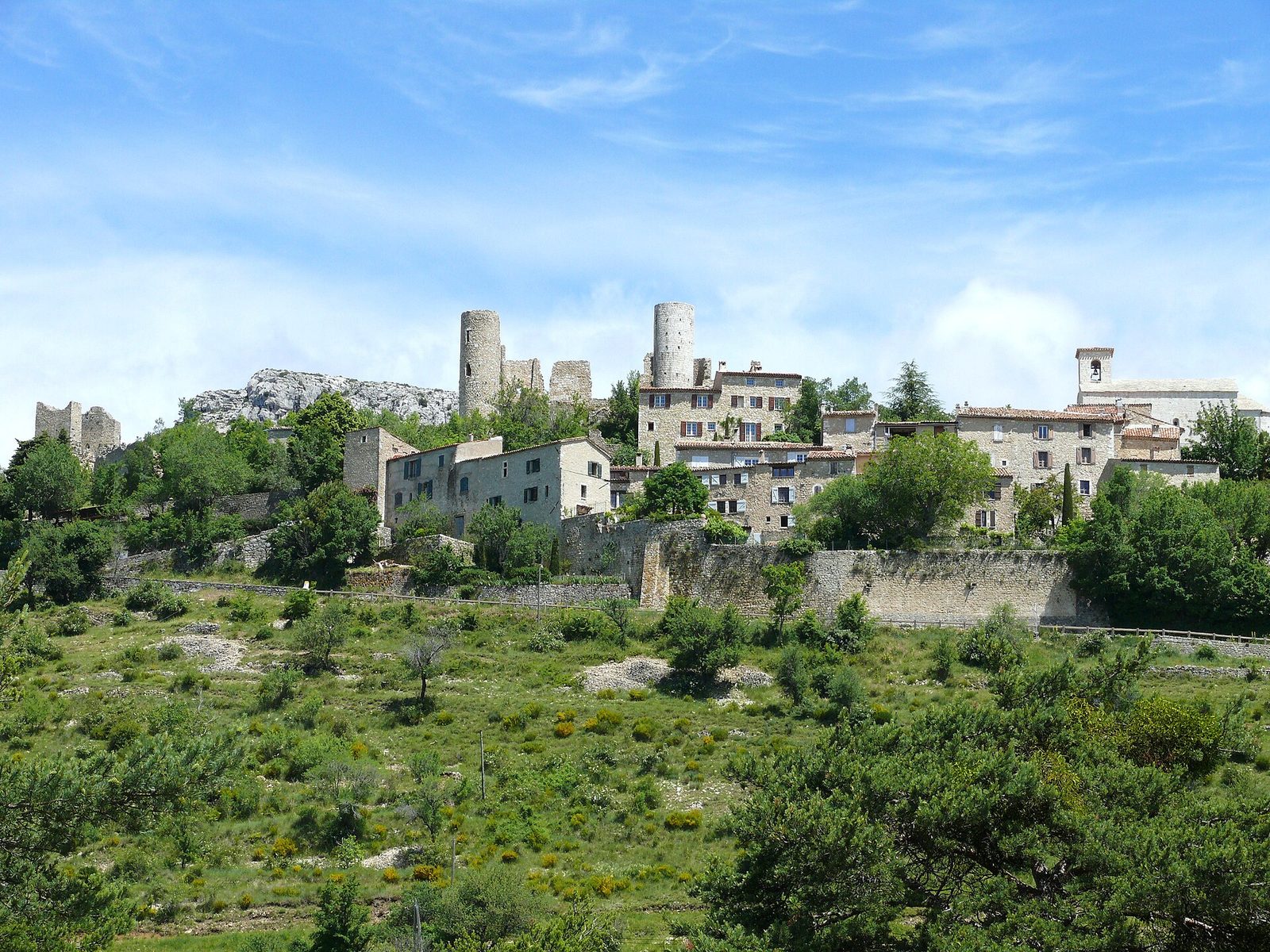
You enter the town by the Porte de Garde that opens in the ramparts, then you discover the little old streets, the vaults, the lanes lined with often flowered houses.
View full page →This day brings together 4 sites close to each other: natural wonders, beaches and waterfalls. It passes through Le Cannet-des-Maures, Ramatuelle and Saint-Raphaël. Allow half an hour to an hour and a half per site, plus travel time.
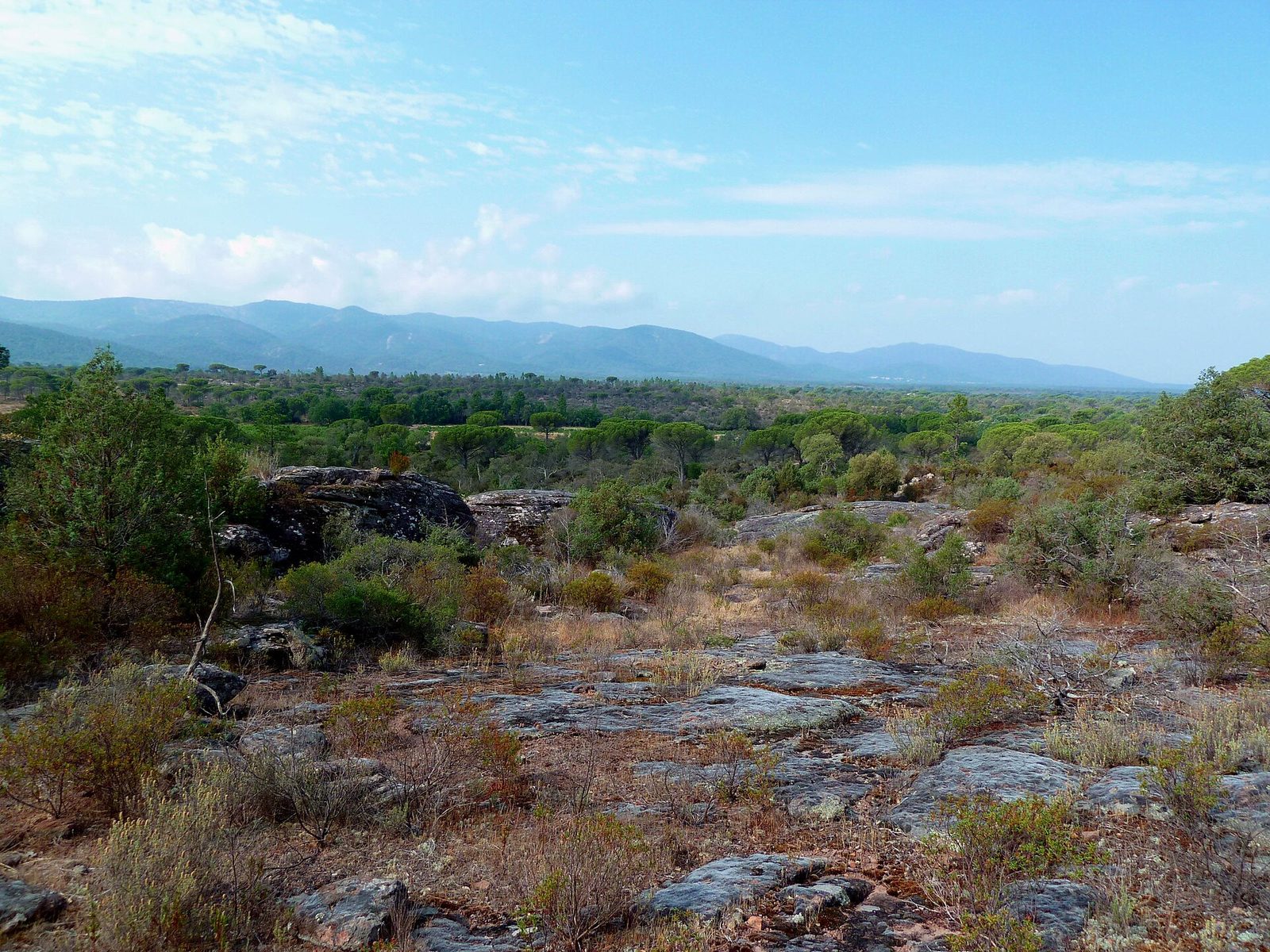
A 5,276-hectare national nature reserve north of the Maures massif, the main French refuge of Hermann's tortoise, the country's only native land tortoise.
View full page →
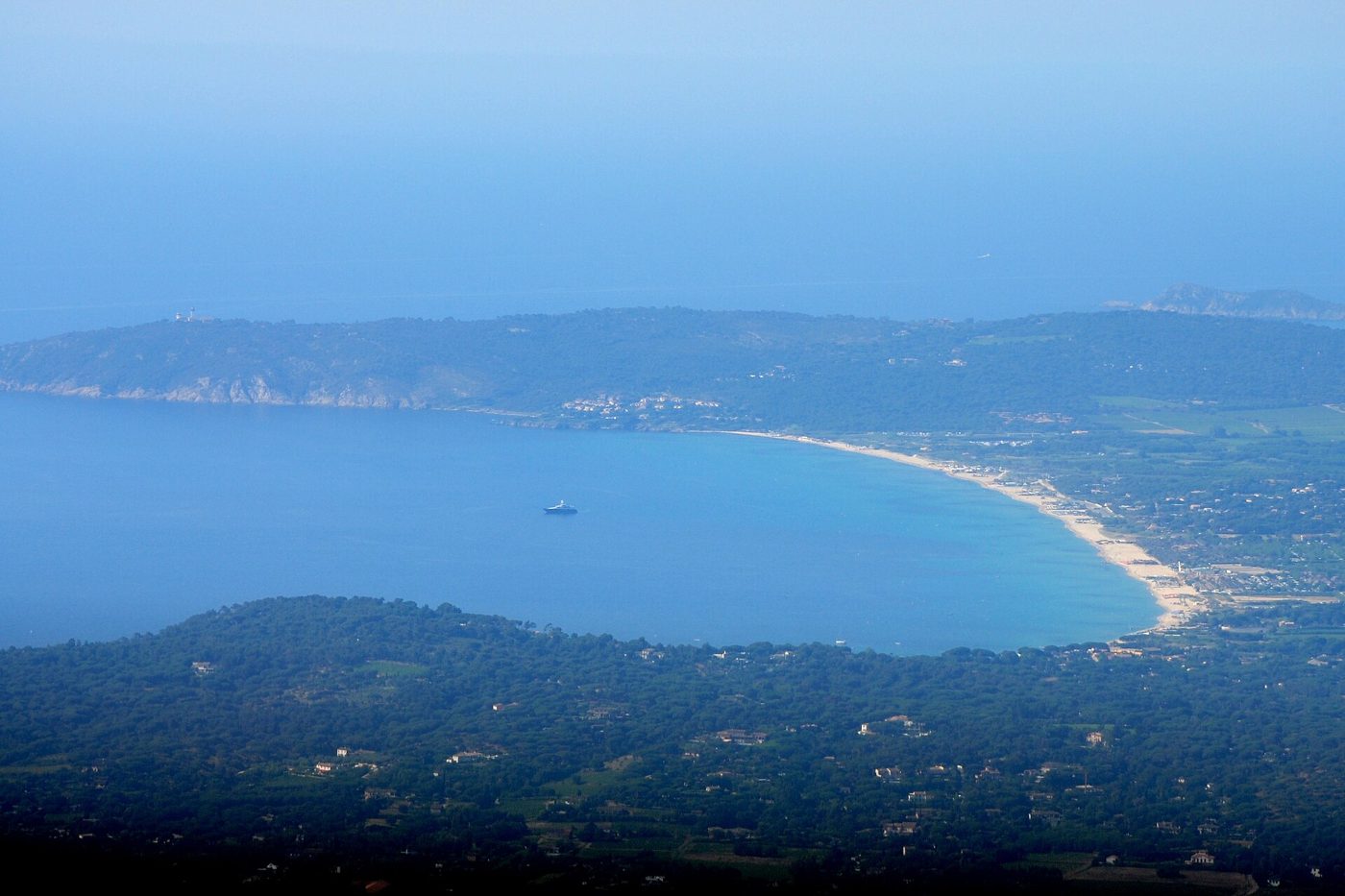
The most famous beach of the Saint-Tropez peninsula, with four kilometres of fine sand.
View full page →
A site of wild beauty: there are several paths to reach Lac de l'Écureuil.
View full page →
This volcanic massif of dark red rocks plunges directly into the Mediterranean between Saint-Raphaël and Cannes. Criss-crossed by the Corniche d'Or, it combines wild calanques, scented maquis and summits offering wide panoramas over the Côte d'Azur.
View full page →This day brings together 3 sites close to each other: natural wonders and beaches. It passes through Hyères. Allow half an hour to an hour and a half per site, plus travel time.
A geological curiosity unique in the world, the Giens peninsula is linked to the mainland by 2 arms of sand 5 km long, called tombolos.
View full page →
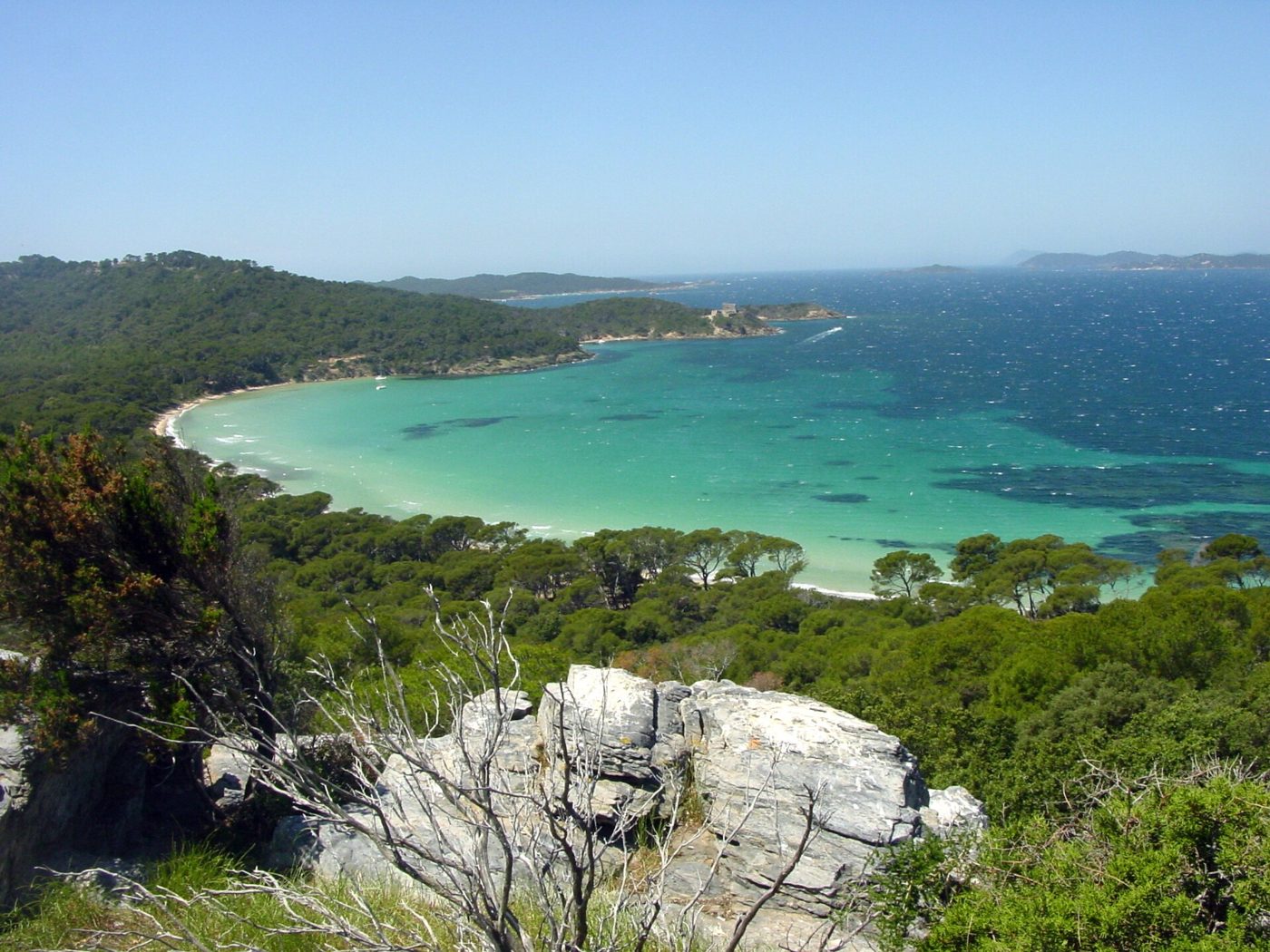
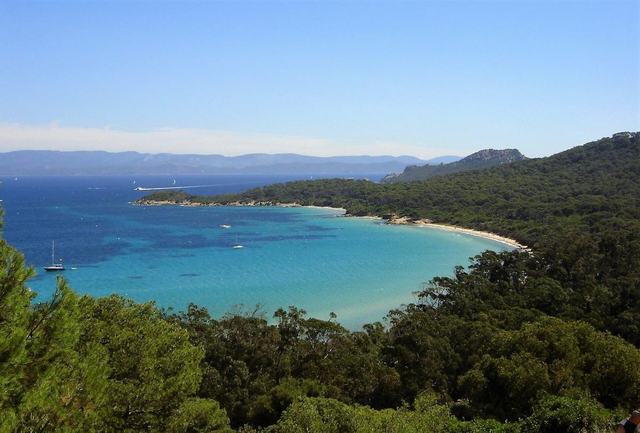
White-sand beach on the island of Porquerolles, often cited among the most beautiful in the Mediterranean.
View full page →
Port-Cros National Park, abbreviated PNPC, is a French national park in the Mediterranean Sea.
View full page →Spring and autumn are ideal: mild temperatures and less crowded sites. Summer is hot, with many people on the coast. The massifs can be closed when there is a fire risk.
A car is practical, but traffic is heavy on the coast in summer. The islands are visited by boat. Find out about access restrictions to the massifs.

A discreet tributary of the Endre has carved this defile of red rocks south of Callas, in the Var hinterland. Pools of clear water and small waterfalls attract hikers and swimmers seeking coolness.

The island of Porquerolles is the largest and westernmost of the three Golden Isles of the Gulf of Hyères, with an area of 12.54 km².

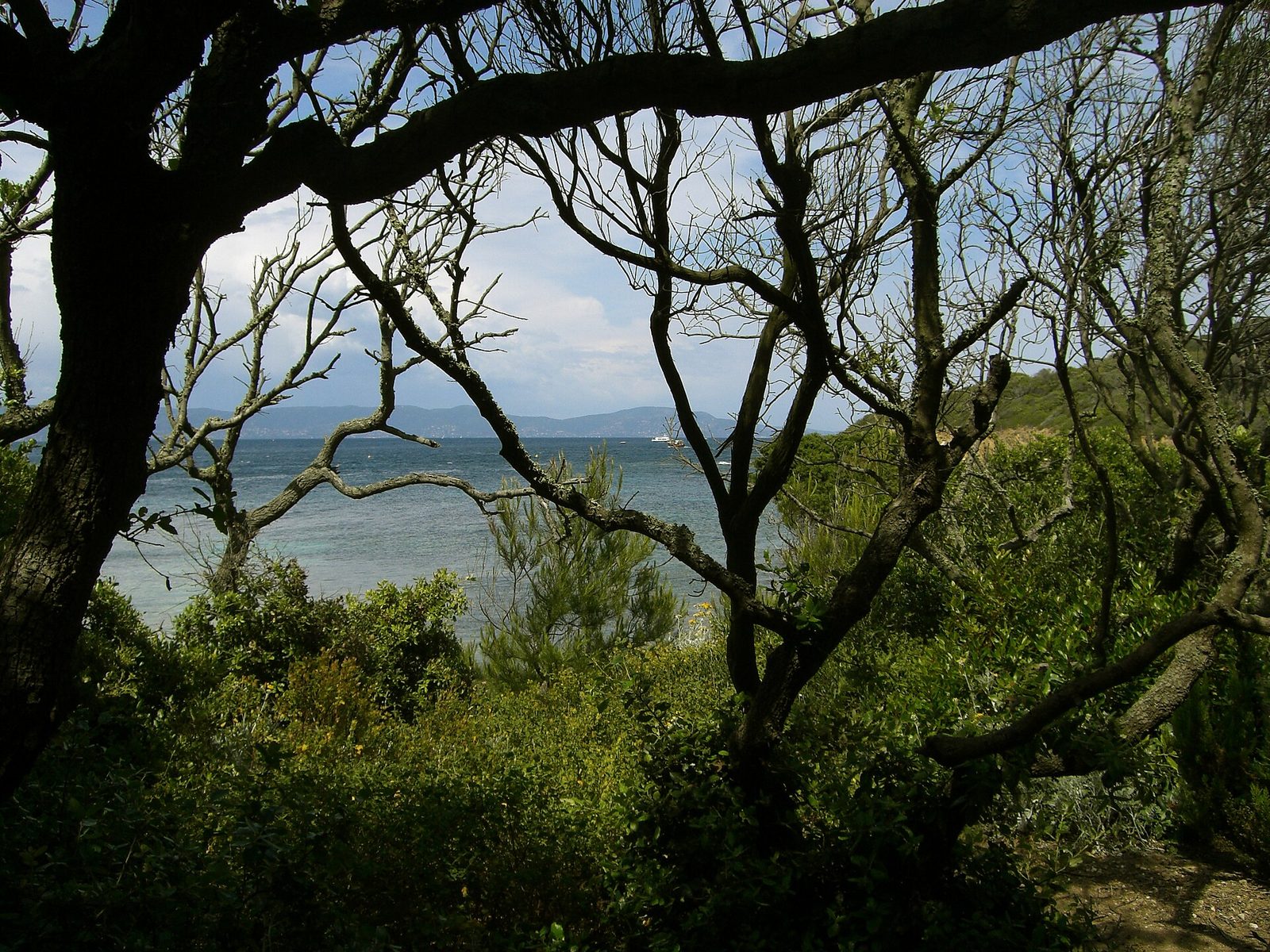
Port-Cros is undoubtedly the wildest of the 3 islands of the Golden Isles archipelago, but also the most mountainous.

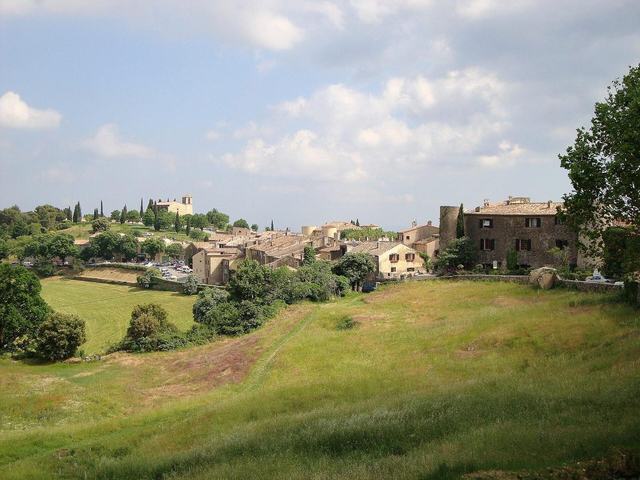
Built on the top of a hill more than two hundred metres high, Gassin is a delightful village that has kept all its charm and tranquillity, a few kilometres from the Var coast.

In Tourtour, the narrow streets are lined with stone houses capped with round tiles.

Tightly graded around the campanile and the tower of the twelfth-century church, as well as the medieval castle, the ochre houses draw a mysterious labyrinth of cobbled, sloping lanes, marked by the steps of horses.