Lakes · Hérault
1 Lac des Rives
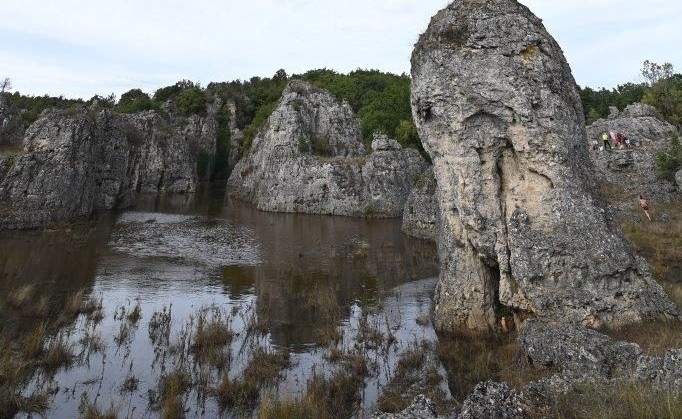
Lac des Rives forms in a karst depression of the Larzac plateau, not far from Lodève, in the Hérault.
View full page →Hérault offers a Mediterranean coast, gorges, rocky cirques, stone villages and World Heritage sites. Between sea and garrigue scrub, the variety is great.
This itinerary spreads the best-rated sites in the catalogue over three days.
The map shows the numbered stops in visiting order, with one colour per day. The line follows the roads where available; otherwise it joins the stops as the crow flies. Distances and times are approximate (by car, without traffic).
This day brings together 4 sites close to each other: lakes, natural wonders and caves. It passes through Clermont-l'Hérault. Allow half an hour to an hour and a half per site, plus travel time.
Lac des Rives forms in a karst depression of the Larzac plateau, not far from Lodève, in the Hérault.
View full page →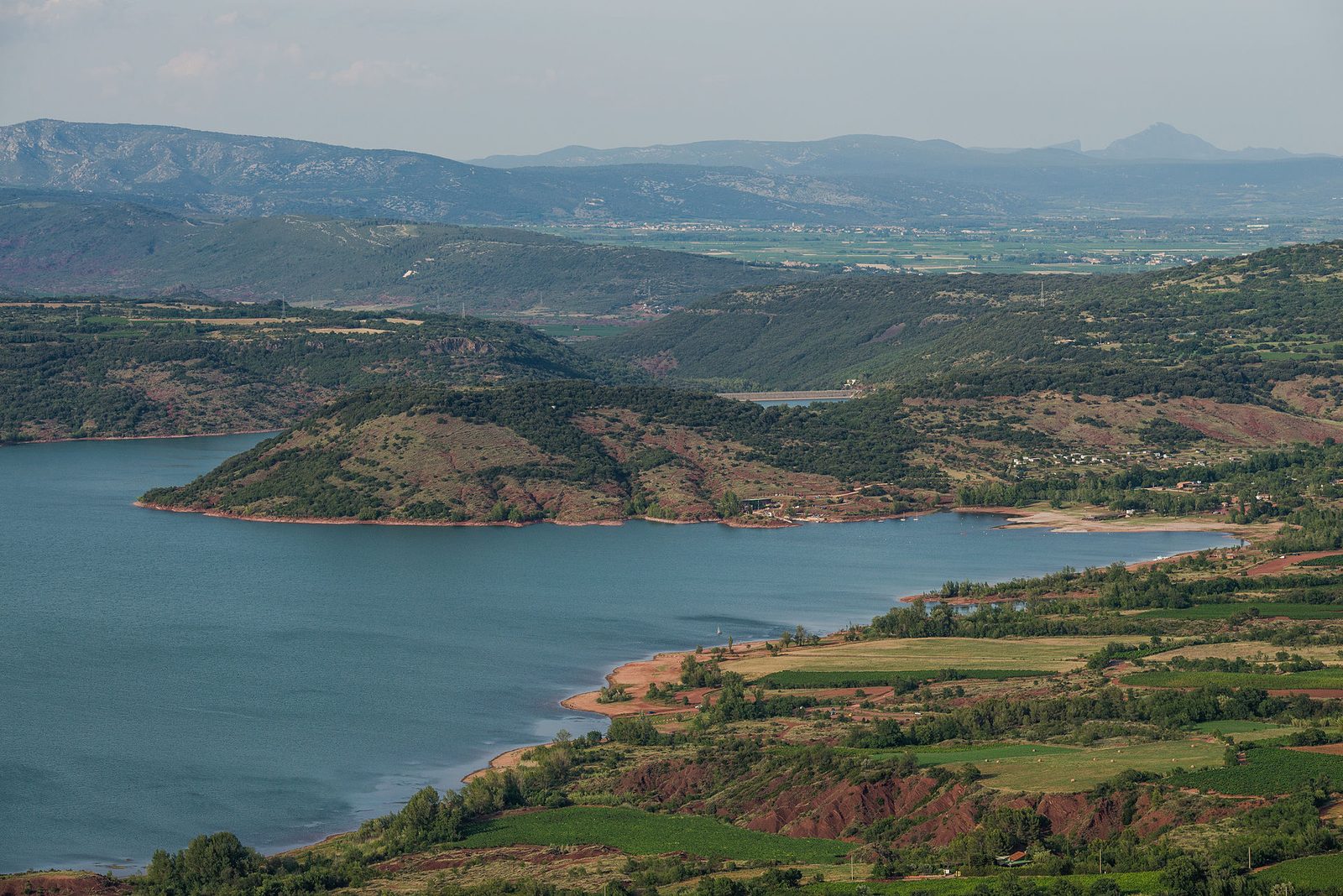
A reservoir lake with blue water ringed by hills of dark red argillite, the famous "ruffes" of the Lodévois, a volcanic and lunar landscape unique in the Hérault.
View full page →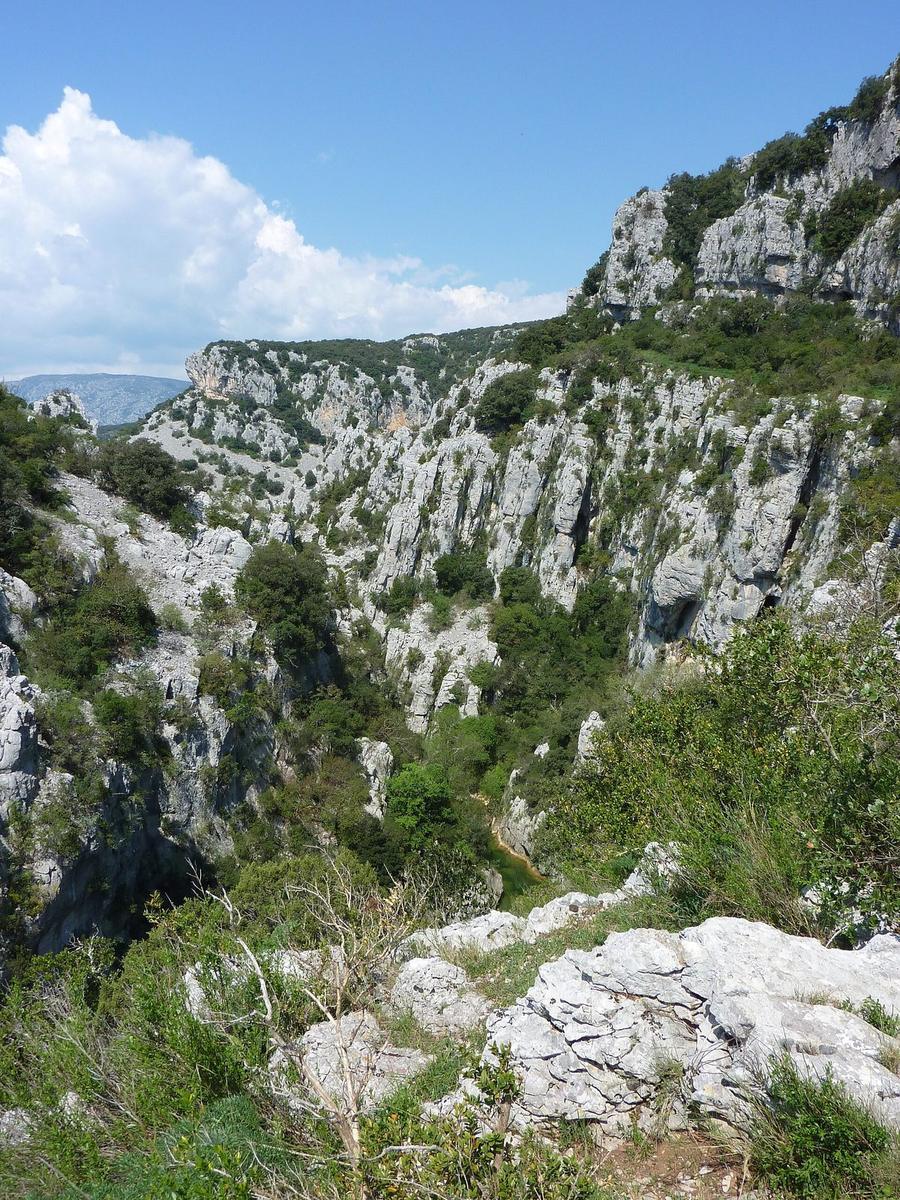
A superb site naturally carved by the emerald waters of the Lamalou stream. It is the unusual curiosity of the region. We advise visiting outside summer, as the Lamalou stream is dry then.
View full page →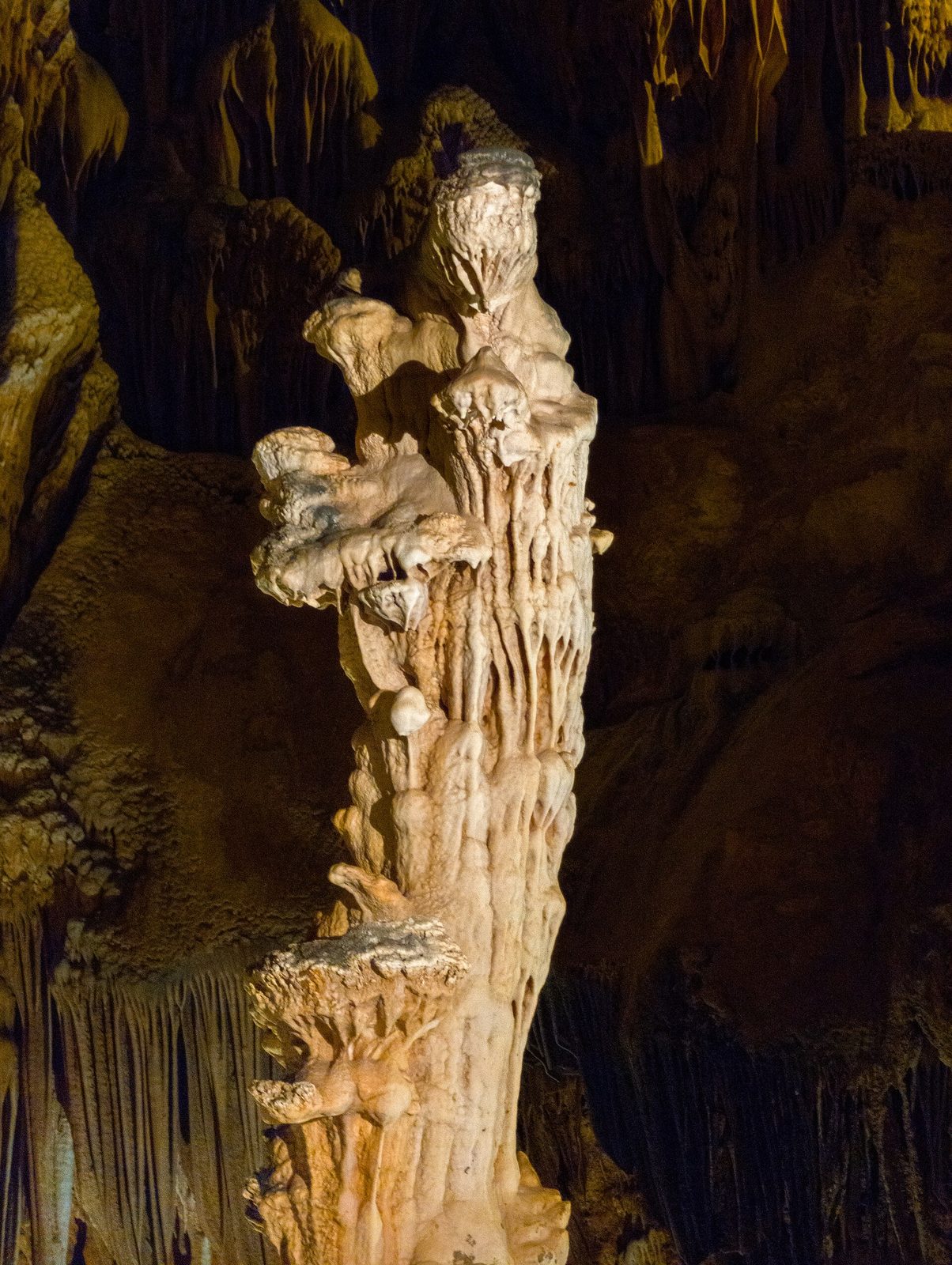
Located not far from the Cirque de Navacelle, this cave is in fact an old aven whose opening is on the Thaurac plateau.
View full page →This day brings together 3 sites close to each other: towns and cities and natural wonders. It passes through Béziers and Sète. Allow half an hour to an hour and a half per site, plus travel time.
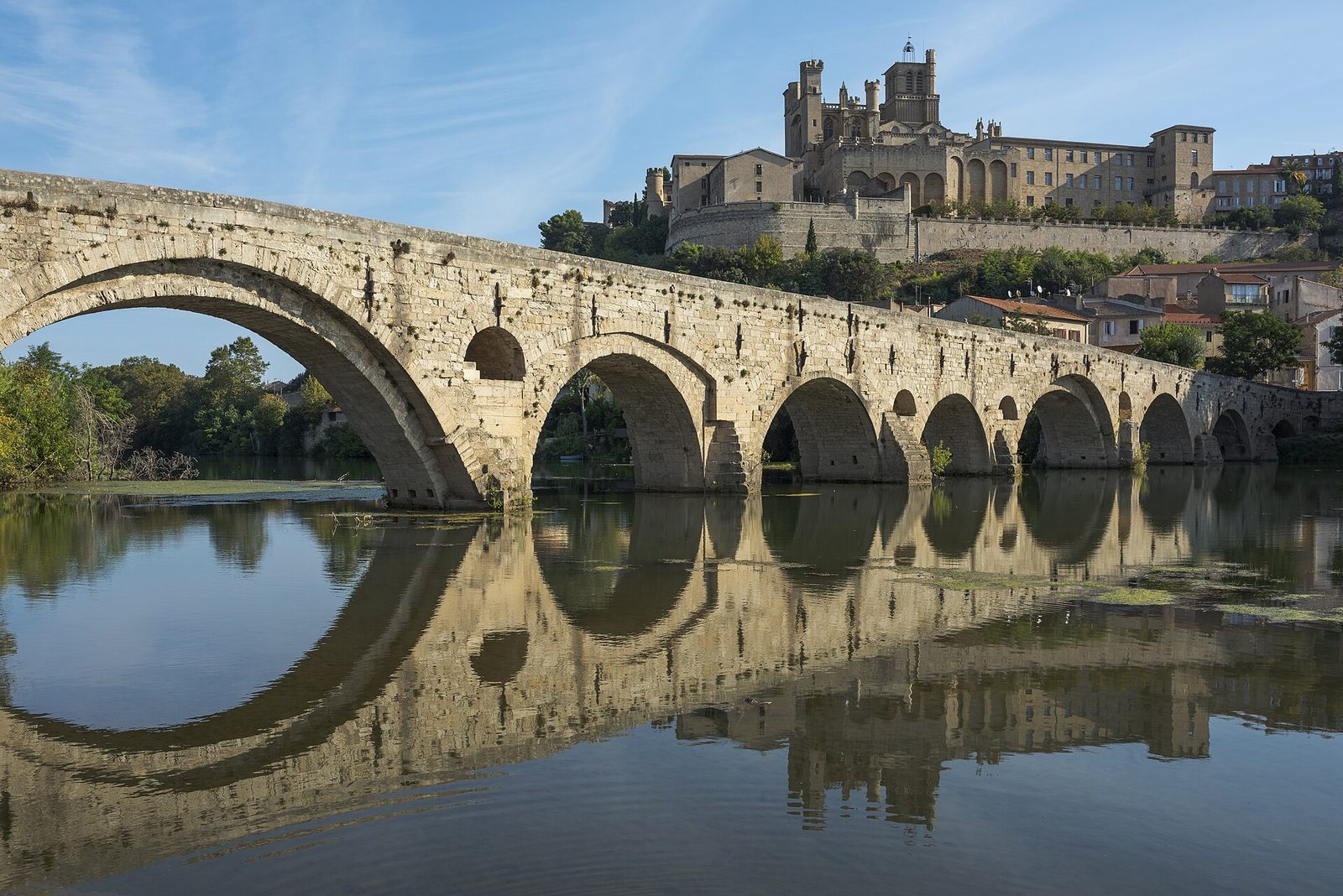
The oldest town in France, dominated by its fortified cathedral of Saint-Nazaire that overlooks the Orb and its nine-arched medieval Old Bridge.
View full page →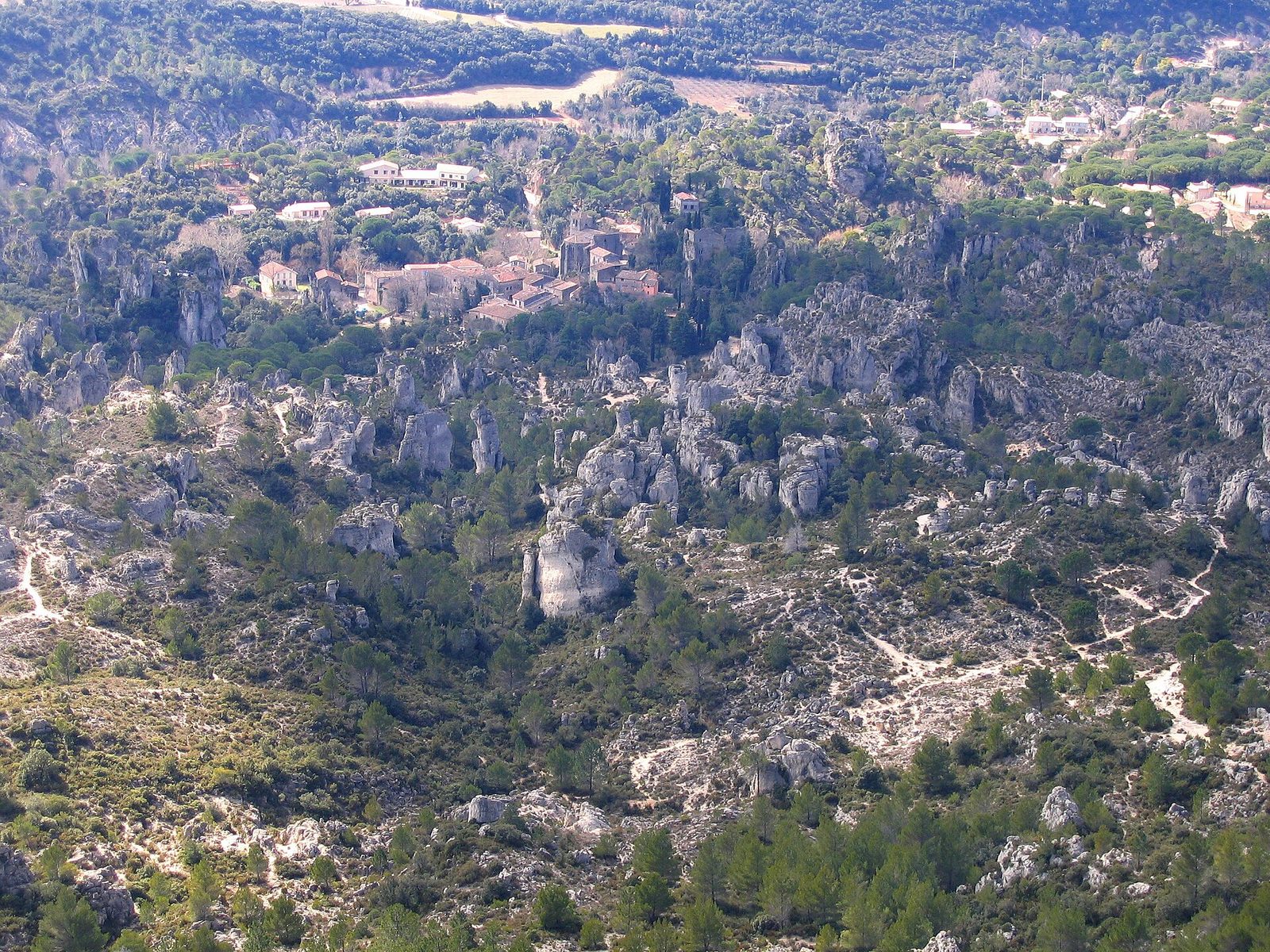
This natural limestone formation, which gave its name to cliffs in the Alps of northern Italy, is found west of Clermont-l'Hérault.
View full page →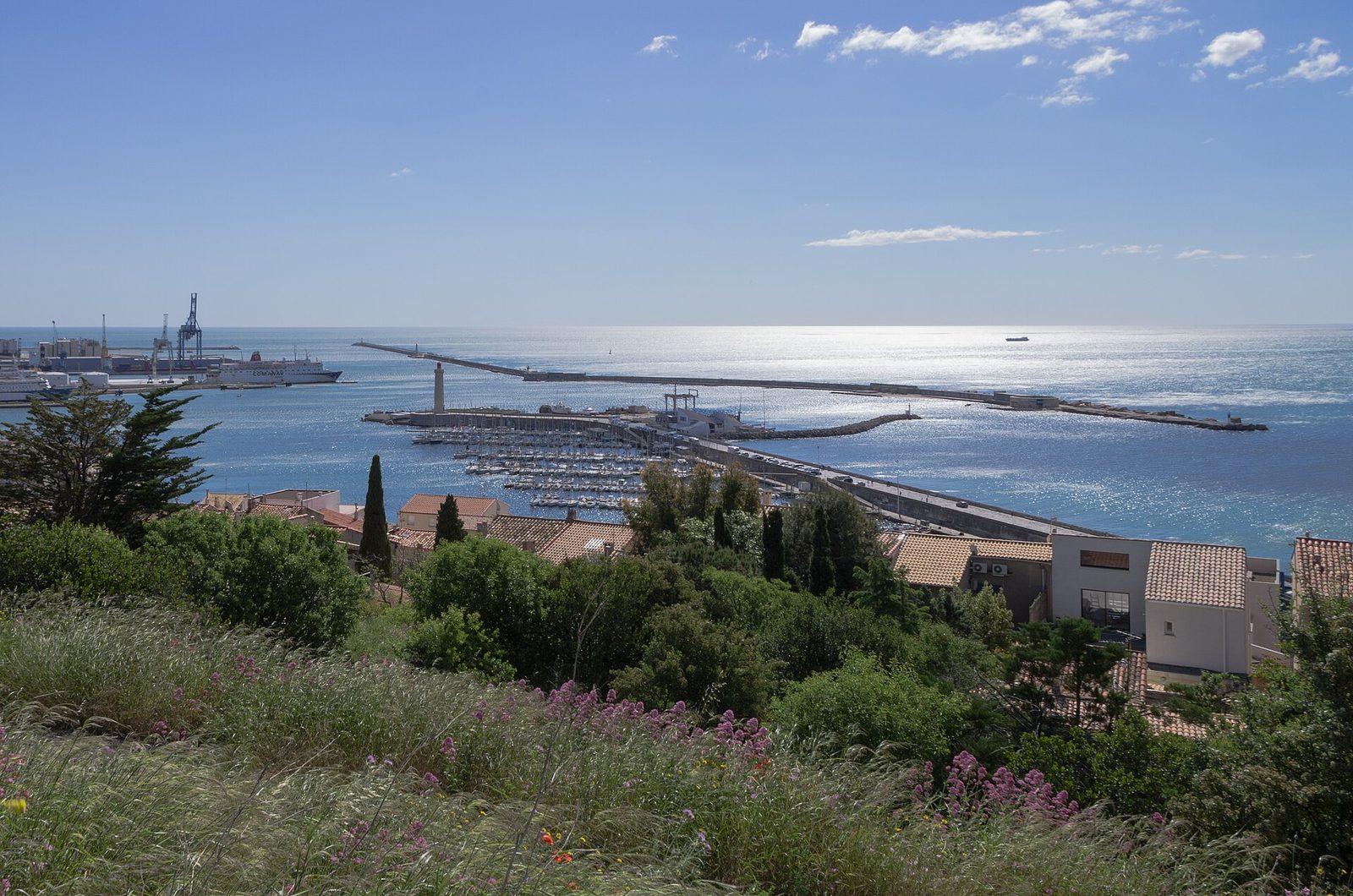
Mediterranean port built on the slopes of Mont Saint-Clair, criss-crossed by canals that earn it the nickname "Venice of Languedoc", birthplace of Georges Brassens.
View full page →This day brings together 5 sites close to each other: villages, caves and natural wonders. Allow half an hour to an hour and a half per site, plus travel time.
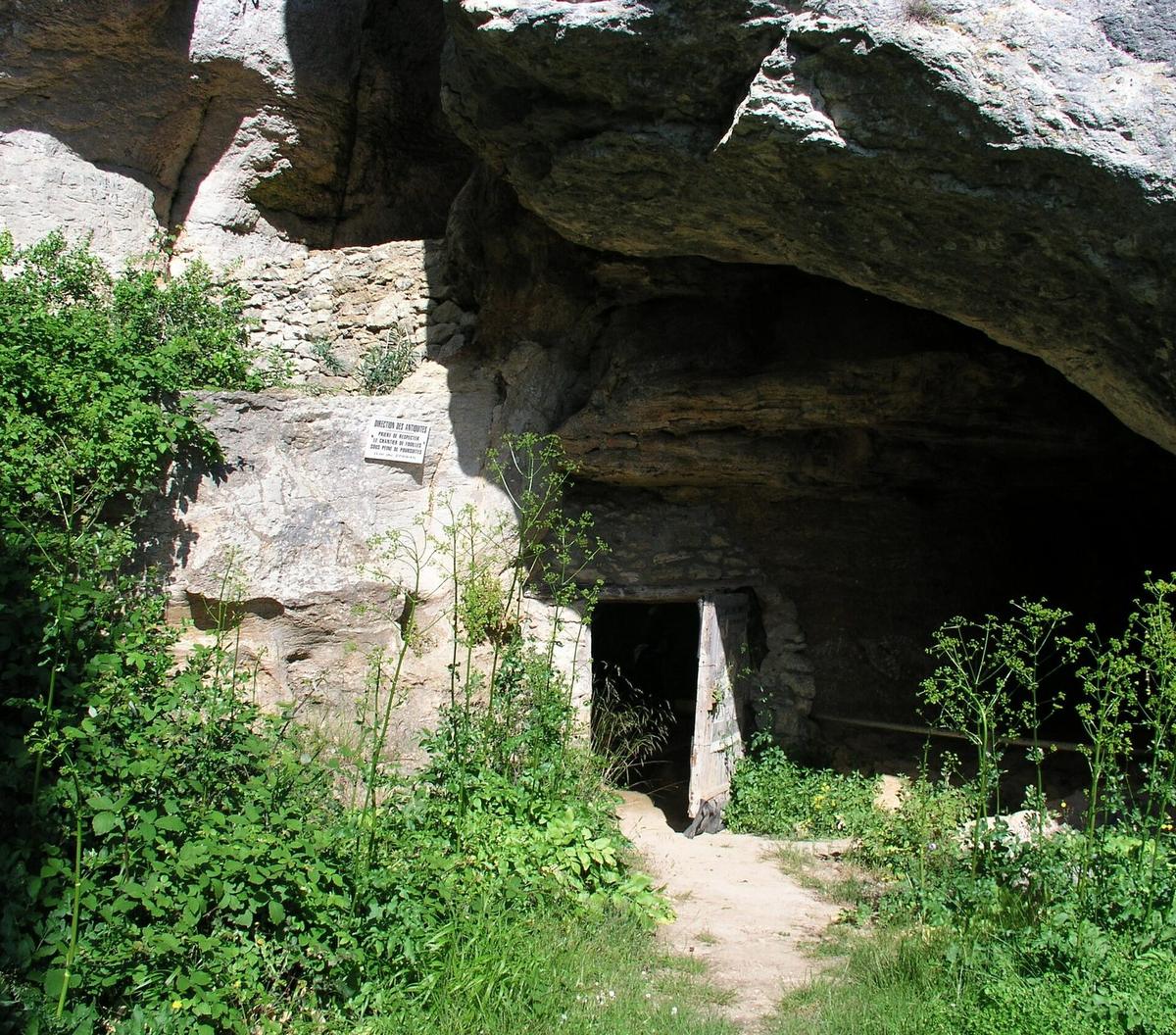
The first known inhabitants were certainly from the Palaeolithic, since they left many traces in the natural caves of the Fauzan site.
View full page →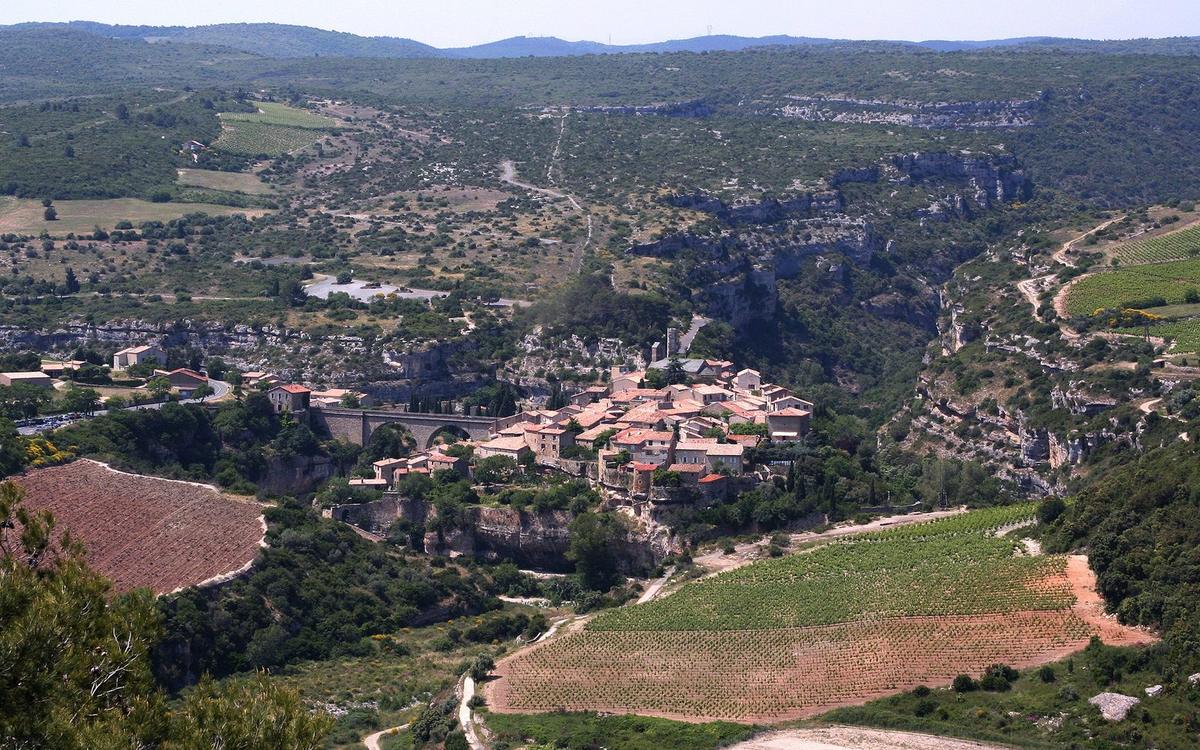
Listed among the most beautiful villages in France, Minerve is an impressive combination of historic remains and natural beauty.
View full page →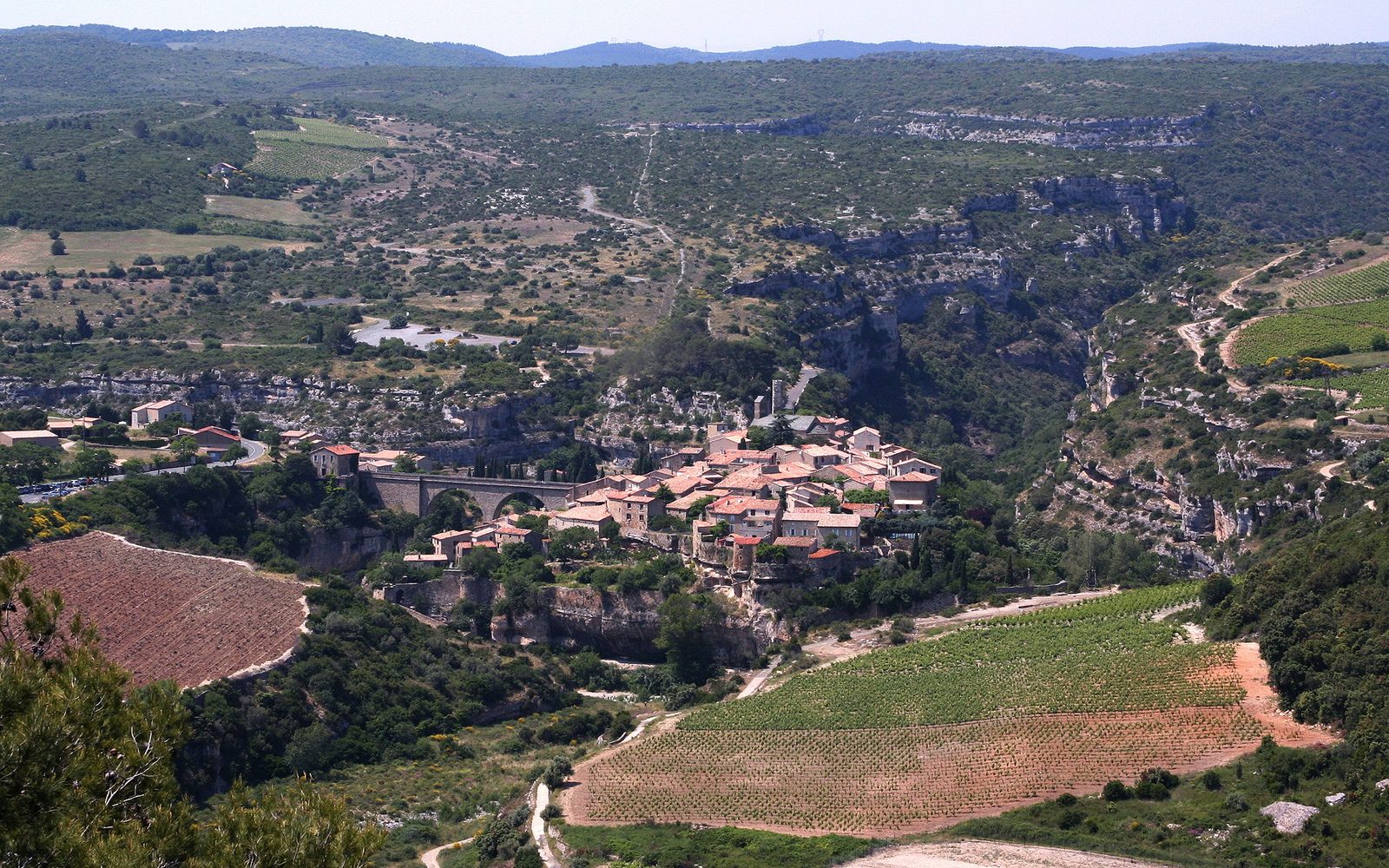
At the exit of the gorges of La Cesse and the Briant, where the waters of the two rivers meet, Minerve appears at the end of a limestone plateau bordered by steep cliffs in a fantastic mineral and tormented landscape.
View full page →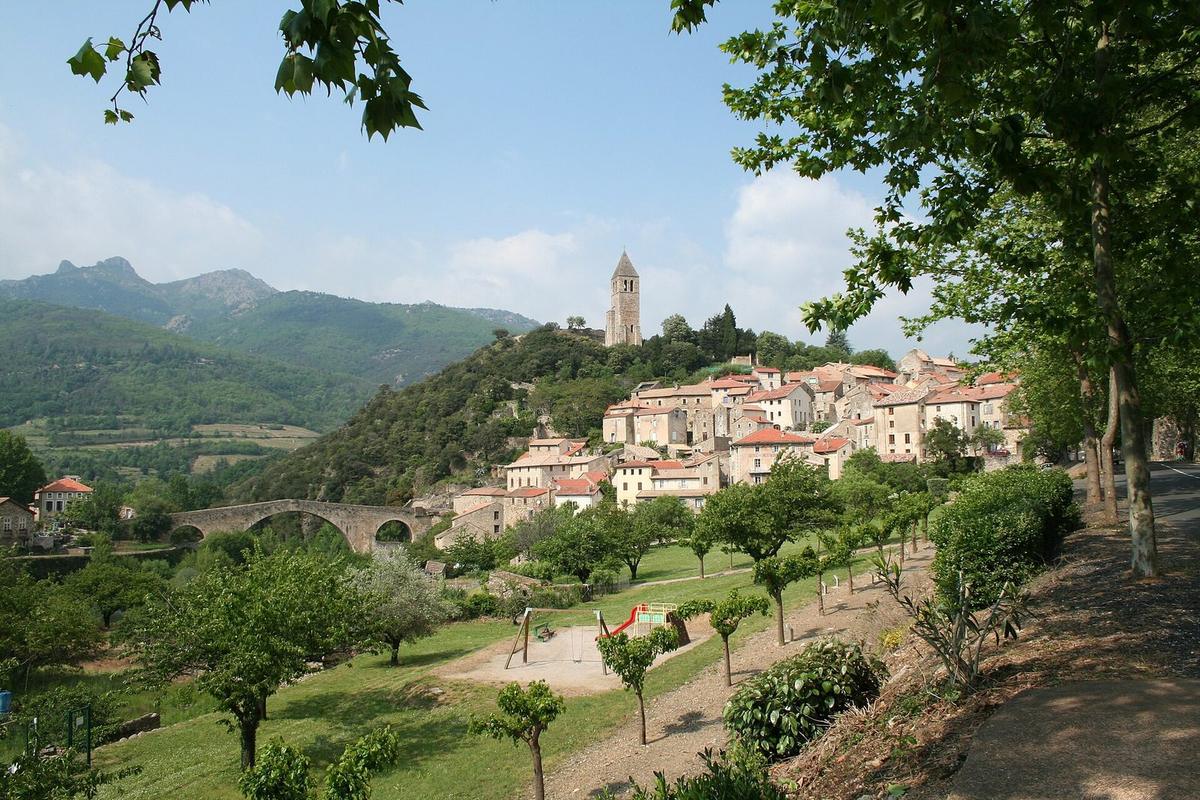
The site of Olargues was occupied as early as Roman times.
View full page →
Very deep gorges with limestone needles. The Gouffre du Cerisier is one of the natural pools (gour) carved by the Héric torrent (swimming).
View full page →Spring and autumn are the best: pleasant temperatures and soft light. Summer is hot, with many people on the coast. Winter is mild, but some sites are closed.
A car is practical for the hinterland, where public transport is limited. Montpellier is explored on foot and by tram. Gorge roads are narrow: drive carefully.
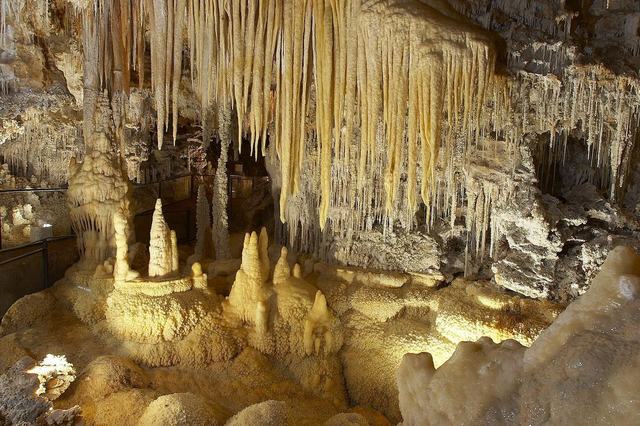
CLAMOUSE, a site classified by the Ministry of Ecology and Sustainable Development, is an essential tourist spot, 35 km from Montpellier, in the GRAND SITE de FRANCE of the Hérault Gorges, near the Pont du Diable and the medieval village of Saint-Guilhem-le-Désert.

The Pic Saint-Loup is a 658 m limestone fold rising in the garrigue north of Montpellier.
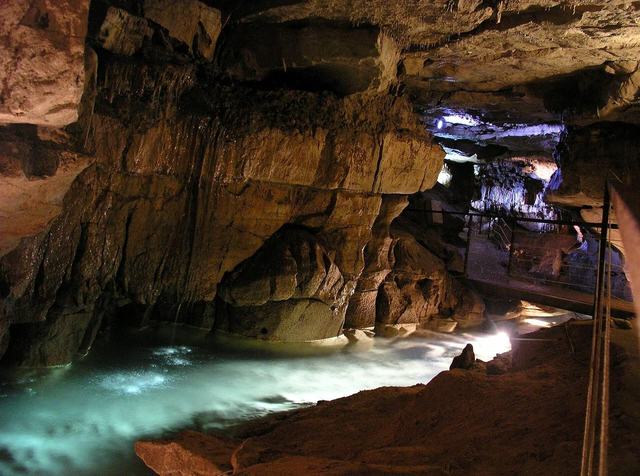
Set in a dolomitic cirque at 700 metres' altitude, the natural entrance to the Labeil Cave is a former Roquefort cellar that gives level access to the underground river where the sound of illuminated waters offers a unique spectacle.
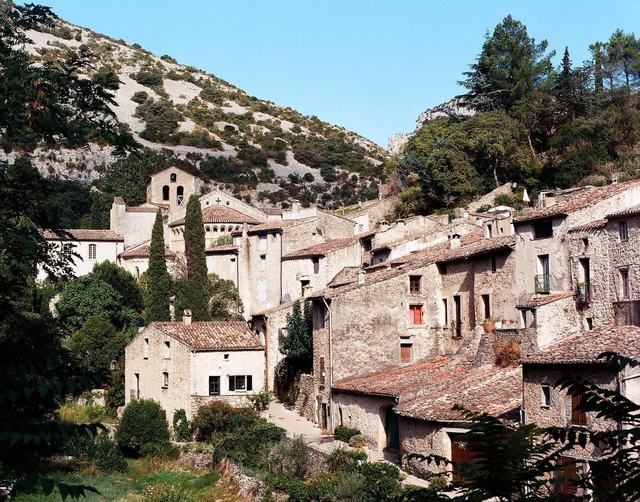
At the confluence of the Verdus and the Hérault, this village grew around an abbey founded in 804 by Saint Guilhem to house a piece of the Cross offered by Charlemagne.
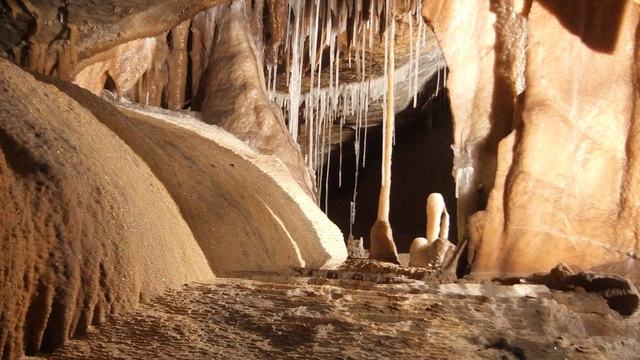
This cave was discovered in 1886, during the building of the Bédarieux–Castres railway line, when the mountain had to be pierced.
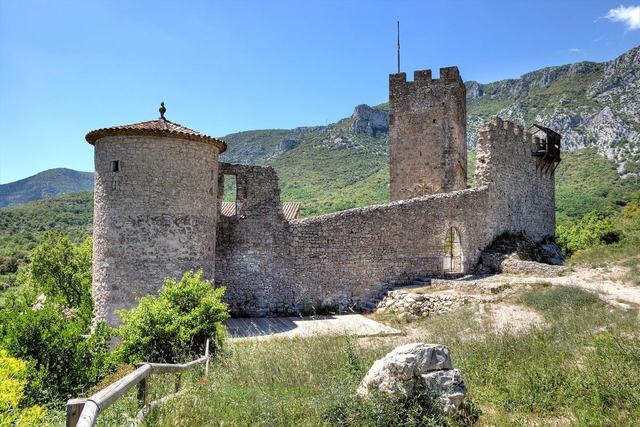
Perched on its rocky peak, the château de Baulx overlooks the village. A simple watchtower in the twelfth century, protecting the barony of Pégairolles, the whole underwent various alterations over the centuries.