Discovering Vosges: a practical guide
The Vosges are a range of low mountains covered with fir forests, dotted with glacial lakes and countless waterfalls. People come for hiking in summer, skiing in winter and fresh air all year round. The département also has an original heritage, from the Épinal prints to Joan of Arc.
This practical guide helps you choose your stops and organise your trip. Underlined site names link to their detailed pages.
Understanding Vosges in a few minutes
The Vosges mountains occupy the east of the département, around Gérardmer, La Bresse and summits such as the Hohneck, served by the Route des Crêtes. In the centre, Épinal, the main town, and Remiremont stretch along the Moselle. To the west, the Vosges plain is more agricultural, with Domrémy, Joan of Arc's birthplace, and the archaeological site of Grand.
Mountain roads are winding and sometimes snowy in winter. For a trip of a few days, Gérardmer or La Bresse are good bases for the mountains.
- Gérardmer is the most practical starting point for the lakes and waterfalls.
- The Route des Crêtes is often closed in winter.
- The TGV serves Épinal and Remiremont from Paris.
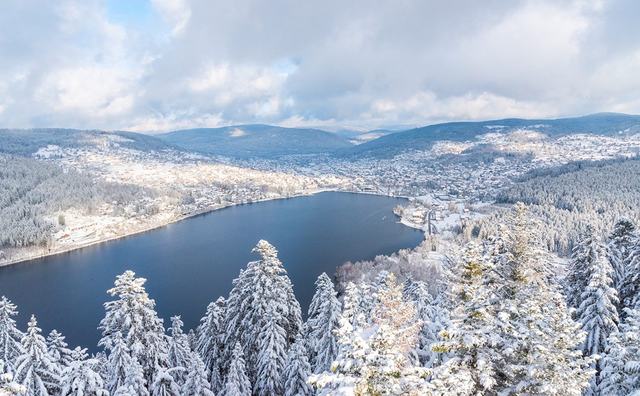
Gérardmer
Gérardmer lies in the heart of the Vosges mountains, on the shore of the lake of the same name, at an average altitude of 670 m. Its position encouraged skiing very early on.
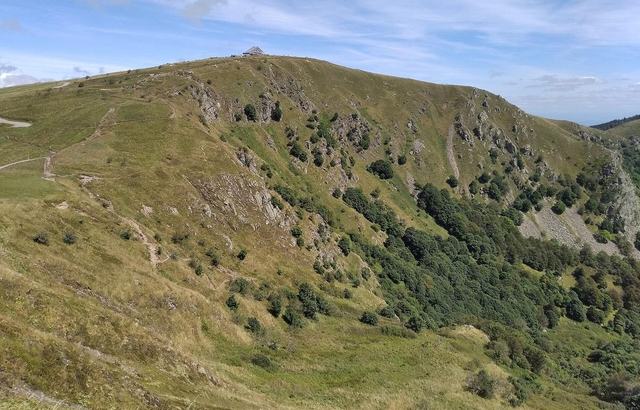
Le Hohneck
The Hohneck peaks at 1,363 metres in the commune of La Bresse and is one of the highest summits of the Vosges massif, often presented as the high point of the Vosges département.
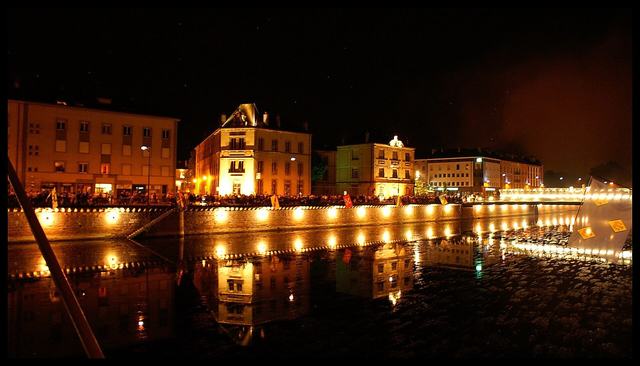
Épinal
The main town of the Vosges, crossed by the Moselle, world-famous for its popular prints.
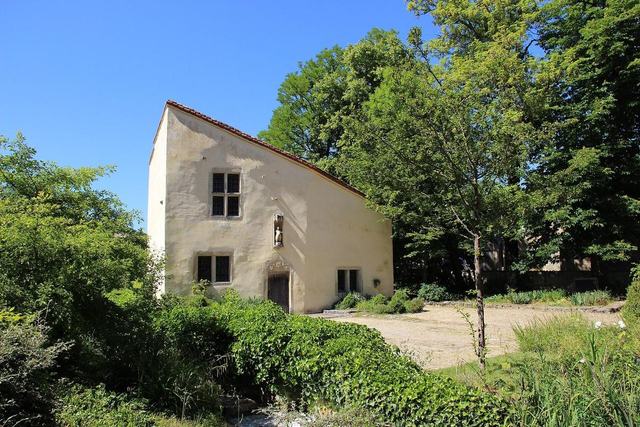
Domrémy, le pays de Jeanne
The Domrémy-la-Pucelle site is one of the major tourist hubs of the western Vosges, interacting with the other historic sites of the area.
Culture, history and heritage
Épinal is famous for its popular prints, presented at the Musée de l'Image, and for the castle overlooking the town. In Remiremont, the arcades and the former canonesses' abbey are worth a stroll. The fortress of Châtel-sur-Moselle is one of the largest medieval fortresses in Europe.
To the west, Domrémy keeps Joan of Arc's birthplace, and the archaeological site of Grand presents a vast amphitheatre and a large Roman mosaic. Industrial heritage can be discovered at the Vosges textile museum in Ventron and at the Hautes-Mynes du Thillot, former copper mines.
- The Musée de l'Image combines well with a visit to the Épinal print works.
- At the Hautes-Mynes, bring something warm for the underground visit.
- Domrémy and Grand are close: visit them on the same day.
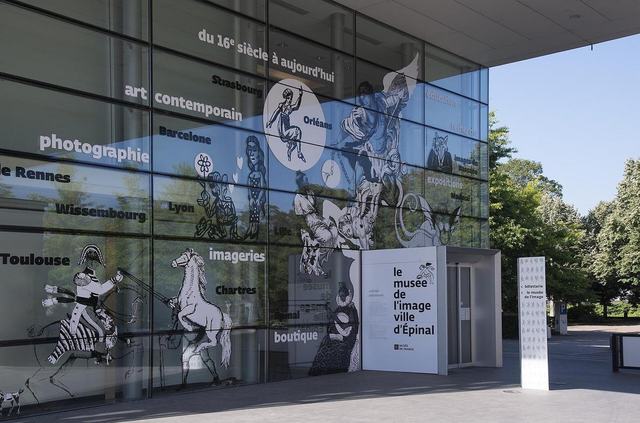
Musée de l'Image
The Musée de l'Image now manages one of the largest collections of French and foreign popular prints from the seventeenth century to the present day: 110,000 images, with the recent purchase of the Henri George collection.
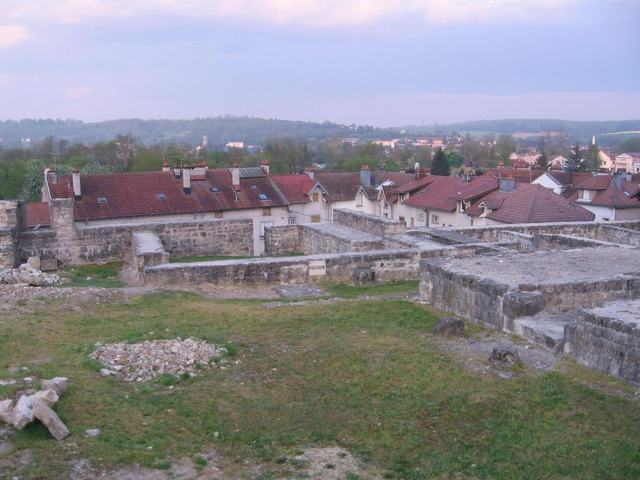
Forteresse de Châtel-sur-Moselle
With 5.5 hectares of remains, the medieval fortress of Châtel-sur-Moselle is considered one of the largest in Europe.
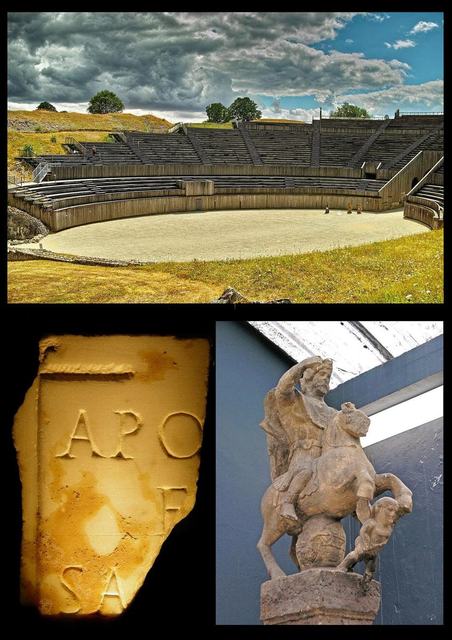
Site archéologique de Grand
With its 148-metre main axis and 17,000 seats, the amphitheatre of Grand ranks among the ten largest in the Roman Empire. Also admire the Roman mosaic, one of the largest in Europe, covering 232 m² in a single piece.
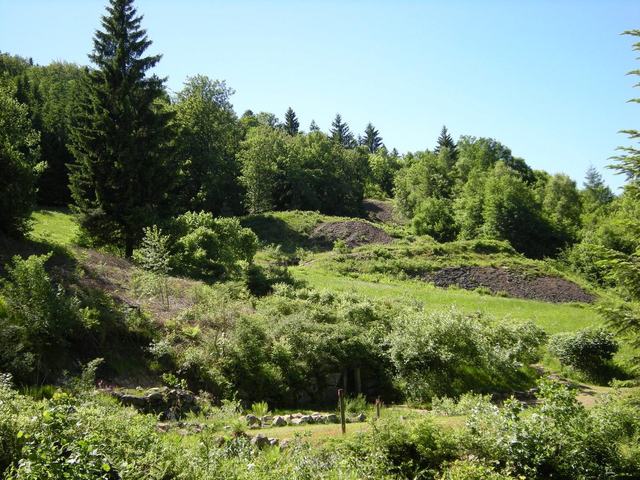
Hautes-Mynes du Thillot
The Hautes-Mynes archaeological mining site lets you discover the former copper mines of Le Thillot, worked by the Dukes of Lorraine from 1560 to 1761.
Food and local produce
Vosges cooking is mountain fare: potée lorraine, tourte and Munster, the cheese of the high pastures, are served in farm inns. Fir honey, bilberries, jams and mirabelle brandy are among the local specialities.
The mineral springs of Vittel and Contrexéville, two spa towns in the west of the département, are renowned. Household linen woven in the Vosges is a recognised craft.
- Book a farm inn to try the repas marcaire (cheesemaker's meal).
- Bilberries are picked in July and August.
- Factory shops selling Vosges linen are plentiful around Gérardmer.
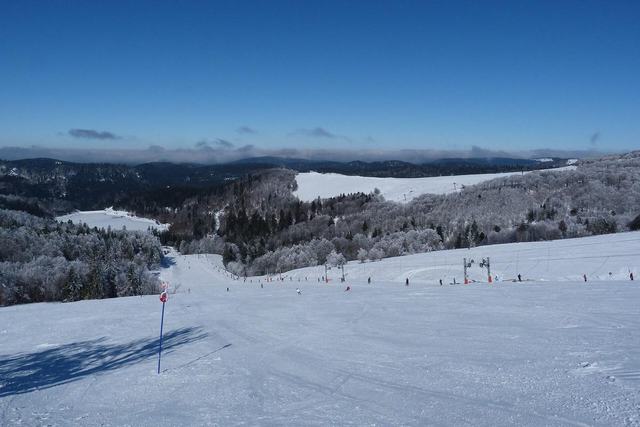
La Bresse Hohneck
The largest ski area in the Vosges, with 30 runs and a completely redesigned snow front.
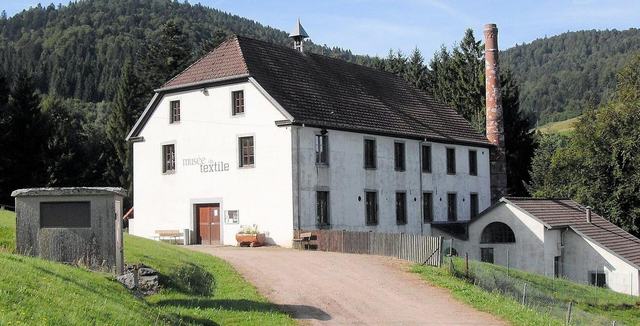
Musée du textile des Vosges
An interesting visit at Ventron in the Vosges, during which visitors are immersed in the first factories of the textile industry.
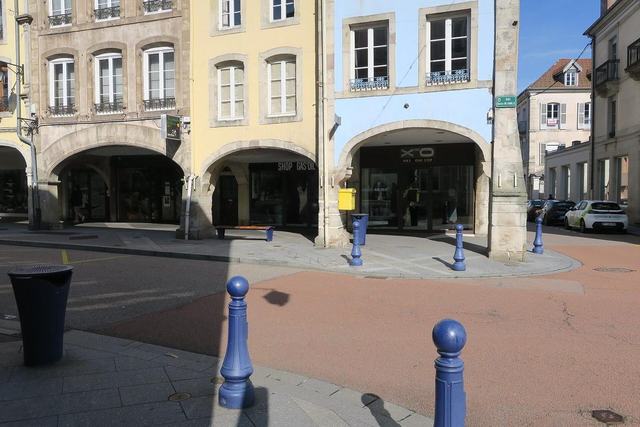
Remiremont
A Vosges art town famous for its eighteenth-century arcades and its former abbey of canonesses.
Nature and wide open spaces
Glacial lakes are one of the range's great assets: the Lac de Gérardmer, the Longemer and Retournemer lakes, the Lac des Corbeaux, the Lac de Blanchemer and the Lac de Lispach with its peat bogs. Waterfalls are countless: the Saut des Cuves, the Cascade du Géhard, the Tendon waterfalls, the Mérelle waterfall, the Charlemagne waterfall and the Cascade du Rudlin.
The Champ de Roches is an astonishing chaos of granite boulders, and the source of the Moselle lies at the Col de Bussang. In winter, the resorts of La Bresse Hohneck, Gérardmer and Ventron welcome skiers and families. With children, the Fraispertuis-City theme park is a popular outing.
- The walk round the Lac de Gérardmer is about 7 km.
- The waterfalls are at their best in spring, at snowmelt.
- On the high pastures, stay on the paths to protect the flora.
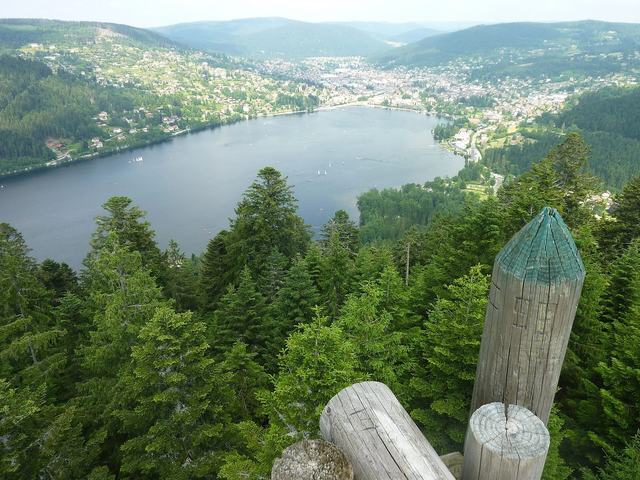
Lac de Gérardmer
The largest natural lake in the Vosges, Lac de Gérardmer occupies the heart of the resort that bears its name. Swimming, sailing and walks around its shores make it one of the most frequented destinations of the Vosges massif.
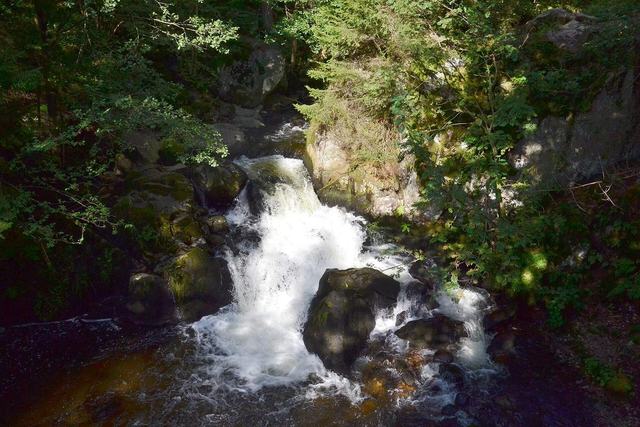
Saut des Cuves
A little path has been laid out along the Vologne, which makes several falls, the largest of which is called the Saut des Cuves.
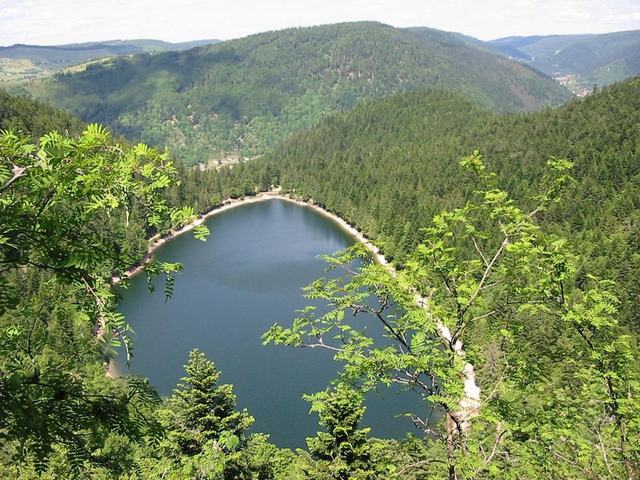
Lac des Corbeaux
This magnificent body of water set in an ancient glacial cirque surrounded by a fine fir forest will let you enjoy varied fishing.
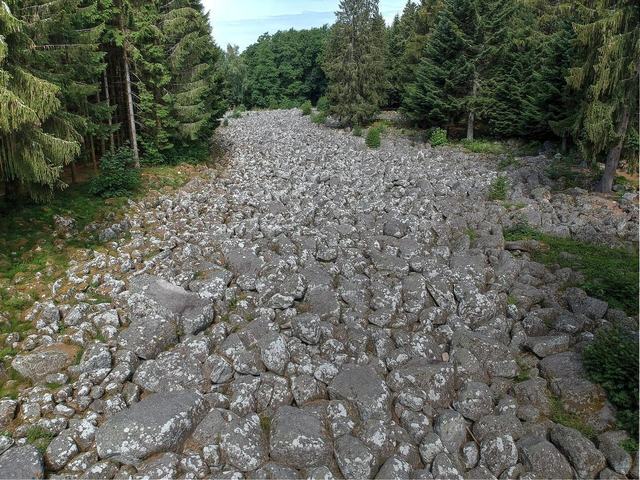
Champ de Roches
It lies between Gérardmer and Granges-sur-Vologne. An imposing moraine flow 500 m long, the Granges-sur-Vologne rock field, spreading at 740 metres' altitude, is the remnant of an ancient glacier that…
When to go and how to plan
Summer is ideal for hiking, the lakes and farm inns. Autumn colours the forests and winter turns the range into a downhill and cross-country ski area. Spring sets the waterfalls roaring.
A four-day trip can combine two days around Gérardmer (lakes, waterfalls, Route des Crêtes), a day between Épinal and Remiremont, and a day in Domrémy and Grand.
- Book accommodation in Gérardmer during the winter holidays.
- Equip your car for the mountains in winter.
- Check farm inn opening times out of season.
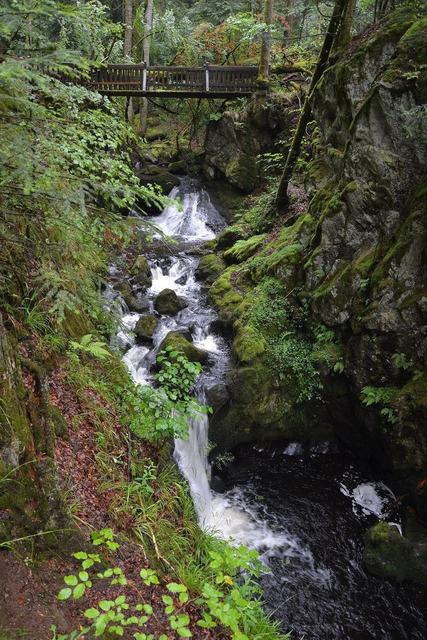
Cascade du Géhard
The waters of the Géhard swirl in a narrow gorge bordered by steep rocks. You can discover "giants' kettles", water holes carved in the rocks by the torrent.
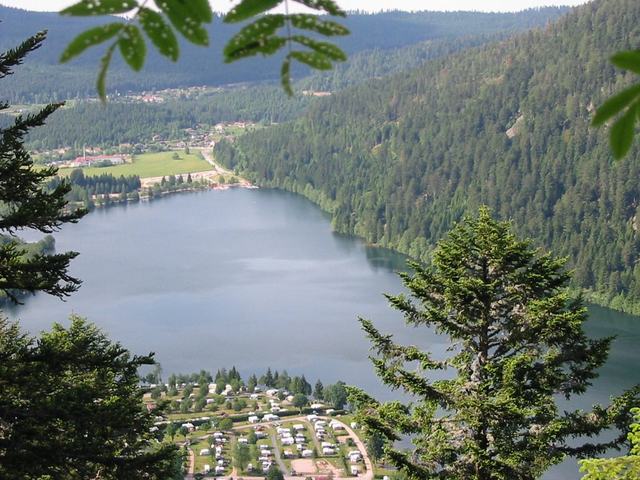
Lacs de longemer et de Retournemer
Lac de Retournemer is a small lake of glacial origin, at an altitude of 776 m; it is the highest of the three lakes of the Vologne basin, and also the smallest with an area of a little over 5 ha.
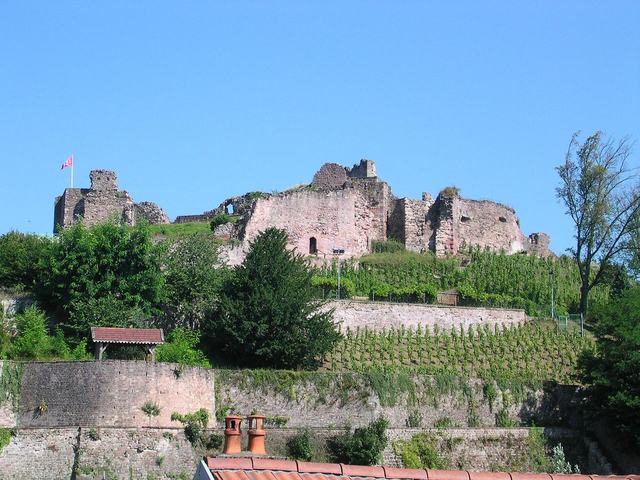
Château d'Epinal
Built by the Bishop of Metz, Jacques de Lorraine, around the middle of the thirteenth century, succeeding an earlier fortress of around the year 1000 that was one of the first fortresses of the southern Vosges.
Going further
Explore the départements of this area: