Discovering the Pays de la Loire: a practical guide
The Pays de la Loire brings together the lower Loire valley and its castles, vineyards, marshes, historic cities such as Nantes and Angers, and a long Atlantic coast with islands and beaches. The region lends itself well to a relaxed stay.
This practical guide helps you choose your stops and organise your trip. Underlined site names link to their detailed pages.
Understanding the region in a few minutes
The region has five départements: Loire-Atlantique, Maine-et-Loire, Mayenne, Sarthe and Vendée. Loire-Atlantique faces the estuary and the sea, with Nantes, La Baule and the Guérande peninsula. Maine-et-Loire is the land of Anjou, with Angers, Saumur and its vineyards. Sarthe is known for Le Mans and its endurance races. Mayenne is more rural. Vendée brings together beaches, islands such as L' Ile d'Yeu and the Marais Poitevin.
This diversity shows in the landscapes: estuary and salt marshes, Muscadet and Anjou vineyards, hillsides and tuffeau stone of the Loire valley, bocage, Sarthe forests and Vendée beaches.
Distances are reasonable: an hour to an hour and a half between two stops.
- Allow about an hour between Nantes and Angers.
- The weather is oceanic: mild but sometimes rainy.
- Cycling is pleasant along the Loire and in the marshes.

Nantes
Former capital of the Dukes of Brittany on the Loire, reinvented around its industrial island and its neoclassical Passage Pommeraye.

Angers
Former capital of Anjou dominated by its fortified castle with seventeen towers, whose old town preserves superb half-timbered houses.

Saumur
Town of the French cavalry and sparkling wines, whose white-turreted castle elegantly overlooks the banks of the Loire.
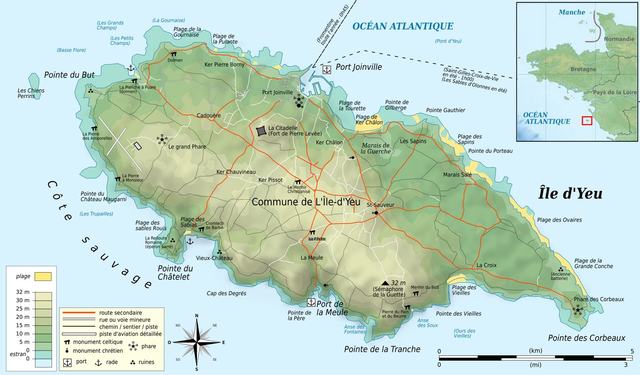
L' Ile d'Yeu
L'Île-d'Yeu is a French commune in the Vendée département and the Pays de la Loire region.
Culture, history and heritage
The region is rich in castles. The great fortresses are Le château d'Angers, Château de Saumur, Château de Clisson and the Château des ducs de Bretagne in Nantes. Renaissance and classical-era residences include the Château de Brissac, the Château de Serrant, the Château du Plessis-Bourré, the Château de Montgeoffroy and the Château du Lude.
The Abbaye Royale Fontevraud is one of the largest monastic complexes in Europe. Other religious sites include the Abbaye Saint-Pierre de Solesmes. The history of Nantes is presented by the Musée d'Arts de Nantes, the Musée départemental Thomas-Dobrée and the Mémorial de l'abolition de l'esclavage.
In a different vein, Les Machines de l'île in Nantes offer spectacular mechanical creations, and the Musée des 24 heures du Mans recalls the history of the race. Local history is also told at the Historial de la Vendée and at the Dolmen de Bagneux, one of the great dolmens of Europe.
- For castles, allow two to three hours per visit.
- Nantes is explored on foot and by tram.
- Check museum closing days.

Le château d'Angers
This colossus of tuffeau and slate piles up superlatives: 17 towers, a kilometre of walls, 1,000 years of history, plenty of activities and the largest medieval tapestry in the world.

Abbaye Royale Fontevraud
Founded in 1101 by Robert d'Arbrissel, heir to a prestigious past, the Royal Abbey of Fontevraud became in 1975, through the combined impetus of the Pays de la Loire Region and the Ministry of Culture, a Cultural Meeting Centre entrusted with heritage management.

Château de Brissac
Taller than all the royal castles, Brissac, with seven storeys and 204 rooms, deserves its nickname of giant of the Loire Valley.

Les Machines de l'île
Les Machines de l'île are an exhibition and entertainment space created by François Delarozière and Pierre Orefice; it is on the Île de Nantes, in France, on the site of former disused shipyards.
Food and local produce
The region is famous for its wines: Muscadet and Gros-Plant around Nantes, Anjou and Saumur wines, and Coteaux du Layon. Rillettes and rillauds, goat's cheese, Vendée brioche, beurre blanc and Loire fish are local specialities.
On the coast, you taste seafood: oysters, mussels, fish, Guérande salt and fleur de sel. Vendée is known for its ham and mogettes, white beans. Local markets, especially in Nantes and Angers, are good places to taste the produce.
Wine estates and troglodyte cellars offer visits and tastings. The Musée Troglo, the La Mine bleue and the Potager Extraordinaire are pleasant stops for families.
- Nominate a driver for tastings.
- Book restaurants on the coast in advance in summer.
- Try Loire white wines with fish.

Musée Troglo
The village of Rochemenier is the most complete troglodyte site in the Loire Valley.
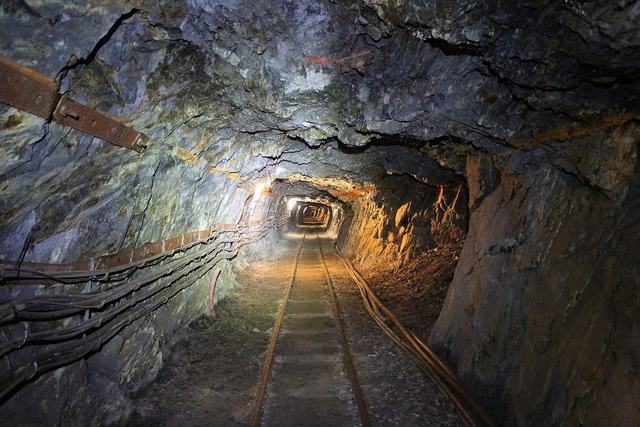
La Mine bleue
La Mine Bleue is an industrial tourist site of Anjou, in the commune of Noyant-la-Gravoyère, in the Maine-et-Loire. The site is on the former working of the Gâtelière slate quarries.

Potager Extraordinaire
The Potager Extraordinaire promises a journey to wonderland. Set off to discover the magic of cucurbits and unusual plants.

Château de Montreuil-Bellay
The château de Montreuil-Bellay is a vast medieval construction, several times remodelled and standing in the heart of the walled town of Montreuil-Bellay in Anjou, in the Maine-et-Loire département.
Nature and wide open spaces
The region offers lovely walks in nature. The Marais Poitevin, the Marais de Goulaine and the Guérande peninsula are areas of marsh and birdlife. The Grottes de Saulges caves and the La Pierre tremblante are curiosities. Forests, such as the La Forêt de Bercé, are well suited to walks.
On the coast, the beaches of Loire-Atlantique and Vendée are very popular: La Baule, the Île d'Yeu and the Vendée beaches. Parks and gardens, such as the Parc oriental de Maulévrier and the Parc Floral de la Court d’Aron, are places to relax.
To see animals, several parks are open: Bioparc de Doué la Fontaine, Zoo des Sables d’Olonne, Océarium du Croisic, Aquarium de Vendée. Respect protected areas, especially in the marshes.
- In the marshes, a boat is the ideal way to get around.
- On the coast, check tides and swimming flags.
- Bring insect repellent in the marshes in summer.
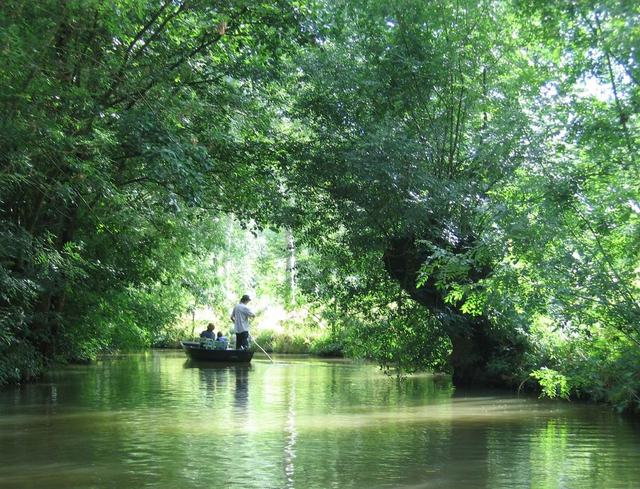
Marais Poitevin
The ensemble formed by the Marais Poitevin and the Baie de l'Aiguillon (relic of an ancient marine gulf) extends over about 100,000 hectares, straddling three départements (Vendée, Deux-Sèvres and Charente-Maritime) and two regions (Pays de la Loire and Poitou-Charentes).
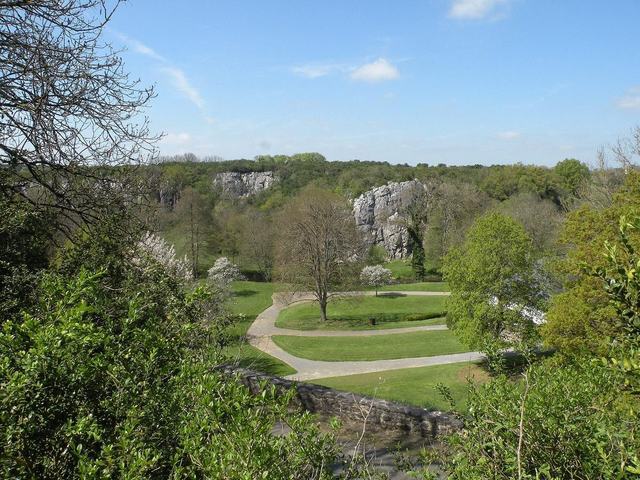
Grottes de Saulges
A group of natural cavities carved into a limestone canyon, of which two developed caves can be visited: the Margot cave and the Rochefort cave.
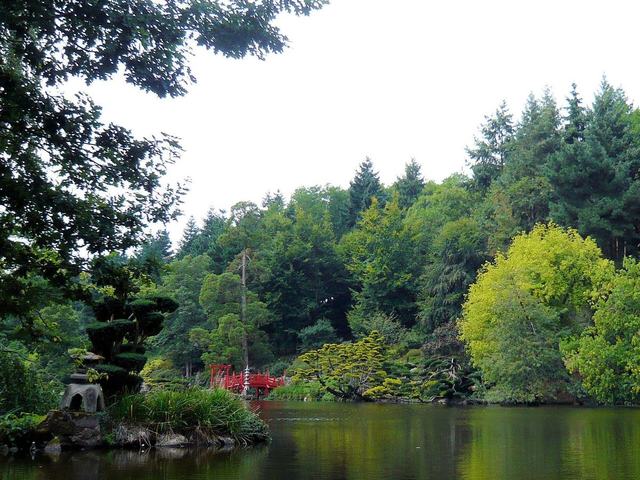
Parc oriental de Maulévrier
The Maulévrier Oriental Park, labelled "Remarkable Garden", invites you to stroll and daydream.
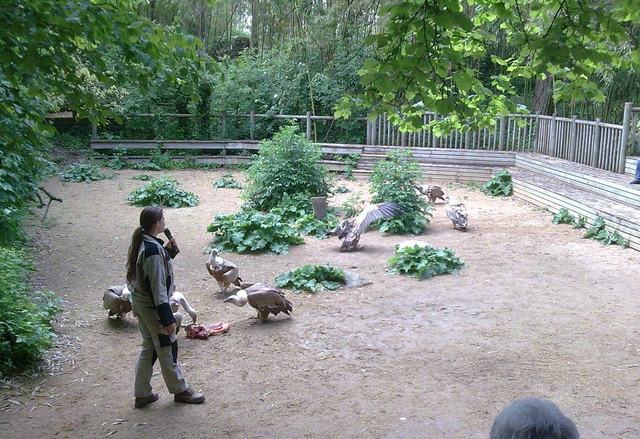
Bioparc de Doué la Fontaine
In the heart of the Loire Valley, the Regional Nature Park, near Saumur, Angers, Cholet, the wildlife park welcomes you in its troglodyte site unique in Europe.
When to go and how to plan
Spring and summer suit castles, gardens and the coast. Autumn is pleasant for the grape harvest and the colours of the valley. Winter is mild but damp, and some sites are closed or open only a few days a week.
A car is the most practical way to link the sites. Nantes, Angers and Le Mans are served by train. Cycling is ideal along the Loire, with signposted routes. On the coast, bridges and roads are busy in summer.
A five-day trip can combine three areas: Nantes and the vineyards, Anjou and the Loire, then the Vendée coast. For a weekend, choose one town and its surroundings.
- Book castles and accommodation in advance in summer.
- Pack a waterproof jacket in any season.
- Keep time to stroll around the towns.
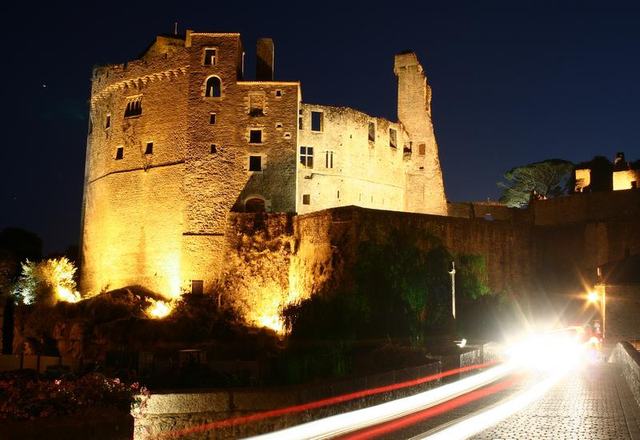
Château de Clisson
Surrounded by a double moat and fortified walls overlooking the Sèvre, the medieval château de Clisson was raised in the fourteenth century for its eastern part.

Le Mans
Prefecture of the Sarthe, known worldwide for its motor race, whose Cité Plantagenêt preserves one of the largest Gallo-Roman enclosures in France.

Château de Serrant
The sumptuous château de Serrant, whose brown schist contrasts with white tuffeau, has a lot of personality.
Les Machines de l'île
Les Machines de l'île are an exhibition and entertainment space created by François Delarozière and Pierre Orefice; it is on the Île de Nantes, in France, on the site of former disused shipyards.
Going further
Find all the sites of the region on the page Pays de la Loire, or explore a département: