Discovering the Périgord and Quercy: a practical guide
The Périgord and Quercy form a land of valleys, limestone cliffs, castles and caves. It is a land of prehistory and gastronomy, very popular in summer.
This practical guide helps you choose your stops and organise your trip. Underlined site names link to their detailed pages.
Understanding the Périgord and Quercy
Dordogne takes in the Périgord Noir, with Les Eyzies and Beynac-et-Cazenac, and the city of Périgueux et la Cathédrale Saint Front. Upstream, the Lot begins with Rocamadour (Site de Rocamadour), Carennac, Autoire and Capdenac-le-Haut.
The two départements combine well: the Dordogne and Lot valleys are only an hour apart by road. The roads are winding: allow plenty of time.
- Choose a base in the Dordogne valley.
- Plan on having a car: public transport is scarce.
- Do not try to see everything in one week.
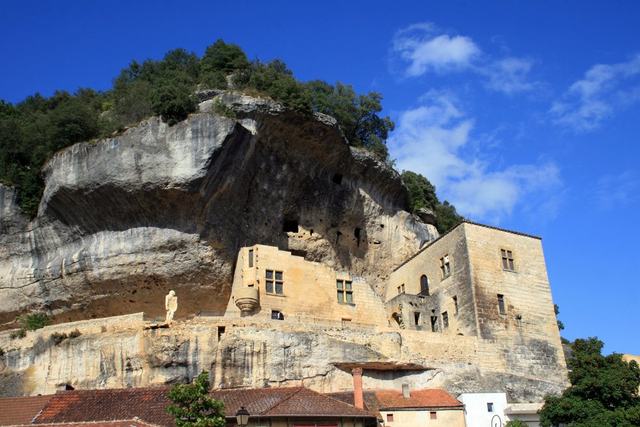
Les Eyzies
A village nestled at the foot of high troglodyte limestone cliffs, nicknamed the "world capital of prehistory" for the exceptional density of its Palaeolithic deposits.
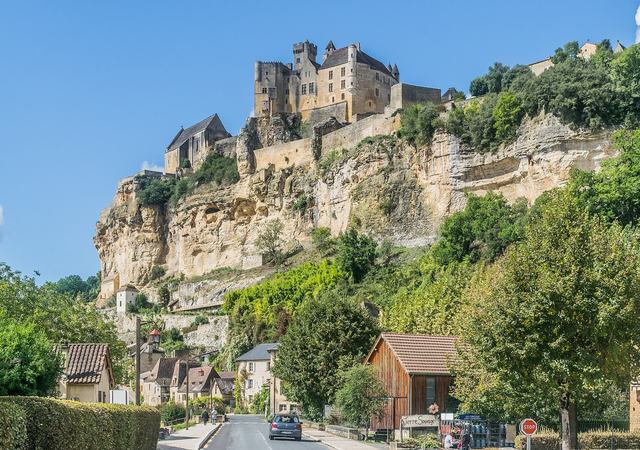
Beynac-et-Cazenac
Seat in the Middle Ages of one of the four baronies of the Périgord, the castle withstood every assault and was taken only by Richard the Lionheart and Simon de Montfort.
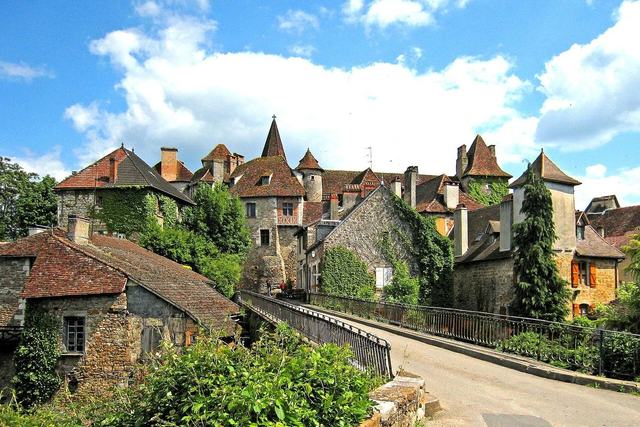
Carennac
The town of Carennac has a very picturesque charm with its blond-stone houses, its brown and russet tile roofs adorned with turrets or tall chimneys, its delightful wooden balconies, its fine carved windows and its Renaissance ogives.
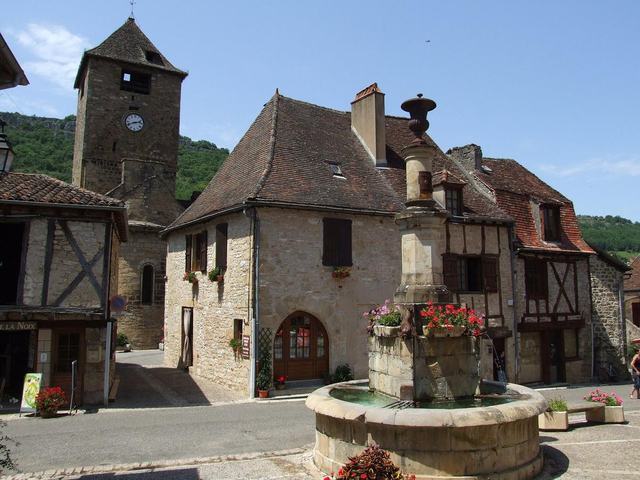
Autoire
At random in the lanes taken, you discover, dazzled, a fountain surrounded by half-timbered houses; further on, the overhangs of old white dwellings with brown tile roofs; elsewhere, one, two, three manor houses, each prettier than the last, all smart and flanked by turrets…
Culture, history and heritage
Here prehistory is everywhere: Grotte de Lascaux, Grotte de Pech Merle, La Grotte du Grand Roc, Grotte de Lacave, Grotte des Merveilles, Grotte de Tourtoirac. Chasms such as the Gouffre de Padirac and the Gouffre de Proumeyssac are spectacular.
Castles are plentiful: Château de Castelnaud, Château de Beynac, Château de Hautefort, Château de Biron, Château de Montal, Château d'Assier, Château de Jumilhac, Château de Bridoire. The Musée Champollion, Les Ecritures du Monde is in Figeac.
- Book ahead for Lascaux and Padirac in summer.
- In the caves, bring something warm.
- Dordogne castles are more pleasant early in the morning.
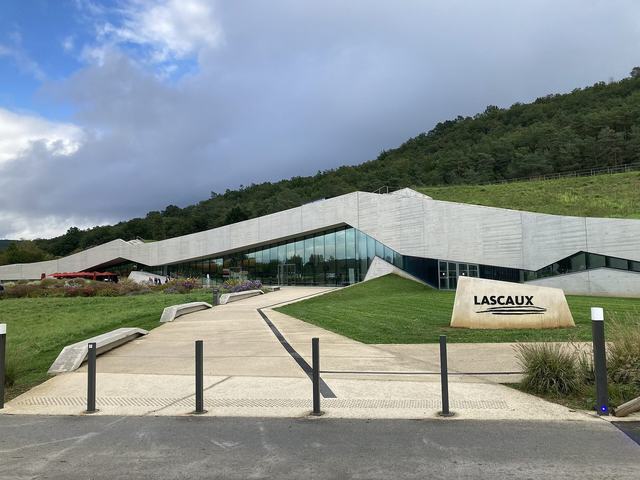
Grotte de Lascaux
Located in the Dordogne near the village of Montignac-sur-Vézère, in the heart of the Périgord Noir, the Lascaux cave is the masterpiece of prehistoric art.

Gouffre de Padirac
The Padirac chasm is a natural cavity 75 m deep that opens in the surface of the Causse de Gramat in the Lot, beneath which, at 103 m, flows an underground river.
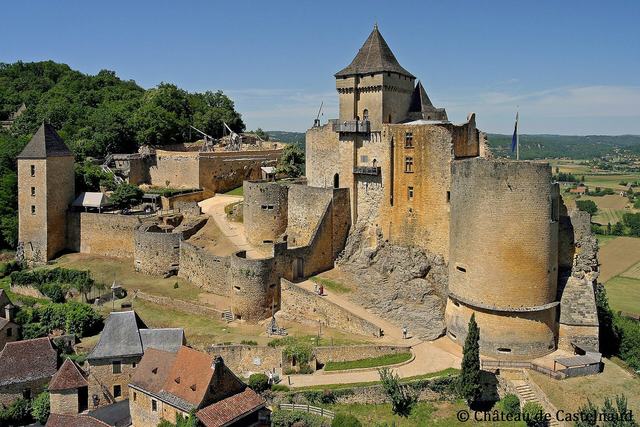
Château de Castelnaud
Facing the Château de Beynac, whose implacable rival it was in the endless conflicts that punctuate the history of the Middle Ages.
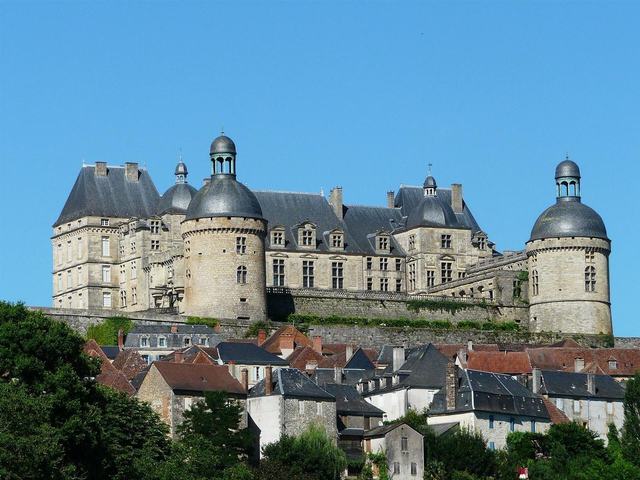
Château de Hautefort
The castle stands on a rocky spur that overlooks the commune and the village of Hautefort.
Food and local produce
The Périgord is the land of foie gras, duck confit, walnuts, ceps, truffles and strawberries. Quercy adds Rocamadour cheese, Quercy lamb, Cahors wine and Quercy melon.
Farm inns and markets are good places to taste. The Les Cabanes Du Breuil are an original visit.
- Book in high season.
- Taste the produce at the producers.
- Nominate a driver for Cahors wine.

Les Cabanes Du Breuil
Near the château de Puymartin, the exceptional ensemble of the Cabanes du Breuil illustrates the country of stones that old Périgord was, still very present in this farm where geese cackle peacefully.
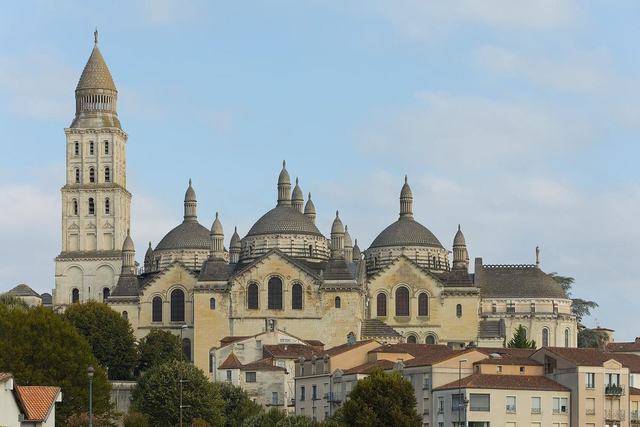
Périgueux et la Cathédrale Saint Front
You discover Périgueux like leafing through a history book. Come and wind back the time machine and set off to discover our history.
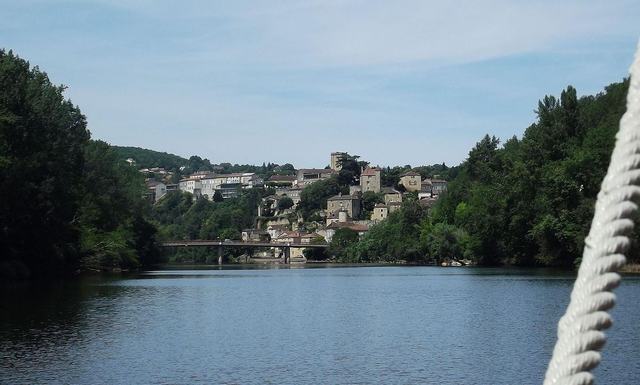
Puy-l'Evèque
Perched above the Lot, Puy-l'Évêque is formed of a maze of lanes and stairs lined with fine golden-stone houses that descend to the slipway where the gabares once moored before leaving for Bordeaux.
Nature and wide open spaces
The landscapes alternate between woodland, limestone and river: La cascade du cirque d'Autoire, Fontaine de Pescalerie, Chemin de Halage du Lot, Cascade du Saut-Grand, La cascade du Saut de Vieyres. The Phosphatières du Cloup d'Aural are a geological curiosity.
For children, several parks are open: Parc animalier de Gramat, Forêt des Singes, Rocher des Aigles, Reptiland, Univerland Le Bugue (ex-Parc Aquarium du Périgord Noir).
- The river can be explored by canoe in summer.
- Bring water and a hat in summer.
- On limestone trails, good shoes are useful.
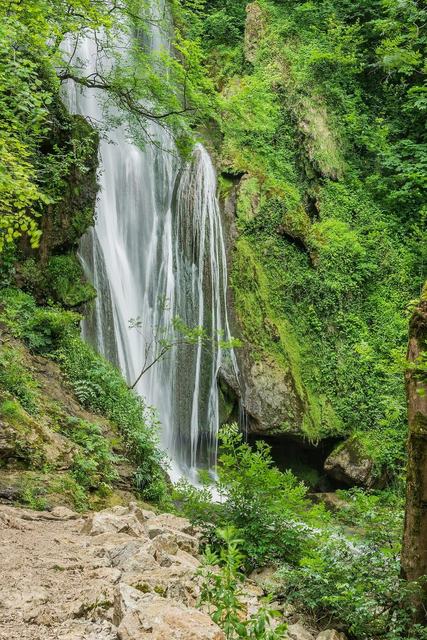
La cascade du cirque d'Autoire
The Autoire waterfall tumbles from the top of the cliffs of a remarkable rocky cirque with lush vegetation.

Parc animalier de Gramat
In the heart of the Causses du Quercy Nature Park, the Wildlife Park is a major site at the crossroads between the town of Rocamadour (1.2 million visitors) and the Padirac Chasm (400,000 visitors).
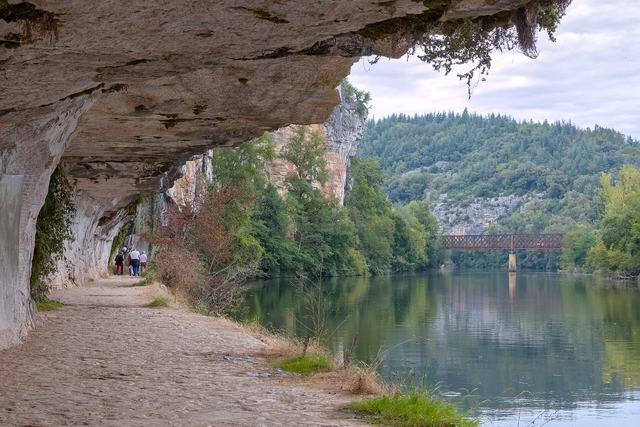
Chemin de Halage du Lot
River navigation, sunk by the advent of the railway, had its hours of glory, which then rhymed with gabares, large wooden barges used to carry goods.
When to go and how to plan
Spring and autumn are quieter. Summer is high season, with crowds at the major sites. Winter is peaceful, but many sites are closed.
A week-long trip lets you combine the Périgord Noir and the Dordogne valley, then Rocamadour and the Lot. A car is essential.
- Book accommodation in advance in summer.
- Check opening hours out of season.
- Allow for breaks: the roads are slow.

Site de Rocamadour
The church of Saint-Sauveur and the crypt of Saint-Amadour are classified as UNESCO World Heritage, as part of the Routes of Saint James of Compostela.
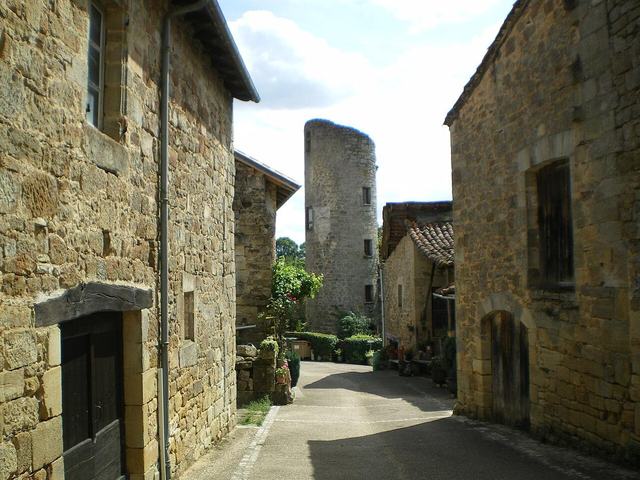
Cardaillac
The village is firmly anchored on its rocky spur in Haut-Quercy. The name Cardaillac rings clear, a little Gascon.
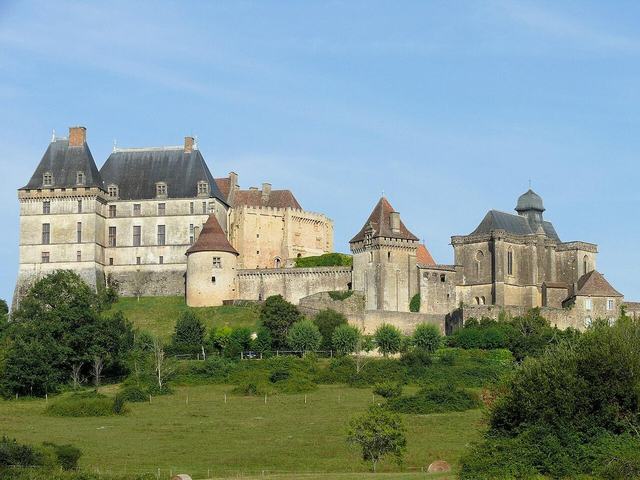
Château de Biron
Seat of one of the four baronies of Périgord, this original fortress has undergone many architectural alterations over the centuries.
Going further
Explore the départements of this area: