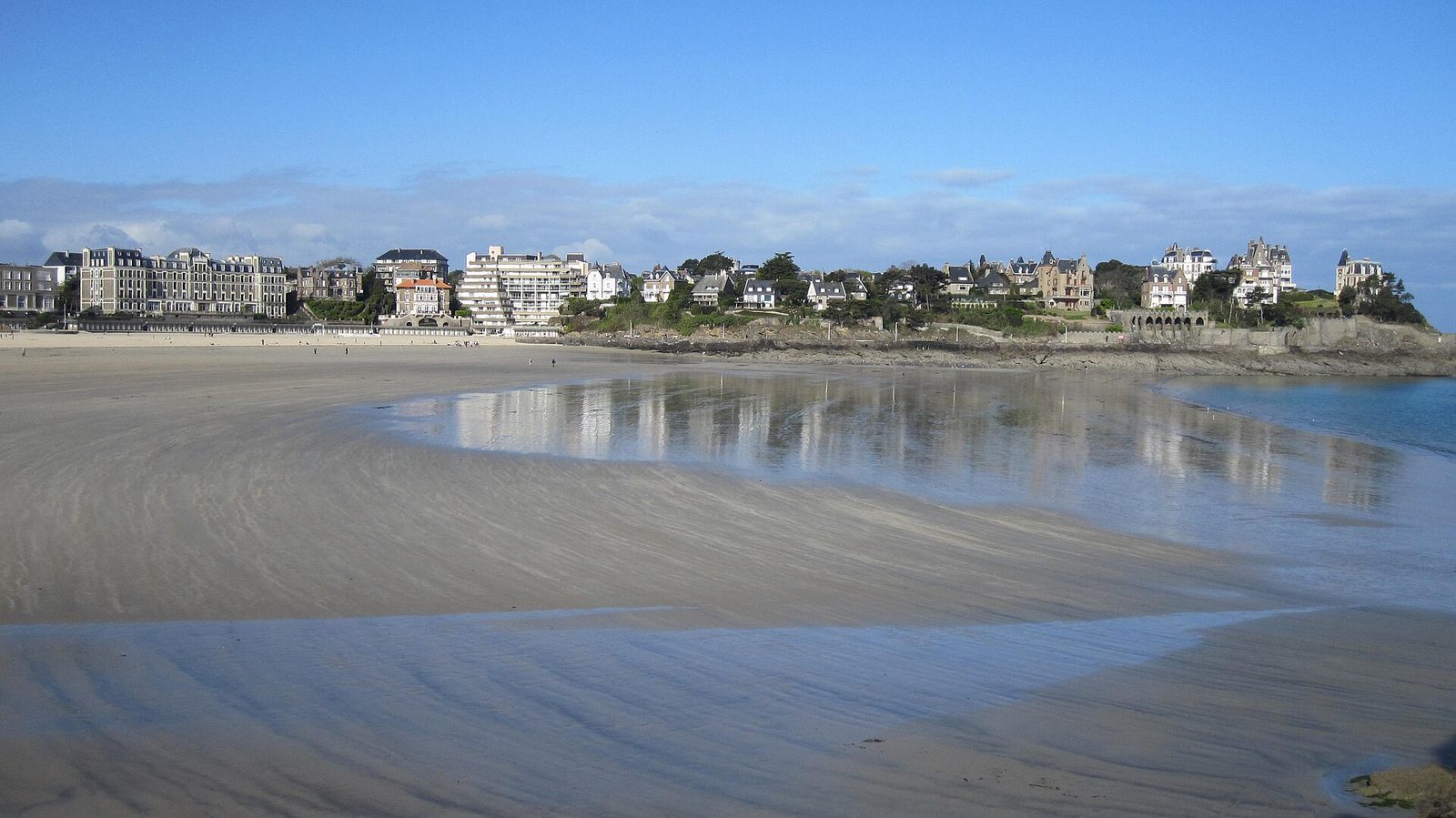
Towns & cities · Dinard
1 Dinard
A chic seaside resort facing Saint-Malo, favoured from the nineteenth century by an Anglo-American clientele who had sumptuous Belle Époque villas built there.
View full page →Ille-et-Vilaine combines Saint-Malo and the Emerald Coast, the bay of Mont-Saint-Michel, castles, fortified towns and the Brocéliande forest. Rennes, the Breton capital, is rich in history.
This itinerary spreads the best-rated sites in the catalogue over three days.
The map shows the numbered stops in visiting order, with one colour per day. The line follows the roads where available; otherwise it joins the stops as the crow flies. Distances and times are approximate (by car, without traffic).
This day brings together 4 sites close to each other: towns and cities, aquariums and villages. It passes through Dinard. Allow half an hour to an hour and a half per site, plus travel time.
A chic seaside resort facing Saint-Malo, favoured from the nineteenth century by an Anglo-American clientele who had sumptuous Belle Époque villas built there.
View full page →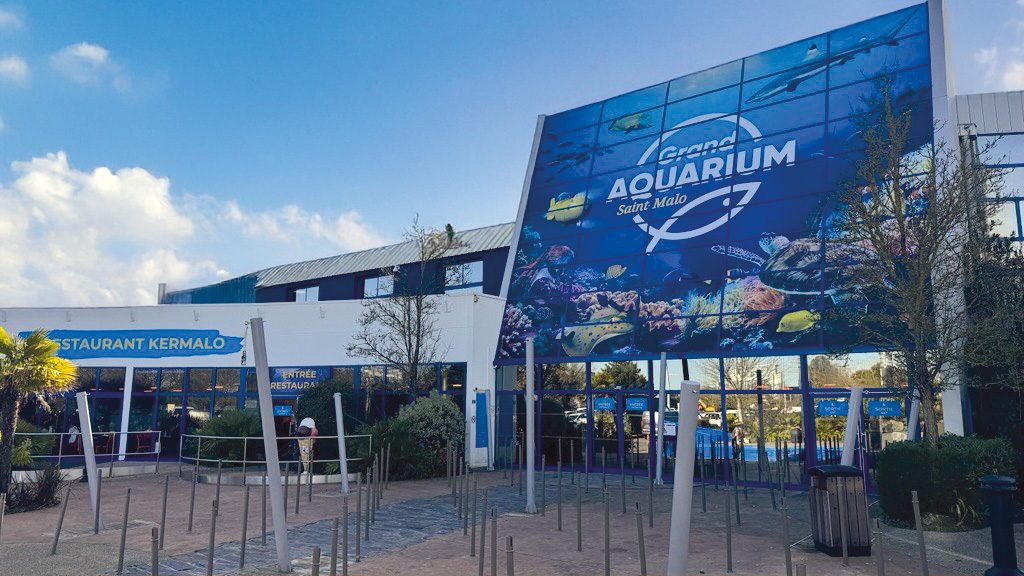
The Grand Aquarium of Saint-Malo offers not only a real world tour of the planet's oceans and their species, but also lets you step into a Jules Verne novel.
View full page →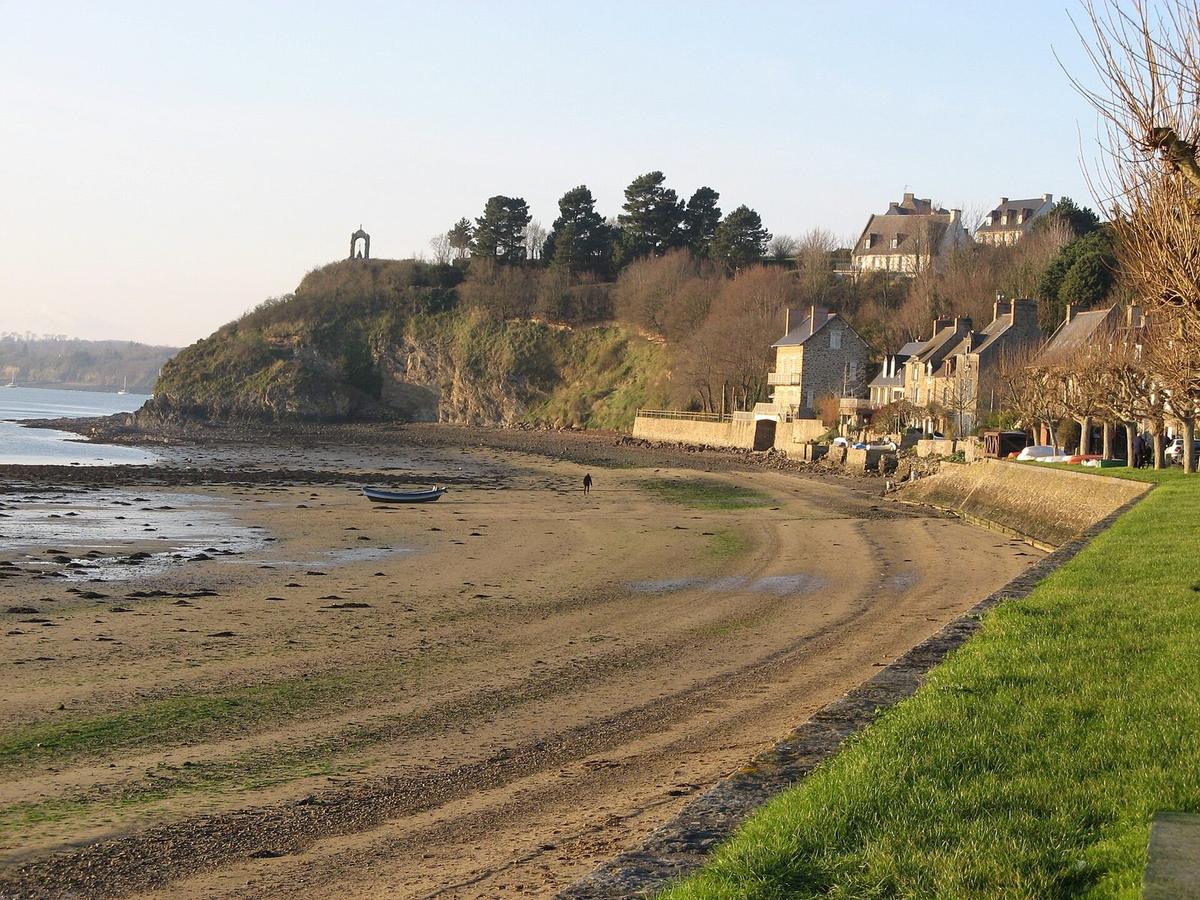
Set in the centre of a tangle of narrow lanes, lined with fishermen's houses or granite walls enclosing gardens, the church of Saint-Suliac overlooks with its imposing bell tower an old cemetery with which it forms a parish close, rare in Upper Brittany.
View full page →
Five kilometres from Saint-Malo, following the sea towards Cancale, the Sculpted Rocks of Rothéneuf form a strange world, peopled with characters from another time: the grimacing figures shaped by the hand of man evoke medieval gargoyles and the beings…
View full page →This day brings together 5 sites close to each other: castles, natural wonders and gardens. Allow half an hour to an hour and a half per site, plus travel time.
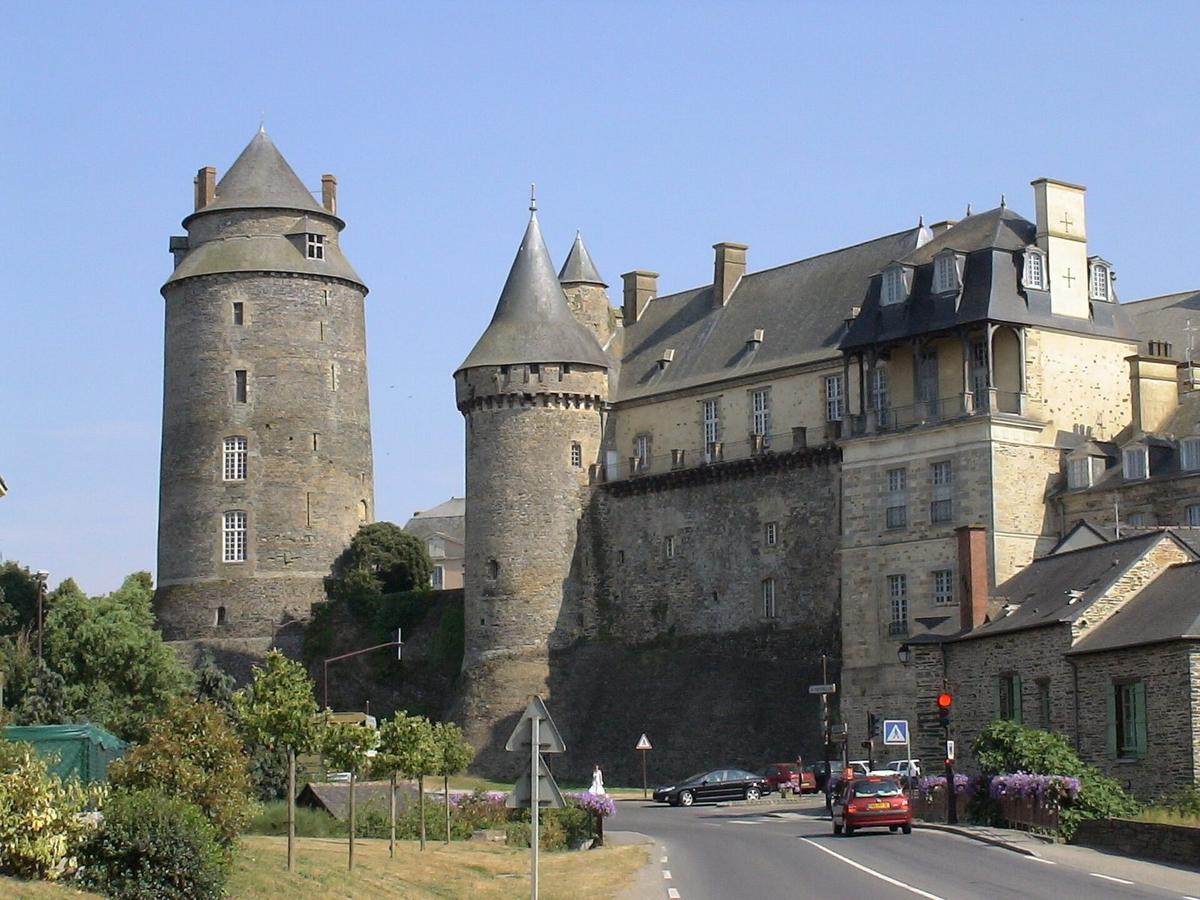
Of the old medieval fortress, renovated between 1450 and 1470 by Jean de Derval, important remains survive.
View full page →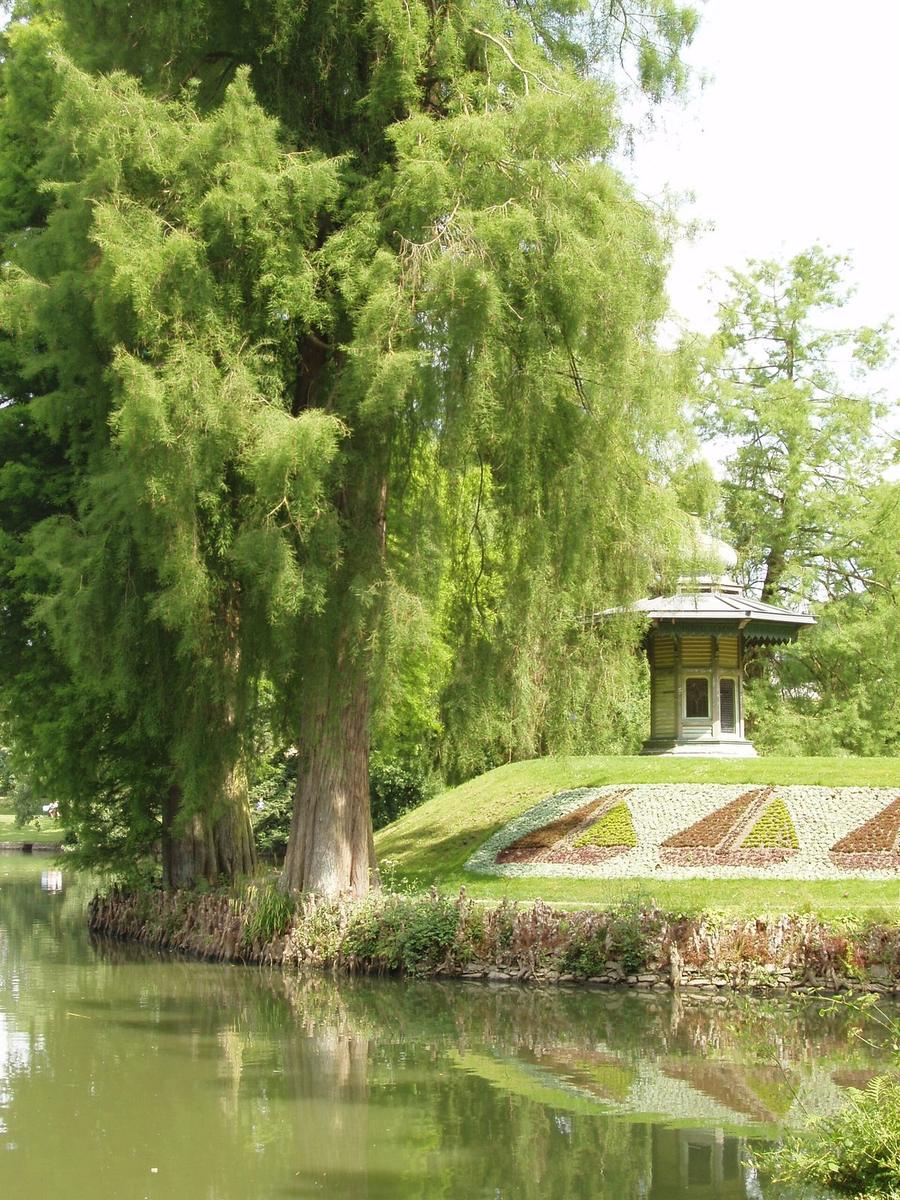
In the Vitré park, in Ille-et-Vilaine, stands a California arborvitae remarkable for its exceptional dimensions.
View full page →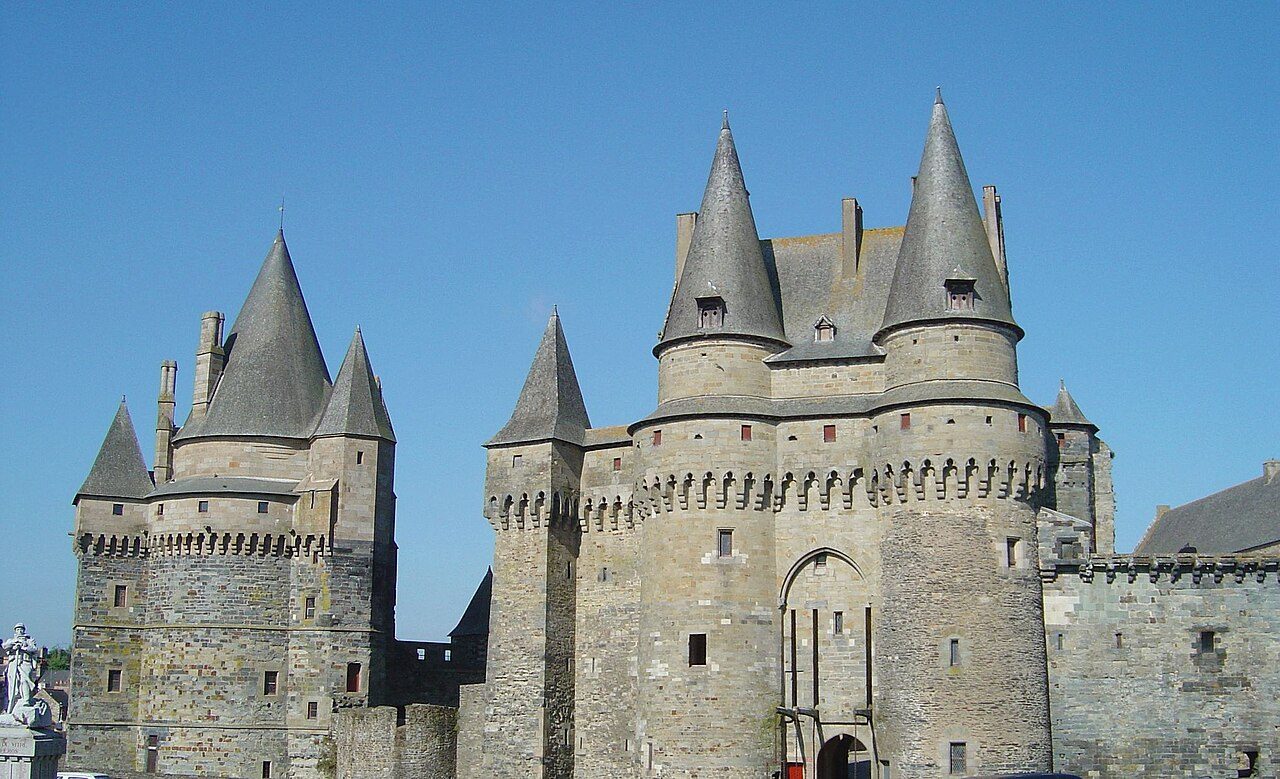
This castle is one of the most beautiful fortresses of Brittany. Fortified from the early eleventh century, it was besieged and taken in the twelfth century.
View full page →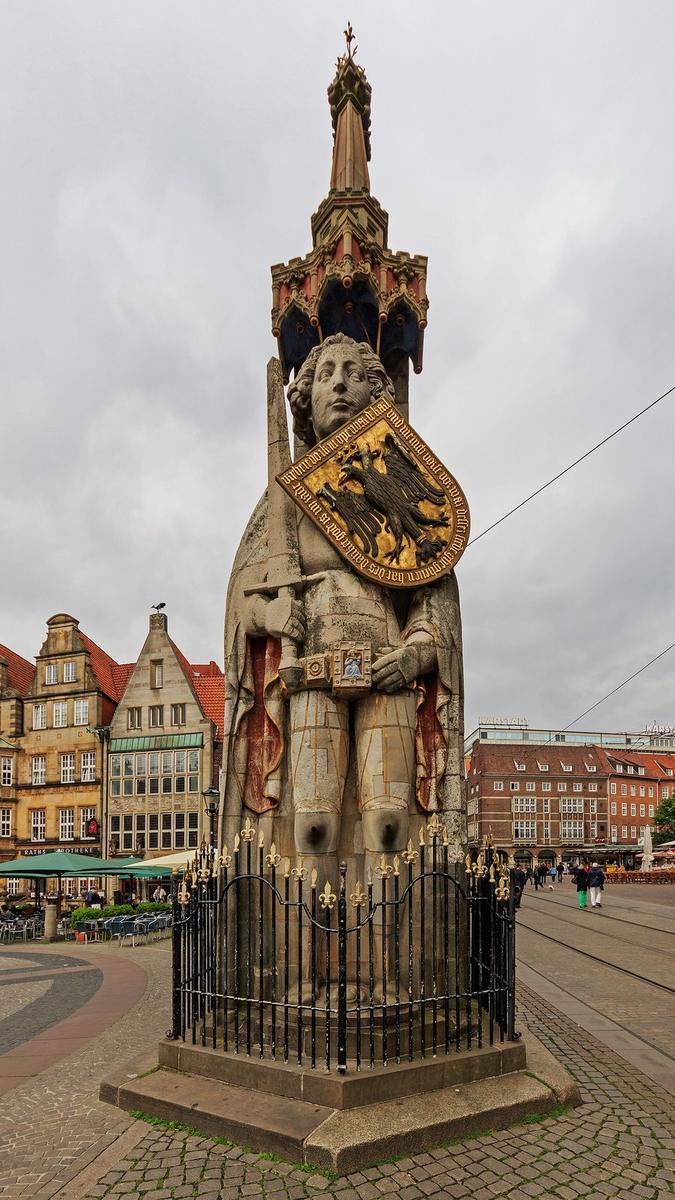
The Saut de Roland is a wooded rocky site in the commune of Dompierre-du-Chemin, in Ille-et-Vilaine, above the Cantache stream.
View full page →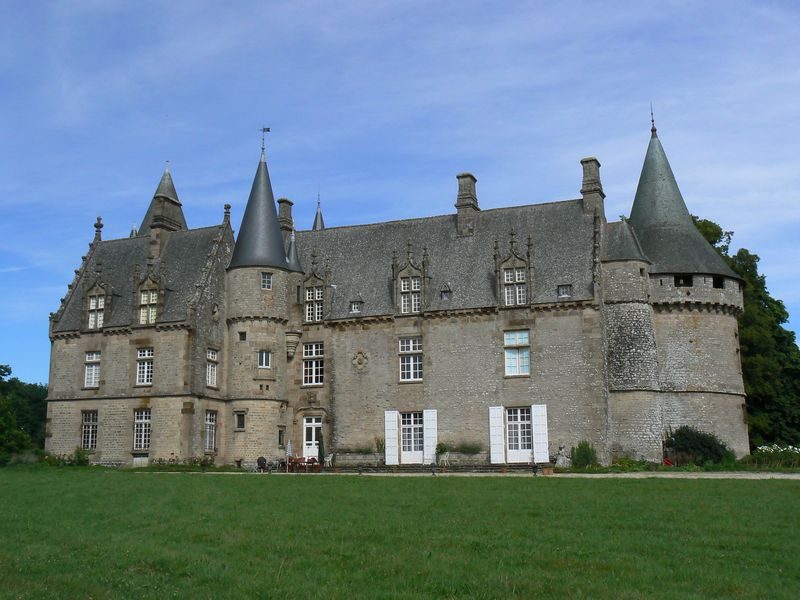
The park of the château de Bonnefontaine, classified a remarkable garden, is 25 km from Fougères and 18 km from Mont-Saint-Michel, on the banks of the Couesnon, in the Ille-et-Vilaine département on the border of Brittany and Normandy.
View full page →This day brings together 3 sites close to each other: natural wonders and towns and cities. It passes through Rennes. Allow half an hour to an hour and a half per site, plus travel time.
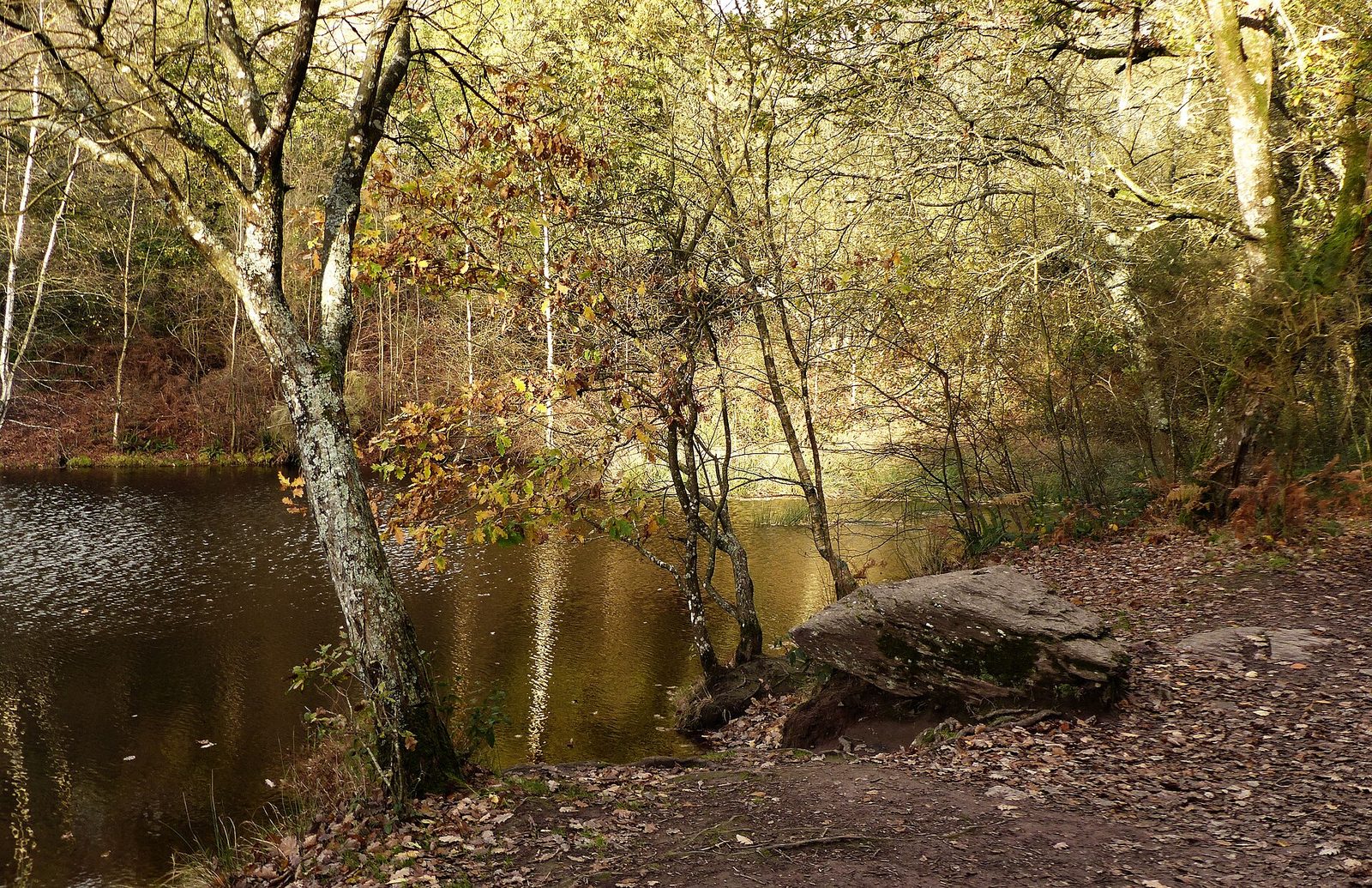
The Val sans Retour is among the most recognised and most magical sites of the Brocéliande forest.
View full page →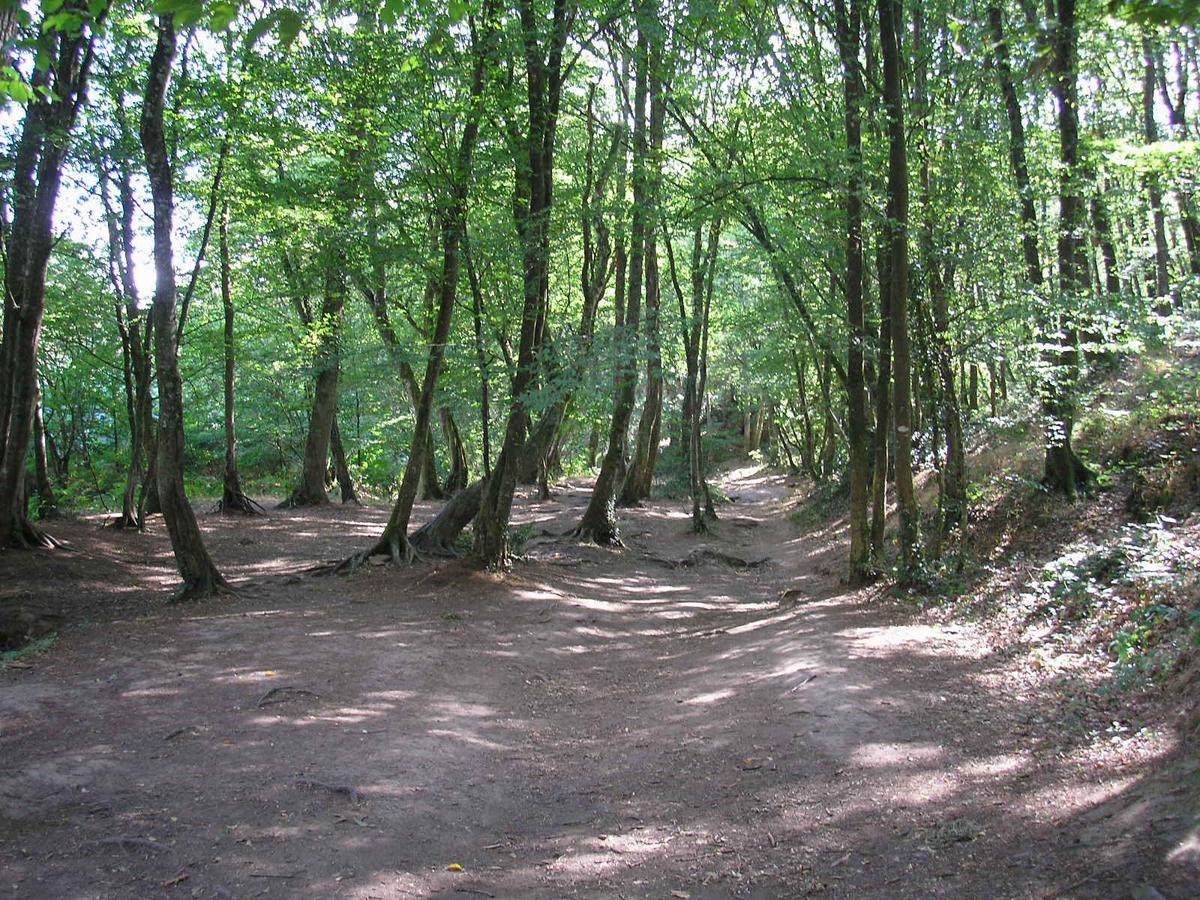
Come and discover Brocéliande and its mysteries. This mythical forest opens its undergrowth to you for a unique stay.
View full page →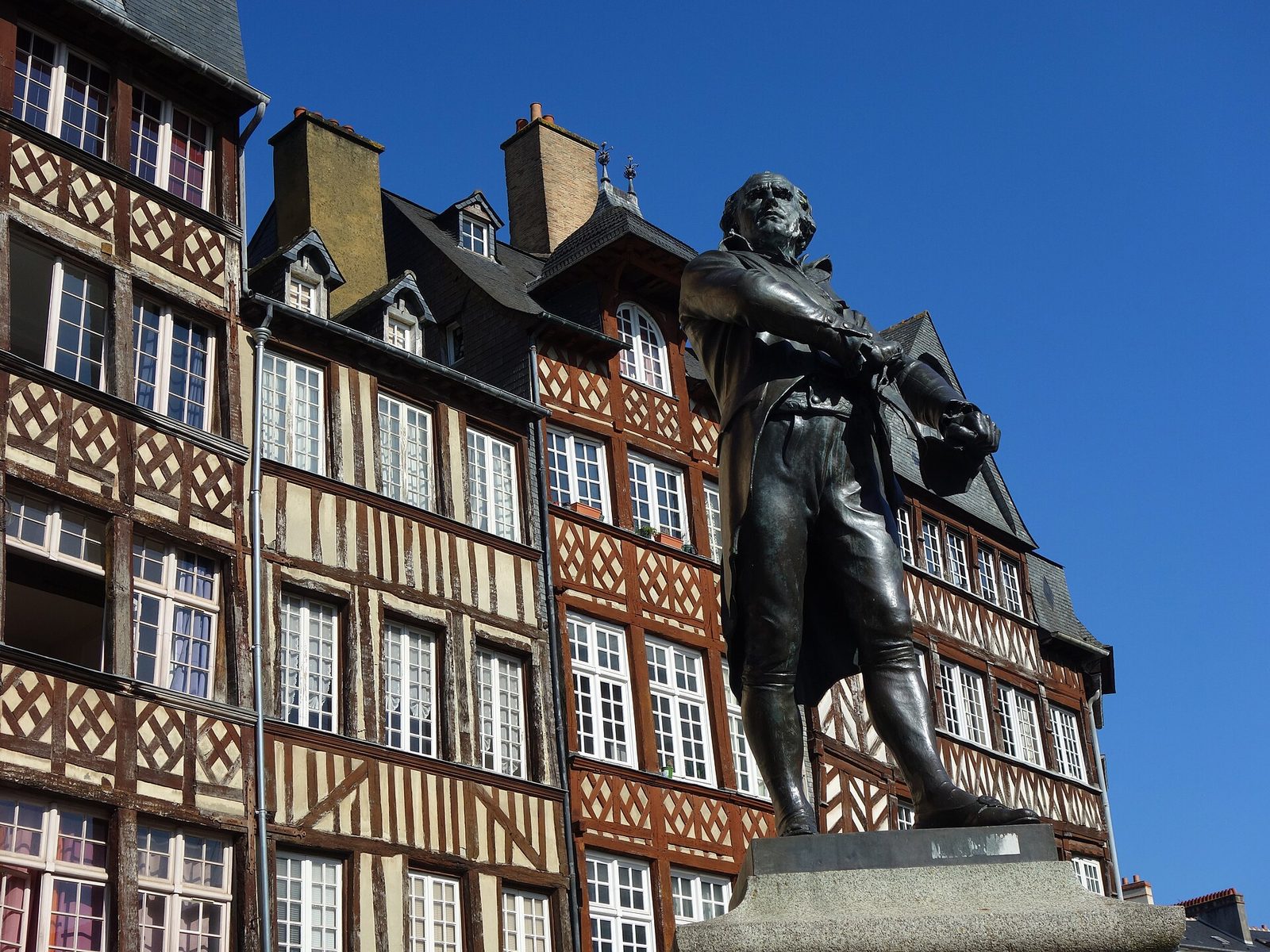
Capital of Brittany at the confluence of the Ille and the Vilaine, whose historic centre has kept hundreds of colourful half-timbered houses.
View full page →From May to September the weather is milder. Summer is very busy on the coast. The tides are spectacular in the bay: check the timetables.
A car is practical for linking the sites. Saint-Malo, Rennes and Vitré are explored on foot. In summer, parking is sometimes difficult near the coast.
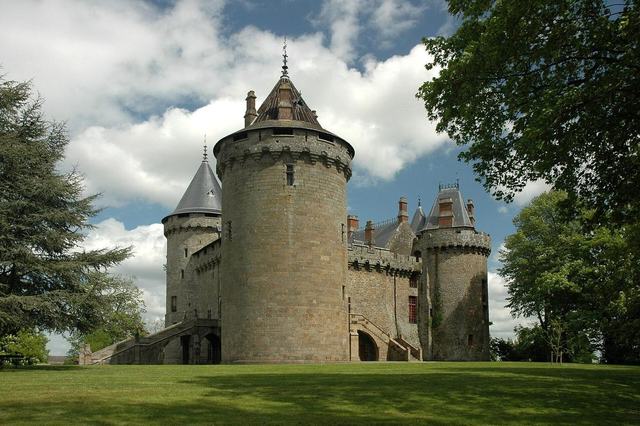
The foundation of the château de Combourg, which in its present state dates from the thirteenth, fourteenth and fifteenth centuries, goes back to the year 1016.
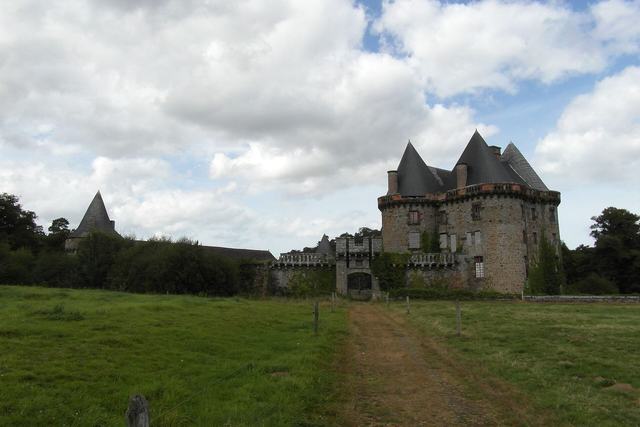
The château de Landal, in one of the most picturesque sites of the département, has existed since the twelfth century.

Founded by the lords of Tinténiac, probably in the eleventh century, and rebuilt in the fourteenth century, the château de Montmuran, which enjoys a magnificent perspective over the surrounding countryside, stands at the end of an avenue of honour.
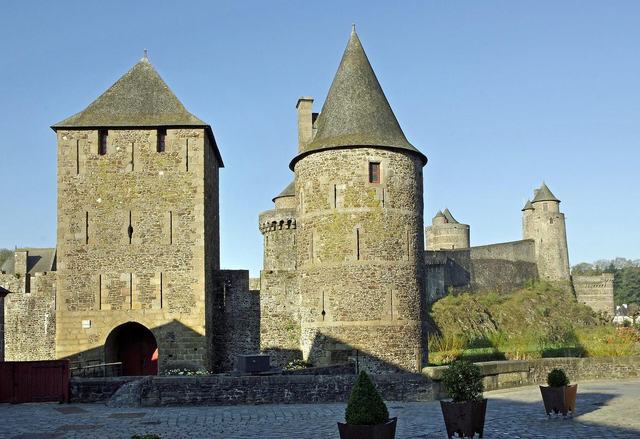
Fortified from the eleventh century, the castle was originally built on a rocky promontory emerging from a marsh.
A large lodging restored in 1547. The south tower, called the "Tour de Porçon", was built by Duchess Anne's chamberlain.

In a pleasant setting overlooking the port of Cancale, let yourself be guided and surprised by the world of the "sea gardeners".