Discovering Bouches-du-Rhône: a practical guide
Bouches-du-Rhône combines a big port city, the calanques, the Camargue, historic towns and Cézanne's landscapes. In a few kilometres you pass from an urban setting to wild marshes.
This practical guide helps you choose your stops and organise your trip. Underlined site names link to their detailed pages.
Understanding Bouches-du-Rhône in a few minutes
Four areas stand out: Marseille and its calanques, with Les calanques de Cassis; the Camargue, with Camargue and its marshes; the Alpilles, with Les Baux-de-Provence; and the Aix area, around the Montagne Sainte-Victoire.
Distances are short, but traffic is heavy around Marseille. For the calanques and beaches, access is sometimes restricted in summer.
- Marseille is easy to visit by public transport.
- For the calanques, check access conditions before you go.
- Avoid driving in the city centre.
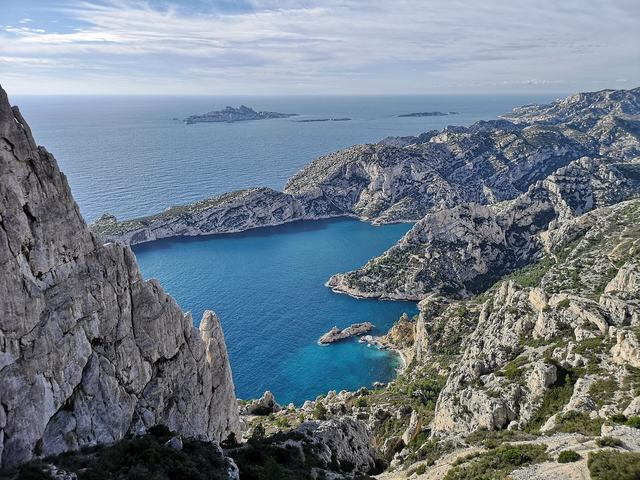
Les calanques de Cassis
The Calanques massif, at the gates of Marseille, offers a postcard landscape.
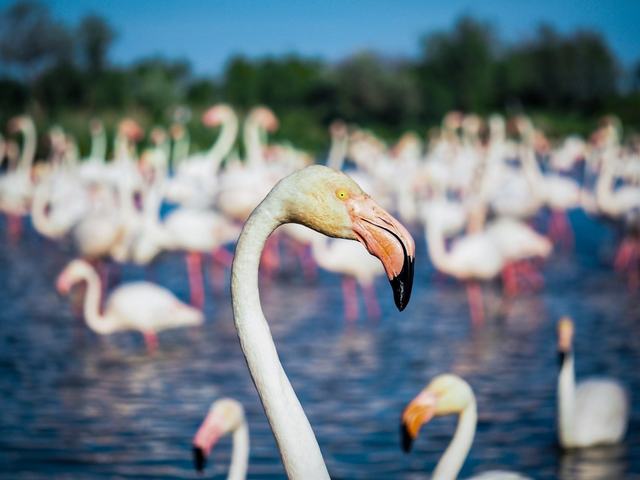
Camargue
A delta shaped by the arms of the Rhône, the Camargue unrolls ponds, salt marshes and rice fields as far as the eye can see. White horses, black bulls and colonies of pink flamingos make up one of the most recognisable natural landscapes in France.
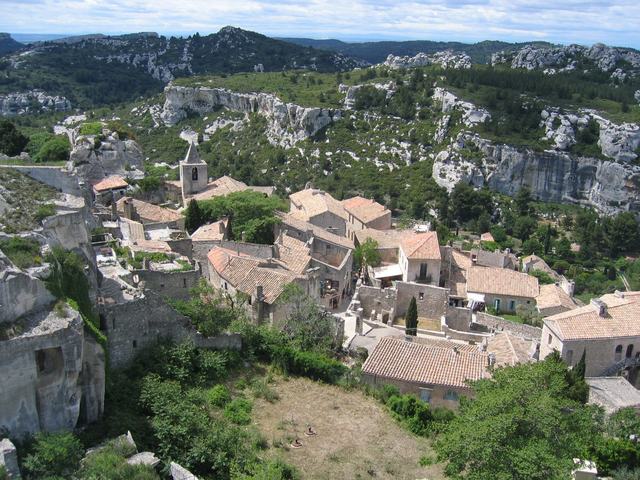
Les Baux-de-Provence
Between a dizzying precipice and the impressive ruins of its long-impregnable fortress, the most visited village in France sits on a rocky spur of the Alpilles, between the Vallon de la Fontaine and the Val d'Enfer.
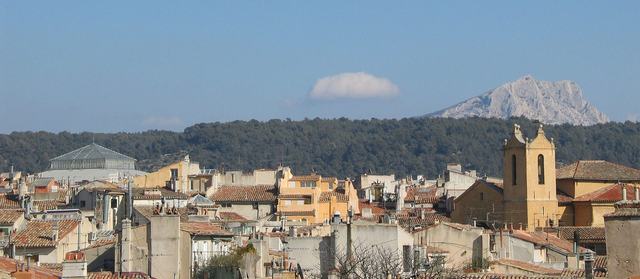
Montagne Sainte-Victoire
A long limestone ridge with dazzling white cliffs, Mont Sainte-Victoire owes its international renown to the dozens of paintings Paul Cézanne devoted to it.
Culture, history and heritage
Marseille offers a wide variety of visits: MUCEM - Musée des civilisations de l'Europe et de la Méditerranée, Basilique Notre-Dame-de-la-Garde, La Vieille Charité, Musée des Beaux- Arts de Marseille, Fort Saint-Jean (Marseille), Fort Saint-Nicolas (Marseille), Museum d'Histoire Naturelle de Marseille and Musée d'Art Contemporain - MAC. The Château d'If is visited by boat, and Cosquer Méditerranée is a replica of a decorated cave.
In Arles, the Fondation Vincent Van Gogh en Arles, Le musée de l'Arles Antique and the Museon Arlaten are essential stops. At Les Baux, the Château des Baux and the Carrières de Lumières are much visited. Abbaye de Silvacane, Château de Tarascon and Château de la Barben complete the list. In Aix, the Musée Granet is a major museum.
- In Marseille, buy a pass for transport and museums.
- Book the Carrières de Lumières in advance.
- For the Château d'If, check the boat times.
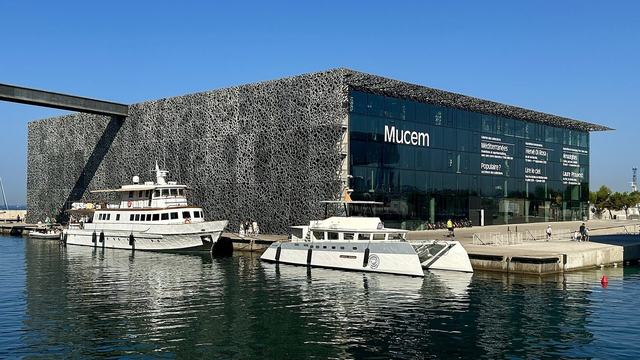
MUCEM - Musée des civilisations de l'Europe et de la Méditerranée
Unique of its kind, the MuCEM (Museum of Civilisations of Europe and the Mediterranean), in Marseille, is entirely devoted to the cultures of Europe and the Mediterranean.
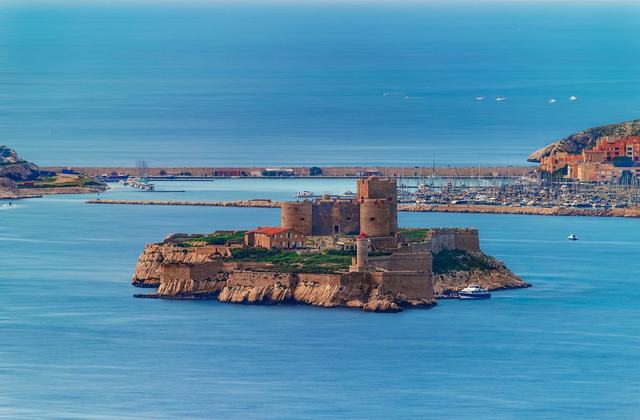
Château d'If
Facing the city of Marseille stands the château d'If, whose military importance has had a far lesser legacy than the legends linked to this picturesque site...
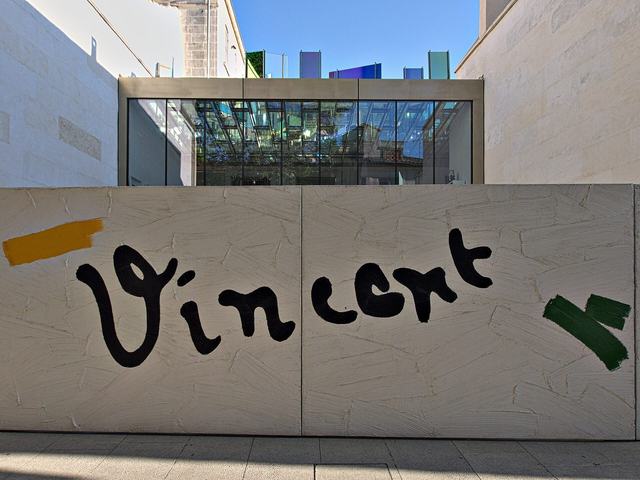
Fondation Vincent Van Gogh en Arles
The museum at 24 bis Rond-point des Arènes in Arles is open every day except Monday from 11 am to 5 pm until 31 March, then from 1 April 2007 7 days a week from 10 am to 6 pm until 24 June.
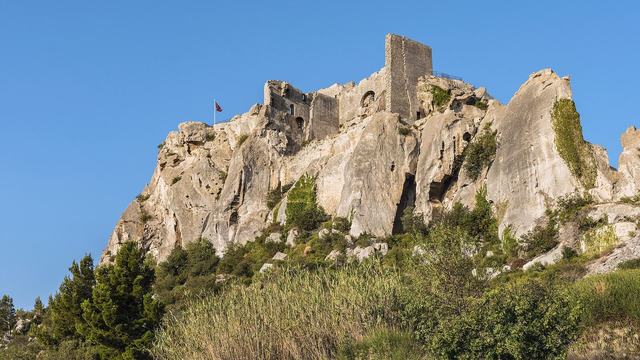
Château des Baux
Perched on the rocky spur of Les Baux-de-Provence, bordered by two sheer ravines, the château des Baux, both a grandiose site and a monument of legend, covers nearly 7 hectares.
Food and local produce
Marseille is the city of bouillabaisse, panisses, navettes and fish soup. The Camargue offers rice, bull stew (gardiane), salt and sand wines. The Aix area is known for its calissons, olive oils and wines.
Markets, such as the fish market at the Vieux-Port in Marseille or the Saturday market in Arles, are good places to taste. For bouillabaisse, compare restaurants and book.
- For bouillabaisse, book in advance.
- Try navettes from a traditional Marseille bakery.
- The Arles market is held on Saturday mornings.
Camargue
A delta shaped by the arms of the Rhône, the Camargue unrolls ponds, salt marshes and rice fields as far as the eye can see. White horses, black bulls and colonies of pink flamingos make up one of the most recognisable natural landscapes in France.
Les Baux-de-Provence
Between a dizzying precipice and the impressive ruins of its long-impregnable fortress, the most visited village in France sits on a rocky spur of the Alpilles, between the Vallon de la Fontaine and the Val d'Enfer.
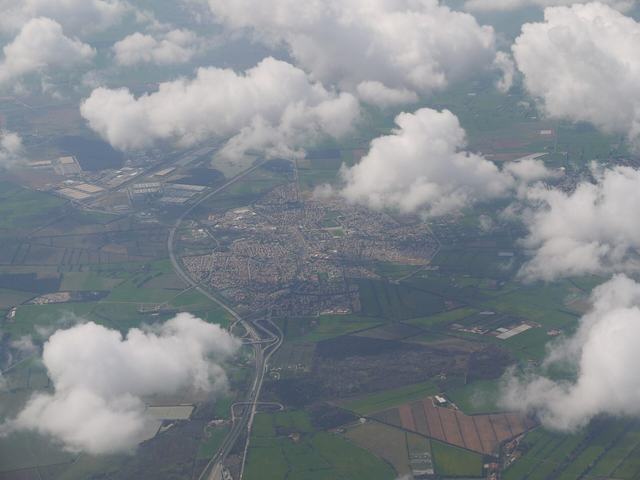
L’Ecomusée de la Crau
The Écomusée de la Crau (Saint-Martin-de-Crau) offers visitors, through a playful and educational staging, the natural and human heritage of La Crau: its contrasting landscapes between arid steppe and green bocage, its agro-pastoral activities and its out-of-the-ordinary nature…
Nature and wide open spaces
The calanques form a national park: Plage de la Calanque de Sugiton, Les calanques de Cassis and val d'Enfer are explored on foot or by boat. The Camargue offers marshes and wild beaches: Les Marais du Vigueirat, Digue à la mer, Plage de Piémanson, Le Tiki 3 Mini Croisière Camarguaise. The Réserve Naturelle Coussouls de Crau is a steppe unique in France.
The Gorges de l'Infernet and the Montagne Sainte-Victoire are hiking destinations. For children, the Parc zoologique de la Barben is a popular outing. The Le Parc Borély is an urban stroll.
- In summer, access to the calanques can be restricted because of fire risk.
- Bring water, a hat and good shoes.
- In the Camargue, bring insect repellent.
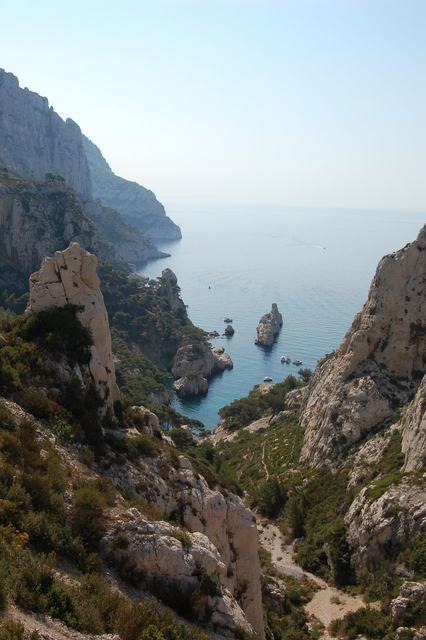
Plage de la Calanque de Sugiton
The Sugiton calanque is made up of two coves each with a small pebble beach.
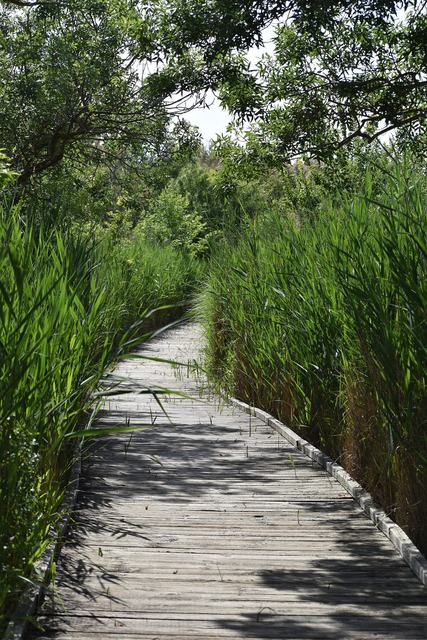
Les Marais du Vigueirat
Located at the junction of two remarkable ecosystems, the Rhône delta and the steppe plain of La Crau, the Marais du Vigueirat nature reserve is a territory most of which stretches over more than 9 km from north to south with a maximum width of 1.5 kilometres.
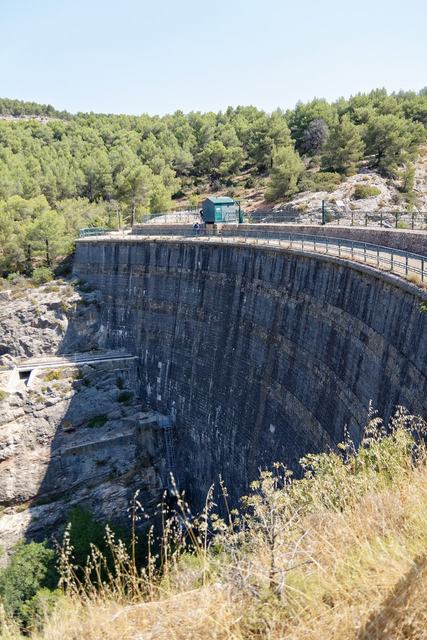
Gorges de l'Infernet
These gorges, carved by the Infernet stream in the Sainte-Victoire massif, separate the Bimont and Zola dams, both built on this small river north of Aix-en-Provence.
Parc zoologique de la Barben
A tourist site not to be missed.
When to go and how to plan
Spring and autumn are the most pleasant: moderate heat and fewer people. Summer is very hot, especially inland. Winter is mild, with sometimes violent mistral winds.
Marseille, Aix and Arles are well connected by train. A car is useful for the Camargue and the Alpilles. A four-day trip can combine Marseille and the calanques, Aix and Sainte-Victoire, then Arles, the Camargue and Les Baux.
- Book accommodation in advance in summer.
- Pack a windproof jacket in case of mistral.
- Start early for the calanques.
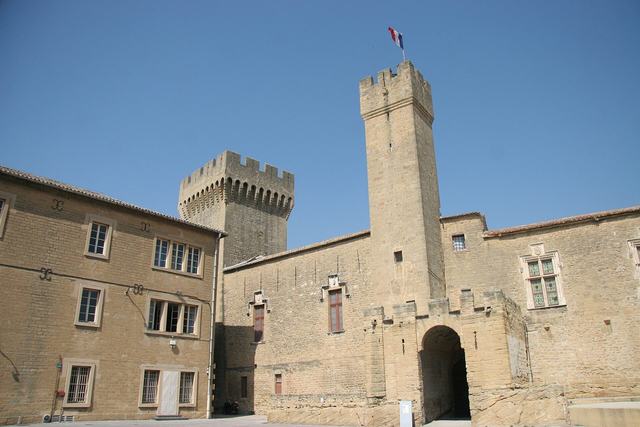
Château de l'Empéri
Perched on the Puech rock, the Empéri overlooks Salon. This castle was from the ninth to the eighteenth century the residence of the archbishops of Arles.
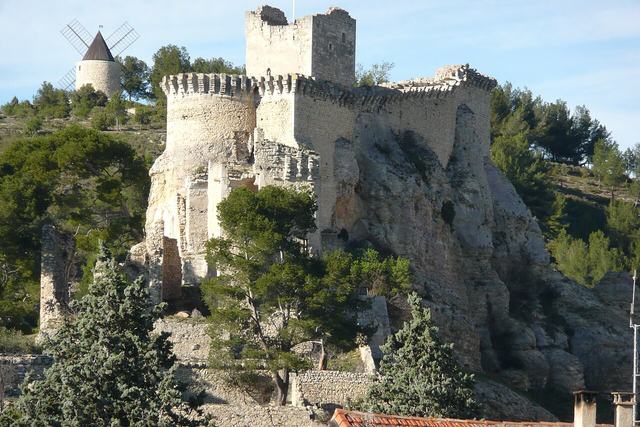
Château de Boulbon
The strategic position of this feudal castle, above the Rhône valley, long made it a sentinel of the county of Provence facing the kingdom of France.
Musée de la Moto
The Motorbike Museum brings together a collection over 4 floors tracing a century of motorcycle history with more than 120 machines.
Going further
Explore the départements of this area: