Castles · Bouches-du-Rhône
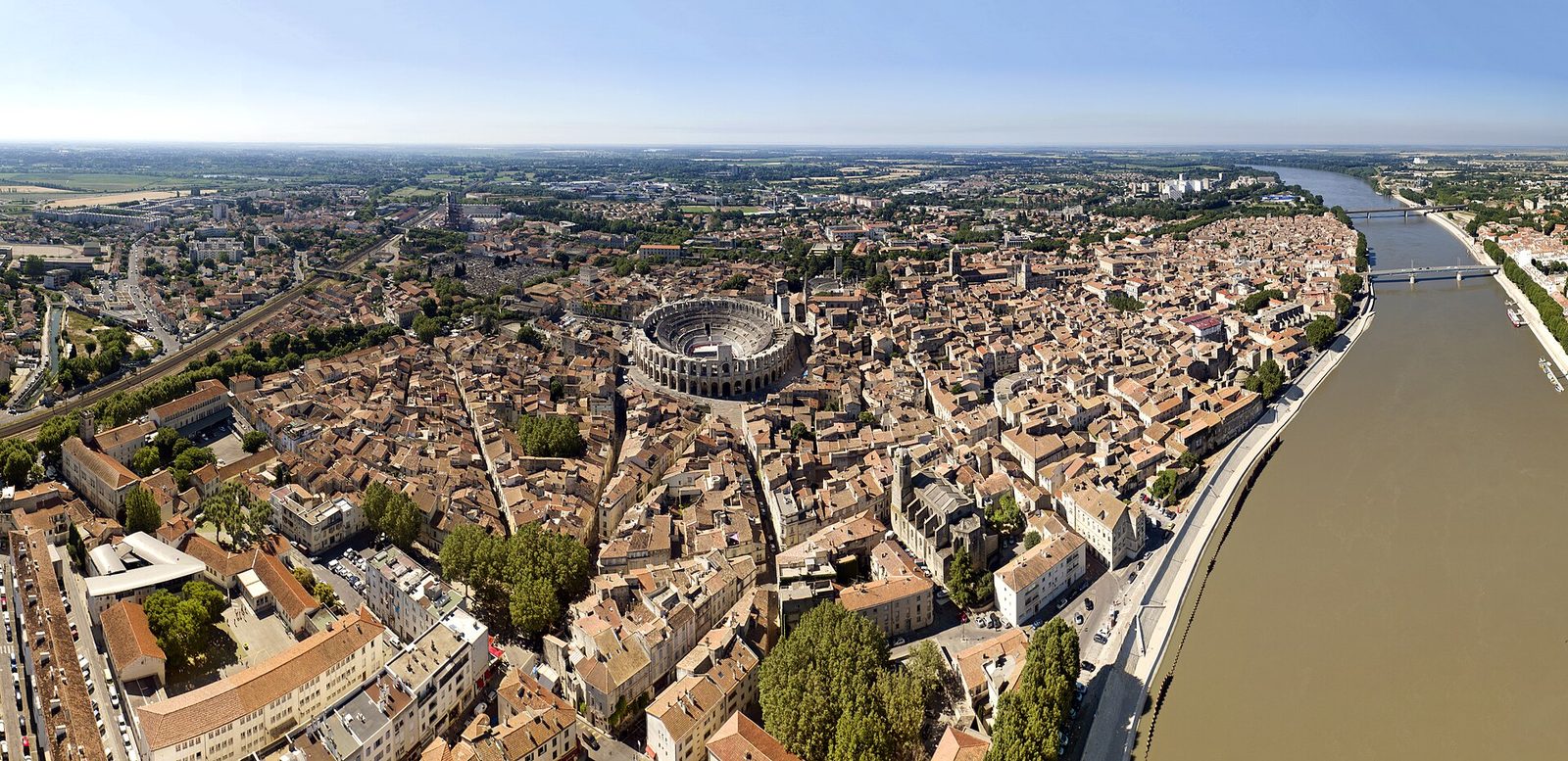
1 Monuments d'Arles
Arles offers an interesting example of the adaptation of an ancient city to the civilisation of medieval Europe.
View full page →Bouches-du-Rhône combines Marseille and its calanques, the Camargue, Arles, the Alpilles and Mont Sainte-Victoire. Roman heritage and Provençal landscapes sit side by side.
This itinerary spreads the best-rated sites in the catalogue over three days.
The map shows the numbered stops in visiting order, with one colour per day. The line follows the roads where available; otherwise it joins the stops as the crow flies. Distances and times are approximate (by car, without traffic).
This day brings together 5 sites close to each other: castles, natural wonders and villages. Allow half an hour to an hour and a half per site, plus travel time.
Driving for the day: about 73.8 km, or 1 h 38 behind the wheel in total (excluding visits).
Arles offers an interesting example of the adaptation of an ancient city to the civilisation of medieval Europe.
View full page →↓ 22.7 km · about 25 min by car to the next stop
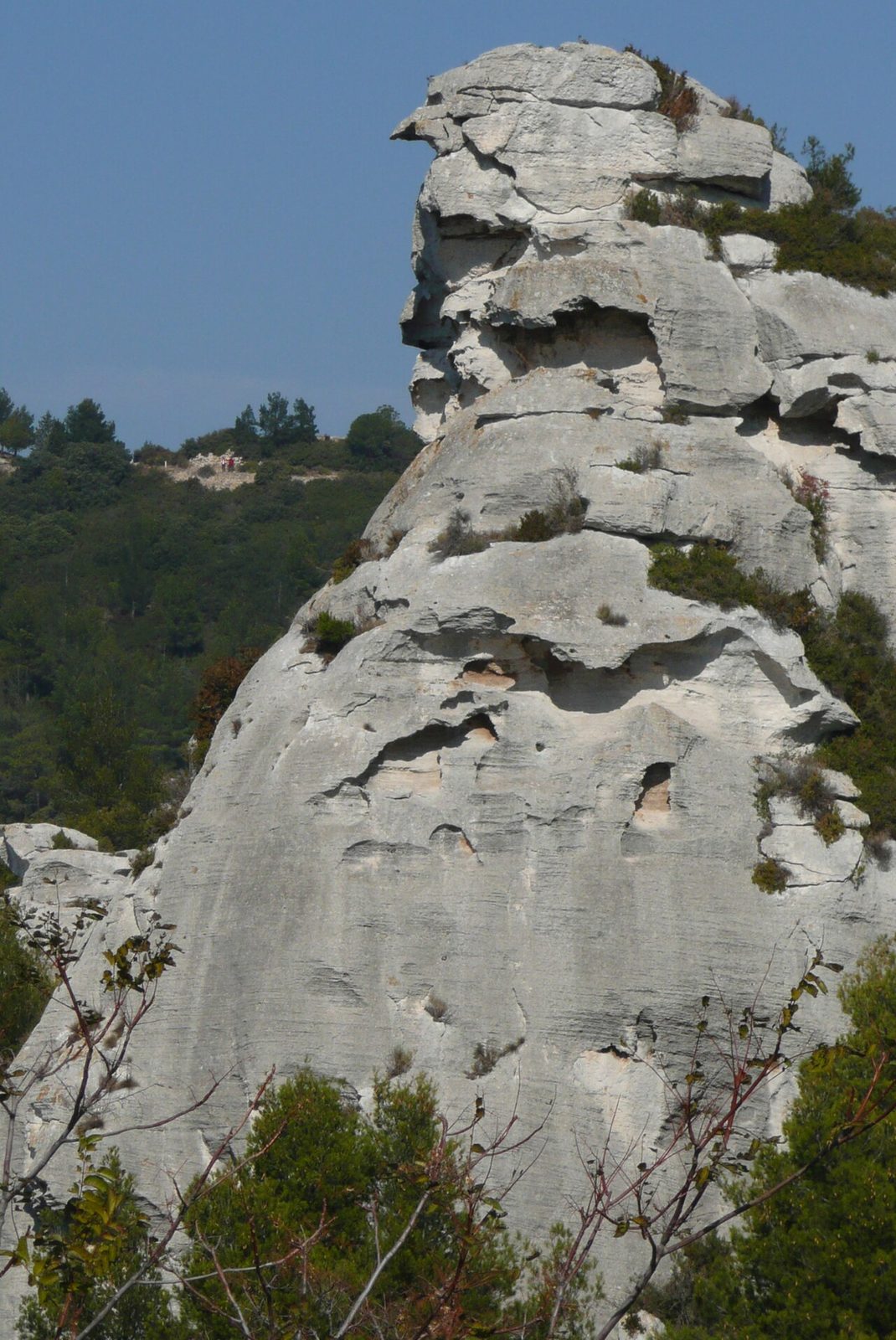
Les Baux-de-Provence is a land blessed by the gods where the mildness of the Mediterranean climate mixes with the astonishing harshness of a tormented nature.
View full page →↓ 1.0 km · about 5 min by car to the next stop
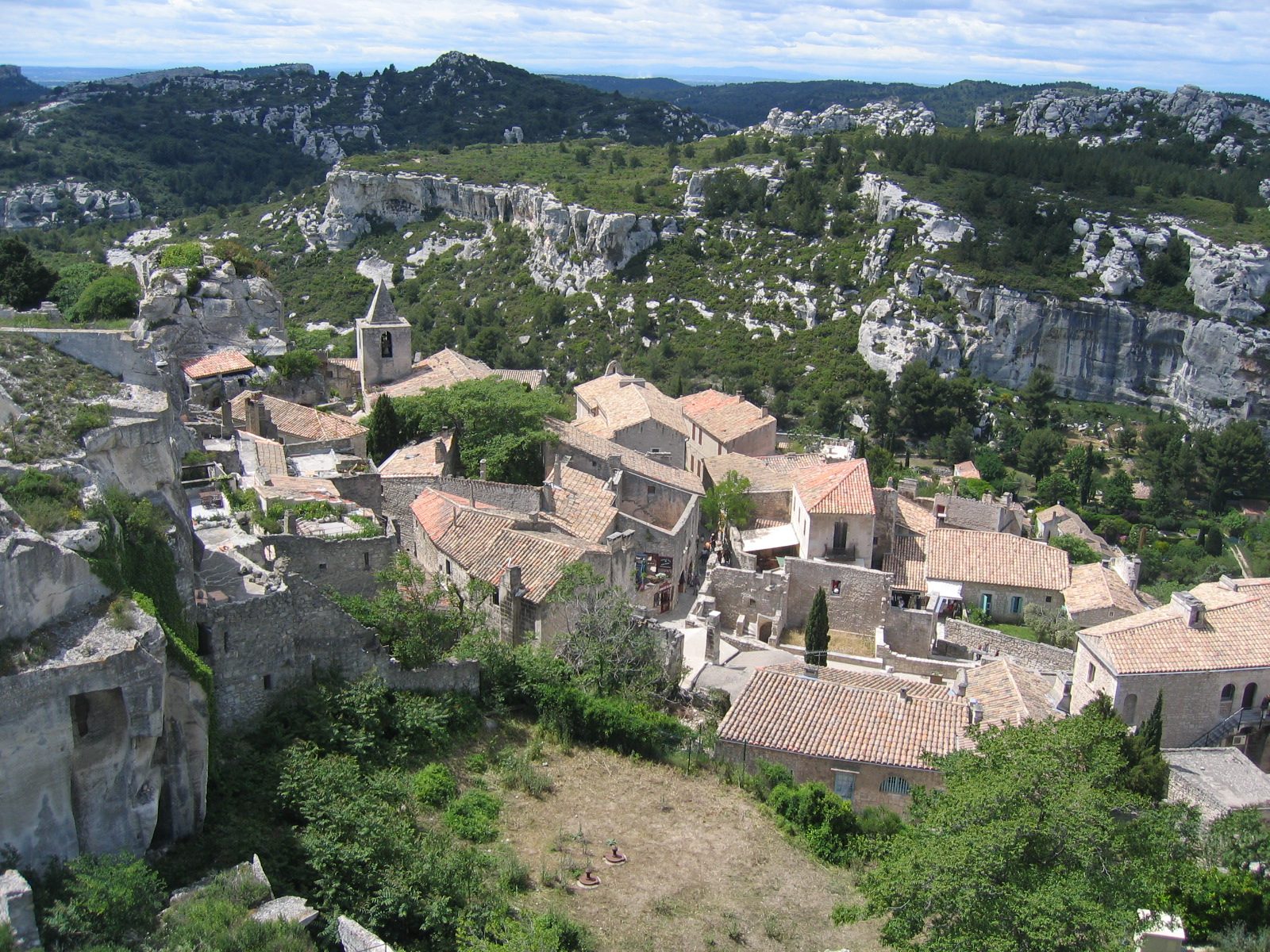
Between a dizzying precipice and the impressive ruins of its long-impregnable fortress, the most visited village in France sits on a rocky spur of the Alpilles, between the Vallon de la Fontaine and the Val d'Enfer.
View full page →↓ 16.5 km · about 28 min by car to the next stop
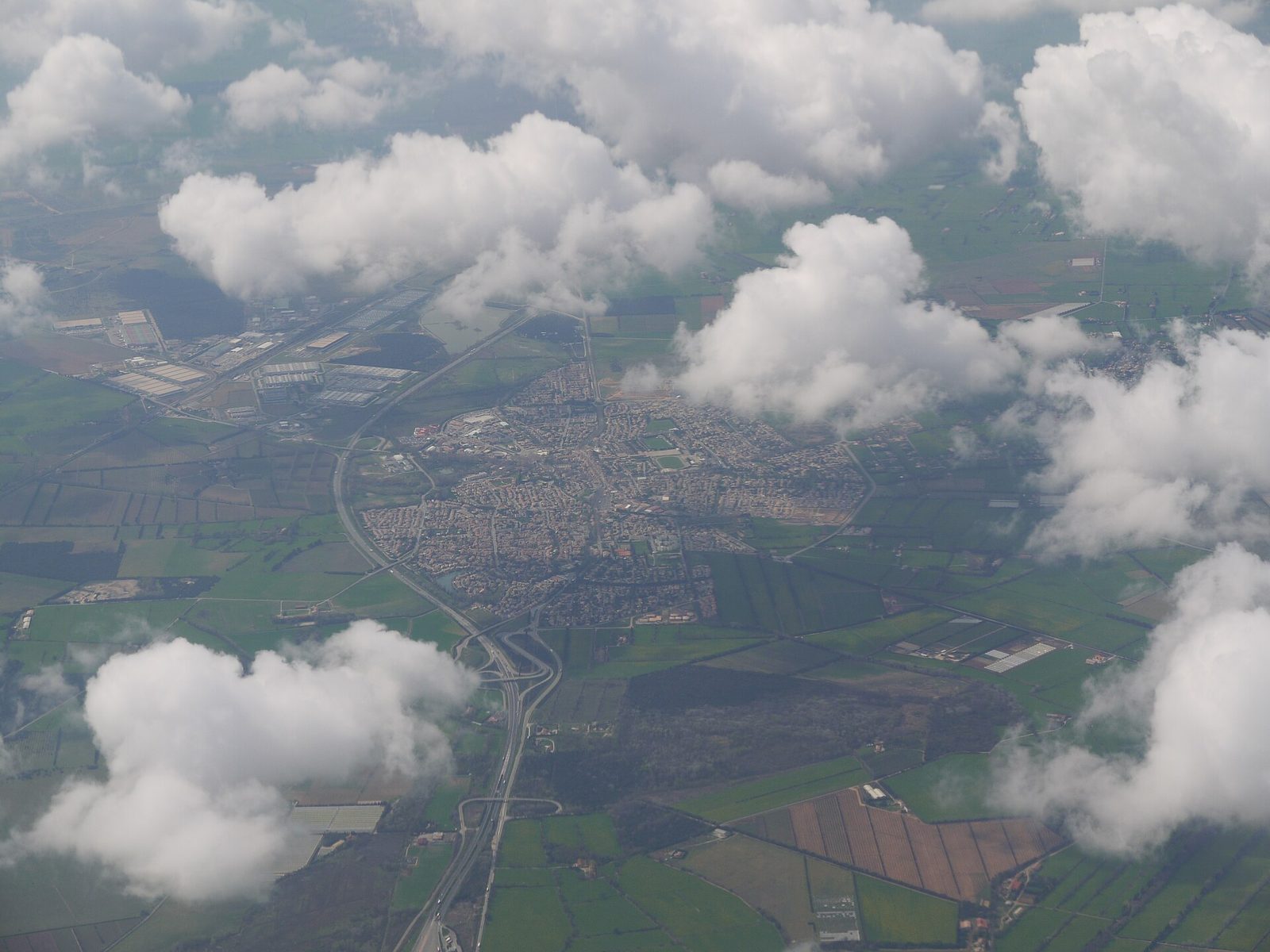
The Écomusée de la Crau (Saint-Martin-de-Crau) offers visitors, through a playful and educational staging, the natural and human heritage of La Crau: its contrasting landscapes between arid steppe and green bocage, its agro-pastoral activities and its out-of-the-ordinary nature…
View full page →↓ 33.6 km · about 40 min by car to the next stop
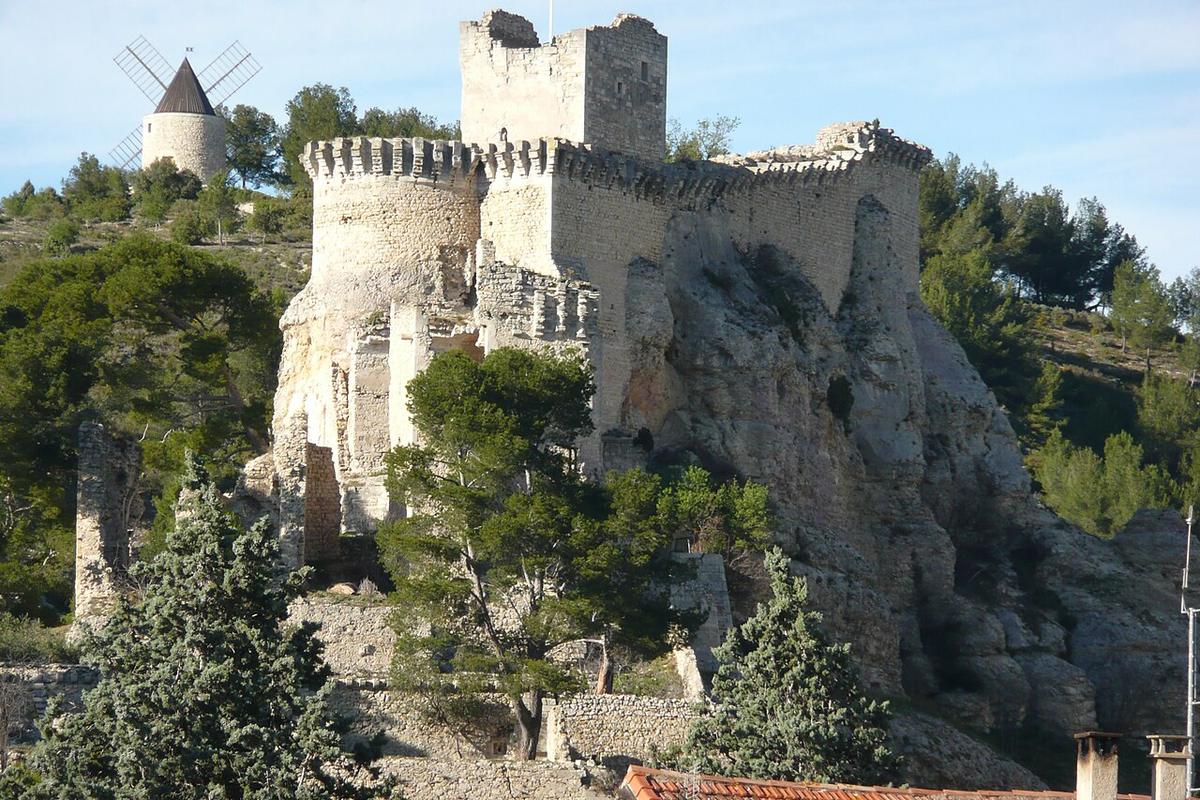
The strategic position of this feudal castle, above the Rhône valley, long made it a sentinel of the county of Provence facing the kingdom of France.
View full page →This day brings together 3 sites close to each other: natural wonders and lakes. It passes through Arles. Allow half an hour to an hour and a half per site, plus travel time.
Driving for the day: about 66.2 km, or 2 h 50 behind the wheel in total (excluding visits).

About twenty kilometres long, it is strictly forbidden to all motor vehicles on the territory of the Reserve.
View full page →↓ 14.2 km · about 1 h 16 by car to the next stop
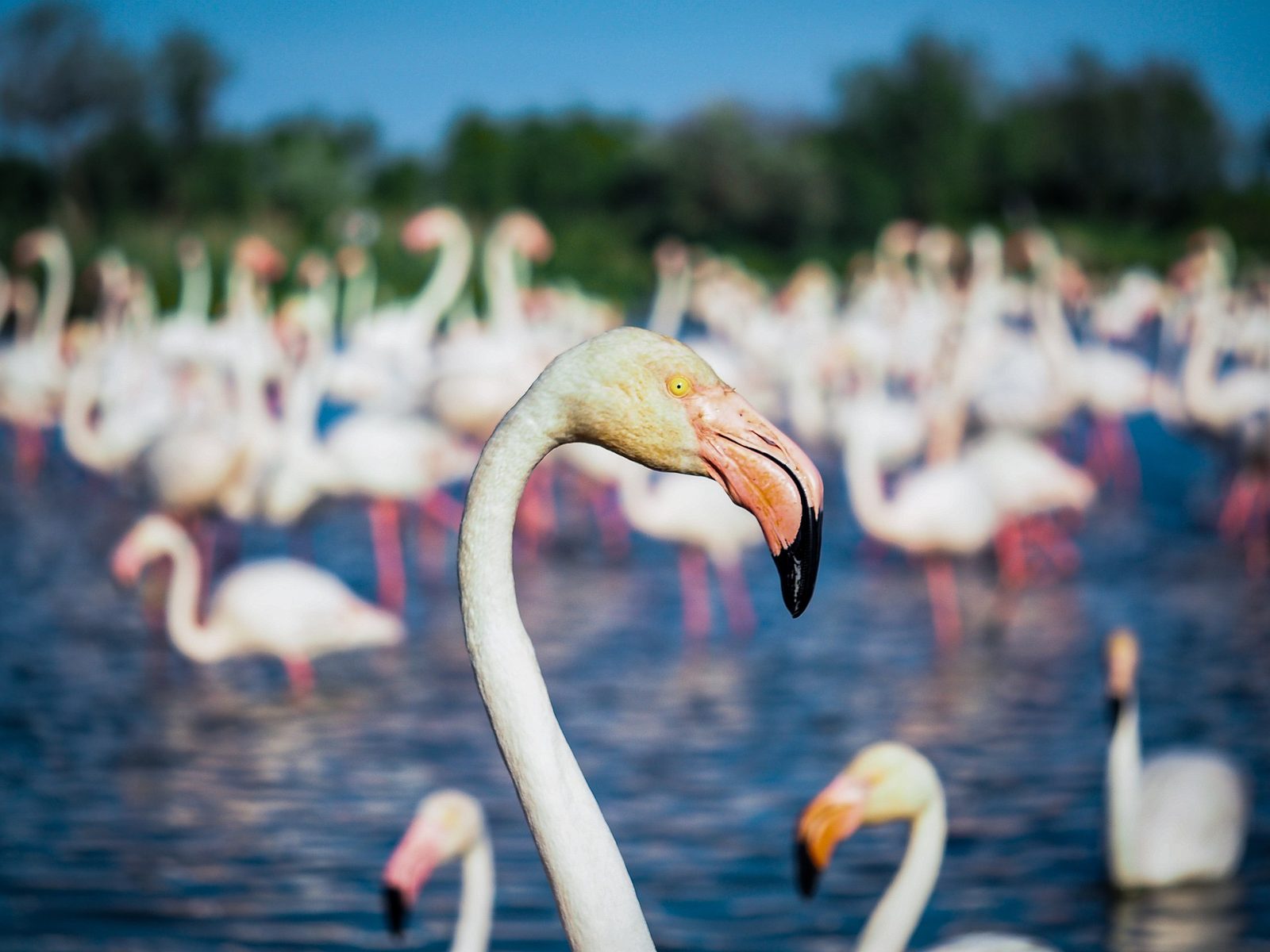
A delta shaped by the arms of the Rhône, the Camargue unrolls ponds, salt marshes and rice fields as far as the eye can see. White horses, black bulls and colonies of pink flamingos make up one of the most recognisable natural landscapes in France.
View full page →↓ 52.1 km · about 1 h 35 by car to the next stop
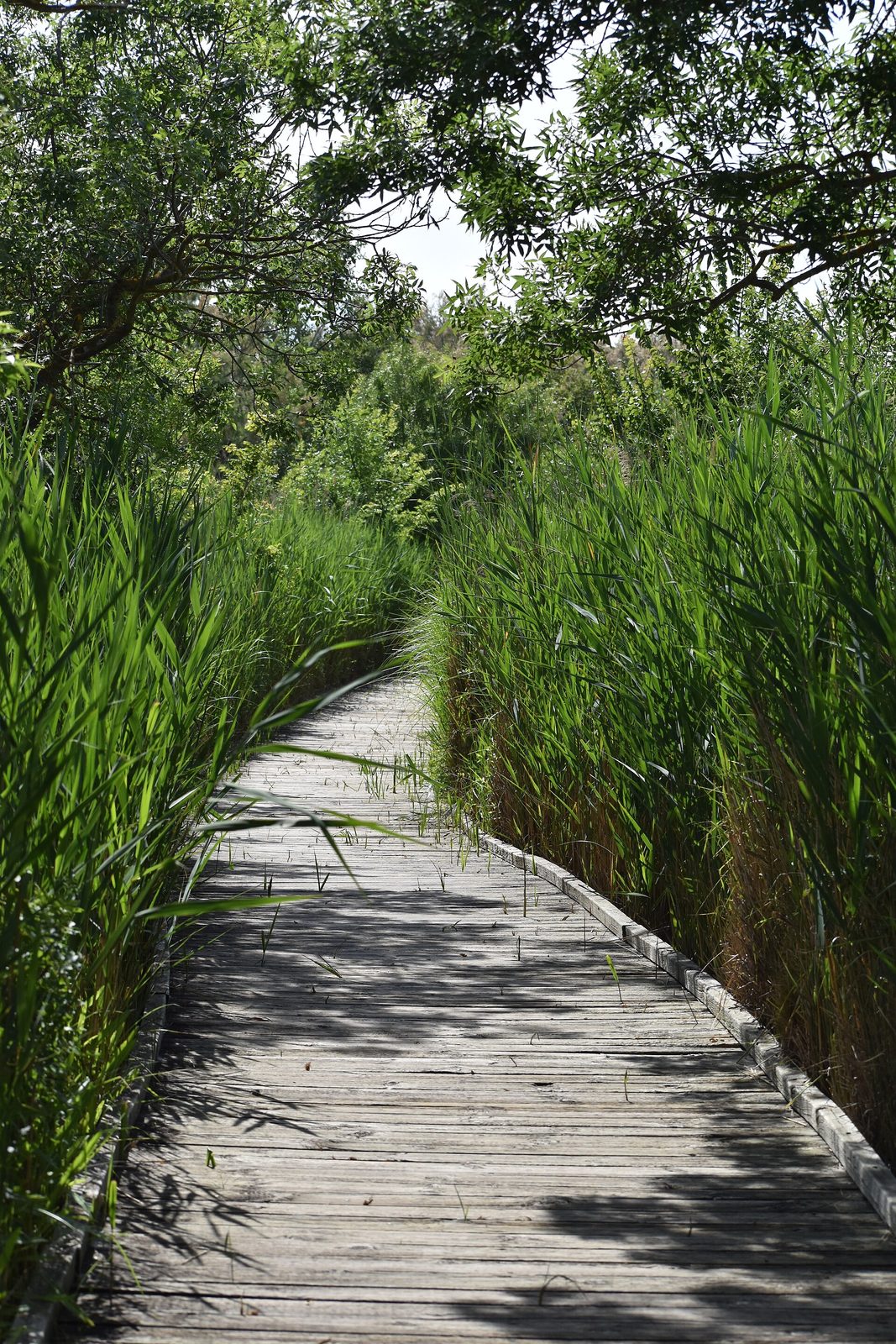
Located at the junction of two remarkable ecosystems, the Rhône delta and the steppe plain of La Crau, the Marais du Vigueirat nature reserve is a territory most of which stretches over more than 9 km from north to south with a maximum width of 1.5 kilometres.
View full page →This day brings together 4 sites close to each other: castles, waterfalls and religious sites. It passes through Marseille. Allow half an hour to an hour and a half per site, plus travel time.
Driving for the day: about 92.6 km, or 2 h 00 behind the wheel in total (excluding visits).
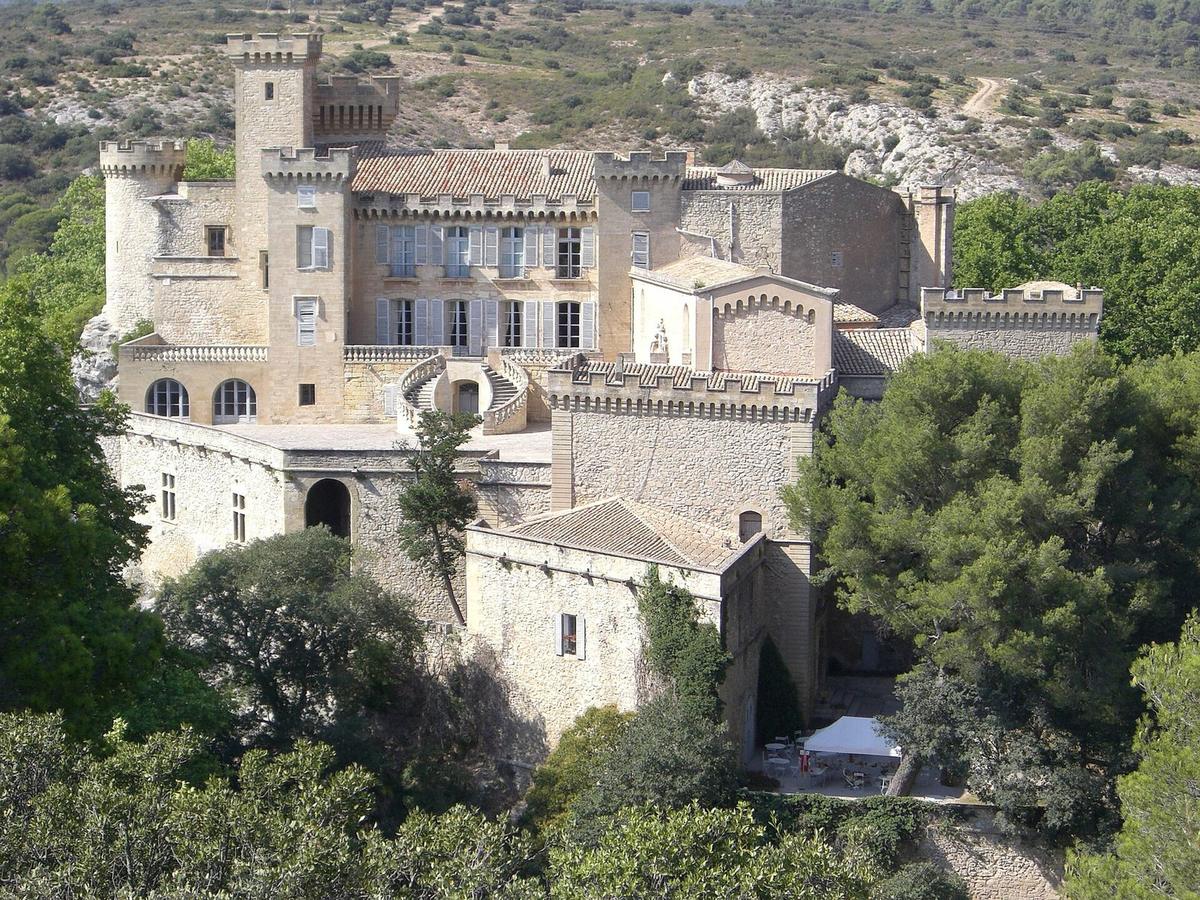
The château de La Barben, between Salon-de-Provence and Aix-en-Provence, is one of the most beautiful castles in the PACA region.
View full page →↓ 35.4 km · about 43 min by car to the next stop
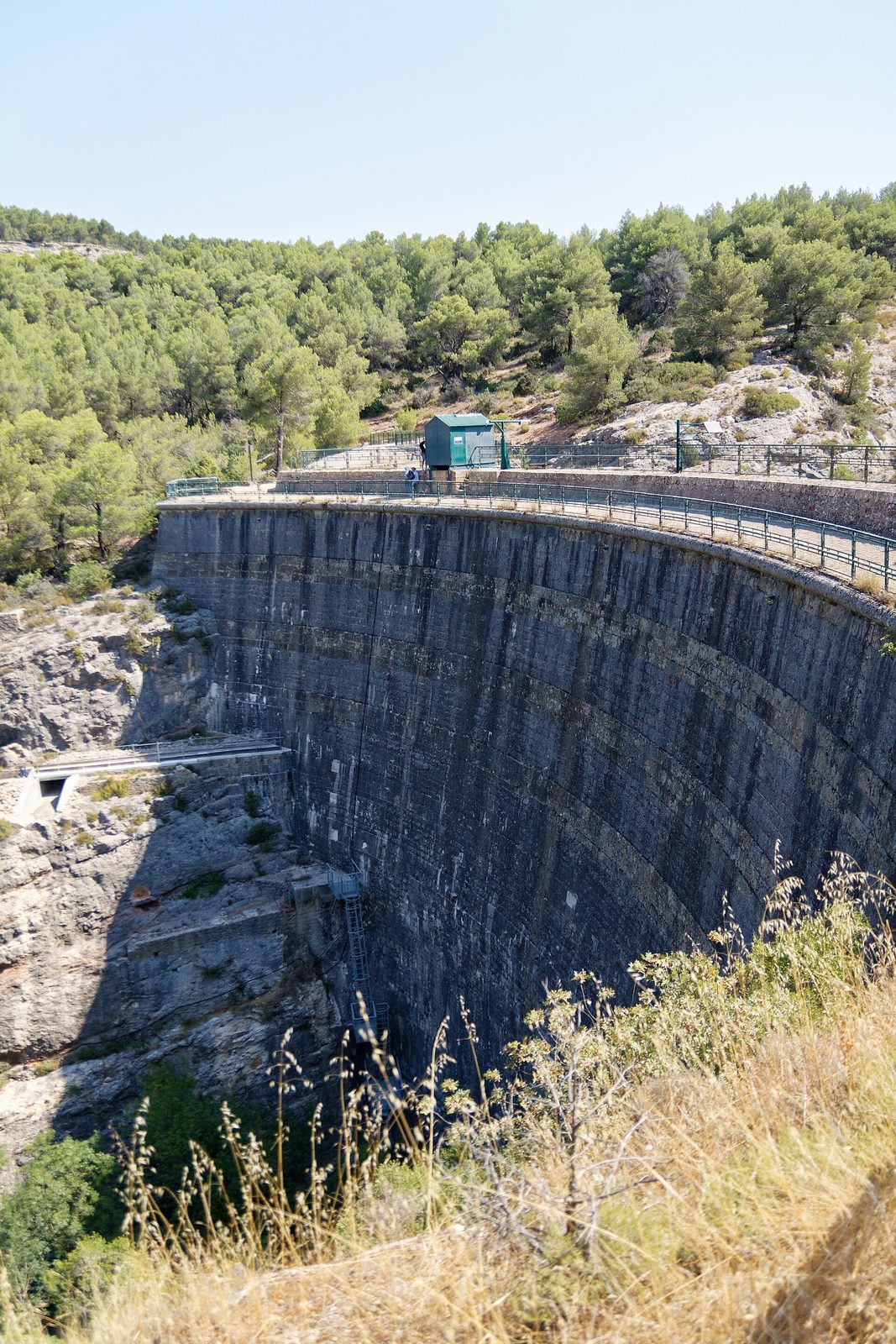
These gorges, carved by the Infernet stream in the Sainte-Victoire massif, separate the Bimont and Zola dams, both built on this small river north of Aix-en-Provence.
View full page →↓ 42.8 km · about 50 min by car to the next stop
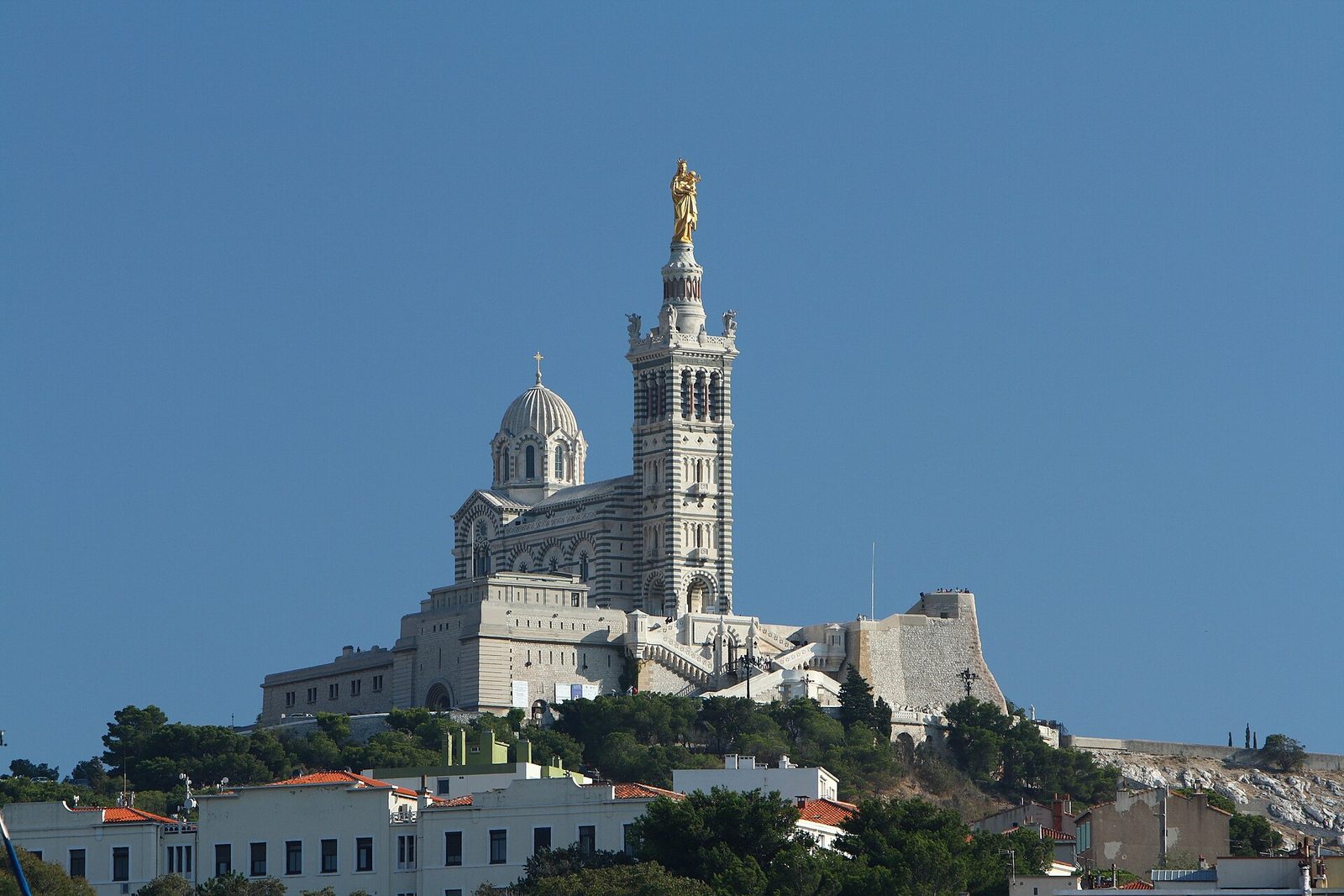
Nicknamed "la Bonne Mère" by the people of Marseille, this neo-Byzantine basilica topped by a gilded Virgin has dominated the city since 1852 and watched over sailors from its hill.
View full page →↓ 14.4 km · about 28 min by car to the next stop
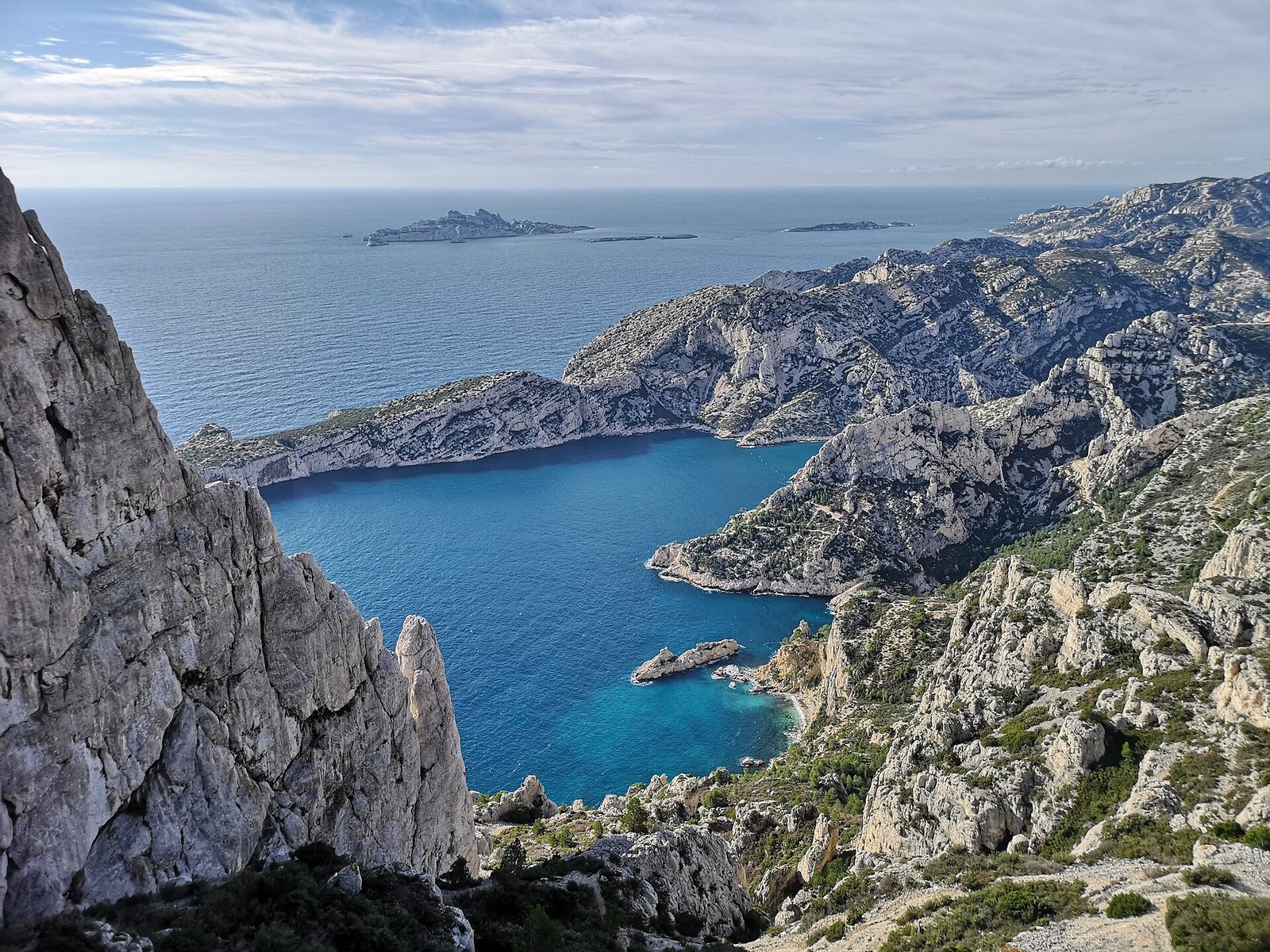
The Calanques massif, at the gates of Marseille, offers a postcard landscape.
View full page →Spring and autumn are ideal. Summer is very hot, and the calanques can be closed when there is a fire risk. Winter is mild, but the mistral can blow hard.
A car is practical for the Camargue and the Alpilles. Marseille and Arles are explored on foot. Access to the calanques is regulated in summer.
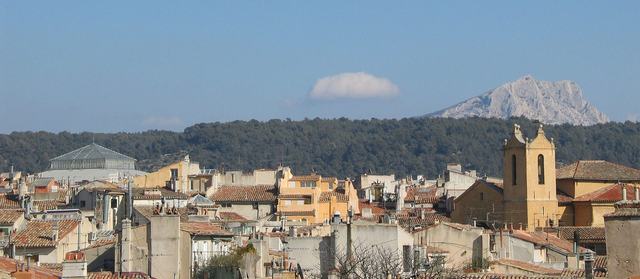
A long limestone ridge with dazzling white cliffs, Mont Sainte-Victoire owes its international renown to the dozens of paintings Paul Cézanne devoted to it.

The beating heart of the Camargue nature reserve, this vast 6,500-hectare lake concentrates one of the richest populations of waterbirds in Europe. Flamingos, herons and ducks can be seen from several developed observation points.
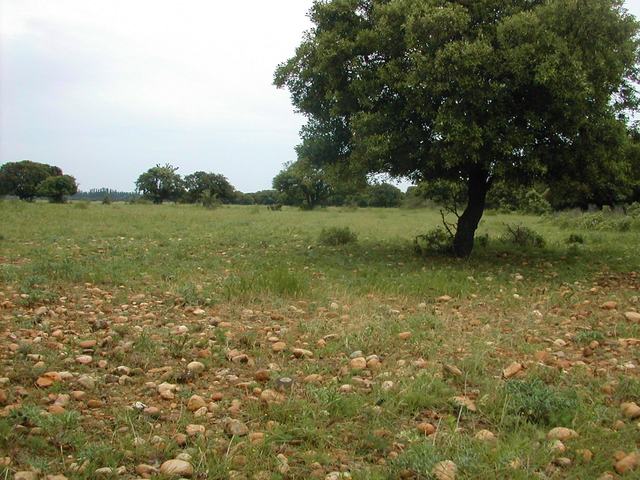
An exceptional steppe, the Crau coussoul retraces 6,000 years of interactions between Nature, Man and the Sheep.

Enclosed between high limestone walls, the En-Vau calanque unfolds turquoise water and a pebble beach among the most photographed in the Calanques national park. Its access, reserved for walkers or boaters, preserves its wild character.
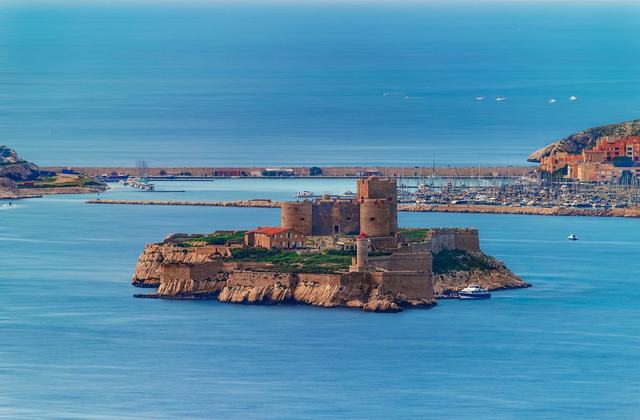
Facing the city of Marseille stands the château d'If, whose military importance has had a far lesser legacy than the legends linked to this picturesque site...
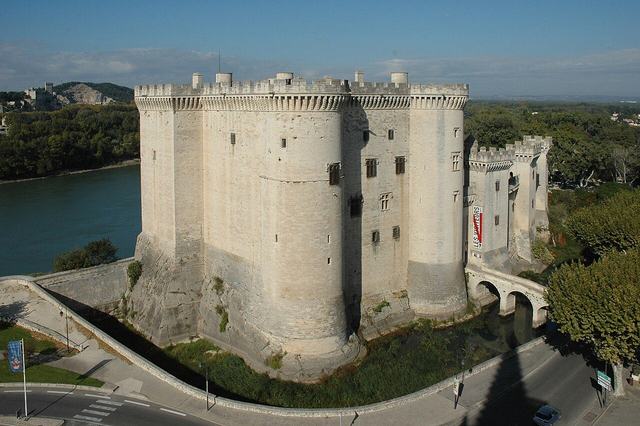
The château de Tarascon, built on the banks of the Rhône, is an imposing sentinel, whose enormous keep rises to 48 metres.