Monuments · Paris
1 La Tour Eiffel
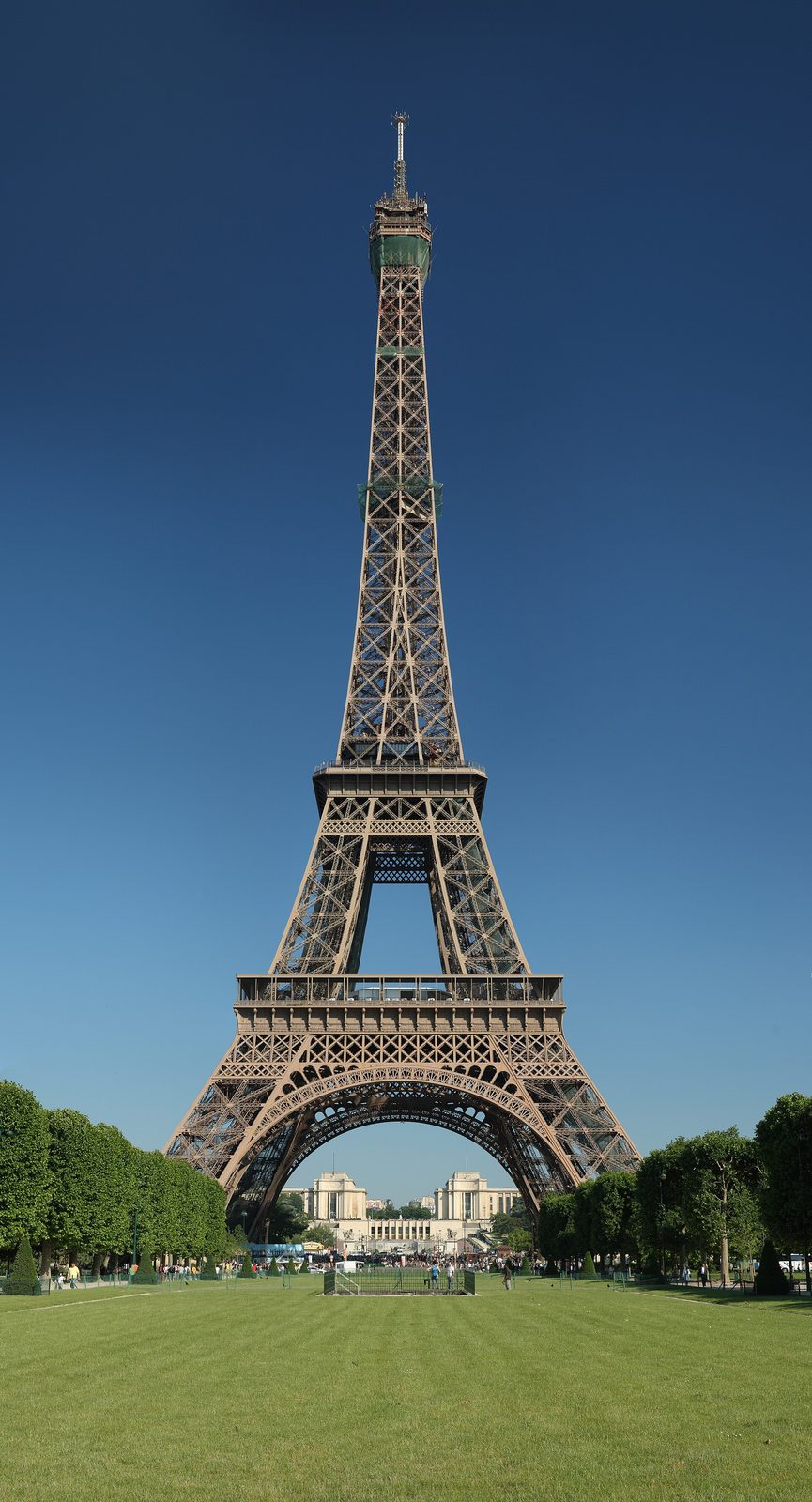
The Eiffel Tower is one of the symbolic monuments of Paris. Built in puddled iron, it stands on the Champ-de-Mars and measures 324 metres (with its antenna).
View full page →Paris is one of the most visited cities in the world: monuments, museums, gardens, historic neighbourhoods and riverbanks. This itinerary offers three days built from the best-rated Paris sites in the catalogue.
Paris has an exceptional number of museums, from the great national institutions to small neighbourhood museums. The monuments, from the Eiffel Tower to Notre-Dame, from the Sainte-Chapelle to the Arc de Triomphe, recall eight centuries of history.
It is impossible to see everything in three days. It is better to choose a few places, not to multiply visits in the same day and to keep time for walking.
Each Paris neighbourhood has its own identity: the Latin Quarter and its bookshops, the Marais and its mansions, Montmartre and its steps, Saint-Germain-des-Prés and its cafés. The banks of the Seine, a World Heritage site, can be walked or explored by boat.
Gardens, such as the Tuileries, the Luxembourg or the Buttes-Chaumont, offer pleasant breaks between visits. They are also good places to watch Parisian life.
Opening hours and closing days of museums vary: many are closed one day a week, and some have late openings. Check them before you go. Some monuments are subject to security checks, which can lengthen the wait.
To avoid the crowds, favour the first hours of the morning or the end of the day. Quiet weeks, such as early spring or autumn, are often more pleasant.
Three days let you see a few great sites and discover one or two neighbourhoods. The itinerary below groups the best-rated places in the catalogue by geographic proximity, to limit travel.
Adapt it to your tastes: if you love art, add museums; if you prefer walking, add gardens and neighbourhoods. And leave room for the unexpected: a street, a café or a market can become one of the best memories of the trip.
The map shows the numbered stops in visiting order, with one colour per day. The line follows the roads where available; otherwise it joins the stops as the crow flies. Distances and times are approximate (by car, without traffic).
This day brings together 4 sites close to each other: museums and monuments. Allow half an hour to an hour and a half per site, plus travel time.
Driving for the day: about 4.5 km, or 12 min behind the wheel in total (excluding visits).
The Eiffel Tower is one of the symbolic monuments of Paris. Built in puddled iron, it stands on the Champ-de-Mars and measures 324 metres (with its antenna).
View full page →↓ 2.0 km · about 5 min by car to the next stop
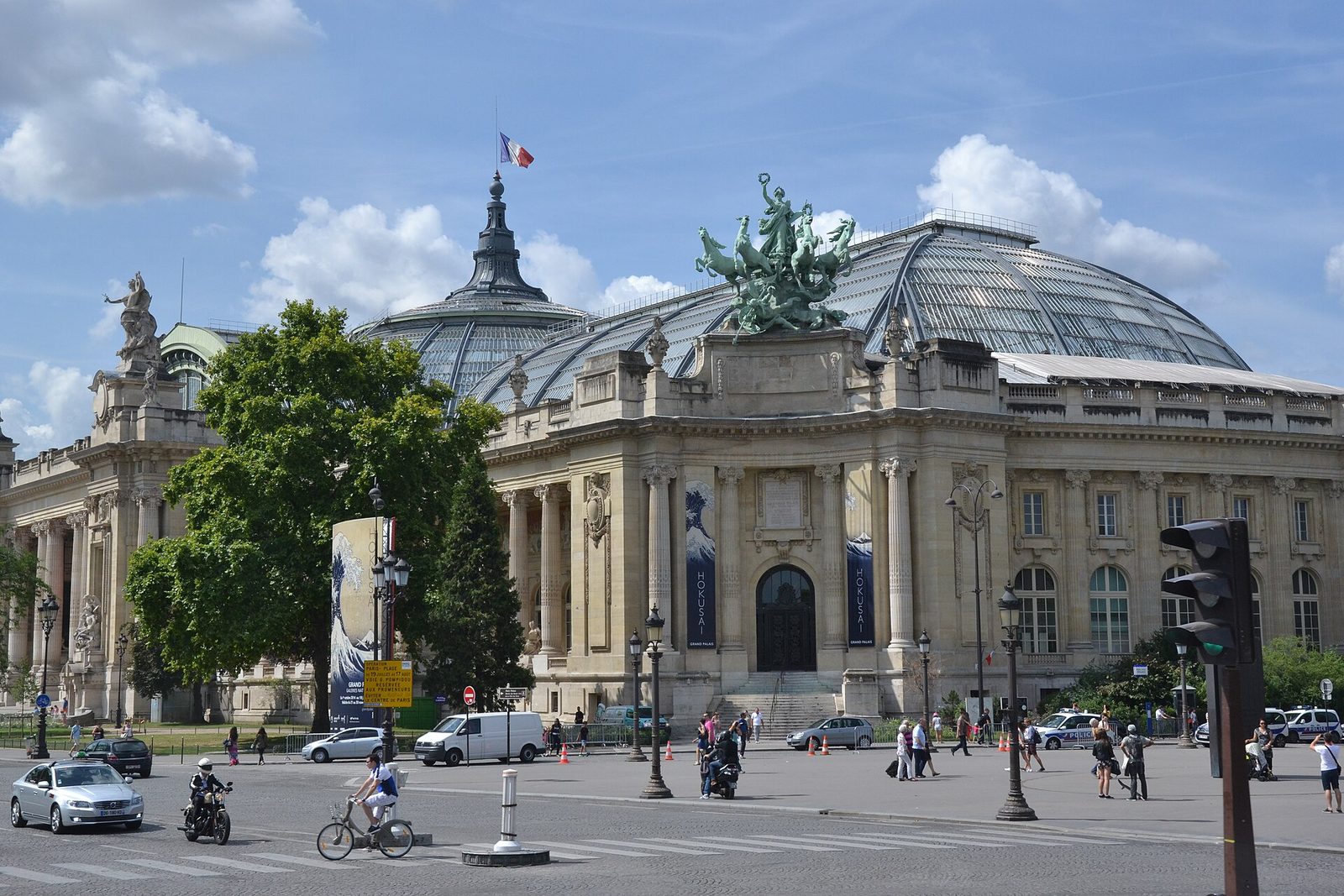
Located in the heart of Paris, on the Avenue des Champs-Élysées, the Grand Palais is the emblematic monument of the Rmn-GP.
View full page →↓ 1.7 km · about 4 min by car to the next stop

The Musée d'Orsay is a national museum in Paris, on the left bank of the Seine, in the 7th arrondissement.
View full page →↓ 0.9 km · about 2 min by car to the next stop
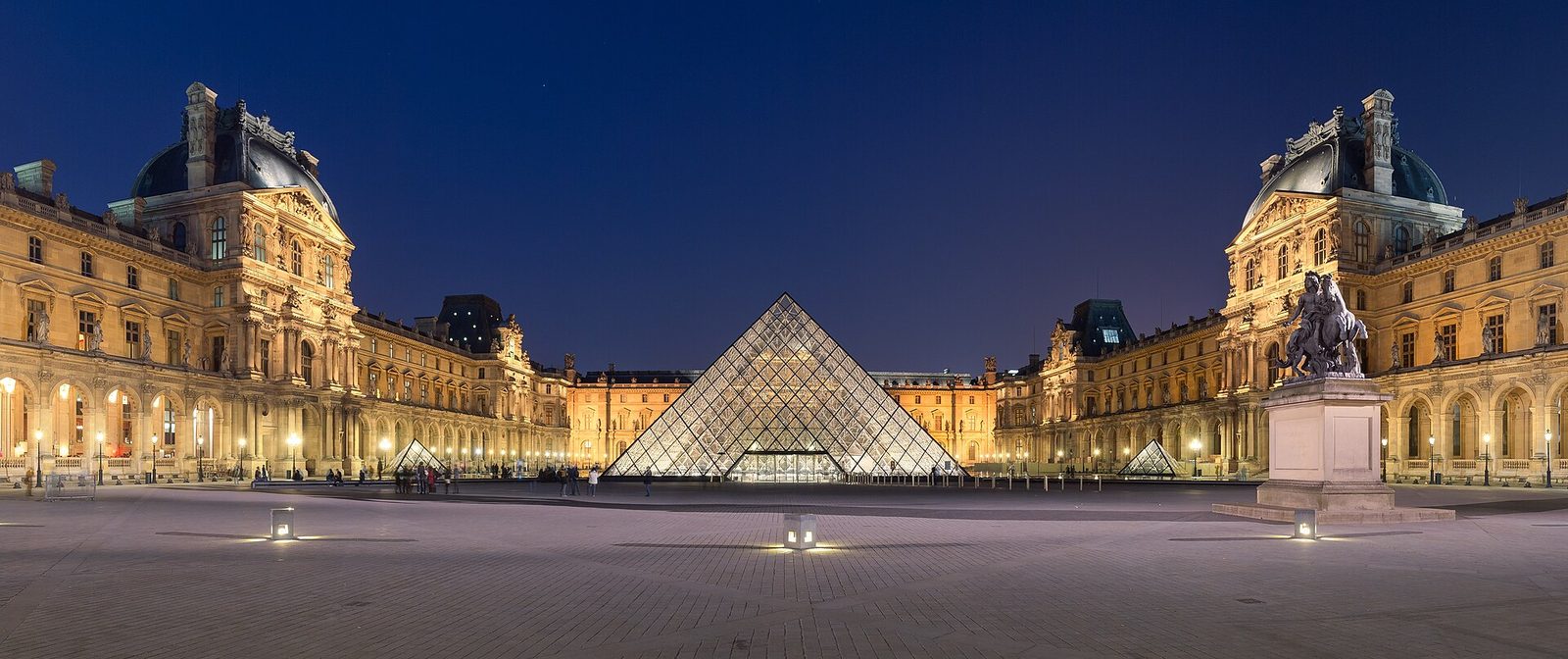
The Louvre is the largest museum in Paris by area. Located in the heart of the city, between the right bank of the Seine and the Rue de Rivoli, in the 1st arrondissement, the building is a former royal palace.
View full page →This day brings together 4 sites close to each other: castles, religious sites and museums. Allow half an hour to an hour and a half per site, plus travel time.
Driving for the day: about 4.8 km, or 14 min behind the wheel in total (excluding visits).
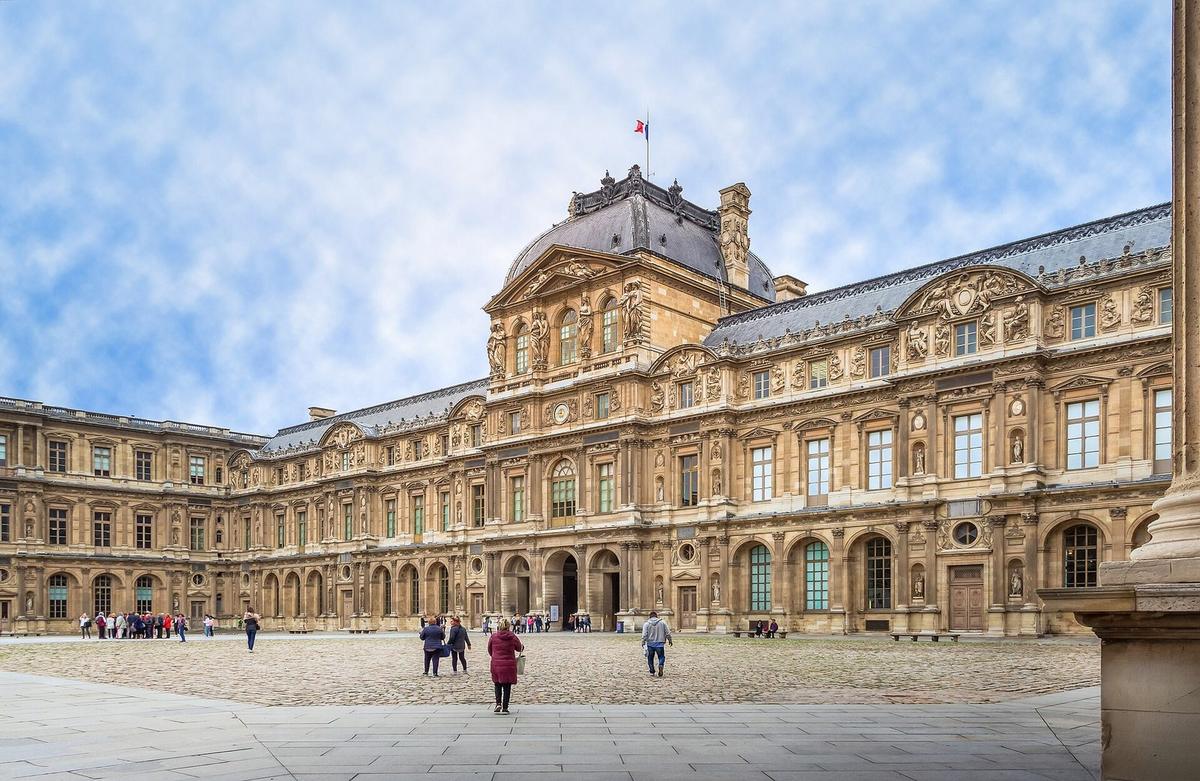
The palace of the kings of France, marked by history from the Middle Ages to the year 2000.
View full page →↓ 1.8 km · about 5 min by car to the next stop
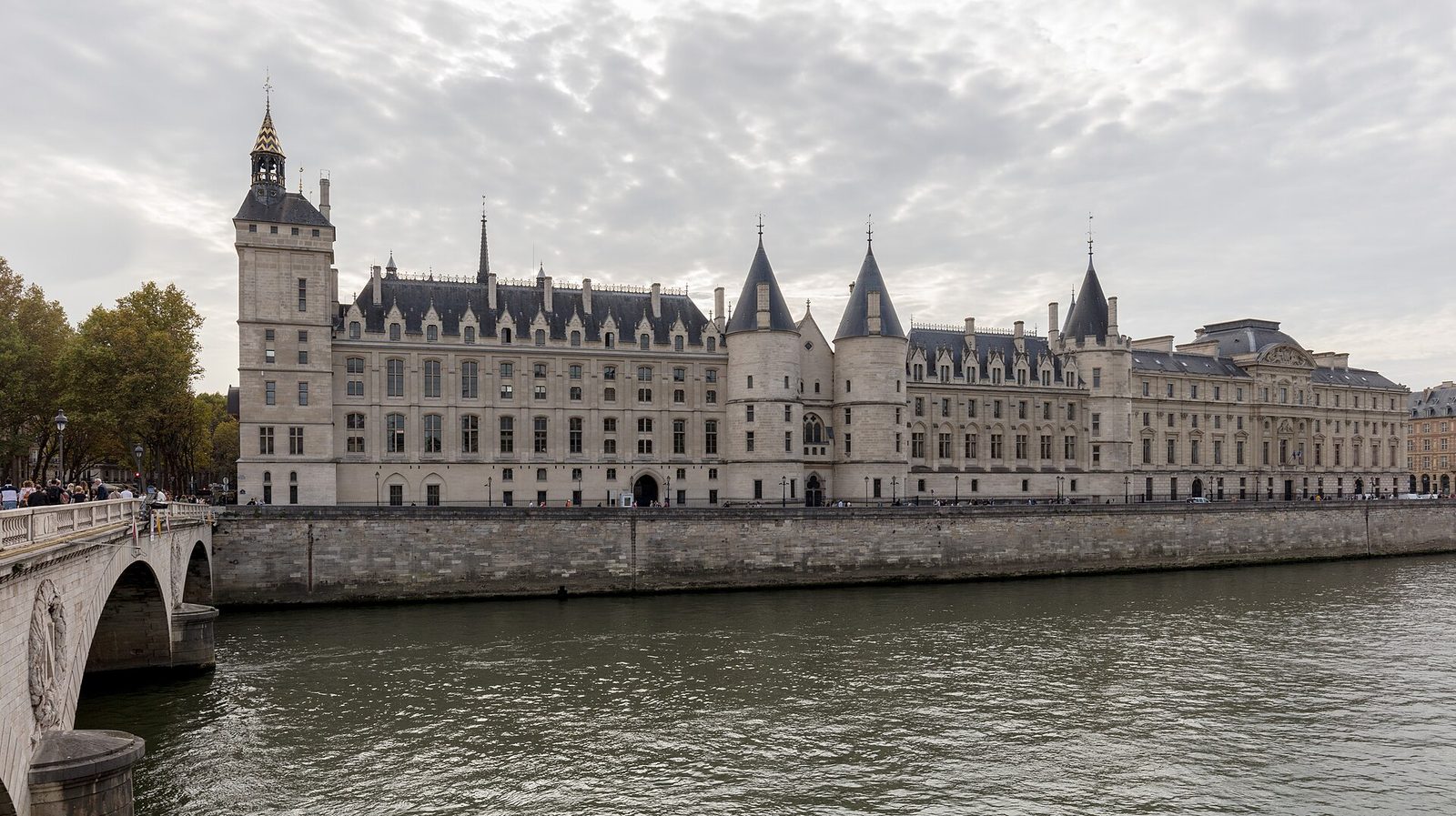
In the heart of Paris, on the banks of the Seine, visit the Conciergerie, the oldest surviving part of the Palais de la Cité, the capital's first royal residence and a prison during the French Revolution.
View full page →↓ 0.7 km · about 2 min by car to the next stop
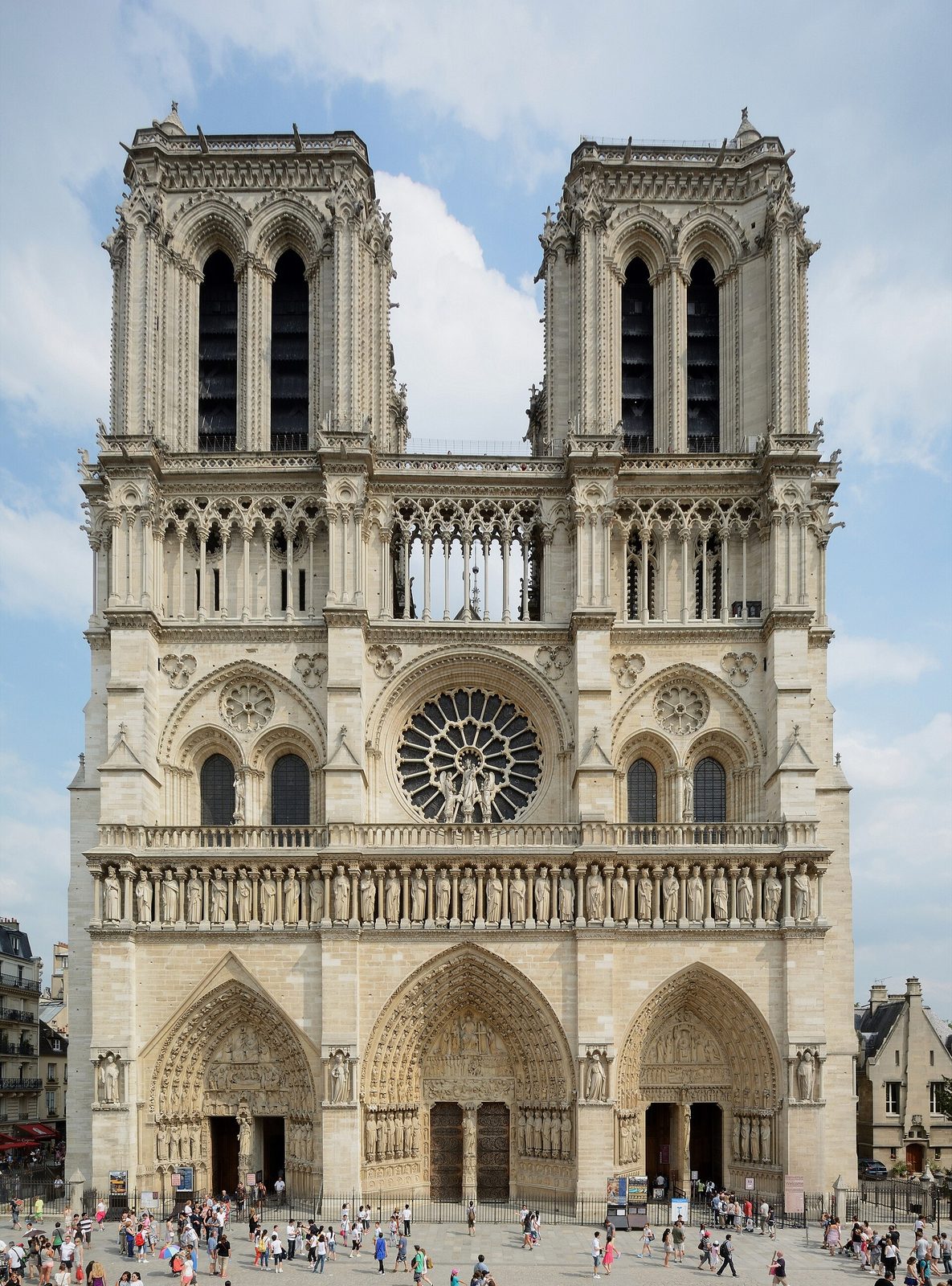
The Cathedral of Notre-Dame de Paris stands in the city of Paris, at the tip of the Île de la Cité.
View full page →↓ 2.3 km · about 6 min by car to the next stop
Seat of the natural history museums of France, the Muséum National d'Histoire Naturelle is in Paris.
View full page →This day brings together 4 sites close to each other: natural wonders, castles and villages. Allow half an hour to an hour and a half per site, plus travel time.
Driving for the day: about 12.3 km, or 35 min behind the wheel in total (excluding visits).
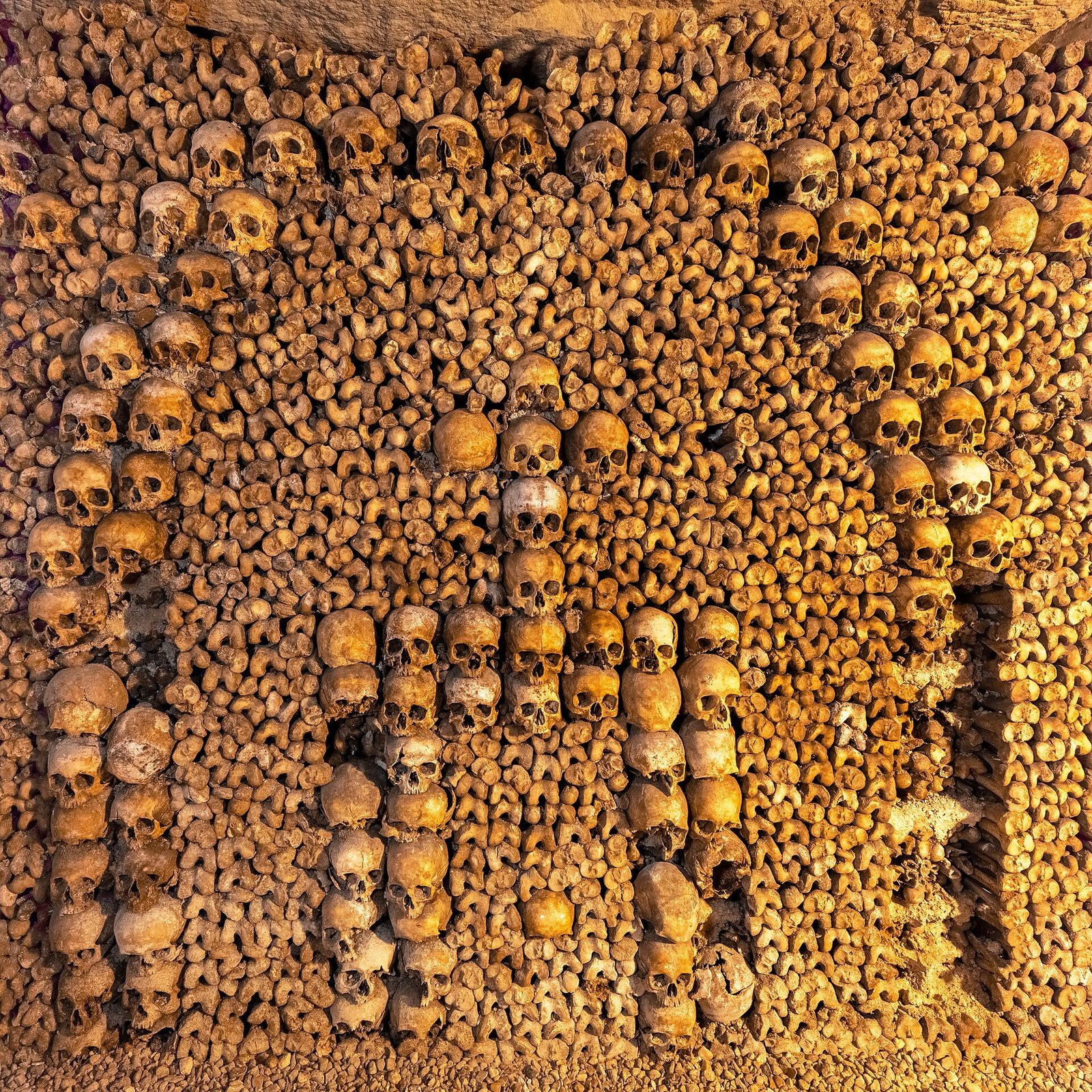
An underground ossuary developed at the end of the eighteenth century in former quarries, where the bones of several million Parisians are carefully stacked.
View full page →↓ 4.7 km · about 13 min by car to the next stop
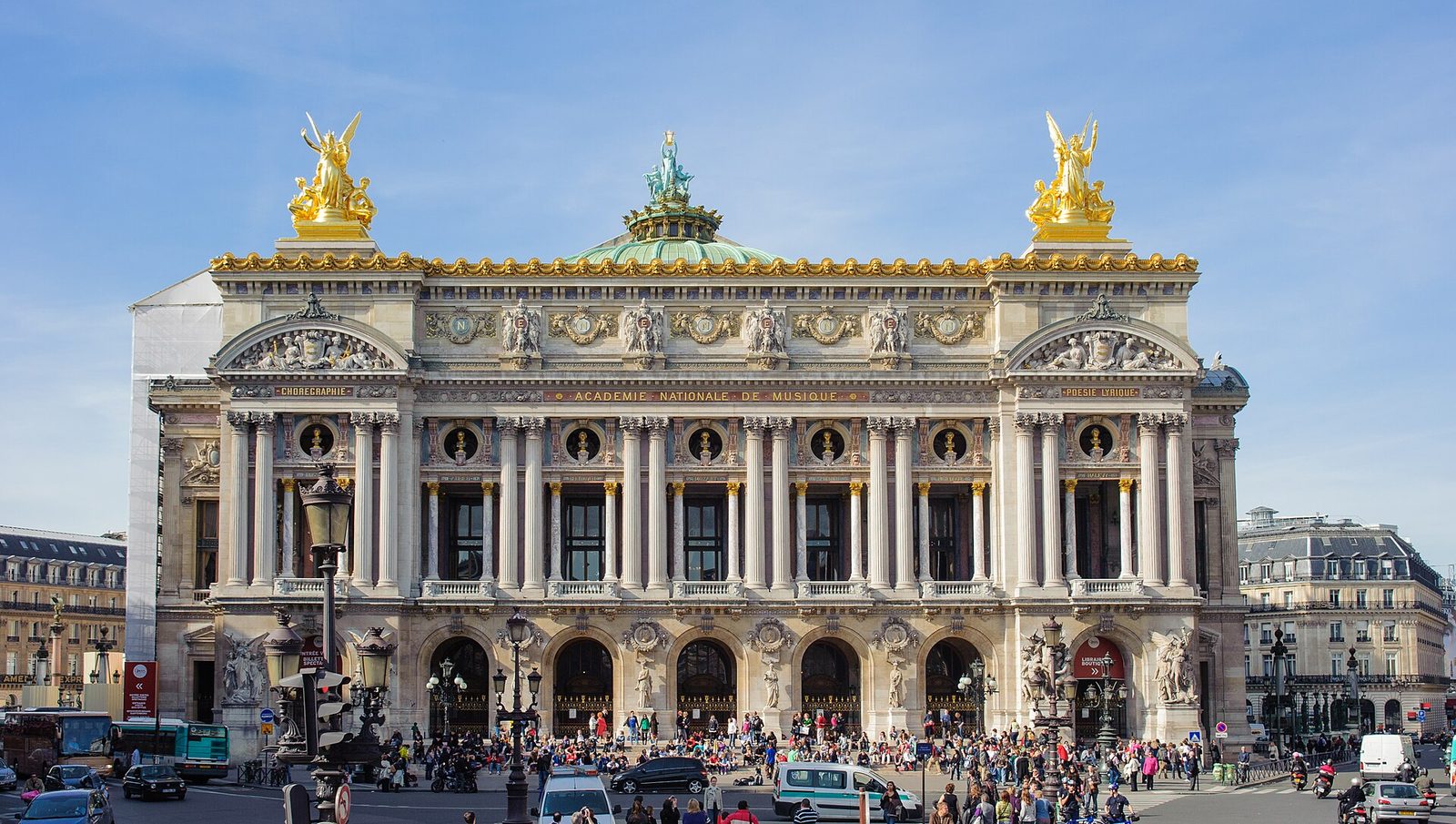
A world-famous architectural masterpiece, the Palais Garnier is the thirteenth opera house in Paris since the founding of this institution by Louis XIV in 1669.
View full page →↓ 3.1 km · about 8 min by car to the next stop
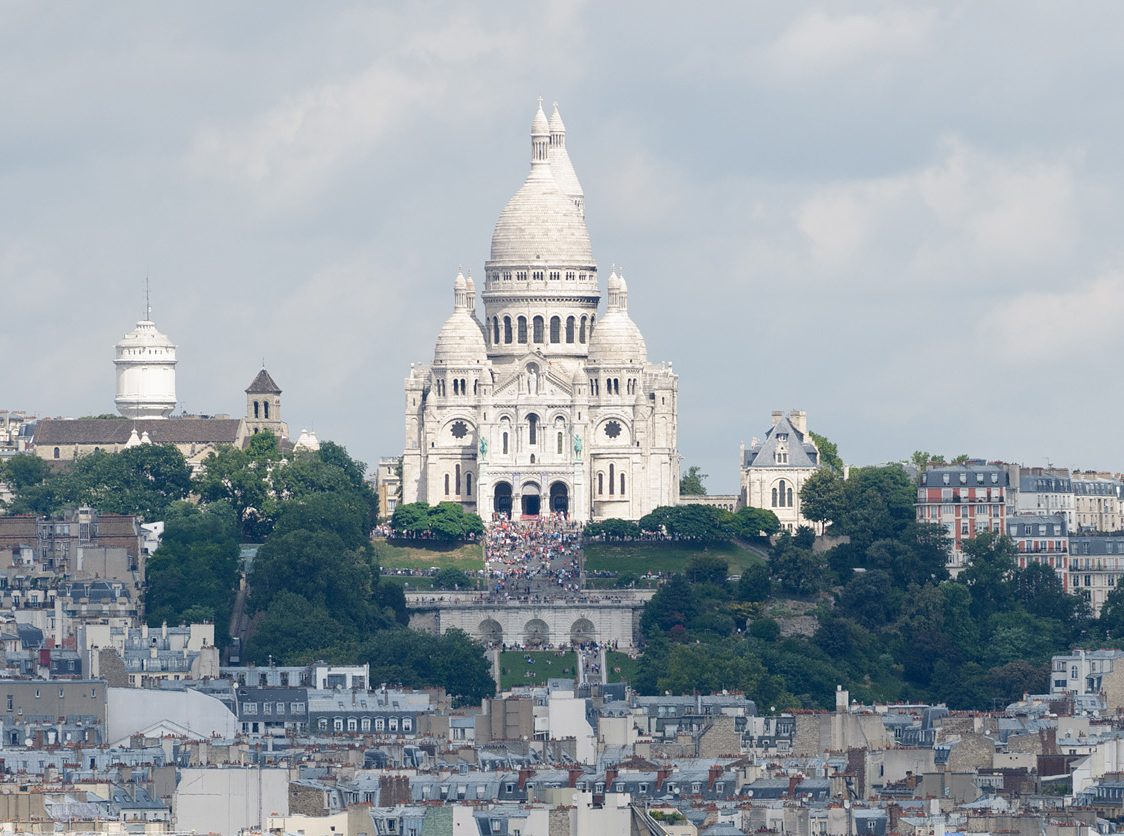
An artists' village perched on the highest hill in Paris, where the Sacré-Cœur basilica overlooks cobbled lanes that have stayed away from the Parisian bustle.
View full page →↓ 4.5 km · about 13 min by car to the next stop
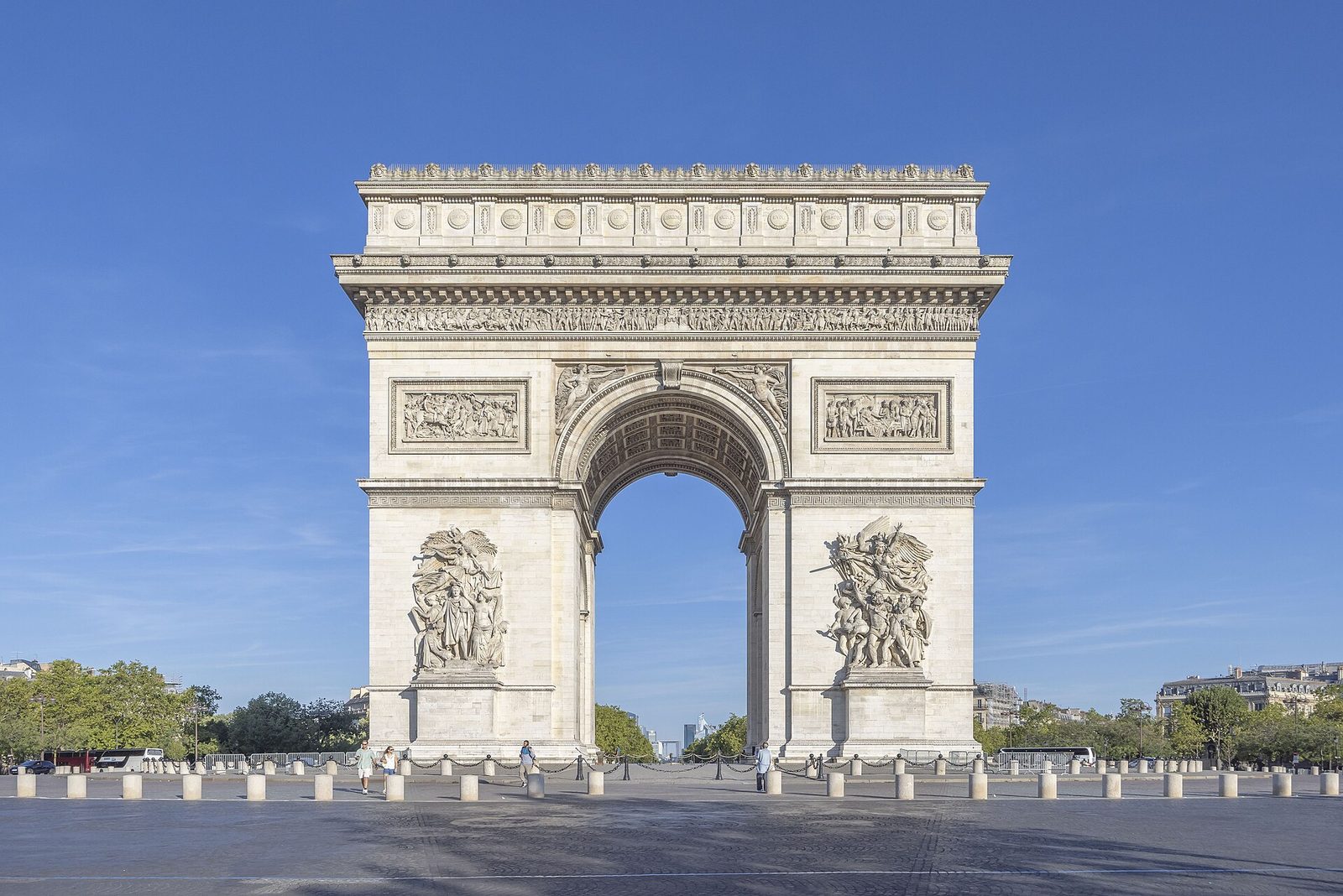
The Arc de Triomphe is 2.2 kilometres north-west of Place de la Concorde, at the end of the Champs-Élysées avenue.
View full page →Spring and autumn are the most pleasant: mild temperatures and light. Summer is very busy, and some neighbourhoods are packed. Winter is calmer, with short days, but museums are then a very good option.
The metro and buses are the best ways to get around Paris. Walking links many sites in the centre. For museums, avoid queues by booking in advance, and wear comfortable shoes.

The Musée de l'Orangerie is a museum of Impressionist and Post-Impressionist paintings in the Tuileries Garden, at the western end of the Terrasse du bord de l'eau, Place de la Concorde, in Paris.

The Musée Marmottan, now the Musée Marmottan Monet, is a fine arts museum in Paris in the Ranelagh district: it is the gift by the art historian Paul Marmottan of his townhouse and his Renaissance and Napoleonic-era collections to the Académie des Beaux-Arts in…

The Musée du quai Branly, or museum of the arts and civilisations of Africa, Asia, Oceania and the Americas, is on quai Branly in the 7th arrondissement of Paris, at the foot of the Eiffel Tower, on the site formerly occupied by the Ministry of Foreign Trade.

The Musée Carnavalet is the Paris municipal museum devoted to the history of Paris from the origins of the city to the present day.

The Petit Palais is a historic monument of Paris, now used as a fine arts museum, which was built for the 1900 Universal Exhibition by the architect Charles Girault.

A stone's throw from the Louvre, the Palais-Royal was built at the request of Cardinal Richelieu in 1633.