Grotte de Lascaux
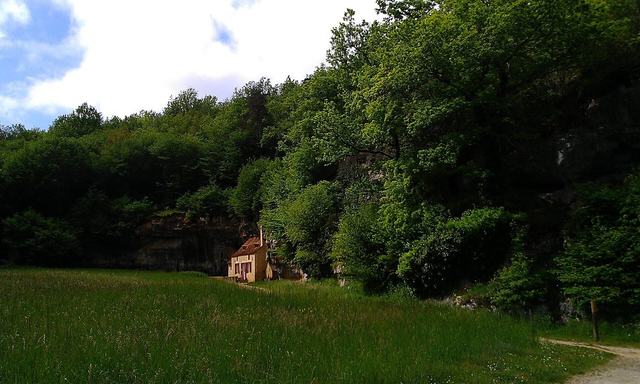
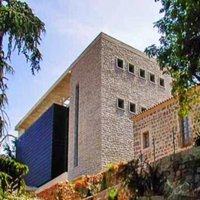
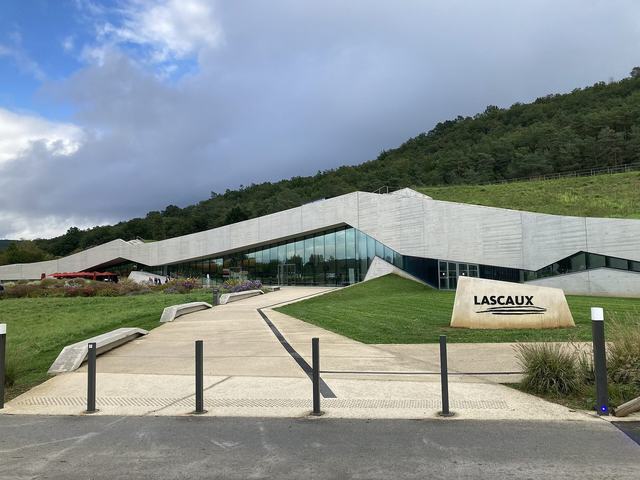
Located in the Dordogne near the village of Montignac-sur-Vézère, in the heart of the Périgord Noir, the Lascaux cave is the masterpiece of prehistoric art.
View full page →France is one of the richest countries in Europe for prehistory: caves decorated by Palaeolithic artists, rock shelters, excavation sites, museums, standing-stone alignments and Neolithic dolmens. This selection brings together the great places to visit, from the Périgord to Morbihan, from the Pyrenees to Corsica.
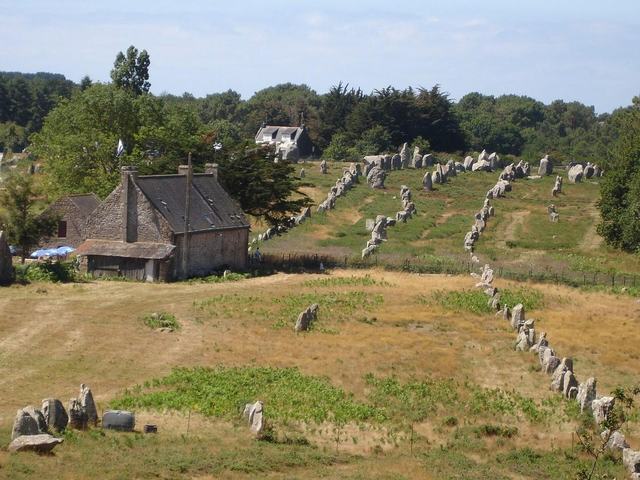
The essentials are in the Dordogne, in the Vézère valley, with Lascaux, Font-de-Gaume, Les Combarelles and the National Museum of Prehistory in Les Eyzies, and in the Ardèche, with the Chauvet cave replica. The Pyrenees and Ariège have Niaux, Mas-d'Azil and Bédeilhac. Brittany and Corsica add Carnac, Locmariaquer, Barnenez and Filitosa.
Several decorated caves limit the number of visitors to protect the paintings: book in advance, and check visiting conditions before you go.
Located in the Dordogne near the village of Montignac-sur-Vézère, in the heart of the Périgord Noir, the Lascaux cave is the masterpiece of prehistoric art.
View full page →
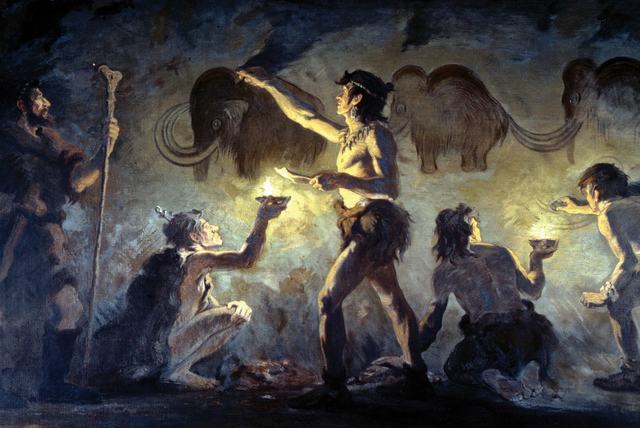
35,000 years ago, man invented the image. Discover the oldest cave paintings and engravings in the world, through dioramas, slide shows and the new video film, a production by the three discoverers.
View full page →
The last polychrome decorated cave still open to visitors in France, in the Vézère valley.
View full page →
A long engraved gallery in the Vézère valley, with many animal figures of Prehistory.
View full page →
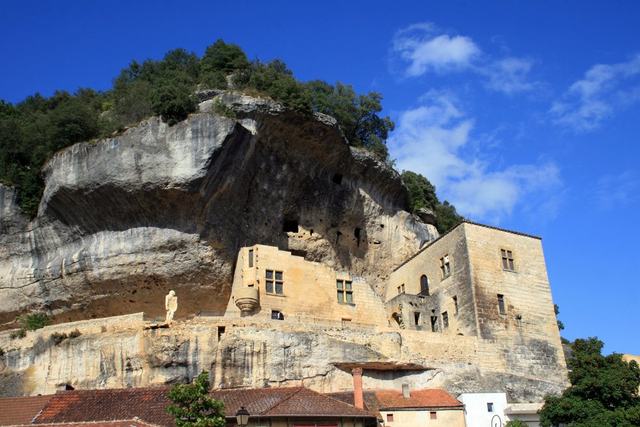
A village nestled at the foot of high troglodyte limestone cliffs, nicknamed the "world capital of prehistory" for the exceptional density of its Palaeolithic deposits.
View full page →
The Musée national at Les Eyzies is at the centre of the greatest concentration in the world of sites occupied and decorated by man.
View full page →
Halfway between Les Eyzies and Montignac, in one of the most beautiful landscapes of the Périgord, the enormous cliff of La Roque Saint-Christophe rises sheer above the Vézère.
View full page →
The Rouffignac cave is in the heart of the Black Périgord. This cavity was successively inhabited by cave bears and prehistoric artists.
View full page →
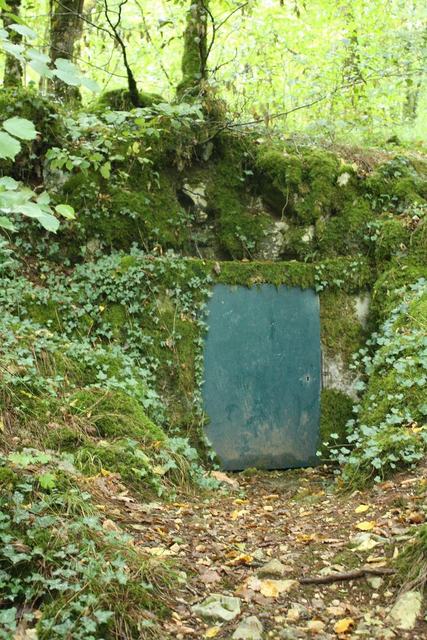
Overlooking the Vézère valley, in the village of Le Bugue, you will discover the surprising Bara-Bahau cave, whose dialect name comes from the expression "and badaboom!!!" The cavity is just behind the reception and its unusual entrance will not fail to astonish you.
View full page →
The Villars cave was discovered in 1953 by the Périgueux speleological club. The developed part belongs to an immense network of which 13 kilometres have been mapped to date.
View full page →
Known to prehistoric man, who performed the rites of his religion there, this cave was rediscovered 200 centuries later, in 1922.
View full page →
About 50,000 years ago the entrance porch of the Cougnac caves was occupied by Neanderthal man.
View full page →
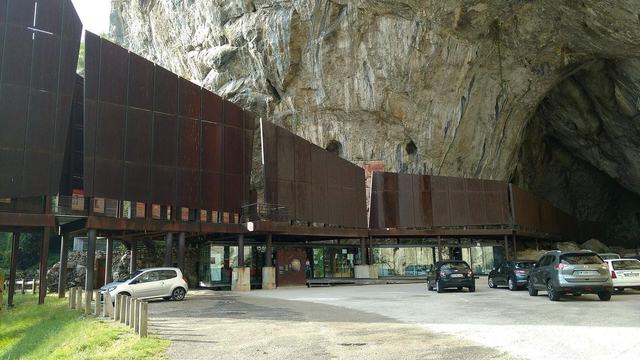
The Niaux cave, universally known, rivals Lascaux for the high quality and excellent conservation of its cave paintings; for nearly 13,000 years the cave has consisted of several moderately concreted galleries with splendid colours.
View full page →
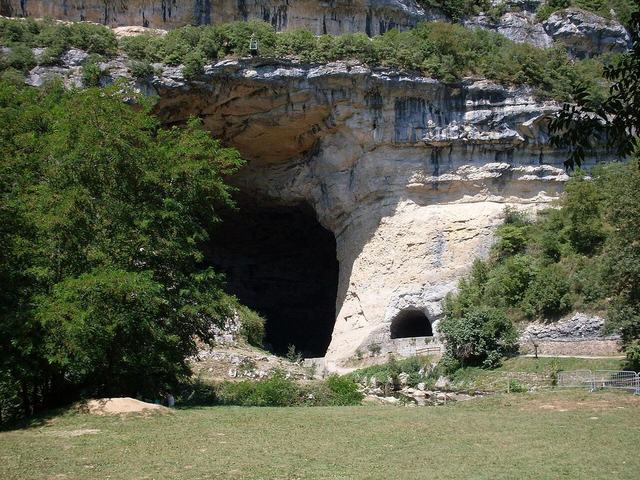
The Mas d'Azil cave: carved in the heart of the Plantaurel range, it offers an underground complex unique in Europe.
View full page →
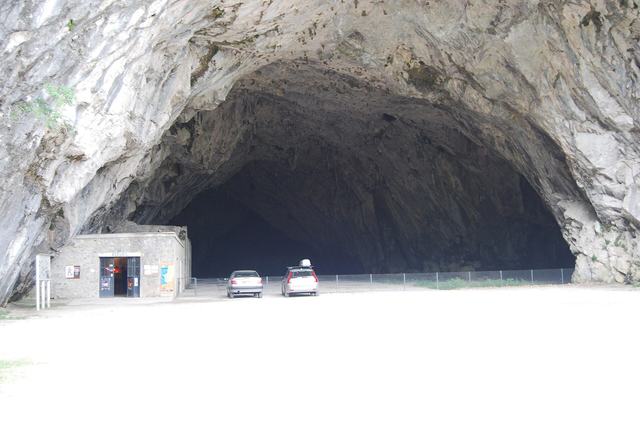
The Bédeilhac cave is in the basin of Tarascon-sur-Ariège, a few kilometres from Niaux and Fontanet.
View full page →
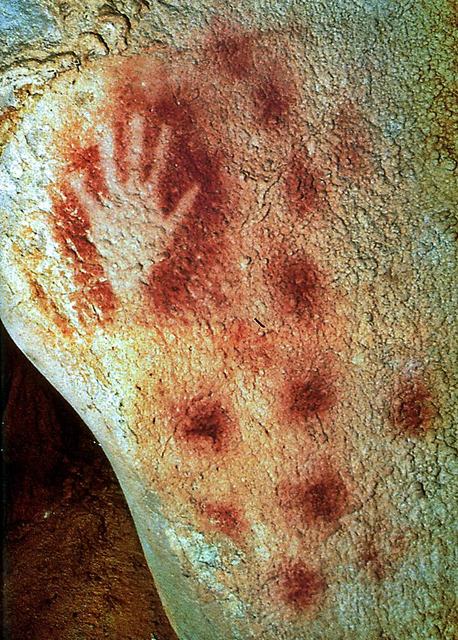
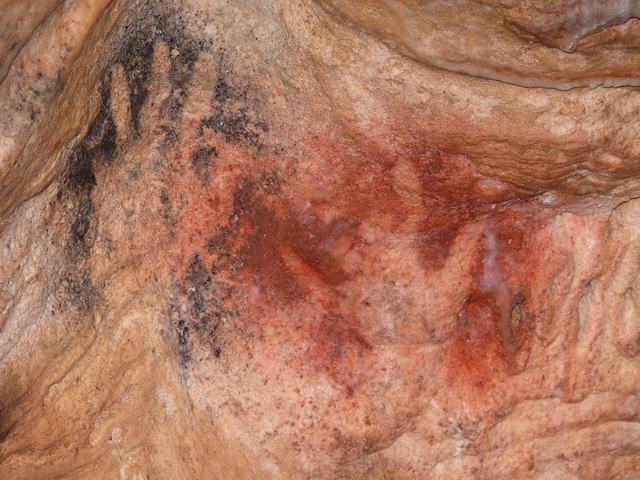
A few kilometres from the basilica of Saint-Bertrand-de-Comminges, the Gargas cave is famous for its walls decorated with enigmatic hand paintings.
View full page →
Facing the decorated caves of Niaux and Mas-d'Azil, this park-museum brings to life, through reconstructions and facsimiles, the art and way of life of prehistoric Pyrenean hunter-gatherers.
View full page →
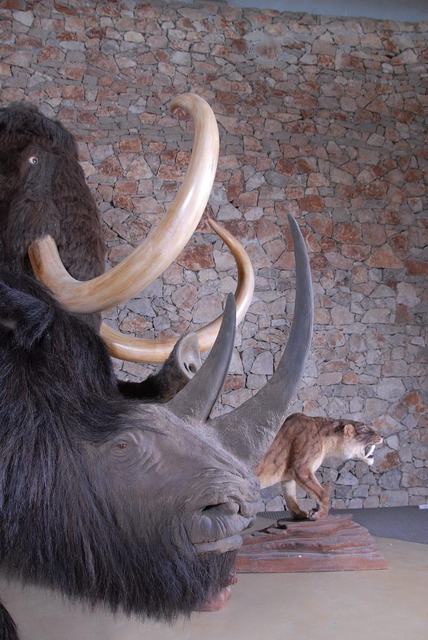
Inaugurated in 1992, the new Tautavel Museum, European Centre of Prehistory, is a formidable tool for popularising the sciences related to archaeology and particularly to prehistory over the periods of the Mediterranean Quaternary.
View full page →
At the southern exit of the village, the caves occupy the east face of the Serre de Guercy.
View full page →
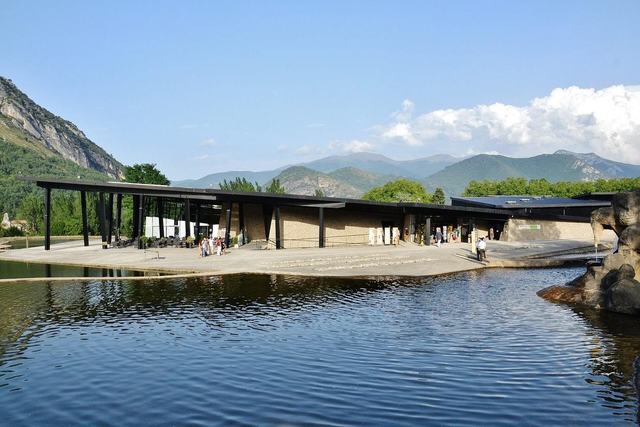
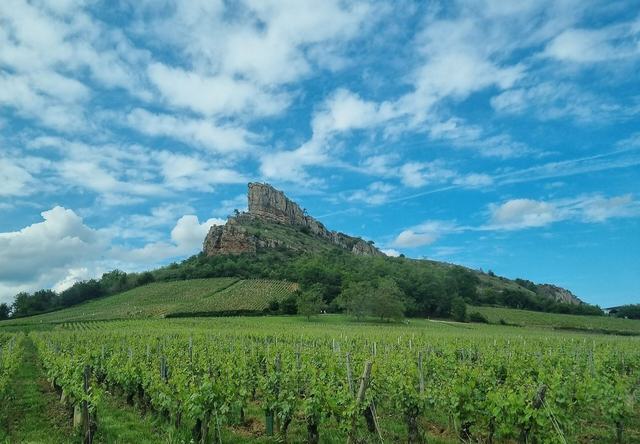
In this museum built at the foot of the prestigious rock of Solutré are gathered the collections of one of the richest prehistoric deposits in Europe.
View full page →
For geological, prehistoric and historical reasons, the Roche de Solutré is the high point of any visit to the Mâconnais. A walk from the car park south of the rock lets the visitor reach the summit, after a visit to the departmental museum.
View full page →
The Carnac alignments are in the commune of Carnac in the Morbihan département in Brittany.
View full page →
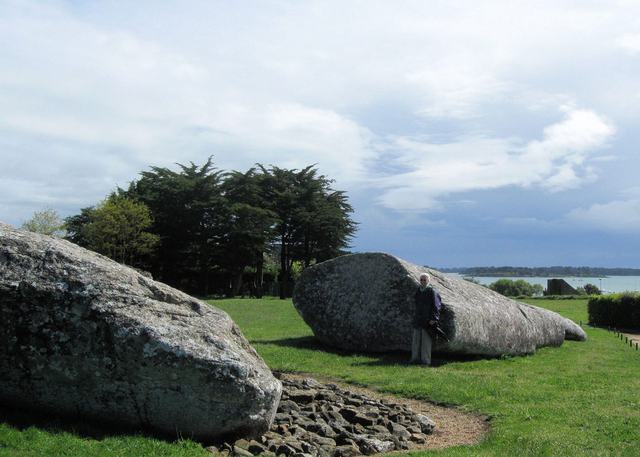
A megalithic site on the Gulf of Morbihan with the Grand Menhir Brisé and the Table des Marchand.
View full page →
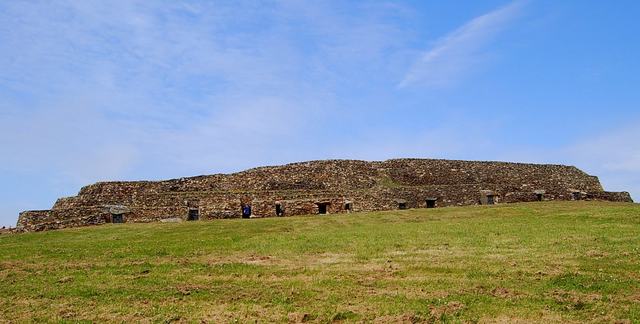
The Barnenez cairn (Karn Barnenez in Breton) is a megalithic site in the commune of Plouezoc'h (in Brittany, France).
View full page →
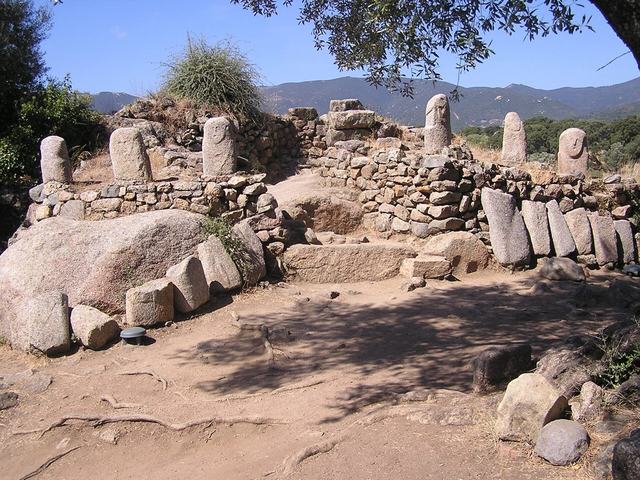
A prehistoric site in Corse-du-Sud famous for its sculpted statue-menhirs, amid olive trees.
View full page →
A replica of the Cosquer cave, the decorated underwater cave of the calanques, on the edge of Marseille's Old Port.
View full page →
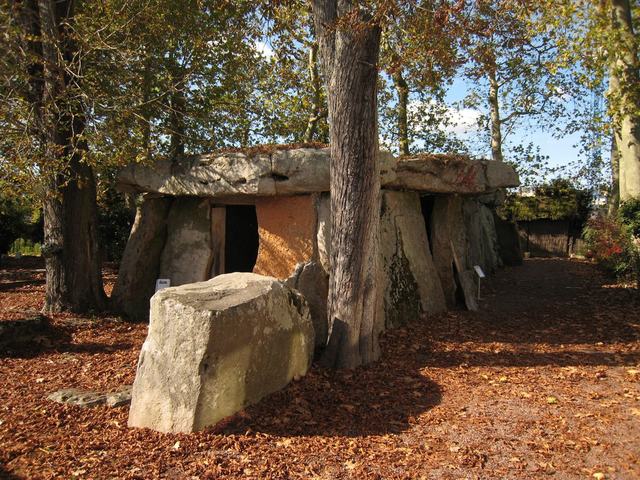
One of the largest dolmens in Europe, in the heart of a garden in Saumur.
View full page →
In a wooded park of 3 hectares, take part with your family in workshops and demonstrations on Prehistory.
View full page →
This museum is the work of an internationally renowned Finnish scientist: Mr Eirik Granqvist.
View full page →
With nearly 20,000 visitors a year, the Sartène Museum is the second archaeology museum in Corsica, after Aléria.
View full page →
Designed by the English architect Norman Foster, the departmental Museum of Prehistory of the Verdon Gorges, labelled Musée de France, is the largest prehistory museum in Europe.
View full page →
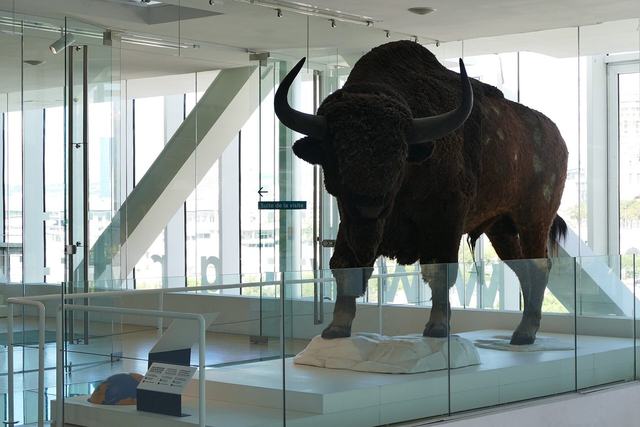
The museum offers a journey into the heart of human history on the Mediterranean coast over the last million years: slide shows, frescoes, collections of objects discovered at the region's archaeological sites.
View full page →
In a green setting that already existed in the time of our ancestors, we invite you to discover Prehistory. Retrace human evolution and meet Neanderthal man.
View full page →