Discovering Pyrénées-Atlantiques: a practical guide
Pyrénées-Atlantiques brings together two areas with a strong identity: the Basque Country, between ocean and green hills, and the Béarn, around Pau and the great Pyrenean valleys. In an hour you go from the waves of Biarritz to mountain passes. A département of great richness in landscapes and traditions.
This practical guide helps you choose your stops and organise your trip. Underlined site names link to their detailed pages.
Understanding Pyrénées-Atlantiques in a few minutes
To the west, the Basque Country stretches from the coast, with Bayonne, Biarritz, Saint-Jean-de-Luz and Hendaye, to the hills inland, around Sare, Ainhoa and Saint-Jean-Pied-de-Port. Further east, the Soule is the most mountainous province. To the east, the Béarn is organised around Pau, with the Ossau and Aspe valleys climbing towards Spain.
Biarritz and Pau have airports, and the TGV serves Bayonne, Biarritz, Saint-Jean-de-Luz and Pau. For a trip of a few days, one base on the Basque coast and another in Pau or a Béarn valley let you see everything.
- In summer, the Basque coast is very busy: get to the beaches early.
- Mountain roads into Spain cross passes that are sometimes closed in winter.
- Trains link Bayonne to Saint-Jean-Pied-de-Port.
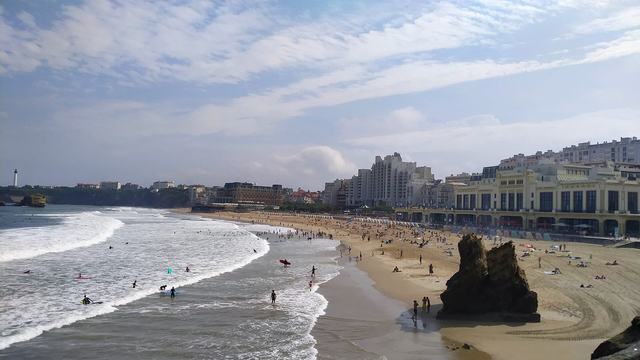
Biarritz
A chic seaside resort of the Basque Country, cradle of European surfing, whose Grande Plage and Rocher de la Vierge overlook the Atlantic Ocean.
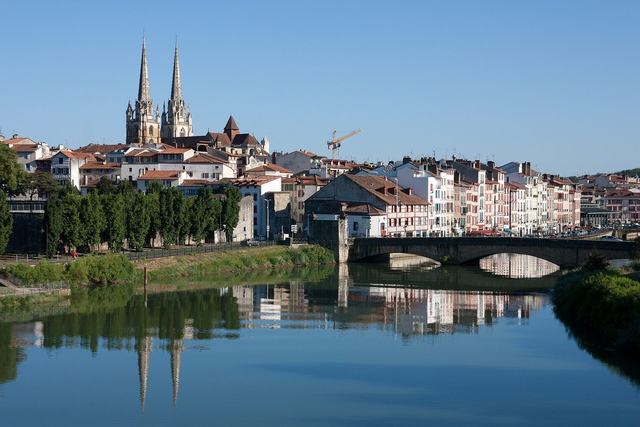
Bayonne
Historic capital of the Basque Labourd at the confluence of the Adour and the Nive, whose Gothic cathedral overlooks a district of colourful half-timbered houses.
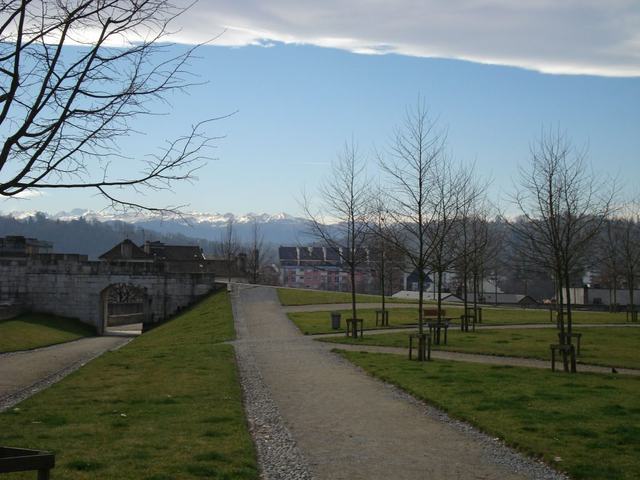
Pau
The historic capital of the Béarn and birthplace of Henry IV, famous for the exceptional view of the Pyrenees from its boulevard.
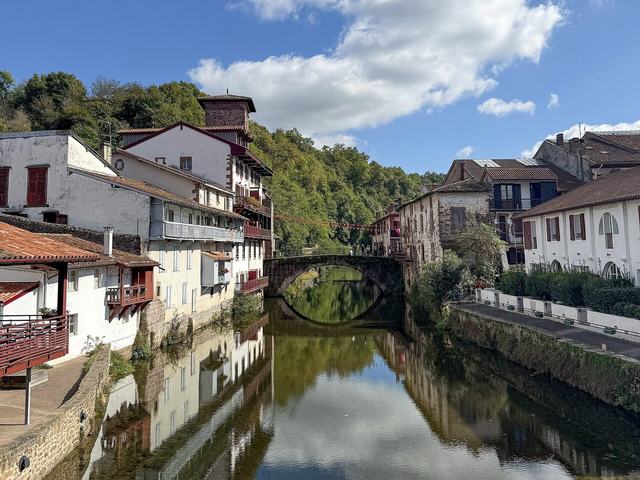
Saint-Jean-Pied-de-Port
In the foothills of the Pyrenean piedmont, between the Basque Coast and the Spanish border, Saint-Jean-Pied-de-Port is an unmissable destination in the Basque Country.
Culture, history and heritage
Bayonne keeps its historic centre and its Basque museum, the largest ethnographic museum in the Basque Country. Basque villages are full of charm: Ainhoa, Sare, La Bastide-Clairence and Saint-Jean-Pied-de-Port, a major stage on the Way of St James. In Saint-Jean-de-Luz, the Maison Louis XIV recalls the king's wedding in 1660. In Hendaye, the Château d'Abbadia is an astonishing neo-Gothic residence.
In the Béarn, the Château de Pau, where Henry IV was born, houses a national museum. Navarrenx, the first bastioned town in France, the keep of the Château de Montaner, the Château de Morlanne and the Pont Vieux in Orthez bear witness to the past. The Beret Museum in Nay presents an emblematic craft.
- The Fêtes de Bayonne, in late July, draw huge crowds: book early.
- In Saint-Jean-Pied-de-Port, come in the morning, before the groups arrive.
- The Château de Pau is closed on some public holidays: check.
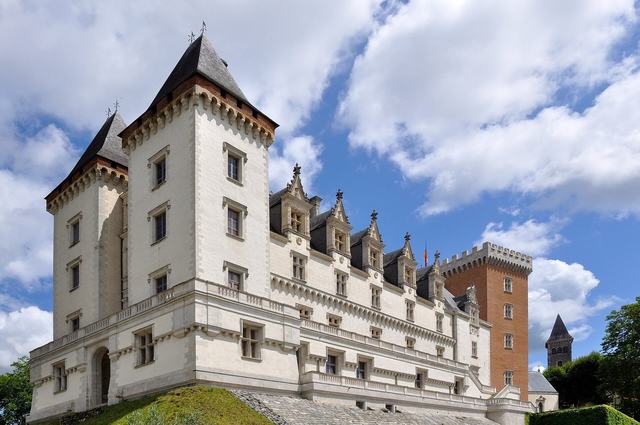
Château de Pau
It was probably before the eleventh century that the first wooden fortification was built, on a rocky spur between the Gave de Pau and one of its tributaries, the Hédas.
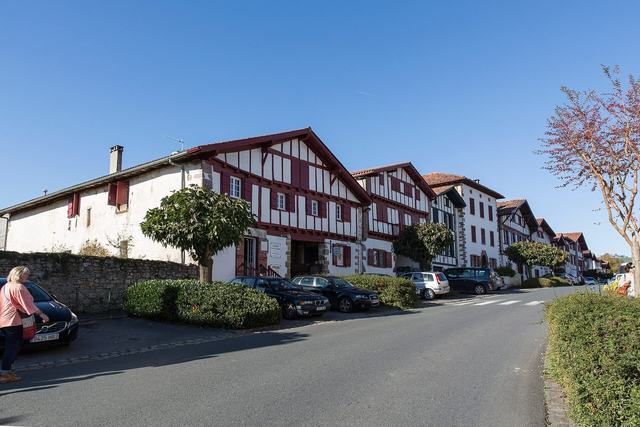
Ainhoa
It is one of the most typical villages of the Basque Country.
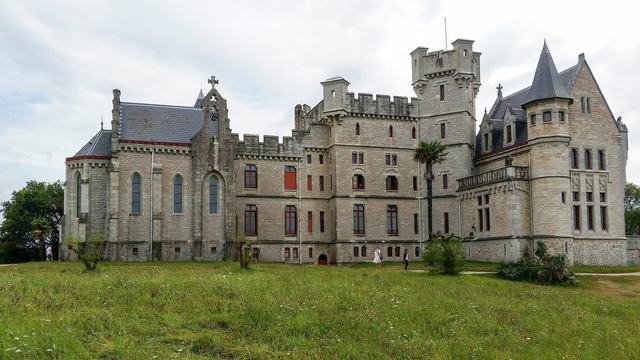
Château d'Abbadia (Domaine d'Abbadia)
The Abbadia estate forms a promontory with superb views over the ocean and also over the hinterland.
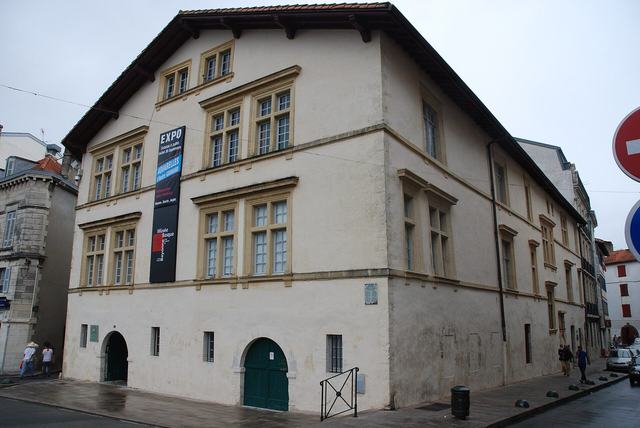
Musée Basque et Histoire de Bayonne
In the historic centre of Bayonne, the Basque Museum is the largest ethnographic museum of the Basque Country. 2,000 objects and works of art bear witness to Basque identity, how this society works, its traditions and the role of the port of Bayonne in the nineteenth century.
Food and local produce
Basque cooking is renowned: Bayonne ham, Espelette pepper, Ossau-Iraty ewe's milk cheese, gâteau basque, axoa (veal stew) and chipirons (baby squid). Bayonne chocolate and Saint-Jean-de-Luz macaroons are other specialities. In the Béarn, garbure (vegetable soup) and poule au pot are signature dishes.
For wine, Irouléguy in the Basque Country and Jurançon in the Béarn are the département's two great vineyards. The markets of Bayonne, Saint-Jean-de-Luz and Pau are very lively.
- Try sweet Jurançon with ewe's milk cheese.
- Espelette peppers dry on the house fronts in autumn.
- Basque cider houses open for the txotx season at the start of the year.
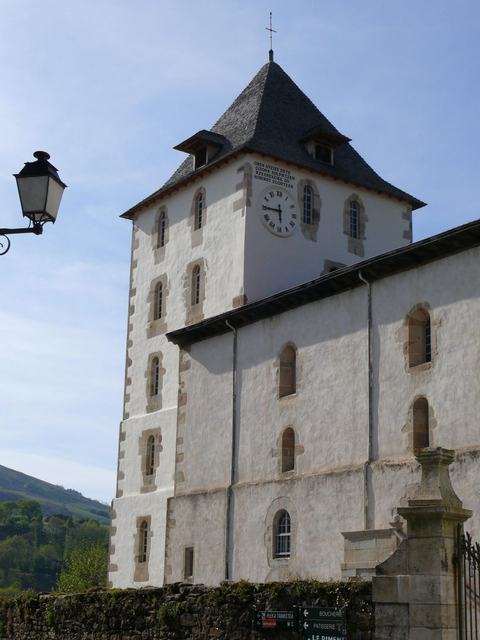
Sare
A high place of wood-pigeon hunting, Sare cherishes the country's traditions and cross-border life.
Bayonne
Historic capital of the Basque Labourd at the confluence of the Adour and the Nive, whose Gothic cathedral overlooks a district of colourful half-timbered houses.
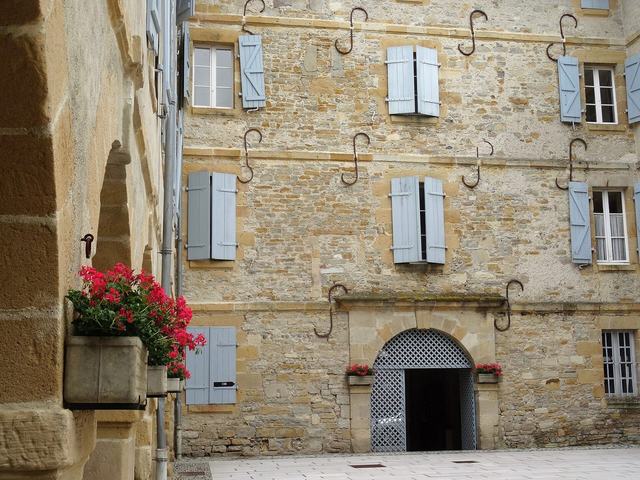
Navarrenx
Navarrenx, the first bastioned town in France, raises its centuries-old ramparts that inspired Vauban in the heart of the Pays d'Art et d'Histoire of the Béarn des Gaves.
Nature and wide open spaces
The Basque coast has long beaches, such as the Côte des Basques beach in Biarritz and the great beach of Hendaye, and spectacular cliffs along the Basque Corniche. La Rhune, climbed on foot or with the La Rhune rack railway, offers a panorama from the ocean to the Pyrenees. The Sare caves and the Isturitz and Oxocelhaya caves can be visited.
In the mountains, the Kakuetta gorges and the Holzarté canyons, in the Soule, are spectacular. The Ossau valley offers the Ayous lakes and the Col d'Aubisque, the Aspe valley the Cirque de Lescun and the Chemin de la Mâture. The Verna chamber is one of the largest underground chambers in the world. With children, the Cité de l'Océan, the Biarritz aquarium, the Falaise aux Vautours and the Parc Animalier de Borce are popular outings.
- On the coast, respect the bathing flags: currents are strong.
- At Kakuetta, wear good shoes: the path is damp.
- The La Rhune train is in high demand in summer: book.
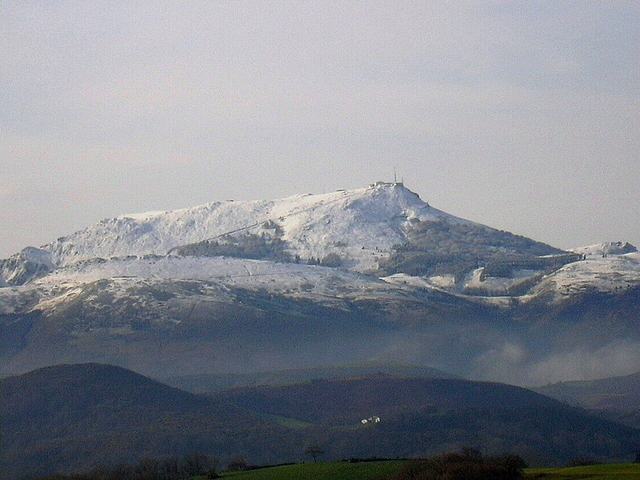
La Rhune
La Rhune can be seen from all beaches within 100 km! Its panorama extends, on the French side alone, from the Landes to the central Pyrenees.
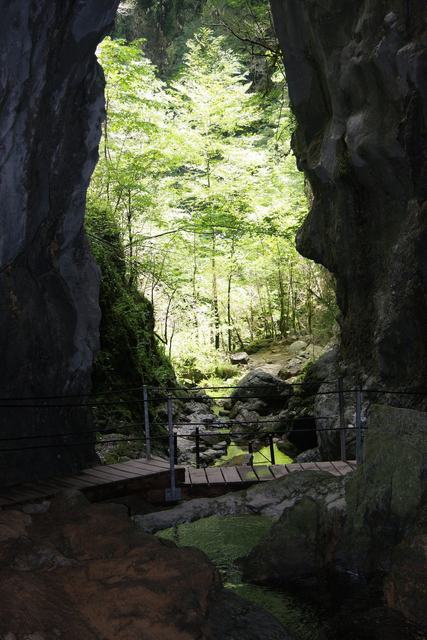
Gorges de Kakuetta
A spectacular 2 km canyon in Haute-Soule, with walls reaching 350 metres high, discovered in 1906 by the speleologist Édouard-Alfred Martel.
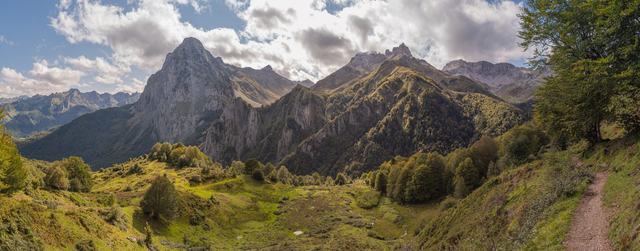
Le Cirque de Lescun
The Lescun cirque is a natural site shaped by glaciers and bounded by limestone peaks with legendary names such as the Table des Trois Rois or the Aiguilles d'Ansabère, the Camplong organ pipes...
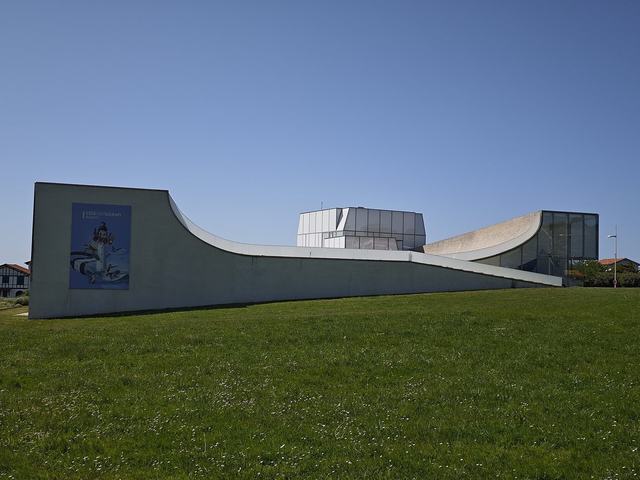
Cité de l'Océan
The Cité de l'Océan lets you discover the ocean in a fun and sensational way!
When to go and how to plan
Spring and autumn are pleasant, with beautiful light and fewer people. Summer is the season for surfing and the mountains, but the coast is very busy. Winter is mild on the coast, while the Pyrenean resorts welcome skiers.
A six-day trip can combine two days on the coast (Biarritz, Bayonne, Saint-Jean-de-Luz), a day in the Basque villages and on La Rhune, a day in the Soule (Kakuetta, Holzarté), and two days in the Béarn between Pau and the Ossau valley.
- Book coastal accommodation well ahead for the summer.
- Pass roads are narrow: take care with camper vans.
- The weather changes fast in the mountains: bring warm clothes.
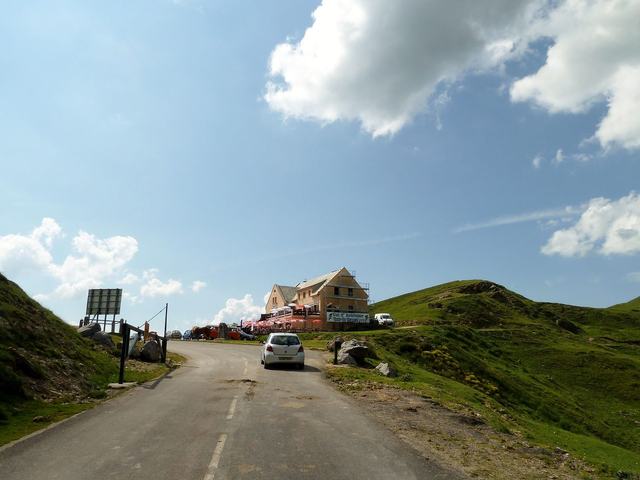
Col d'Aubisque
A mythical Pyrenean pass at 1,709 metres, the scene in 1910 of the first high-mountain stage in the history of the Tour de France.
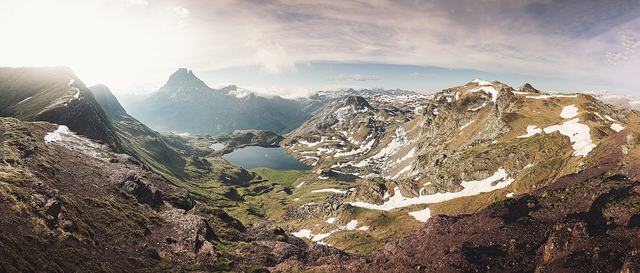
Lacs d'Ayous
A superb walk that will take you from lake to lake and offer you a unique panorama of the Pic du Midi d'Ossau.
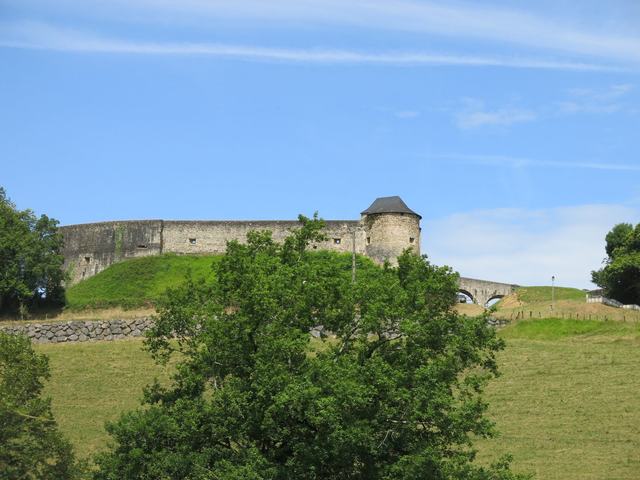
Château de Mauléon
The château de Mauléon, known as the old castle, is in the commune of Mauléon-Licharre, in the Pyrénées-Atlantiques.
Going further
Explore the départements of this area: