Photo : Sylvain NGR / Wikimedia Commons (CC BY-SA 4.0)
Château de Pau
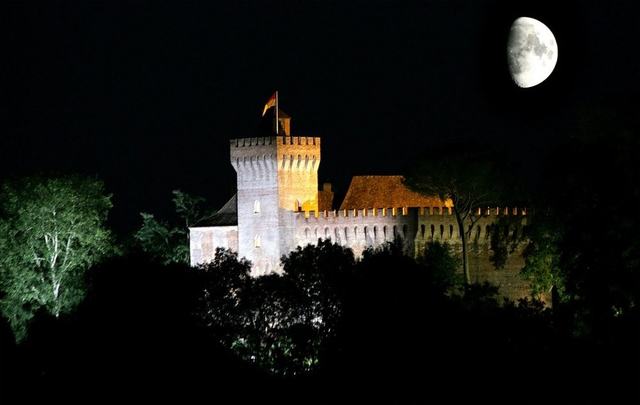
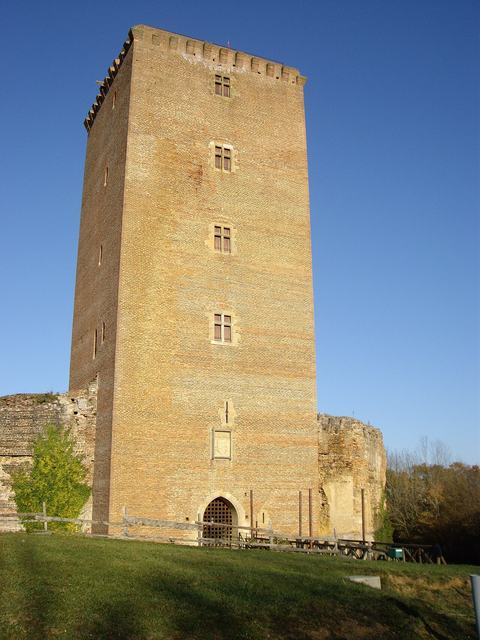
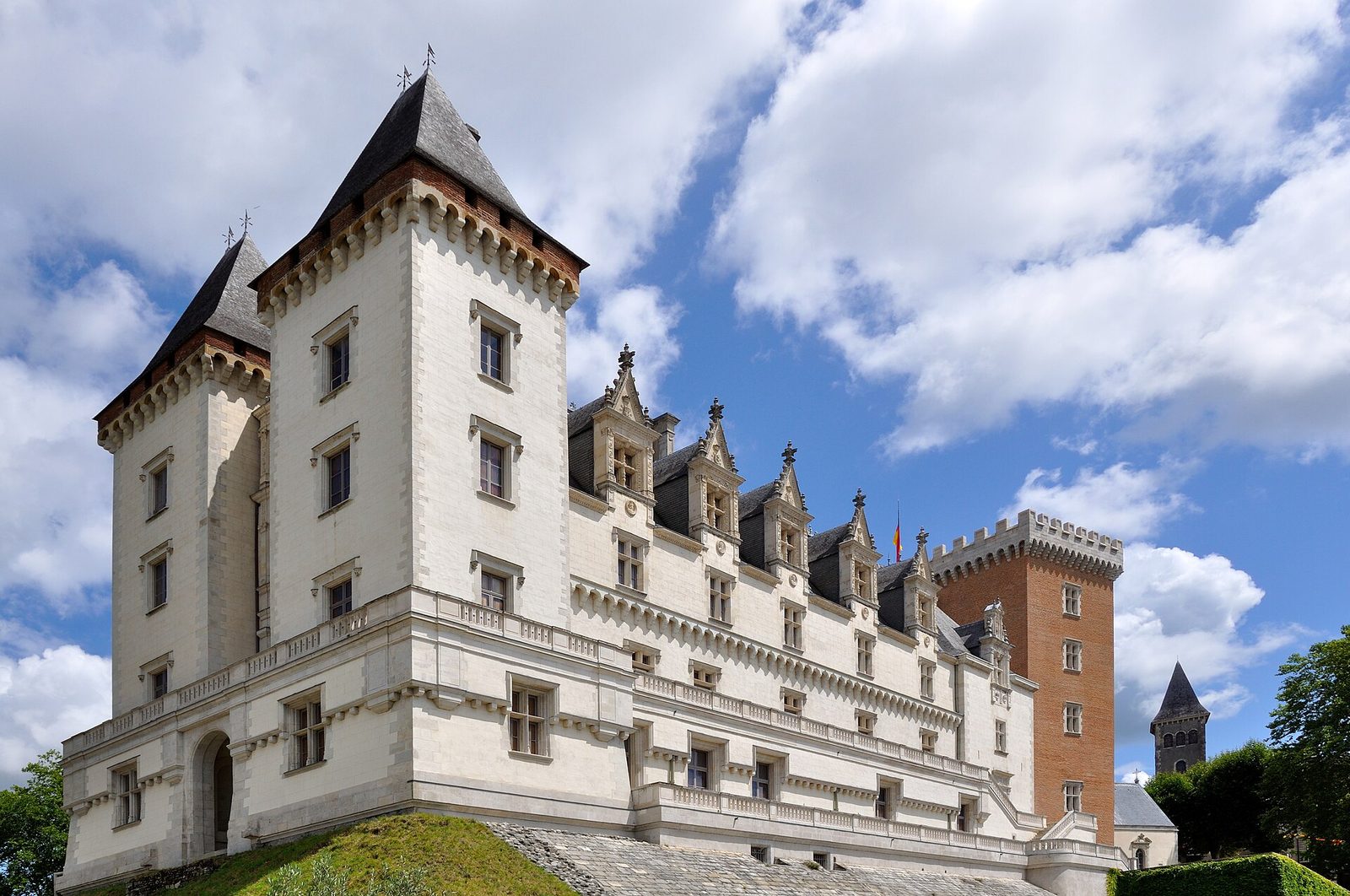
It was probably before the eleventh century that the first wooden fortification was built, on a rocky spur between the Gave de Pau and one of its tributaries, the Hédas. Under the influence of civil architecture of the mid-fourteenth century, such as the palace of the kings of Majorca in Perpignan, brick was used, a flexible and easy-to-use material, to build the heavy, tall Fébus keep, 33 metres high, and the so-called Monnaie tower, at the foot of the castle. The place saw many alterations until the end of the nineteenth century. Having become a royal palace, it was embellished with extraordinary gardens and it was there that the future Henry IV was born on 13 December 1553. In 1830, the interior decoration was entirely recreated in the Renaissance spirit, but also with the concern for comfort required by a nineteenth-century royal court. After the fall of the Second Empire in 1870, the Château de Pau kept its prestigious residence role for some years. Conferences and exhibitions were held there, and it quite naturally became a national museum in 1929.