Discovering the Massif Central: a practical guide
The Massif Central lies in the heart of France. It combines extinct volcanoes, plateaux, deep gorges, limestone causses, forests and stone villages. It is a land of wide open spaces, less visited than the Alps or the Pyrenees.
This practical guide helps you choose your stops and organise your trip. Underlined site names link to their detailed pages.
The Massif Central in a few minutes
The massif spans several regions. Auvergne is its volcanic heart: the Chaîne des Puys, the Sancy massif and the Cantal mountains. To the east lie the Velay and the Vivarais, in Haute-Loire and the Ardèche. In the south are the limestone causses and gorges of Lozère and Aveyron. In the north, the Bourbonnais, in the Allier.
The landscapes are varied: rounded volcanoes such as Le Puy de Dôme, crater lakes such as Le Lac Pavin, high plateaux such as the Plomb du Cantal or Mont Mézenc, and the gorges of the Gorges du Tarn, the Ardèche and the Dourbie.
Towns are rather small: Clermont-Ferrand, Le Puy en Velay, Saint-Flour, Vichy, Conques and Salers. The area is best explored by car, on roads that are sometimes slow.
- Pick one area for a trip of a few days.
- Distances are long and the roads winding.
- Pack warm clothes, even in summer, at altitude.
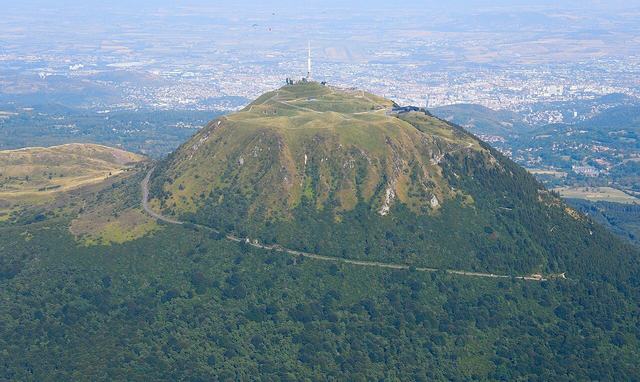
Le Puy de Dôme
The Puy de Dôme is a dormant volcano of the Chaîne des Puys, in the Massif Central. It is about fifteen kilometres from Clermont-Ferrand and gave its name to the Puy-de-Dôme département.
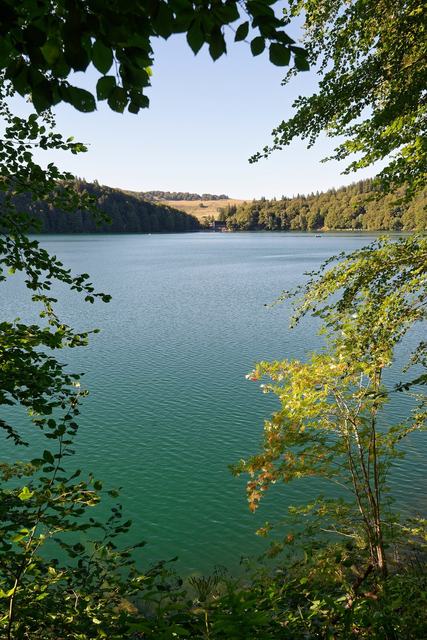
Le Lac Pavin
Due to a powerful volcanic explosion, Lac Pavin is a crater lake carved on the north flank of the Puy de Montchal (1,411 m).
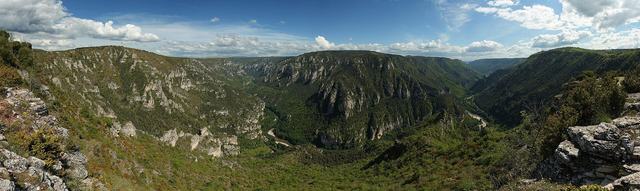
Gorges du Tarn
A 27 km limestone canyon carved by the Tarn between the Causse de Sauveterre and the Causse Méjean, dotted with hilltop villages and dizzying viewpoints.

Le Puy en Velay
Located in the south-east of the Massif Central, starting point of the "Via Podiensis" to Santiago de Compostela in Spain, Le Puy-en-Velay is above all an exceptional site.
Culture, history and heritage
The heritage of the Massif Central is dominated by Romanesque art: volcanic-stone churches in Auvergne, Conques and its abbey church, Lavaudieu and its cloister. Le Puy en Velay, a starting point of the Way of St James, is famous for its cathedral and its Statue Notre-Dame de France.
Castles are plentiful: Château de Murol, Château de Chazeron, Château de Crussol, Château de Rochebaron, Château de Saint vidal, Château d'Effiat and Château de Bourbon-l'Archambault. Spa towns such as Vichy have kept their nineteenth-century buildings.
Industrial and craft history can be discovered at the Musée de la Coutellerie de Thiers, at L'Aventure Michelin or on the Petit Train des Causses. The Pyramides - Vallée des Saints is an original contemporary monument.
- For Romanesque churches, check the opening hours.
- Le Puy-en-Velay involves some climbing: the town is steep.
- Auvergne castles are often seasonal.
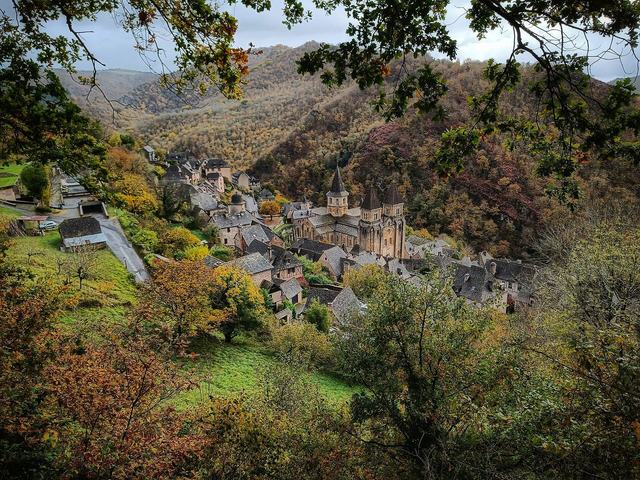
Conques
The great period of Conques, in the eleventh and twelfth centuries, coincides with the building of the Romanesque abbey church and the creation of the finest pieces of goldwork in its treasure, including the golden Majesty of Saint Foy.
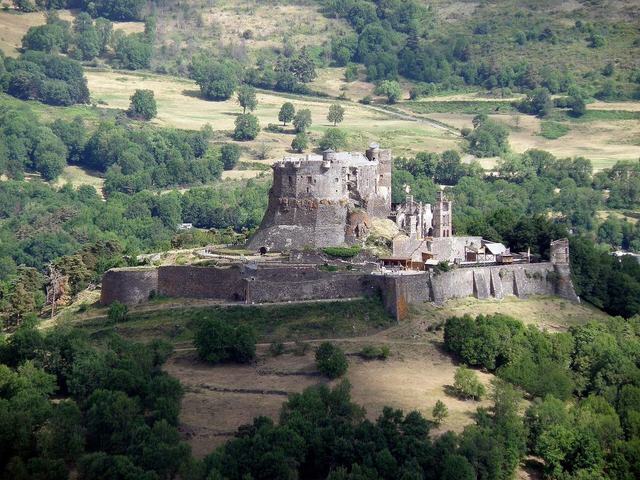
Château de Murol
Built on a basalt cone, the castle overlooks the surroundings. Built in the thirteenth century, the fortress belonged to the Murol and Estaing families. It remains one of the finest medieval ruins in Auvergne.
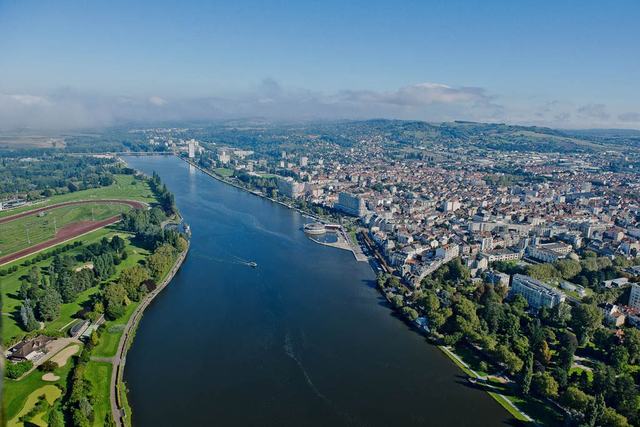
Vichy
Queen of spa towns, Vichy unfolds along the Allier an exceptional Belle Époque heritage — Parc des Sources, thermal baths and villas — which earned it UNESCO World Heritage inscription in 2021.
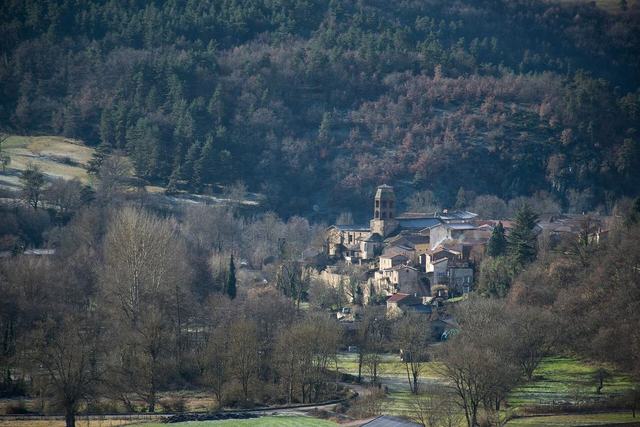
Lavaudieu
Lavaudieu (the valley of God) has much to offer the lover of Romanesque architecture. This village was indeed the site of a Benedictine abbey founded in the eleventh century.
Food and local produce
Massif Central cooking is the food of the land and of livestock farming: aligot, truffade, Auvergne potée, pounti, farçous, charcuterie, Puy green lentils and chestnuts. Cheese is one of the region's great prides: Cantal, Salers, Saint-Nectaire, Fourme d'Ambert, Bleu d'Auvergne, Laguiole and Roquefort, which you can discover at the Caves de Roquefort Société.
The wines are more discreet: Côtes d'Auvergne, Saint-Pourçain and Aveyron wines. Mineral and spa waters are also famous, as in Vichy, Volvic and Saint-Yorre. In the Ardèche, chestnuts and chestnut jam are local specialities.
Farms and cheese dairies offer visits and direct sales. Village markets are good places to taste the produce.
- Book village restaurants in advance in summer.
- For cheeses, ask the producer for advice.
- Mountain produce can also be tasted at farm inns.

Caves de Roquefort Société
Visit of the Roquefort "Société" caves all year round including public holidays. The guided visit lets you discover the original site of Roquefort, its making and ageing in caves.
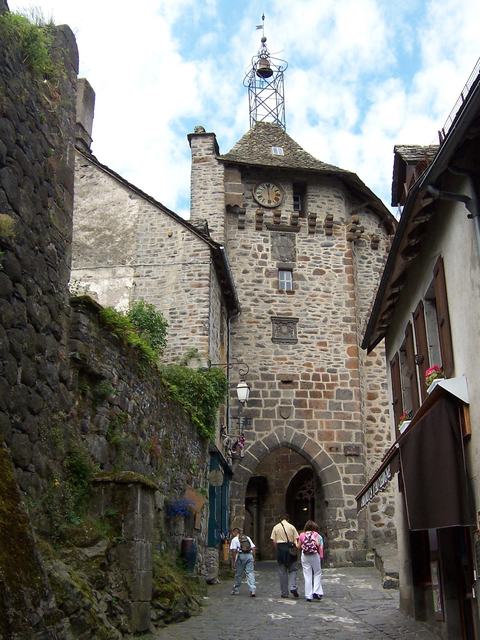
Salers
It was around the castle of the barons of Salers that the town grew up, and it was in the fifteenth century that the ramparts were built to protect against the English.
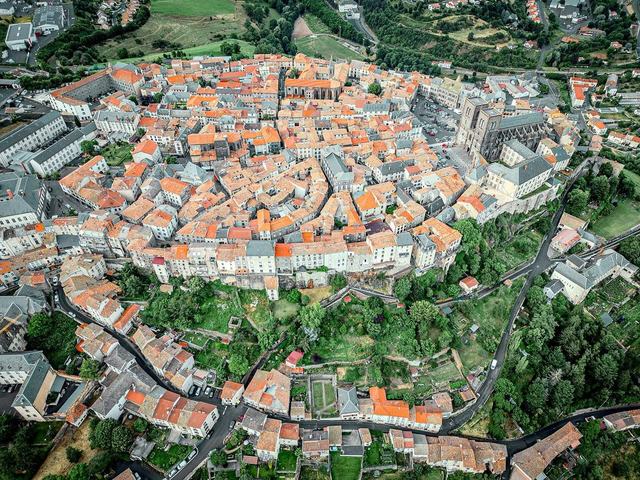
Saint-Flour
Episcopal town built on an impressive basalt plateau, overlooking the Ander valley from its rocky promontory and its Gothic cathedral.
Nature and wide open spaces
Nature is the great asset of the massif. Volcanoes and lakes form unique landscapes: Le Puy de la Vache, Les Roches Tuilière et de Sanadoire, Le Dyke d'Arlempdes, Mont Gerbier-de-Jonc. Waterfalls are numerous: Cascade de Queureuilh, La cascade du Ray-Pic, Cascade de la Baume, Cascade de la Barthe.
Gorges and causses offer spectacular landscapes: Les Détroits du tarn, Les gorges de la Dourbie, Les gorges du Chassezac, Gorges de la Beaume, Trou de Bozouls, Montpellier le Vieux, Le Chaos de Nîmes le Vieux. Caves and avens such as Aven Armand, Grotte de Dargilan, Aven d'Orgnac and Aven Grotte de Marzal can be visited all year.
The Ardèche also has the Arche de pont d'Arc, the Bois de Paiolive and the Pont du diable de Thueyts. For children, the Safari de Peaugres and the Parc Animalier d'Auvergne are popular outings.
- For waterfalls, choose spring or the period after heavy rain.
- In caves, bring something warm.
- At altitude, the weather changes quickly: start early.
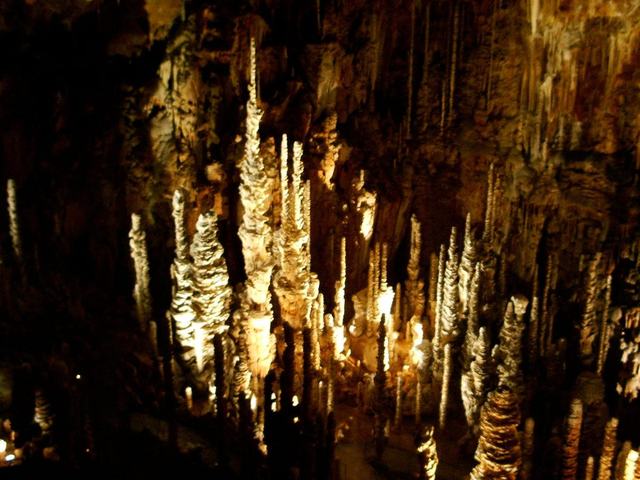
Aven Armand
In September 1897, Louis Armand, Édouard-Alfred Martel and Armand Viré discovered this fantastic cavern for the first time.
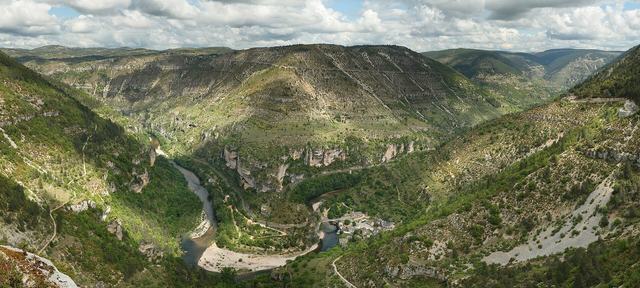
Les Détroits du tarn
The Tarn rises on Mont Lozère at 1,575 metres' altitude and descends the slopes of the Cévennes in a fast and torrential course.
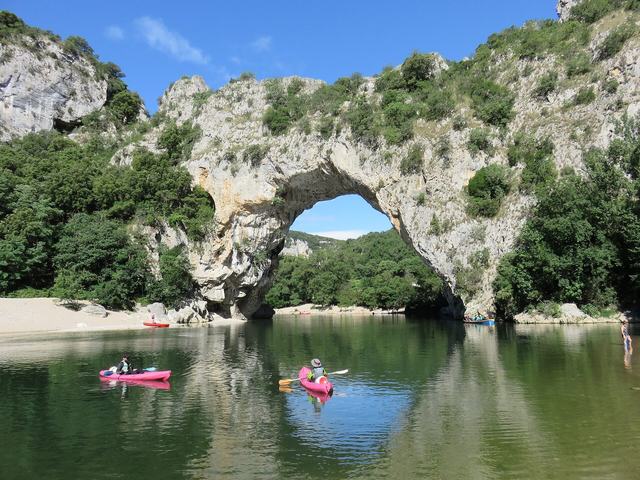
Arche de pont d'Arc
34 metres high and 59 metres wide at water level, the Pont d'Arc is a superb natural arch in the heart of the Ardèche, near Vallon-Pont-d'Arc.
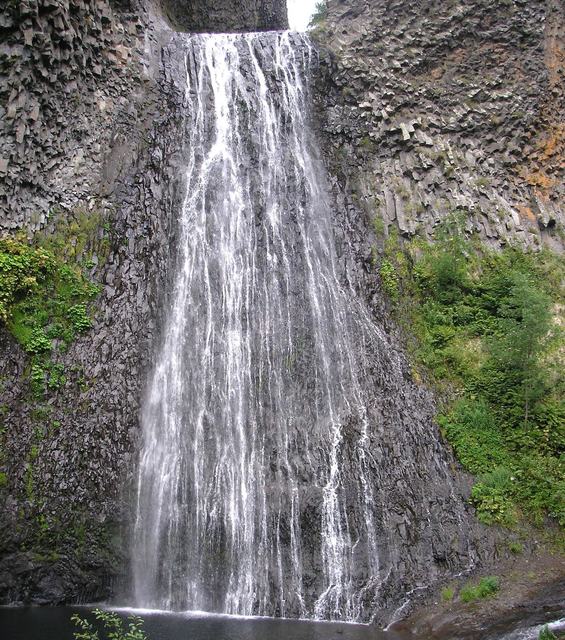
La cascade du Ray-Pic
It is a natural waterfall 35 m high, north of Burzet, whose wild look enchants nature lovers.
When to go and how to plan
Spring, summer and autumn all work well. Summer is the best season for the mountains and gorges, but a storm can spoil a day. Autumn brings superb colours. Winter is cold, with snow at altitude and roads that are sometimes closed.
A car is essential: distances are long and public transport is scarce. Clermont-Ferrand, Le Puy and Vichy are served by train, but the interior of the massif hardly is. Roads are winding: allow more time than planned.
A week's trip can combine two areas: for example the Auvergne volcanoes and the Cantal, then the Tarn gorges and the causses, or Haute-Loire and the Ardèche.
- Book in advance in summer.
- Fill up with fuel before isolated areas.
- Leave some slack in your schedule for the weather.

Clermont-Ferrand
Historic capital of Auvergne, whose Gothic cathedral in black Volvic stone dominates the city born from the merger of two rival towns.
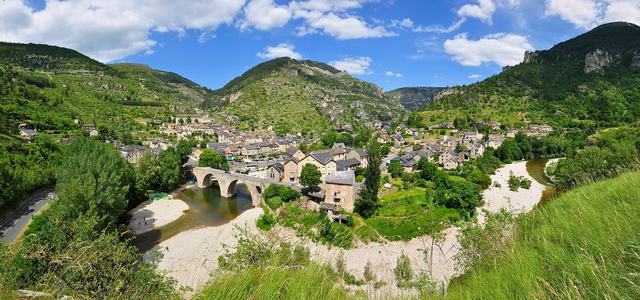
Sainte-Enimie
Of the monastery raised to an abbey in the fourteenth century, the Romanesque chapter house and the Sainte-Madeleine chapel survive.
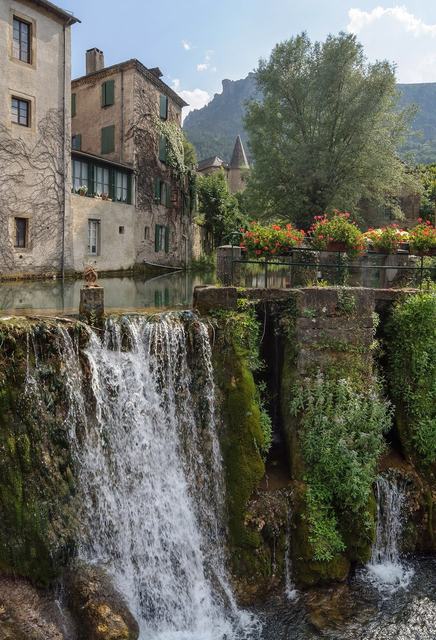
Florac
A small town, seat of the Cévennes National Park, nestled at the confluence of three rivers at the foot of the rocky bar of the Rocher de Rochefort.
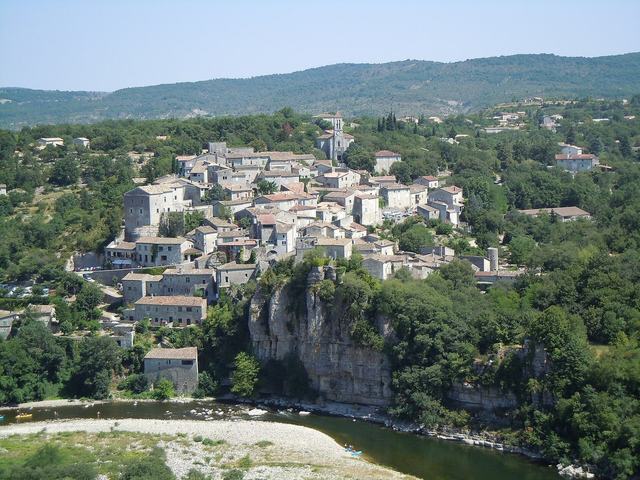
Balazuc
You have to get to the opposite bank of the Ardèche to have enough distance to see this superb village as a whole.
Going further
Explore the départements of this area: