Villages · Haute-Loire
1 Blesle
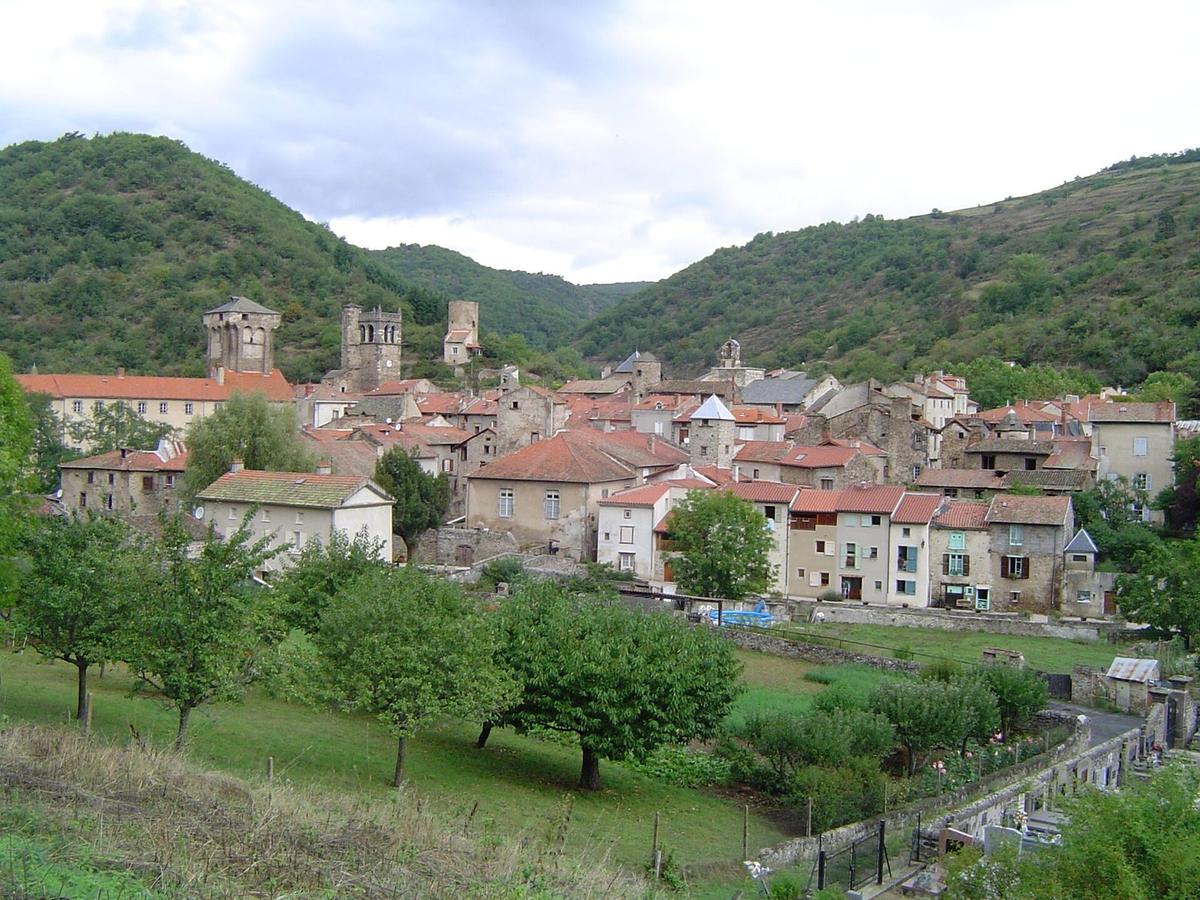
The existence and development of the village depended until the Revolution on a Benedictine nuns' abbey, founded around the middle of the ninth century.
View full page →Haute-Loire combines volcanoes, the gorges of the Loire and the Allier, historic towns and pilgrimage routes. Le Puy-en-Velay, its cathedral and its rock are the symbols.
This itinerary spreads the best-rated sites in the catalogue over three days.
The map shows the numbered stops in visiting order, with one colour per day. The line follows the roads where available; otherwise it joins the stops as the crow flies. Distances and times are approximate (by car, without traffic).
This day brings together 3 sites close to each other: villages and castles. Allow half an hour to an hour and a half per site, plus travel time.
Driving for the day: about 33.2 km, or 41 min behind the wheel in total (excluding visits).
The existence and development of the village depended until the Revolution on a Benedictine nuns' abbey, founded around the middle of the ninth century.
View full page →↓ 13.1 km · about 16 min by car to the next stop

The fortified castle of Lespinasse existed at the start of the twelfth century. Still inhabited, it has escaped destruction and poor restorations.
View full page →↓ 20.1 km · about 26 min by car to the next stop
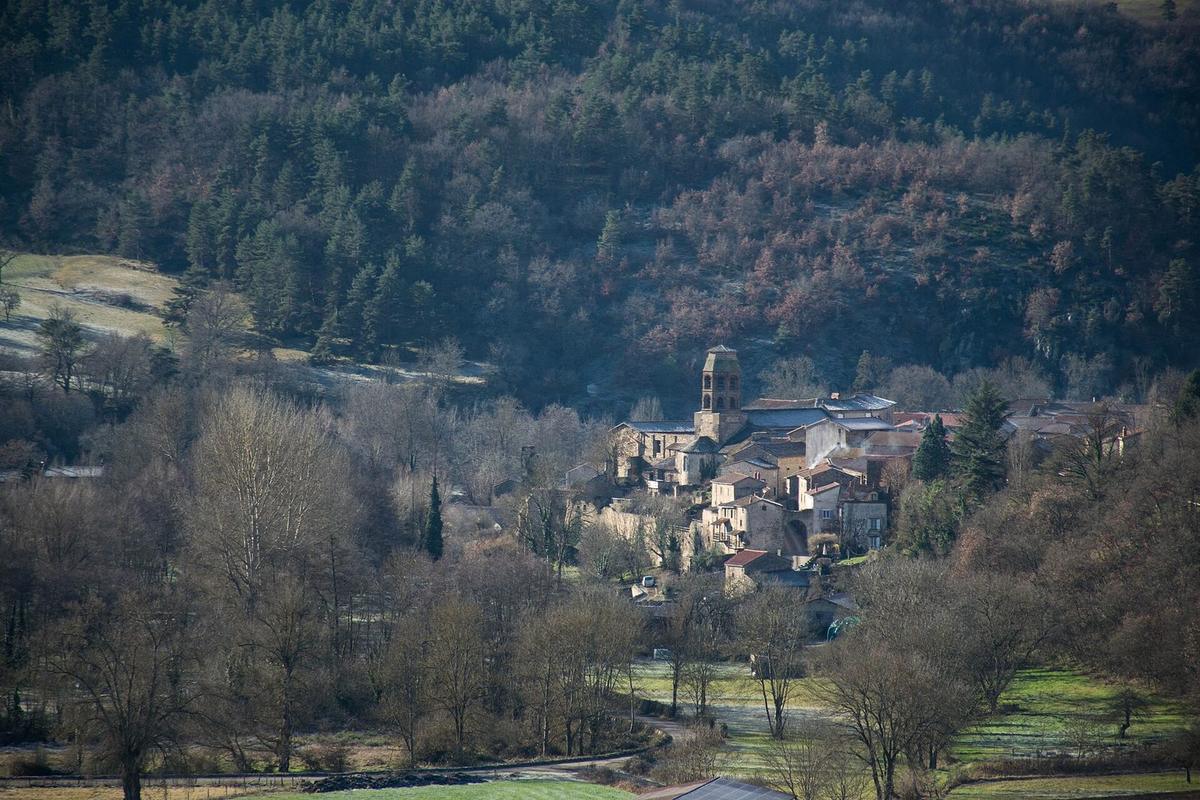
Lavaudieu (the valley of God) has much to offer the lover of Romanesque architecture. This village was indeed the site of a Benedictine abbey founded in the eleventh century.
View full page →This day brings together 3 sites close to each other: castles and monuments. It passes through Le Puy-en-Velay. Allow half an hour to an hour and a half per site, plus travel time.
Driving for the day: about 70.6 km, or 1 h 24 behind the wheel in total (excluding visits).
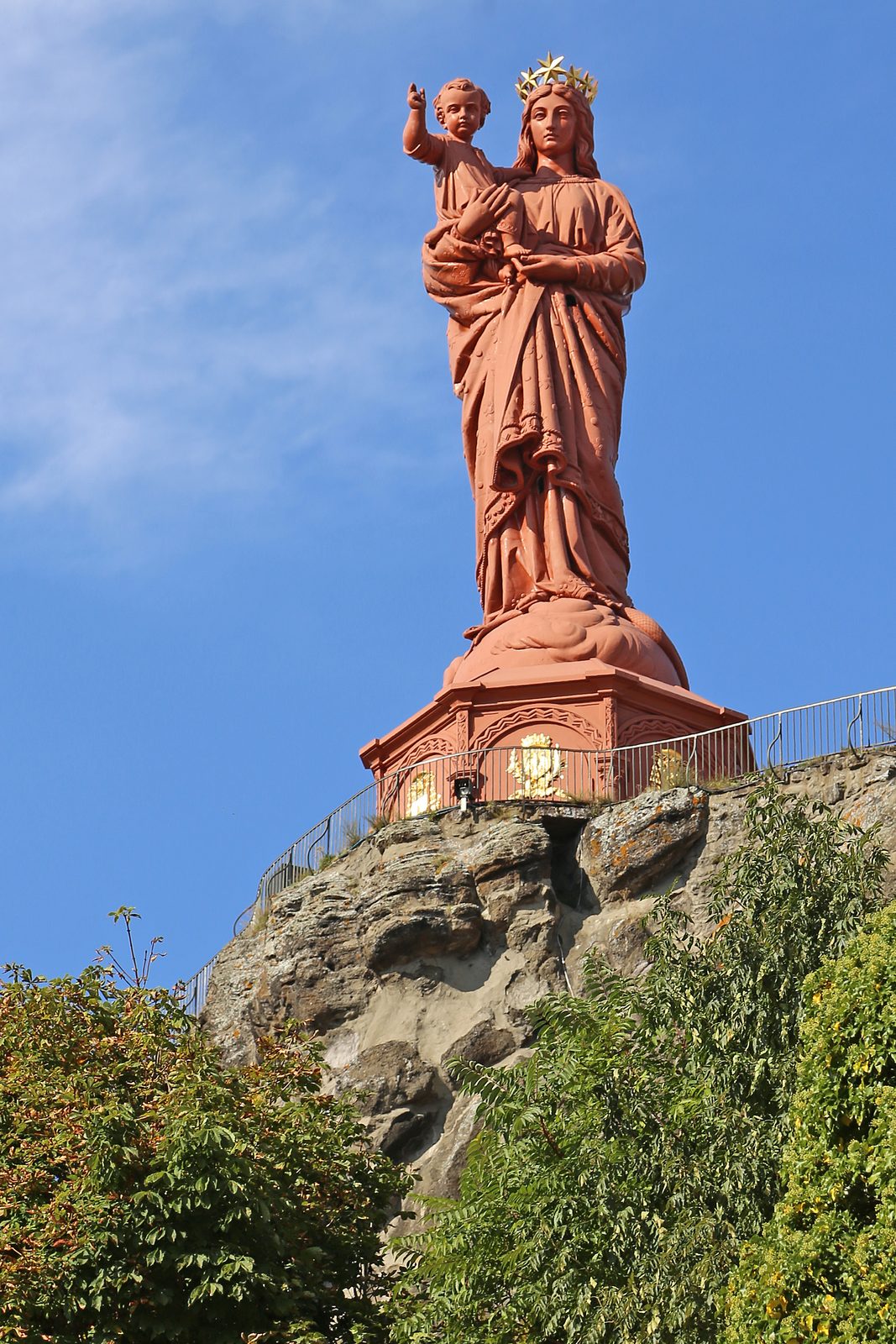
A monumental statue of the Virgin and Child cast from the iron of cannons captured at Sevastopol, dominating Le Puy-en-Velay from the top of the Corneille Rock.
View full page →↓ 40.2 km · about 49 min by car to the next stop
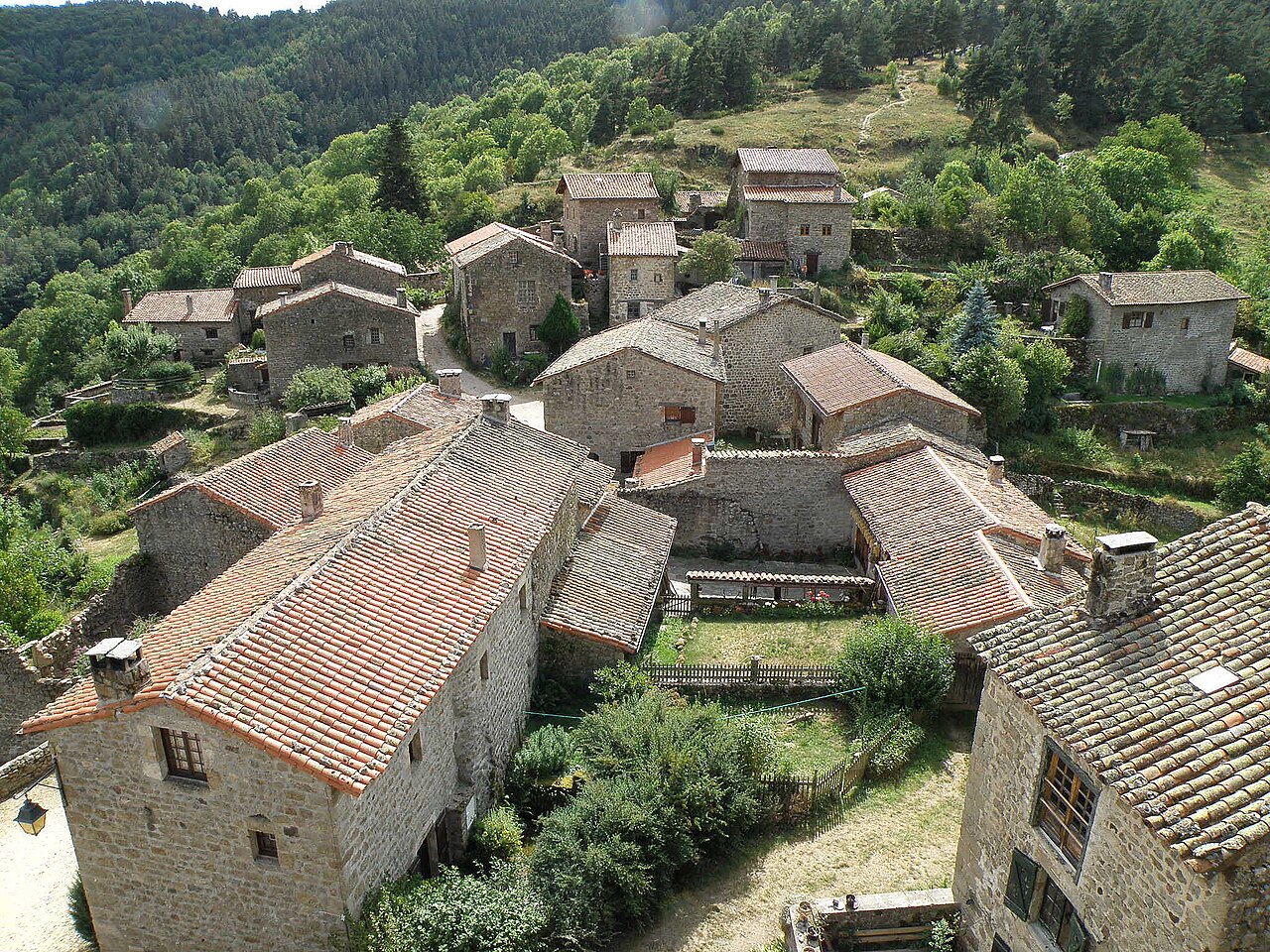
Occupied today largely by the presbytery, the castle has undergone many alterations but retains real interest.
View full page →↓ 30.4 km · about 36 min by car to the next stop
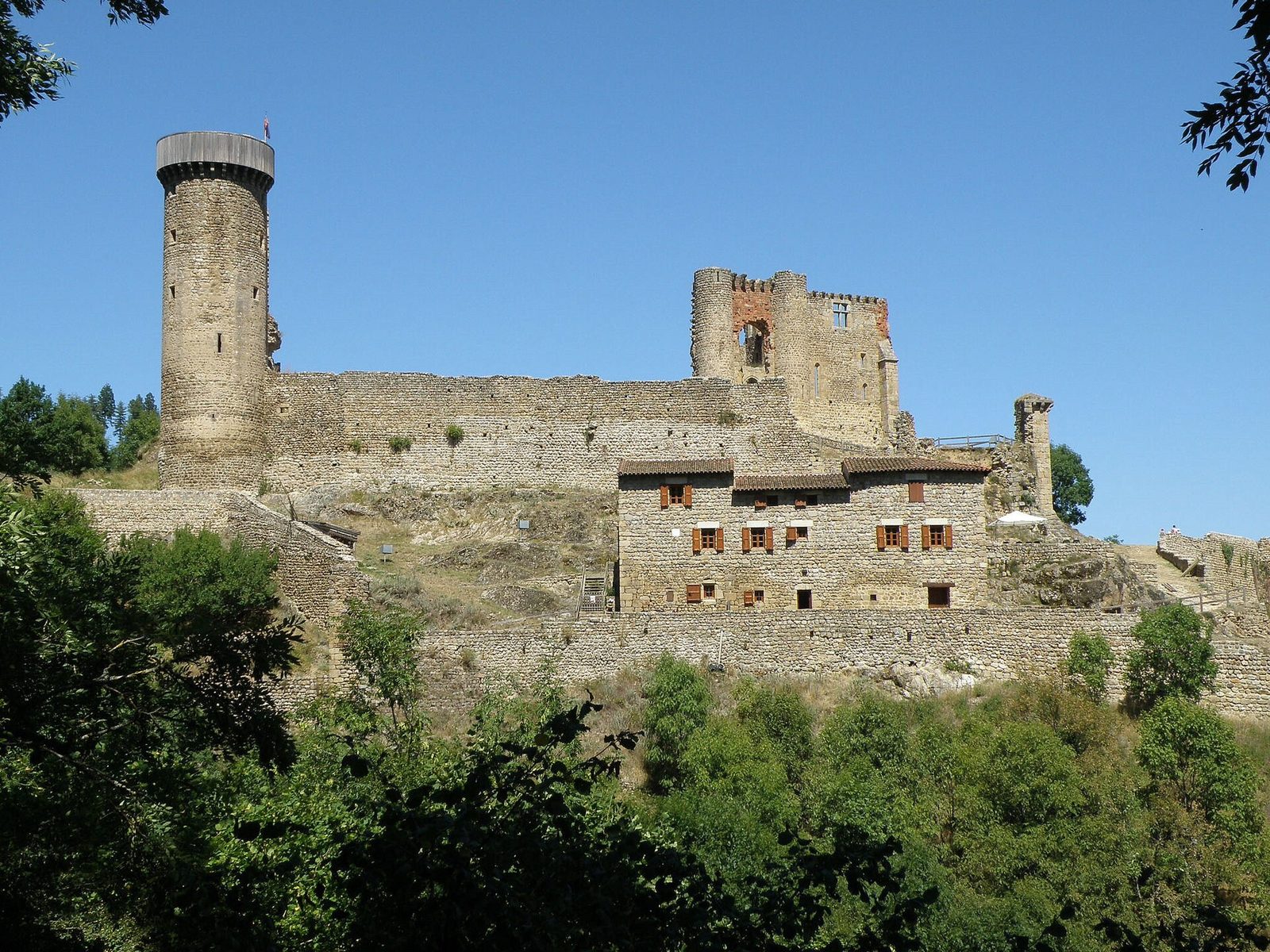
From the end of a ridge, the Château de Rochebaron overlooks the Loire gorges. Probably built by the lords of Rochebaron in the eleventh century, the castle was reworked in the fourteenth and fifteenth centuries, before being abandoned under Louis XIV.
View full page →This day brings together 6 sites close to each other: natural wonders, lakes and waterfalls. It passes through Les Estables. Allow half an hour to an hour and a half per site, plus travel time.
Driving for the day: about 149.1 km, or 2 h 49 behind the wheel in total (excluding visits).
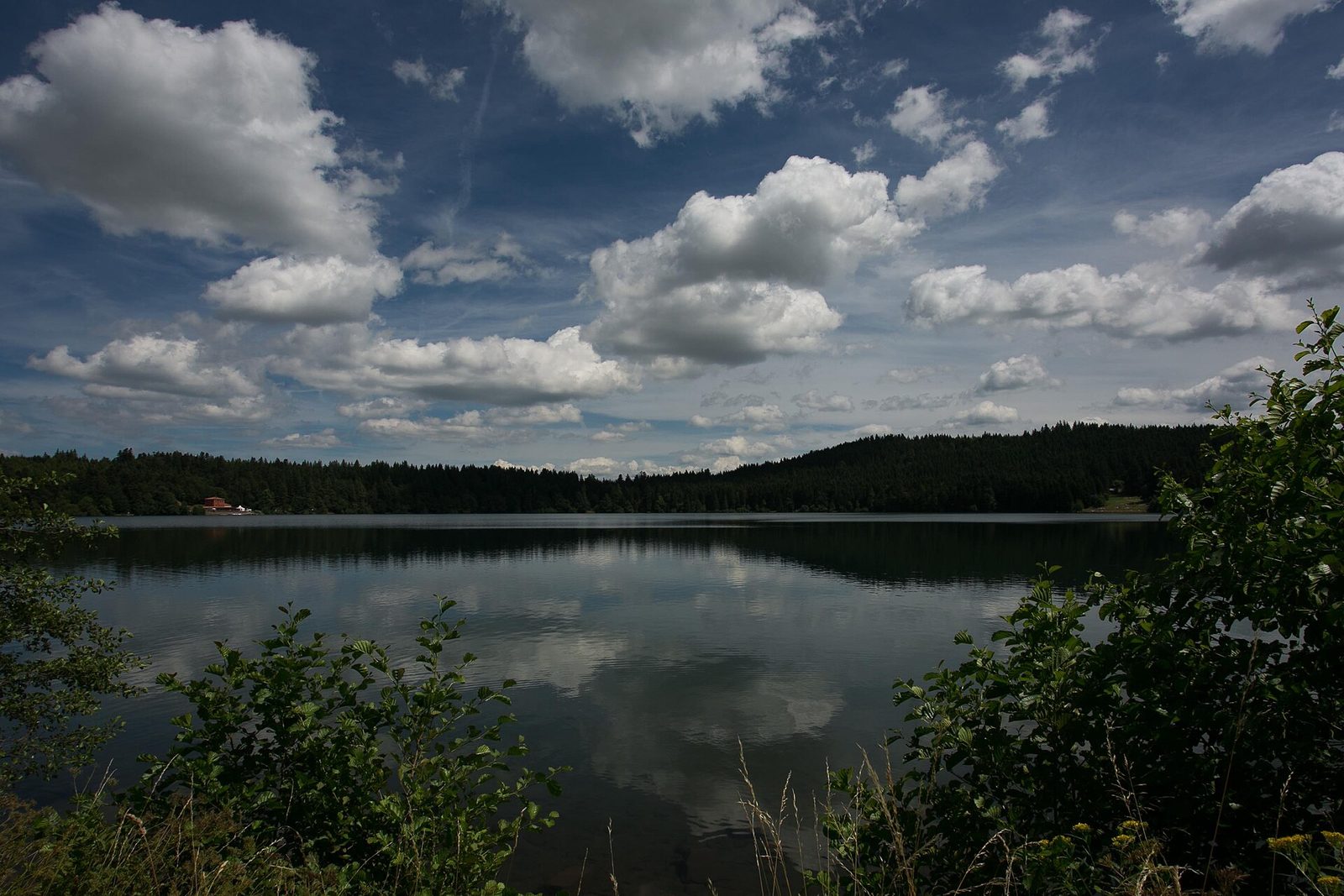
Lac du Bouchet, circular in shape, occupies the hollow of a crater. A fir wood surrounds it. The water level remains mysteriously constant; scientists have studied this phenomenon without really explaining it.
View full page →↓ 16.9 km · about 23 min by car to the next stop
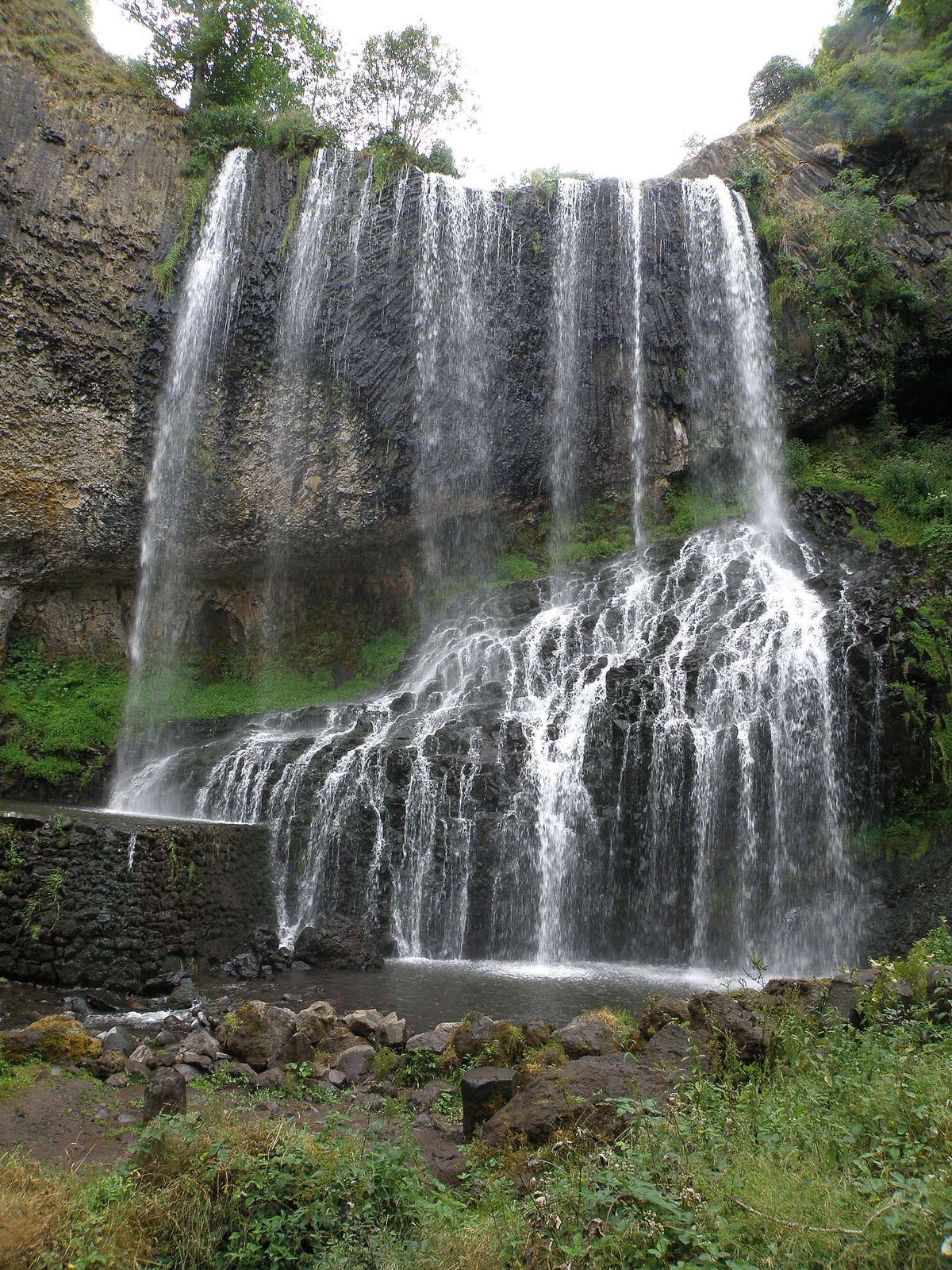
A magnificent 30 m waterfall (the largest in Haute-Loire) tumbling from a basalt cliff.
View full page →↓ 14.3 km · about 24 min by car to the next stop
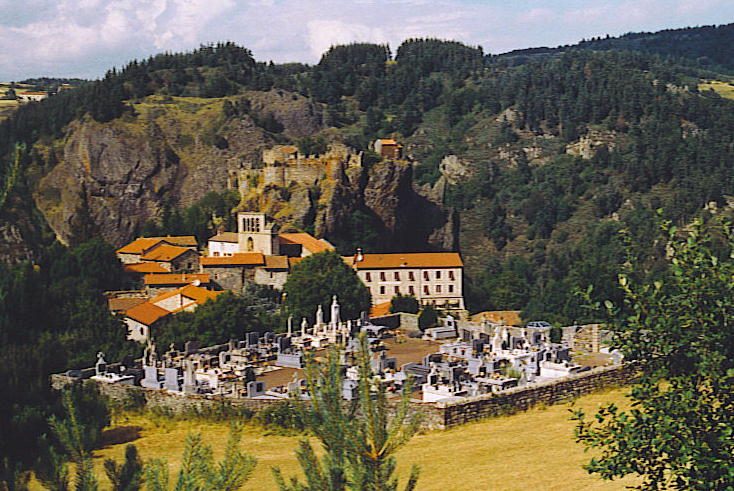
A strange rock topped by a feudal castle 80 metres above the Loire. An old lava flow "moulded" in a fissure, then cleared by erosion.
View full page →↓ 19.7 km · about 21 min by car to the next stop
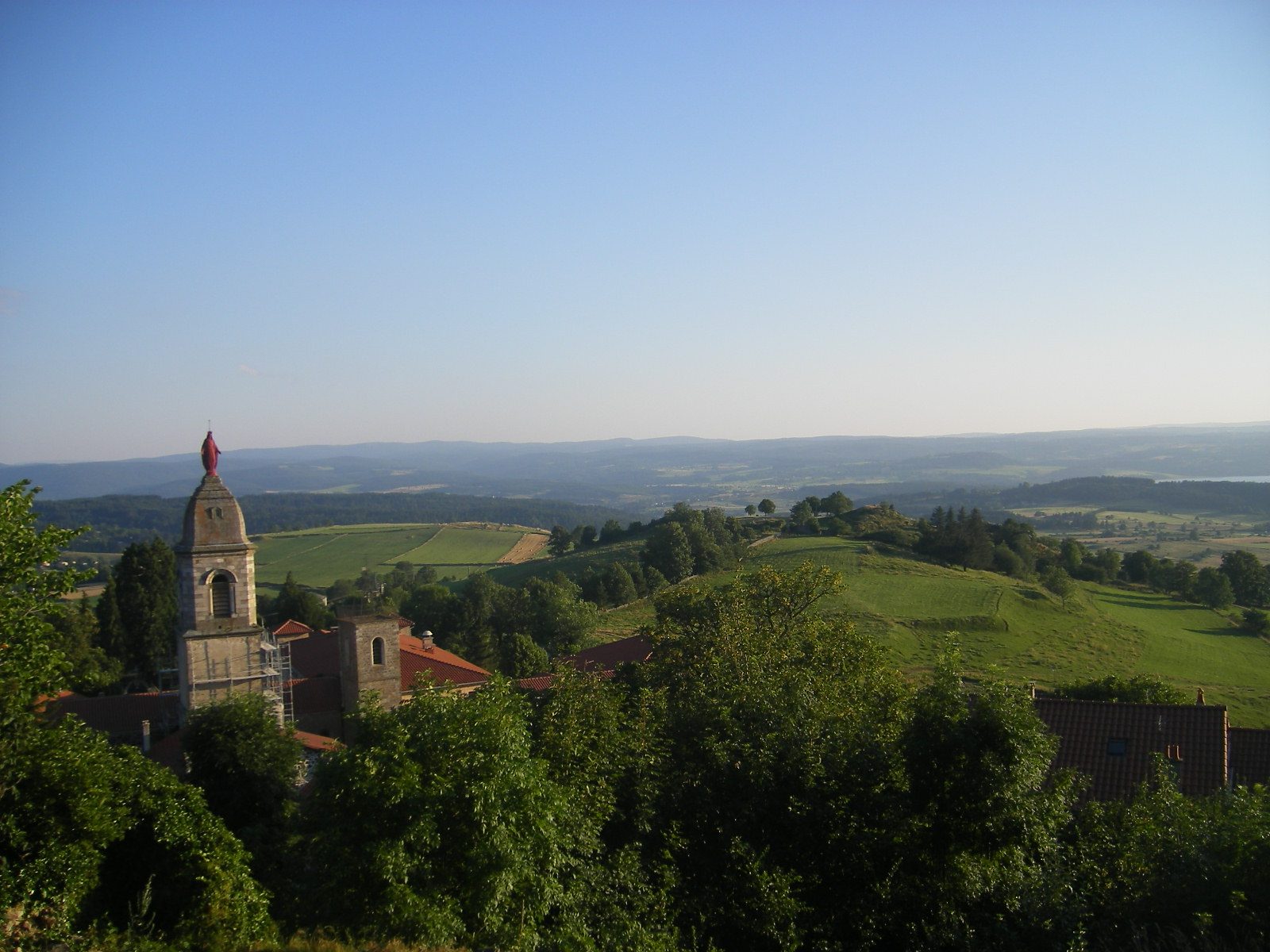
A pilgrims' road to Saint-Gilles-du-Gard and a transhumance drove road between Languedoc and the summits of the Massif Central, the Regordane way made Pradelles a crossroads where salt, oil and wine were traded, and even munitions during the Wars of Religion.
View full page →↓ 47.8 km · about 48 min by car to the next stop
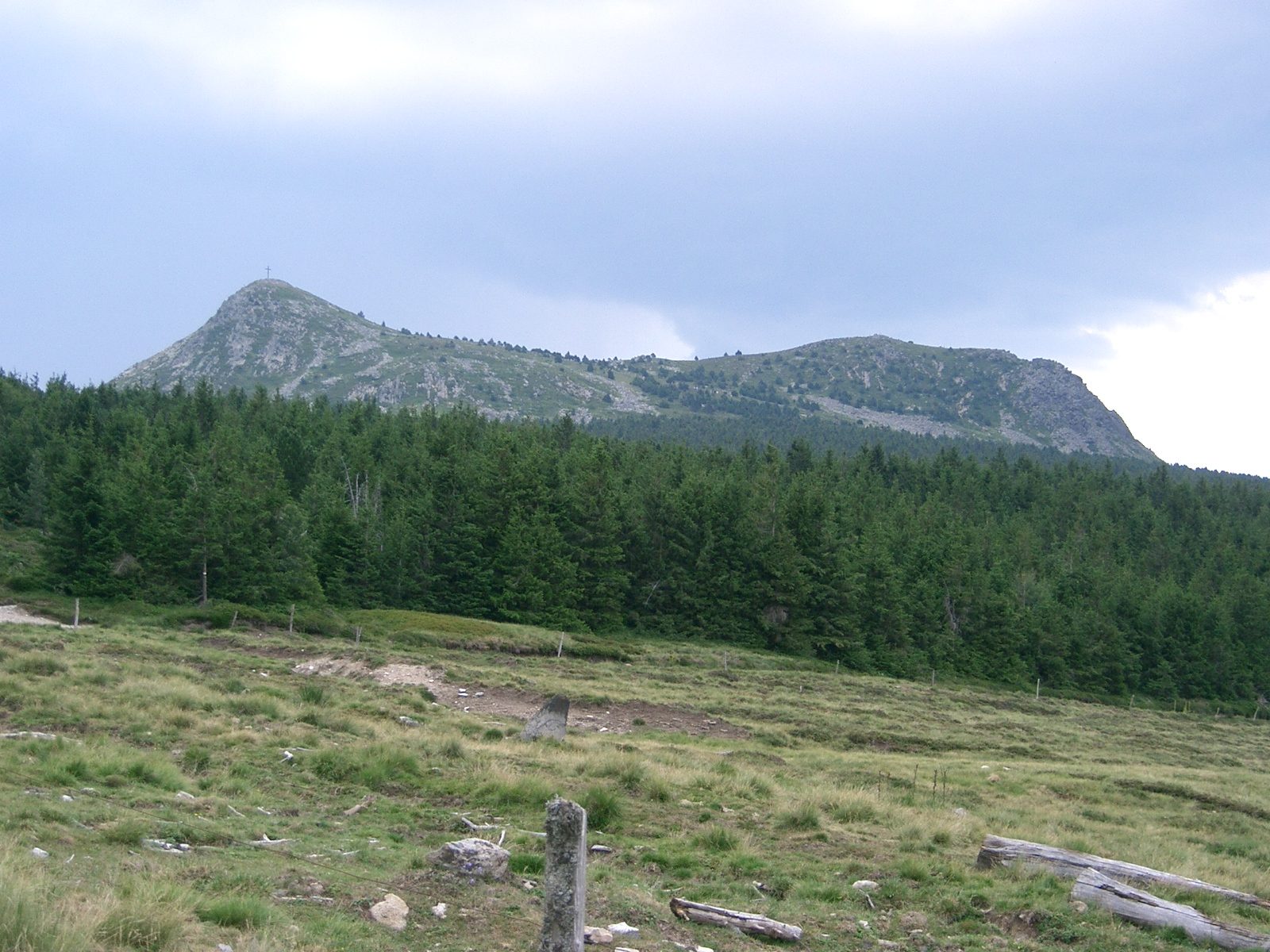
A former volcano peaking at 1,753 metres on the border of Haute-Loire and Ardèche, Mont Mézenc offers one of the widest panoramas of the Massif Central. In clear weather, the gaze reaches the Alps and the Cévennes.
View full page →↓ 50.4 km · about 52 min by car to the next stop
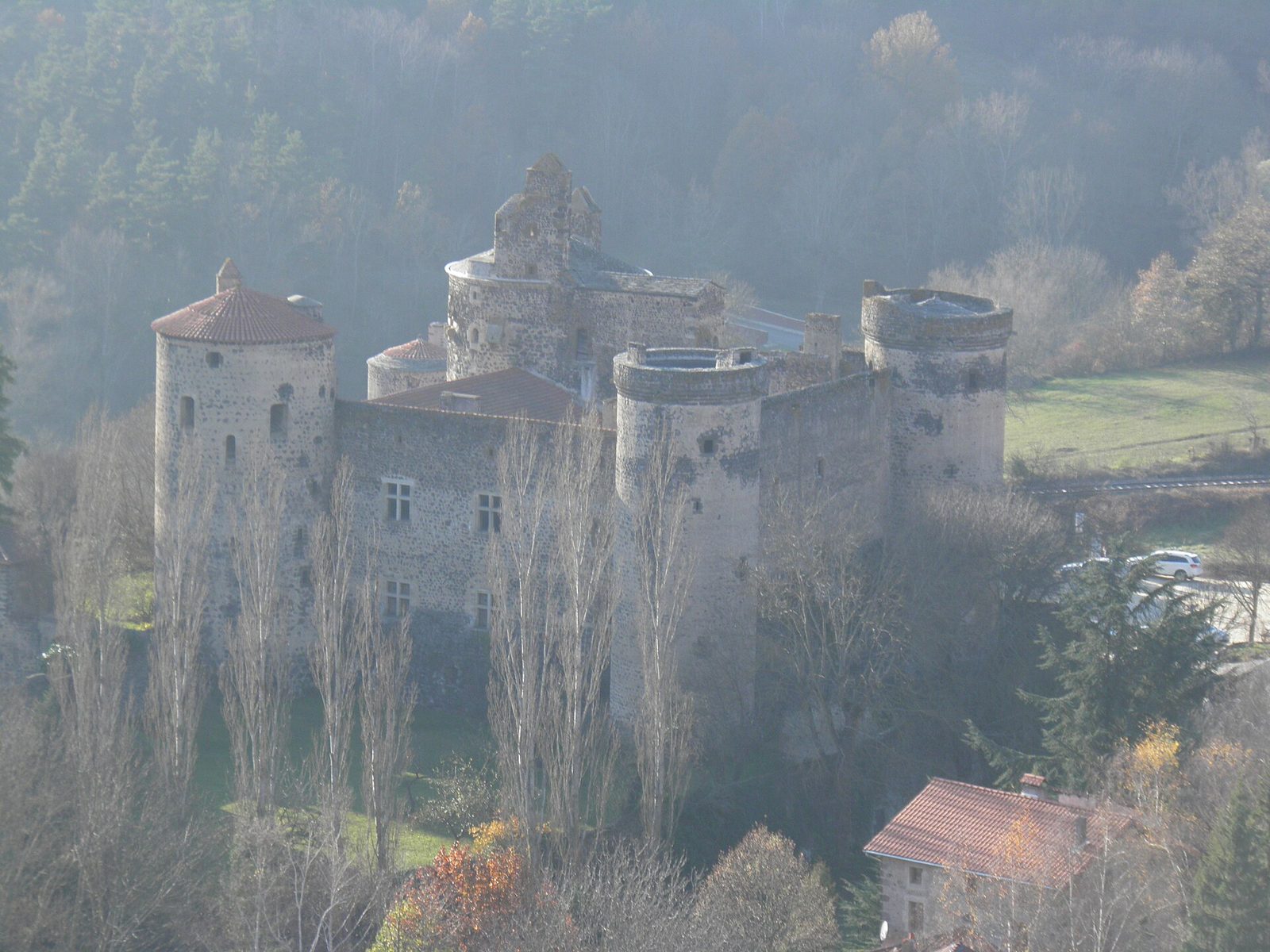
An imposing fortress in the Borne valley, fief of the La Tour de Saint-Vidal family.
View full page →Spring, summer and autumn all suit well. Summer is the most pleasant time for the mountains. Winter is cold, with snow on the plateaux.
A car is essential to link the sites. Le Puy-en-Velay is explored on foot. Some mountain roads may be snowy in winter.
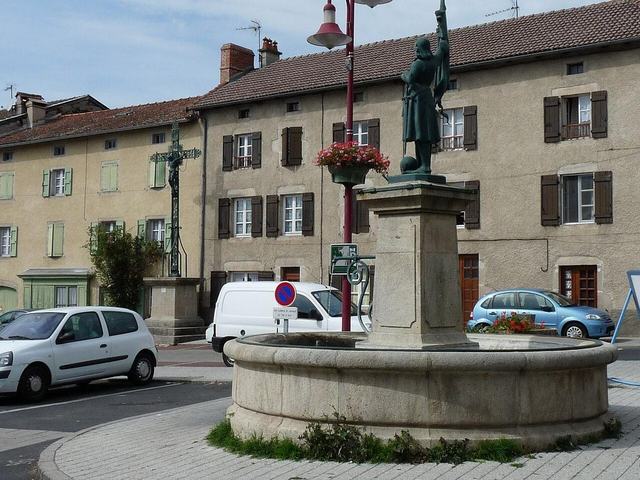
A fragile canyon of multicoloured clays, the Corbœuf ravine is an exceptional natural monument of the Haute-Loire.
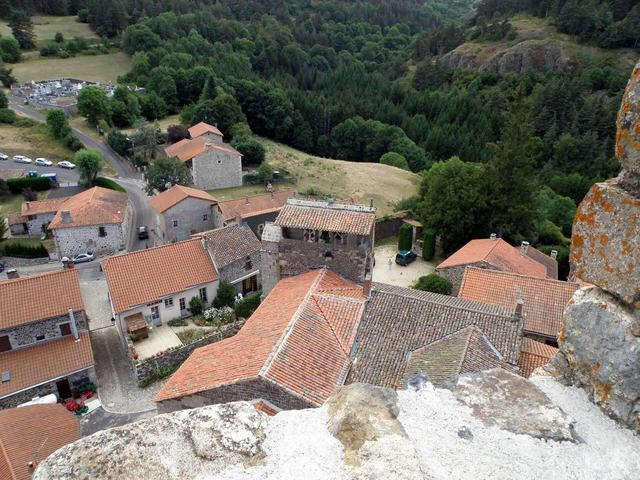
This little village occupies an astonishing site on a rocky spur overlooking the wild gorges of the Loire, where it curves and carves its bed towards Le Puy-en-Velay.

An impressive basalt fall where the water rushes down fan-shaped volcanic organ pipes.
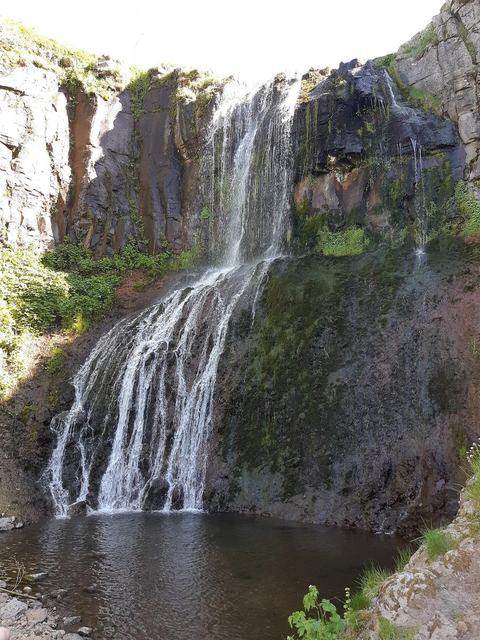
The Salin stream once offered, at Chaudeyrolles in Haute-Loire, a waterfall of about ten metres to admire in the Mézenc massif, not far from its emblematic summit.
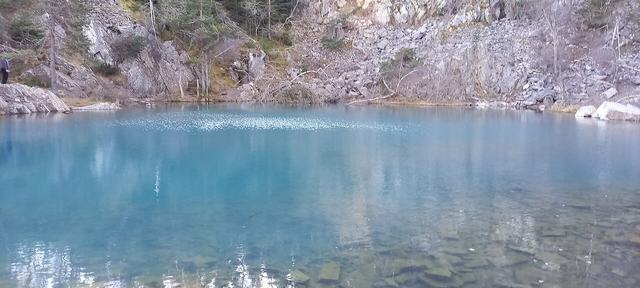
This natural curiosity is in the Lauzière park of the Blue Lake in the commune of Champclause in the Haute-Loire département.

Located in the south-east of the Massif Central, starting point of the "Via Podiensis" to Santiago de Compostela in Spain, Le Puy-en-Velay is above all an exceptional site.