Discovering Saône-et-Loire: a practical guide
Saône-et-Loire is southern Burgundy: a land of Romanesque art around Cluny, renowned vineyards in the Mâconnais and the Côte Chalonnaise, Gallo-Roman remains in Autun and varied landscapes, from the Morvan to the Bresse. An ideal département for a trip between heritage and gastronomy.
This practical guide helps you choose your stops and organise your trip. Underlined site names link to their detailed pages.
Understanding Saône-et-Loire in a few minutes
The département is divided into several areas. To the east, the Saône flows through Chalon-sur-Saône and Mâcon, with the vineyards of the Côte Chalonnaise and the Mâconnais. In the centre, the Clunisois and the Tournus area form the heart of Romanesque art. To the north-west, Autun and the southern Morvan. To the west, the Charolais and the Brionnais, cattle country. East of the Saône, the Burgundian Bresse.
The A6 motorway and the TGV (Le Creusot-Montceau and Mâcon-Loché stations) serve the département well. For a trip of a few days, Cluny or Mâcon are good bases for the south, Autun for the north.
- The greenway between Cluny and Givry is ideal by bike.
- The lanes of the Clunisois are narrow but very beautiful.
- Mâcon is less than two hours from Paris by TGV.
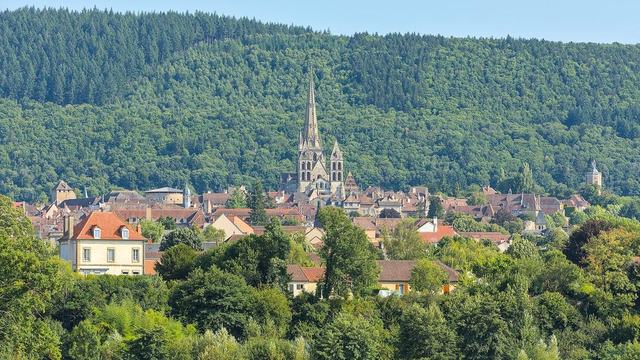
Autun
A former Roman city nicknamed the "sister and rival of Rome", whose tall Gothic spire of the Saint-Lazare cathedral still dominates the rooftops.

Mâcon
The main town of Saône-et-Loire and capital of the Mâconnais wine country, whose colourful quays line the Saône opposite the two spires of the former cathedral.
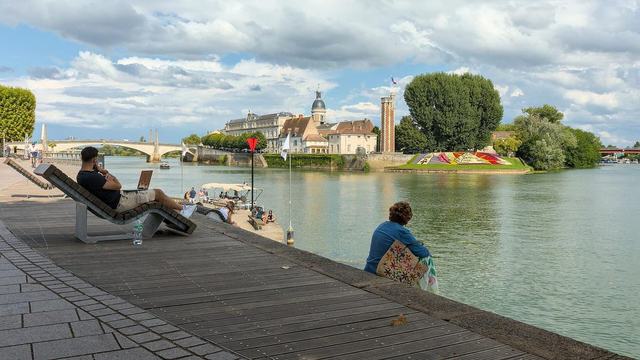
Chalon-sur-Saône
Birthplace of the photographer Nicéphore Niépce, whose quays and the Île Saint-Laurent in the middle of the Saône make up one of the finest river views in Burgundy.

L'Abbaye de Cluny
Cluny Abbey, founded in 910, developed very quickly, led by its illustrious abbots.
Culture, history and heritage
Cluny Abbey, founded in 910, was one of the greatest religious centres of the West; its great church remained the largest in Christendom until St Peter's in Rome was built. Castles are plentiful: the Château de Cormatin, the Château de Berzé, the Château de Brancion, the Château de Sully, the Château de Drée, the Château de la Clayette and the Château de Pierre-de-Bresse. The village of Semur-en-Brionnais is a jewel of Romanesque Brionnais.
Autun keeps many Roman remains, including the Roman theatre and the Porte Saint-André. On Mont Beuvray, Bibracte presents the former Gallic capital of the Aedui. In Chalon-sur-Saône, the Musée Nicéphore-Niépce pays tribute to the inventor of photography, and the Ecomusée Creusot-Montceau tells the industrial history of the area.
- Combine Cluny, Cormatin and Brancion in a single day.
- At Bibracte, wear good shoes for the excavations.
- The Nicéphore-Niépce museum is free.
L'Abbaye de Cluny
Cluny Abbey, founded in 910, developed very quickly, led by its illustrious abbots.
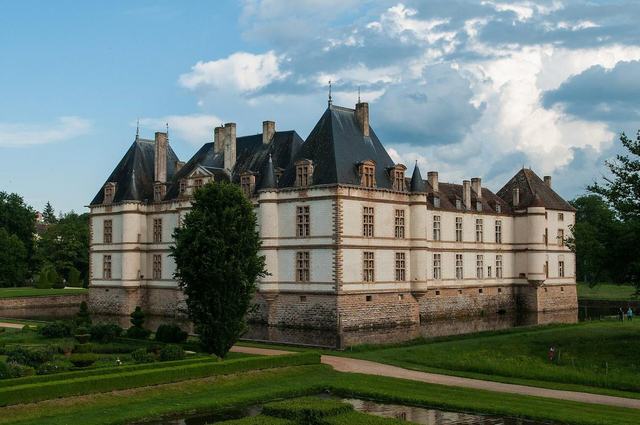
Château de Cormatin
Between Tournus and Cluny, in the heart of southern Burgundy, the Château de Cormatin awaits you amid its gardens and ornamental waters.
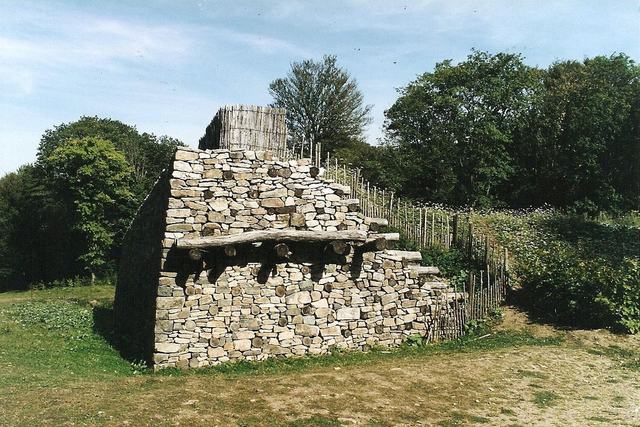
Bibracte
Bibracte is at the summit of Mont Beuvray and the panorama is superb. You arrive by a fortified gate in the middle of a mysterious forest of twisted "queules" beeches.
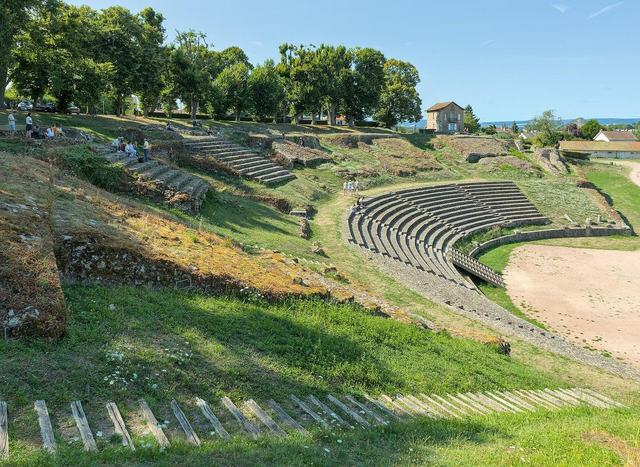
Théâtre romain d'Autun
Built in the 3rd century, the Roman theatre of Autun could hold up to 20,000 people. With a diameter of 149 metres, it was the largest in capacity in the western part of the Roman Empire.
Food and local produce
Saône-et-Loire is a land for food lovers: Charolais beef, Bresse poultry, snails, œufs en meurette (eggs poached in red wine) and Mâconnais goat's cheeses. The Bresse can also be discovered at the Ecomusée de la Bresse Bourguignonne.
For wine, the Mâconnais produces the famous Pouilly-Fuissé at the foot of the Rock of Solutré, and the Côte Chalonnaise wines such as Rully, Mercurey and Givry. Cellars readily welcome visitors.
- Try a cut of Charolais beef in a country restaurant.
- Nominate a driver for the wine route.
- The Monday market in Louhans is one of the oldest in Burgundy.
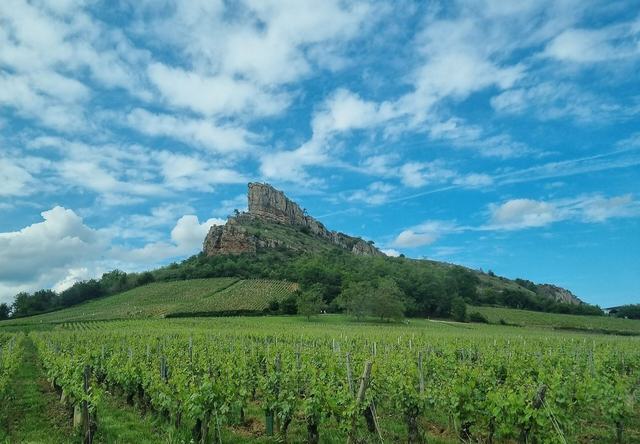
La Roche de Solutré
For geological, prehistoric and historical reasons, the Roche de Solutré is the high point of any visit to the Mâconnais. A walk from the car park south of the rock lets the visitor reach the summit, after a visit to the departmental museum.
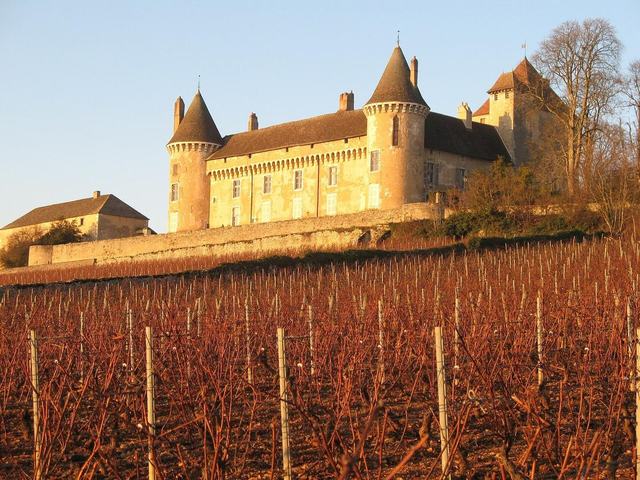
Château de Rully
A medieval fortress built around a square twelfth-century keep, the château has interesting military architecture: wall-walk, battlements, machicolations, arrow slits. The residential wings date from the early Renaissance.
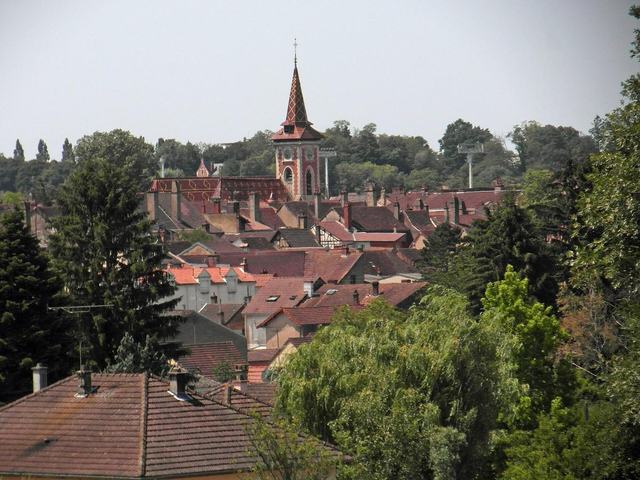
Ecomusée de la Bresse Bourguignonne
The Bresse, yesterday, today and tomorrow.
Nature and wide open spaces
The Rock of Solutré overlooks the Mâconnais vineyards; climbing it gives a wide panorama, and the Solutré prehistory museum presents this major prehistoric site. In the Autun area, the Uchon rock chaos and the Cascade de Brisecou are discovered on foot.
The Azé and Blanot caves can be visited in the Mâconnais. The Centre Eden in Cuisery presents Burgundy's natural heritage. With children, Touroparc and the Parc Touristique des Combes in Le Creusot are popular outings.
- Climb Solutré late in the day for the light on the vines.
- The Uchon paths are suitable for families.
- In the caves, bring something warm.
La Roche de Solutré
For geological, prehistoric and historical reasons, the Roche de Solutré is the high point of any visit to the Mâconnais. A walk from the car park south of the rock lets the visitor reach the summit, after a visit to the departmental museum.
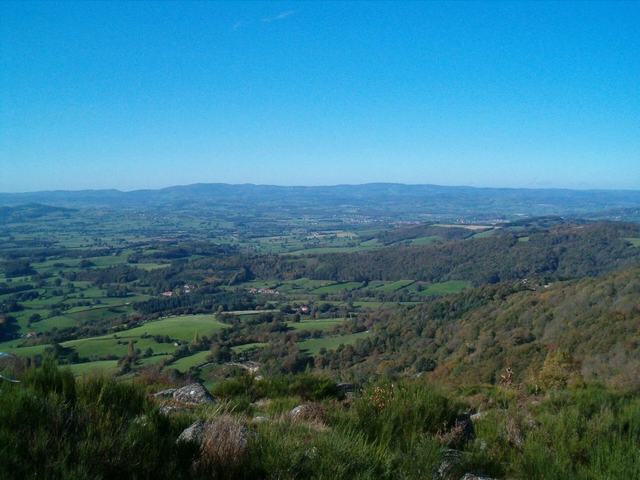
Chaos d'Uchon-Griffe du diable
An orientation table lets you discover the Autunois from the superb granite block chaos that give this place its magical character laden with legends.

Touroparc
All year round discover an exceptional animal reserve of 800 animals (mammals, reptiles, birds) with restaurant, bars, shops, games from March to October.

Grottes d'Azé et Blanot
The caves go down more than 80 m deep. Over geological time, the vault collapsed, creating a chaos of gigantic stones.
When to go and how to plan
Spring and autumn are the ideal seasons, with the grape harvest in September. Summer is pleasant for hiking and the greenway. The Heritage Days in September open many castles.
A four-day trip can combine a day in Cluny and its castles, a day in the Mâconnais and at Solutré, a day in Autun and Bibracte, and a day between Chalon-sur-Saône and the Côte Chalonnaise.
- Several castles open only in season: check.
- Book accommodation in Cluny in summer.
- Bike hire for the greenway is easy in Cluny.
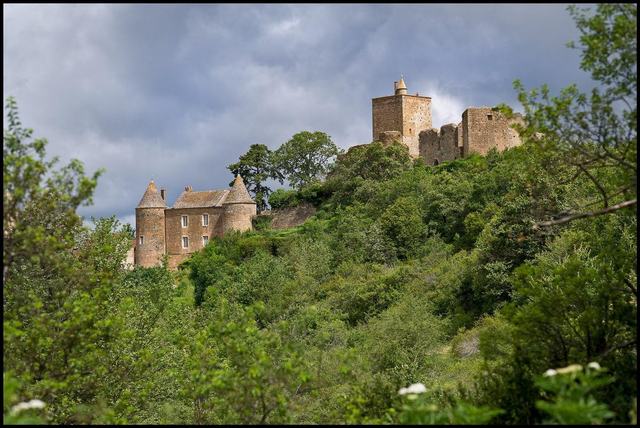
Château de Brancion
Erected by the lords of Brancion between the eleventh and thirteenth centuries and magnified by the dukes of Burgundy in the fourteenth century, the castle proudly overlooks the Grosne valley.

Château de Berzé
Berzé is the largest and best-preserved fortress of southern Burgundy, built from the thirteenth to the fifteenth century around its Carolingian chapel.
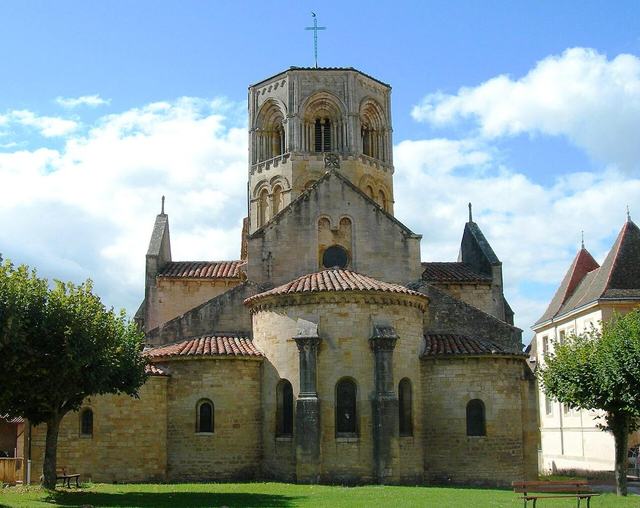
Semur-en-Brionnais
Semur-en-Brionnais is the birthplace of Saint Hugh of Cluny, abbot of Cluny from 1049 to 1109, reformer of the Church and much-heeded adviser of kings and Pope Gregory VII.
Going further
Explore the départements of this area: